
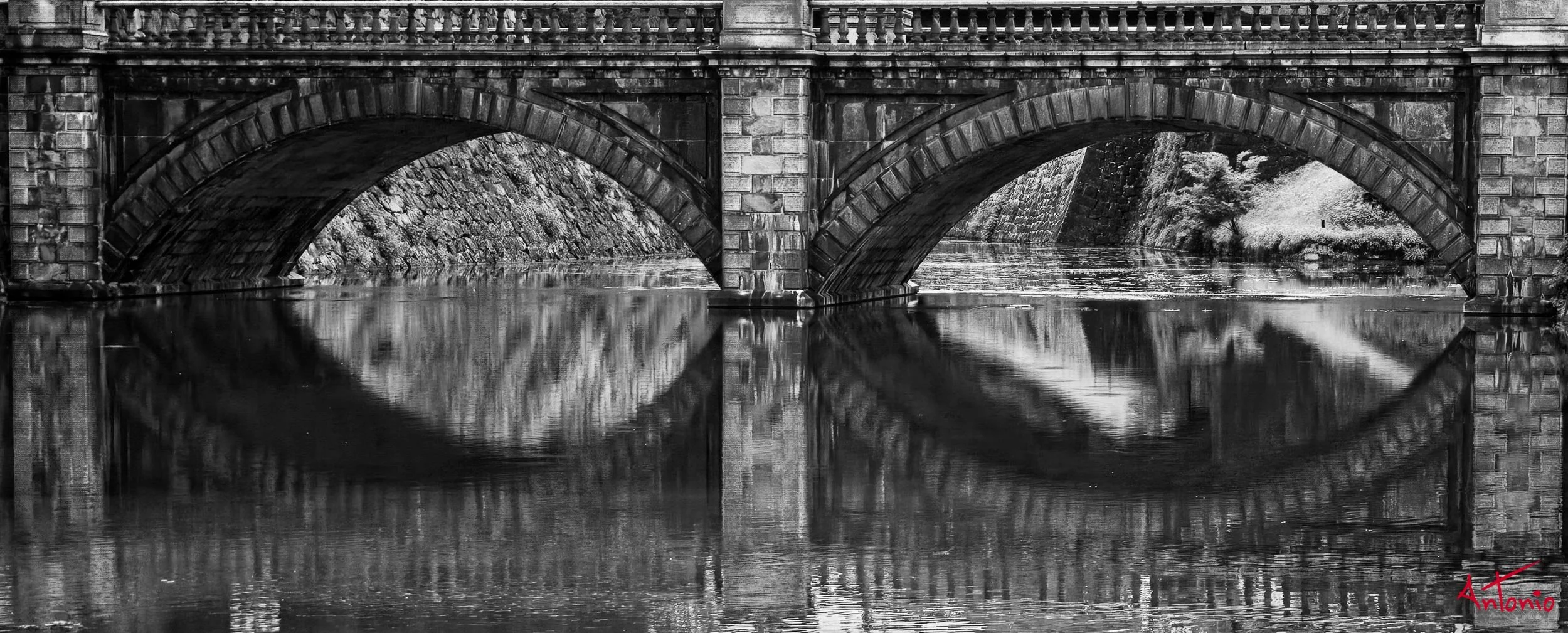
WHY MY LOVE FOR PHOTOGRAPHY
It is curious how certain events from our childhood can mark us forever. Some remain completely unconscious memories, but others—no matter how young we were—leave an indelible trace that becomes part of our lives.
When I was a child, about two years old, my mother would begin preparing dinner. To keep me from making a mess or spilling hot milk on myself, she would send me to stay with my father, who, like any good photography enthusiast, had a darkroom at home.
Those moments remain vividly engraved in my memory. I am sure that my love for photography began there. My father would sit me on a small counter in that darkroom. He would turn off the lights, and we would remain in almost complete darkness, except for a small, dim yellow glow coming from a safelight placed above a small sink. It was a yellow light that did not affect the emulsion of the photographic paper and allowed us to move around the room. That was where the magic began.
My father would place a negative in his enlarger and a sheet of white paper beneath it. The light of the enlarger would turn on, projecting an image that meant little to me at first because it was inverted. It was a photographic negative: white was black and black was white. I could barely make out what it was.
Then he would take that sheet of paper, which seemed to contain nothing but light, and immerse it in a liquid for a few minutes. Slowly, an image would begin to appear on the paper. Pure magic. My sense of wonder was always beyond words. From a blank sheet, with only light and a liquid, a copy of something he had seen somewhere moments or days before would emerge. I loved being in that room—in the darkness, in the silence—watching the images come to life on the paper.
I asked him what it was, and he simply said: Photography.

WHERE A PHOTOGRAPH IS BORN
Essentially, a good photograph is born in the soul of the photographer.
Technique, the quality of the camera, the sharpness of the lens, the type of film, or the number of pixels in a sensor do not always matter most. All of these things can certainly help, but the true essence of photography lies in the soul—in what we are able to convey to the viewer.
Today, with the advantages of digital technology, we do not think as much about creating a single photograph. We can take hundreds of images and later choose the best one. But when photography was limited to a roll of film, the number of exposures was defined in advance, and that was when quality truly came into play.
The eye was responsible for recognizing the exact moment when it would send that impulse to the soul that made the finger press the shutter. It was that instant—expected or unexpected—that truly created the photograph.
It was not about photographing a lot in order to choose something; it was about photographing something that could say a great deal.
It is often said that the eyes reveal the soul; in the same way, the soul sees the photograph through the eye and the camera.
That moment, that feeling, is what truly matters.
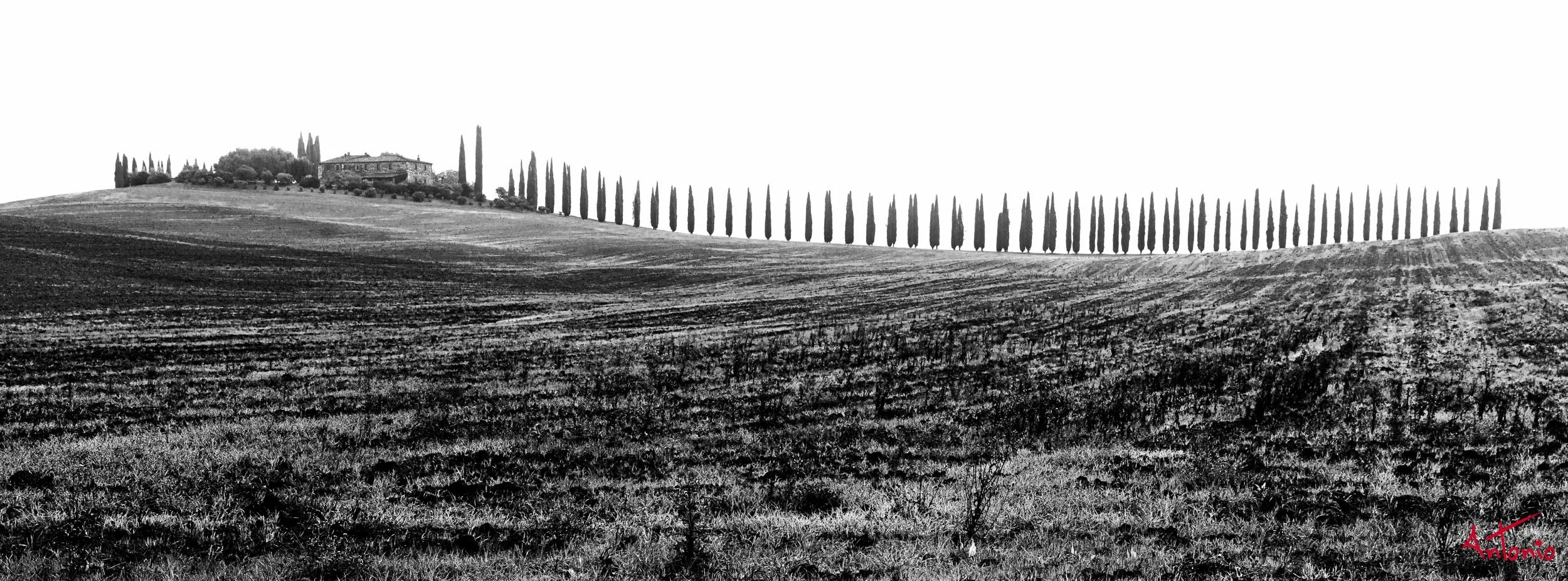
WHO WILL BE THE WITNESS OF THE 21ST CENTURY
For me, every photograph is an act of faith. Each time I look at an image, I believe—or want to believe—that what it shows truly happened, that it existed before someone’s gaze in an unrepeatable moment in time. The photographs that make up this site are born from that deep belief. They are images of what was there, of what I saw and experienced. Nothing has been added and nothing deliberately removed. Some were taken on film, others with digital tools, but all respond to the same intention: to bear honest witness to reality as it appeared before my eyes.
I grew up understanding photography as a silent witness to the world. For much of the twentieth century, photographic film fulfilled that role with almost unquestioned authority. The negative was a physical trace, a tangible proof that light had touched a specific place at a specific moment. Within it rested a simple and powerful certainty: something happened. With the arrival of digital photography, that certainty began to change. The image ceased to be only a record and also became interpretation, possibility, and construction.
Today, in the twenty-first century, an image no longer needs to have passed through reality in order to exist. It can be created, modified, or imagined without ever standing before the tangible world. Artificial intelligence allows us to generate perfect scenes of events that never occurred, faces that never breathed, stories without memory. Faced with this, I cannot help but ask: what will remain as testimony of our time? Which images will speak honestly about who we were and what we lived?
We live in a time in which trust in what we see is weakening. Seeing is no longer believing. The image, once considered evidence, can now be simulation. The boundary between the real and the created grows increasingly blurred, and our perception becomes trapped in constant doubt. Even what we witness with our own eyes is filtered through the fragility of memory and the subjectivity of our consciousness.
Perhaps, in the midst of this uncertainty, there will be a renewed need for slower, more deliberate, more tangible processes. Perhaps photographic film will regain value not only for its aesthetic qualities but also for its resistance to manipulation. Or perhaps we will need new forms of certification, new pacts of trust that attempt to restore the image to its role as a witness. Even so, the question will remain open.
This though does not seek to offer definitive answers. Rather, it is a personal invitation to pause and reflect on the value of the image in our time. For me, photography remains a deeply human attempt to preserve the memory of what has been lived. A gesture in the face of passing time. A quiet form of resistance against forgetting.
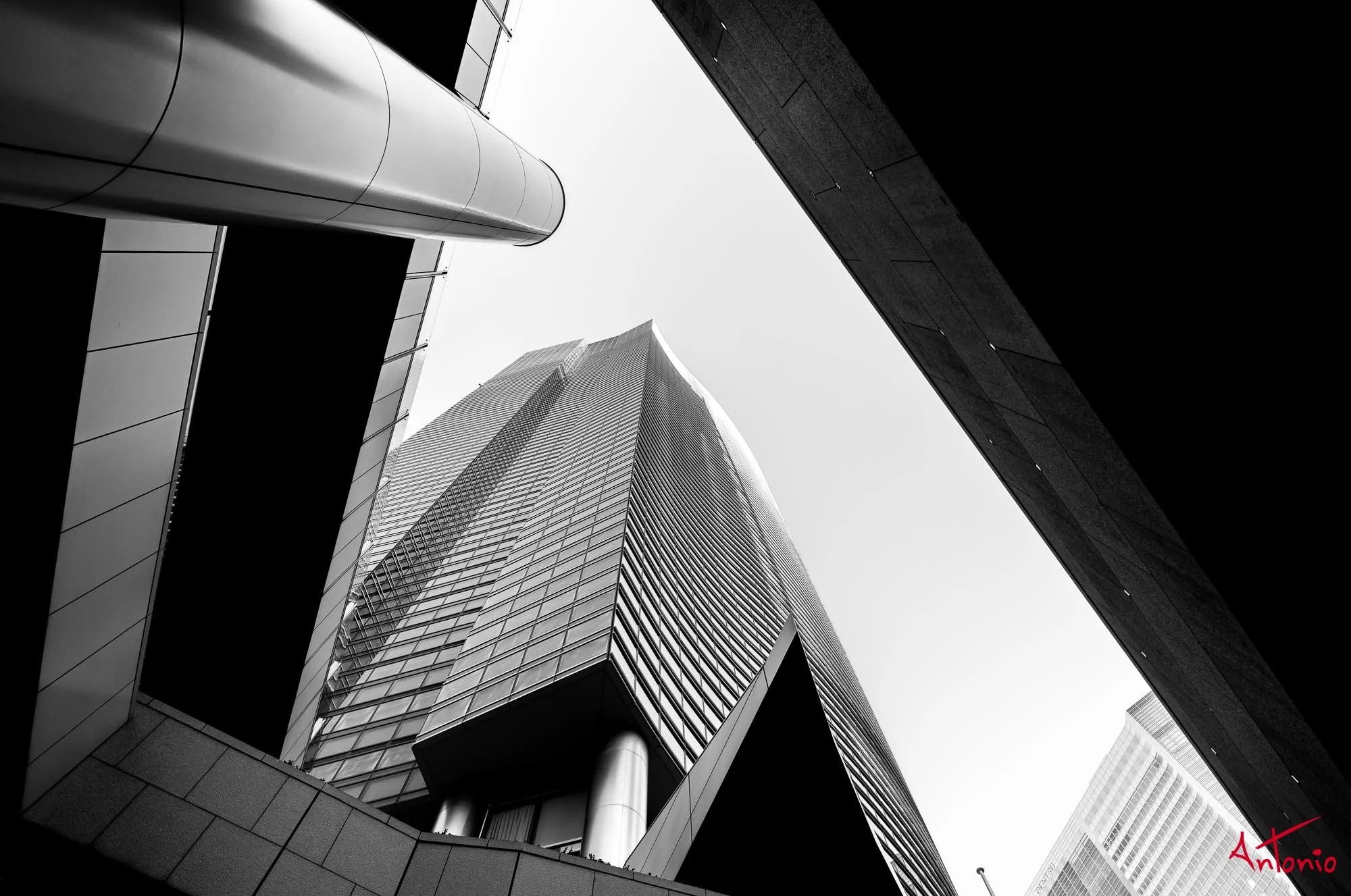
AND DIGITAL PHOTOGRAPHY ARRIVED…
The arrival of digital photography profoundly transformed the way images are created. For decades, the act of photographing required a certain inner discipline: every exposure had a cost, every frame was limited, and therefore every decision had to be carefully considered. The photographer observed the light, studied the composition, and above all learned to wait. Waiting for the right moment was an essential part of the creative process.
With digital photography, that relationship changed. Today it is possible to take hundreds or even thousands of photographs in just a few minutes. This has created a new way of working in which many photographers rely more on abundance than on anticipation. They shoot without much reflection, assuming that among thousands of images one will eventually work. The selection happens later, in front of the screen, rather than earlier, in front of the scene.
This does not mean that digital photography is inferior; on the contrary, it has democratized the medium and opened extraordinary possibilities. However, it has also changed the nature of the photographic gesture. The risk is that the camera ceases to be a tool for observation and becomes instead a machine for accumulating images.
The real difference, then, is not in the technology but in the attitude of the photographer. Some work with patience, sensitivity, and attention to the unrepeatable moment, while others work from a statistical approach: shoot a lot so that something eventually works. In the end, the discussion is not about analog versus digital, but about two different ways of looking at the world: one that seeks the photograph before pressing the shutter, and one that searches for it afterward, among thousands of files.
Ultimately, photography remains what it has always been: a way of seeing. And seeing, in its deepest sense, has never been an act of quantity, but of quality.
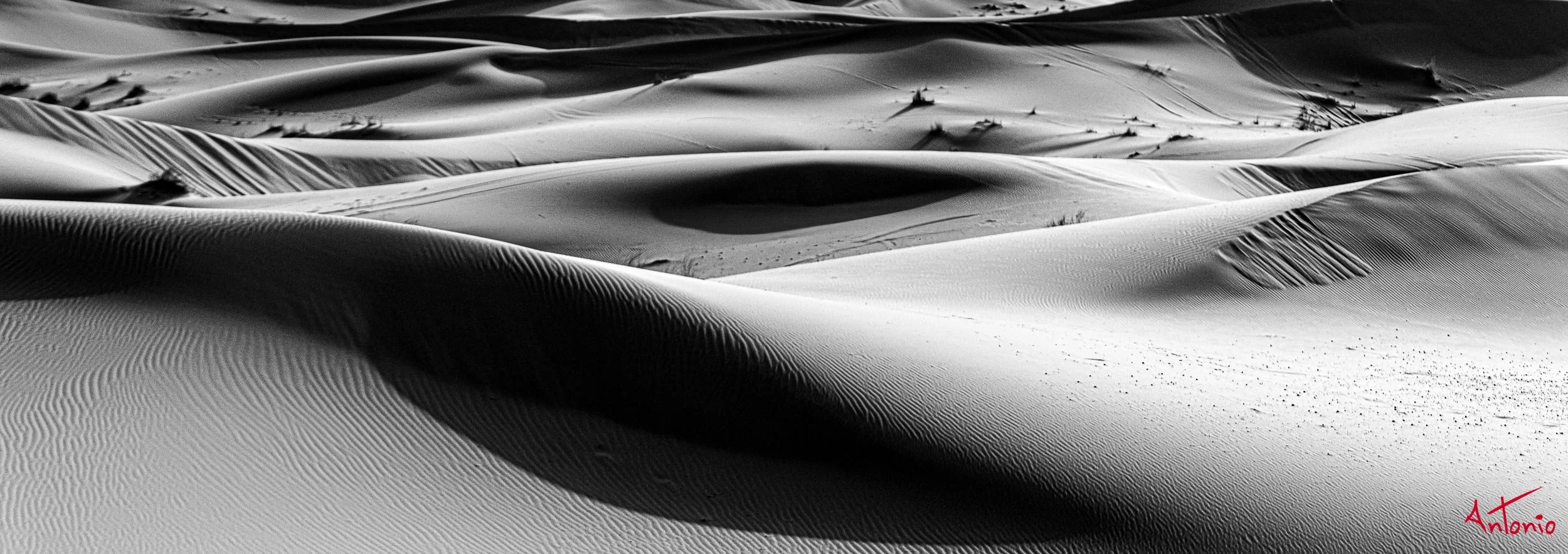
WHY WE TAKE PHOTOS
Photography does not stop time; it only allows us to remember it. Each image is a small proof that a moment once existed and that someone was there to witness it. Perhaps that is why we photograph: so that what we saw, felt, or lived does not disappear completely as time continues on its way