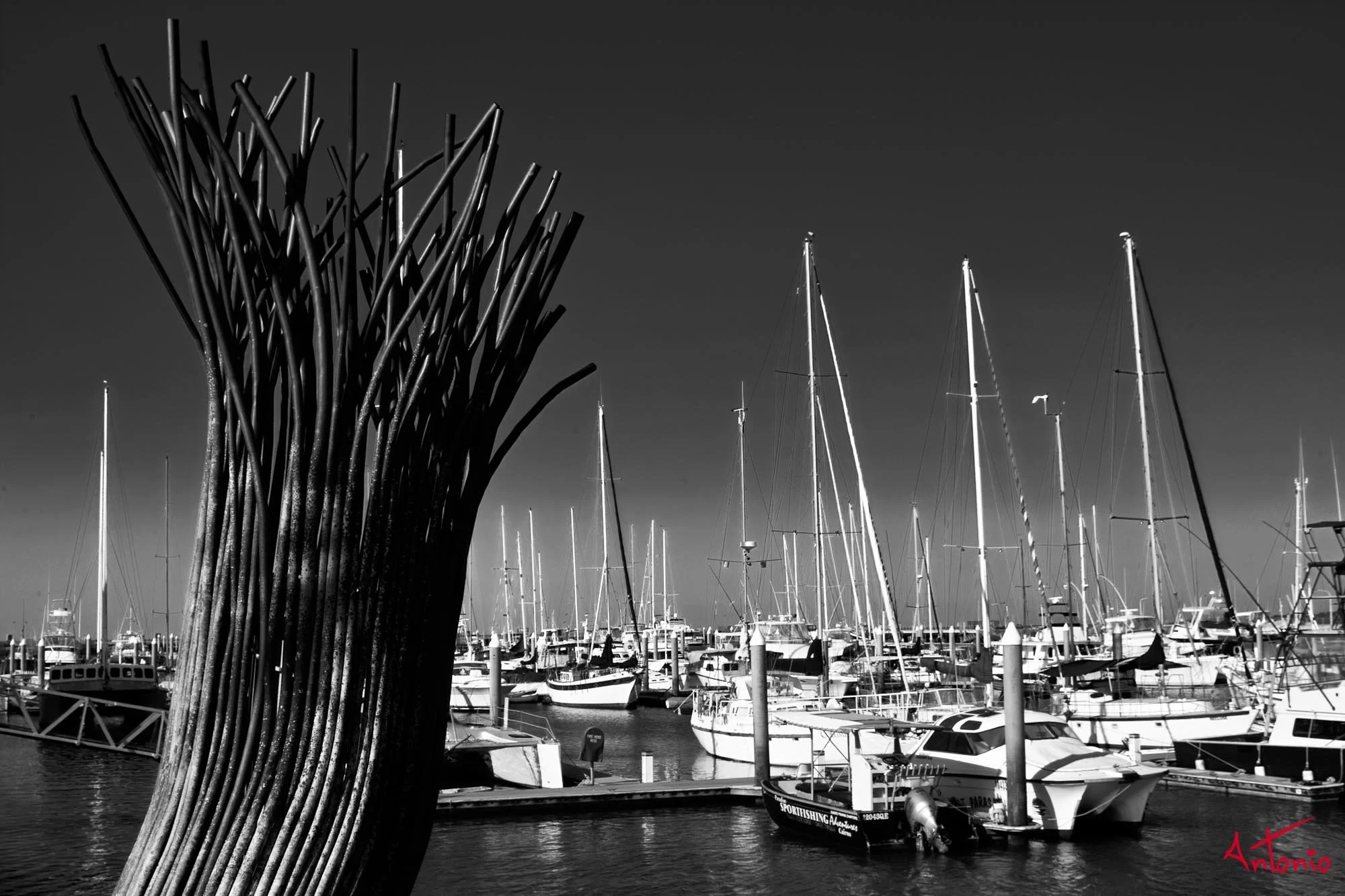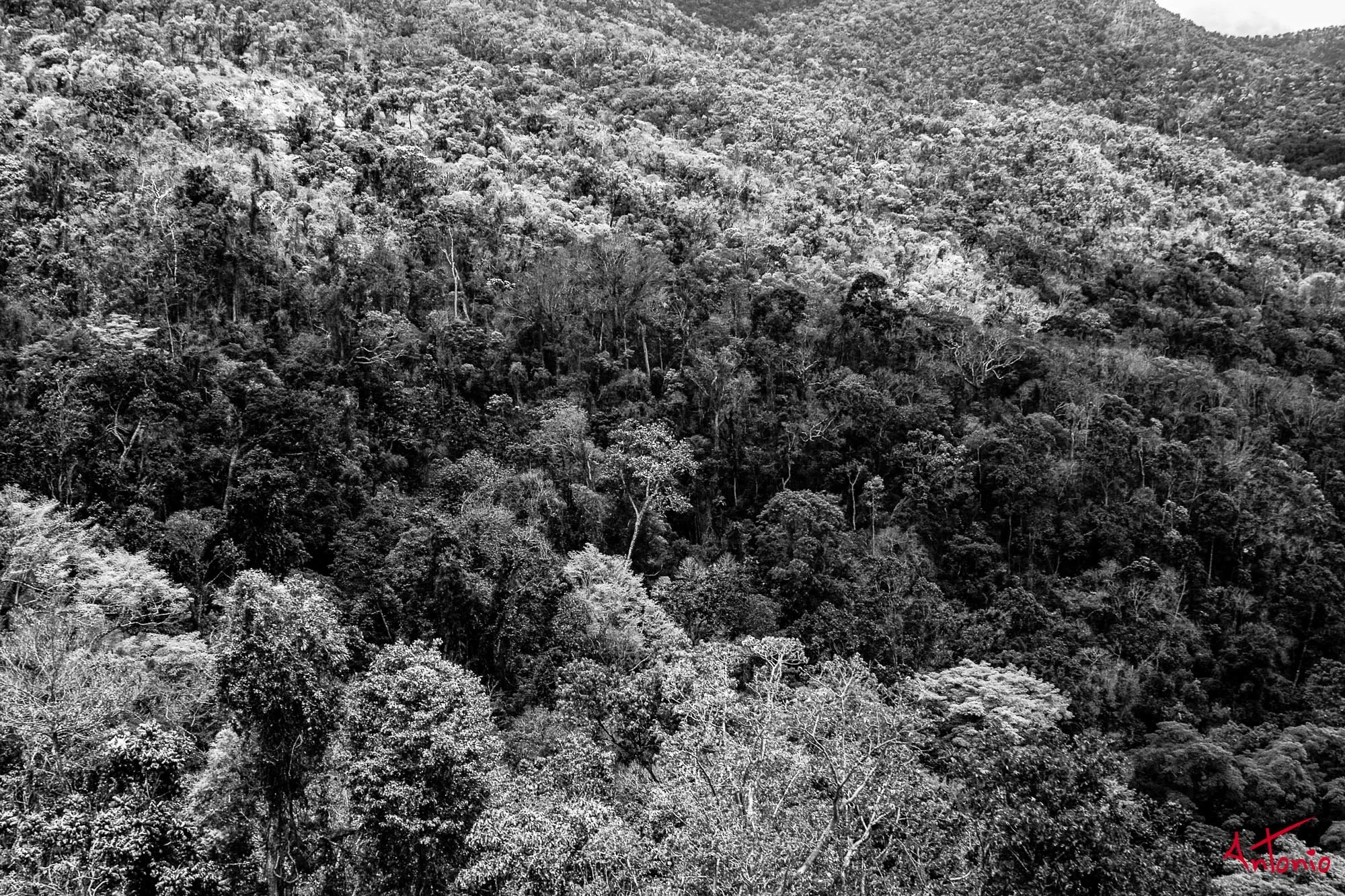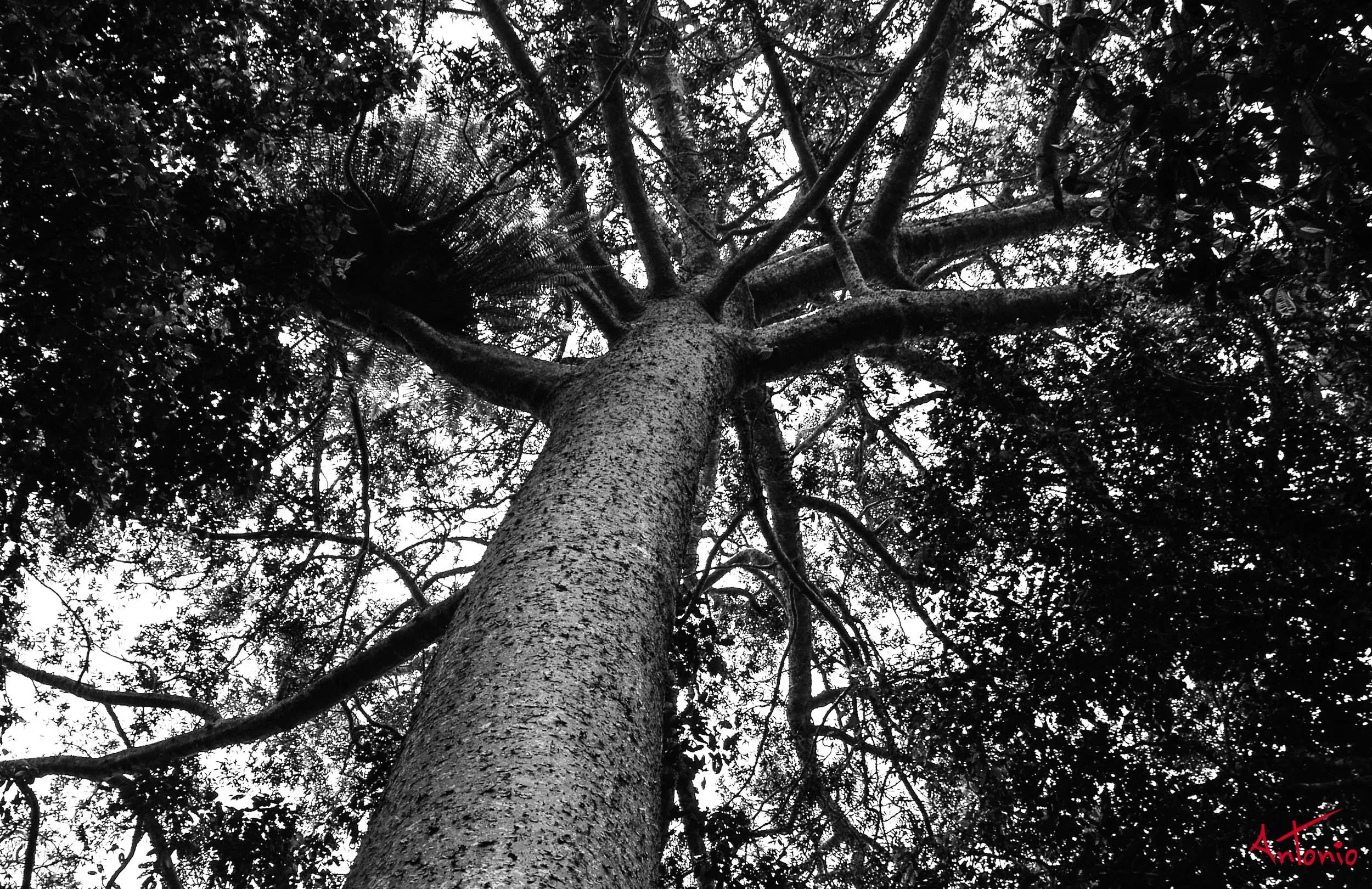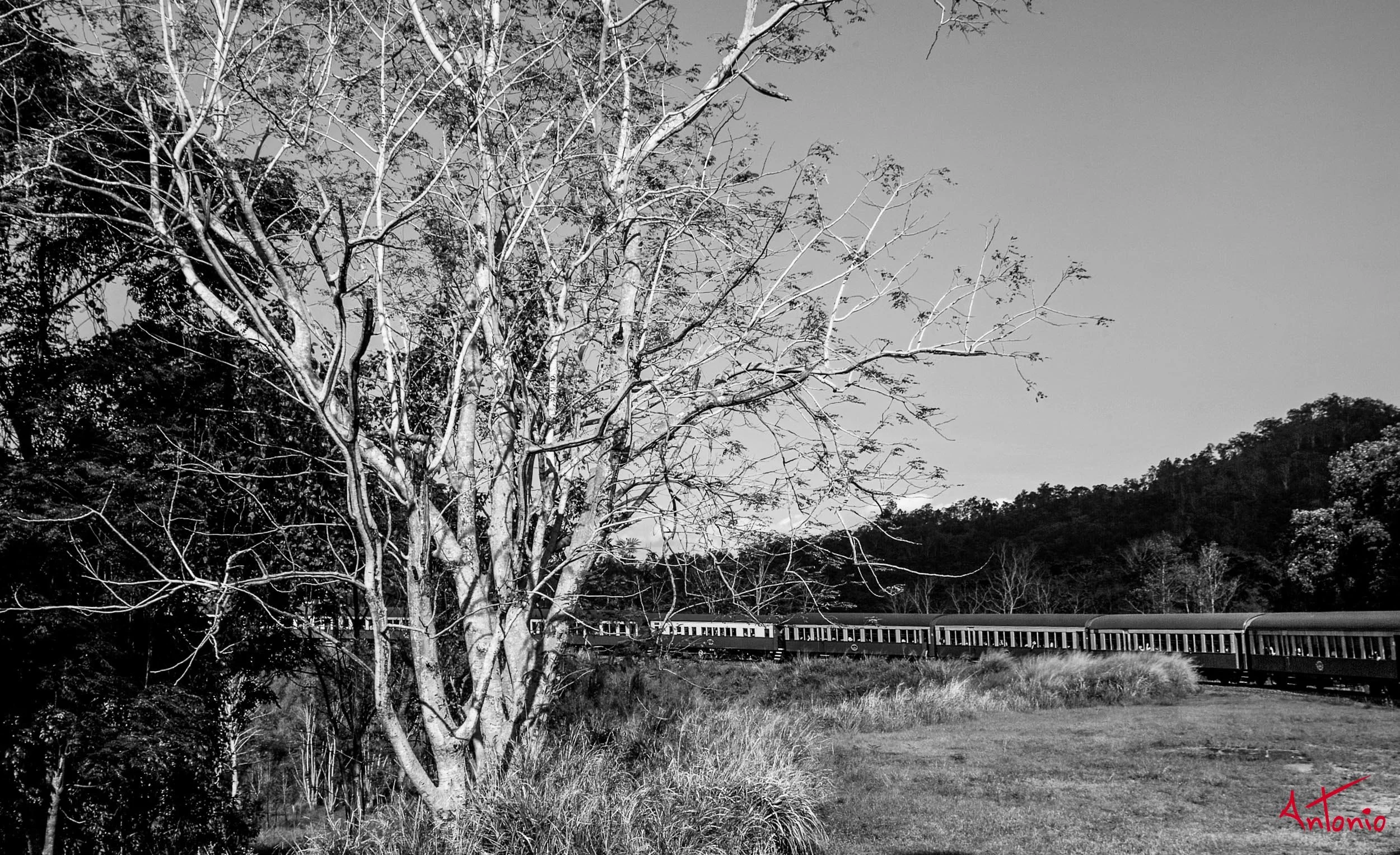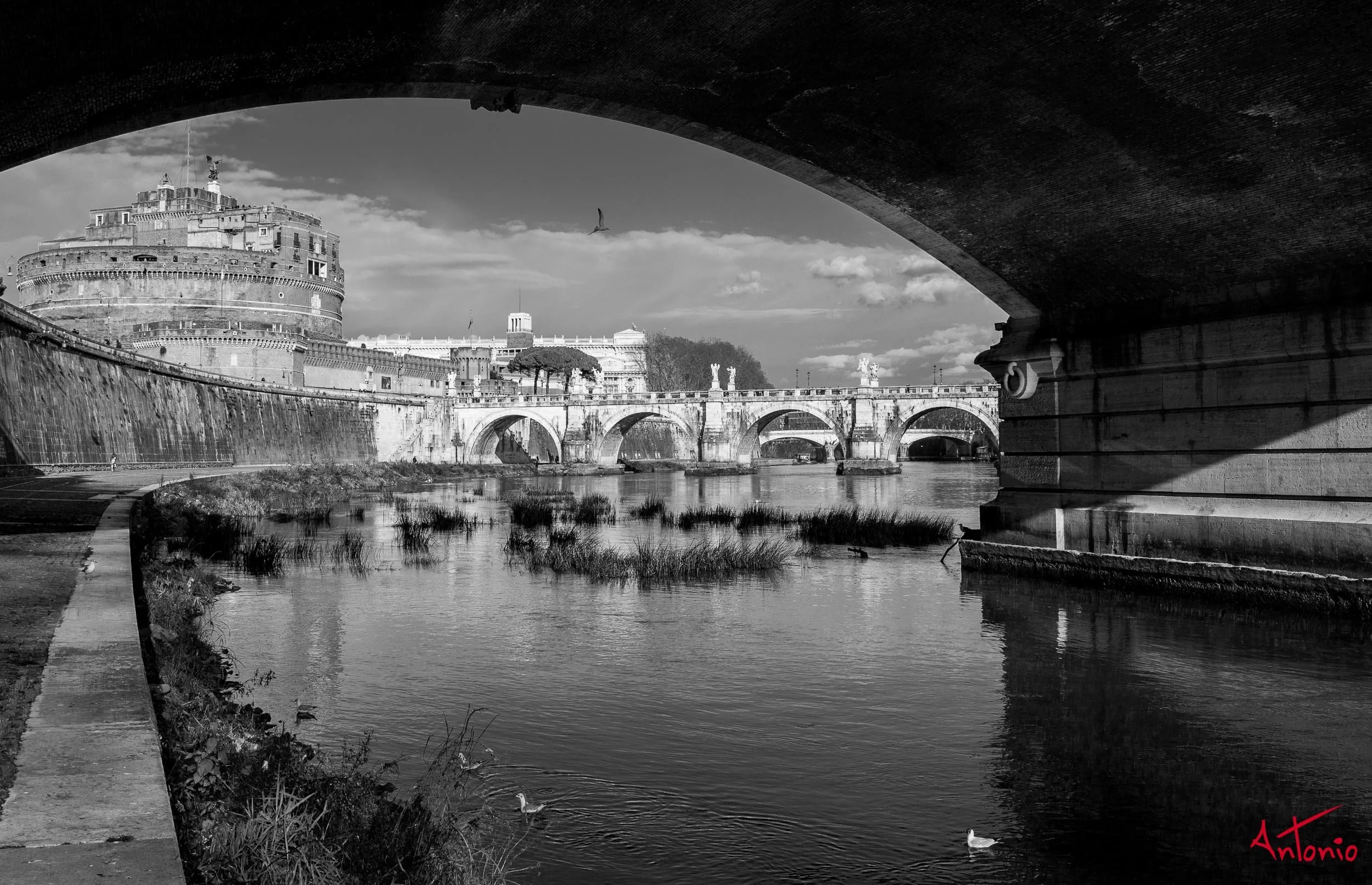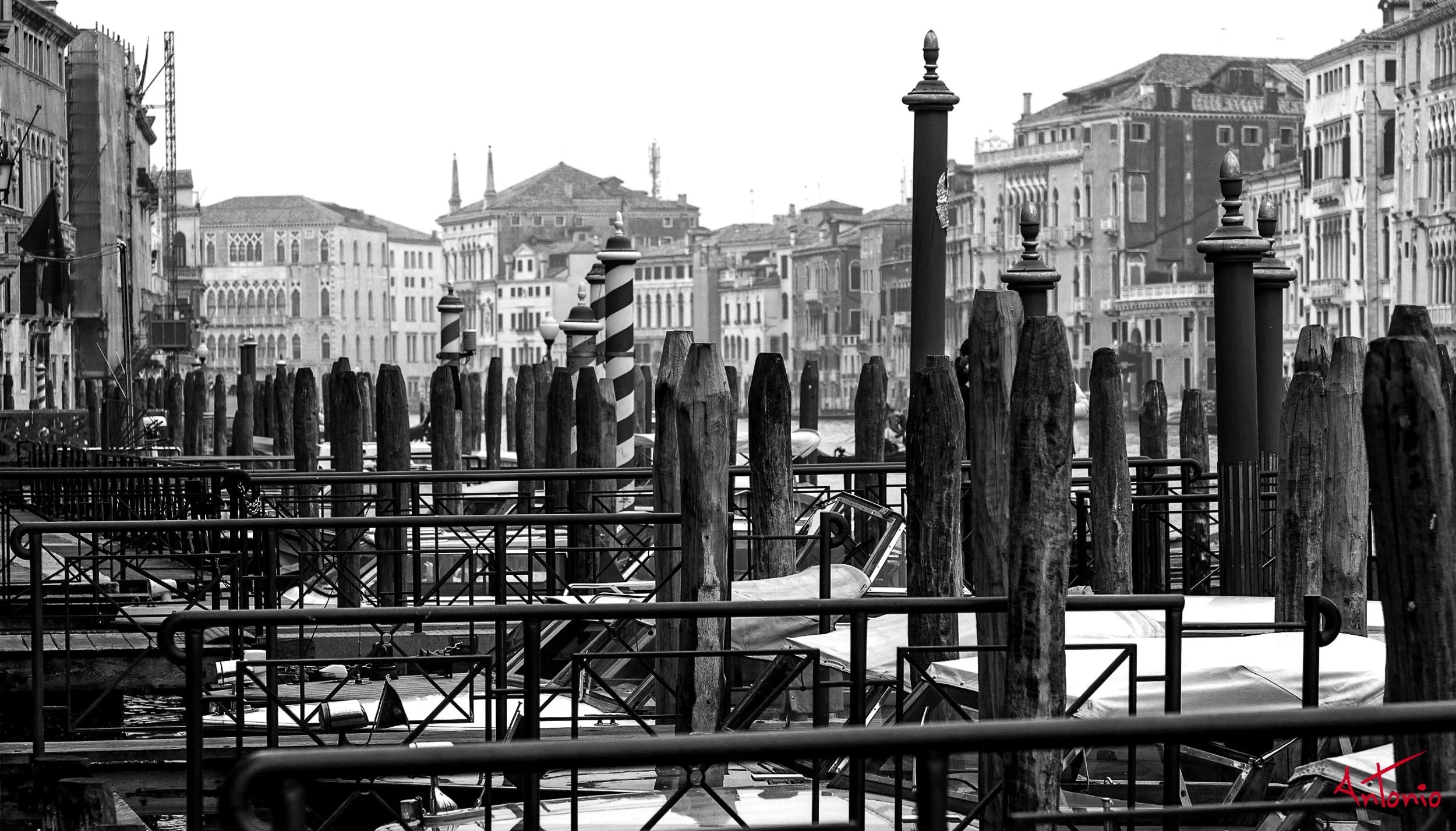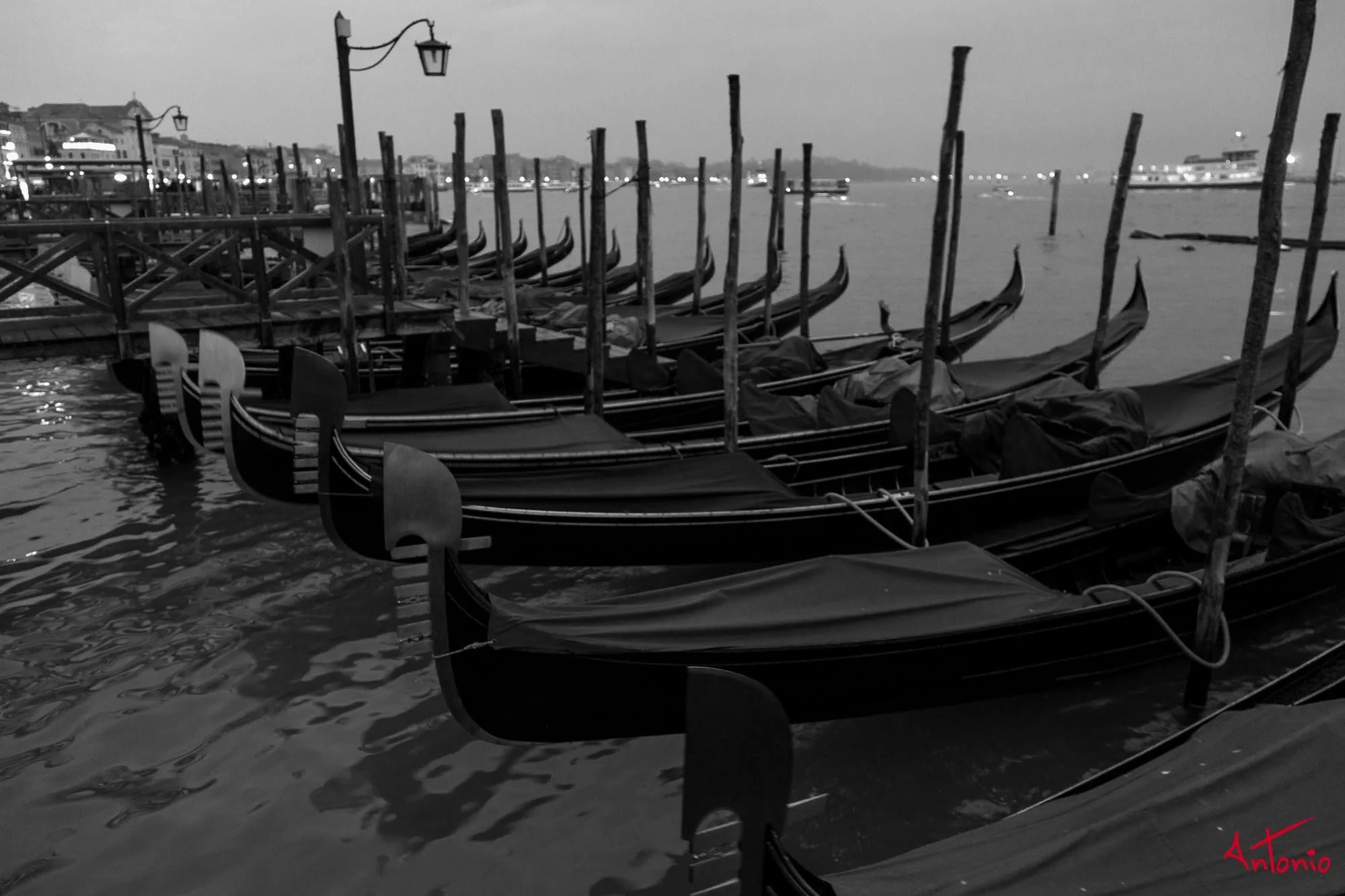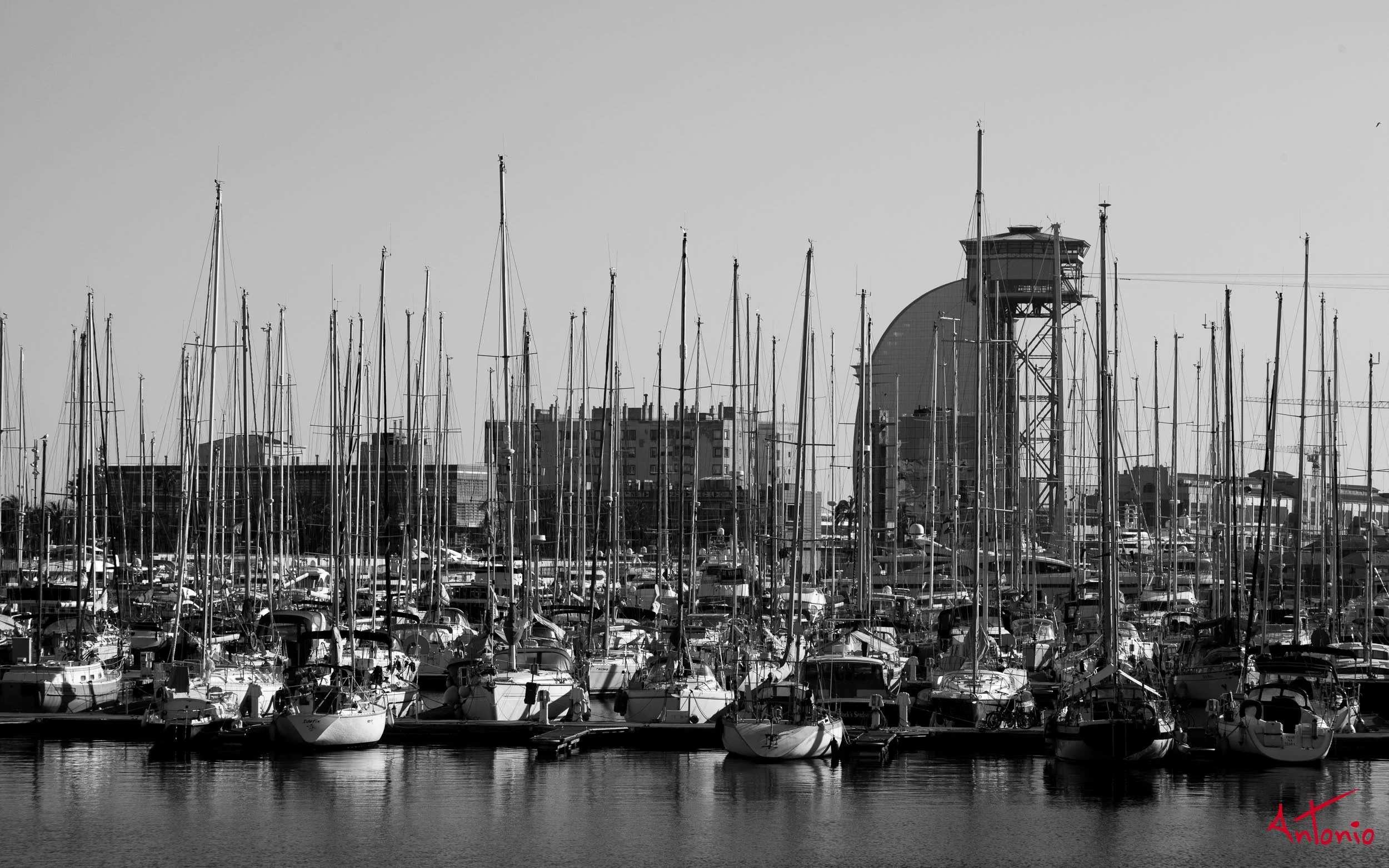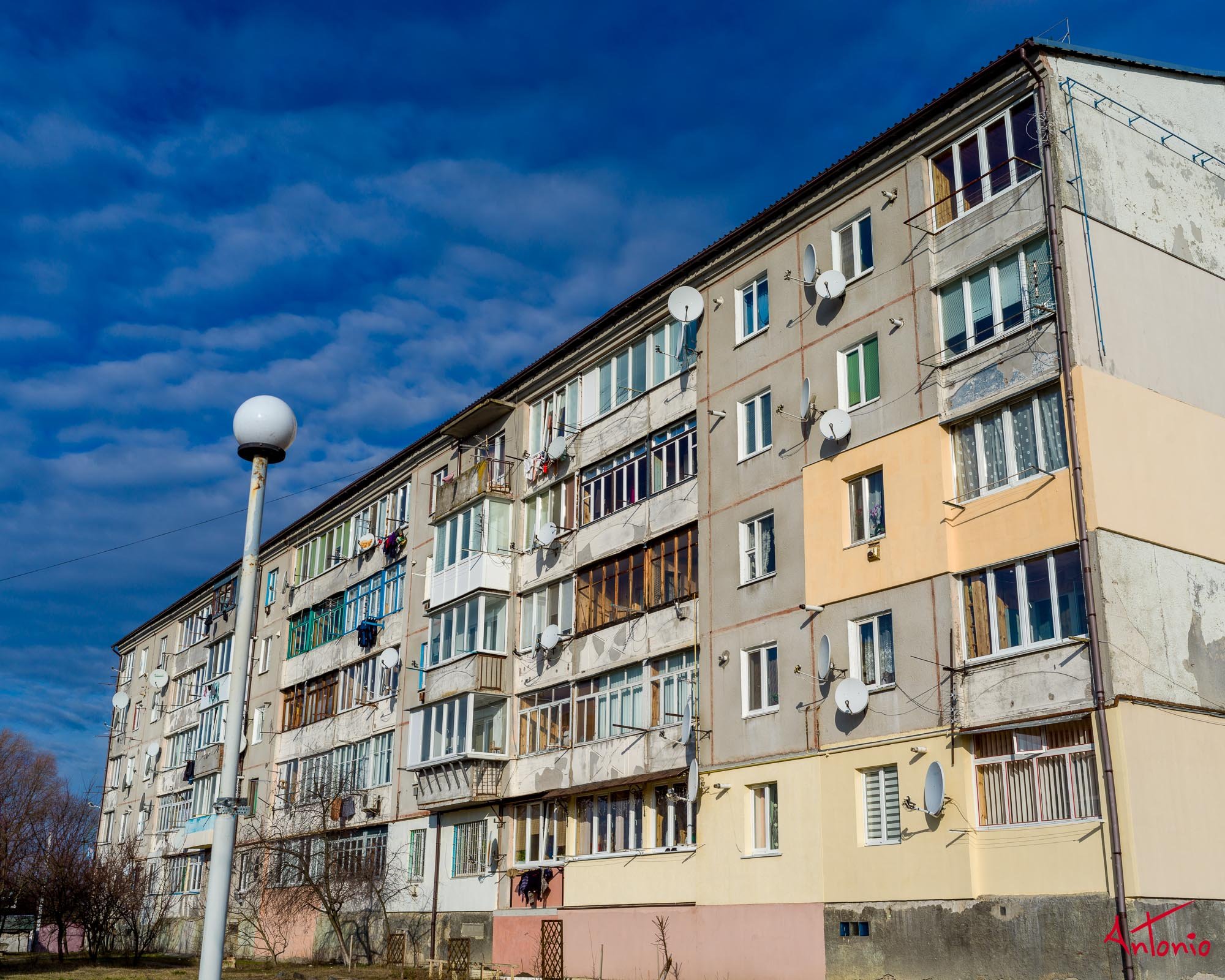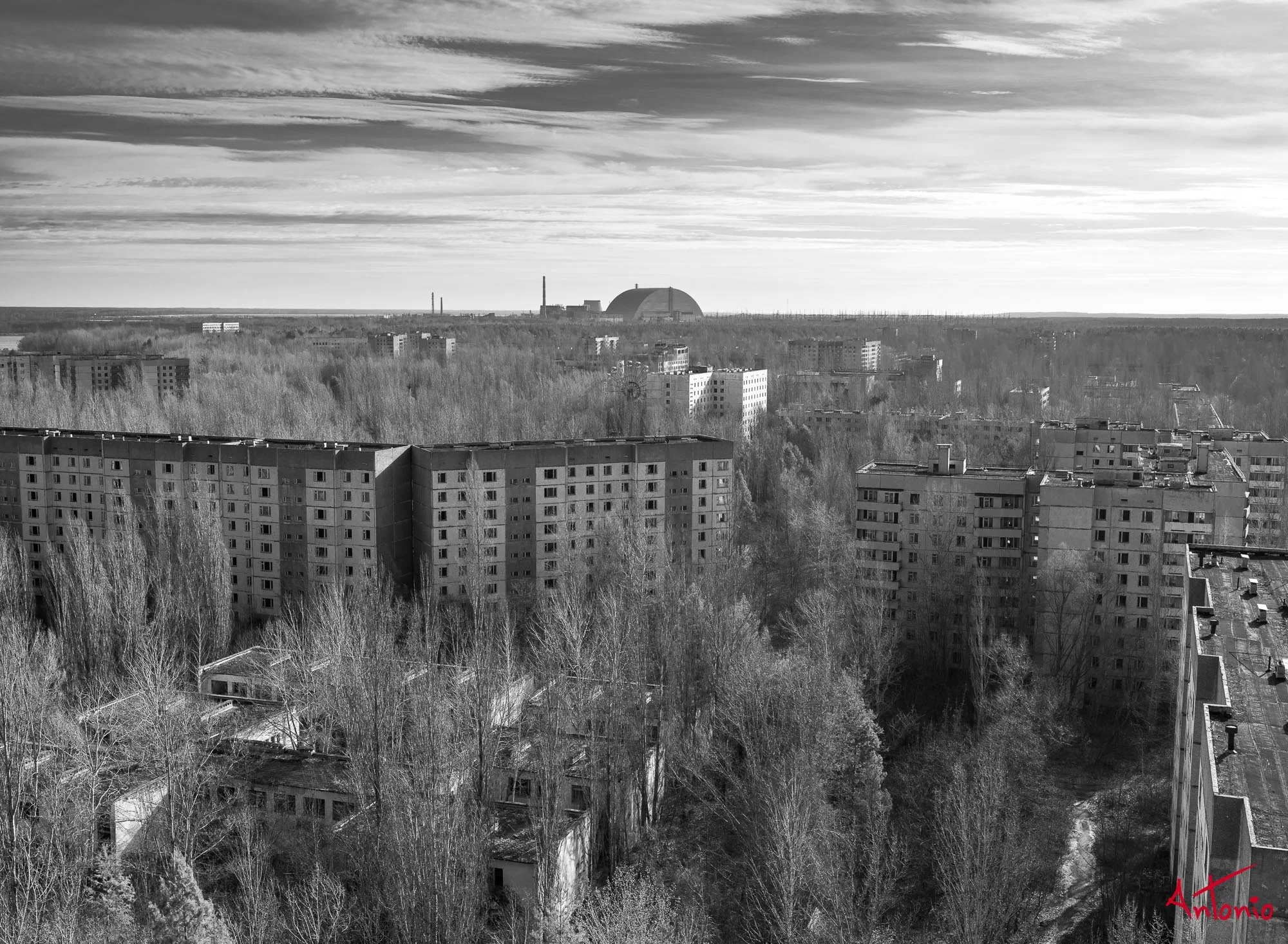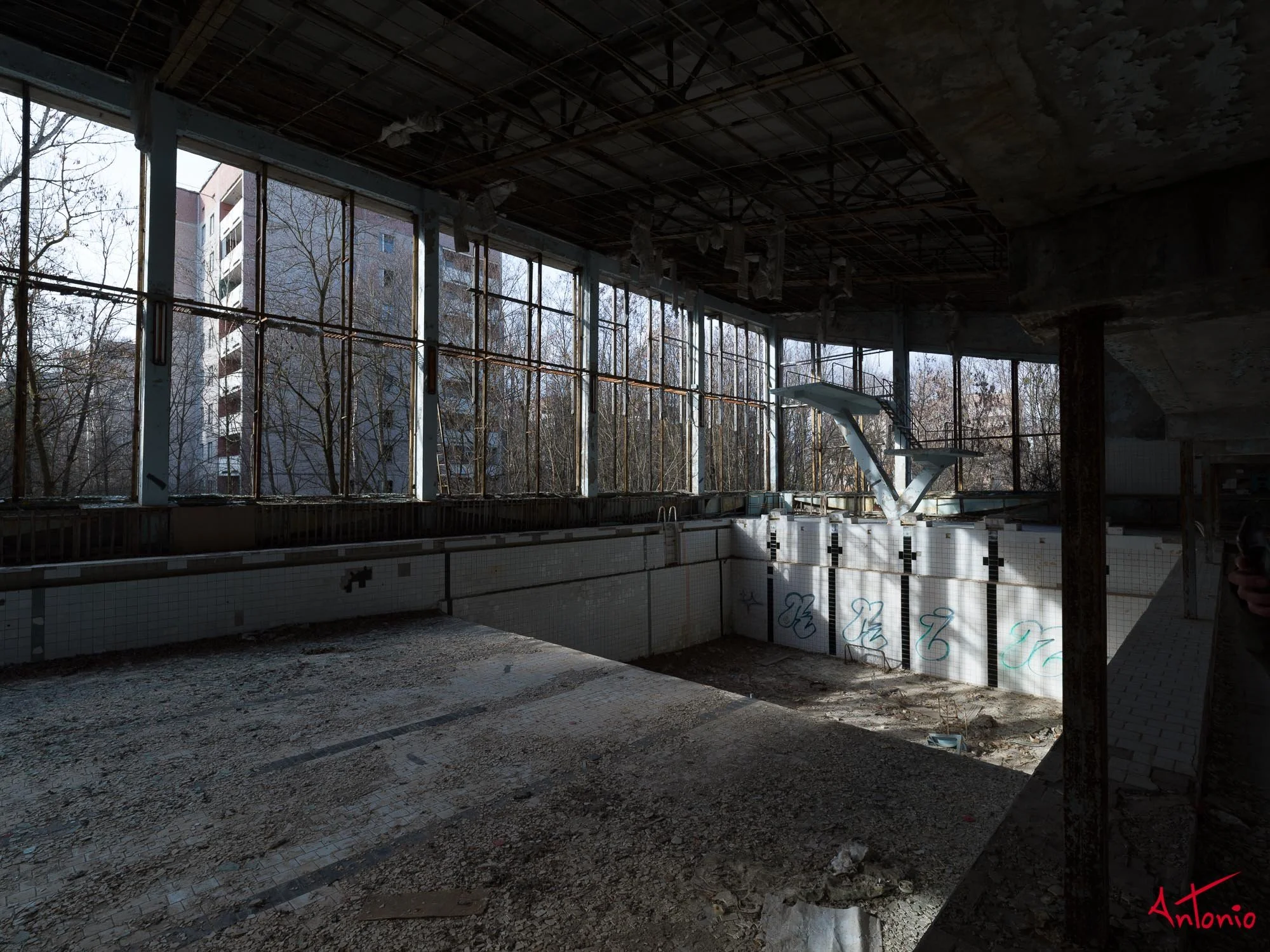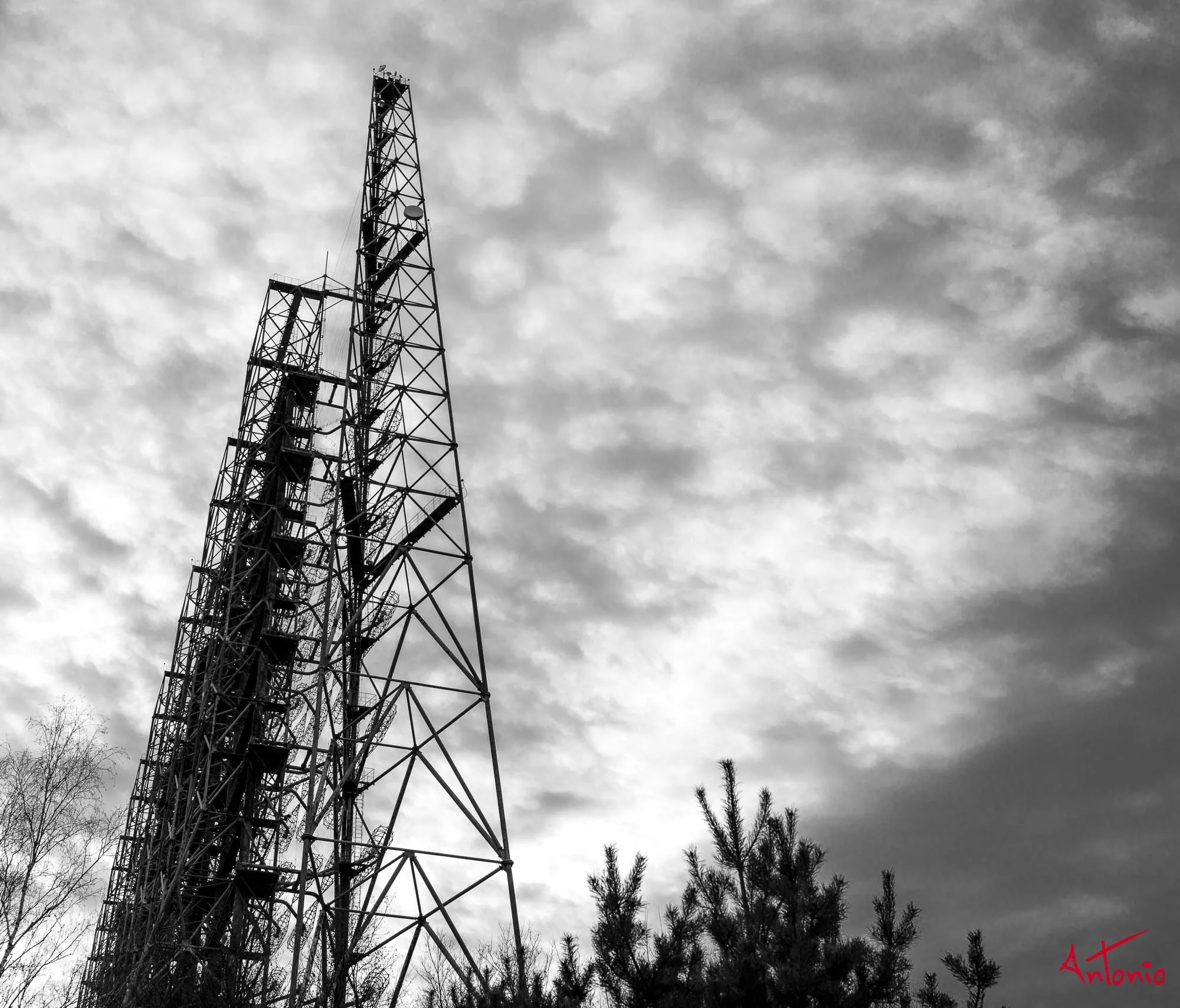
Landscape
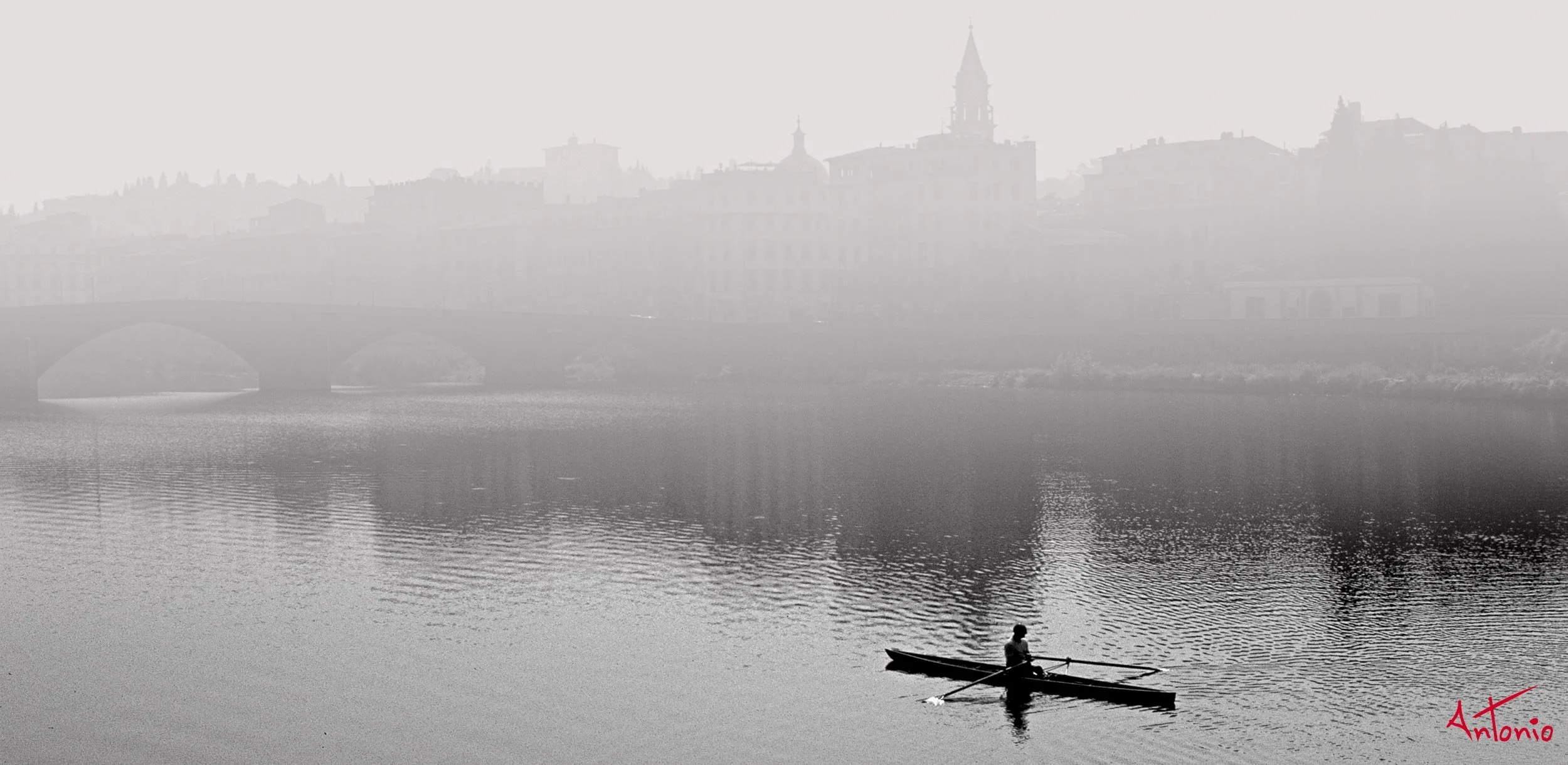
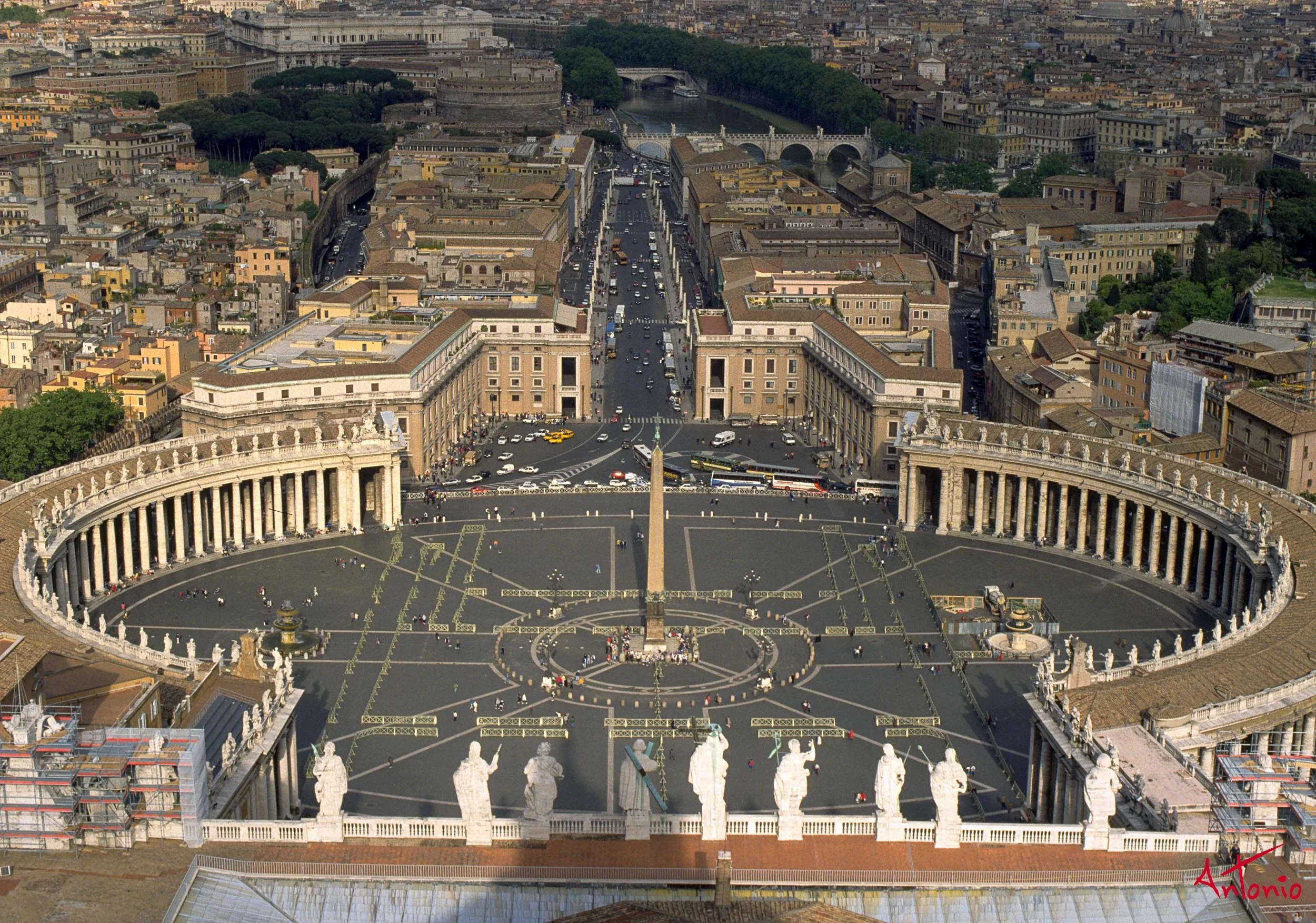
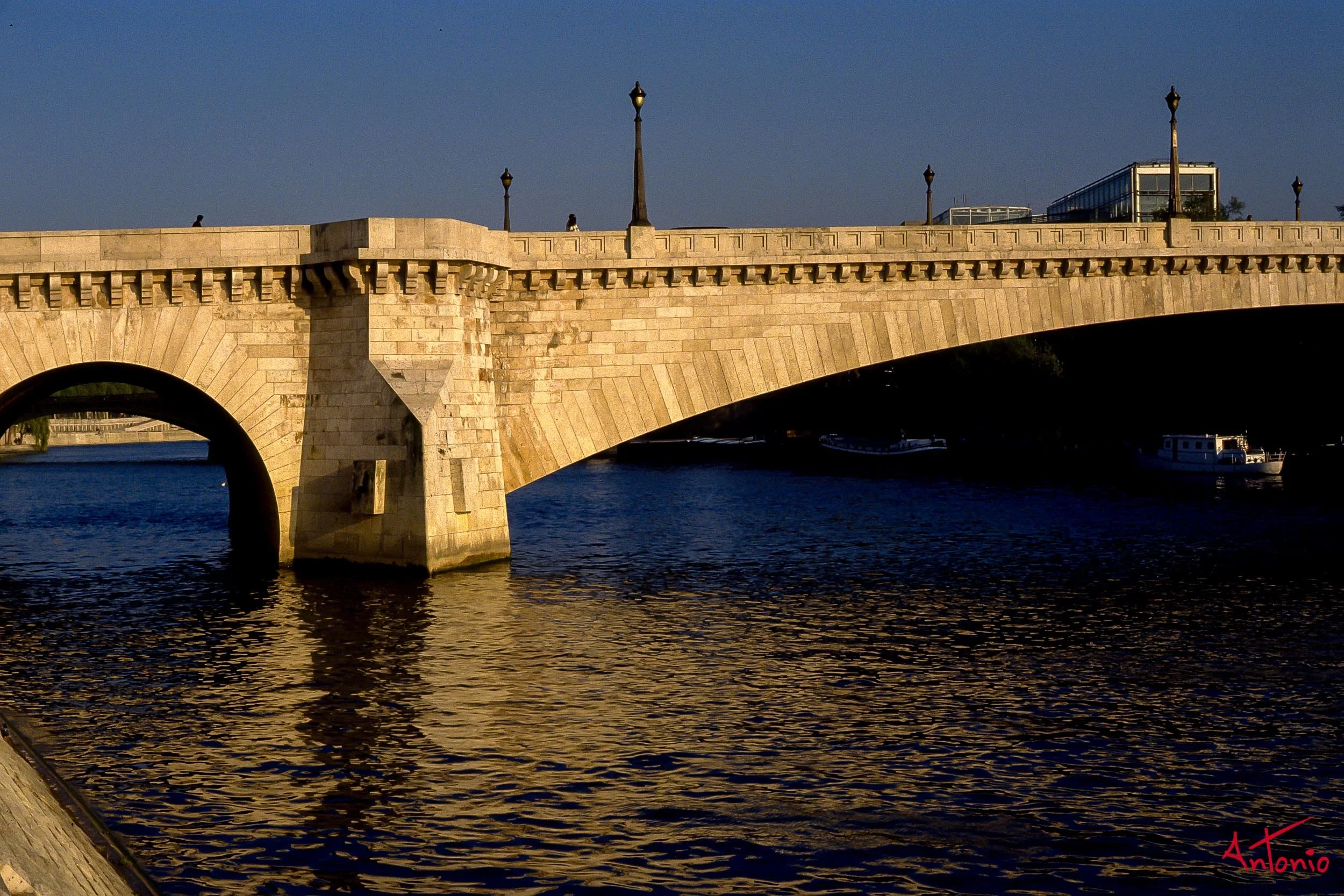
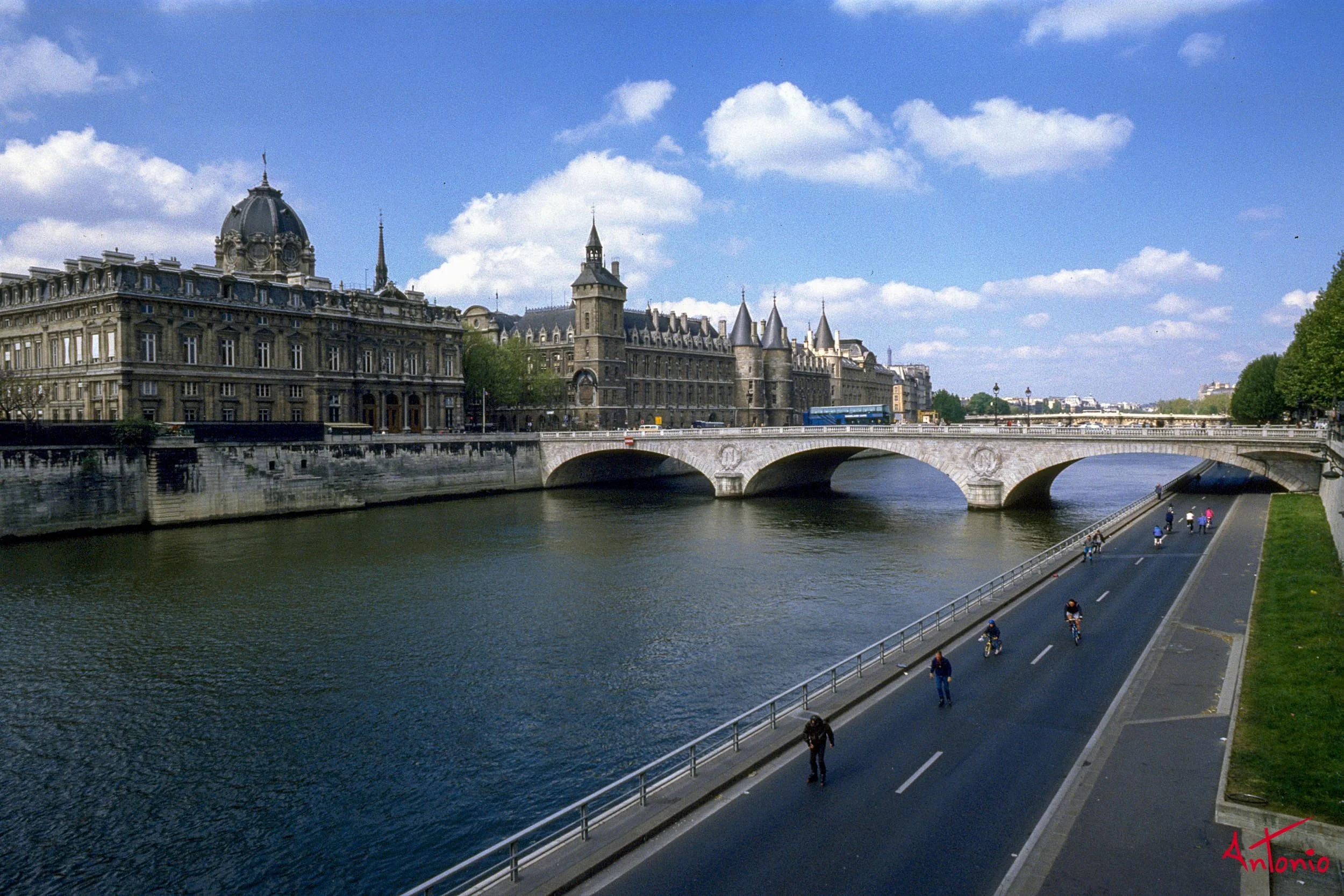
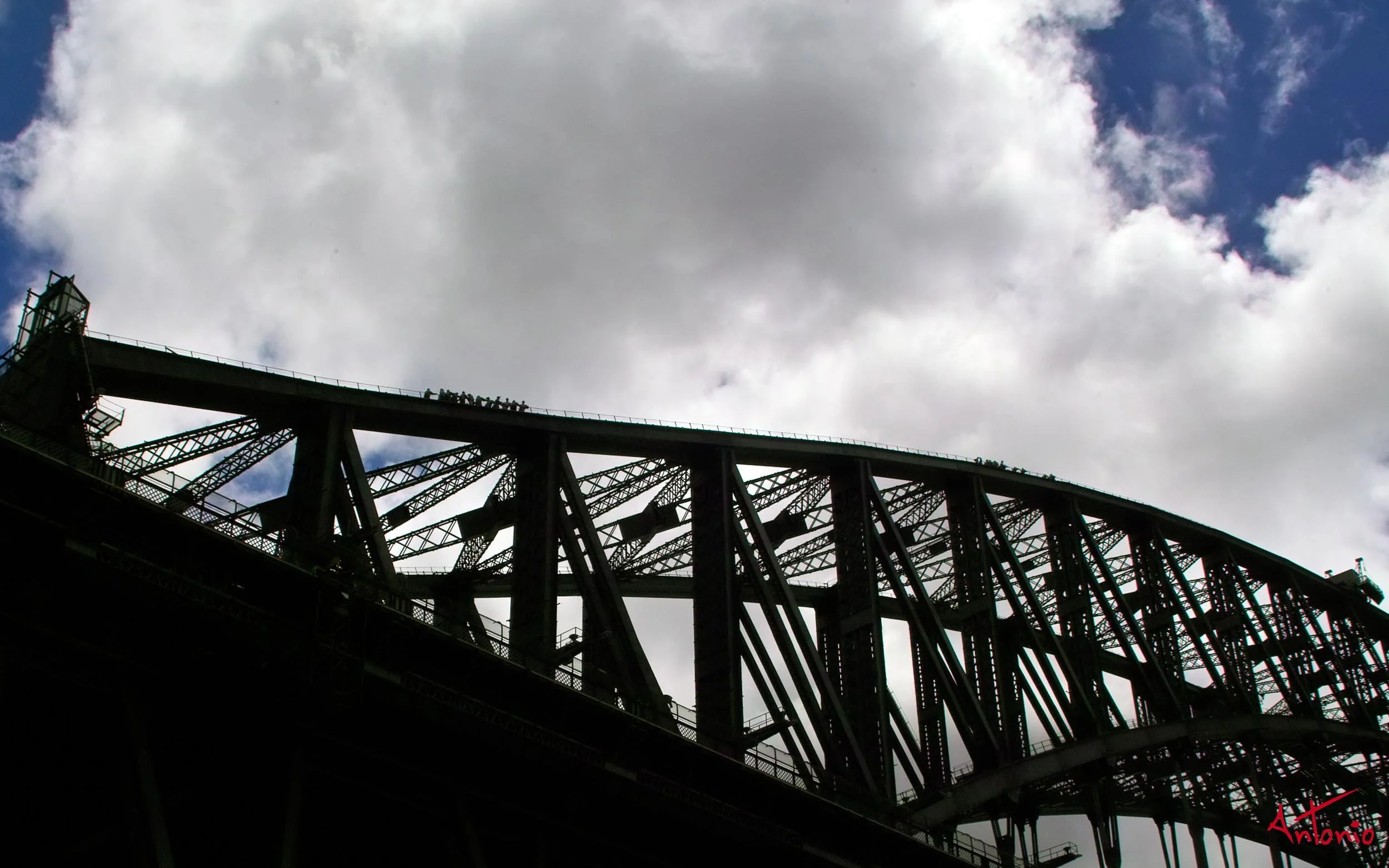
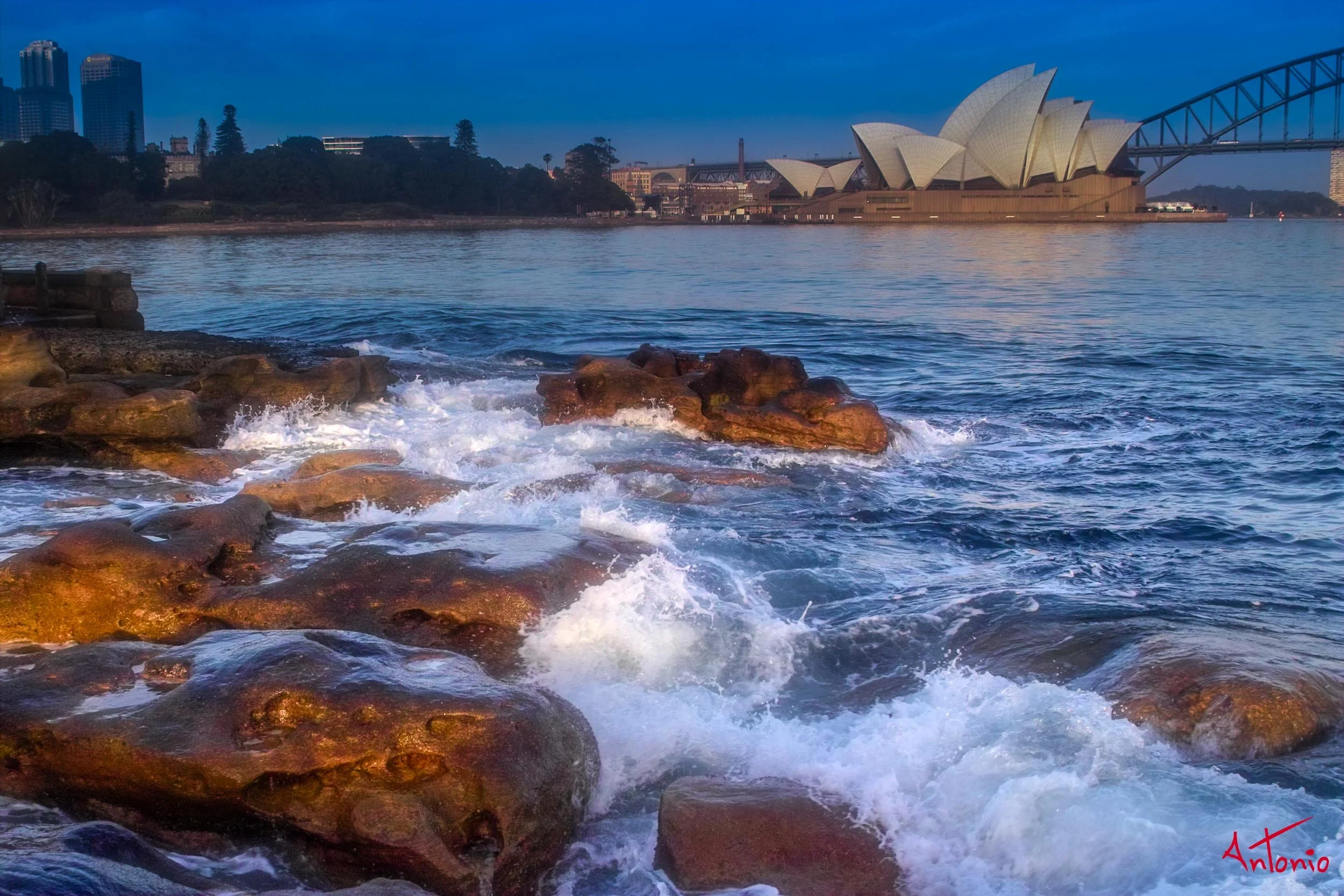
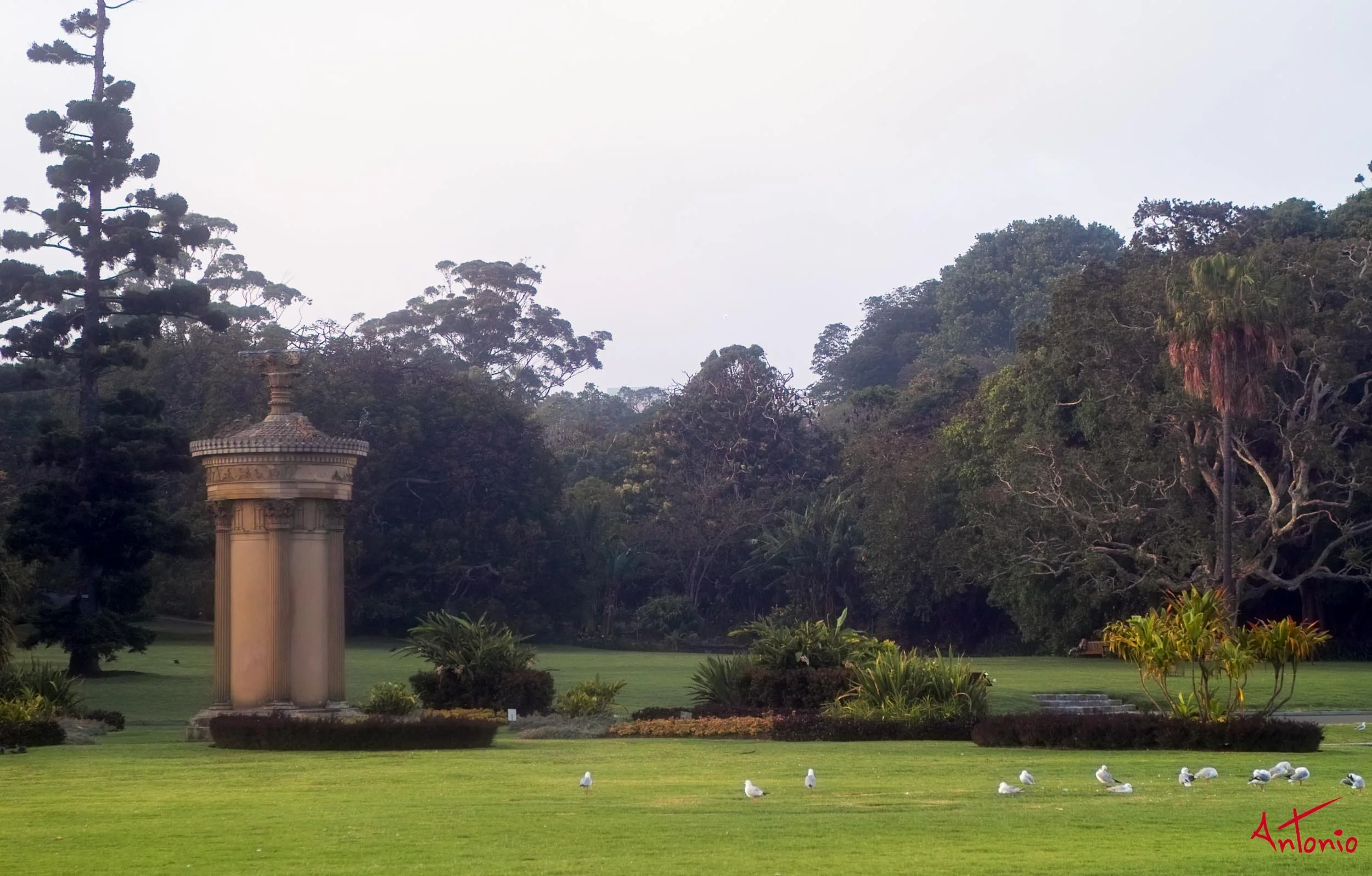
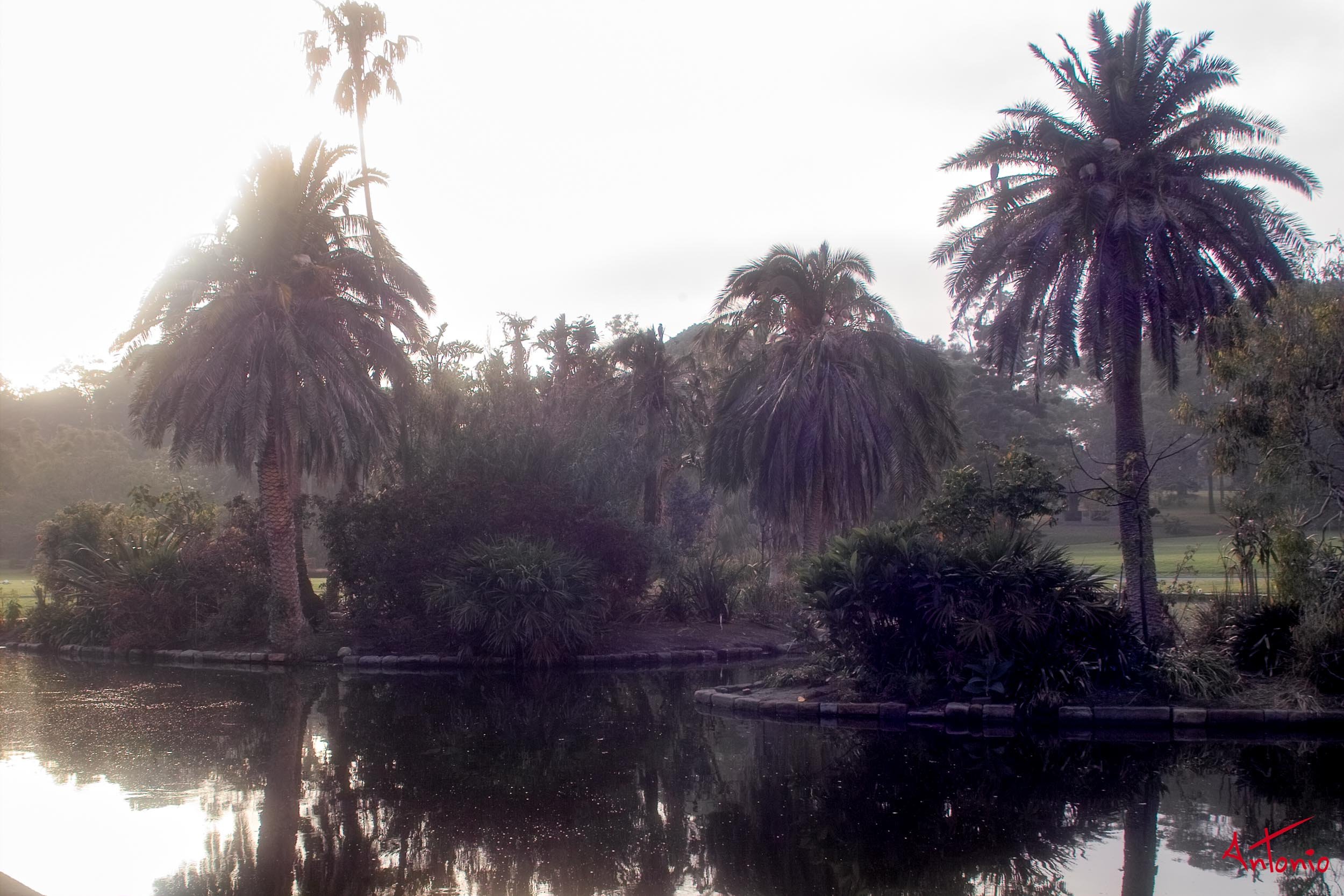
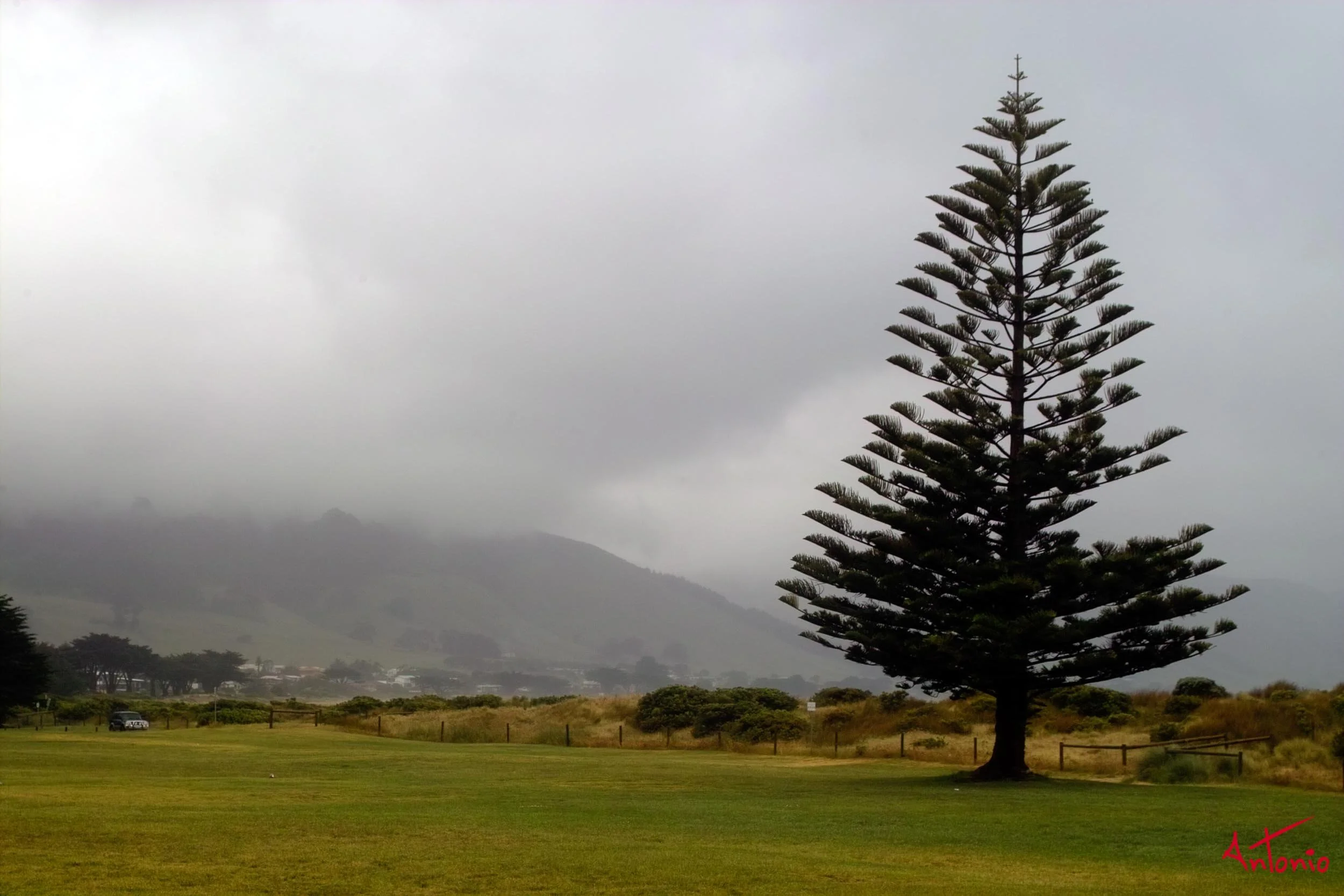
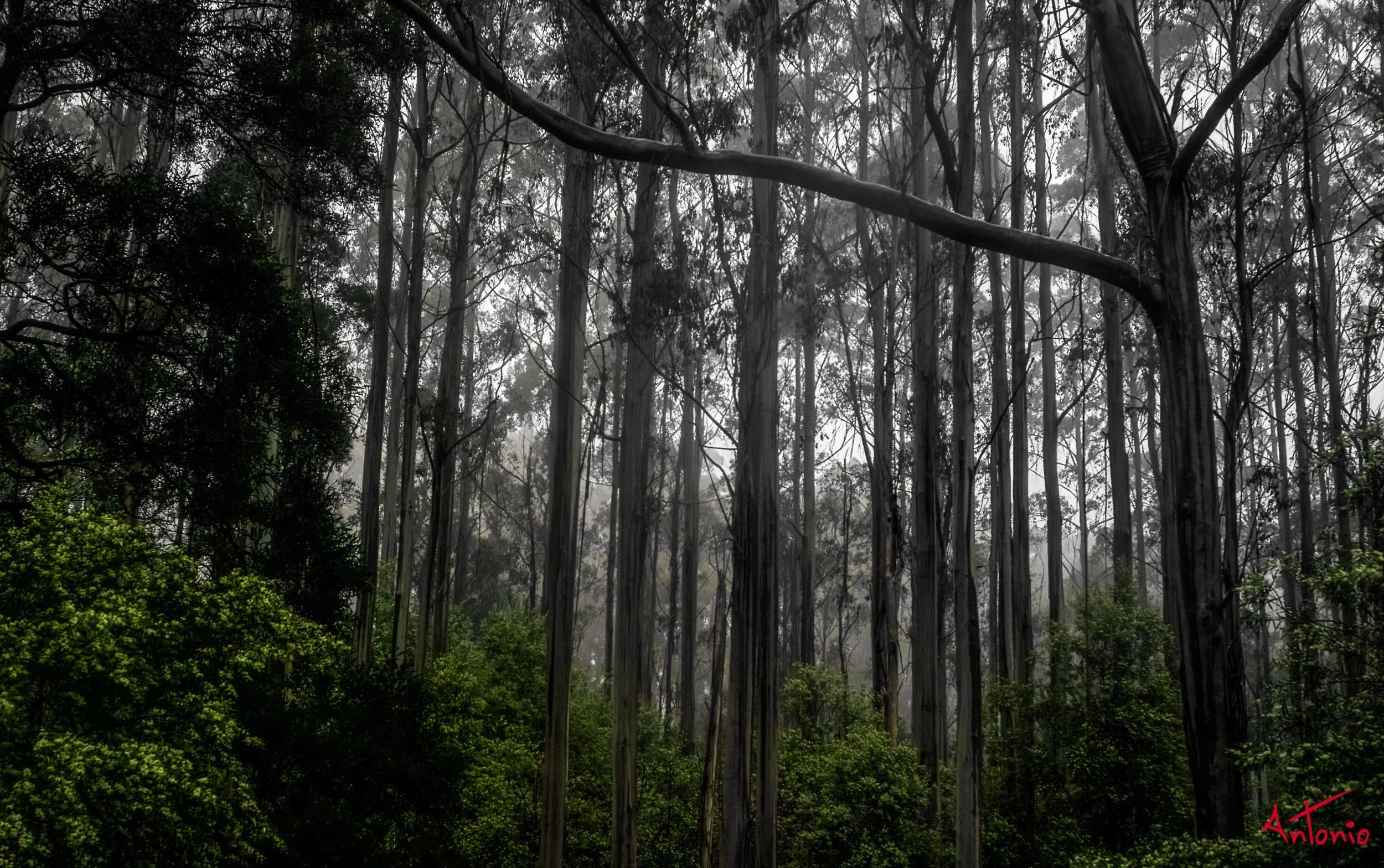
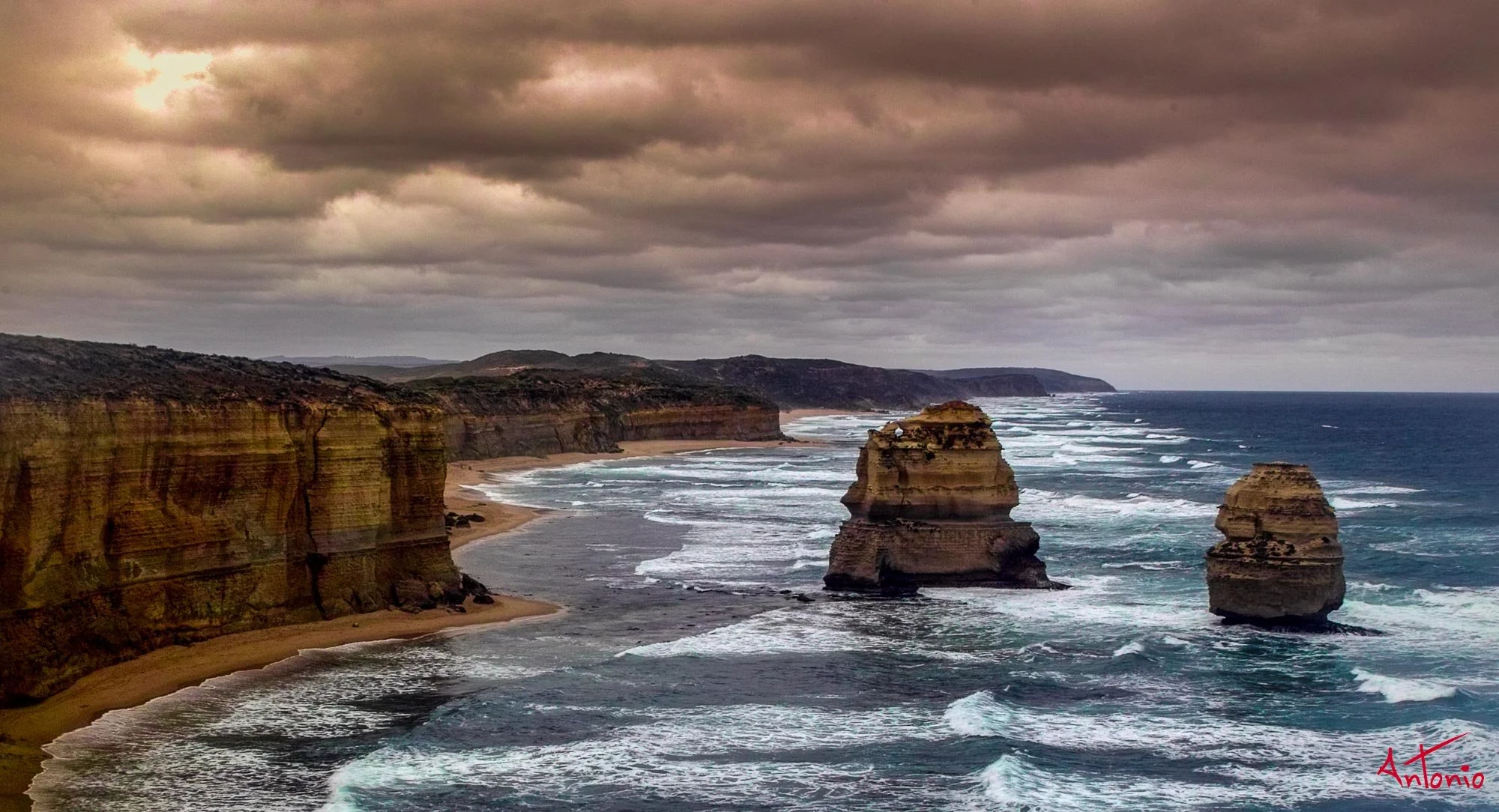
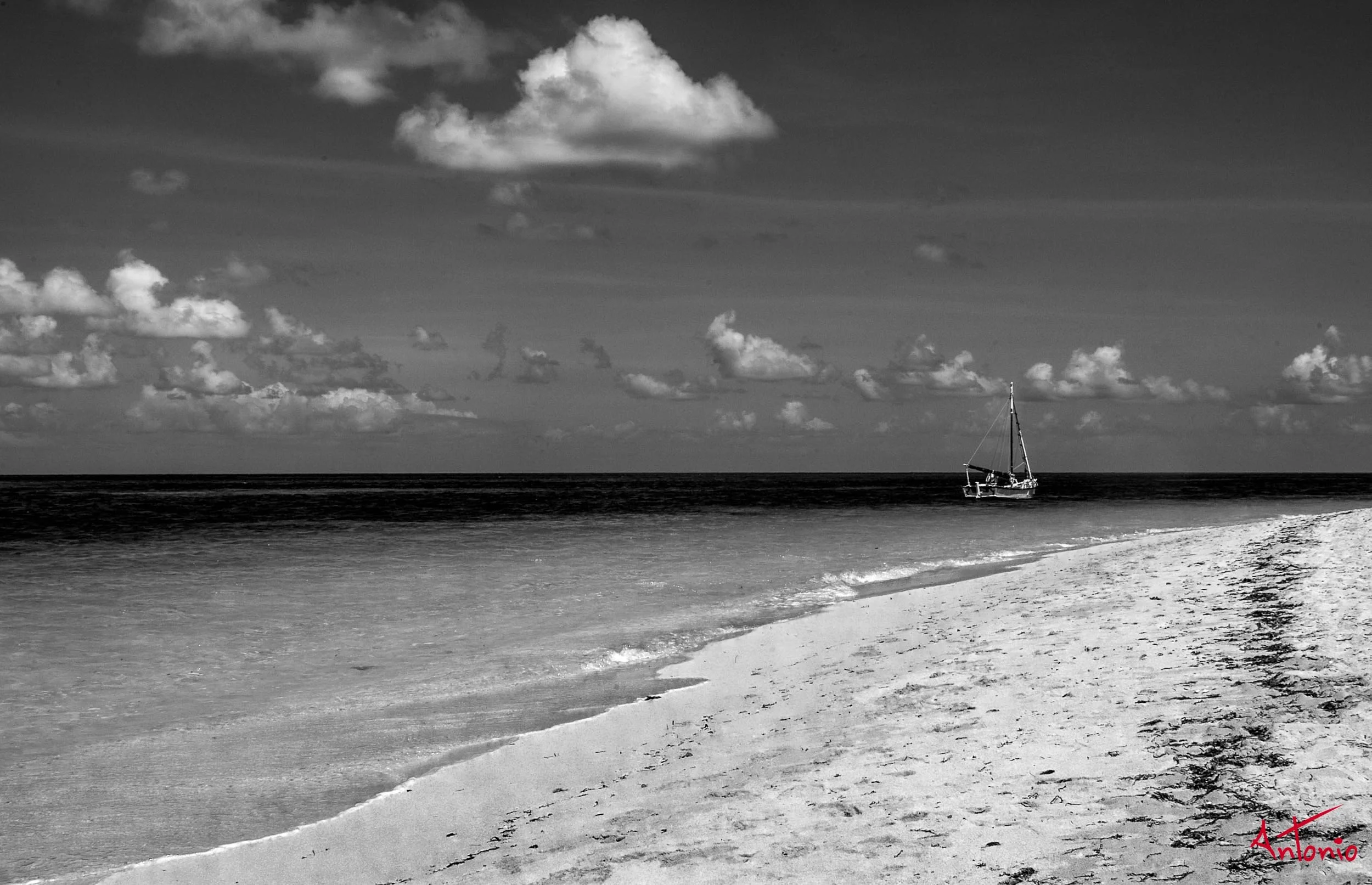
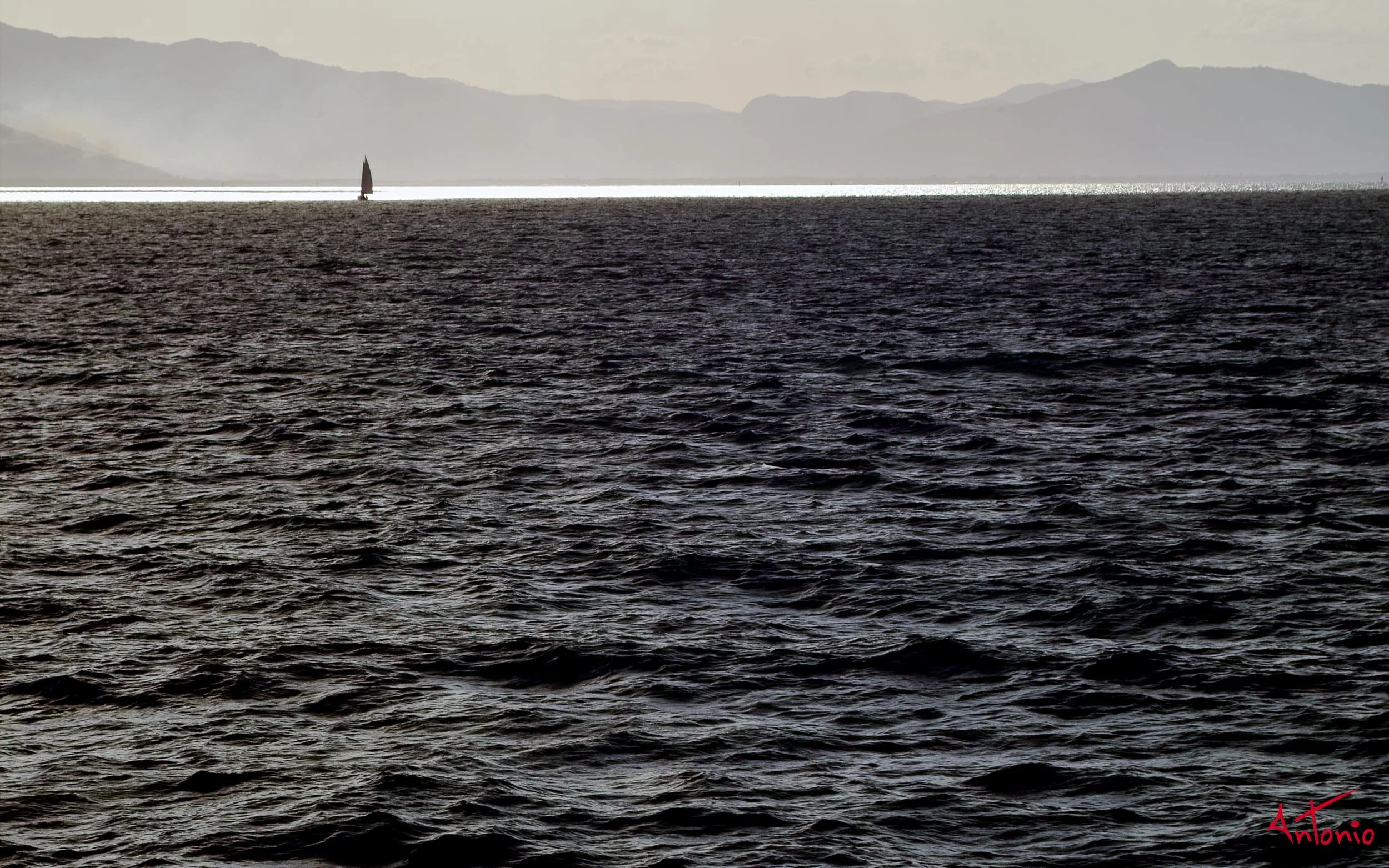
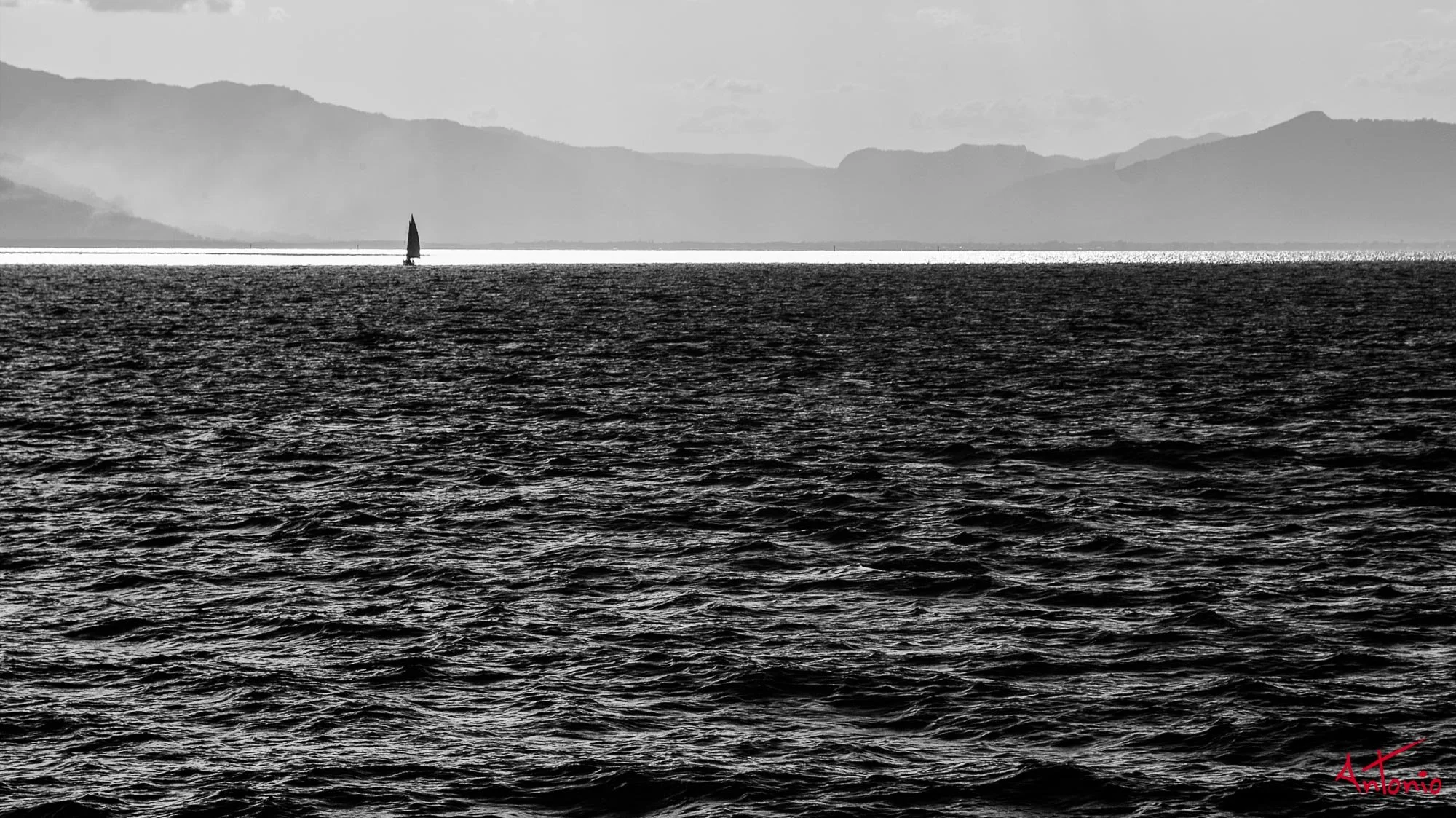
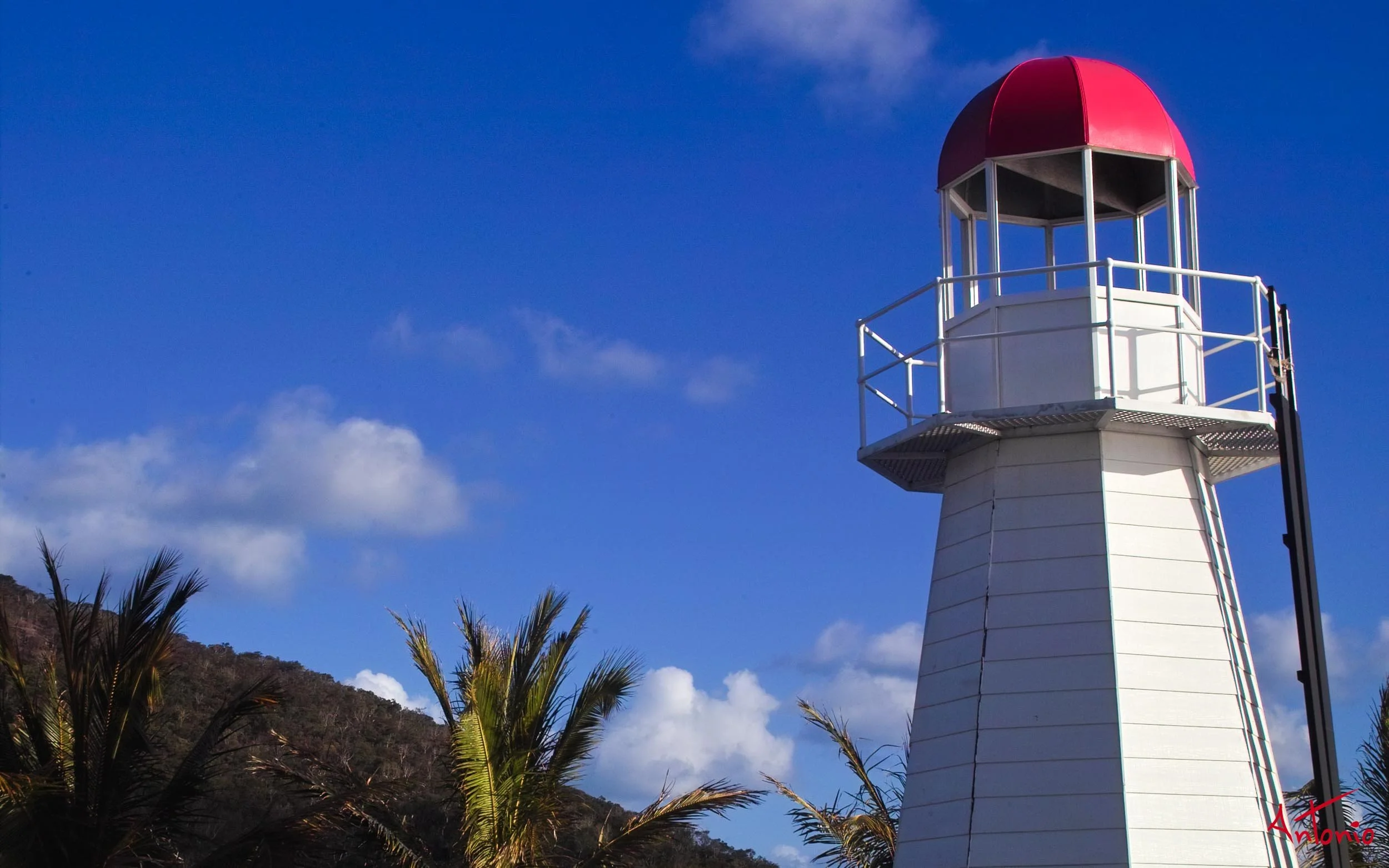
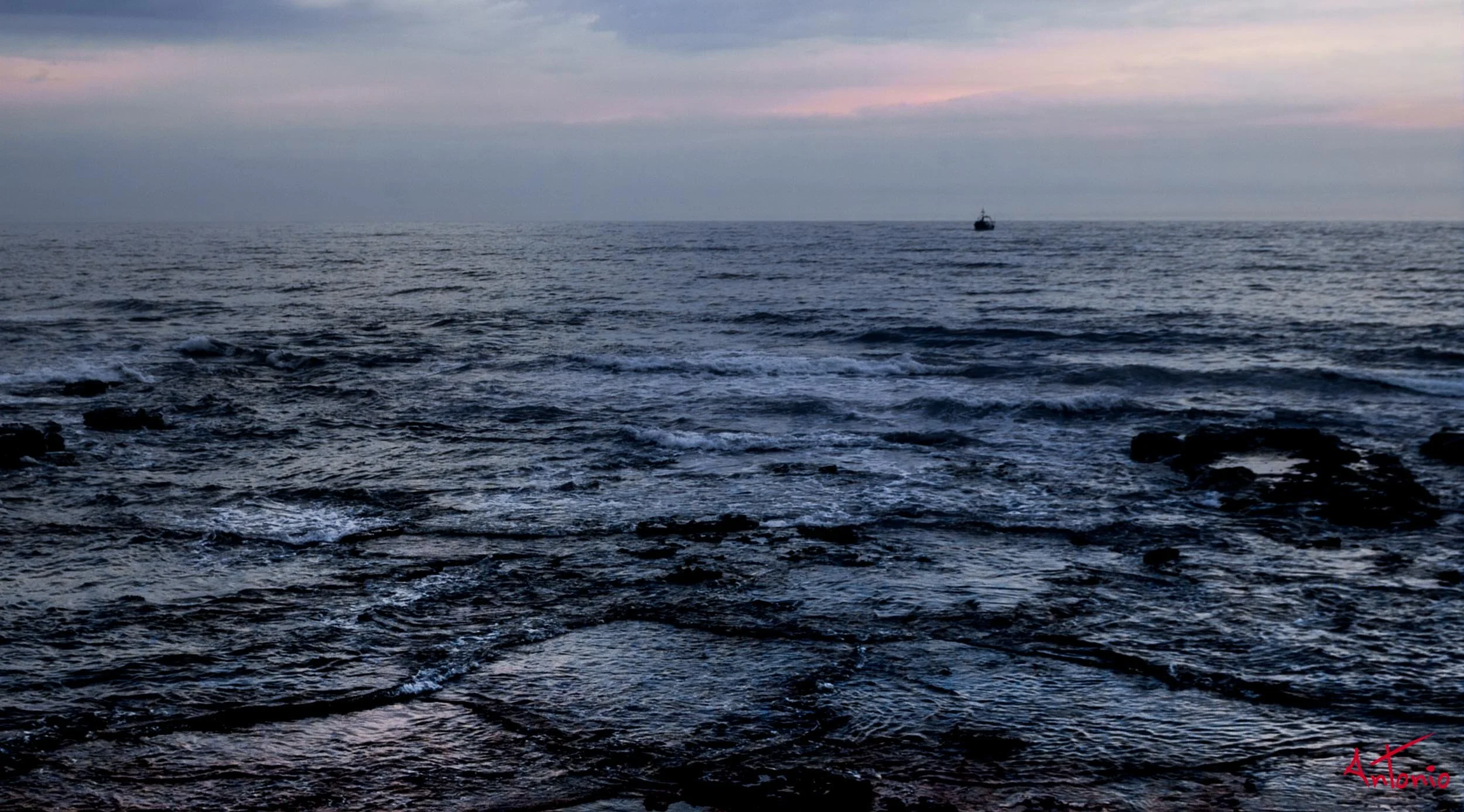
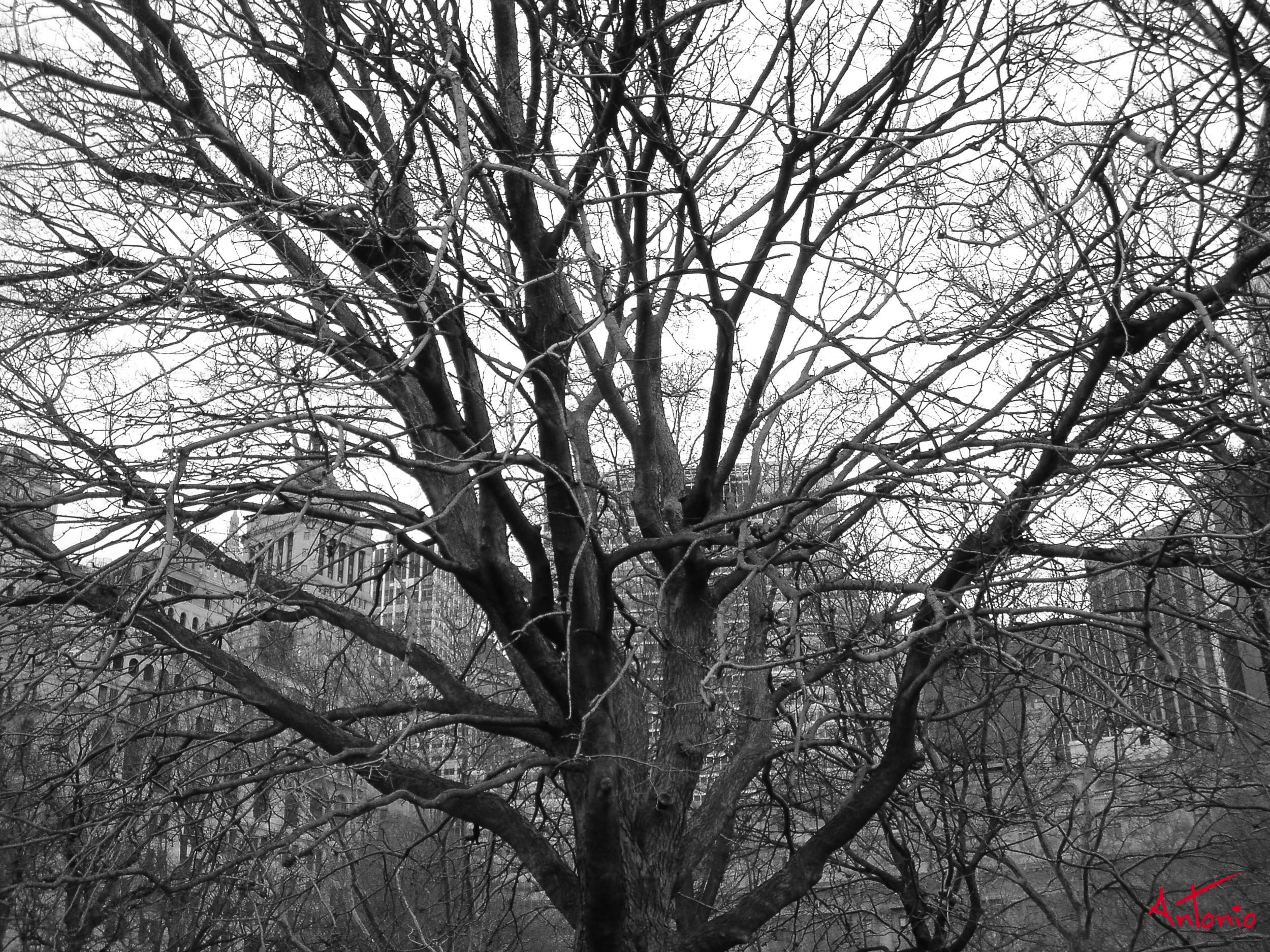
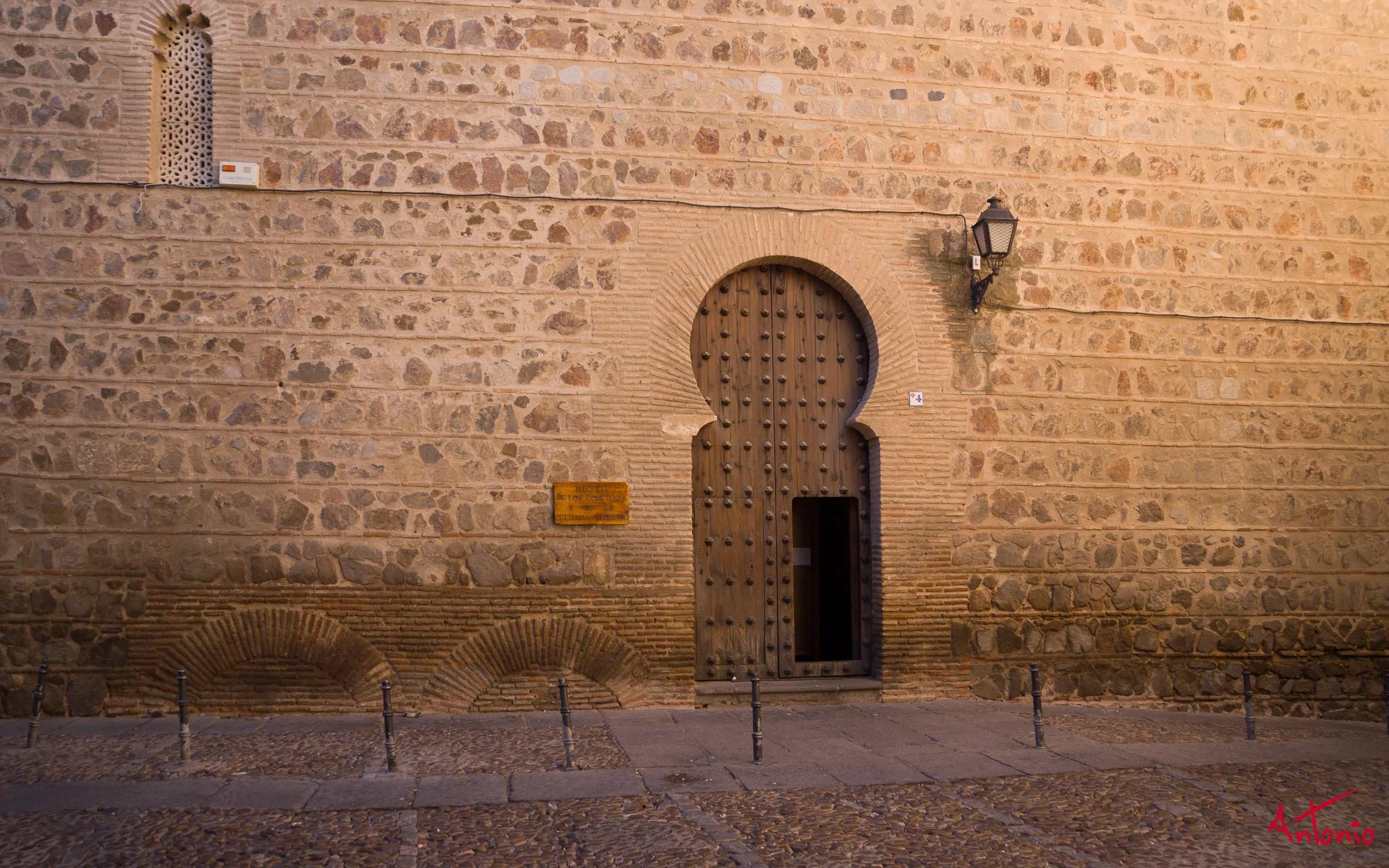
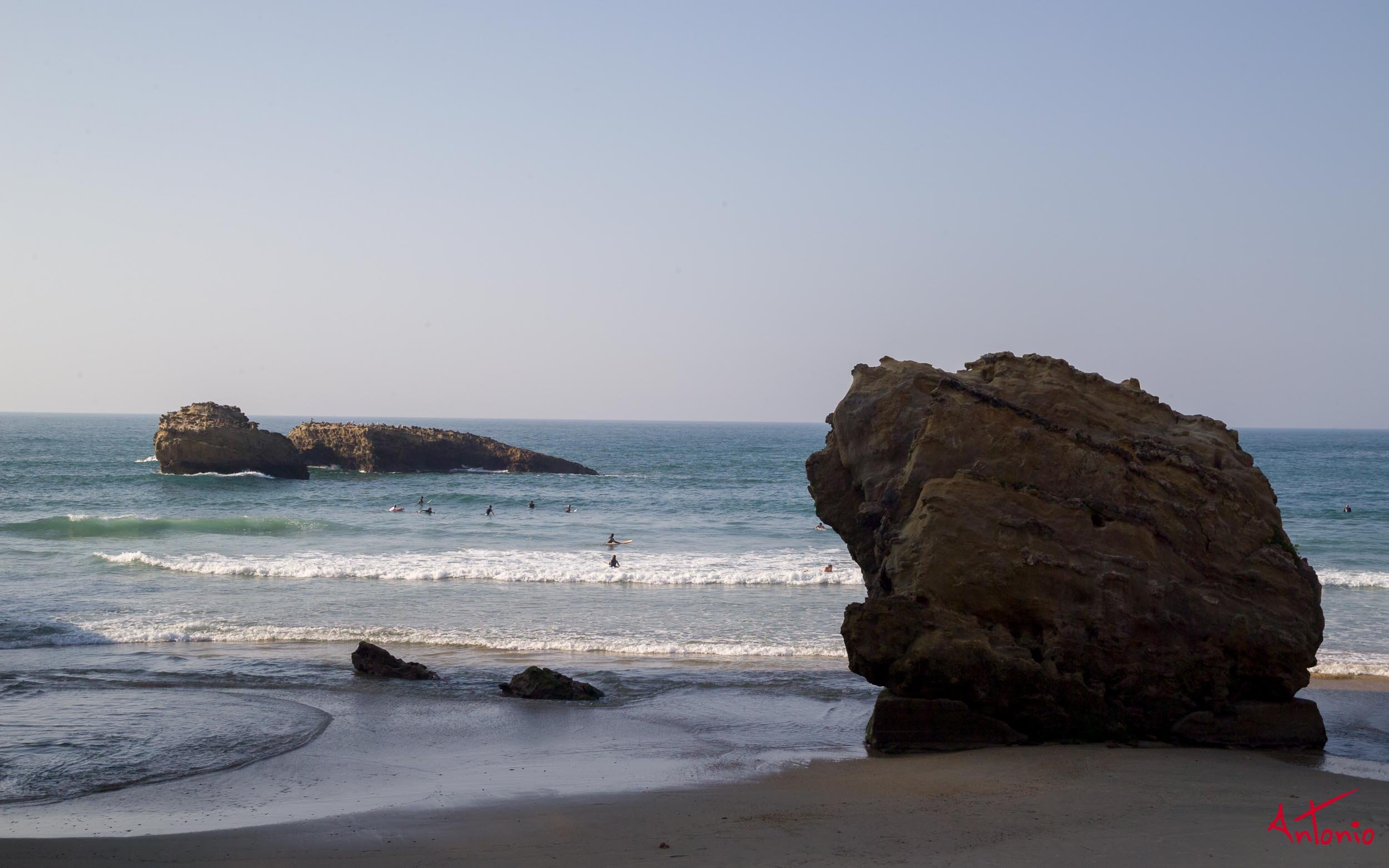
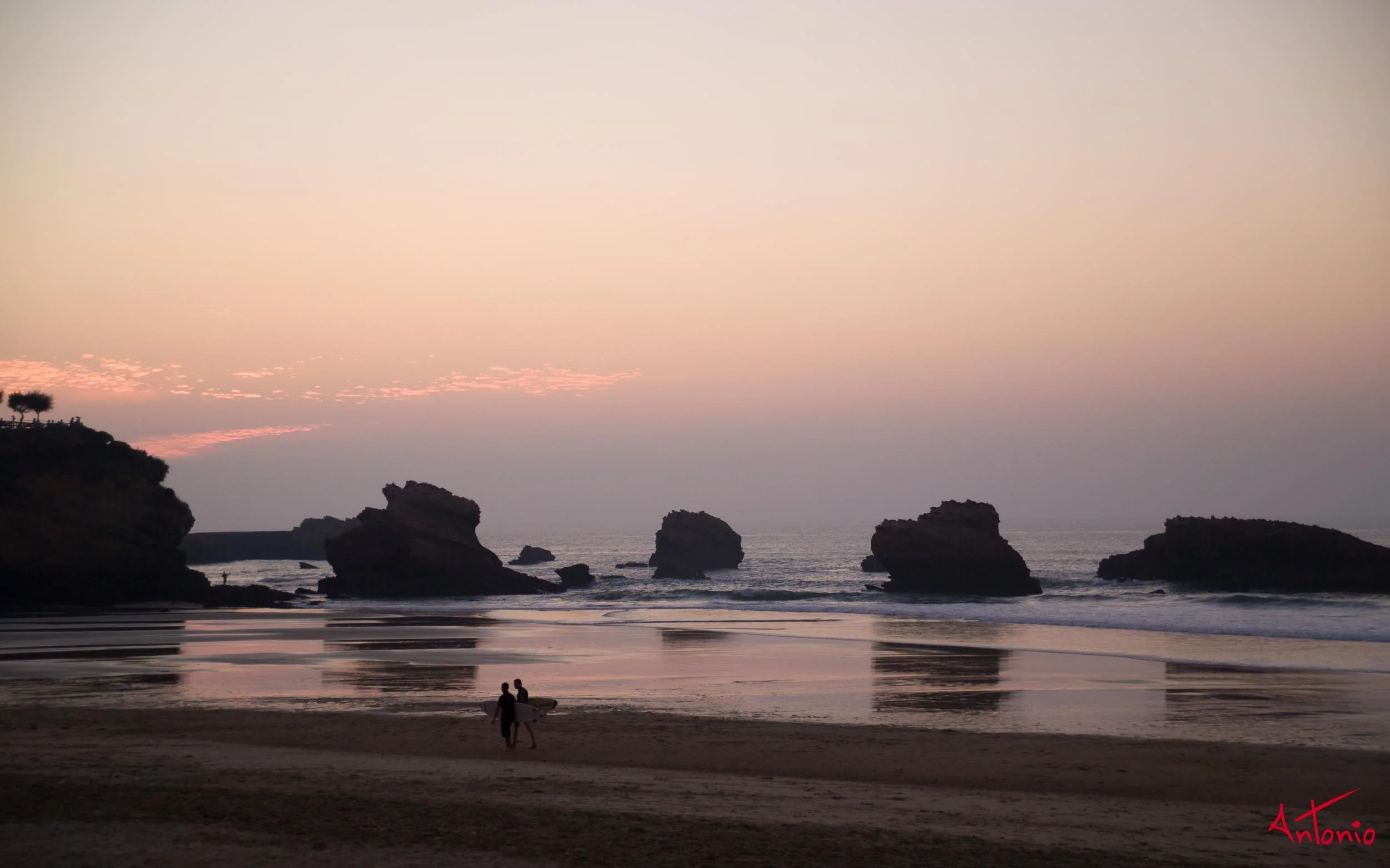
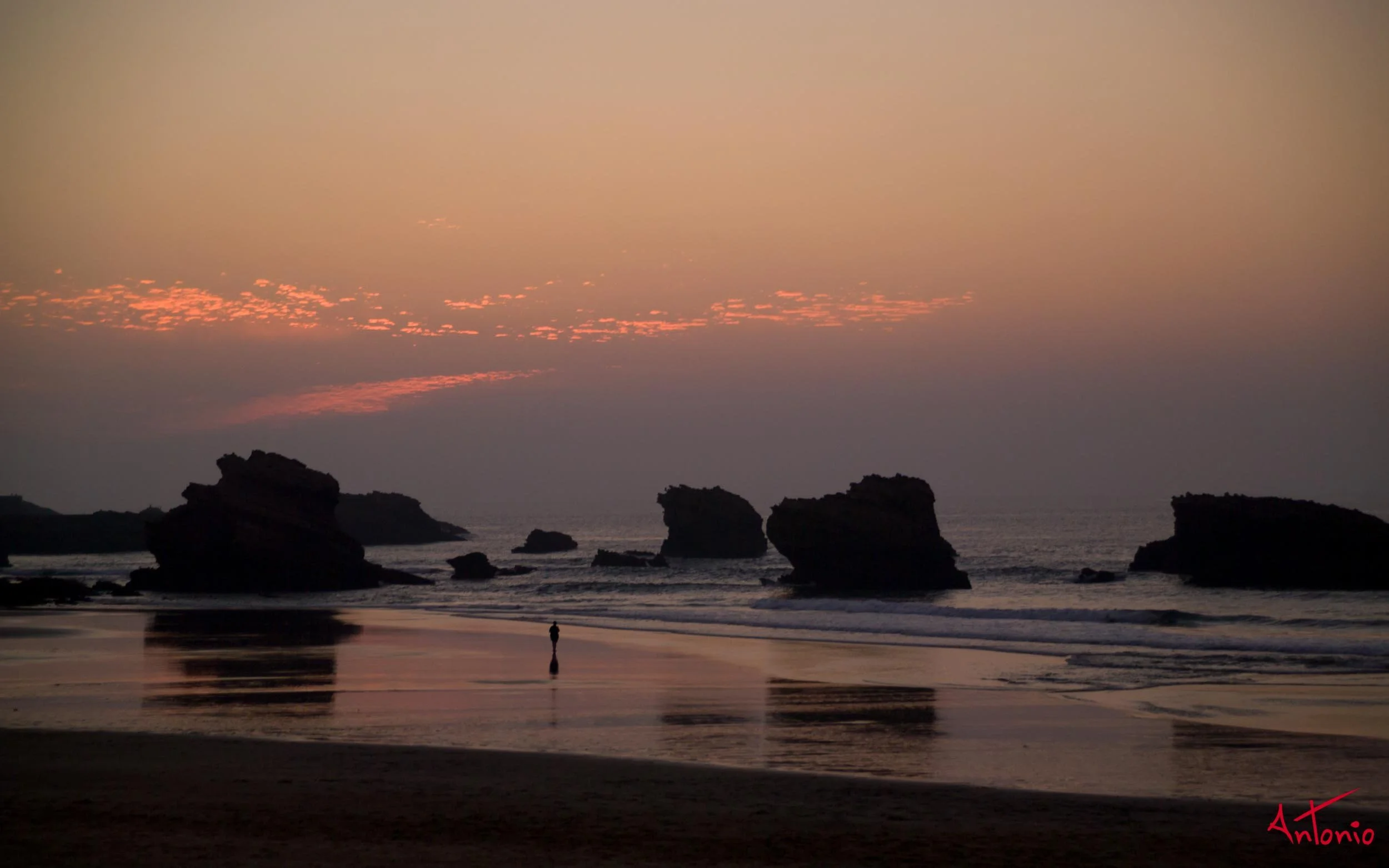
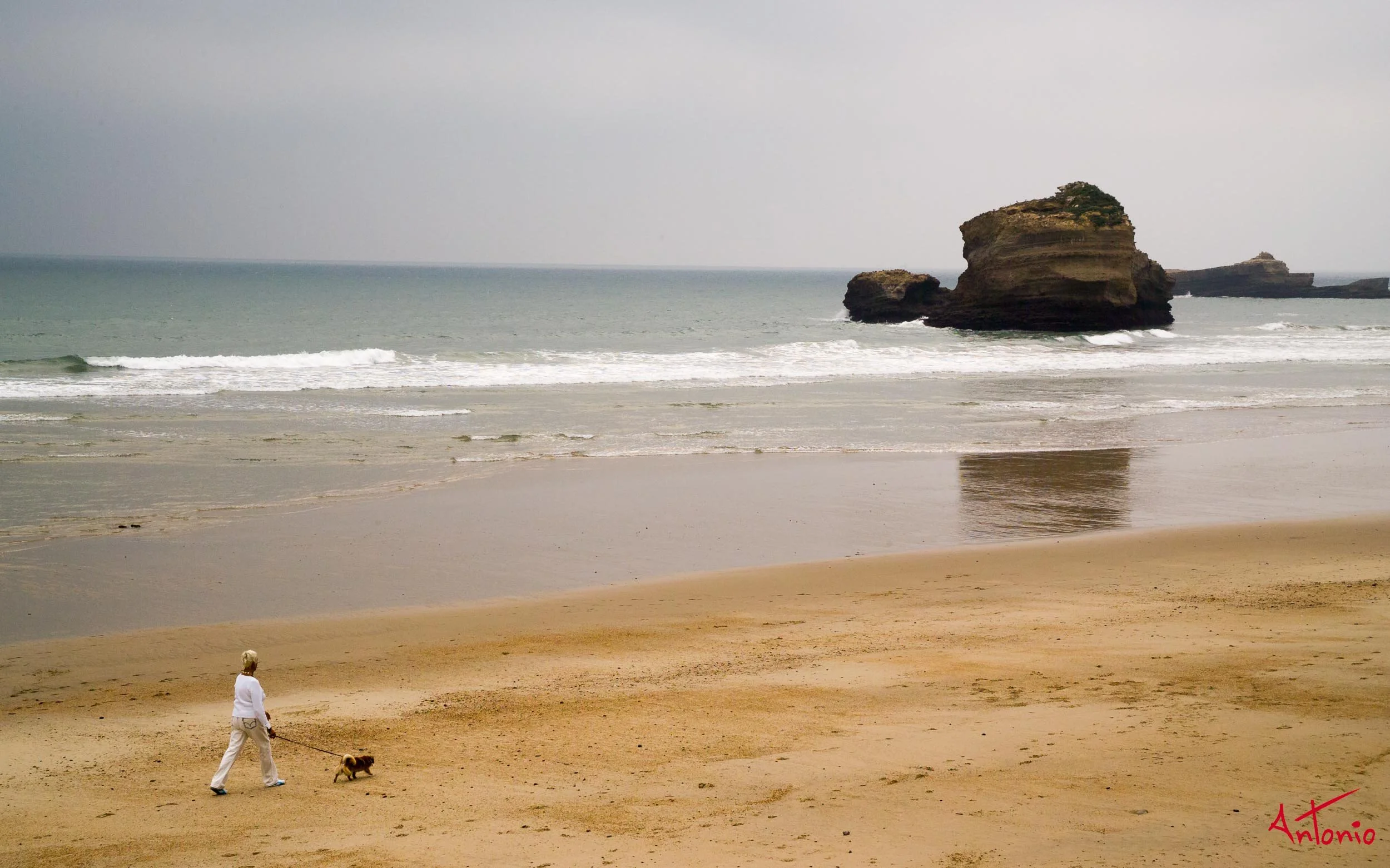
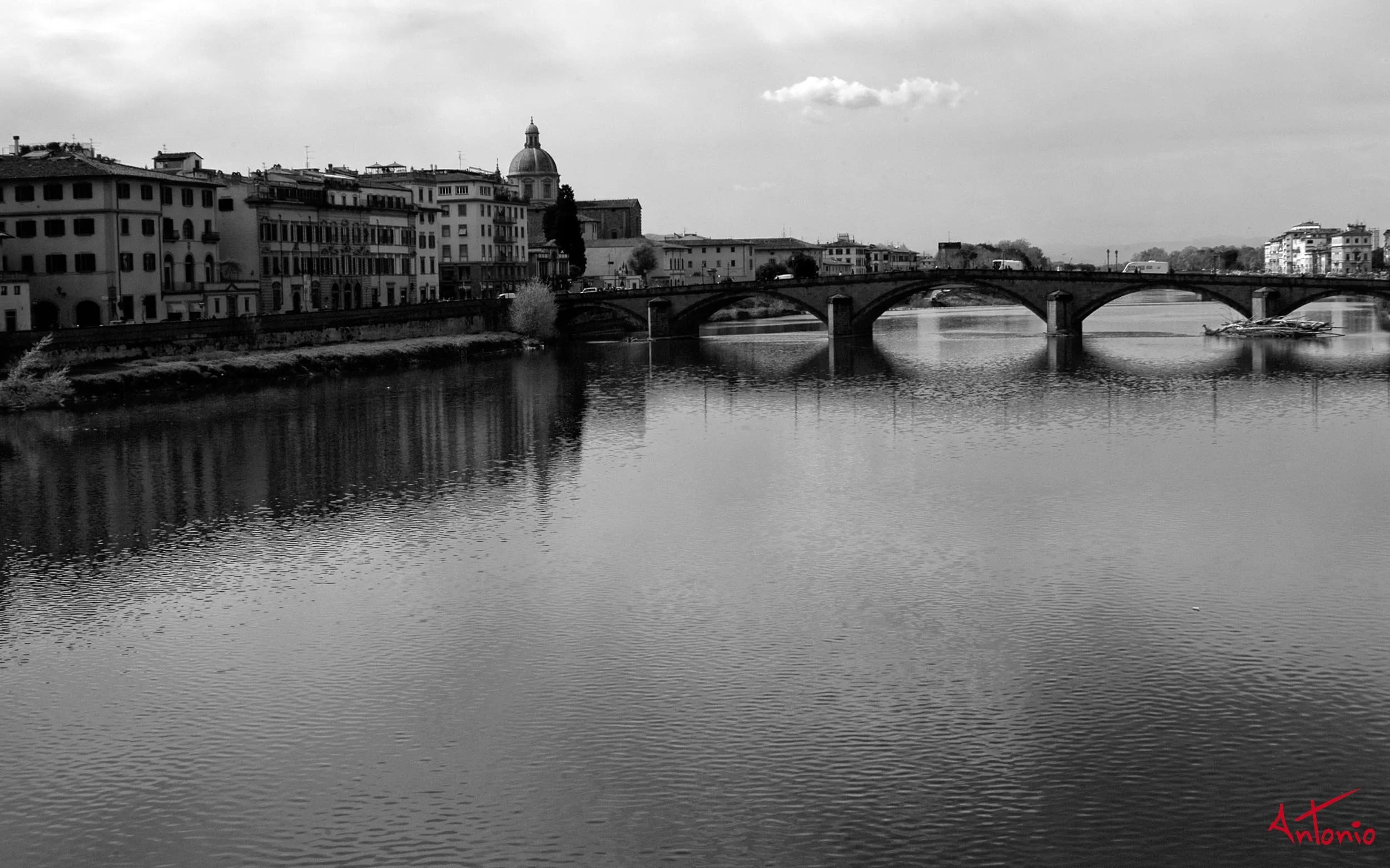
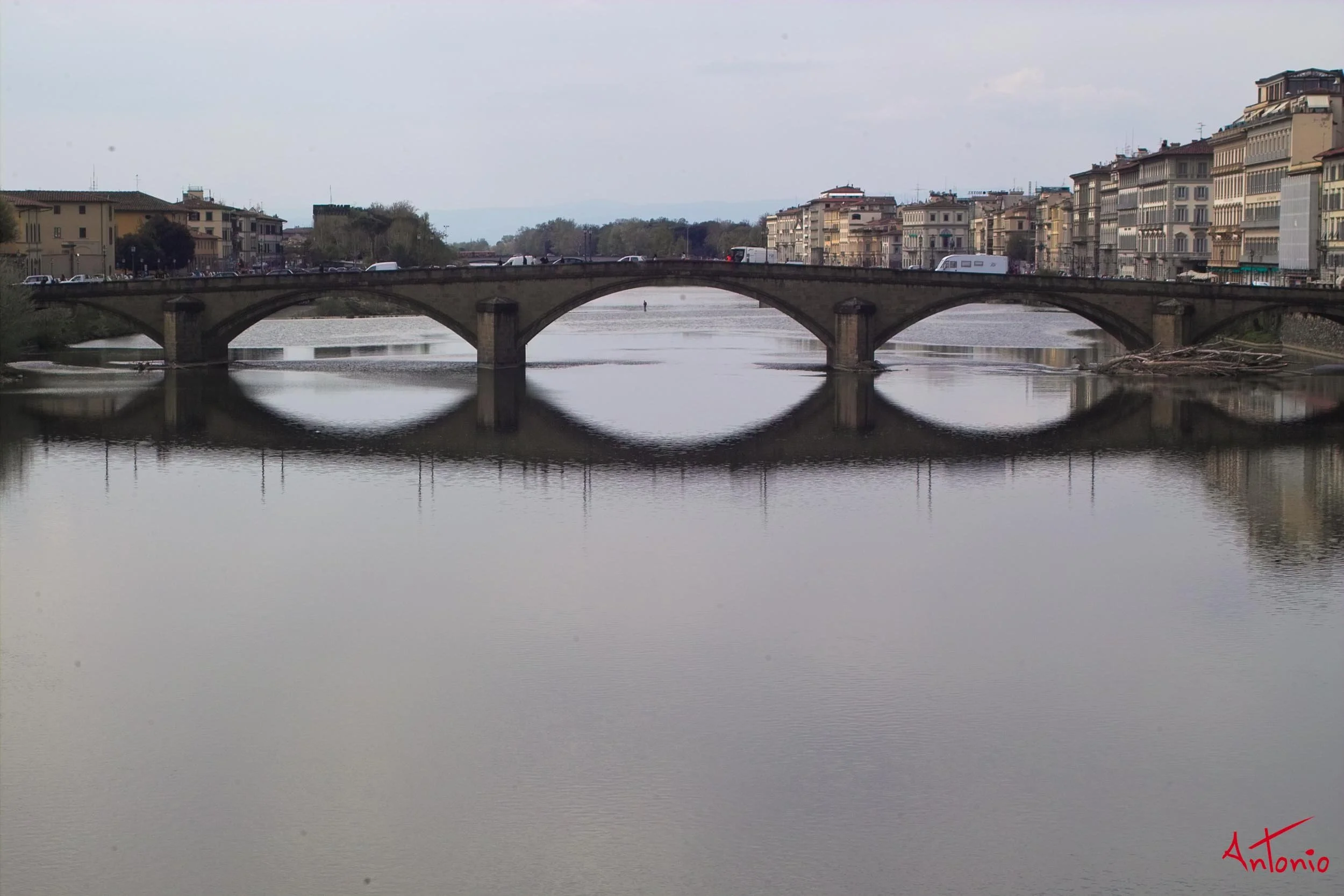
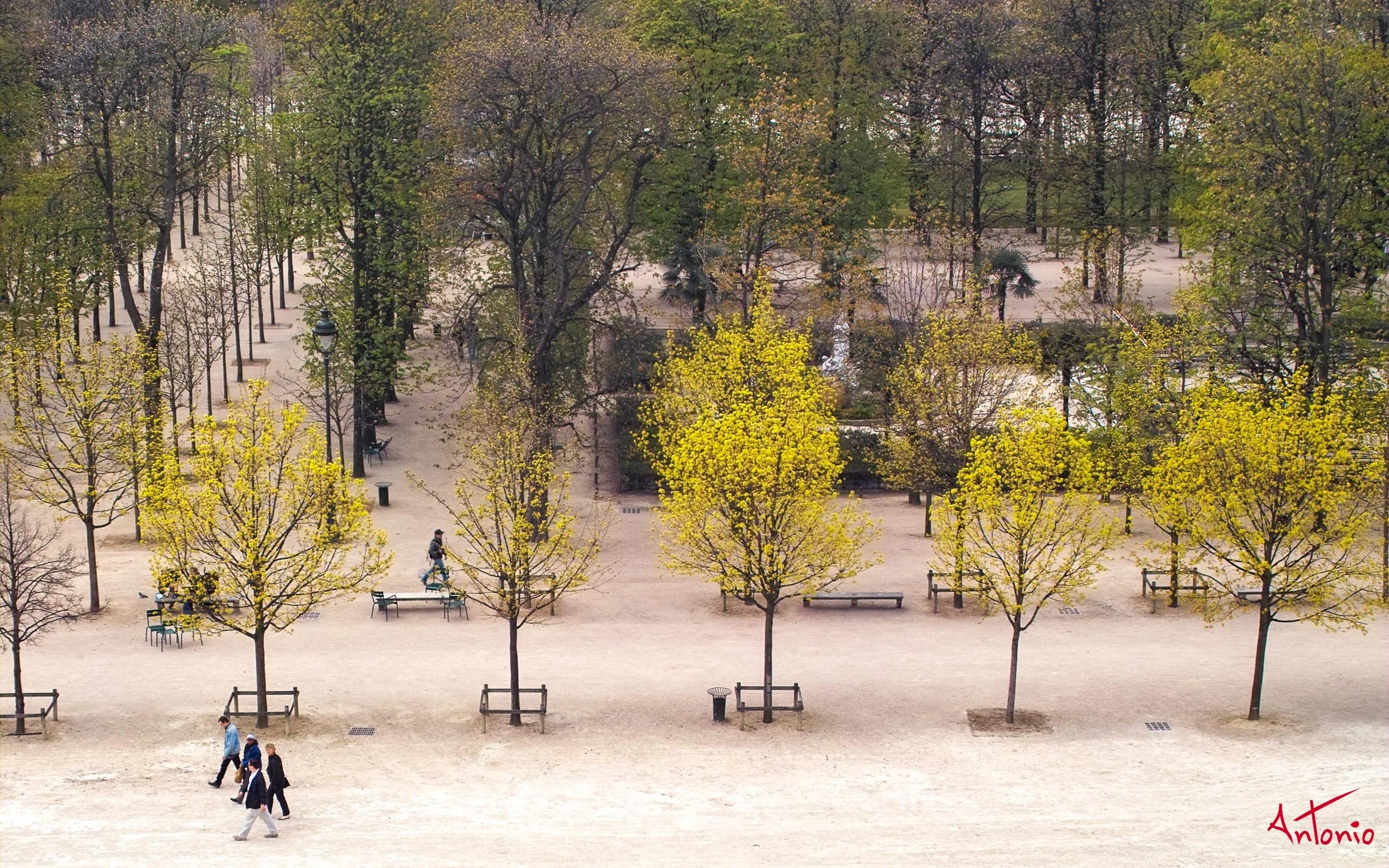
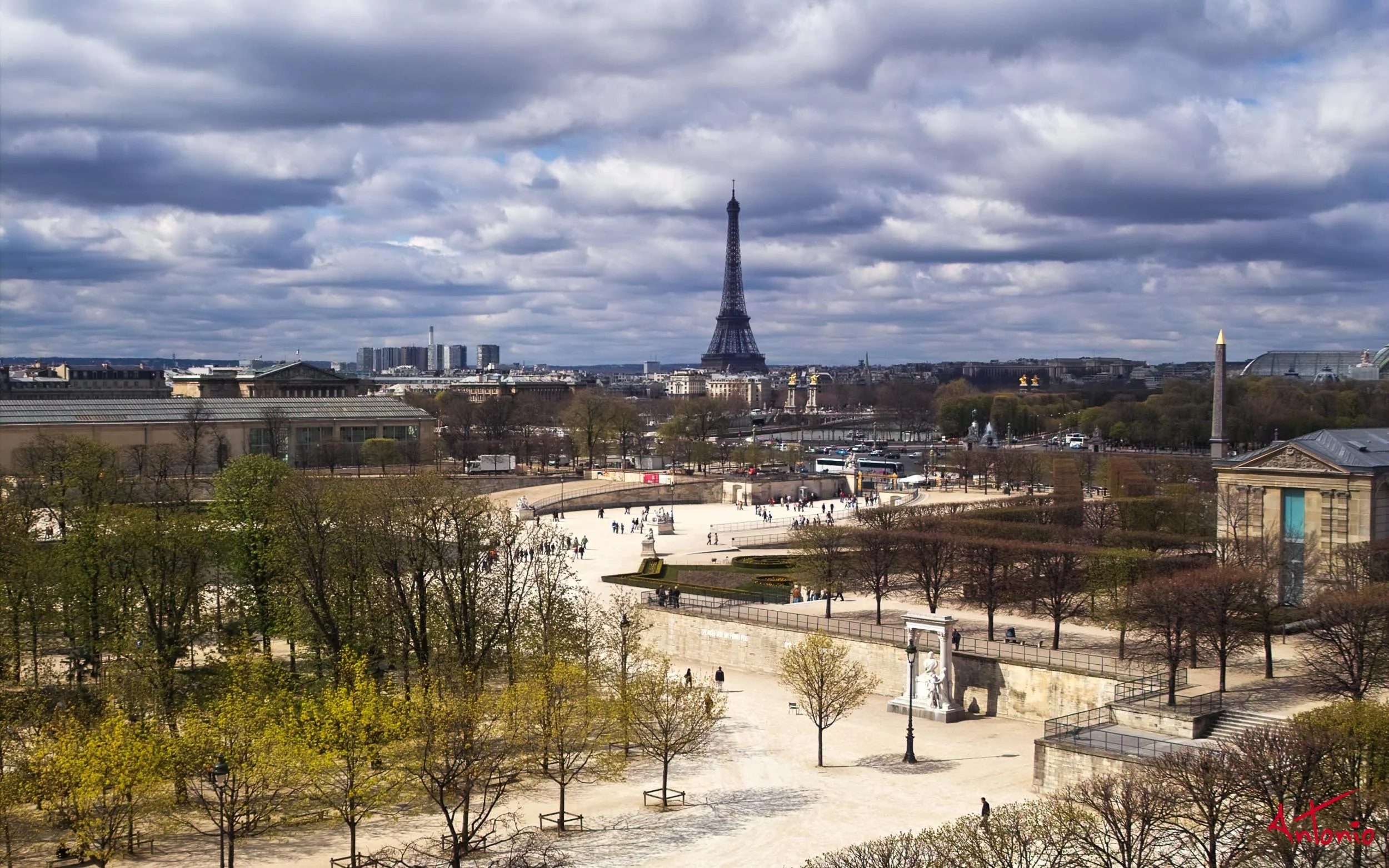
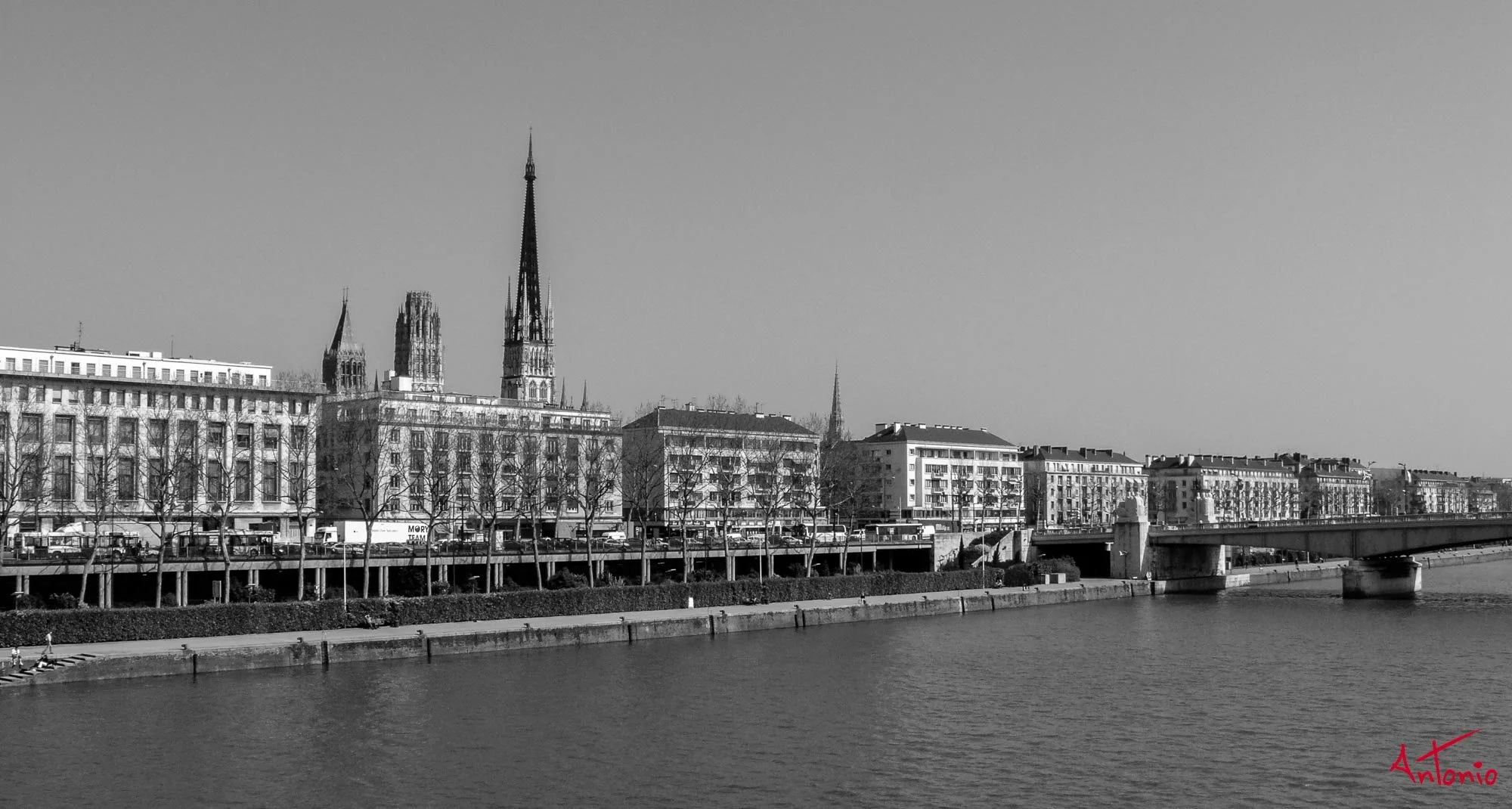
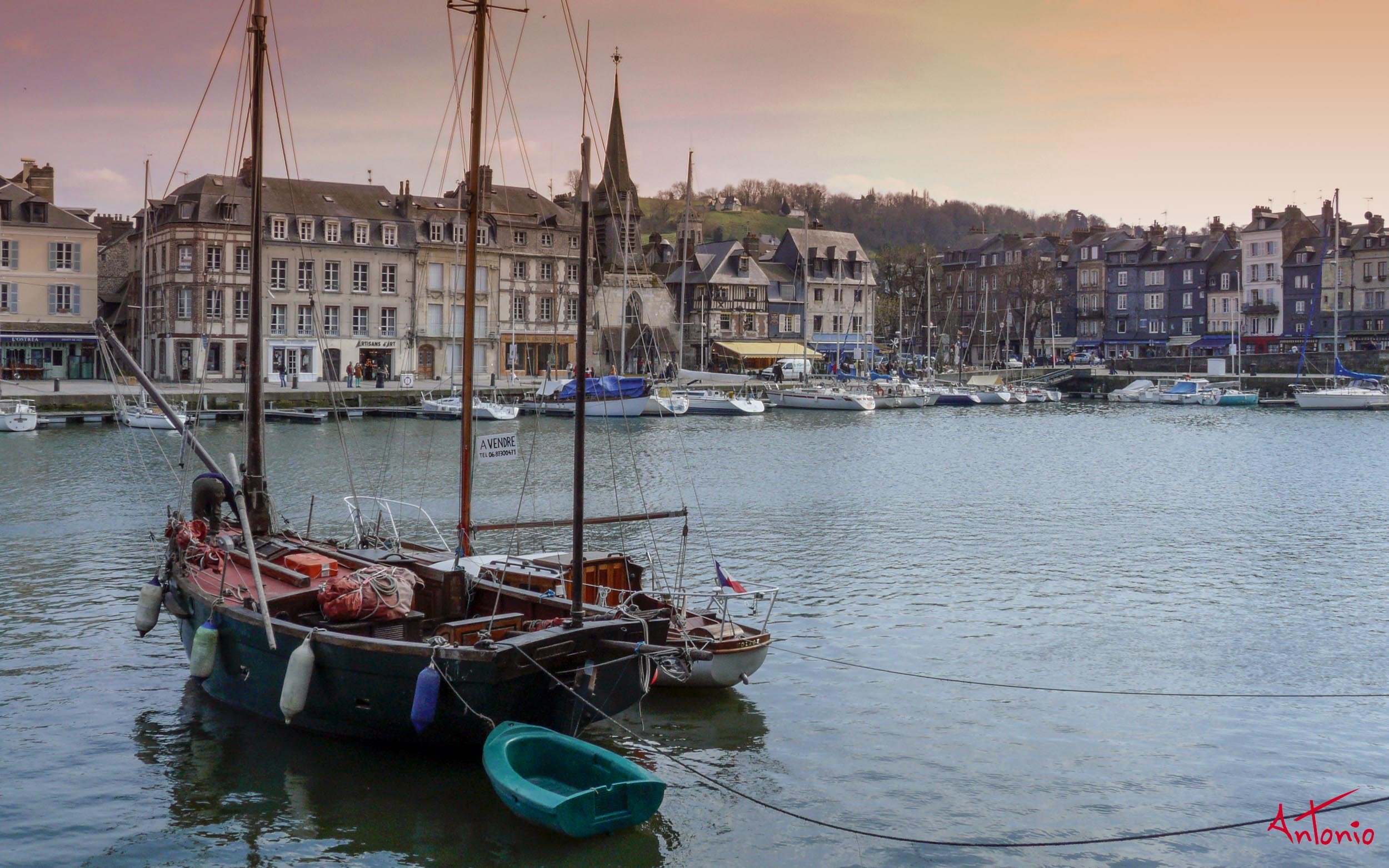
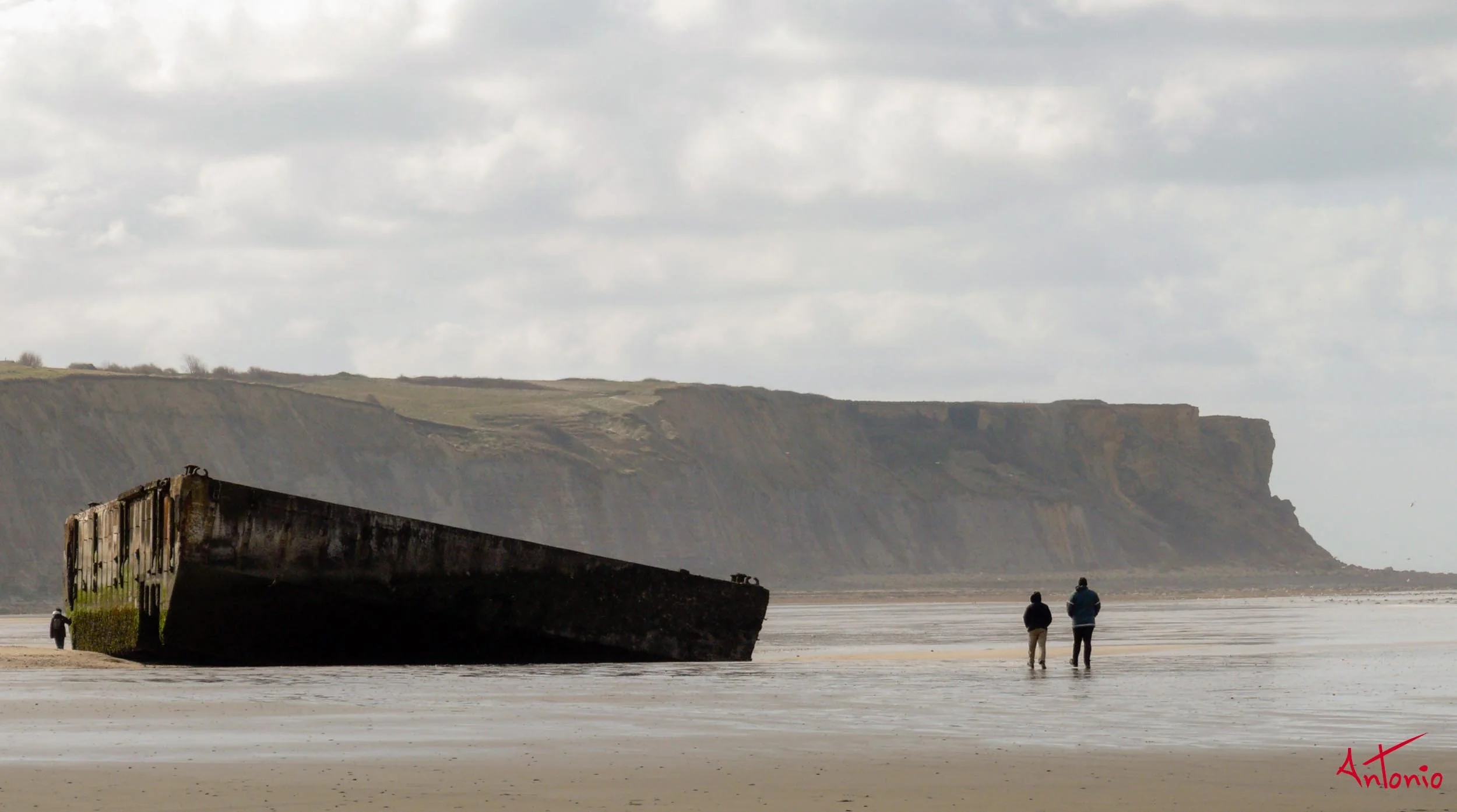
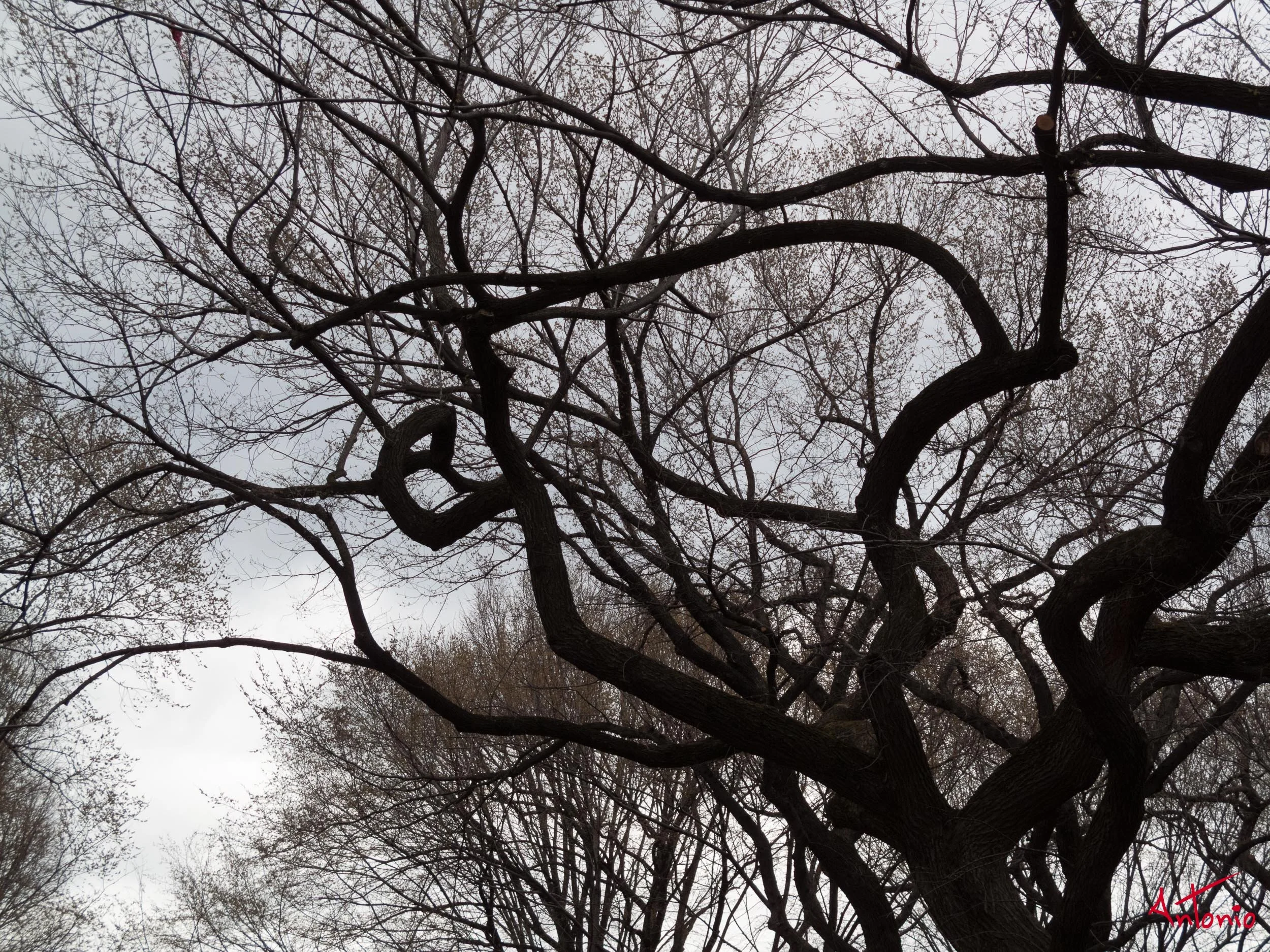
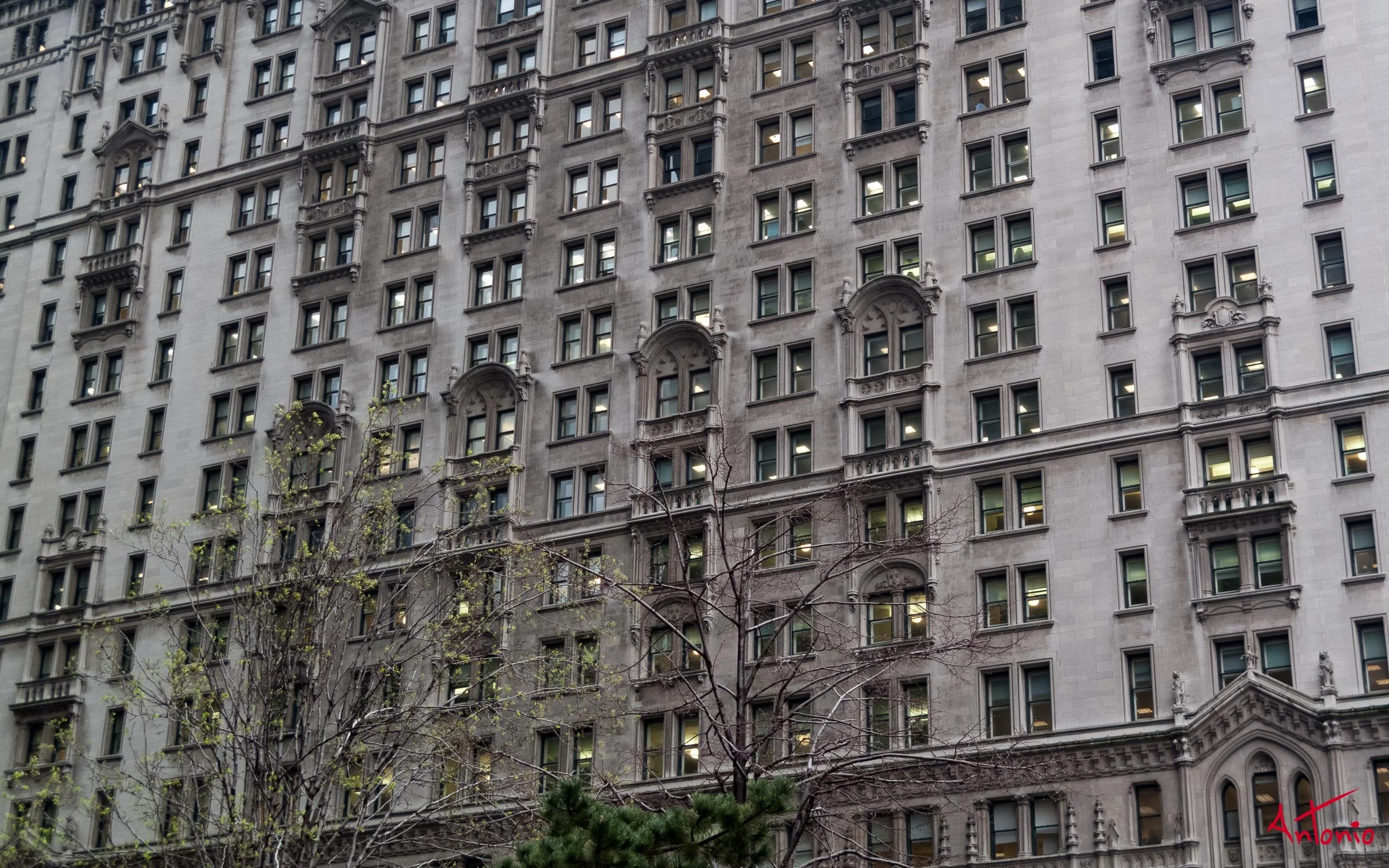
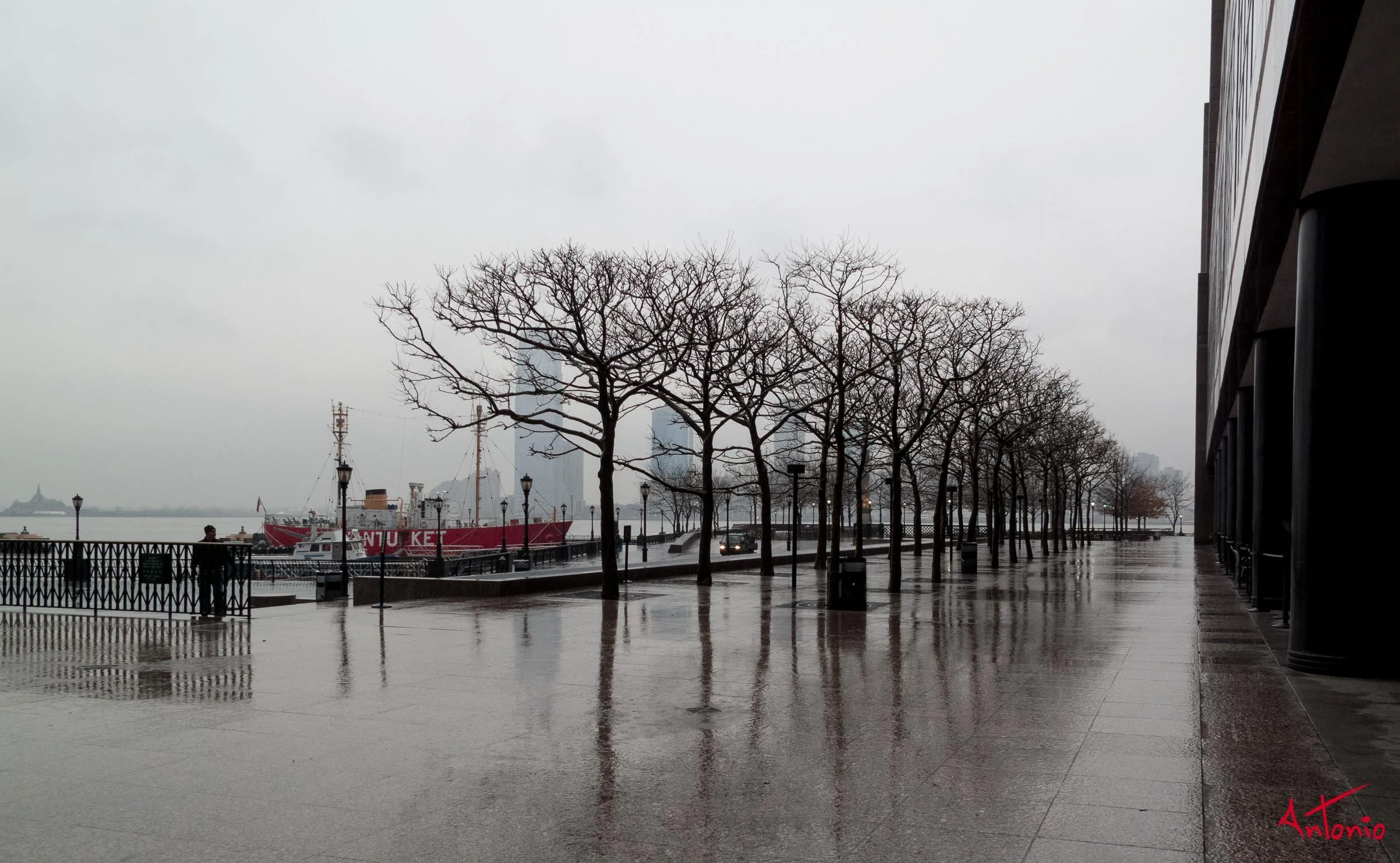
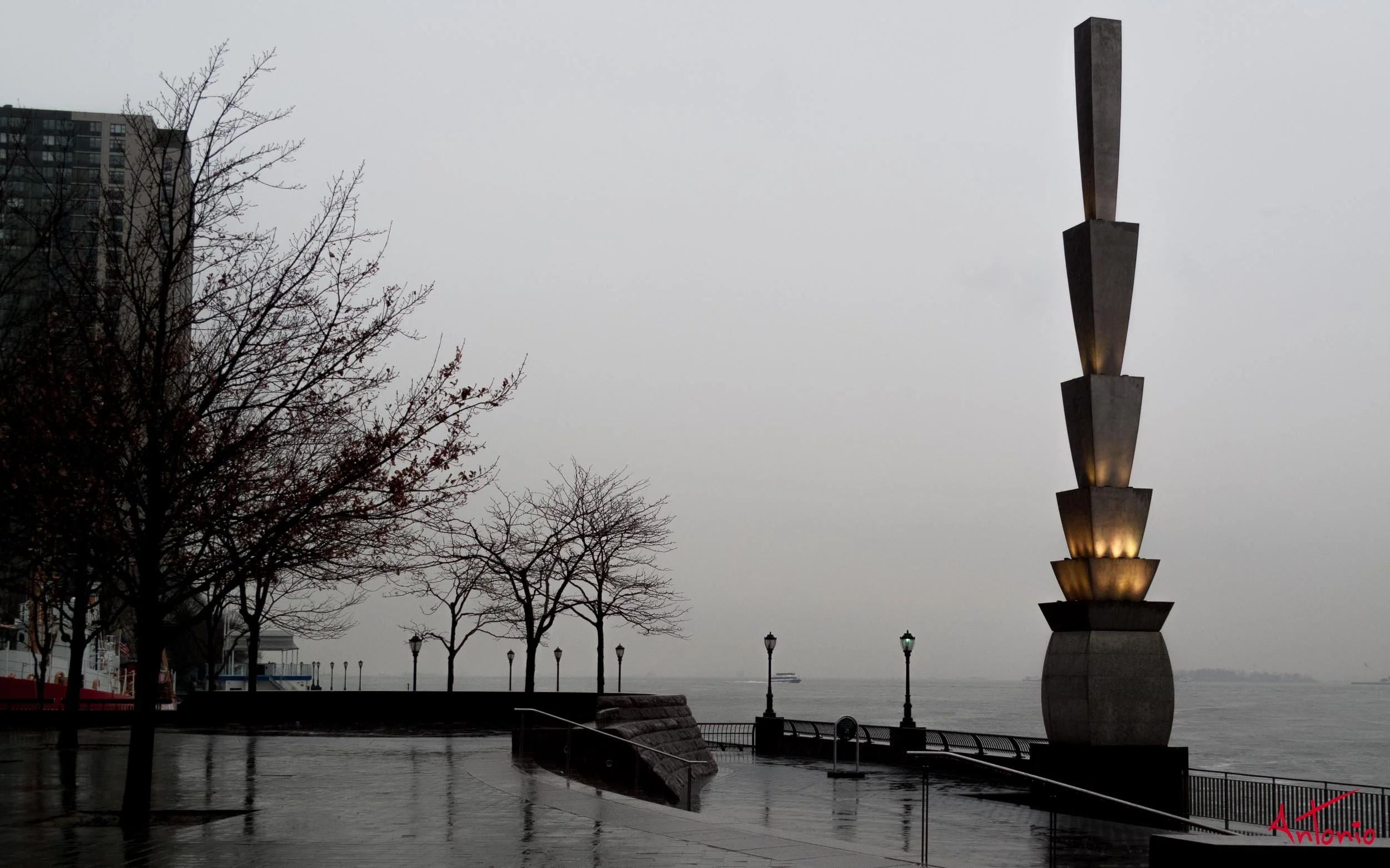
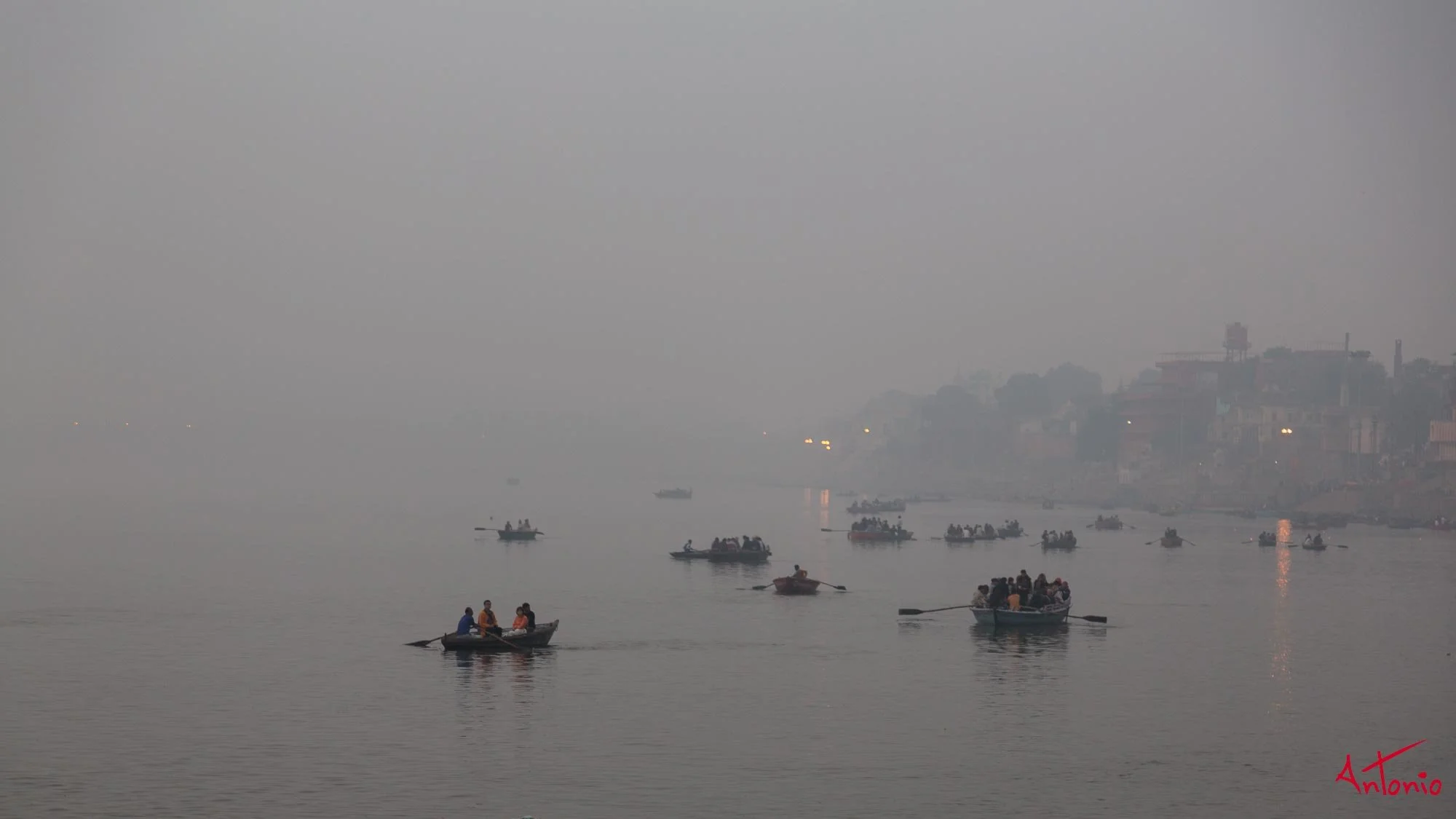
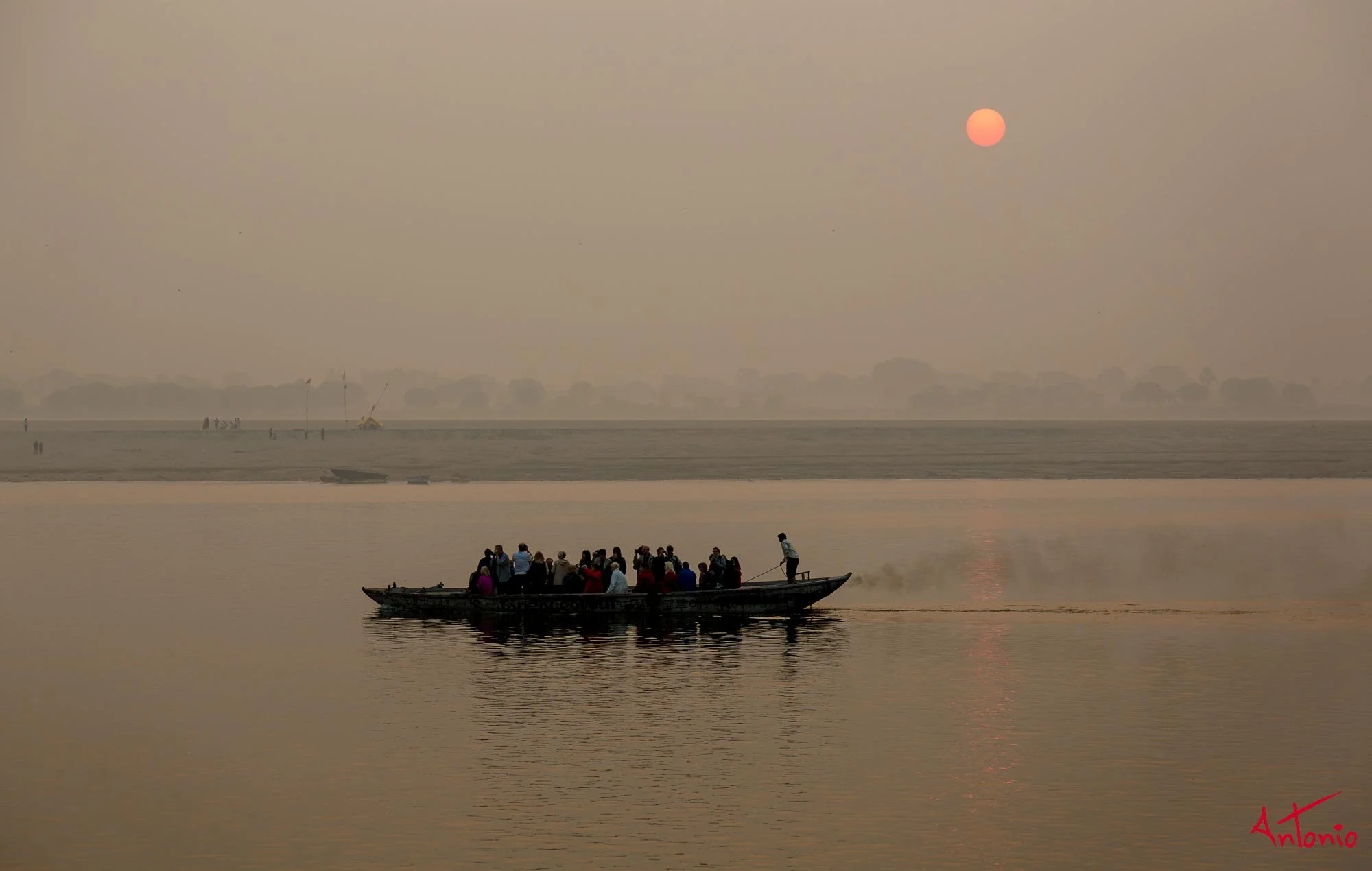
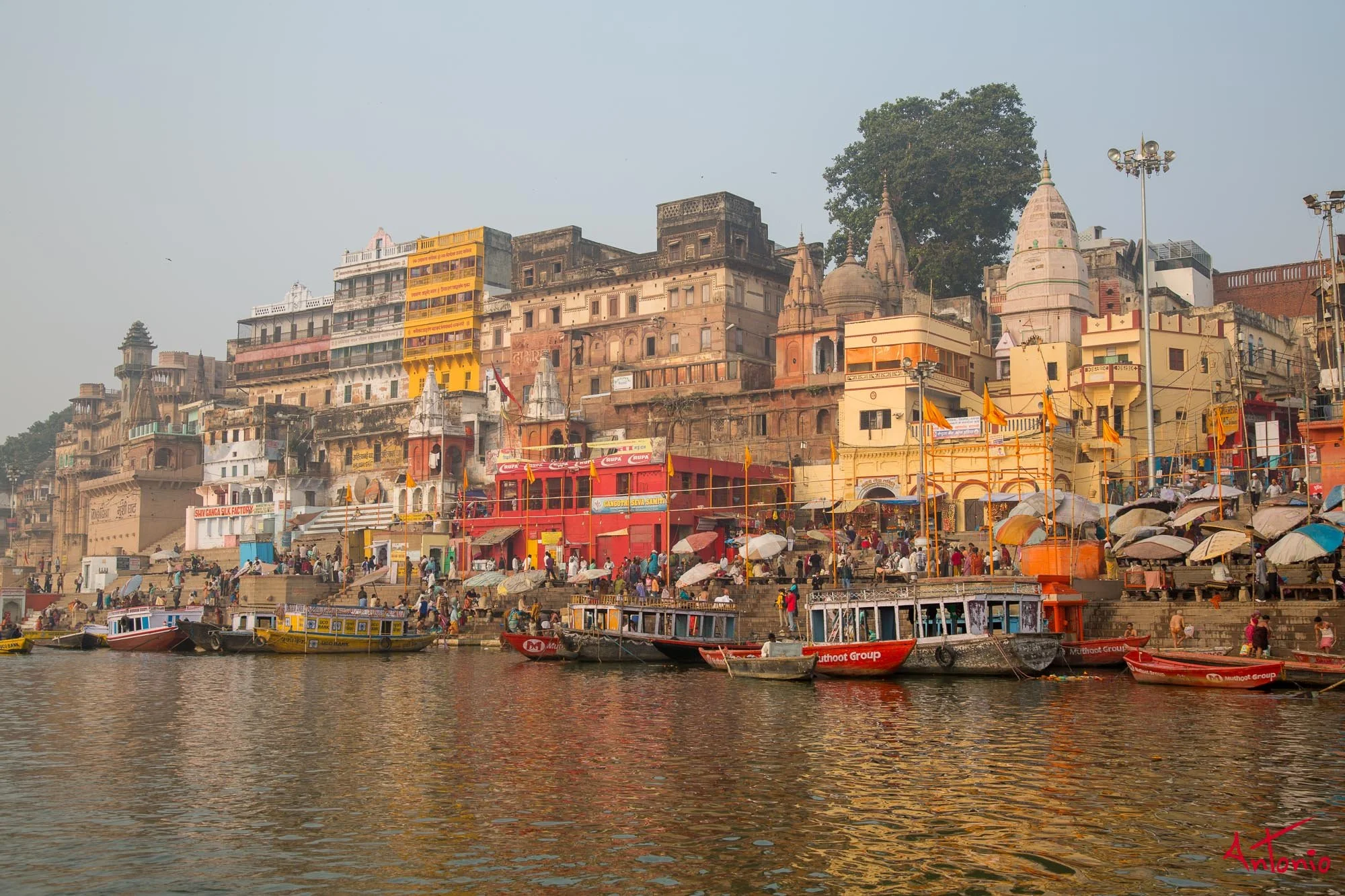
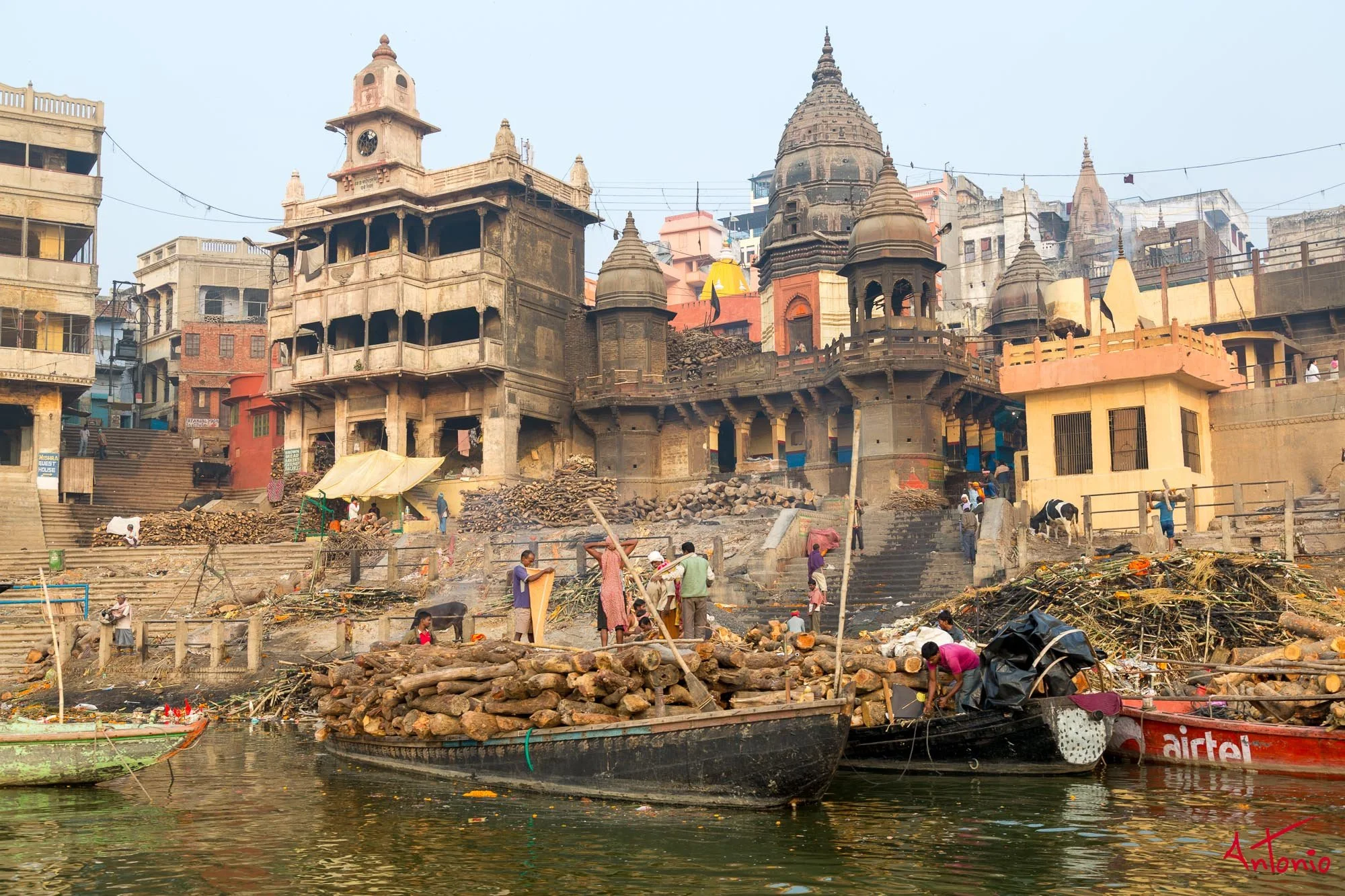
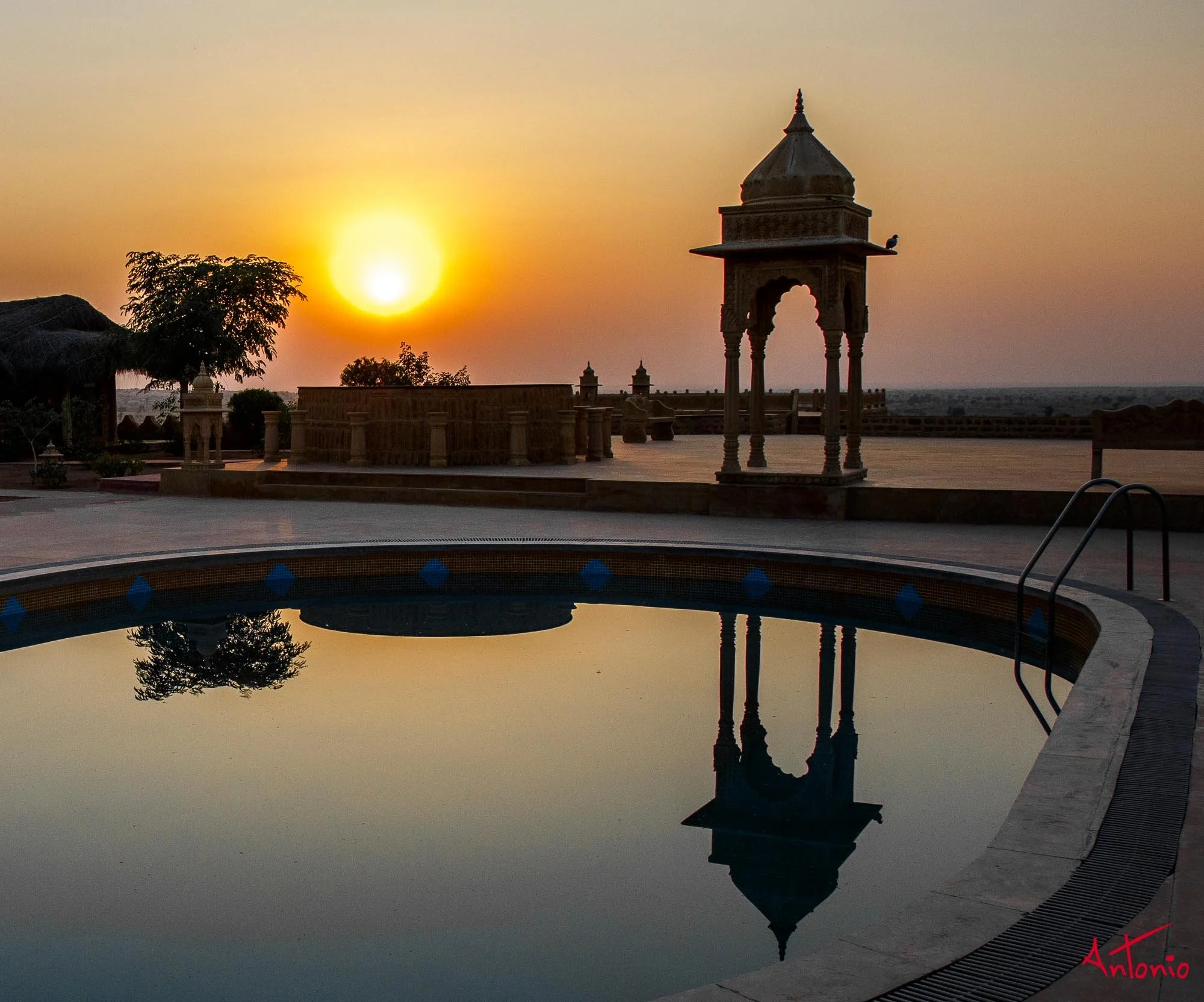
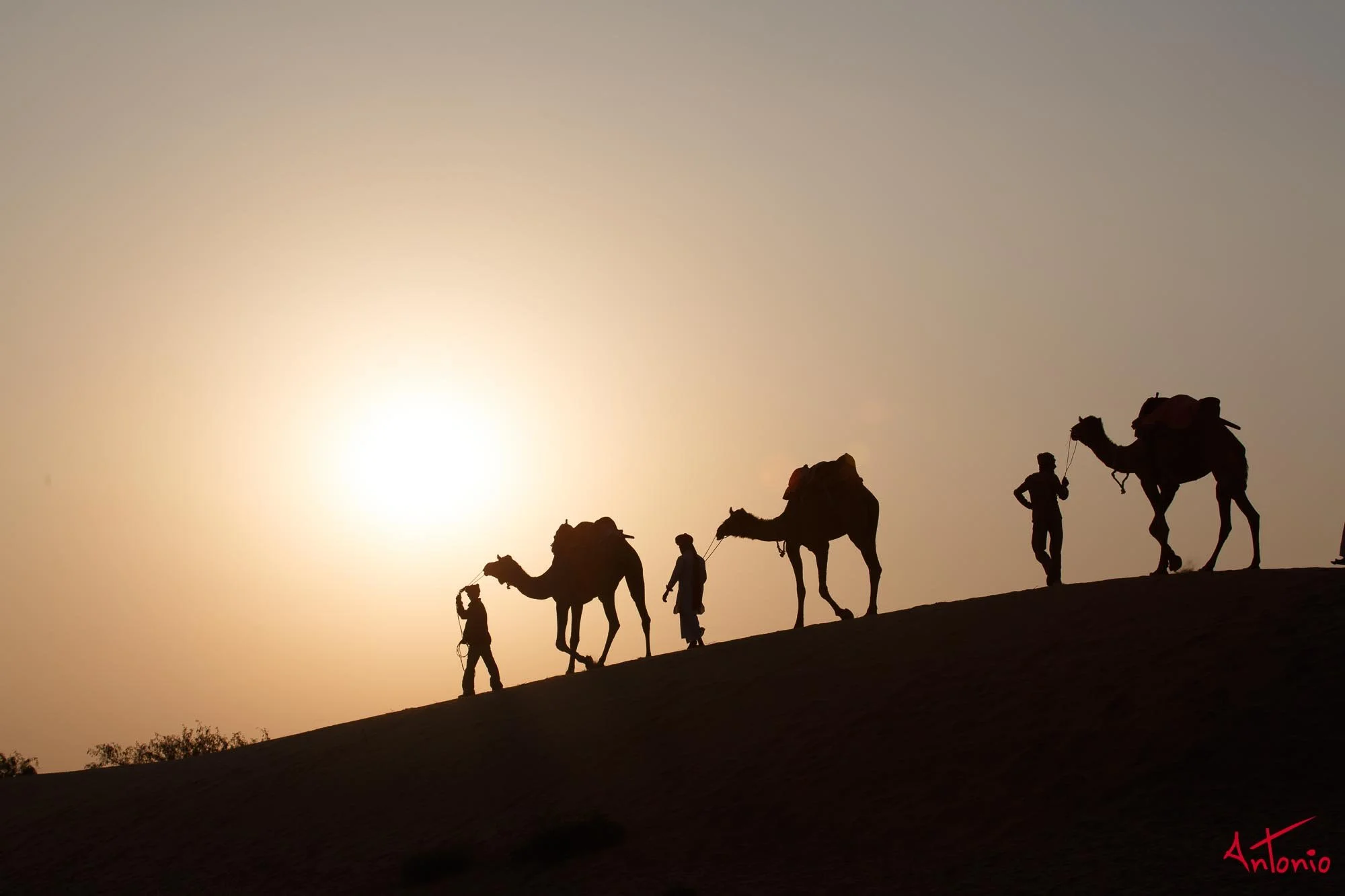
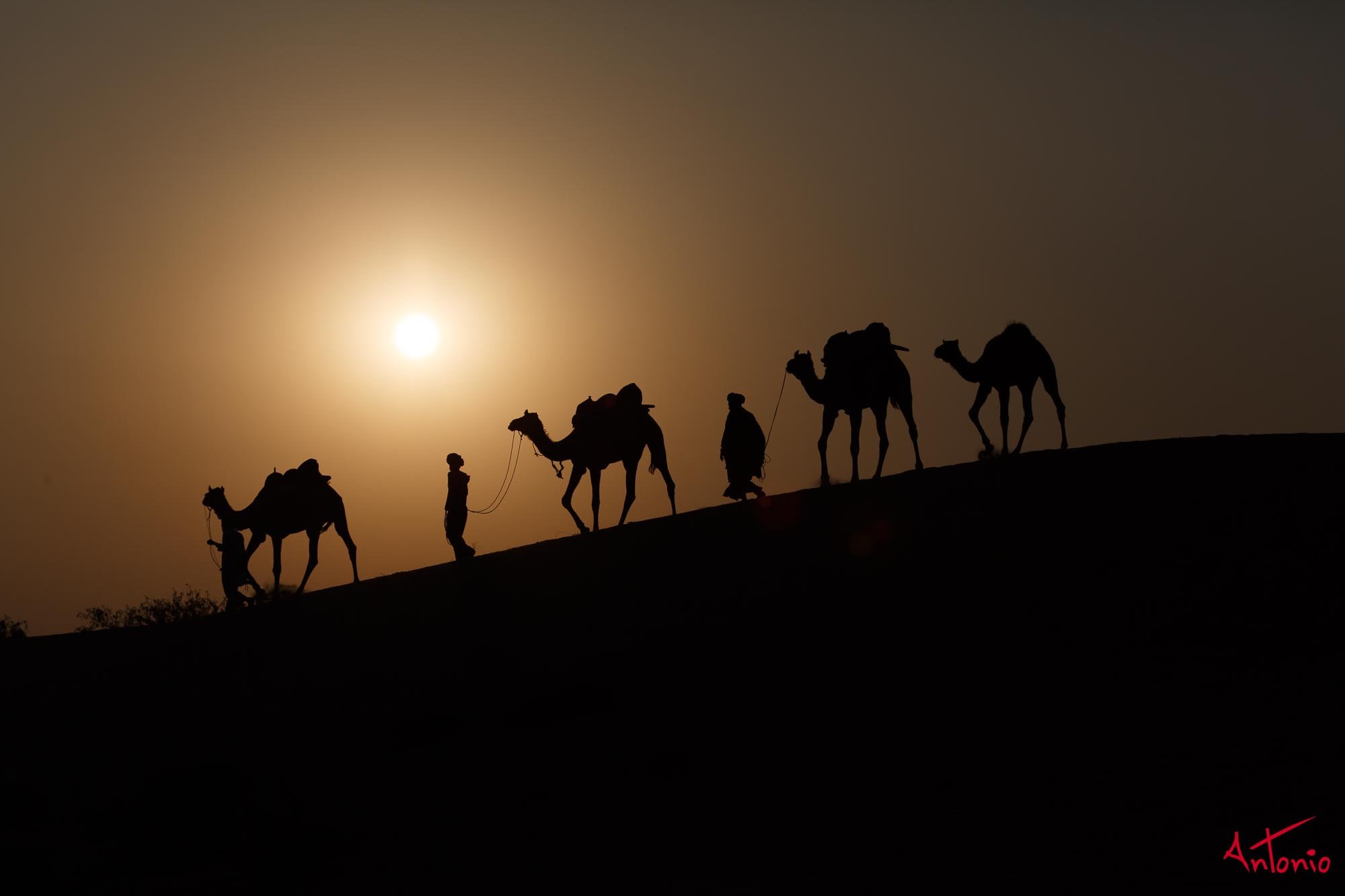
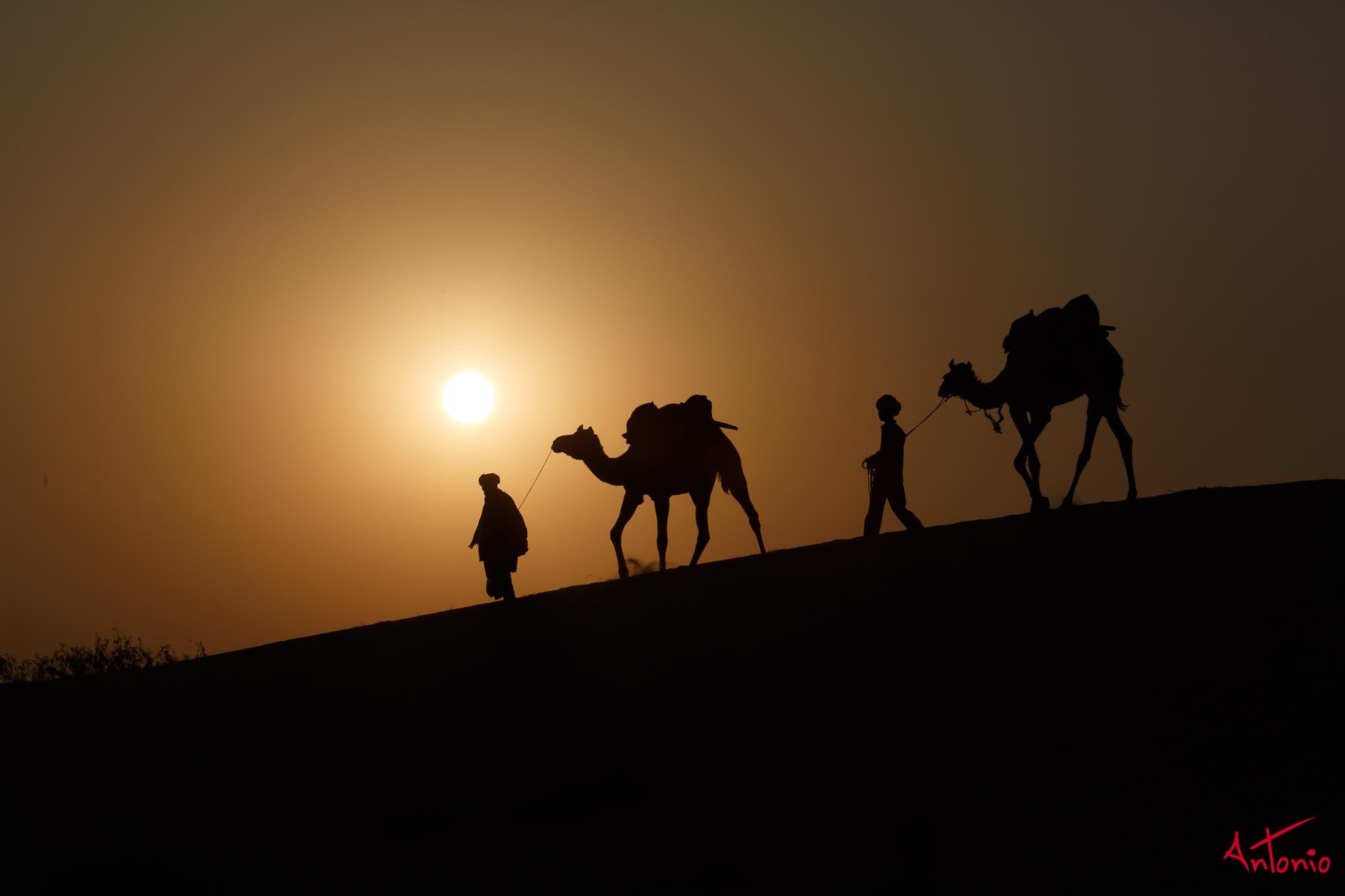
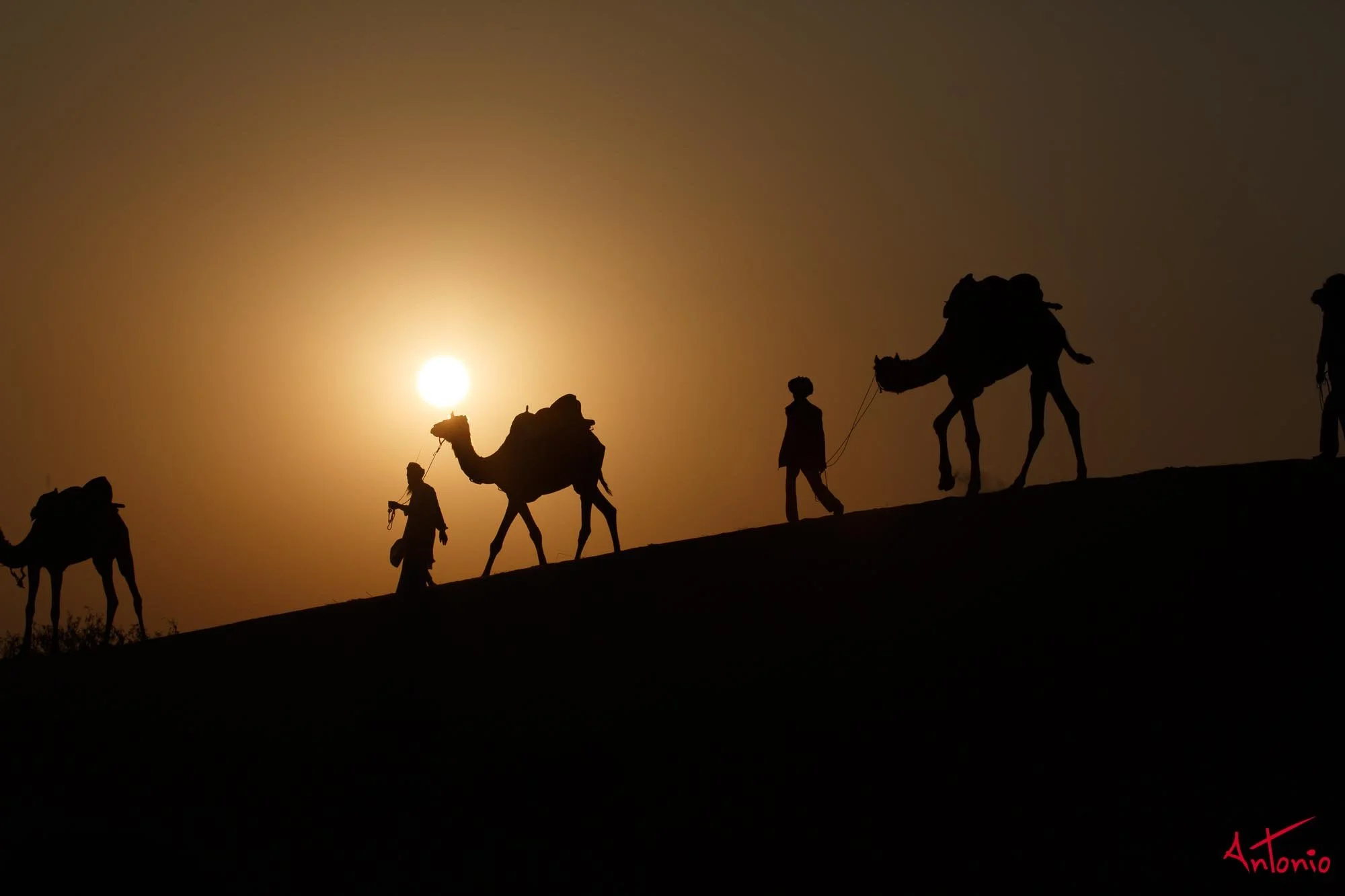
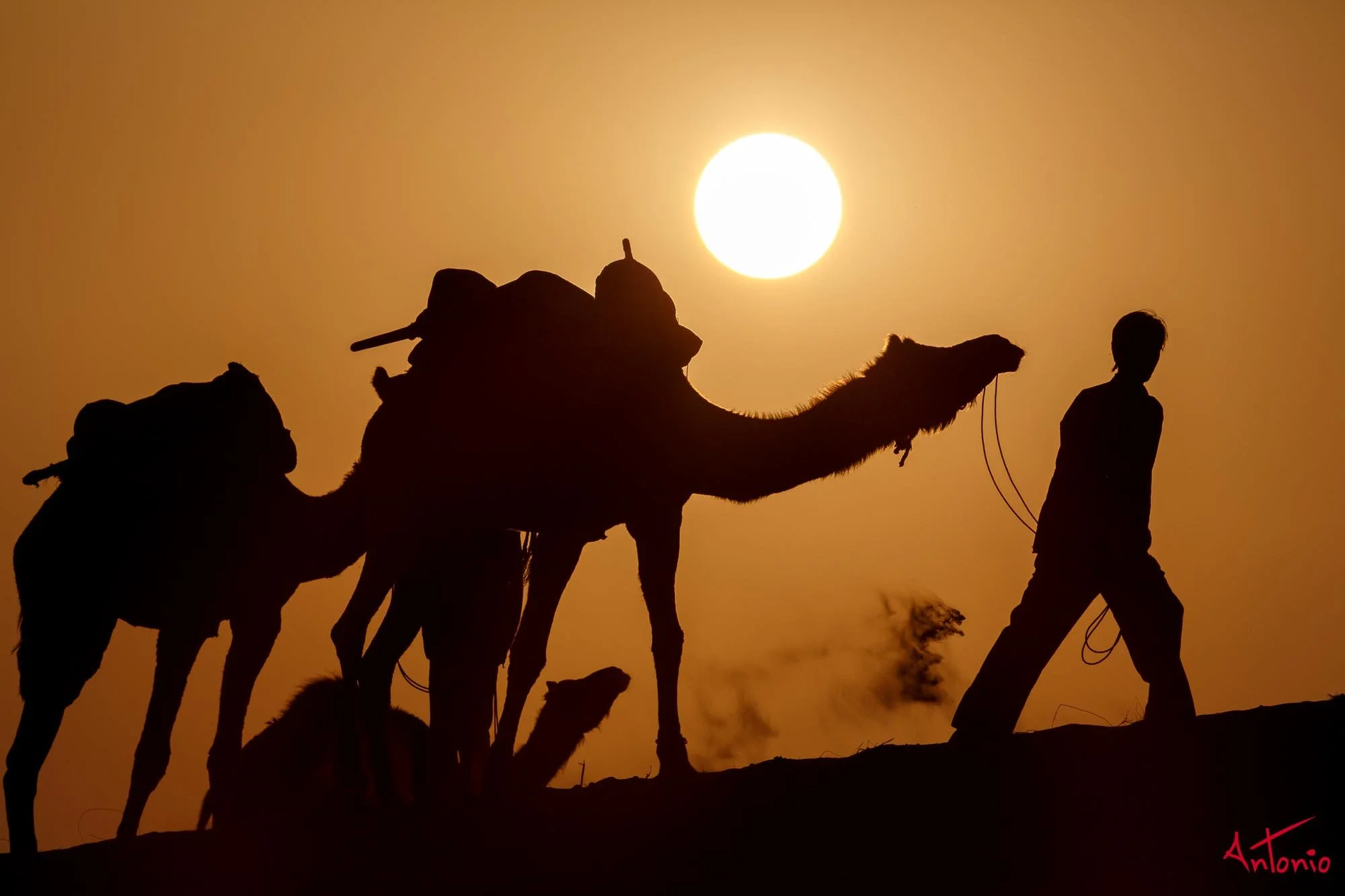
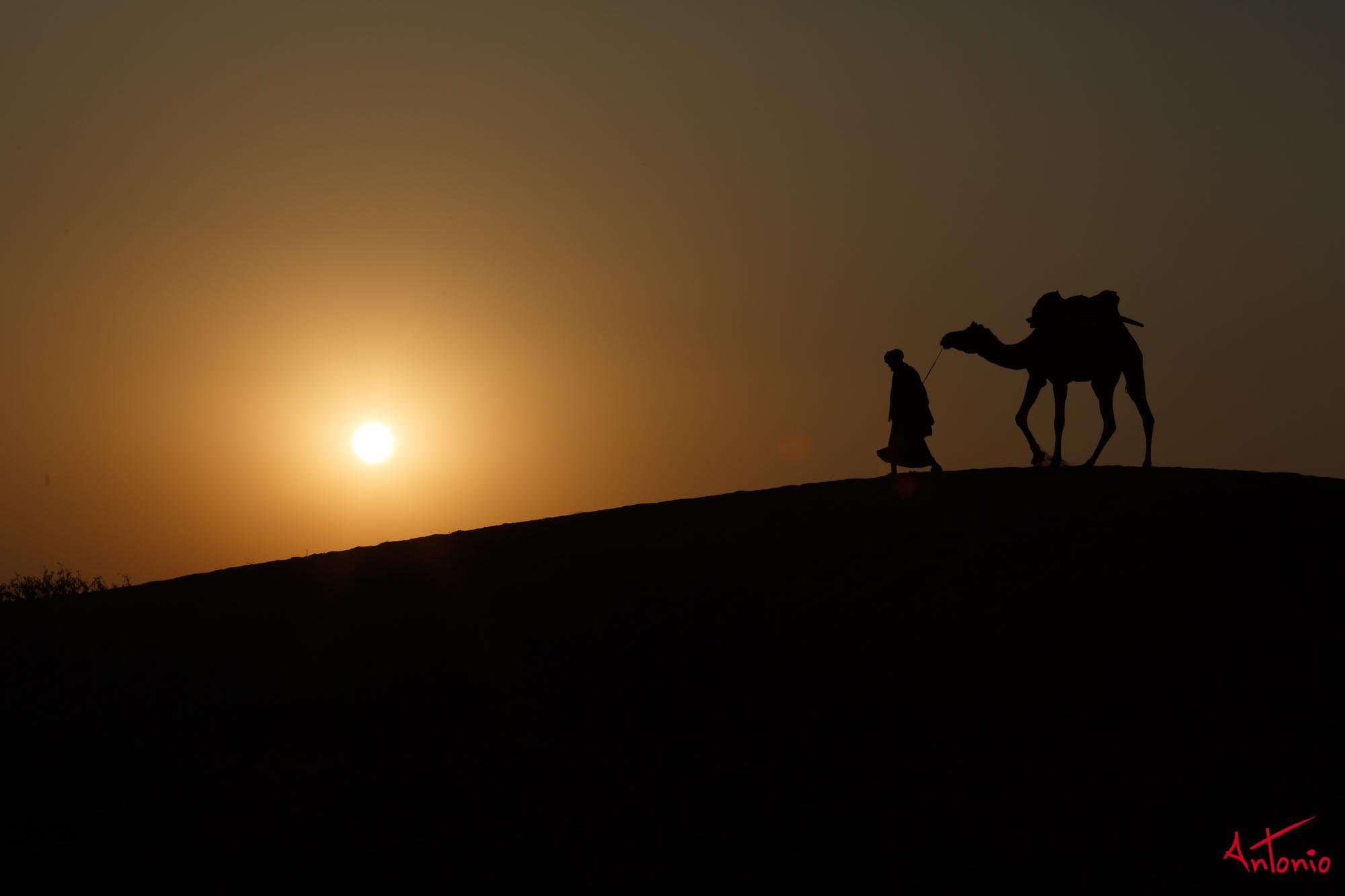
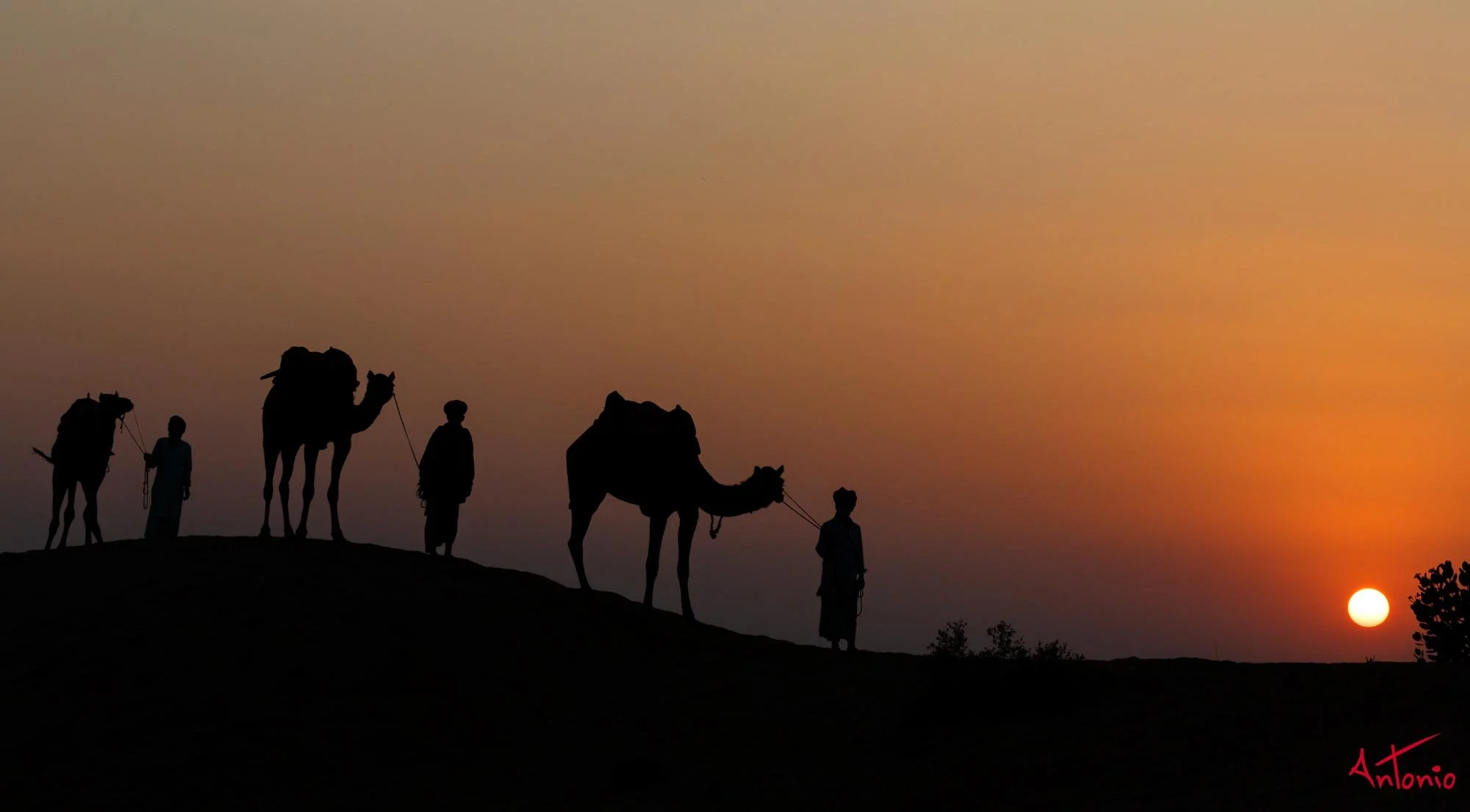
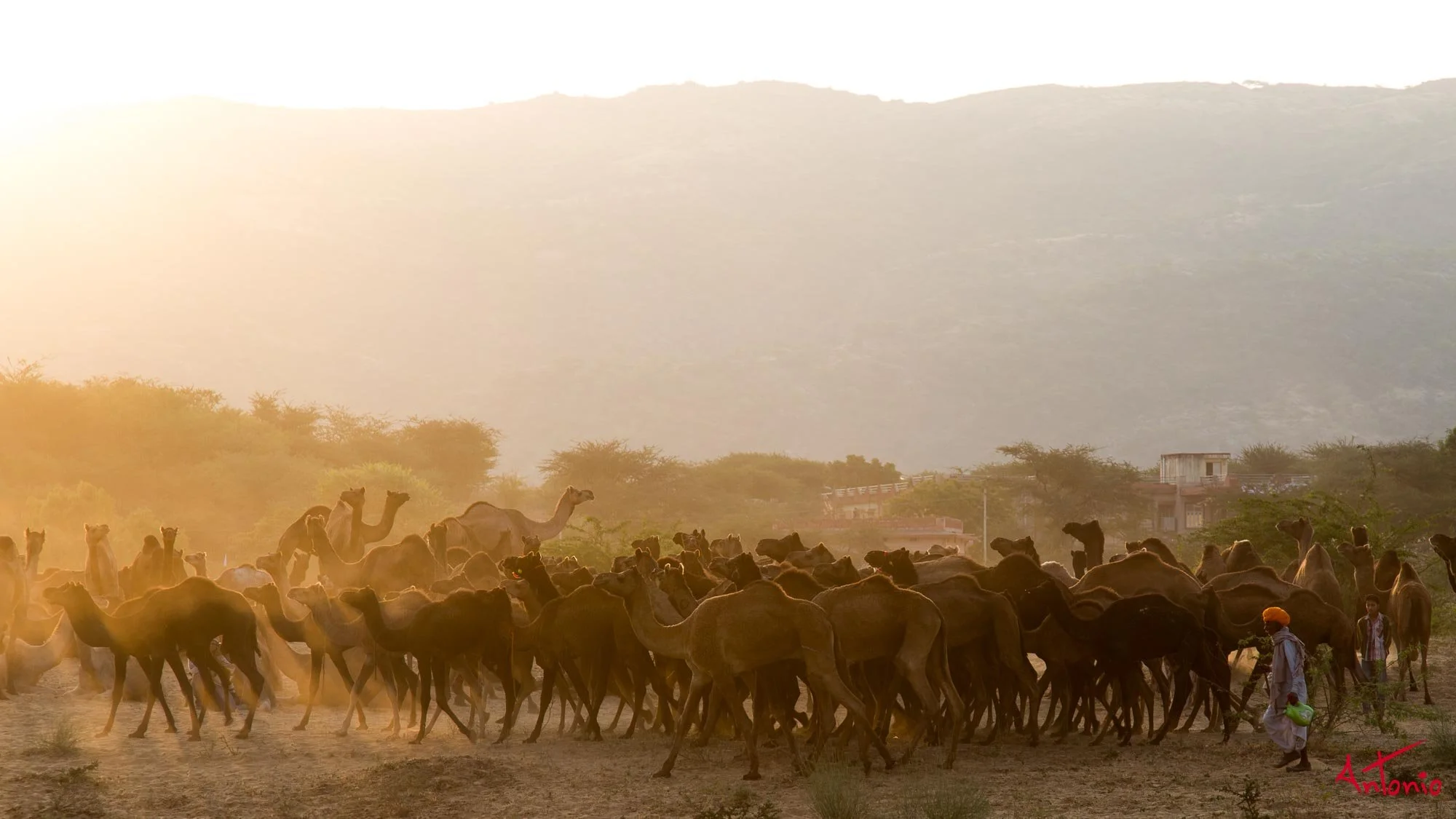
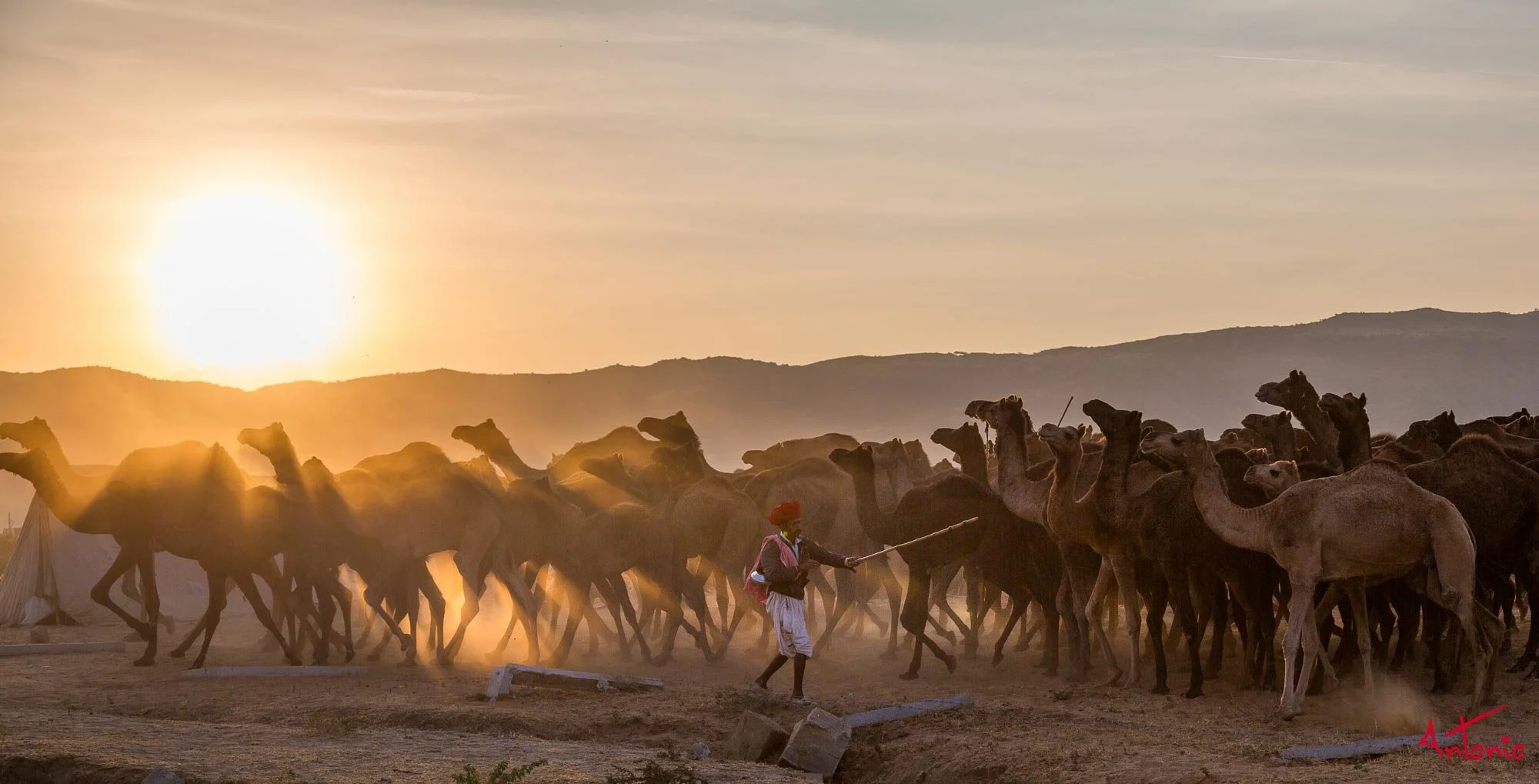
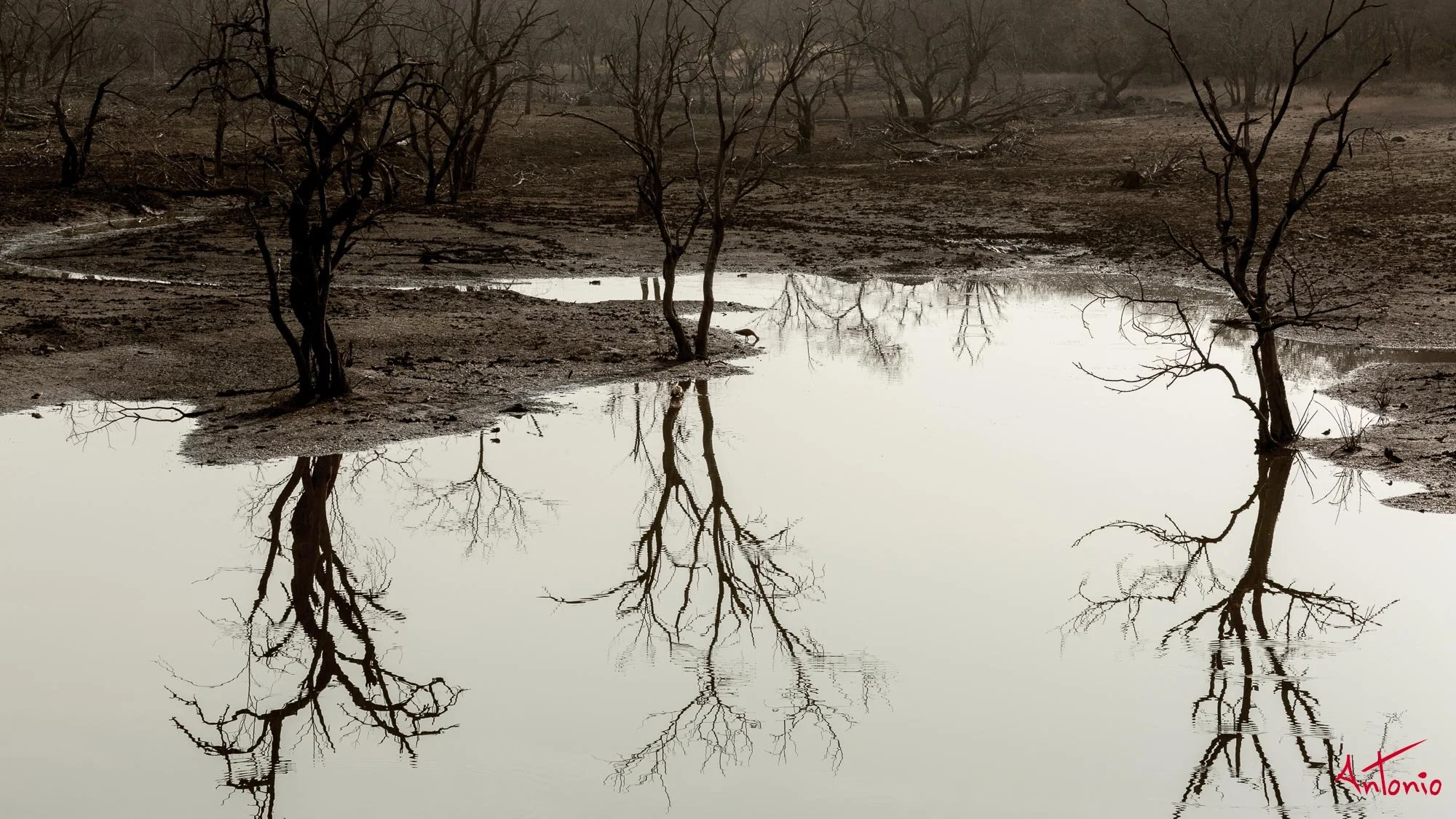
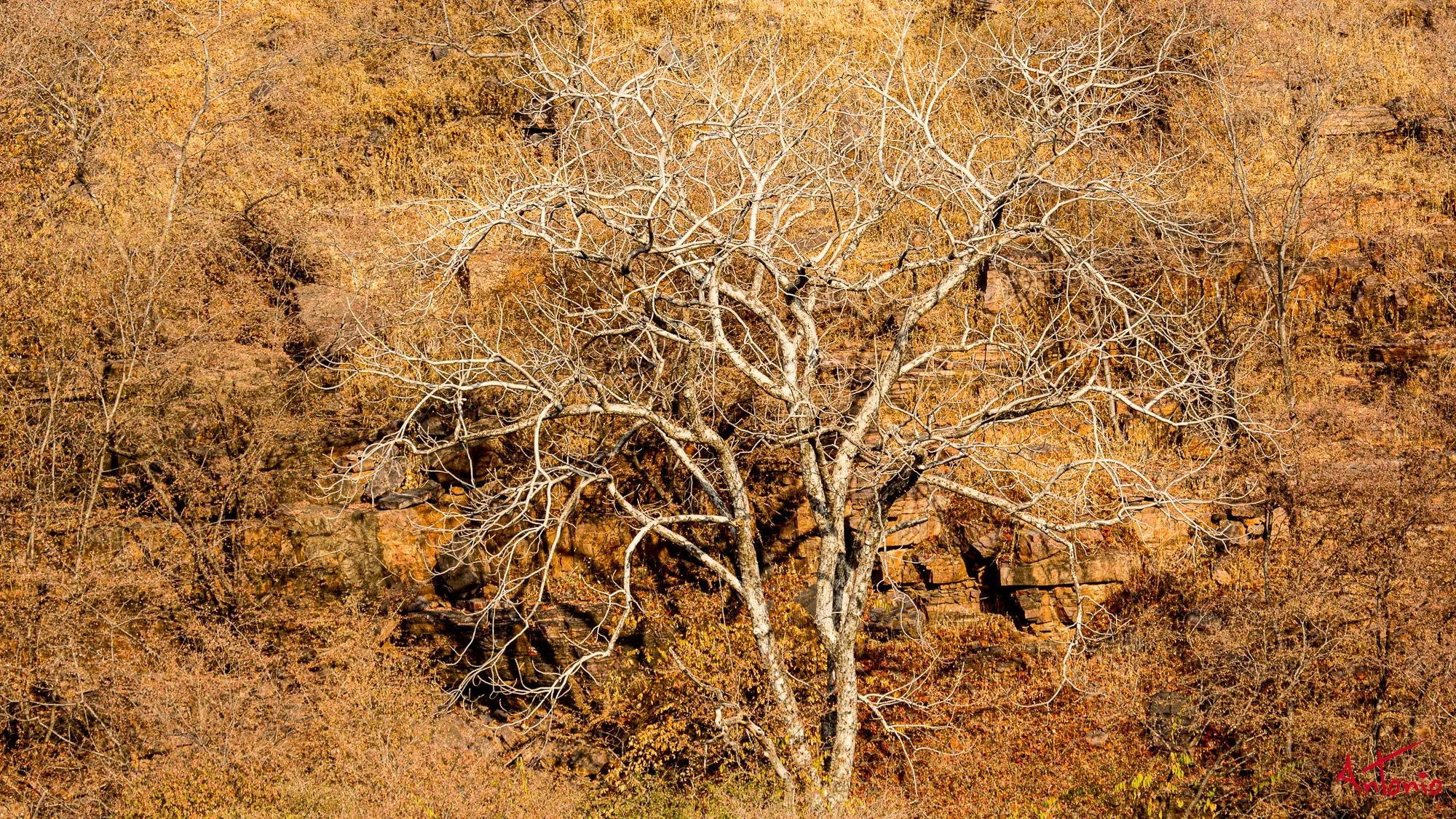
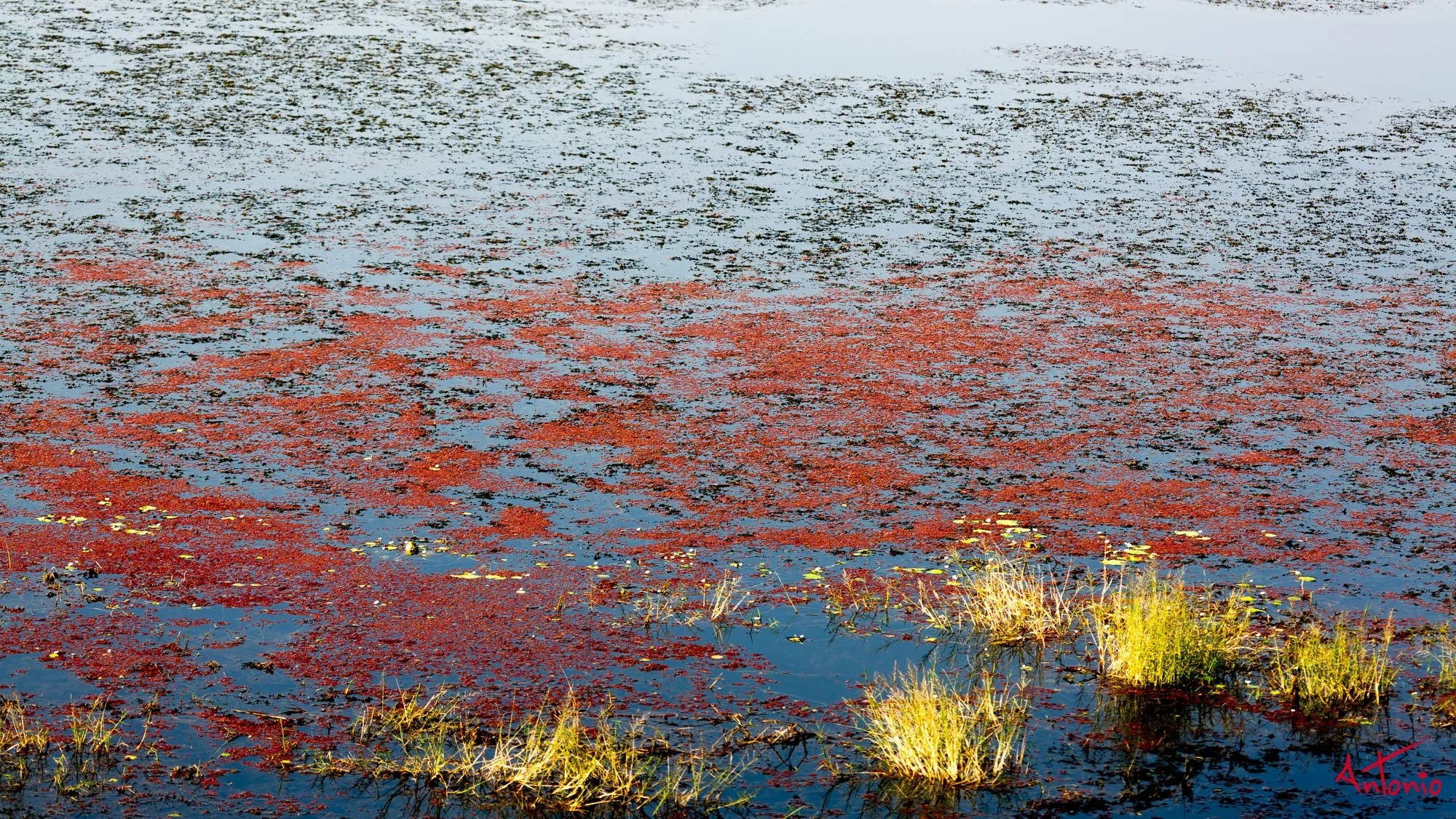
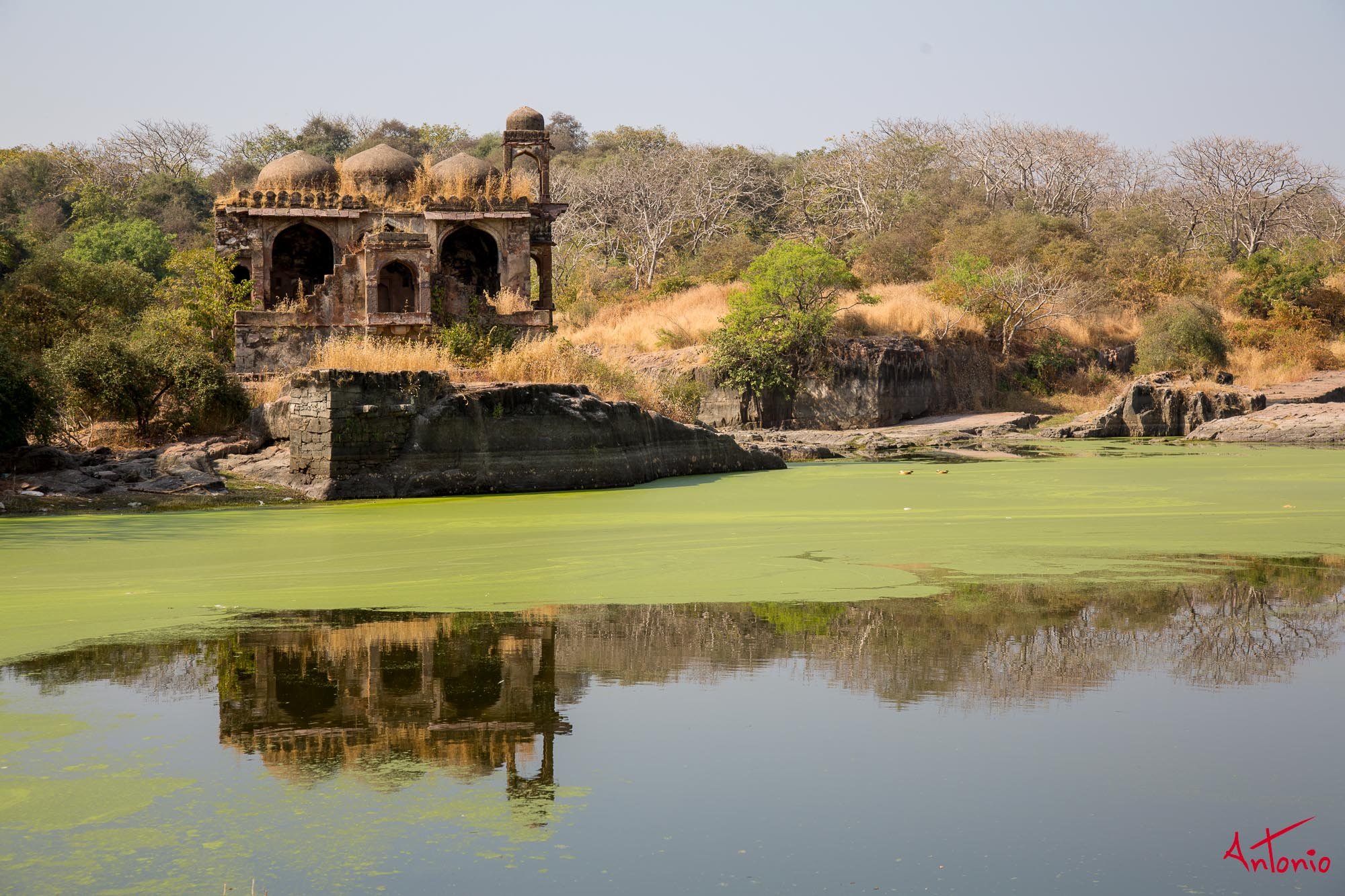
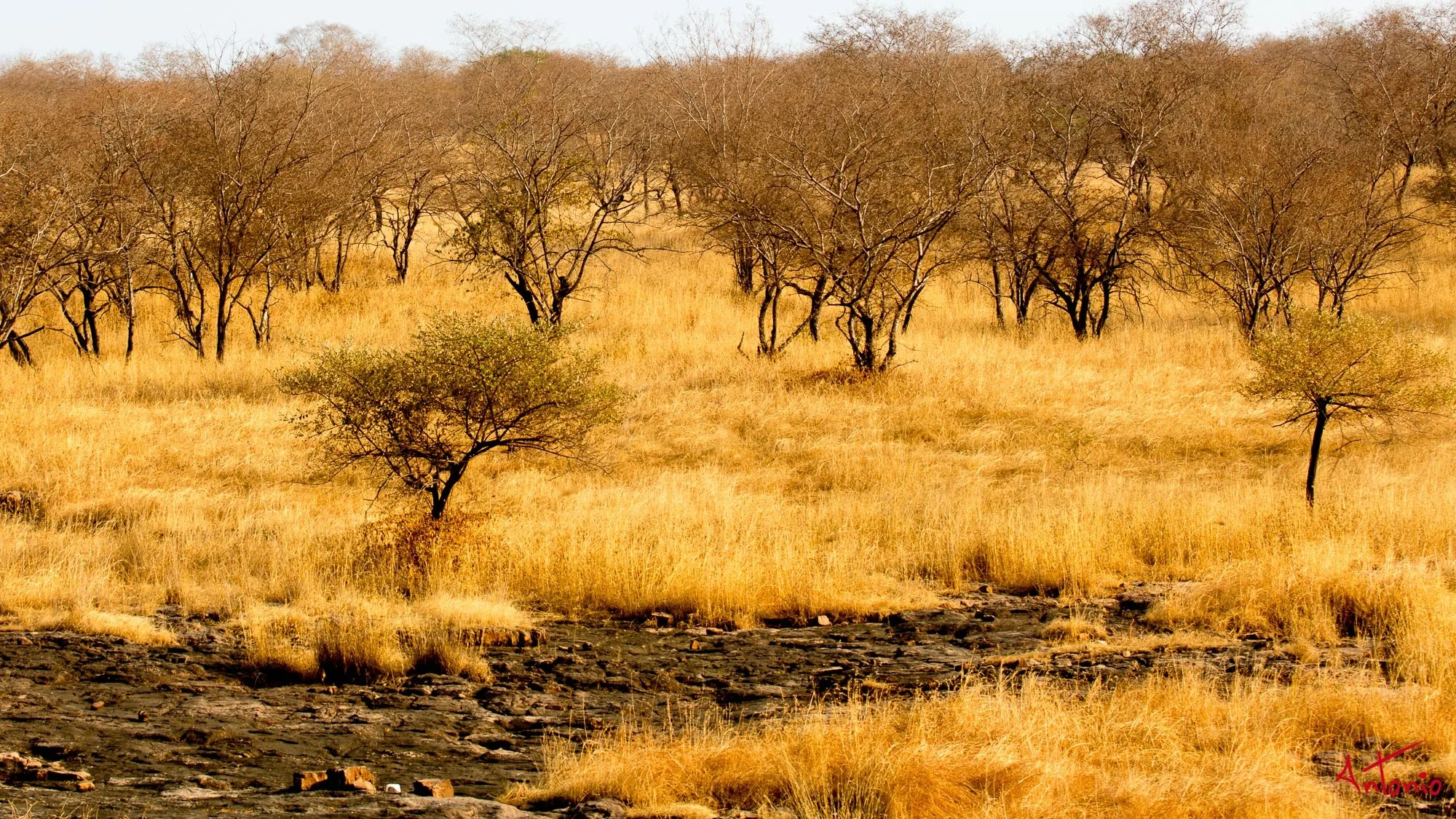
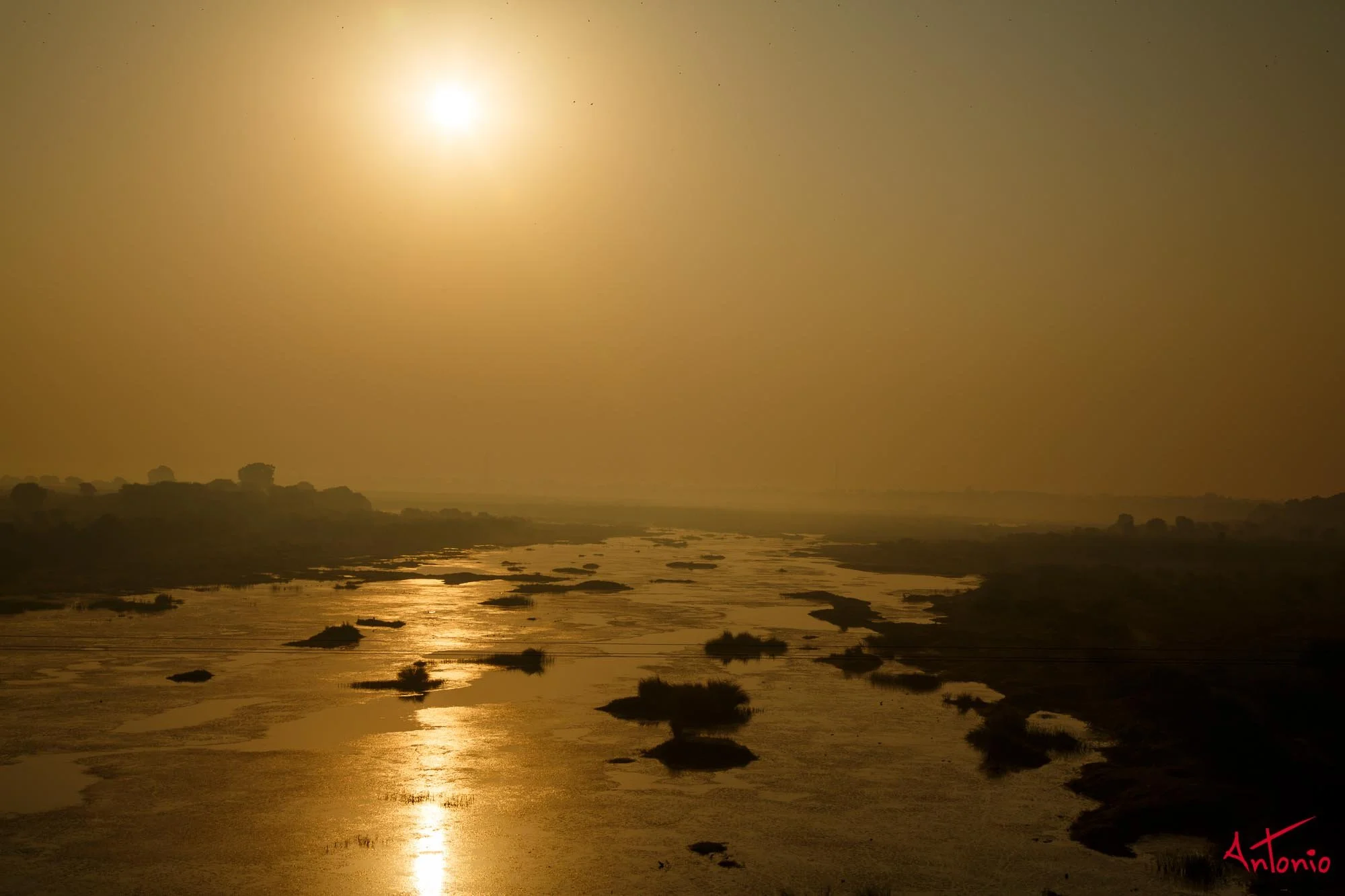
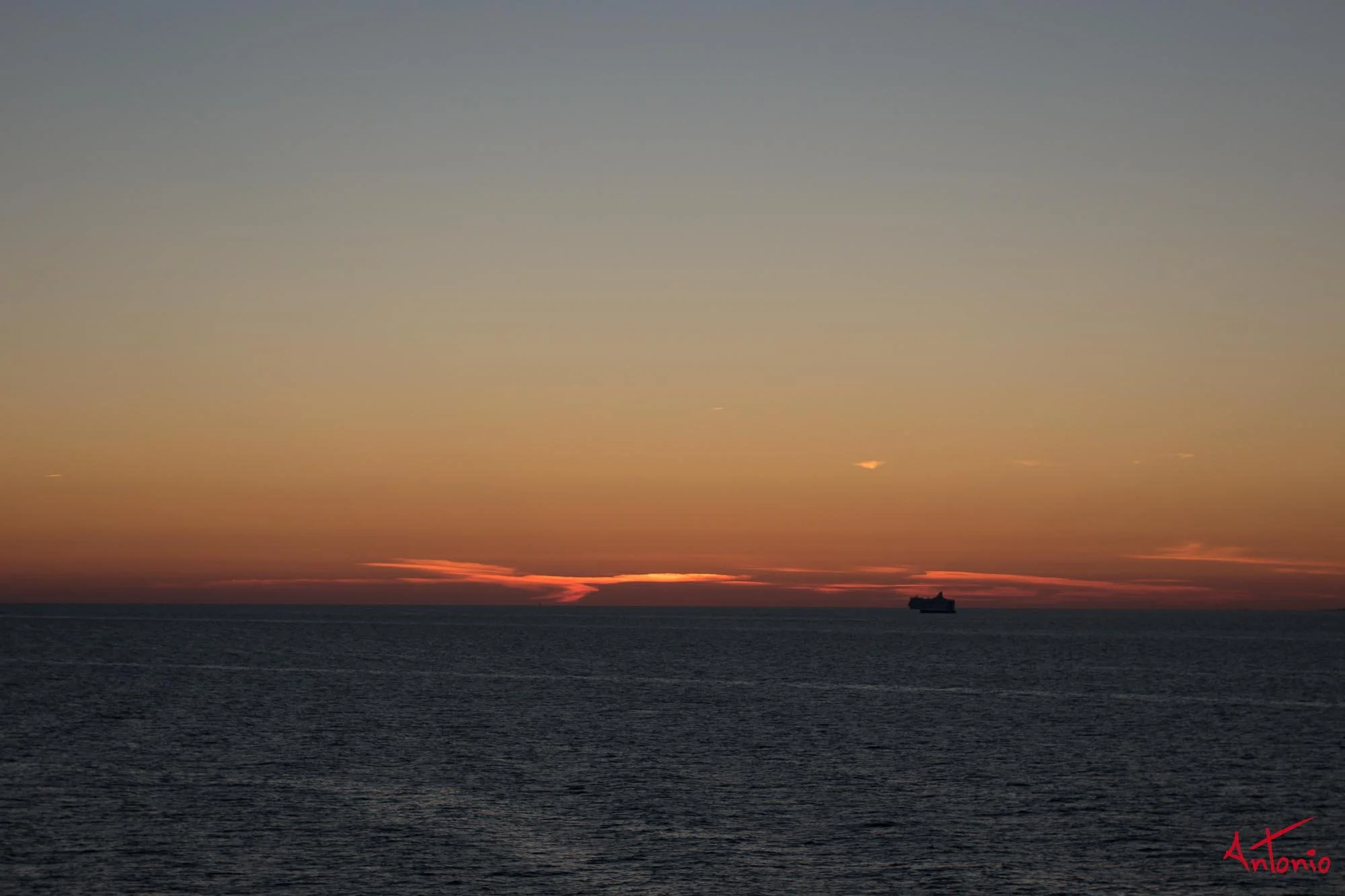
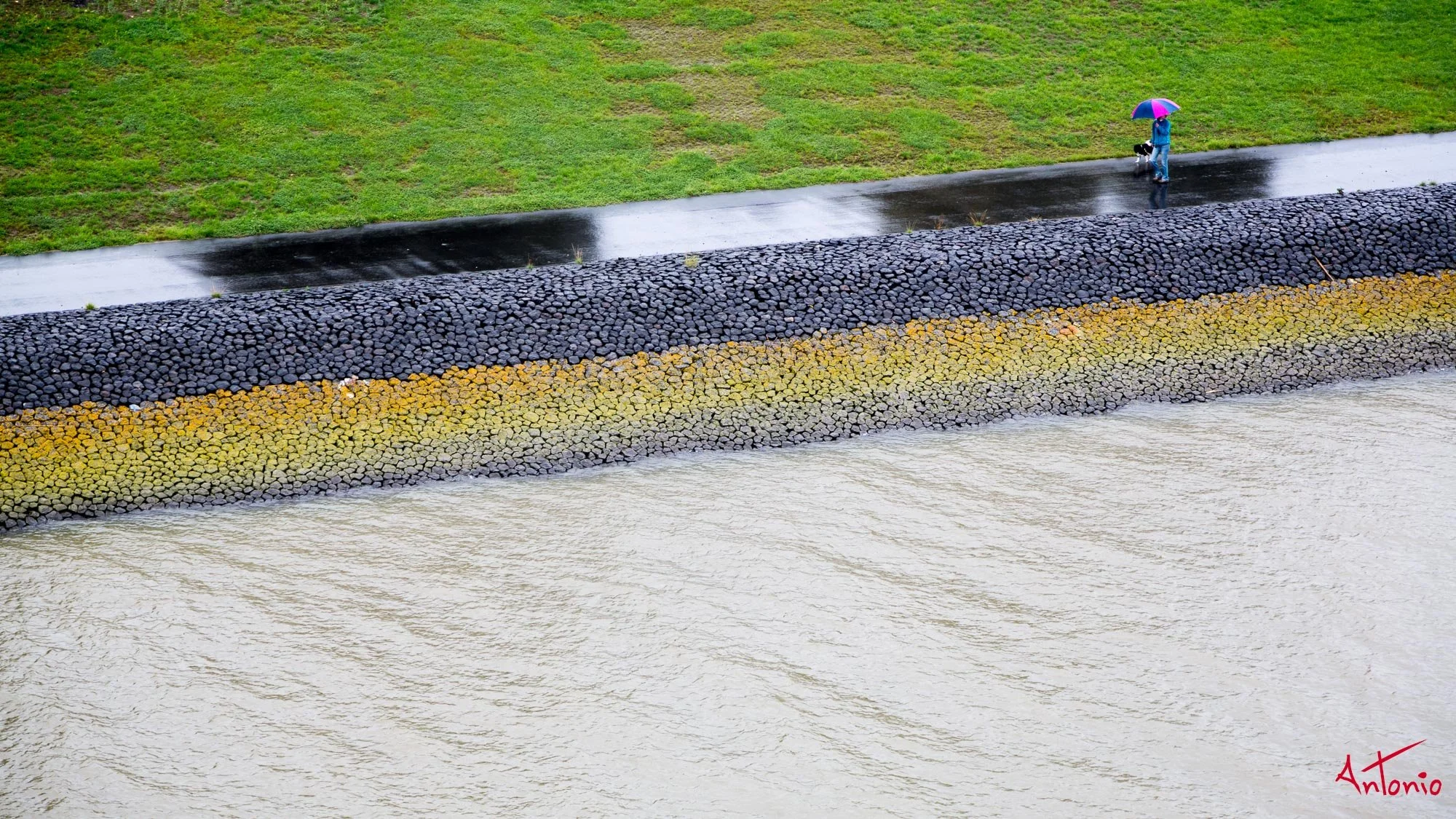
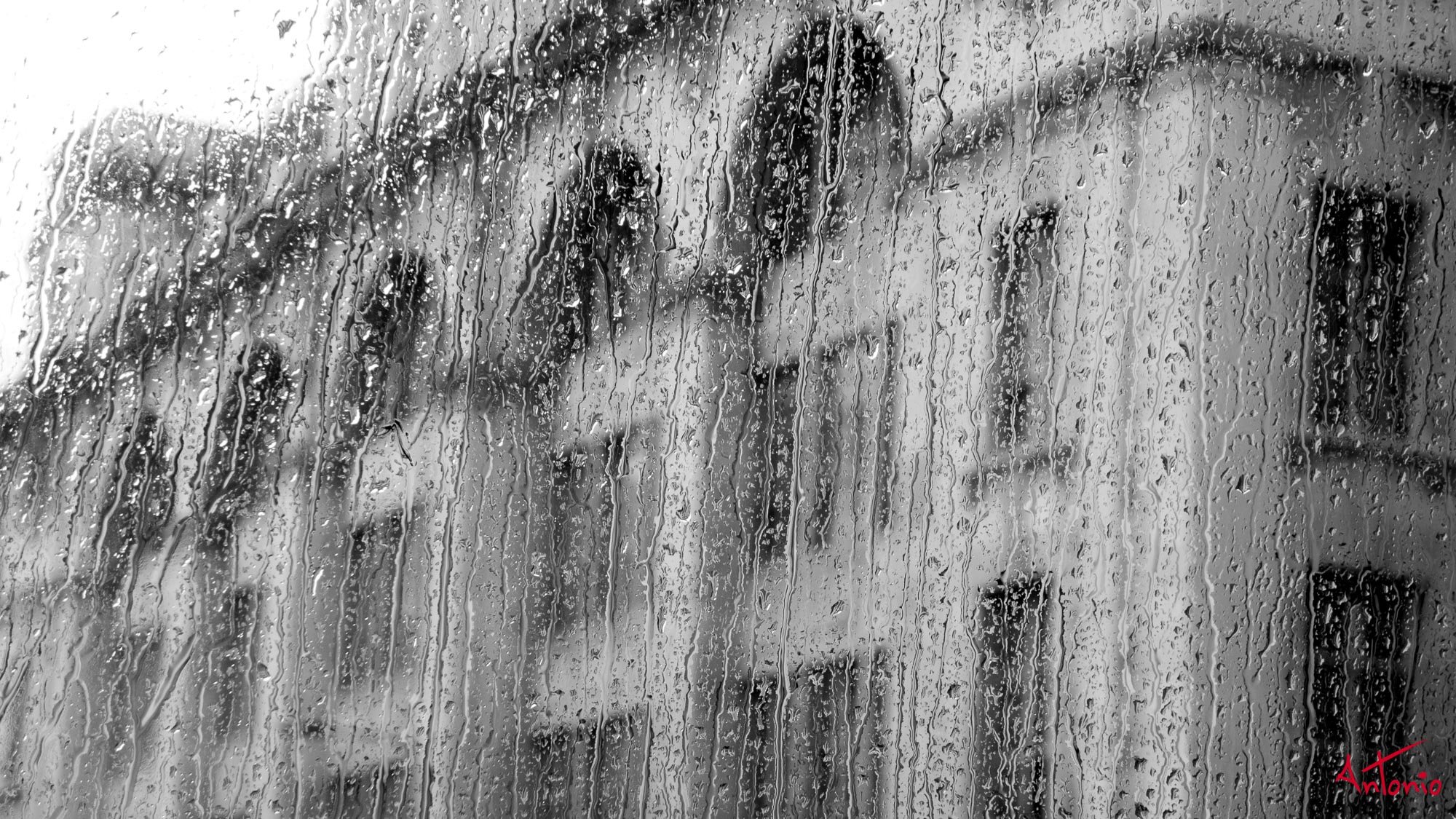
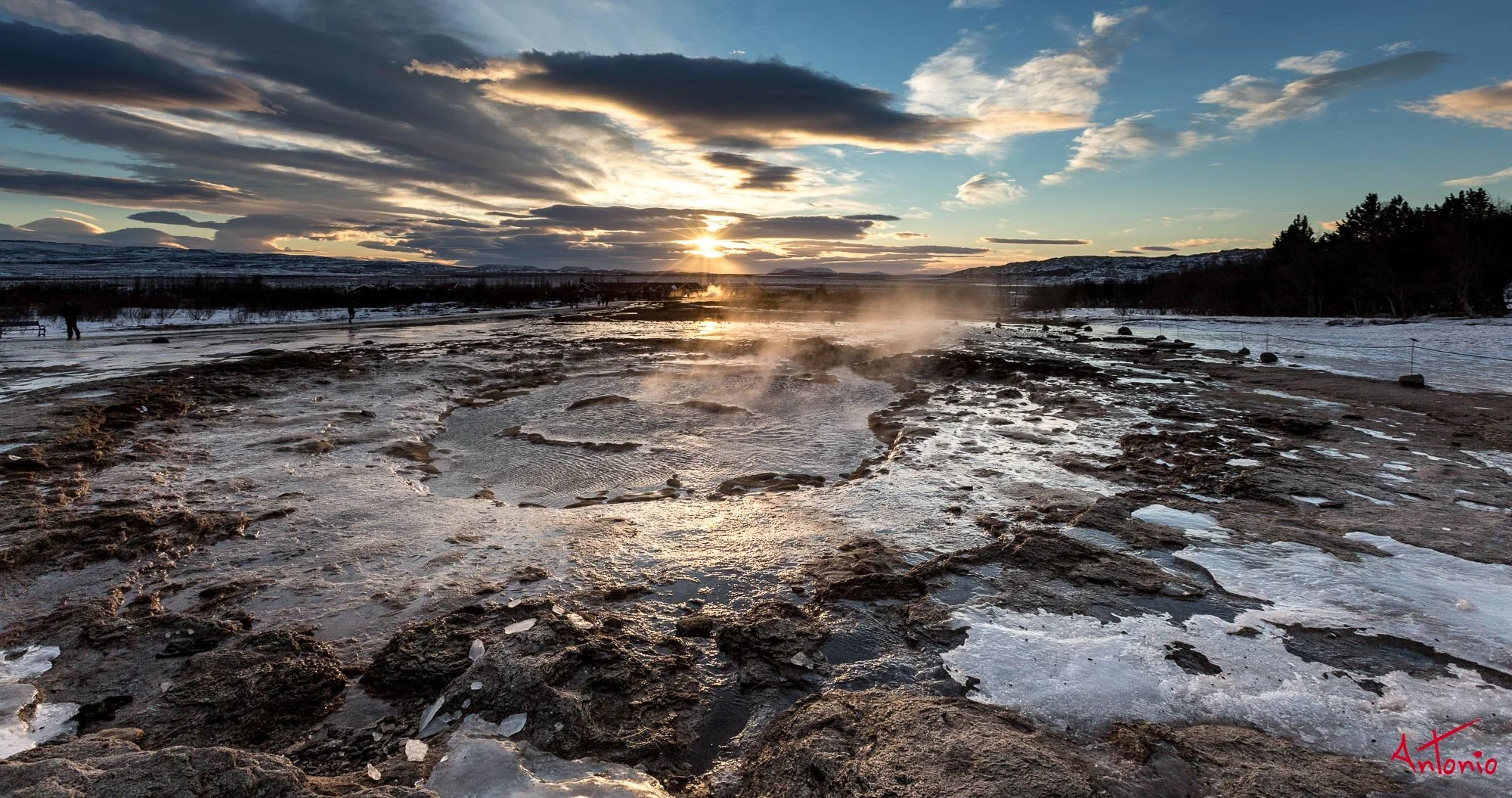
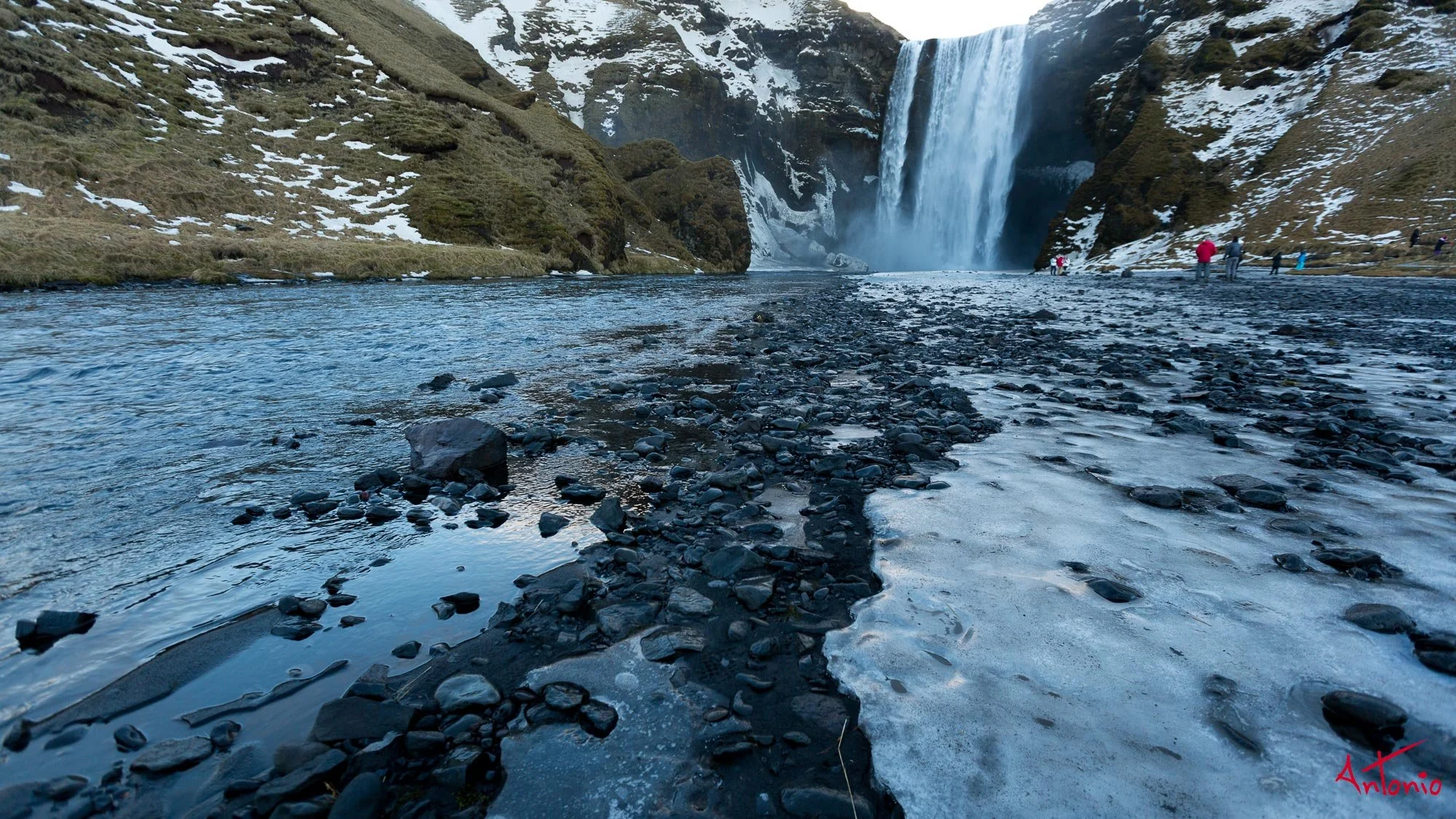
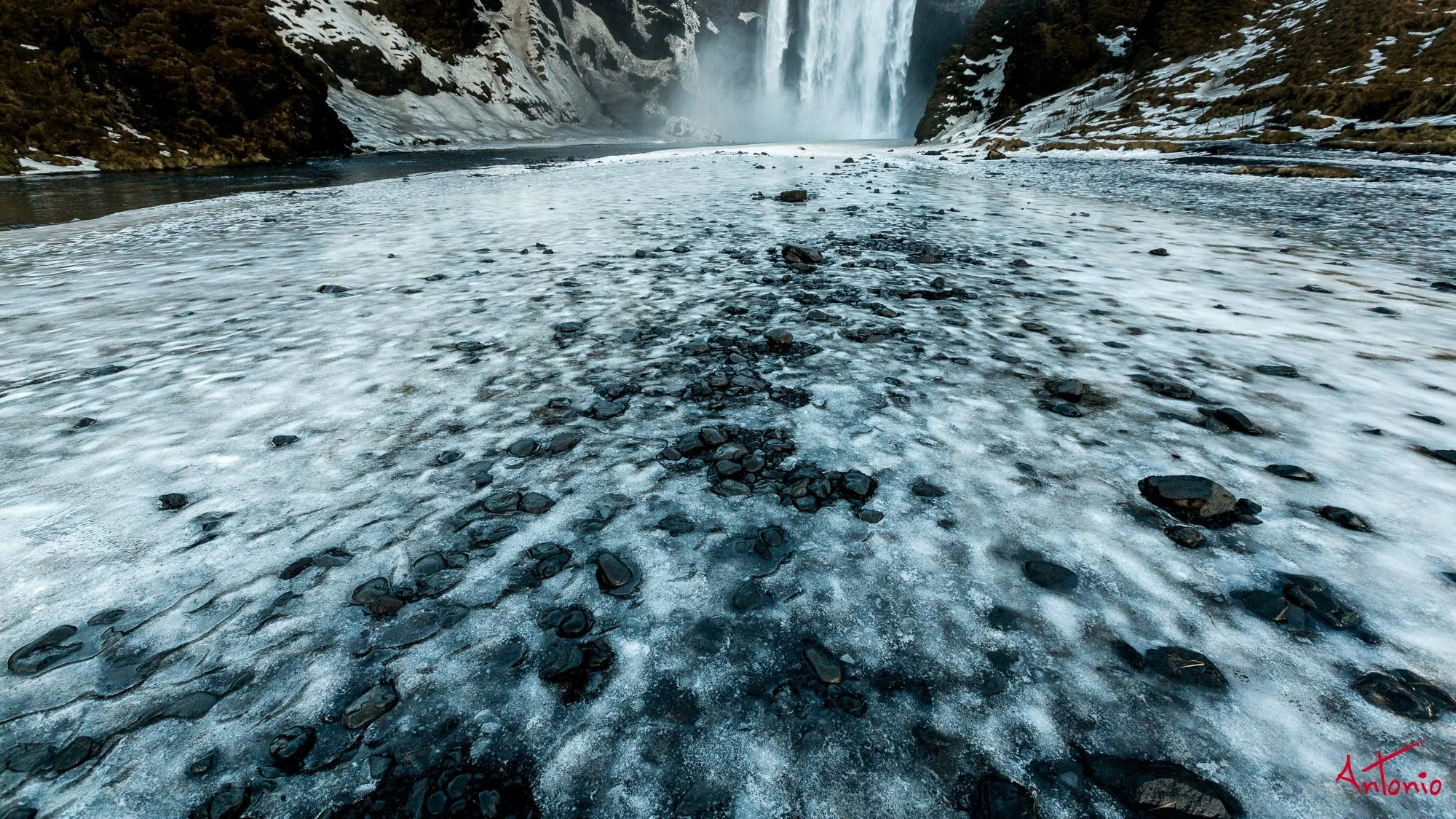
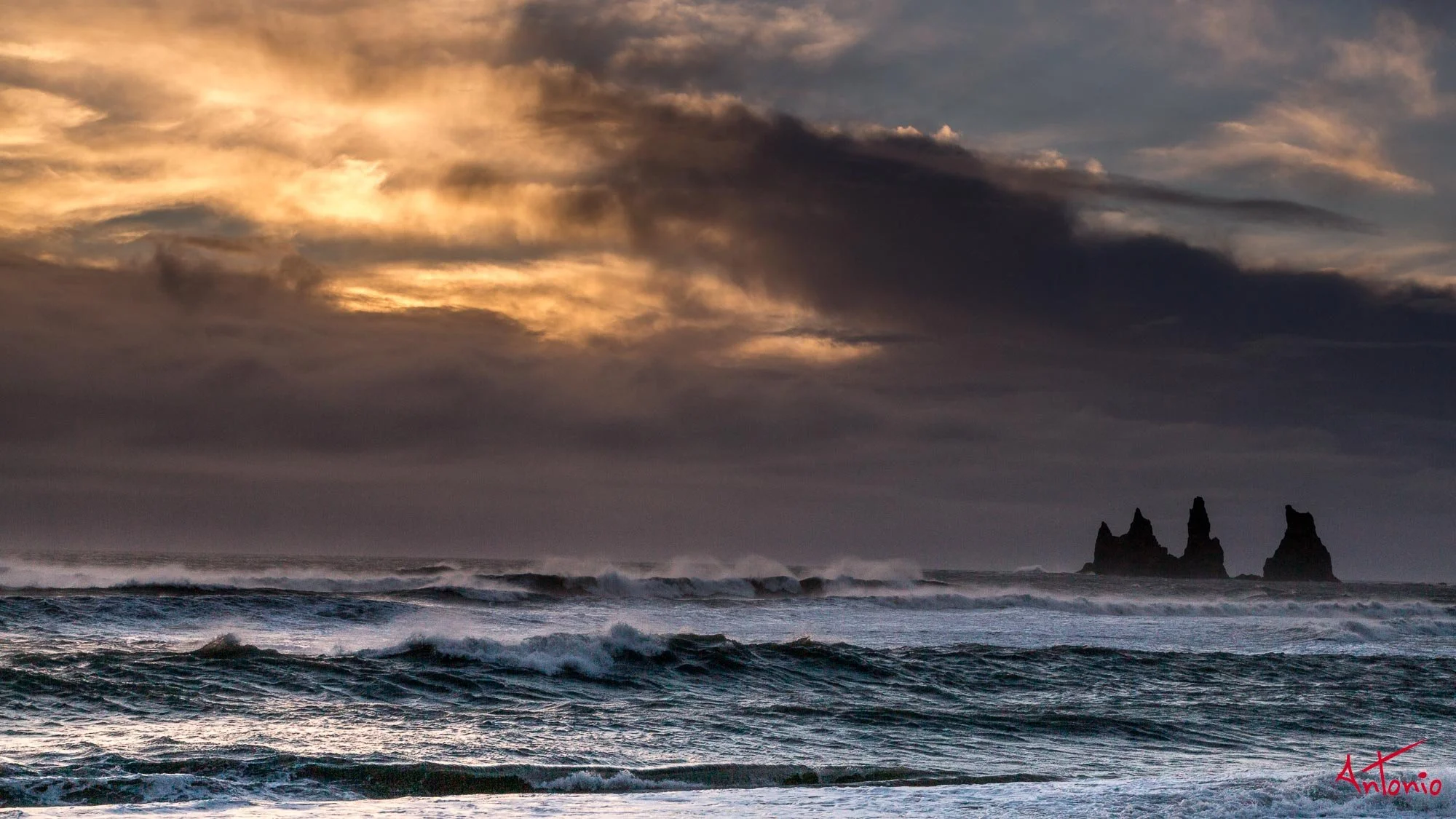
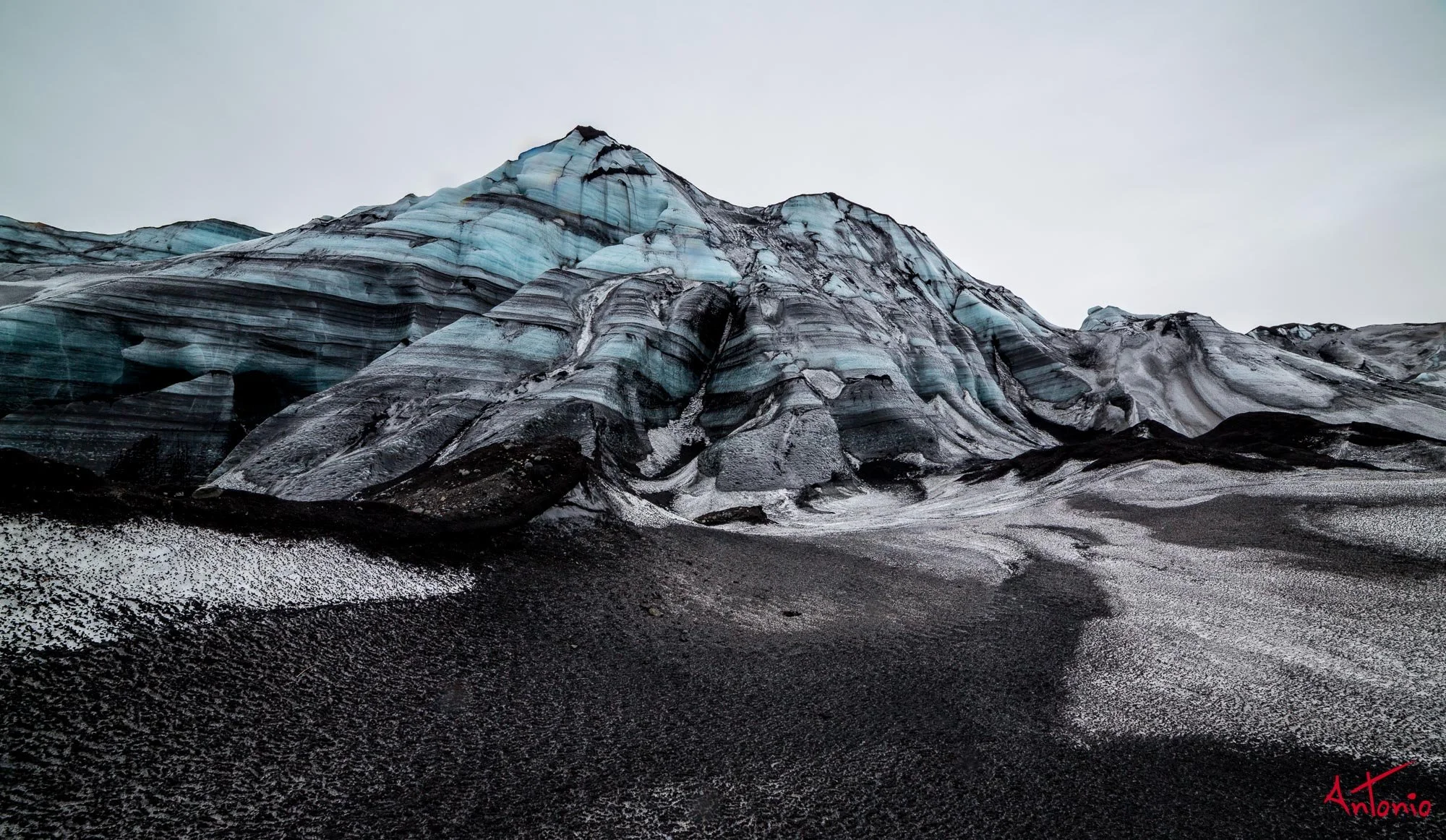
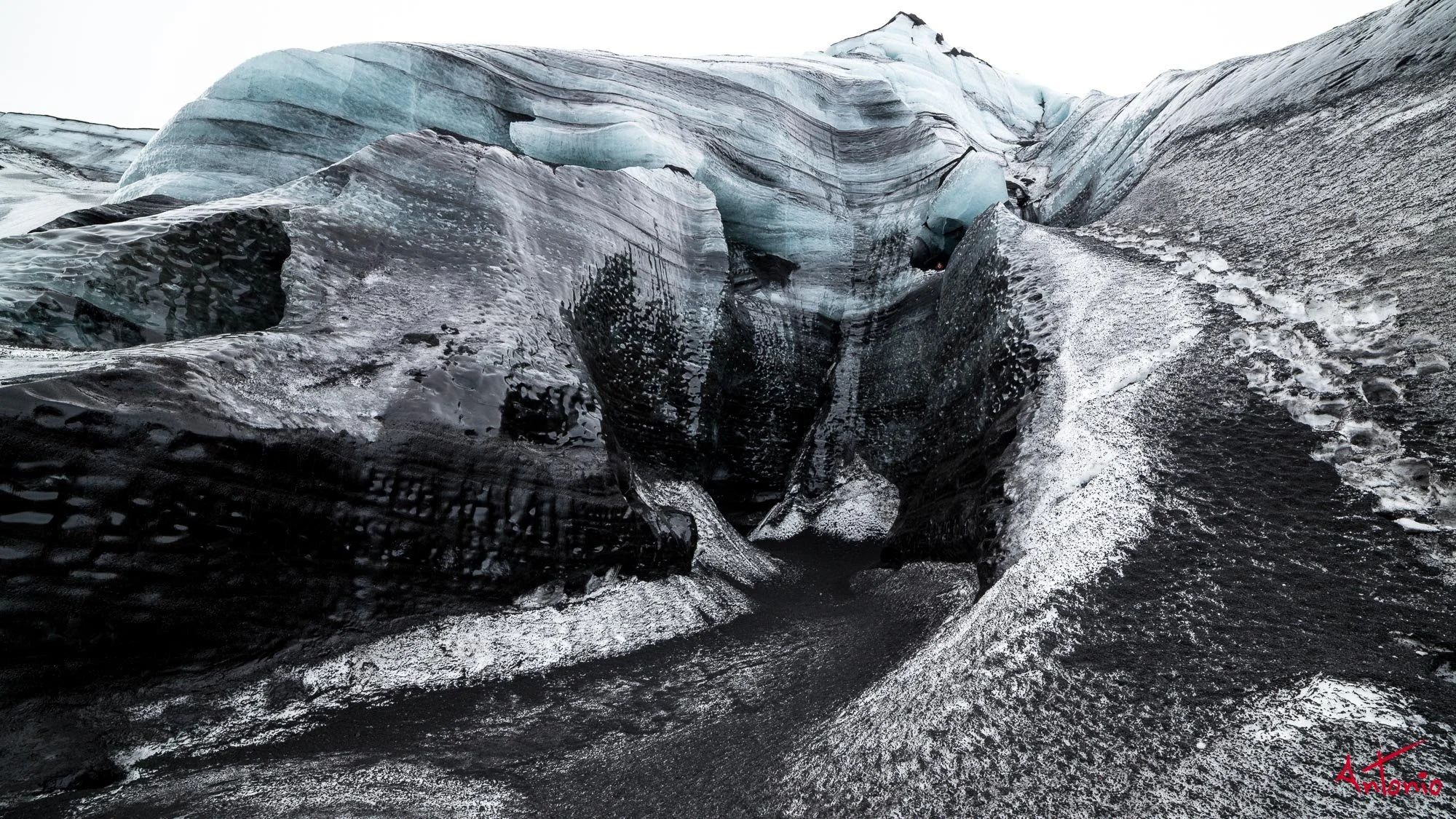
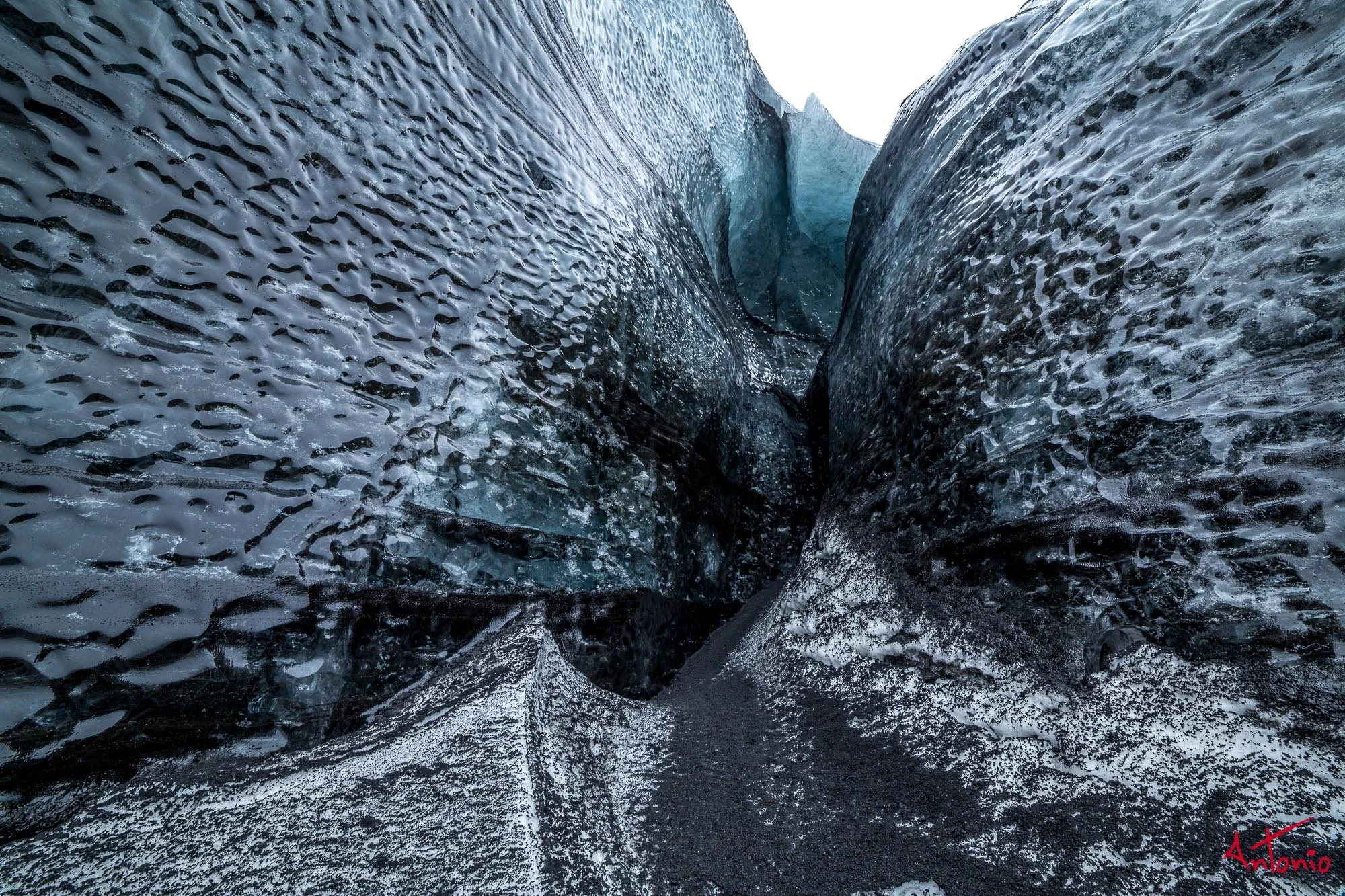
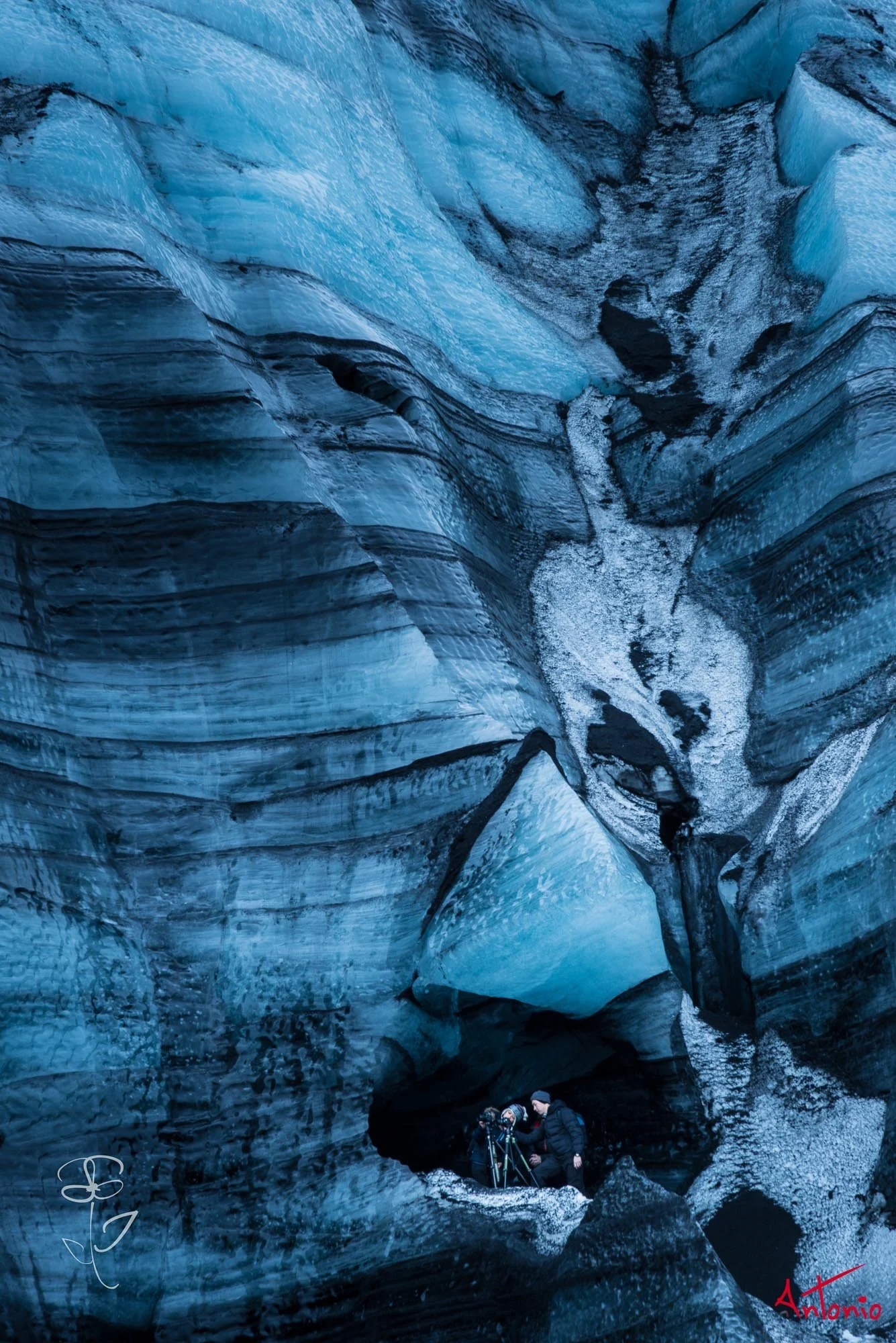
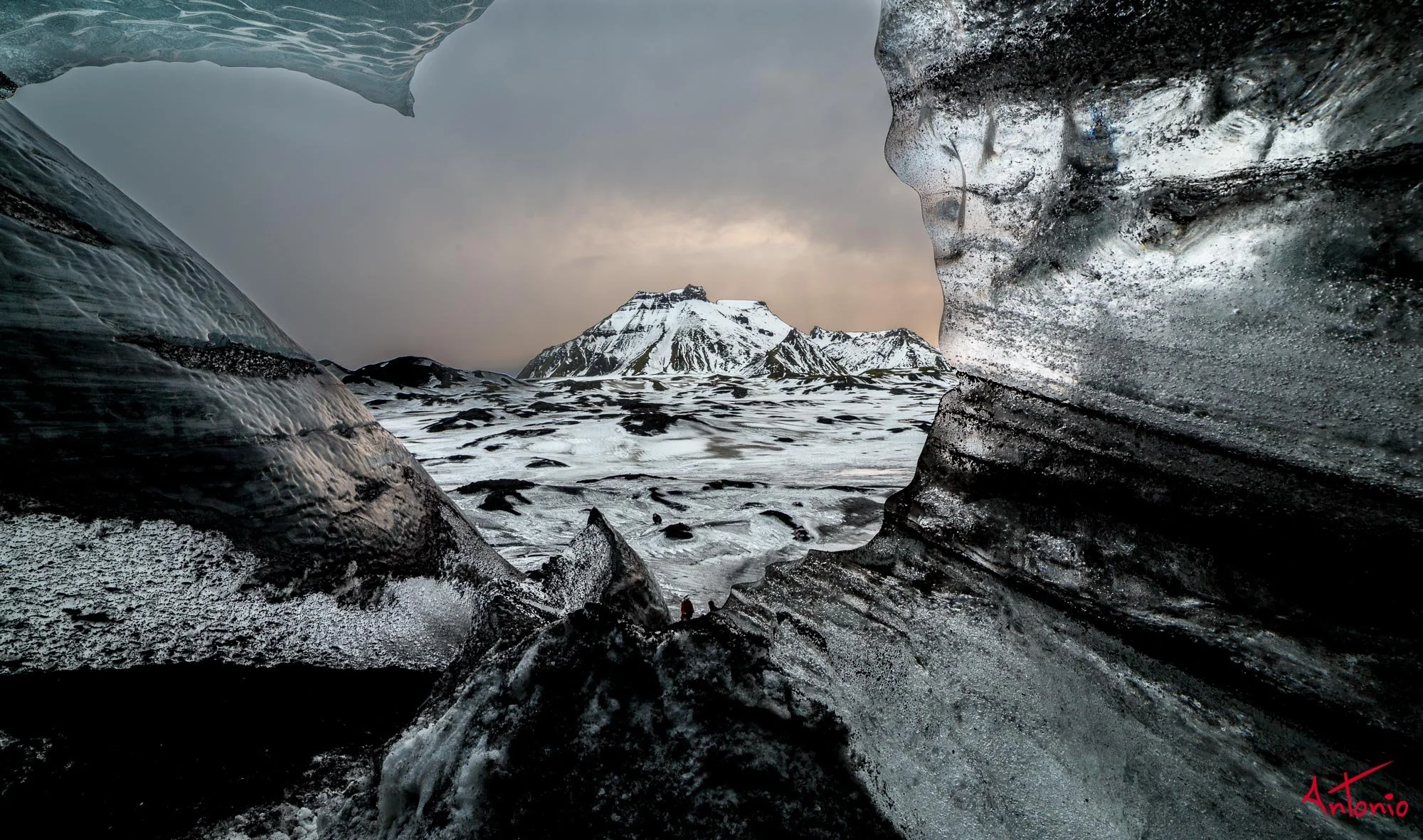
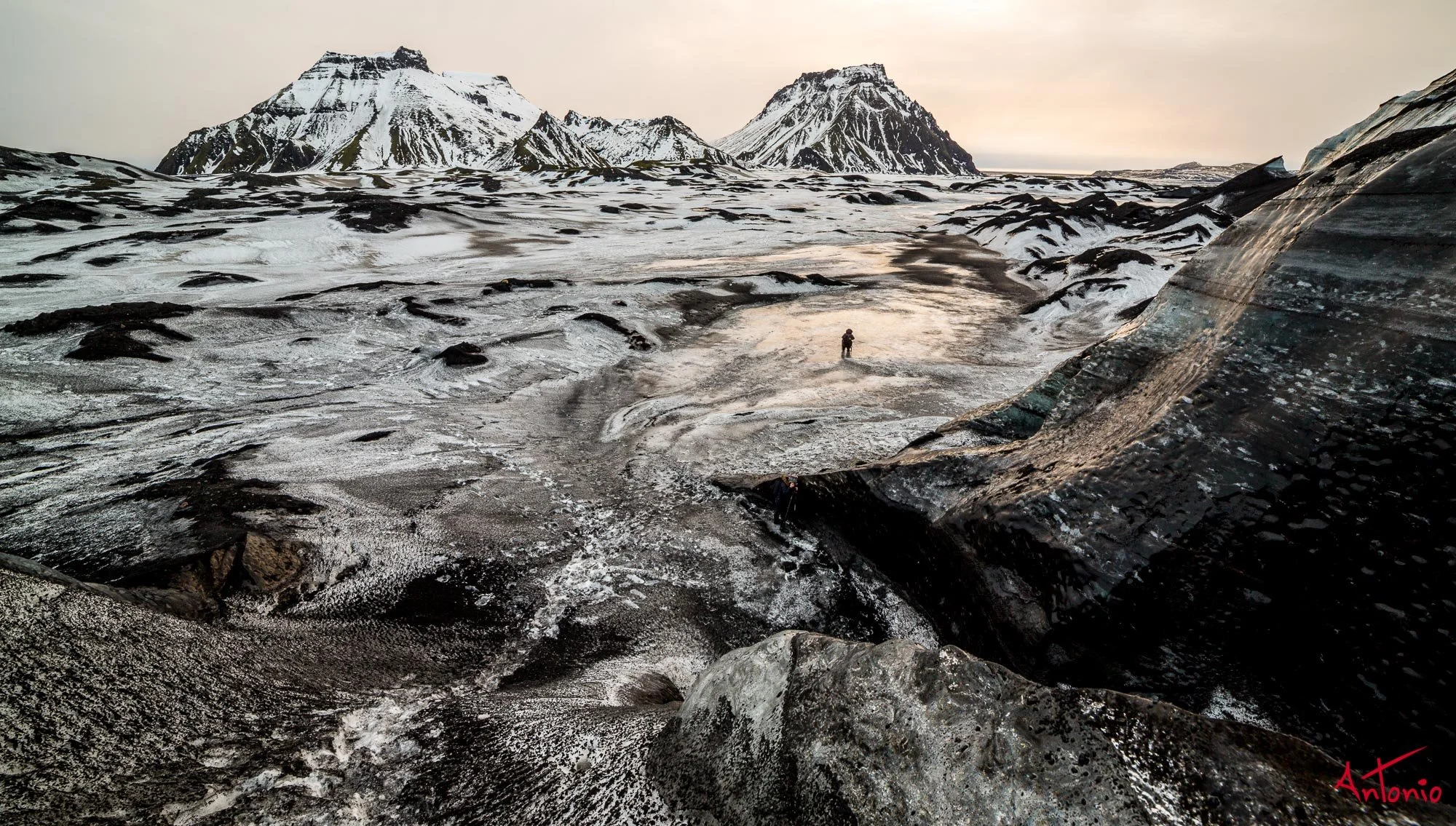
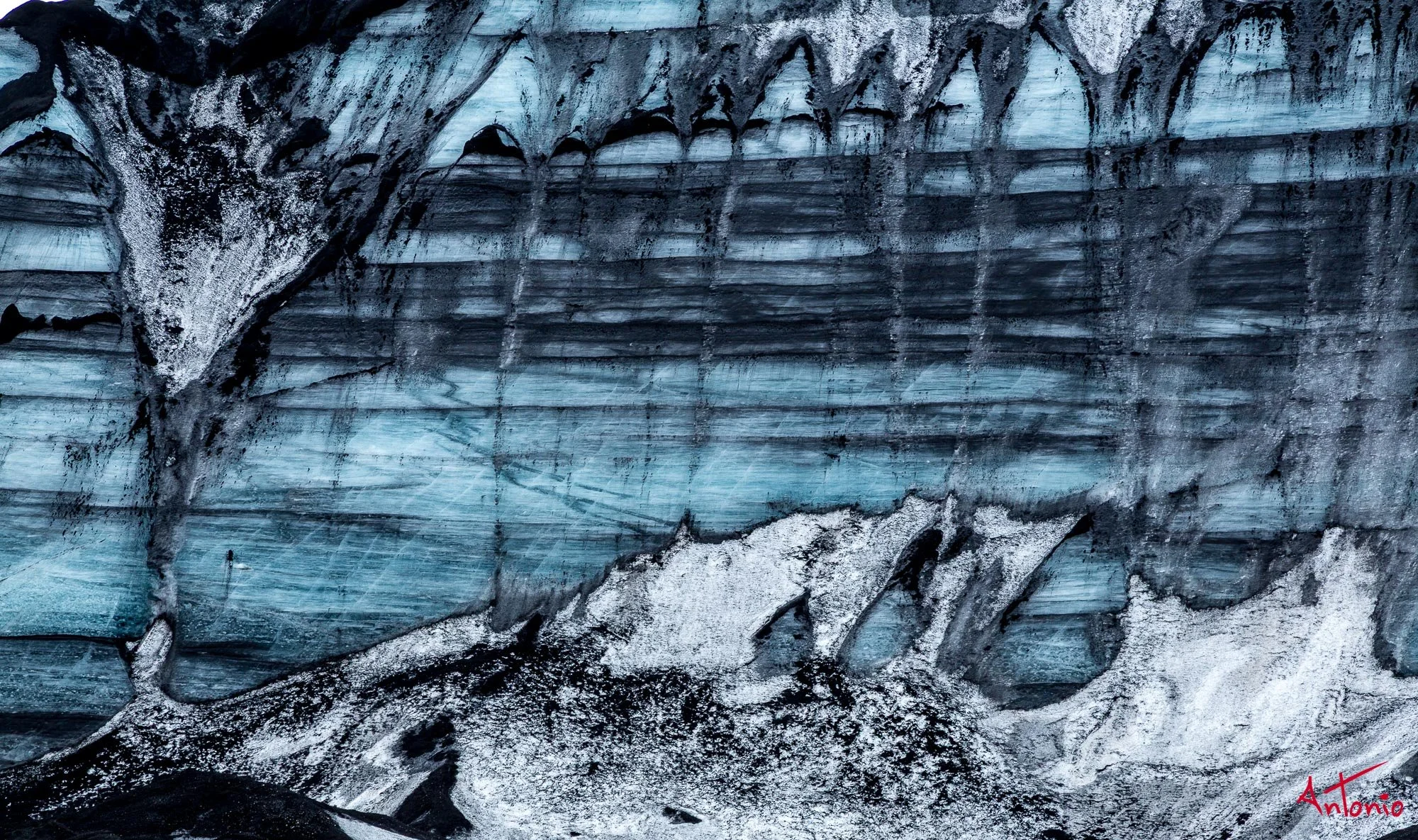
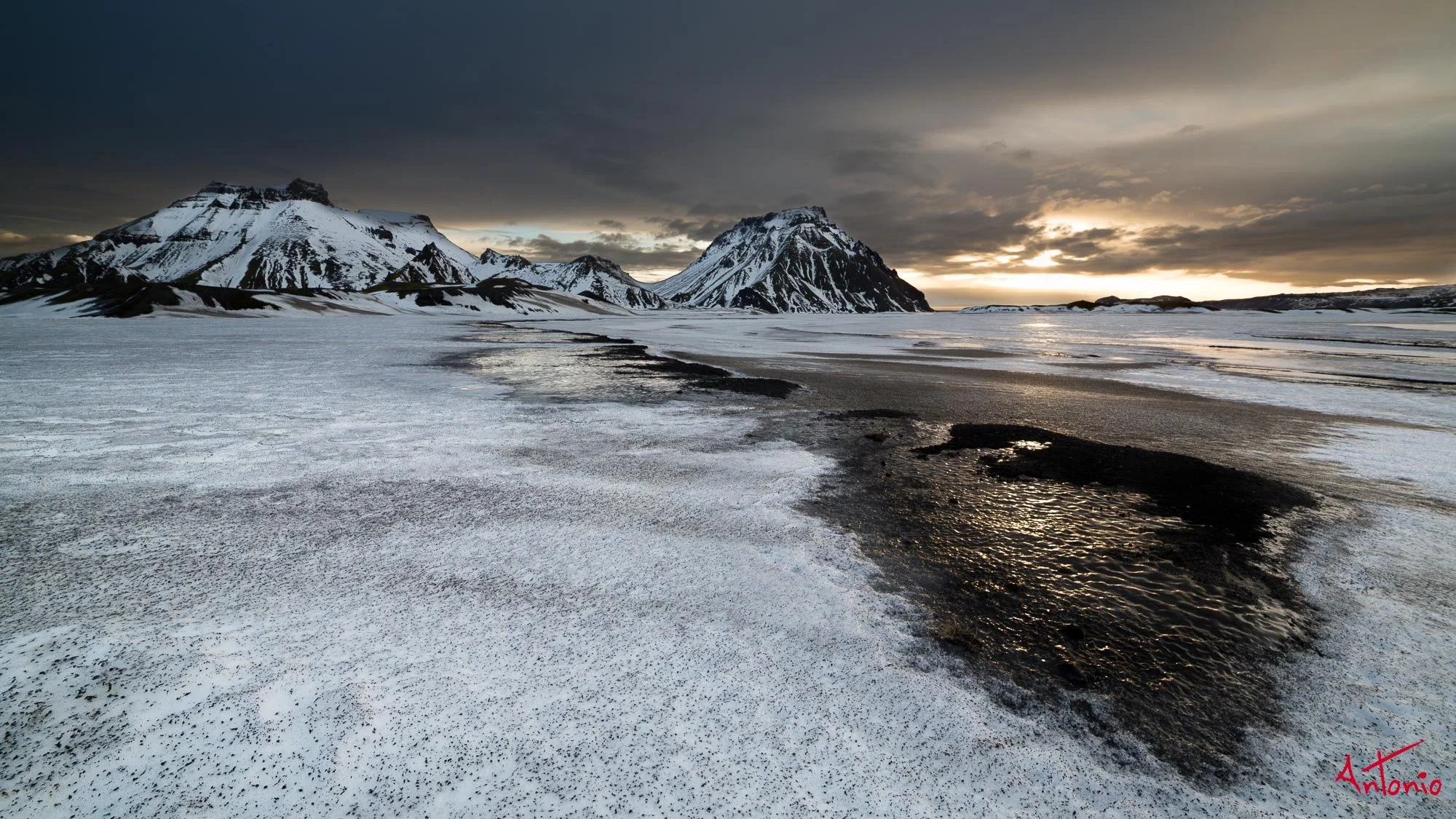
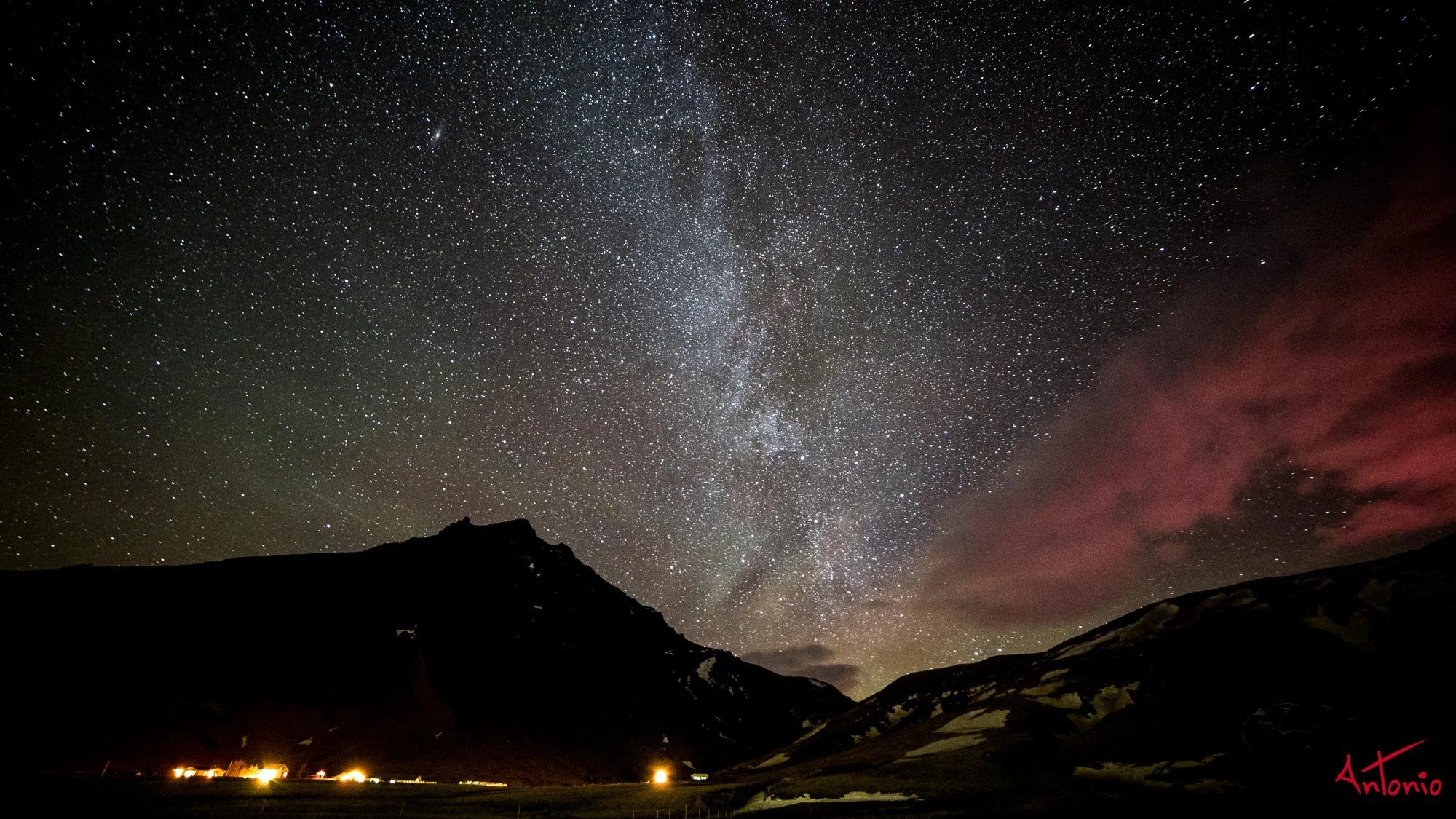
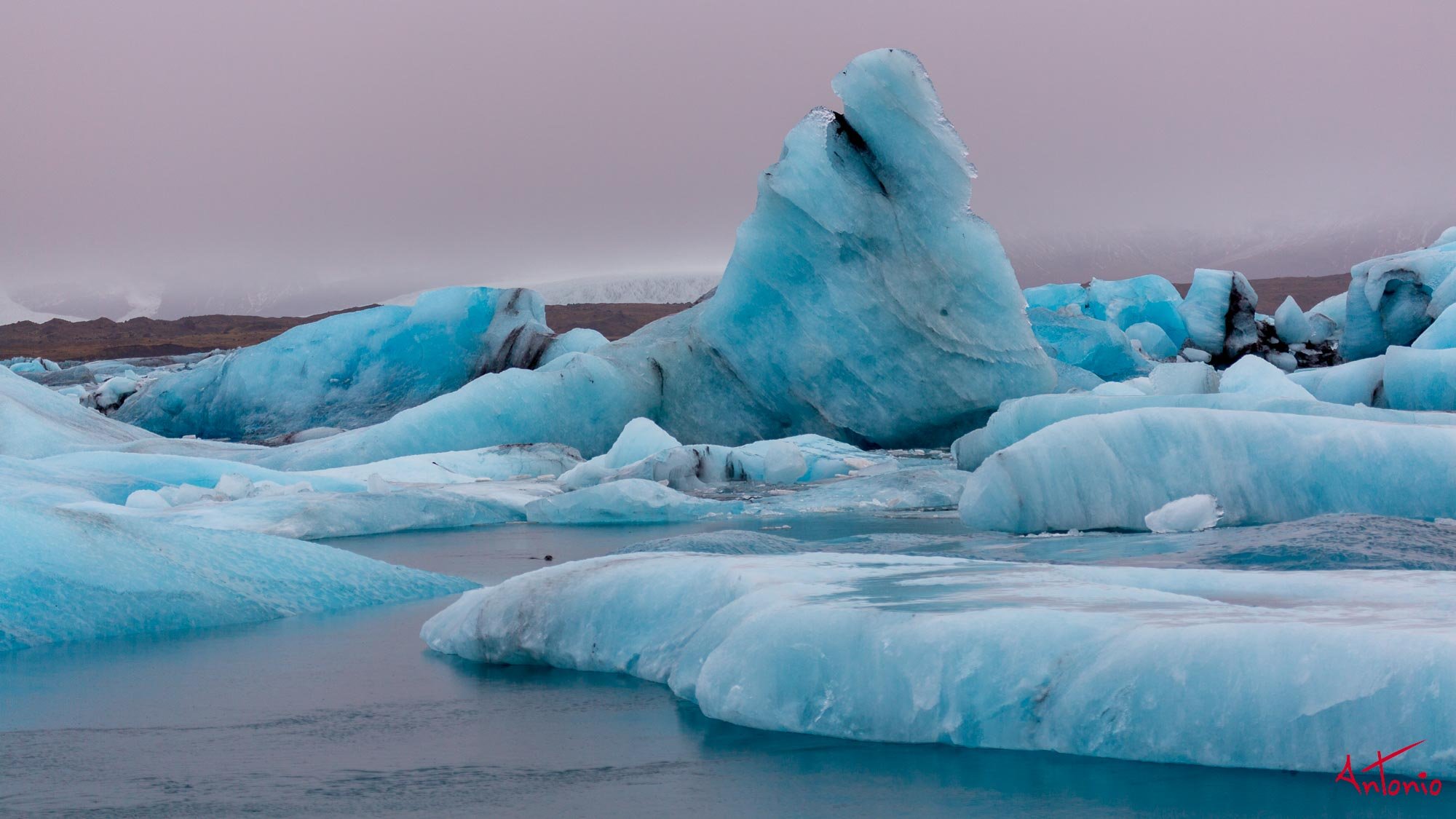
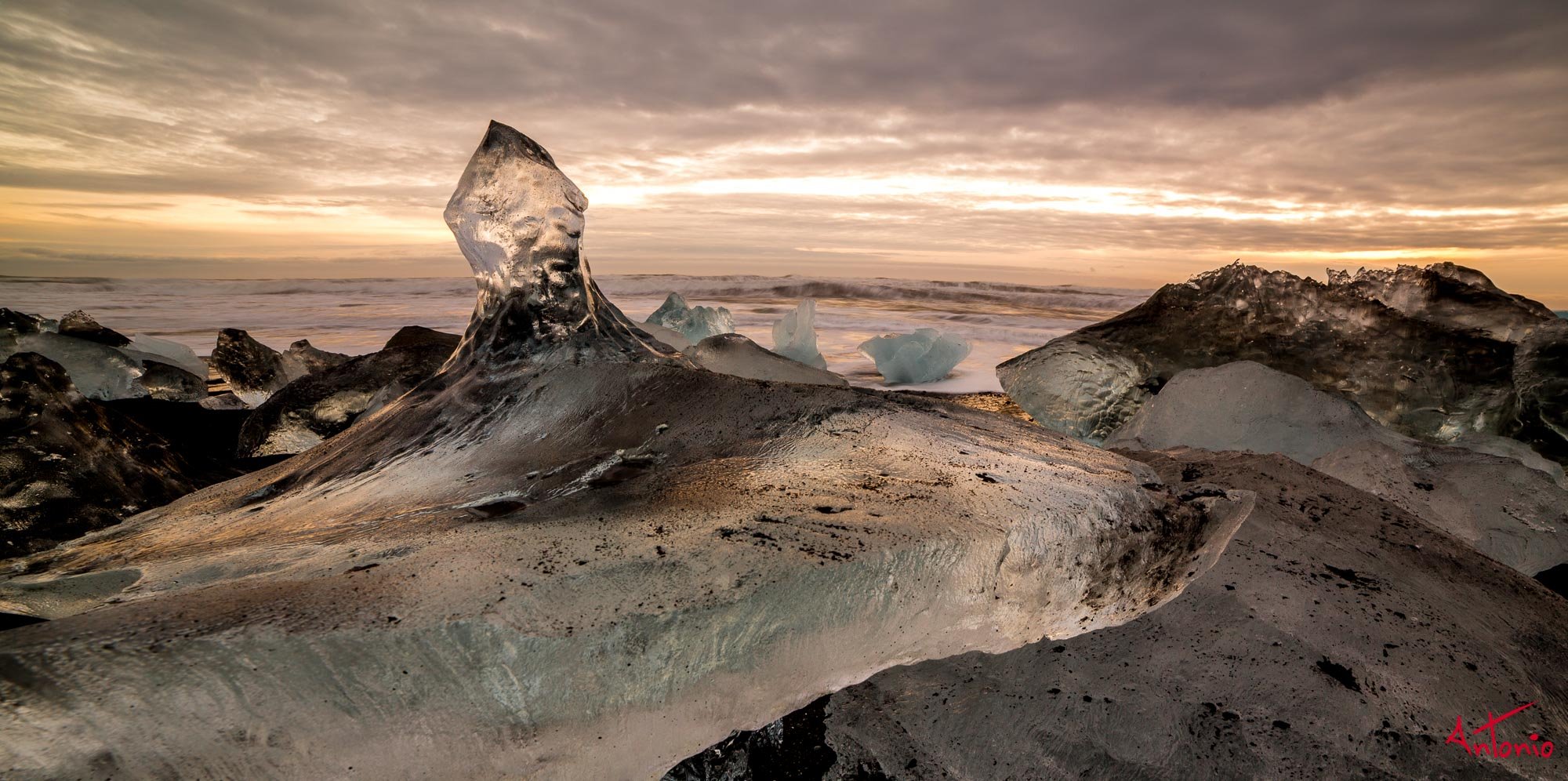
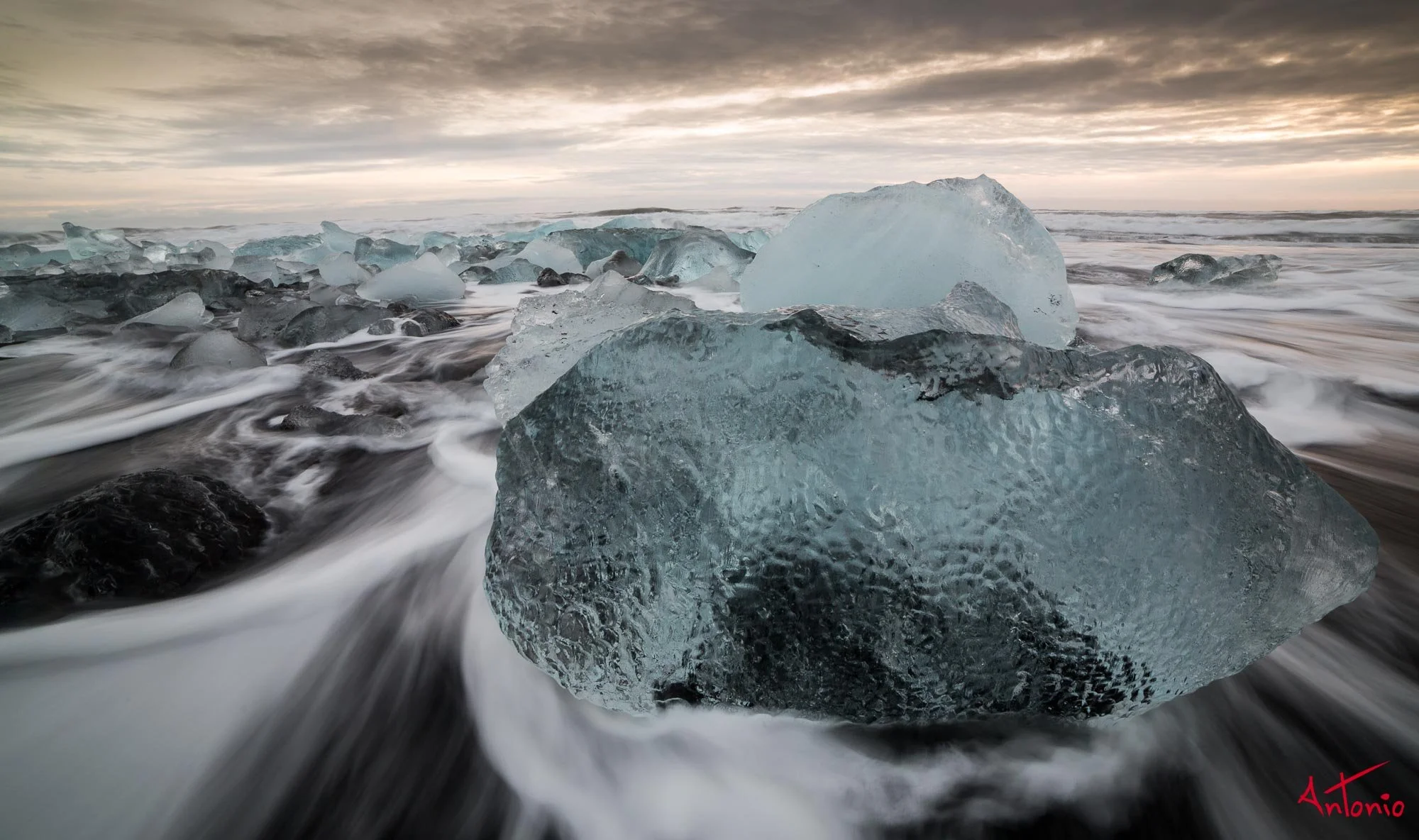
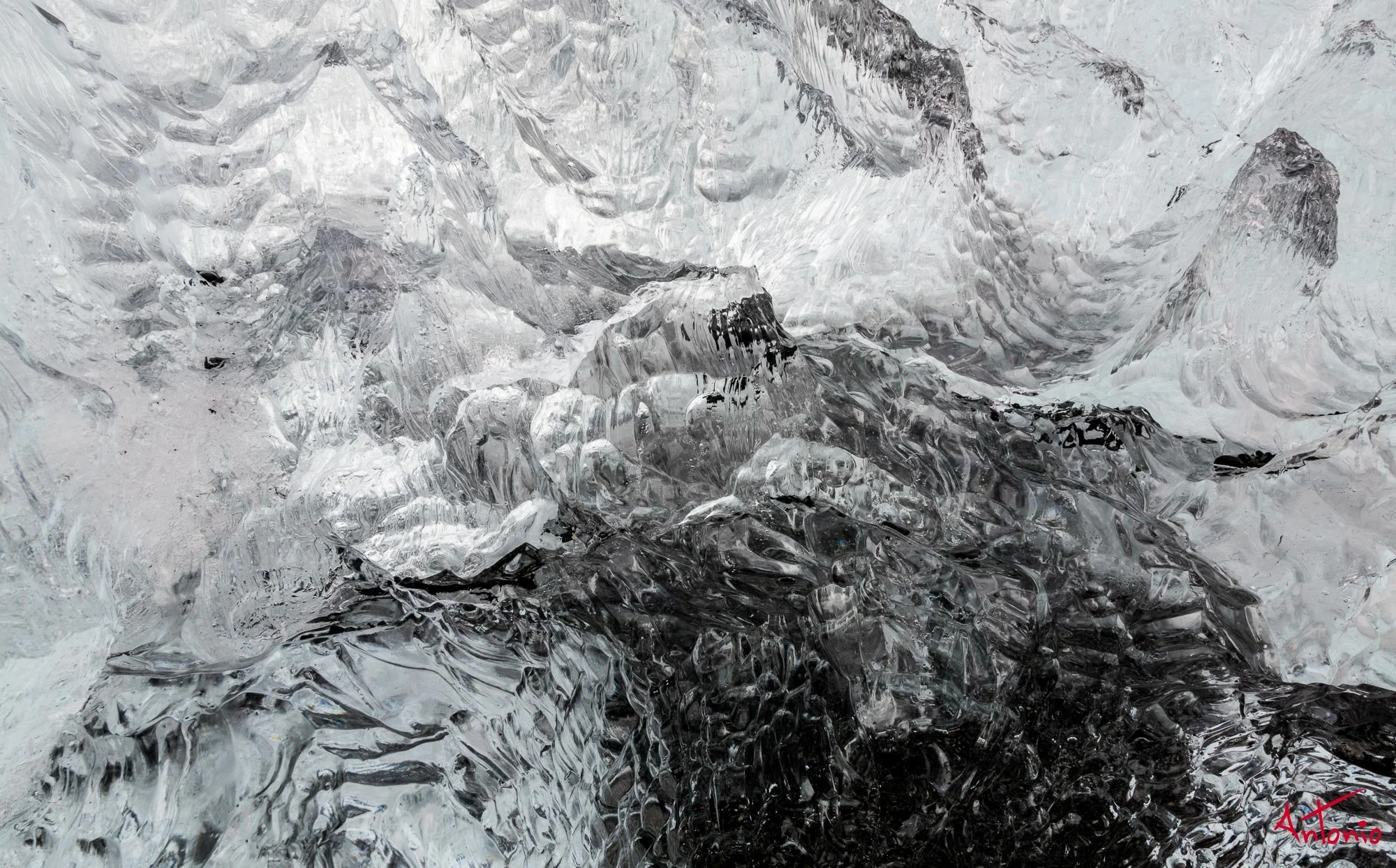
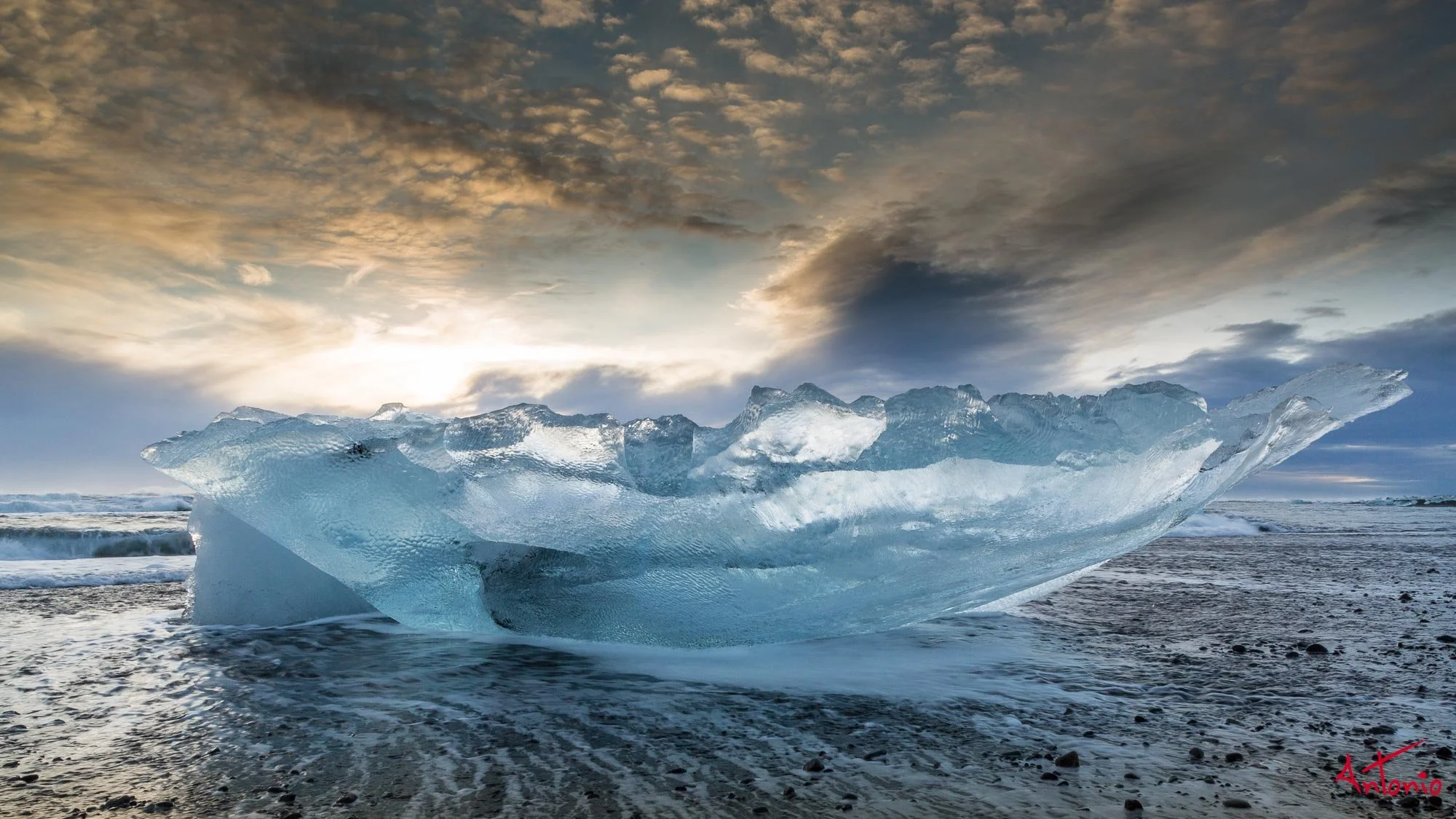
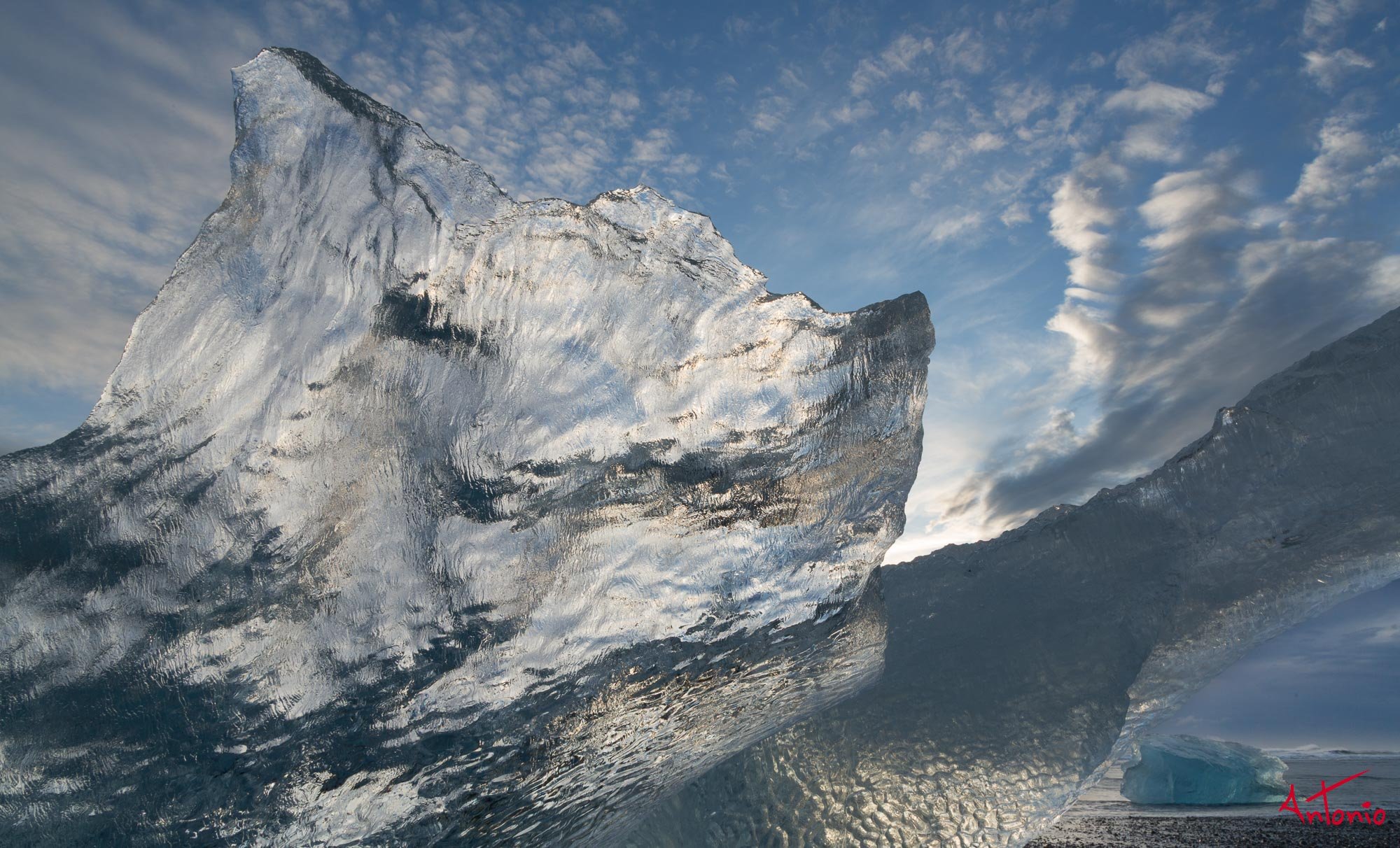
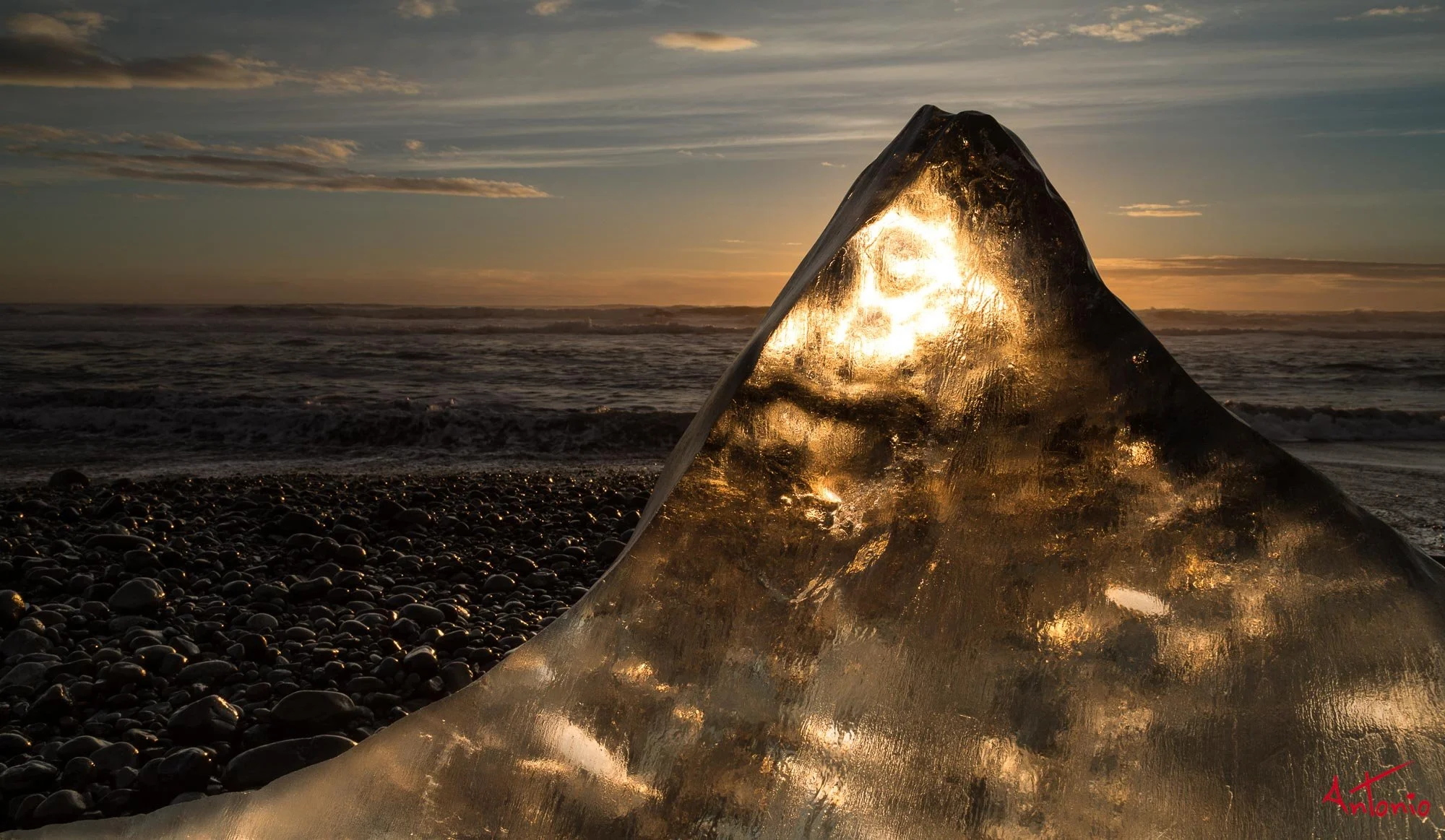
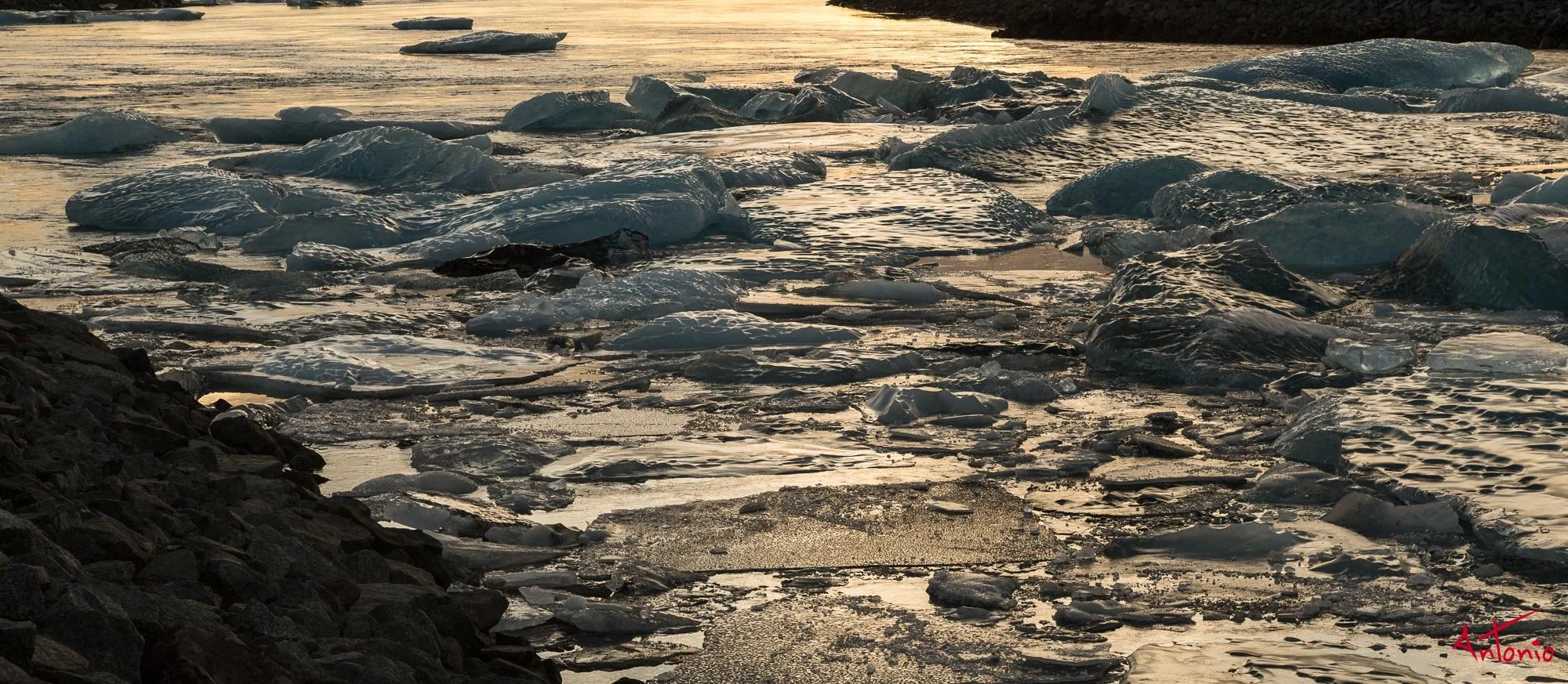
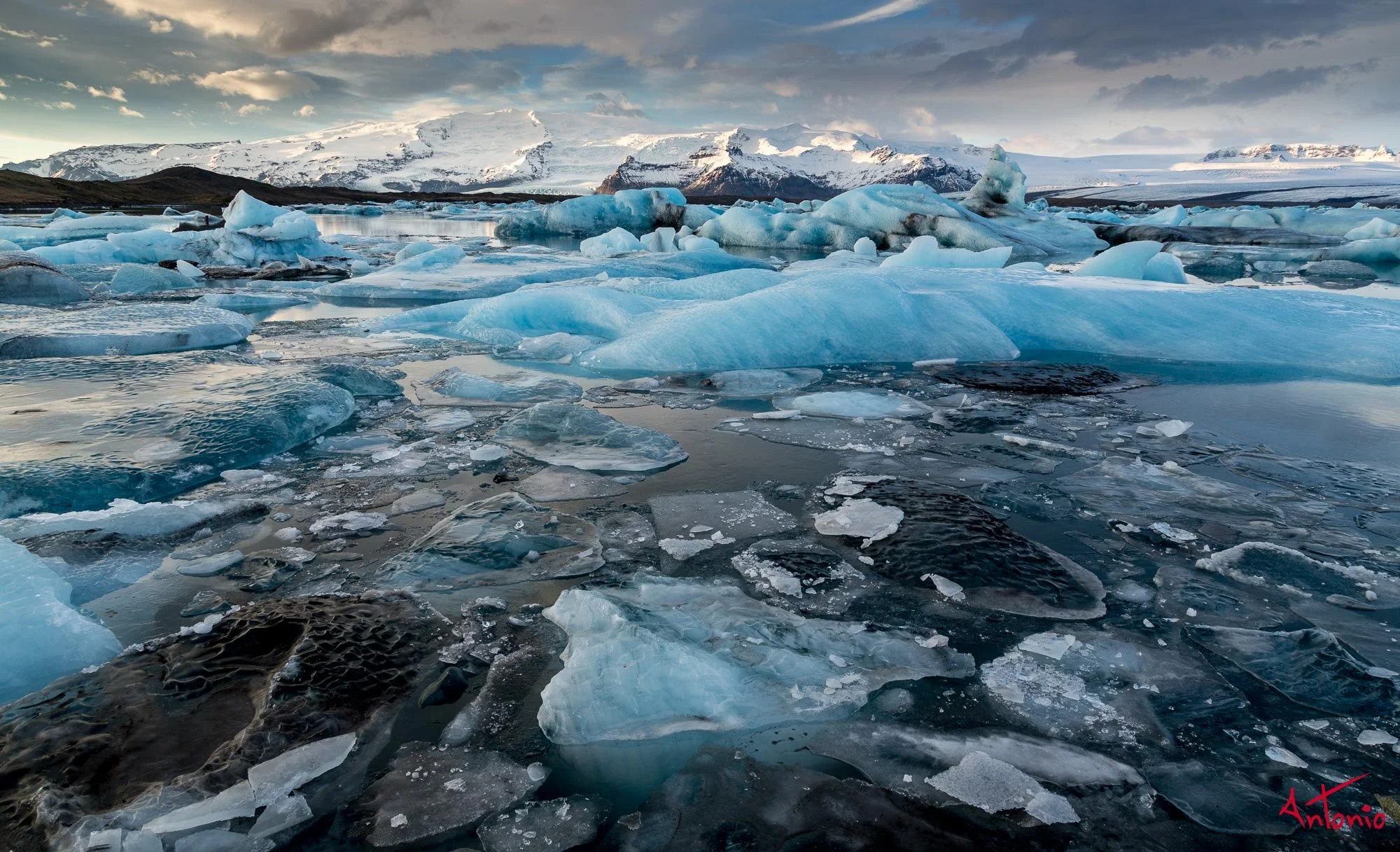
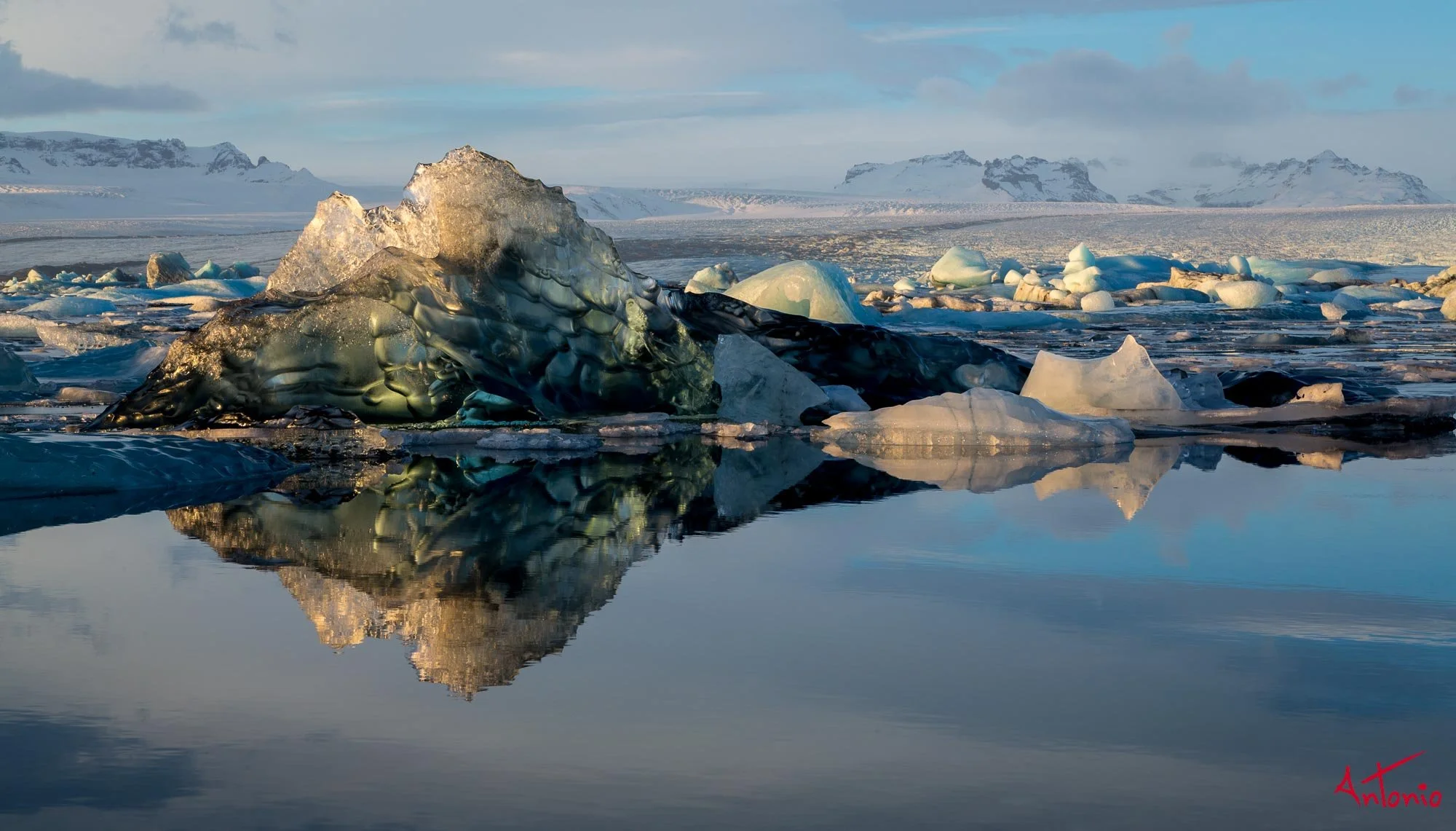
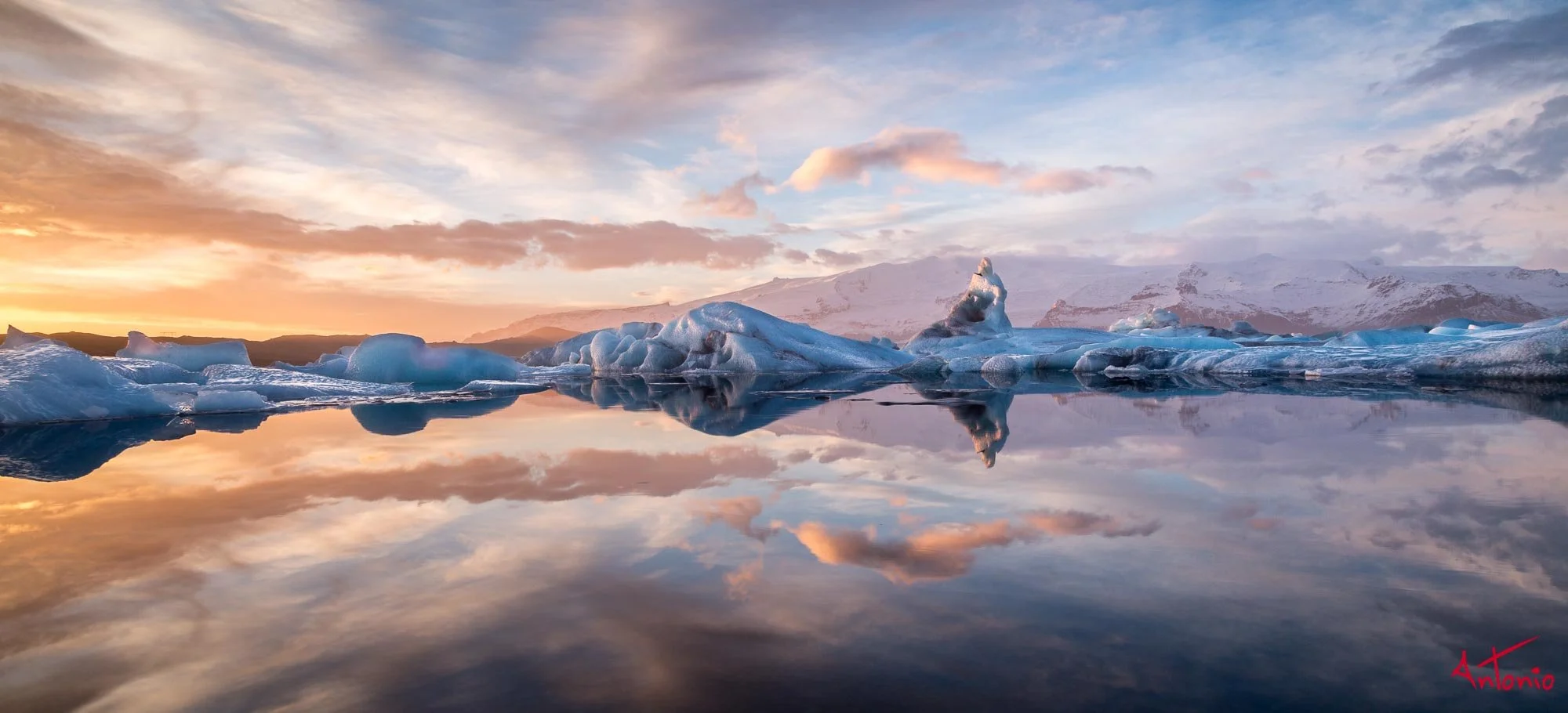
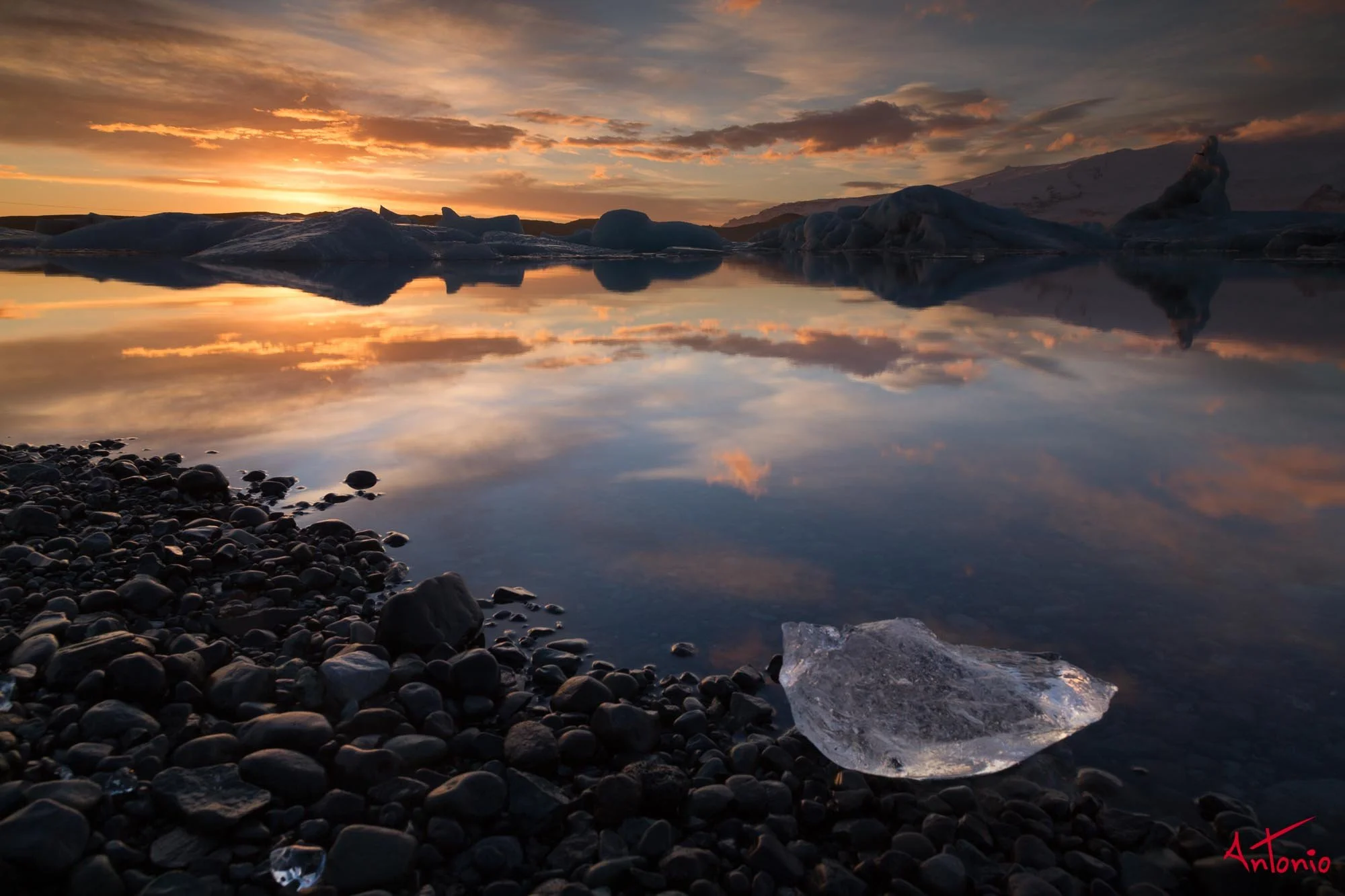
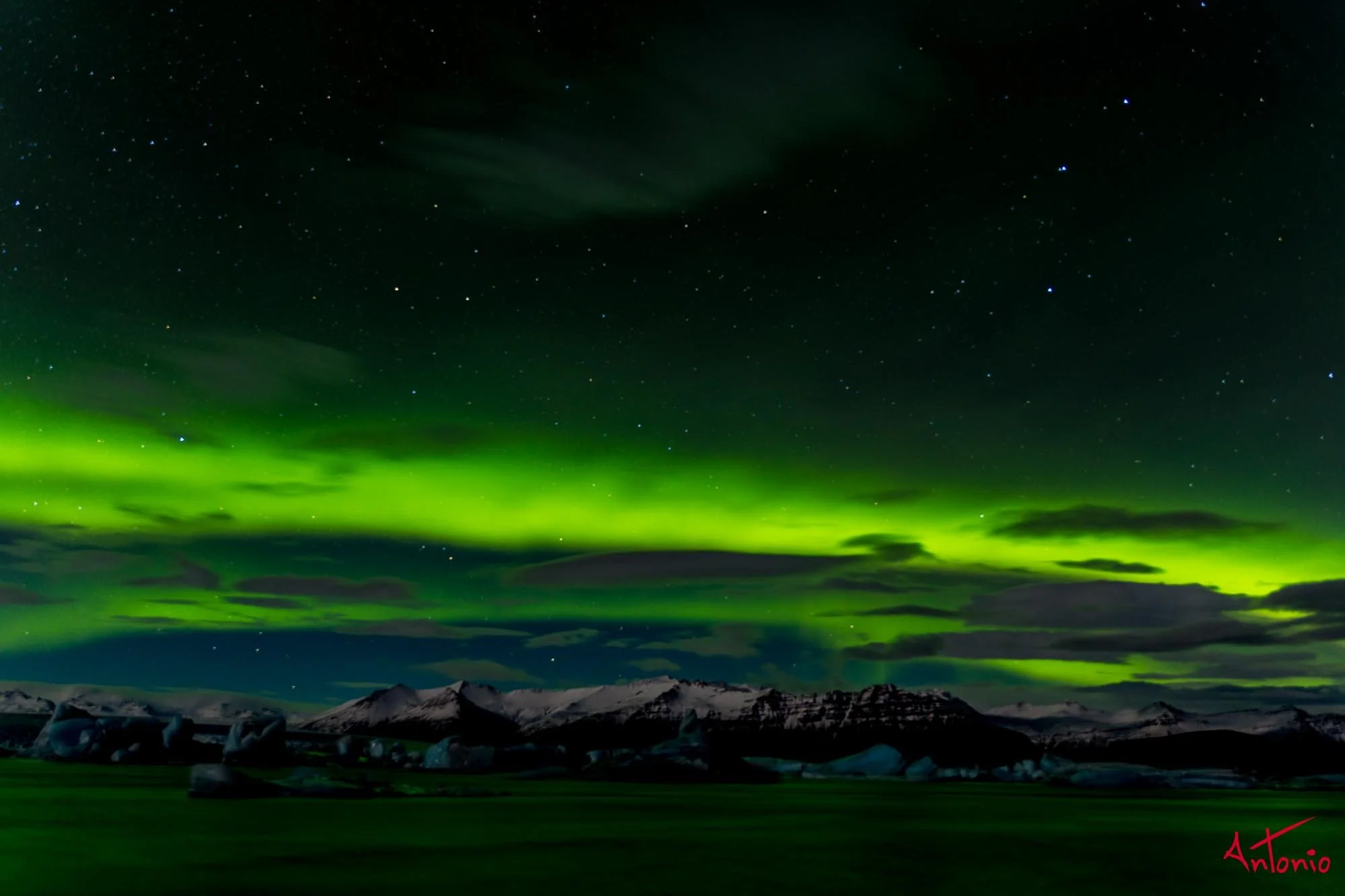
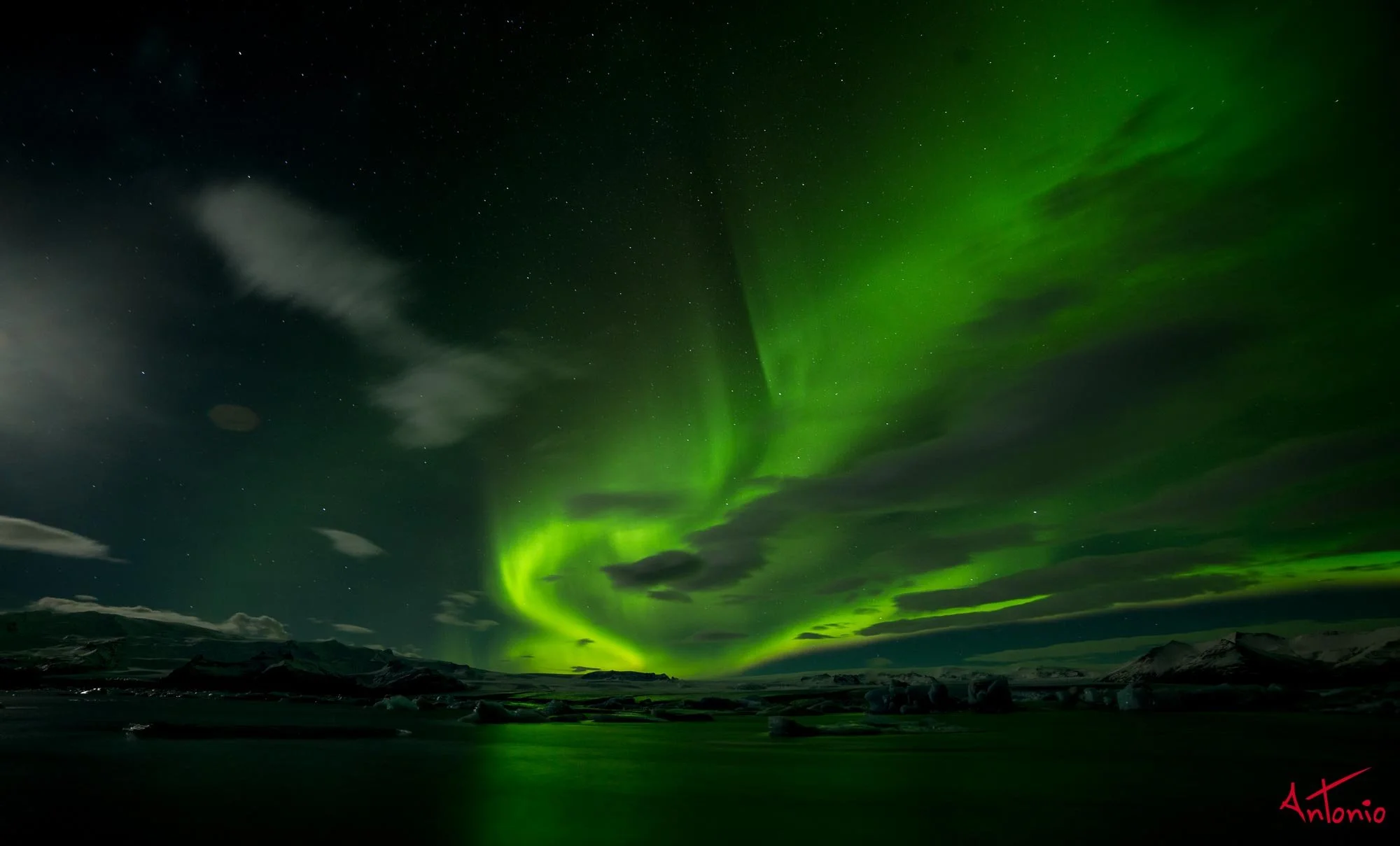
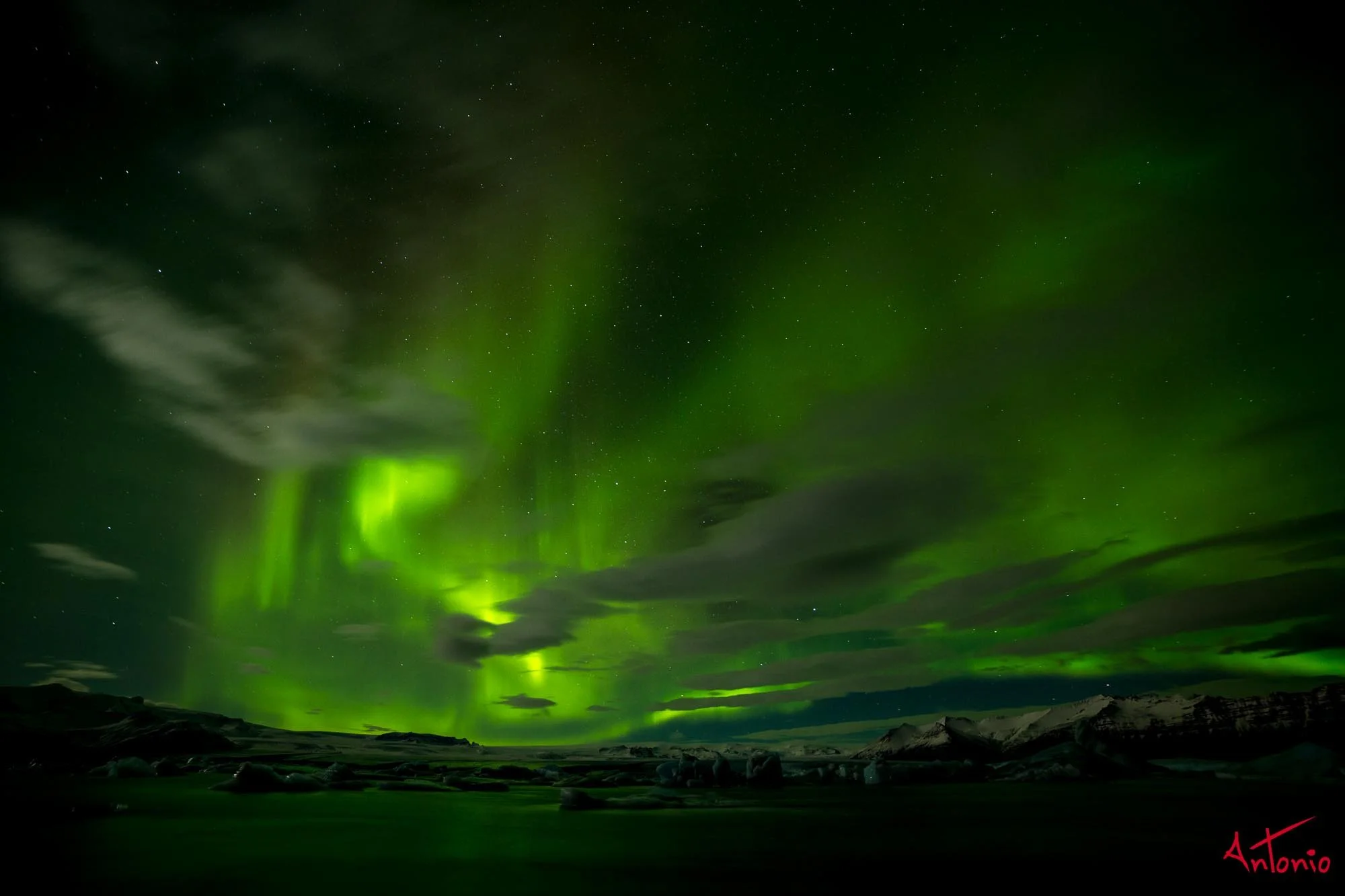
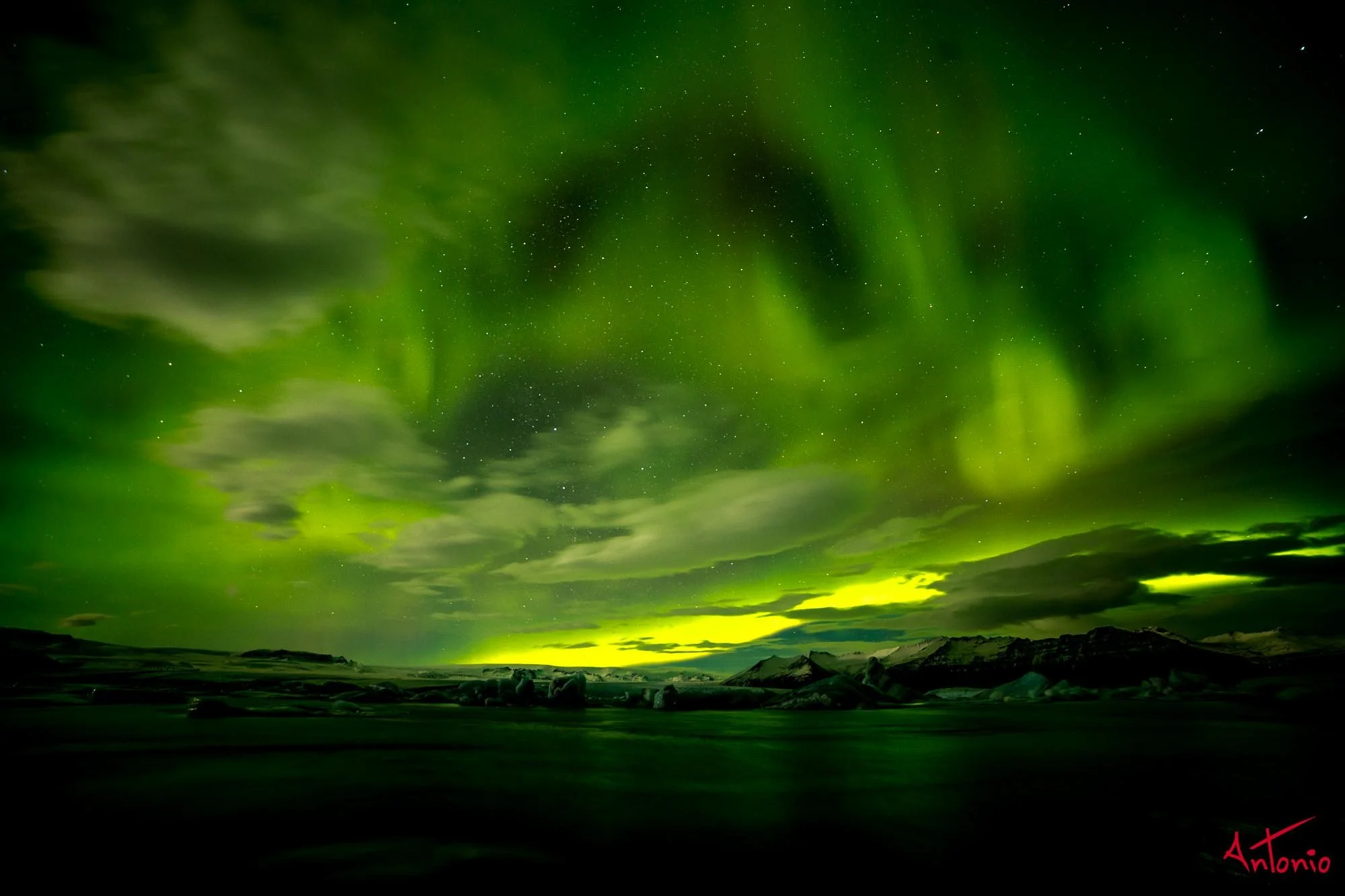
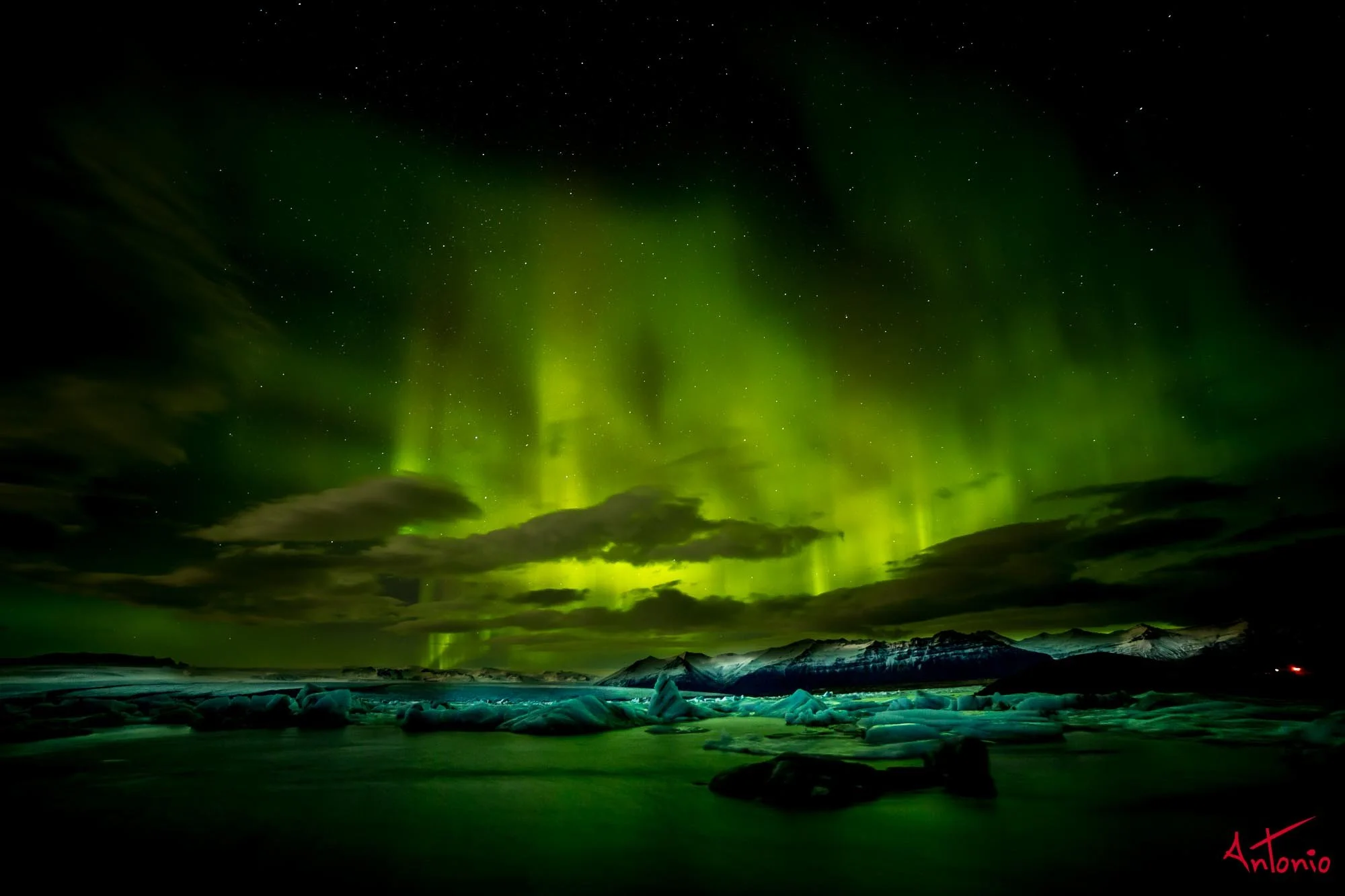
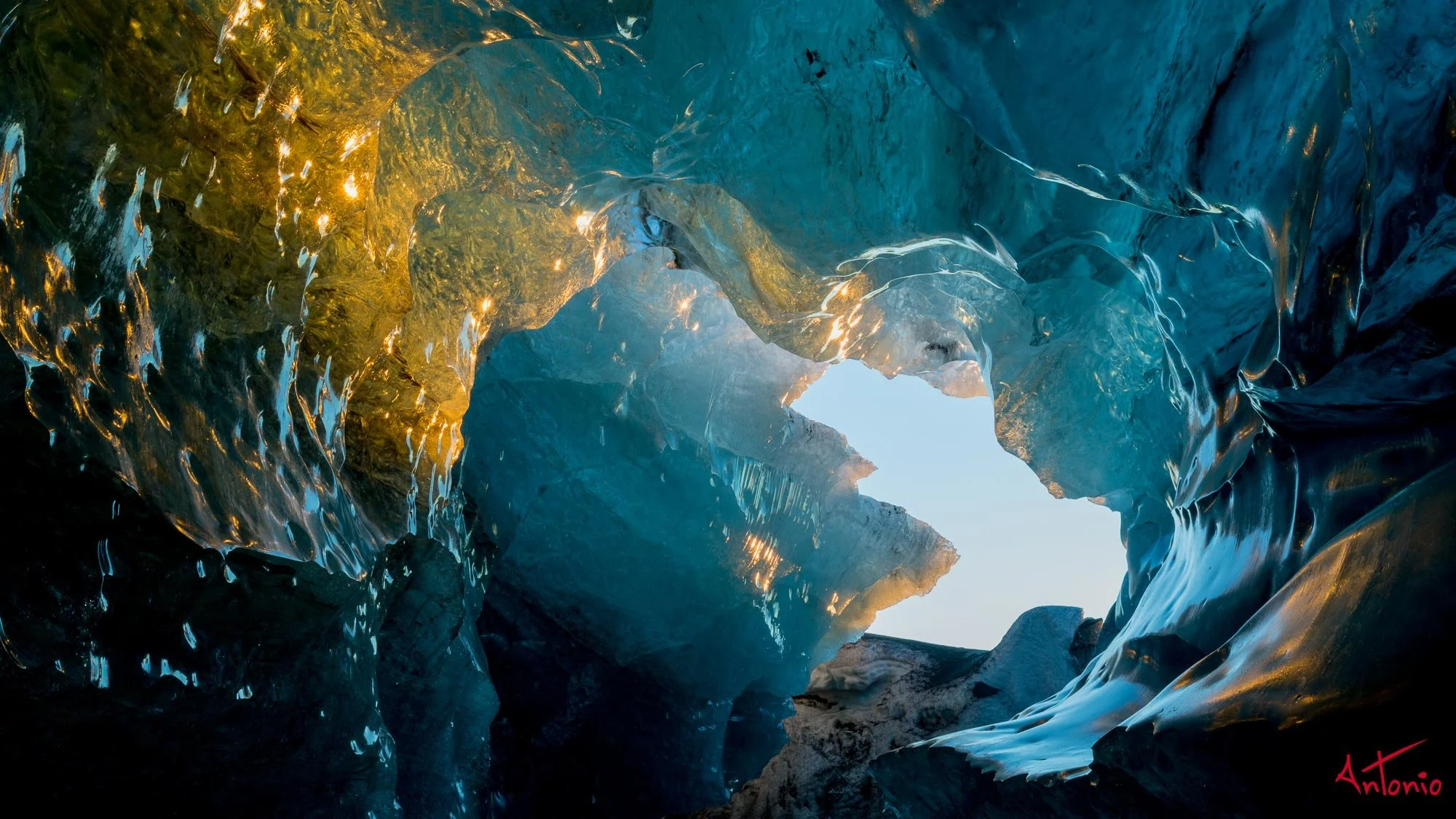
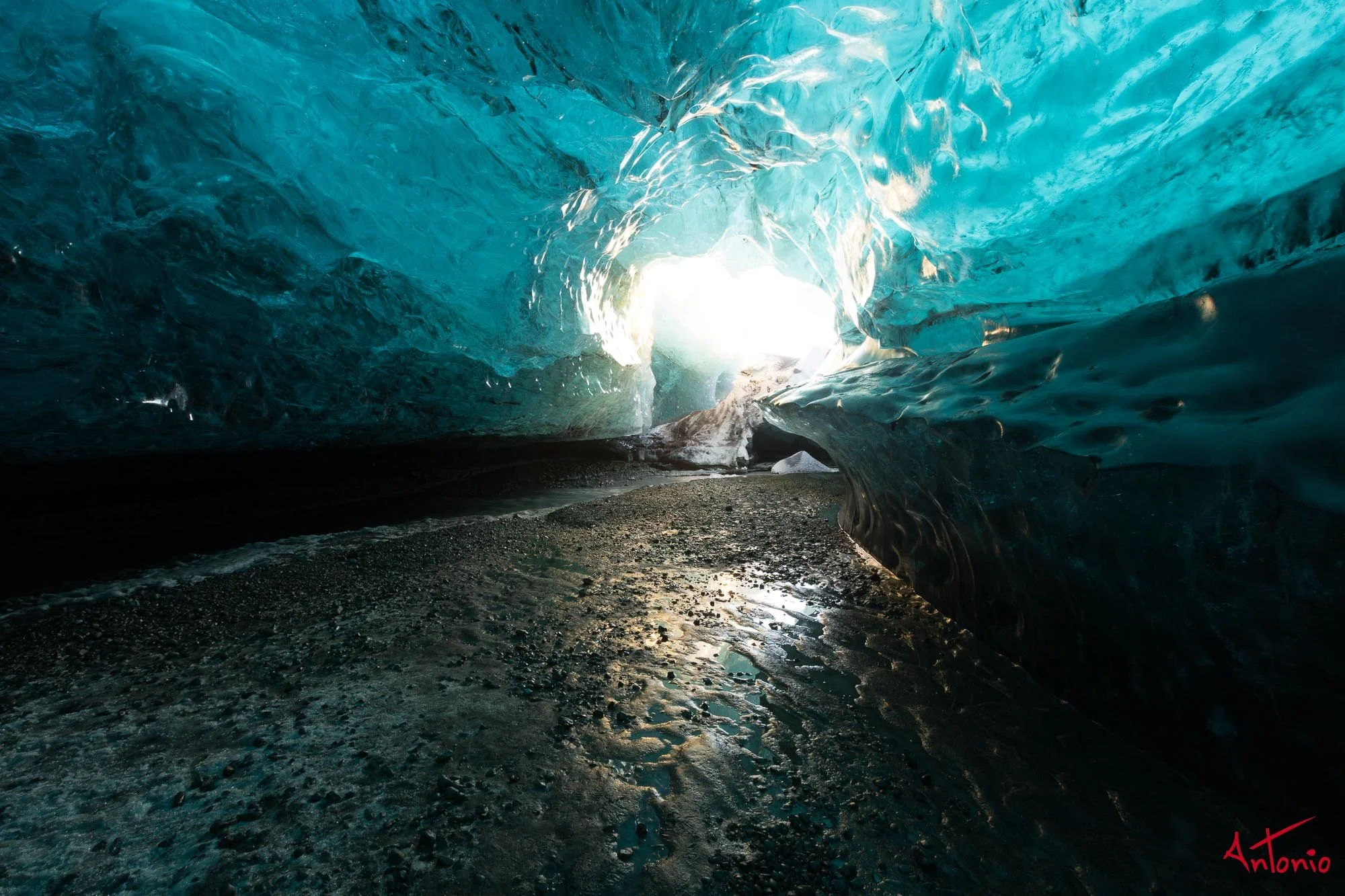
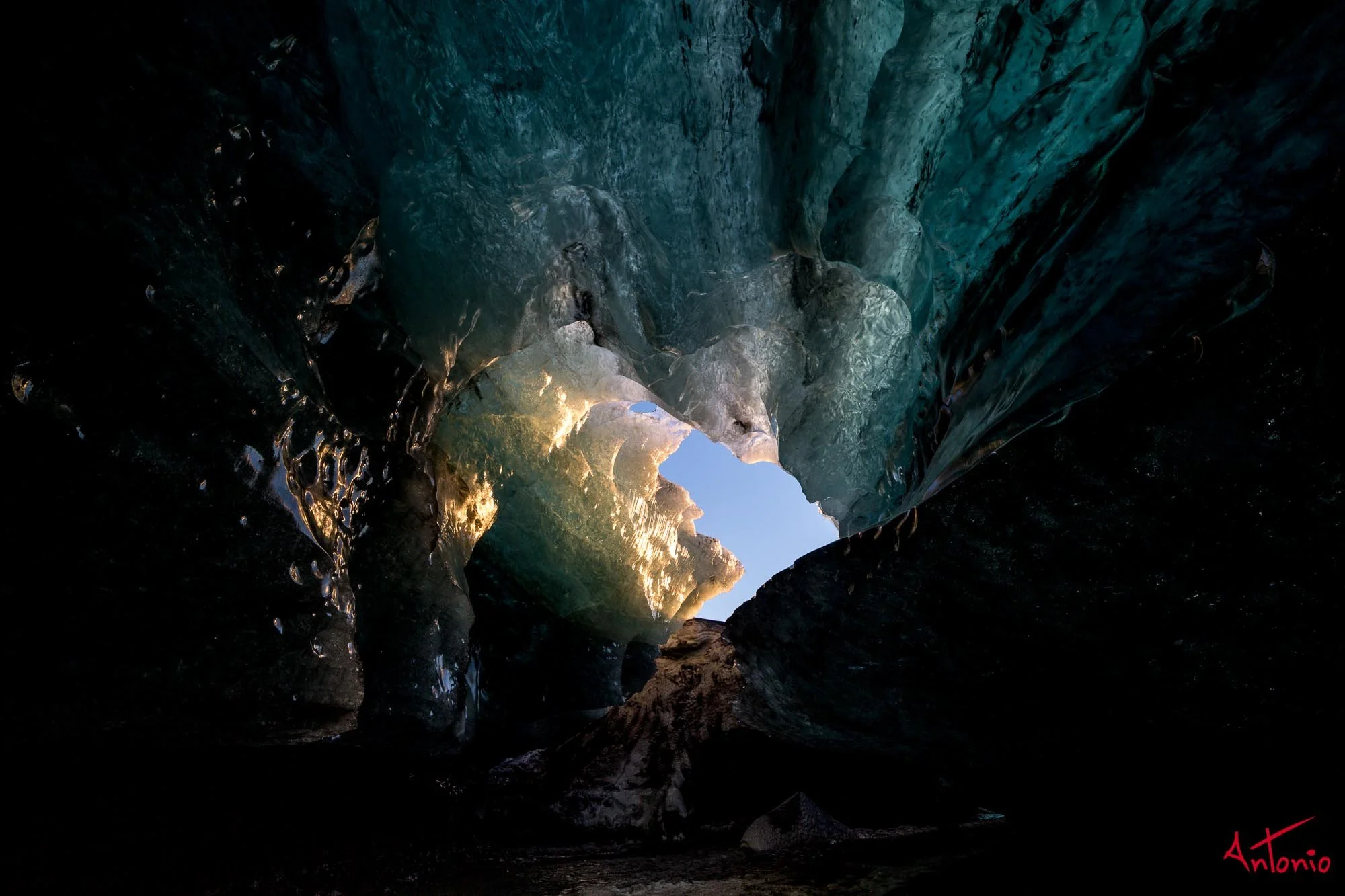
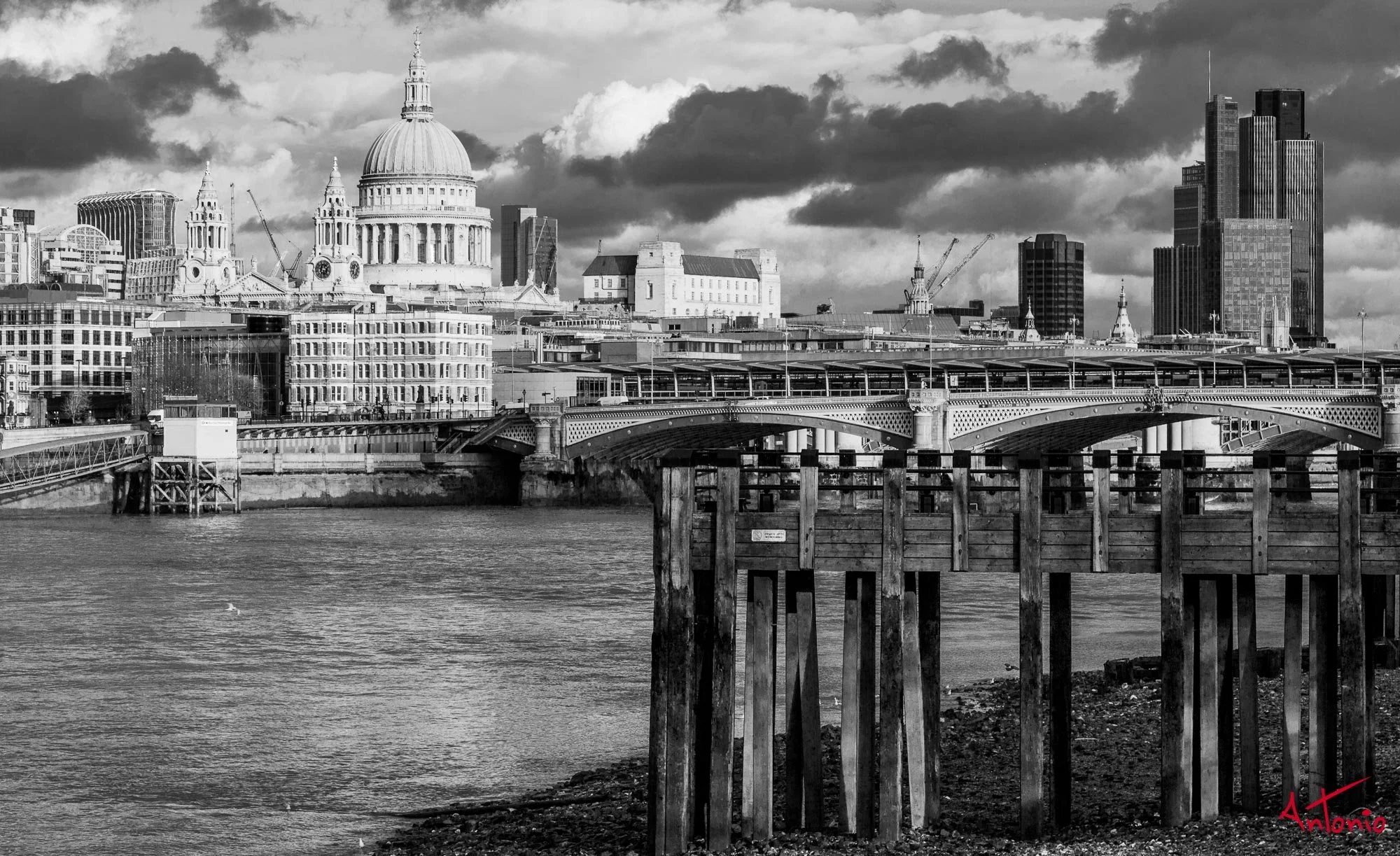
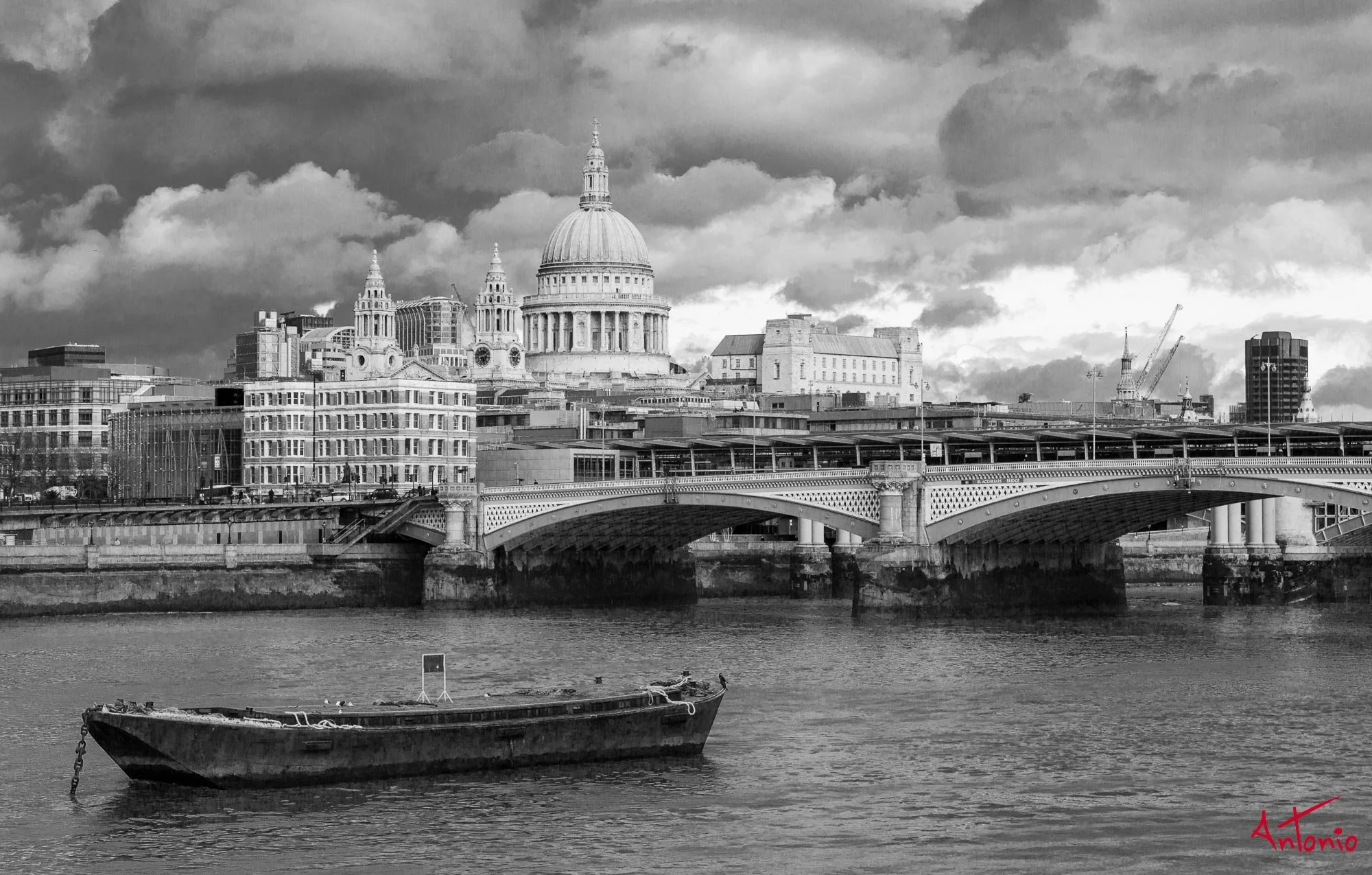
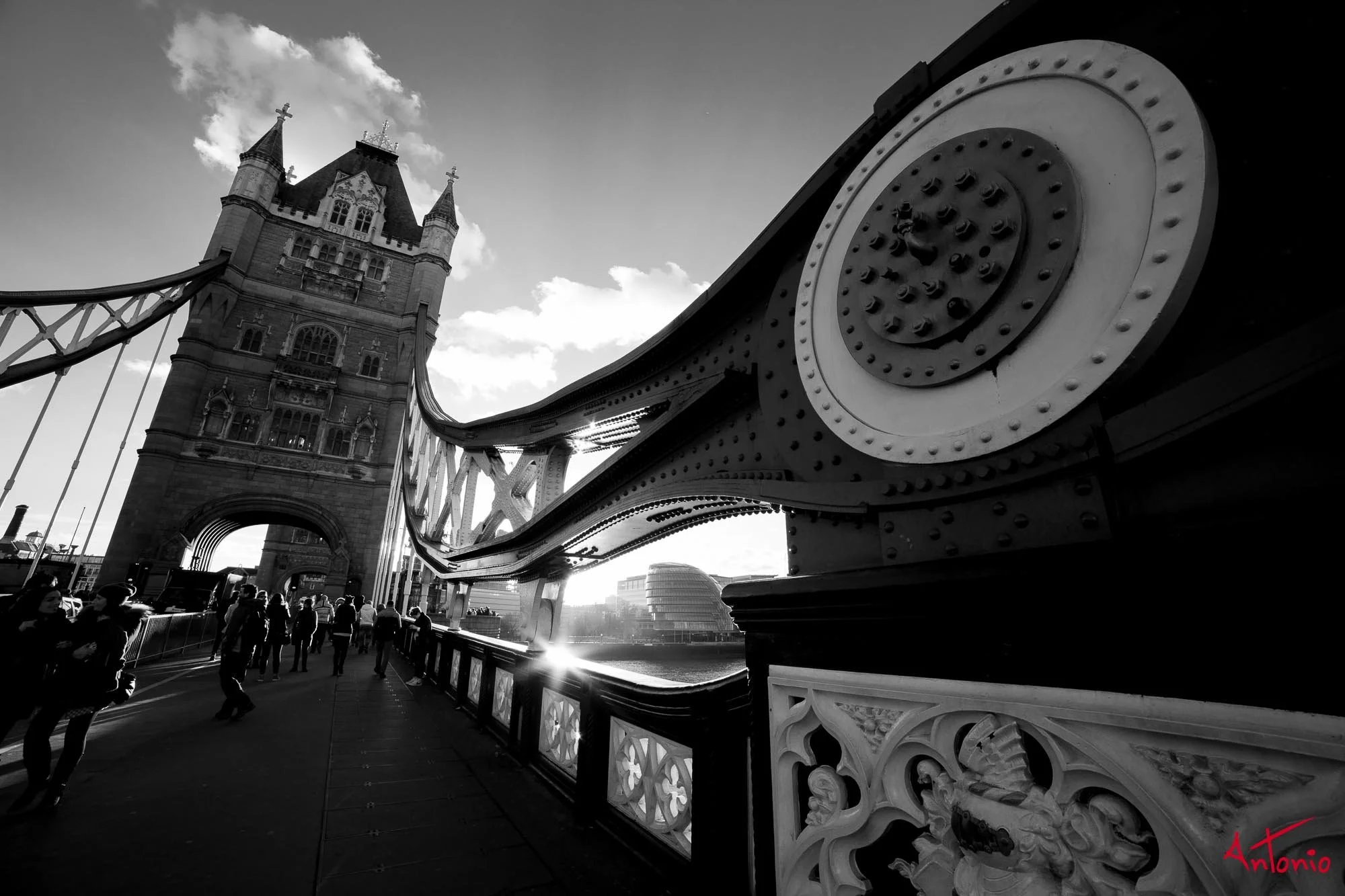
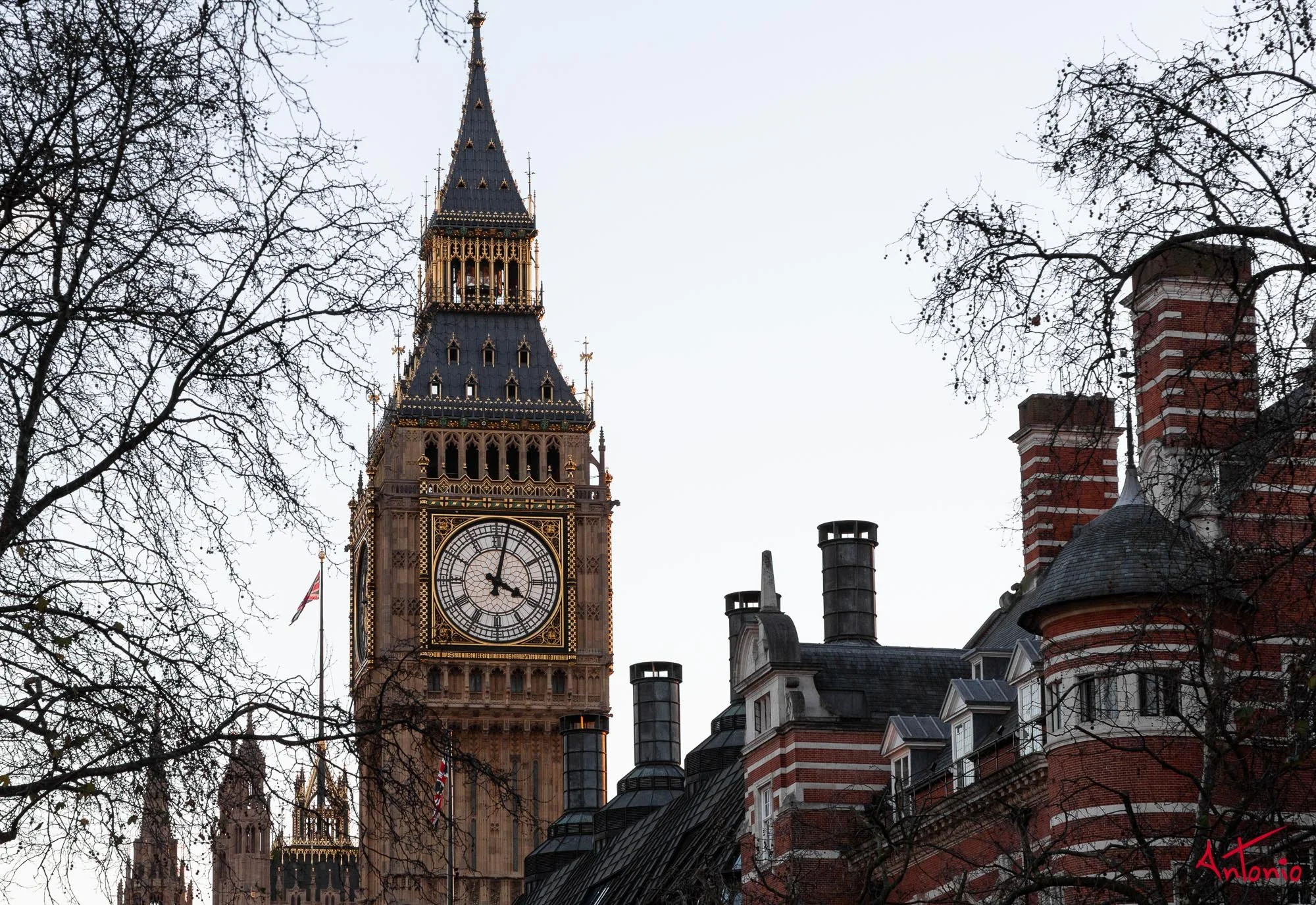
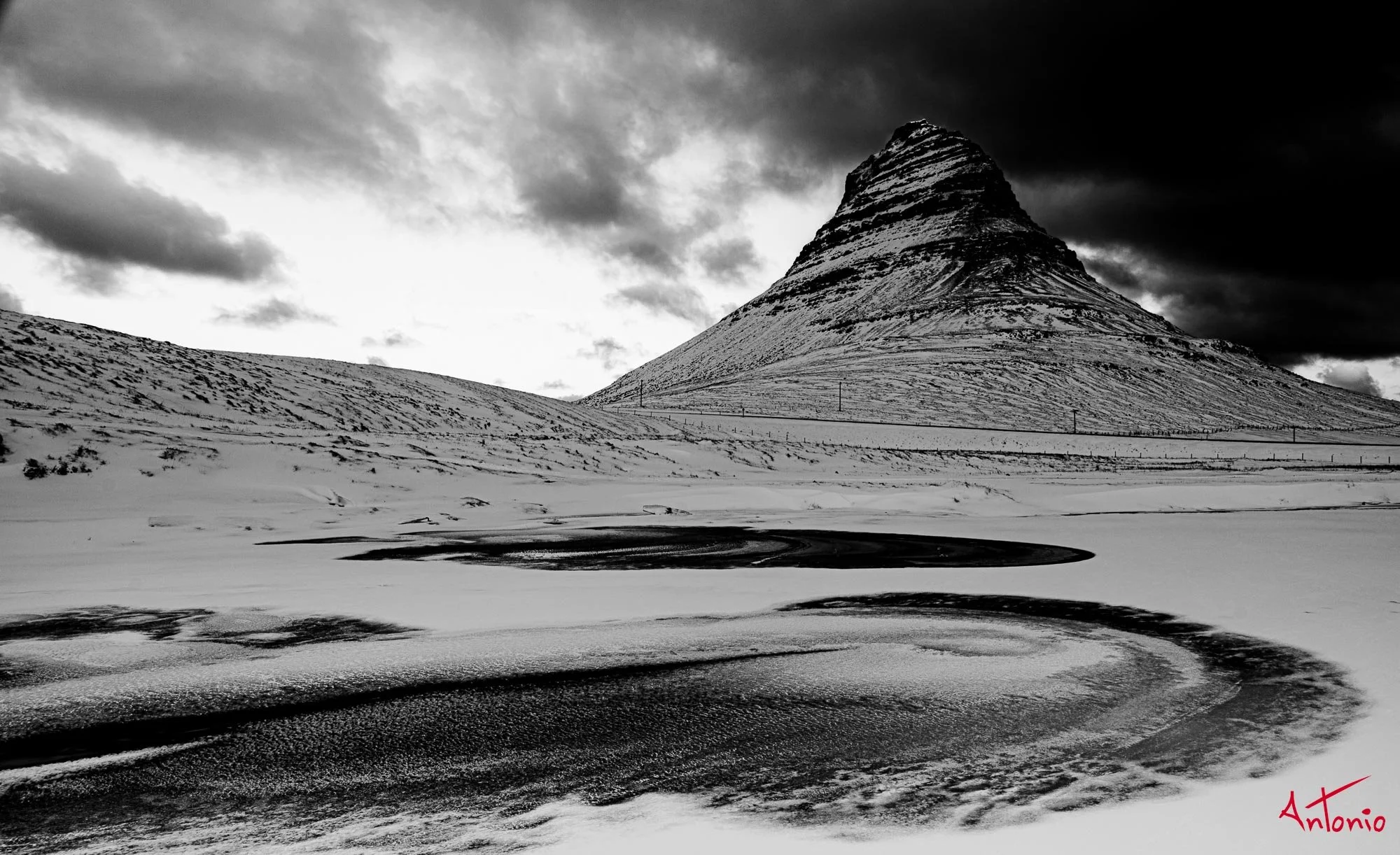
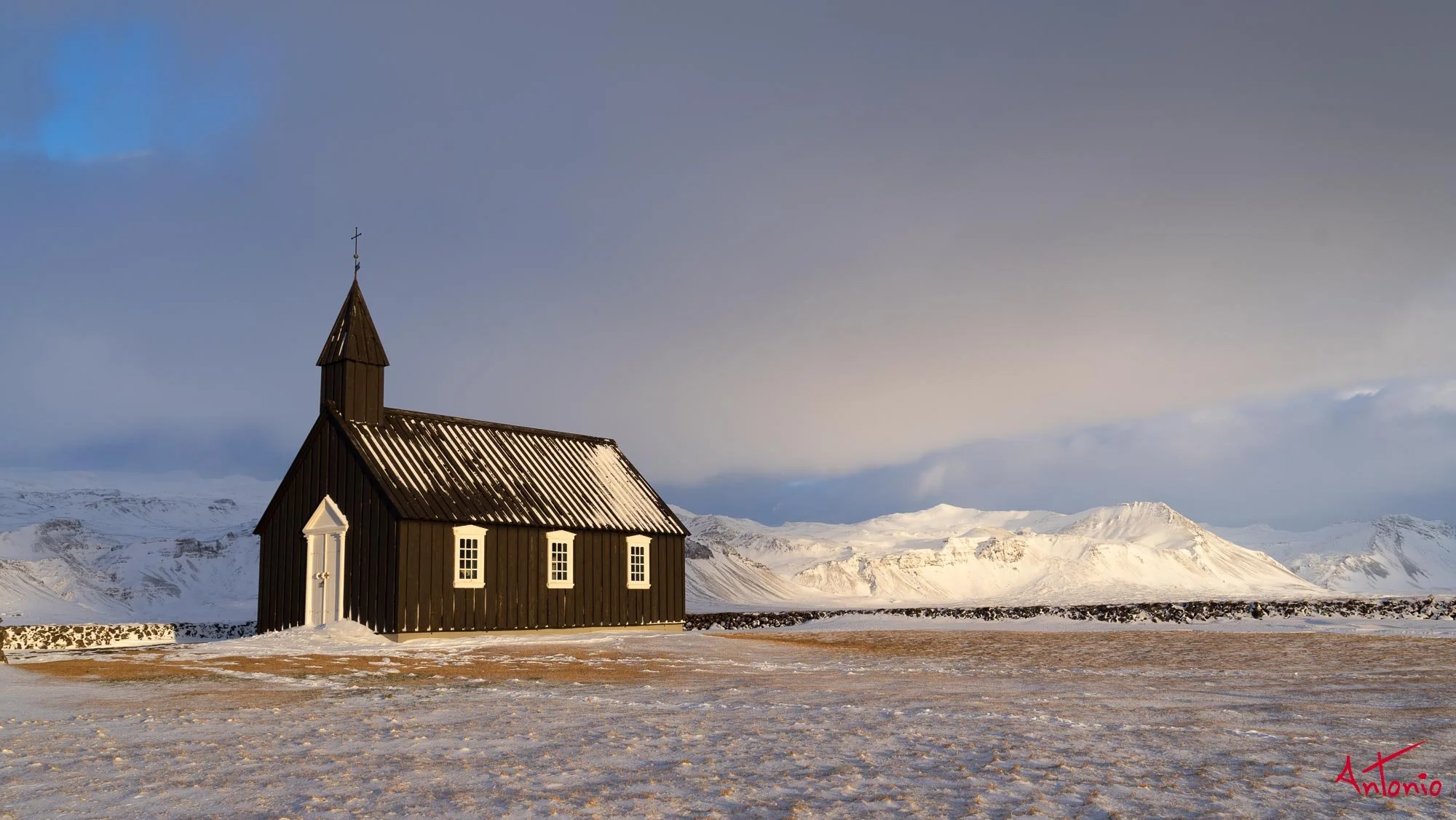
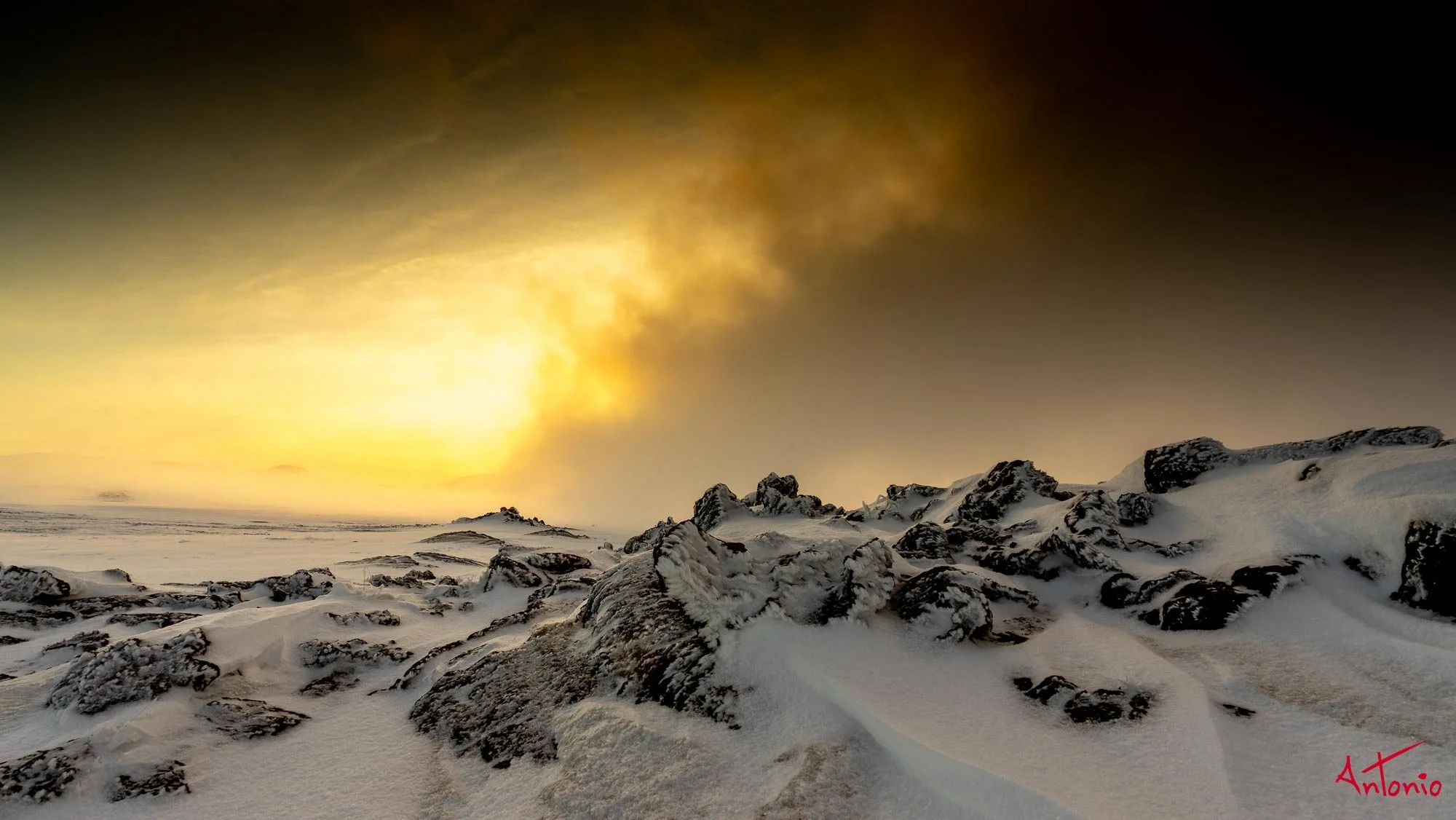
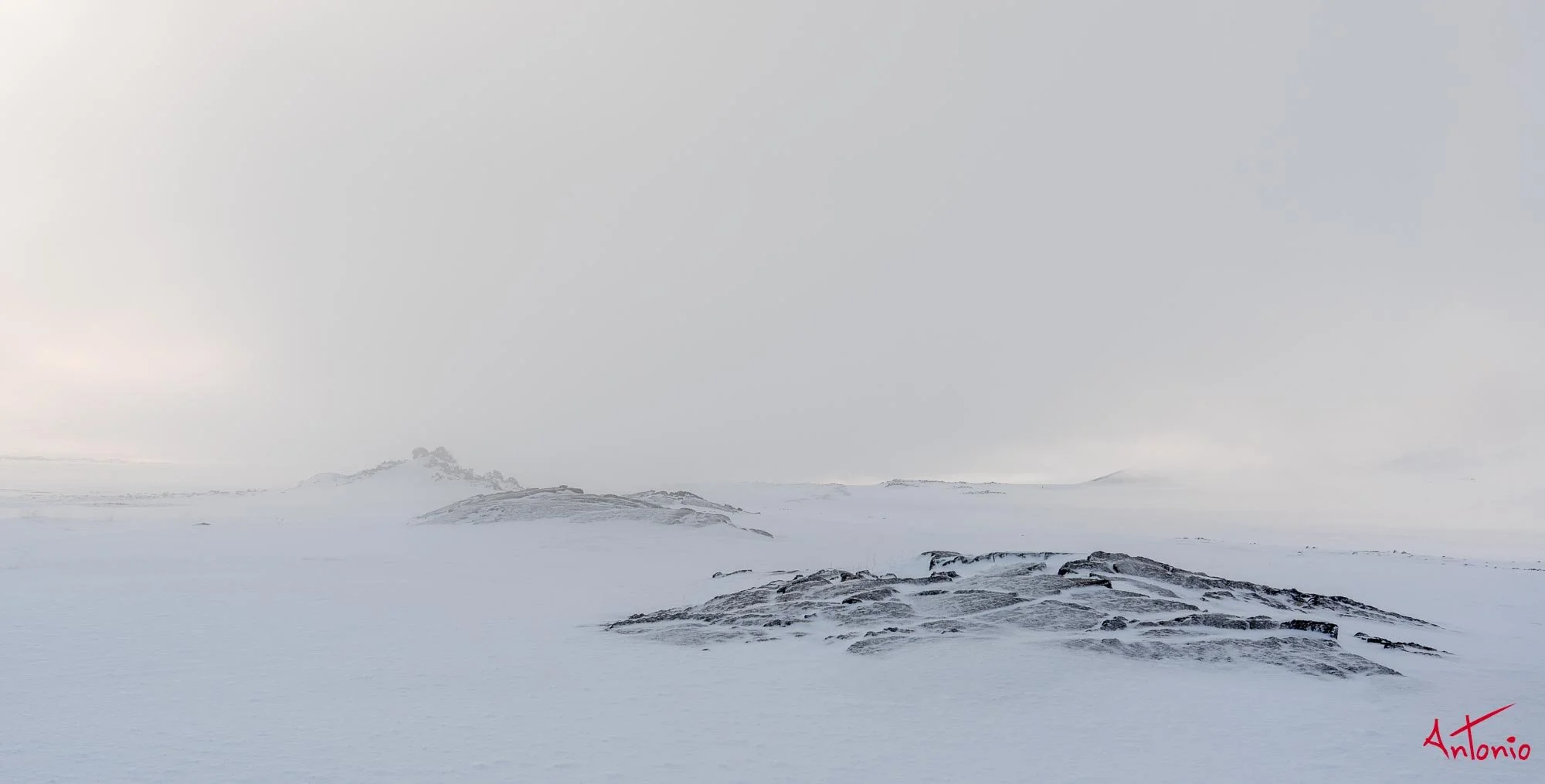
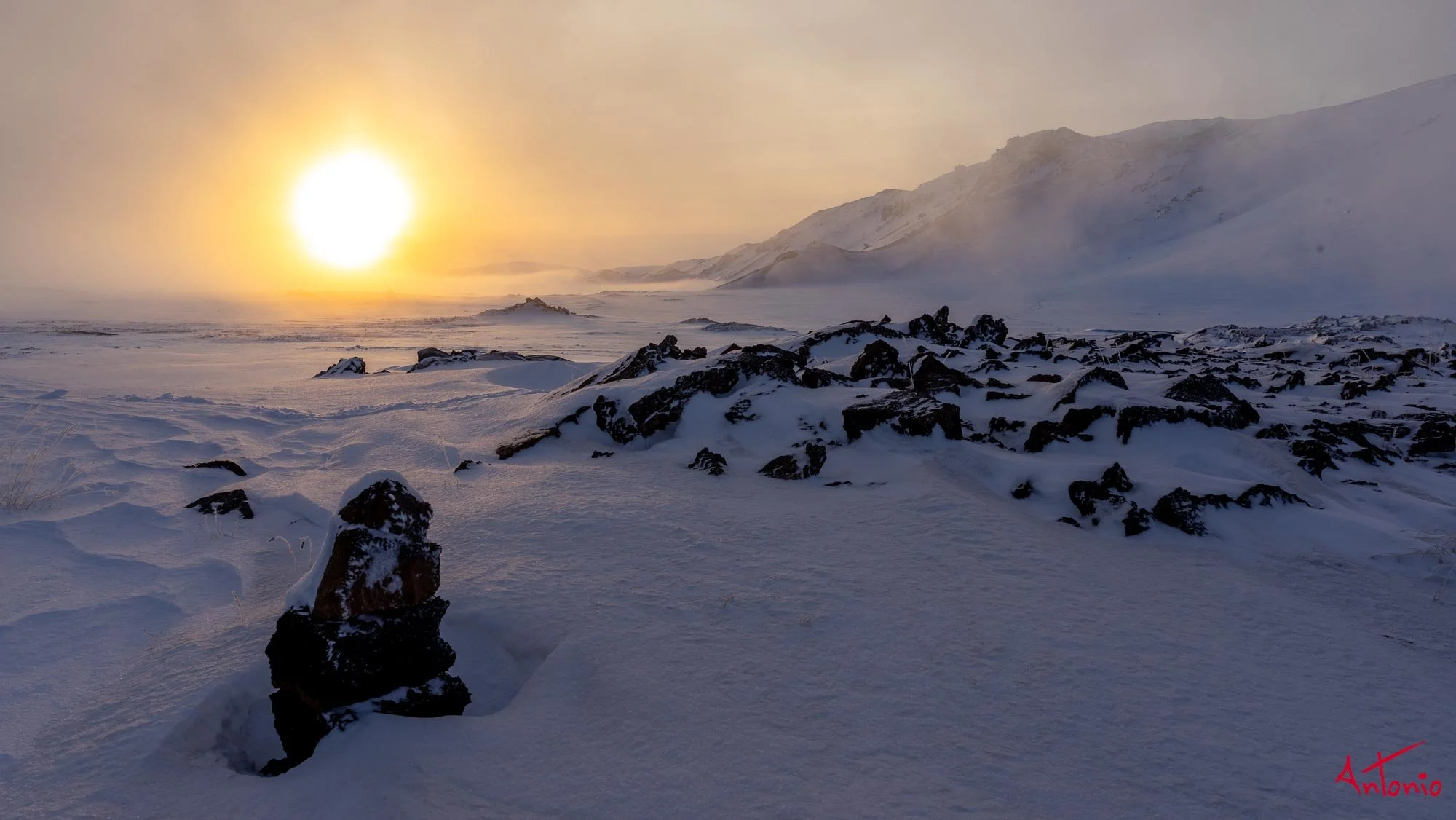
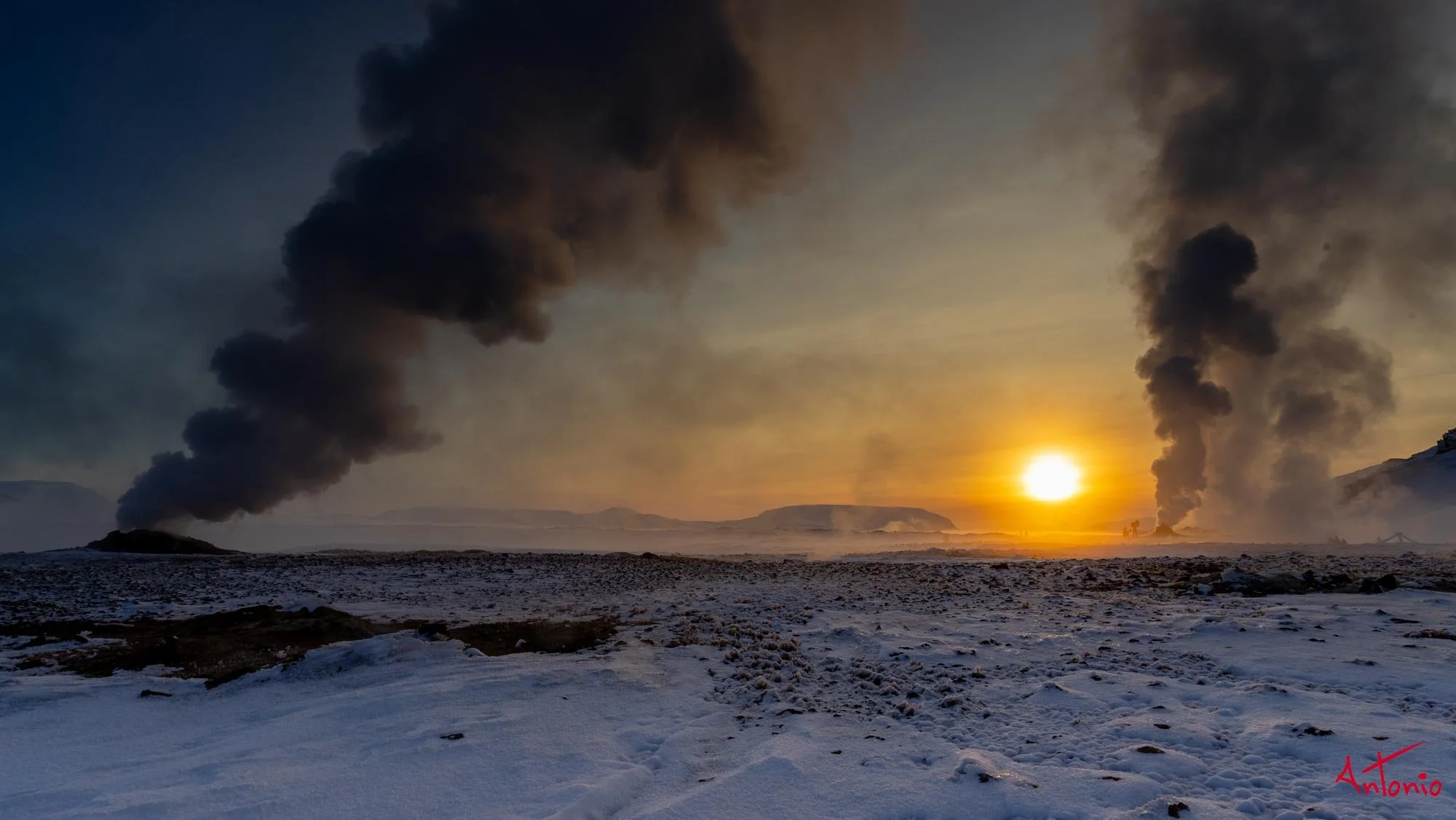
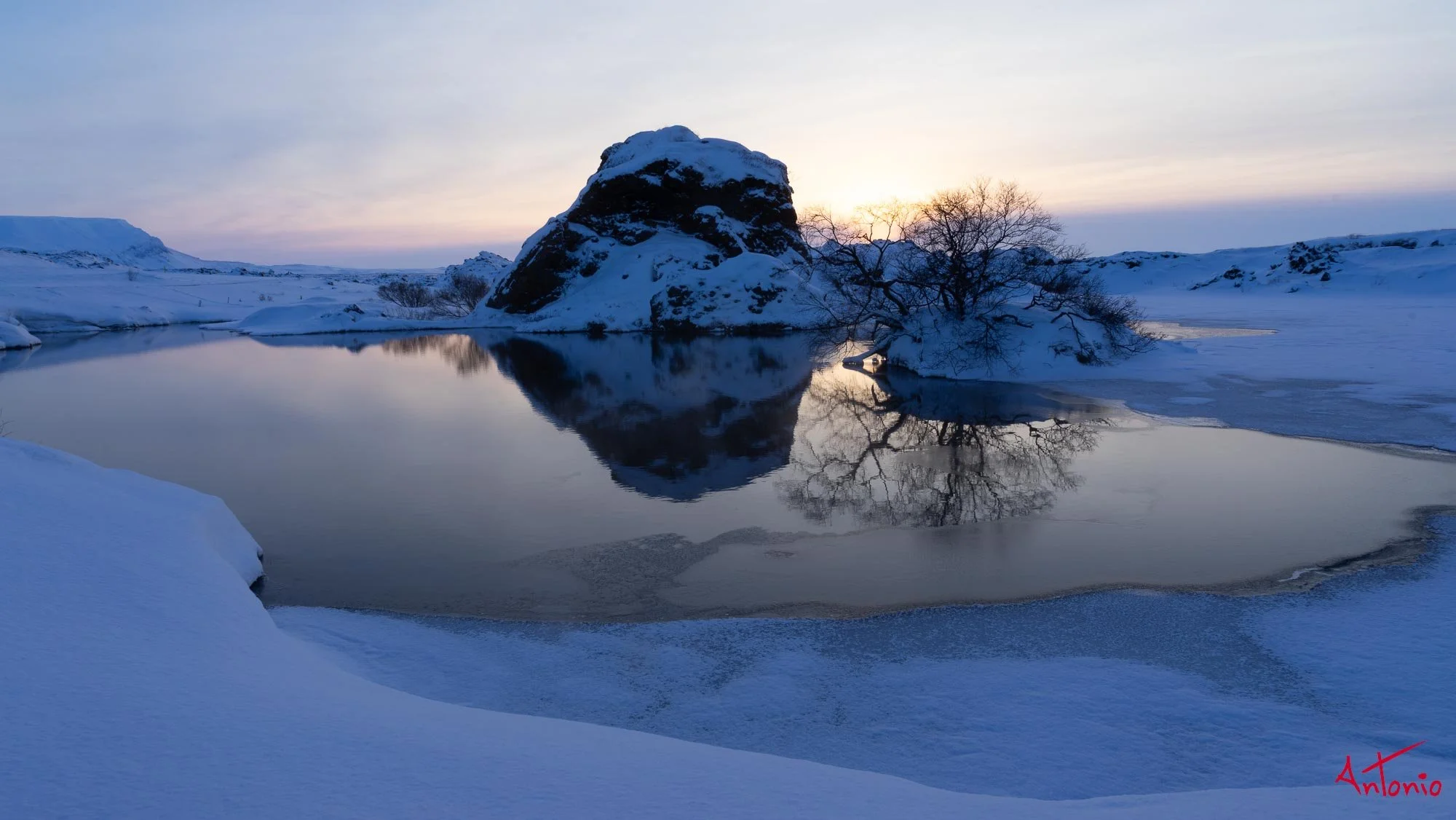
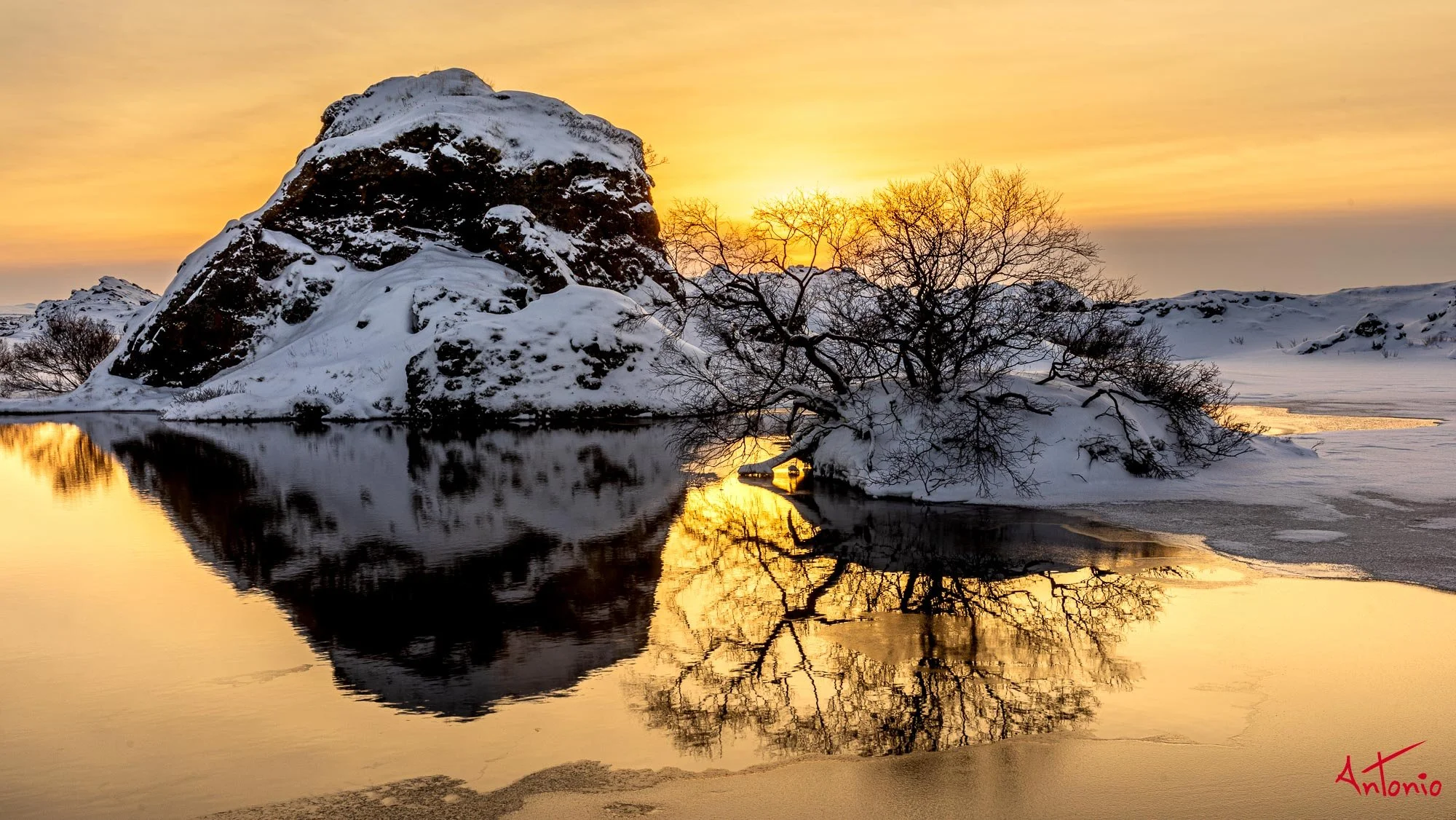
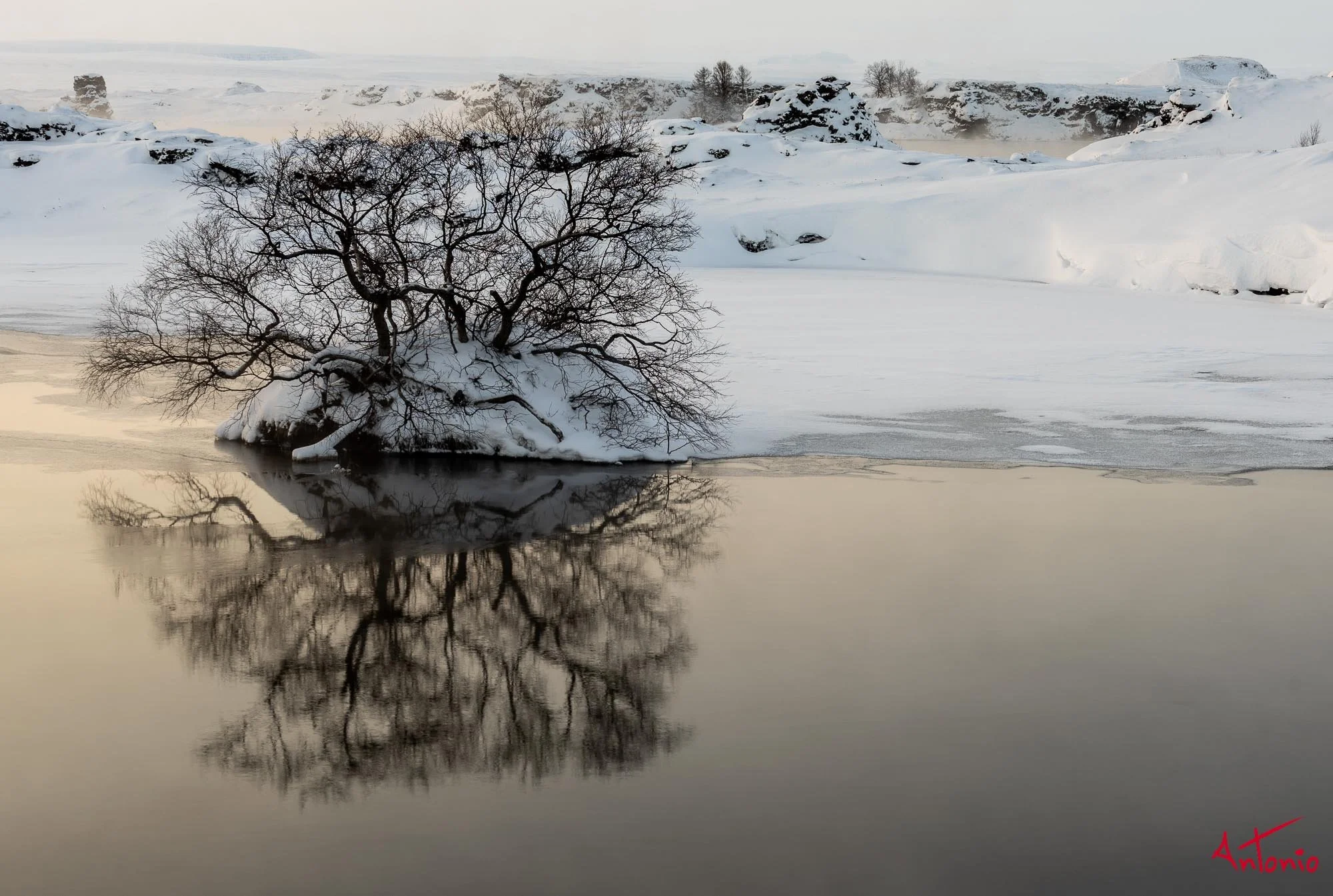
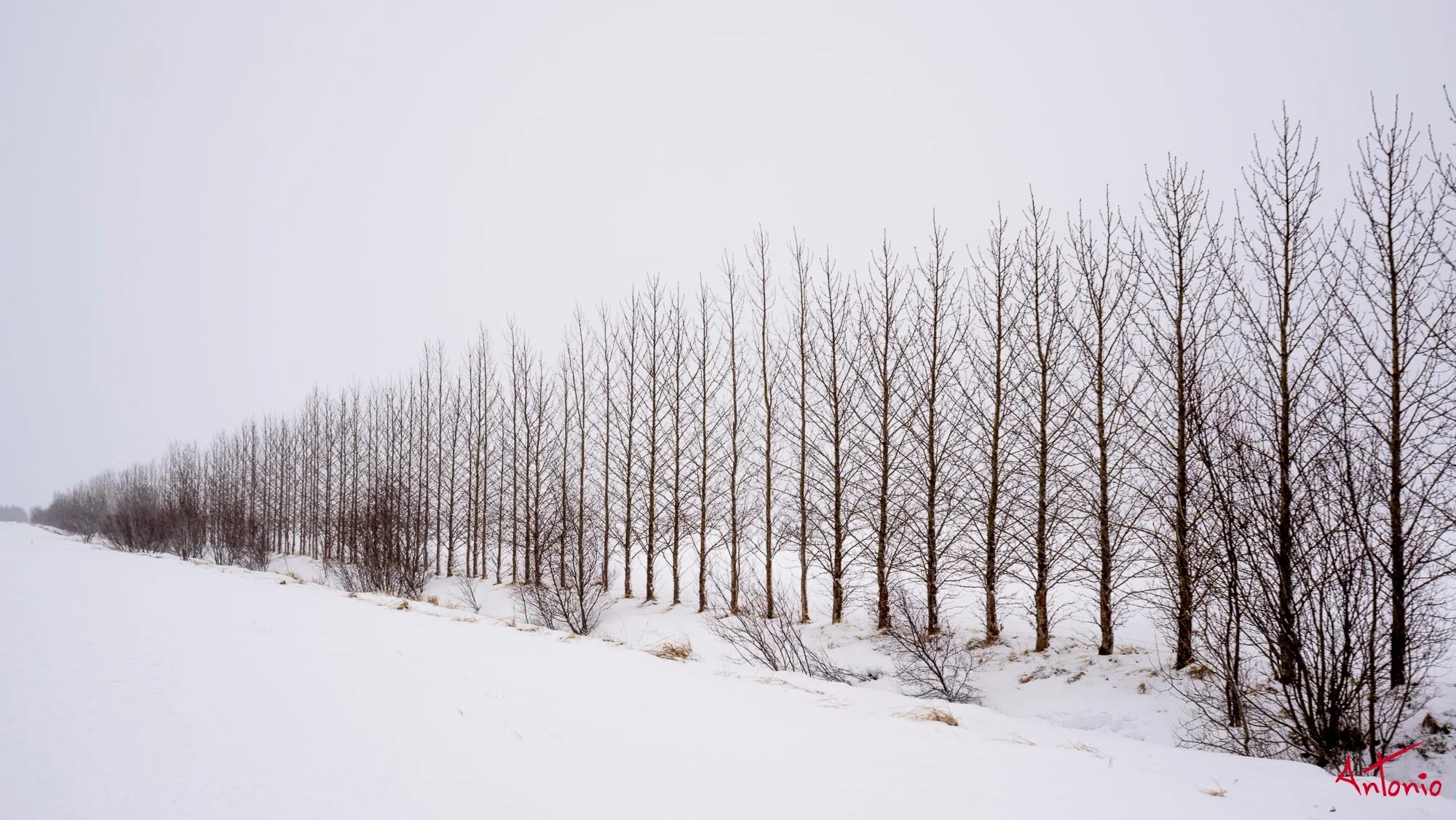
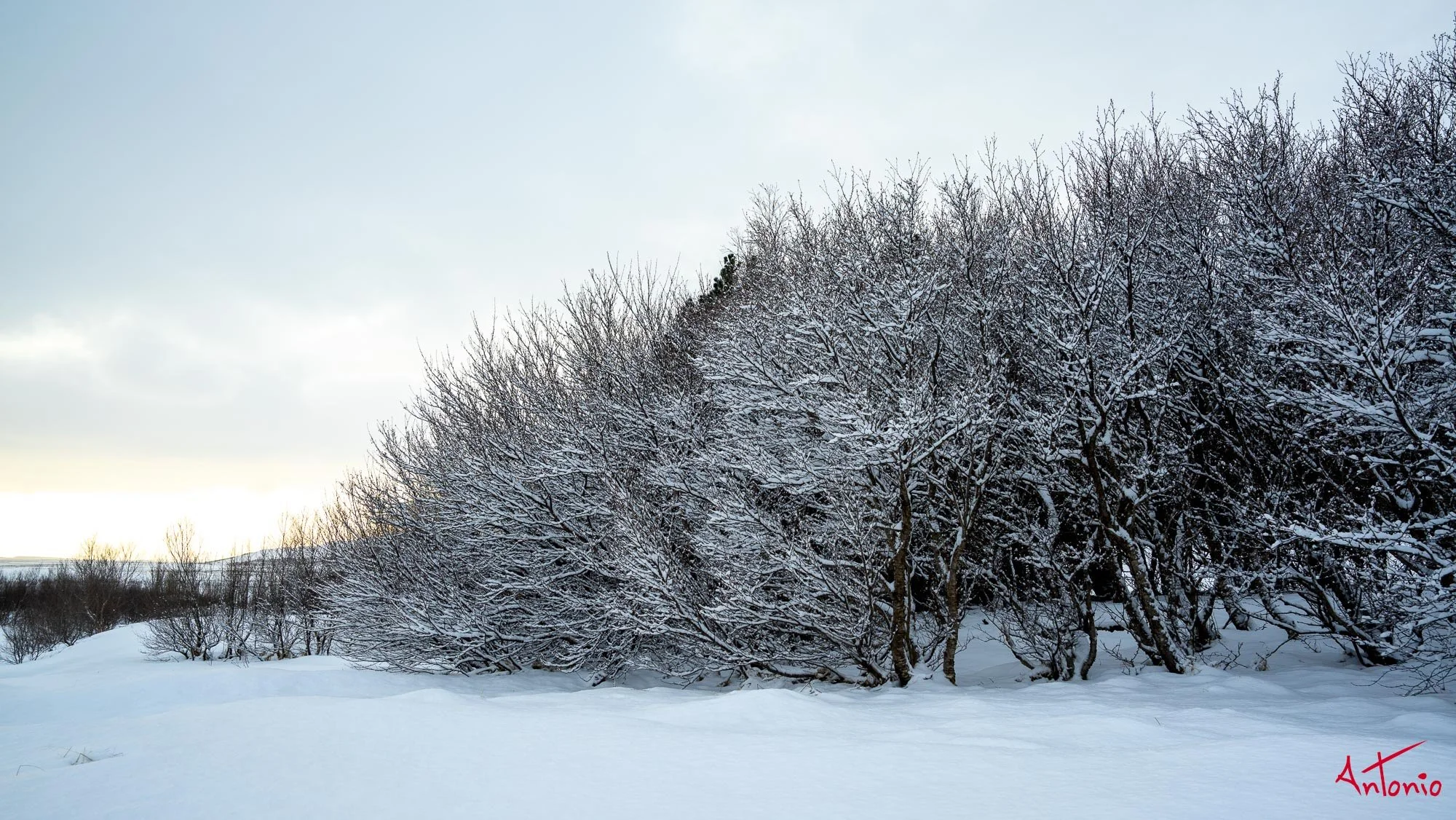
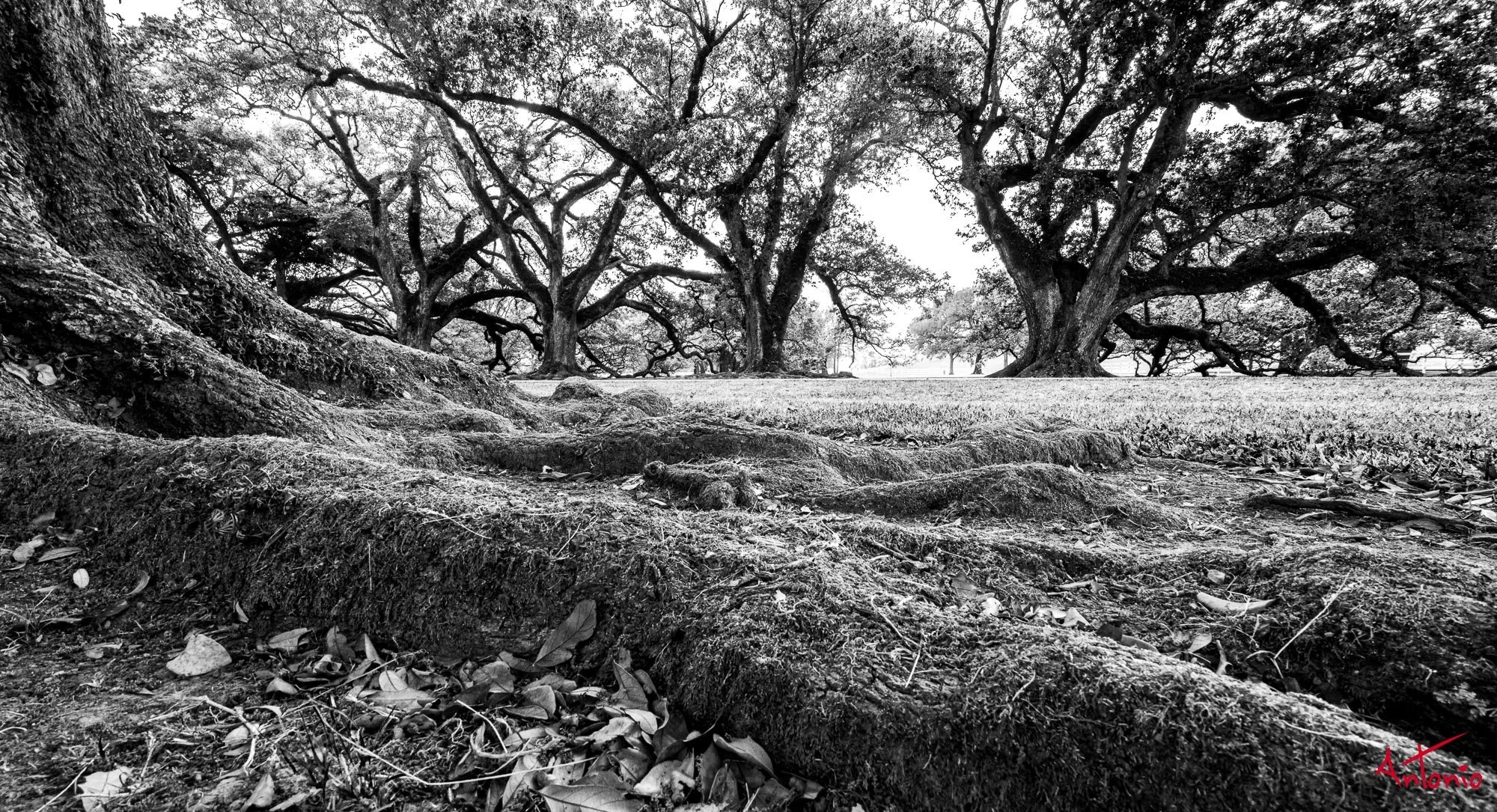
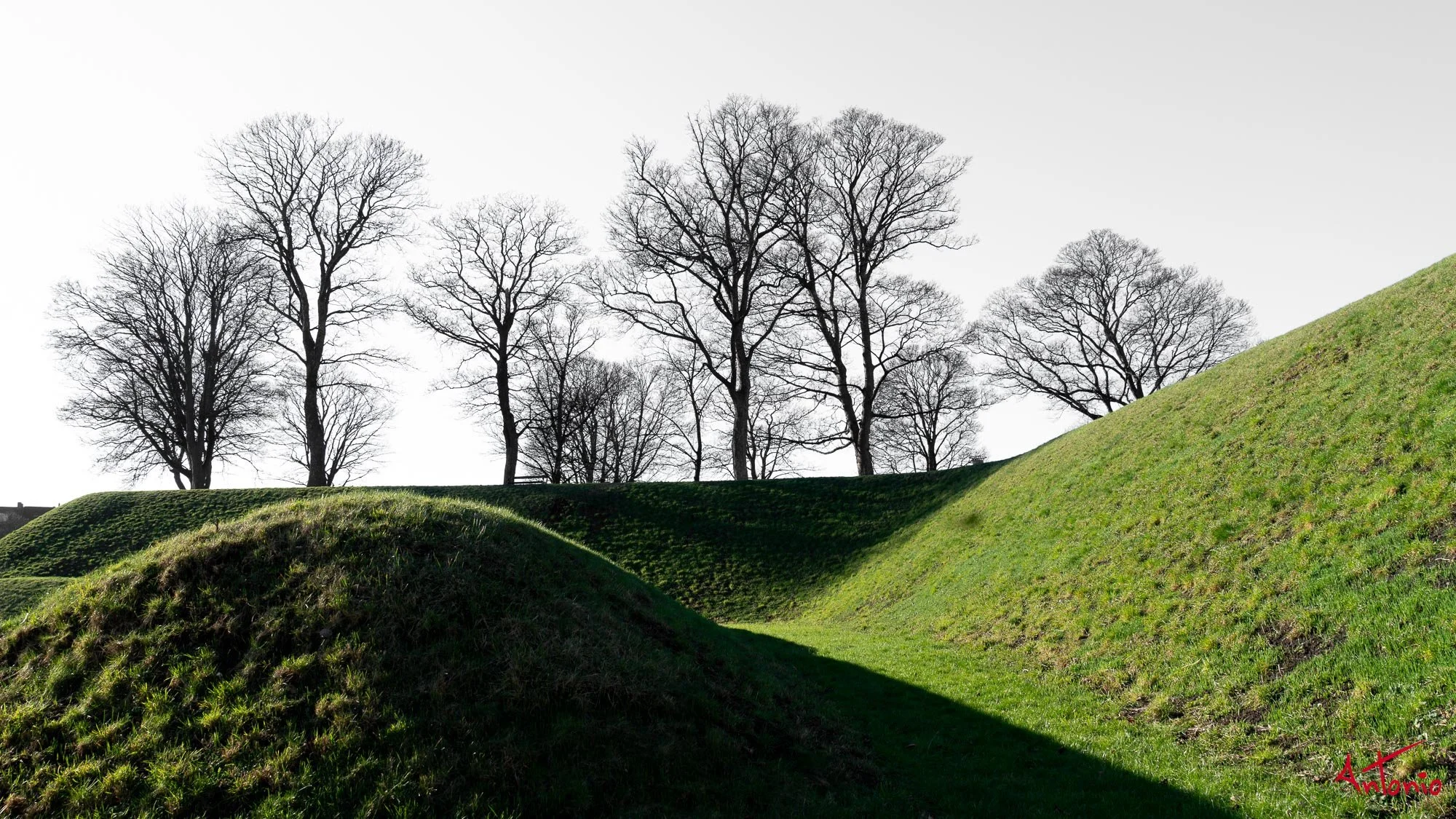
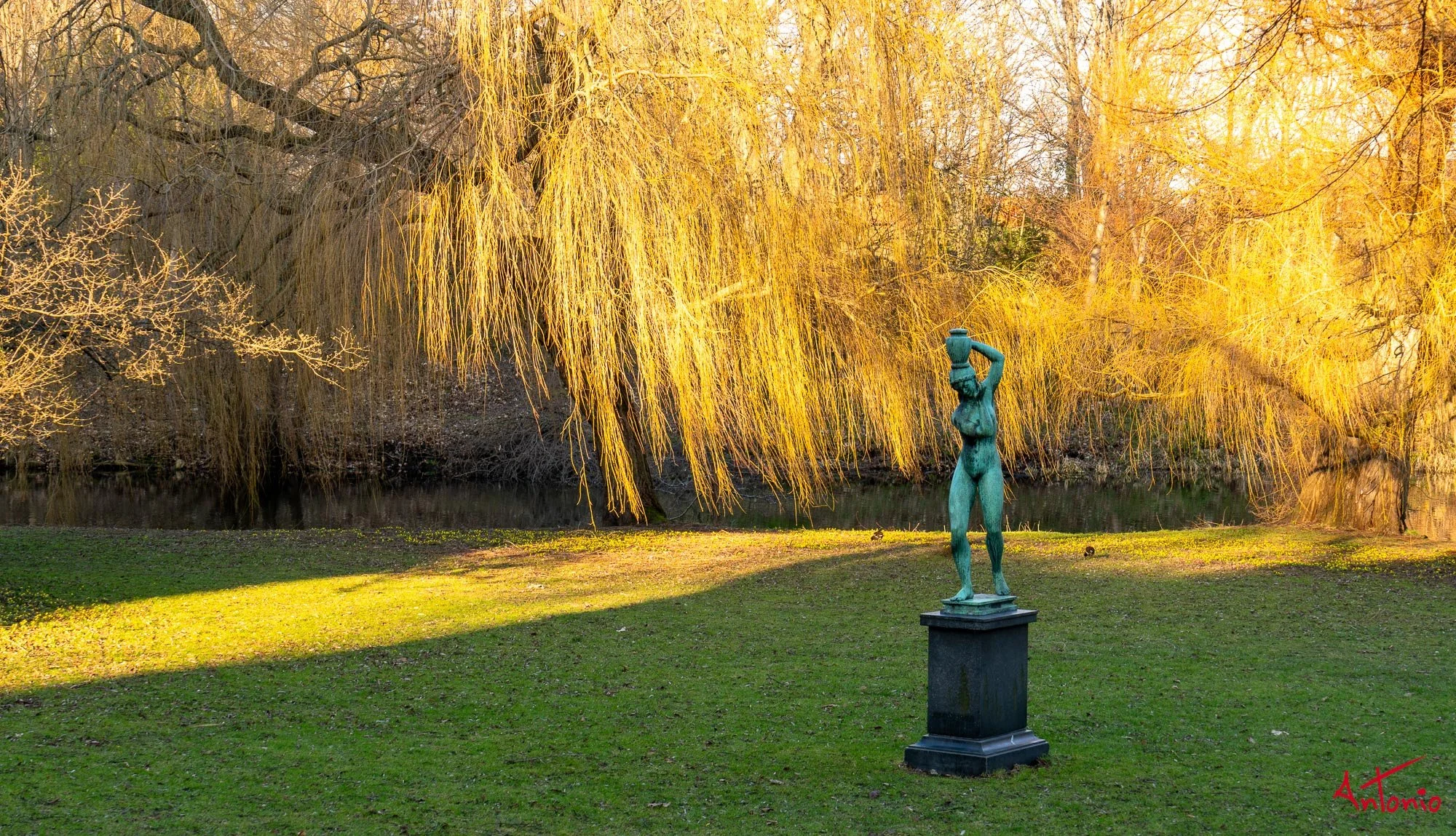
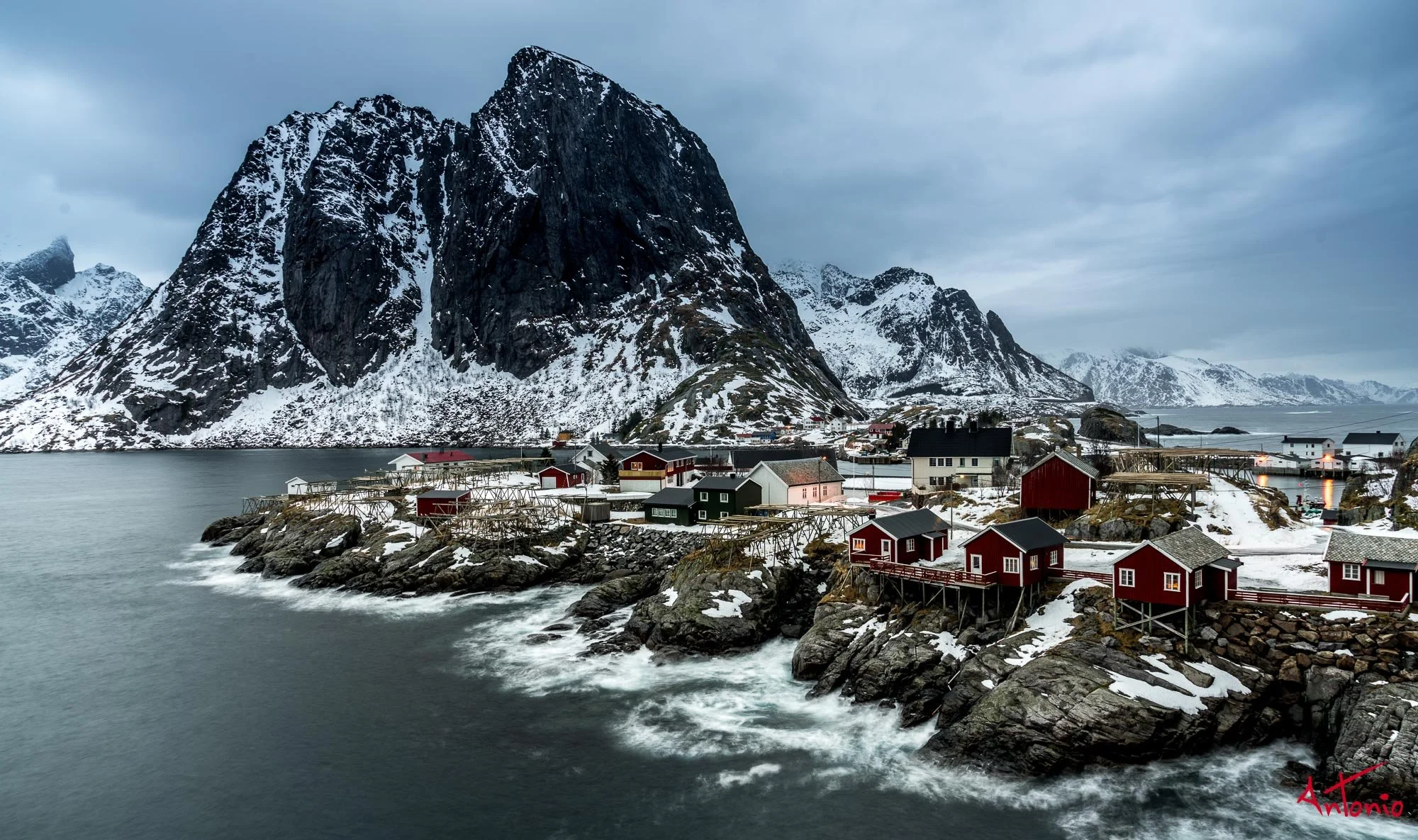
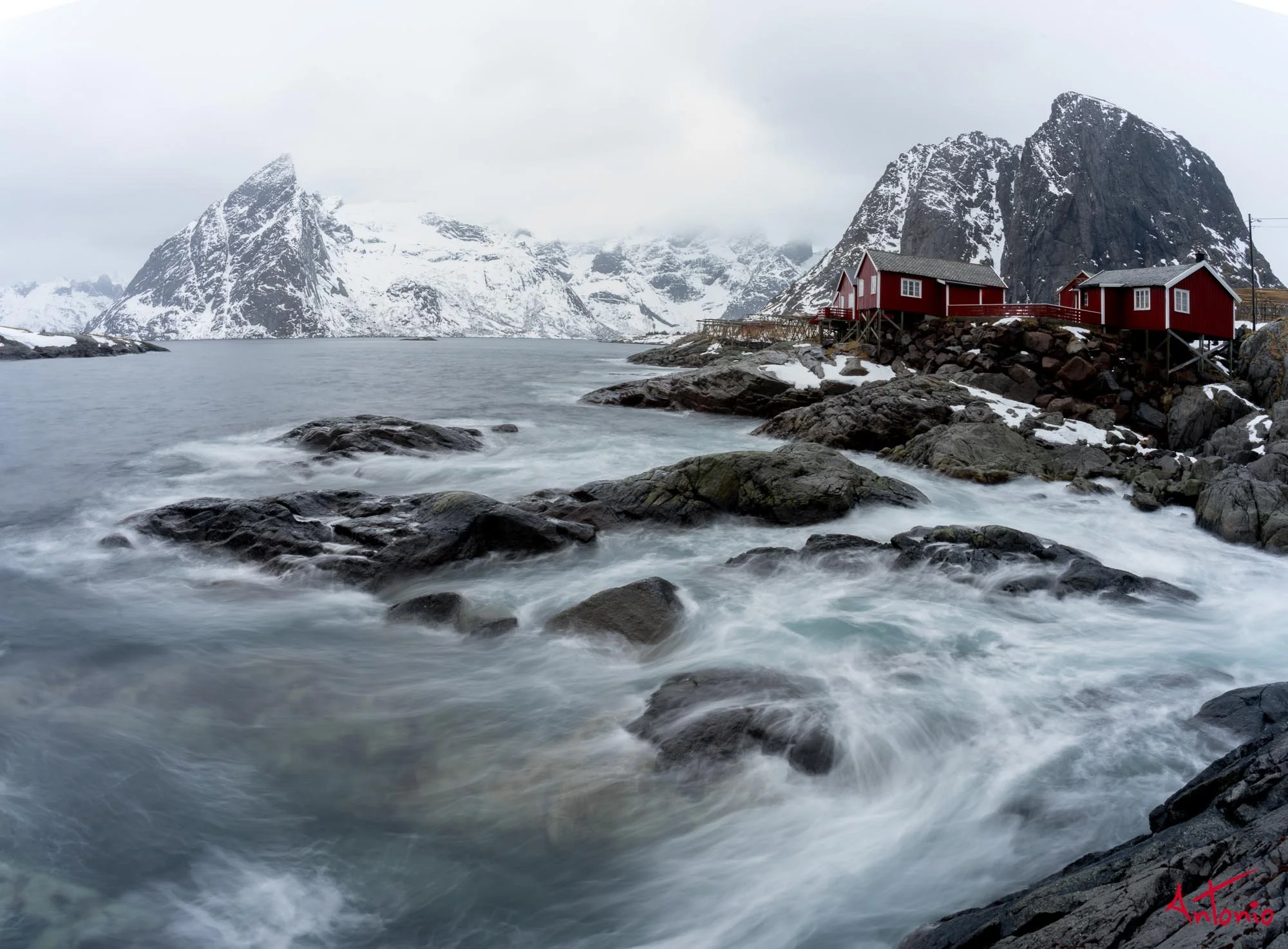
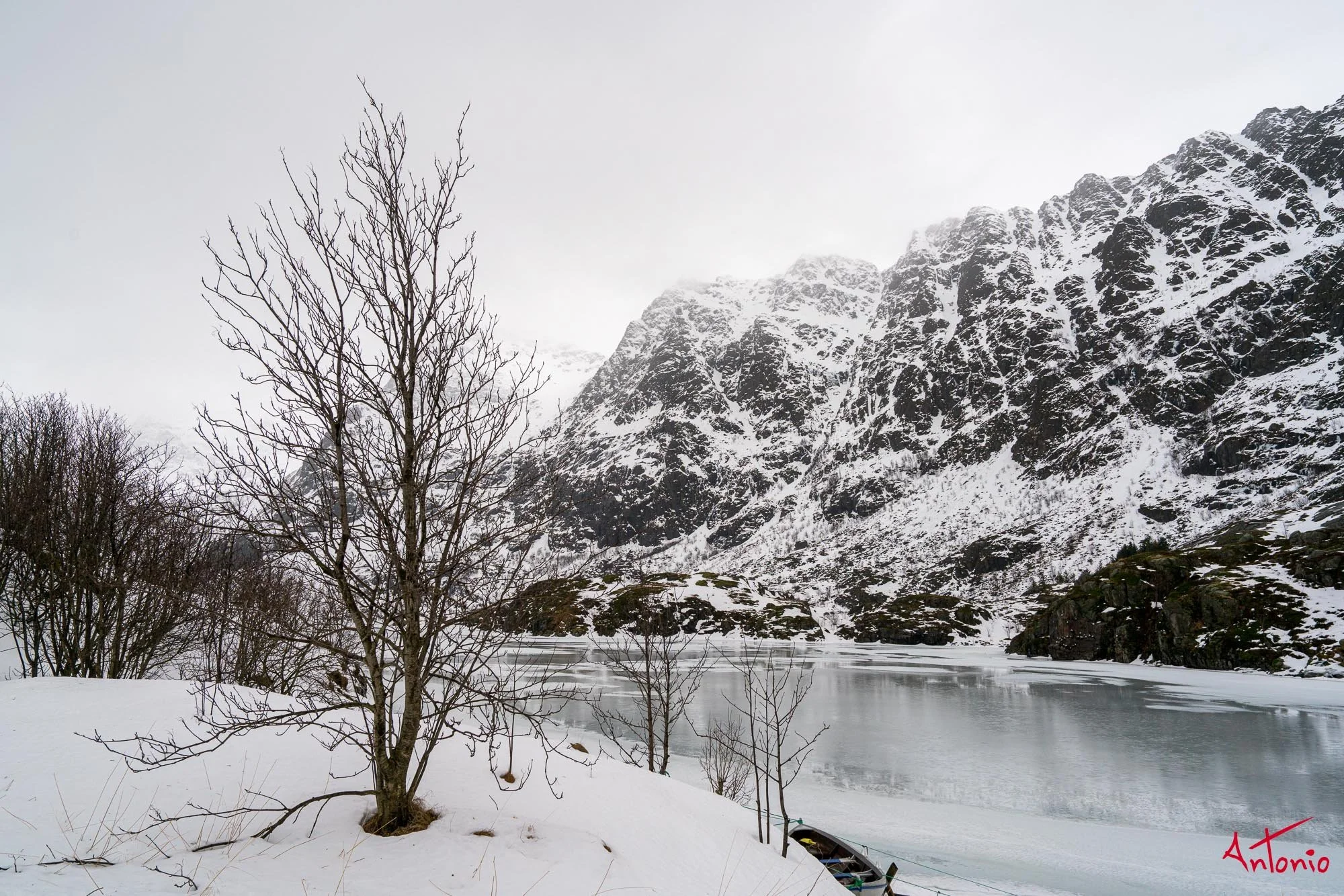
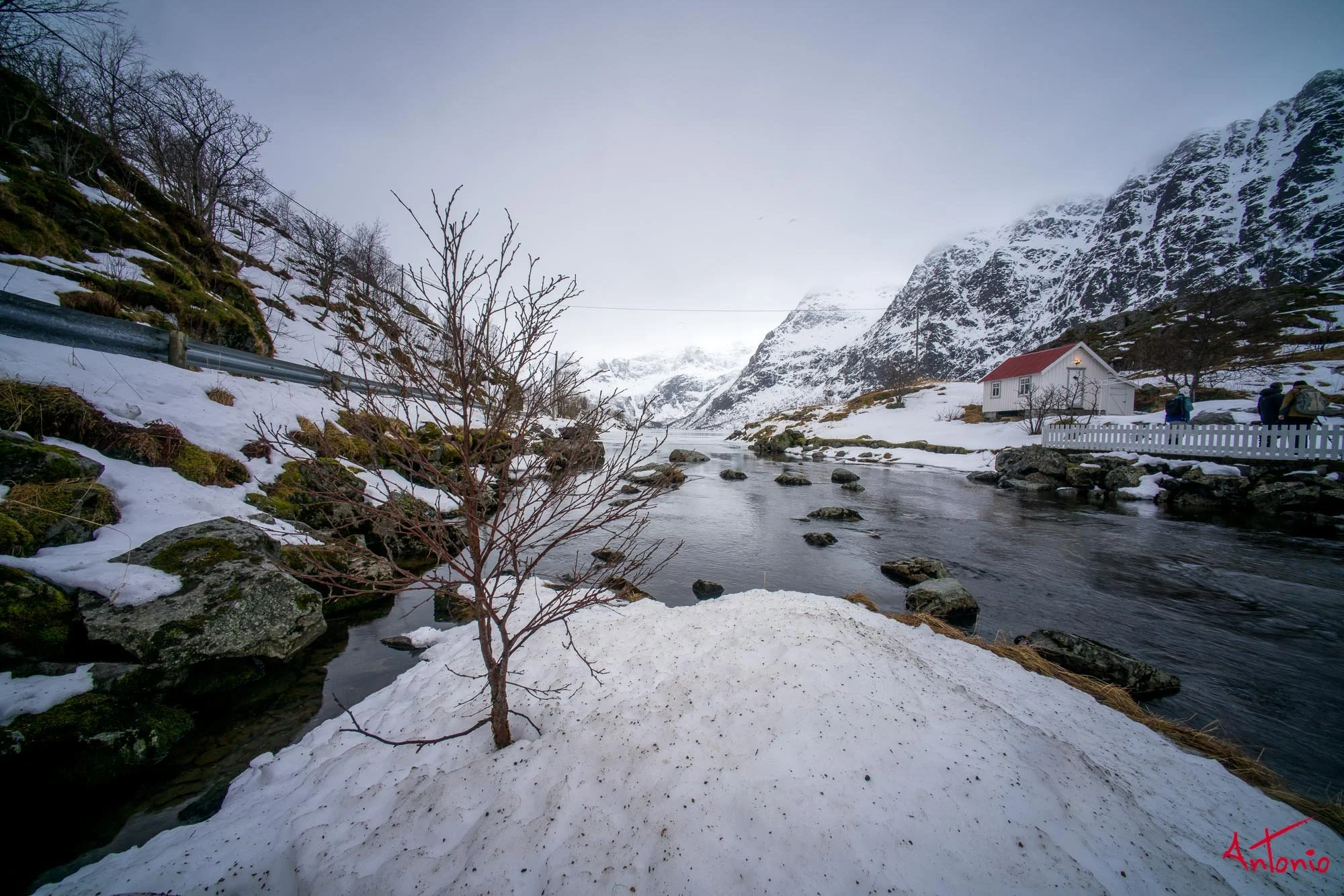
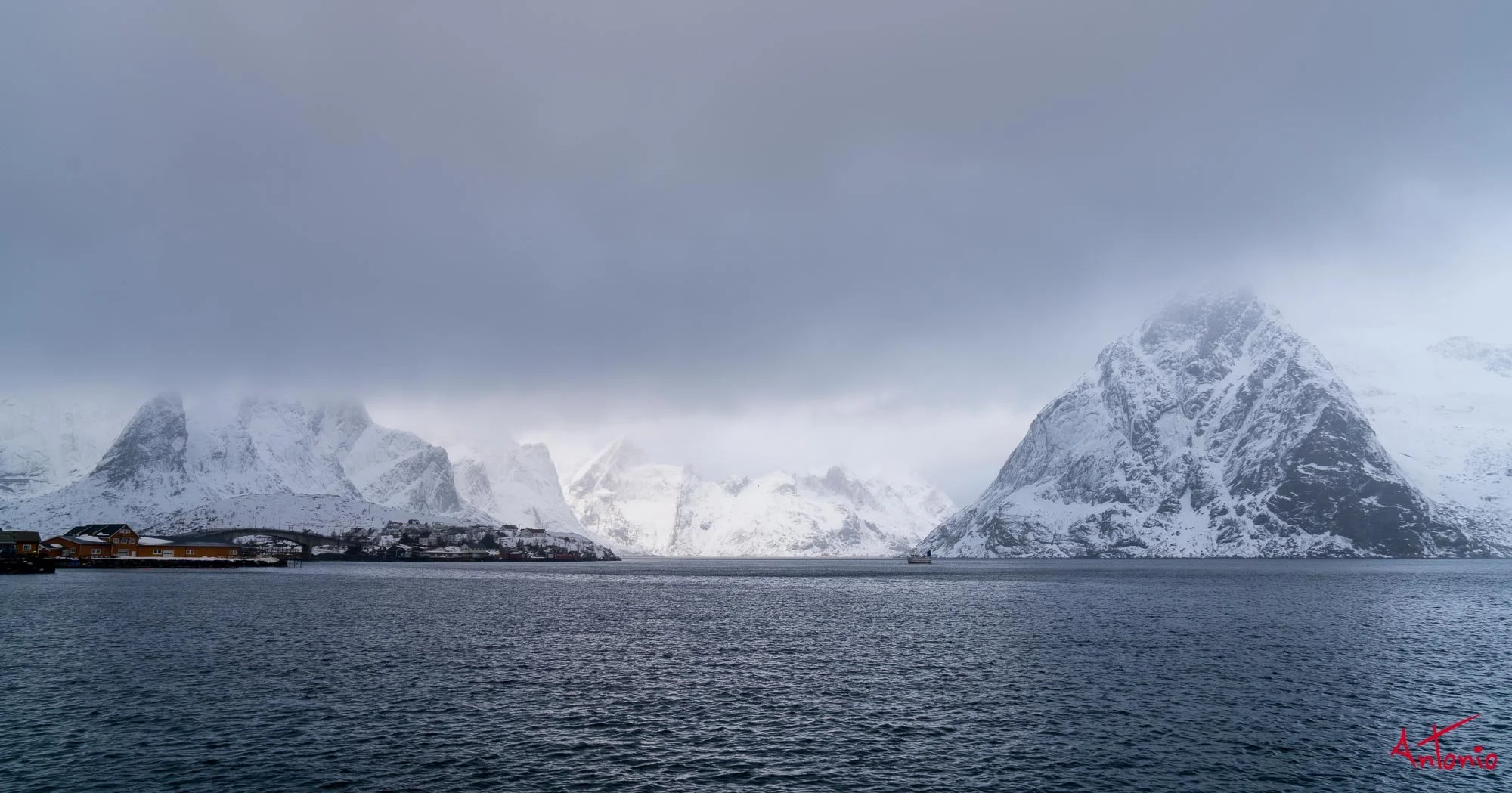
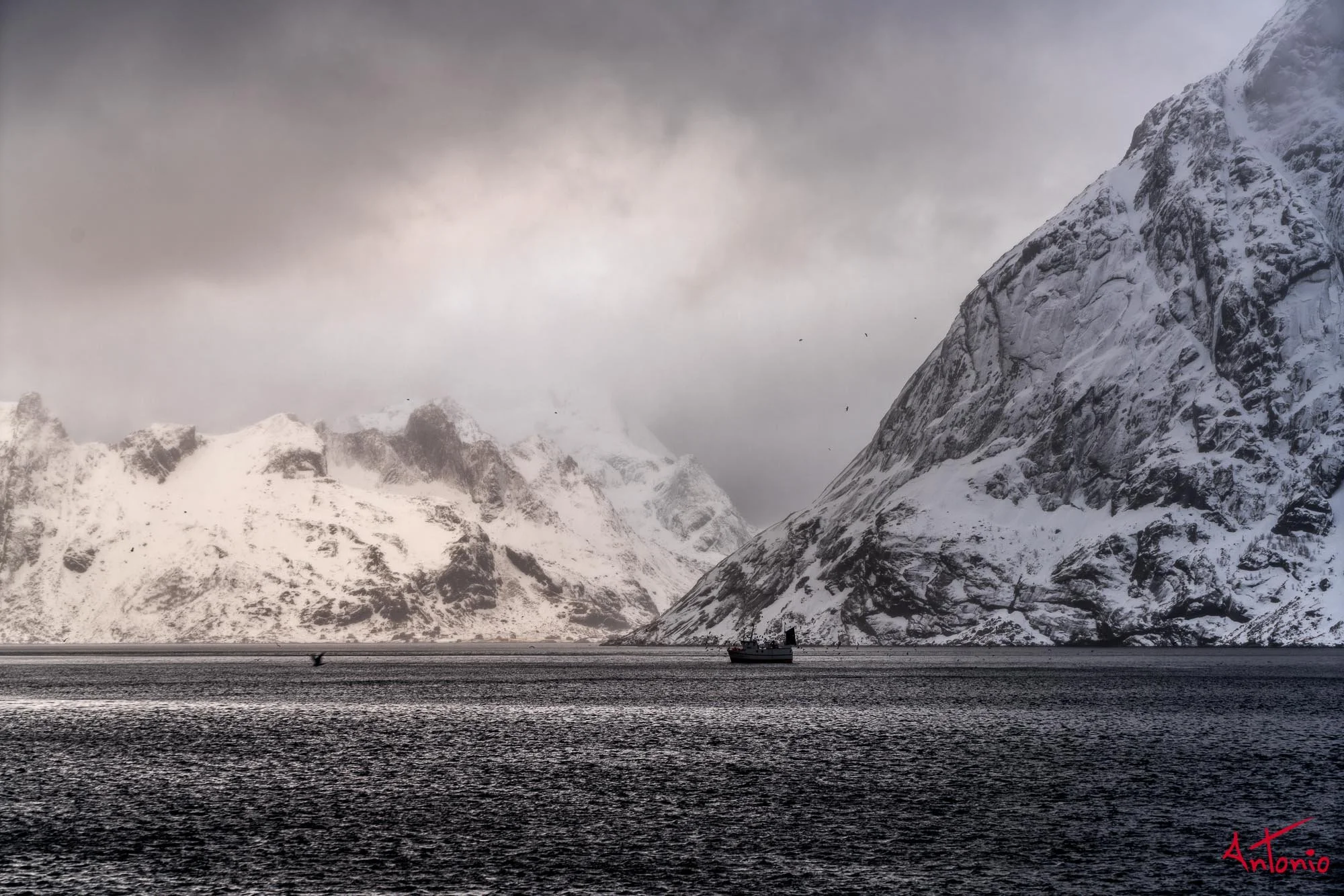
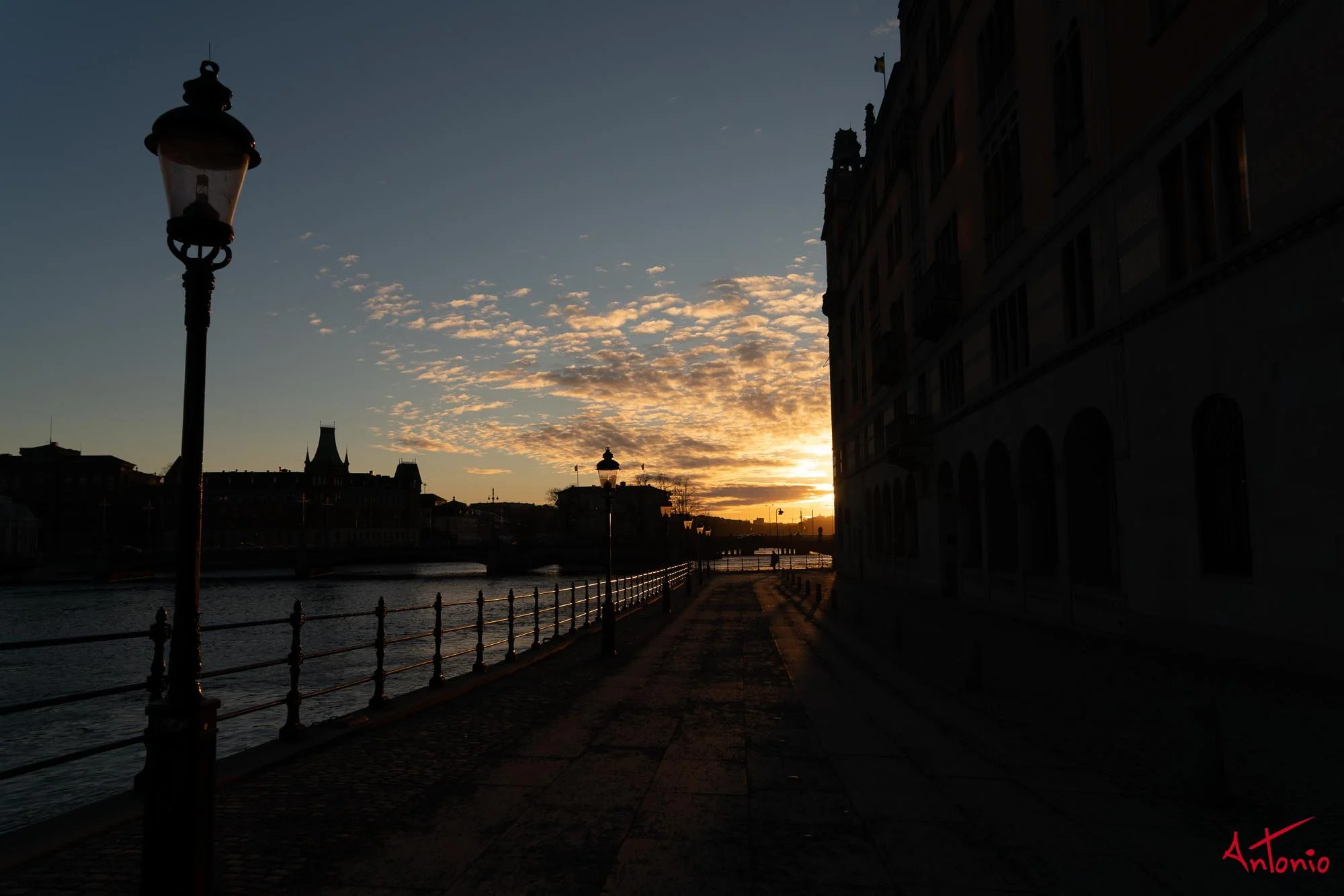
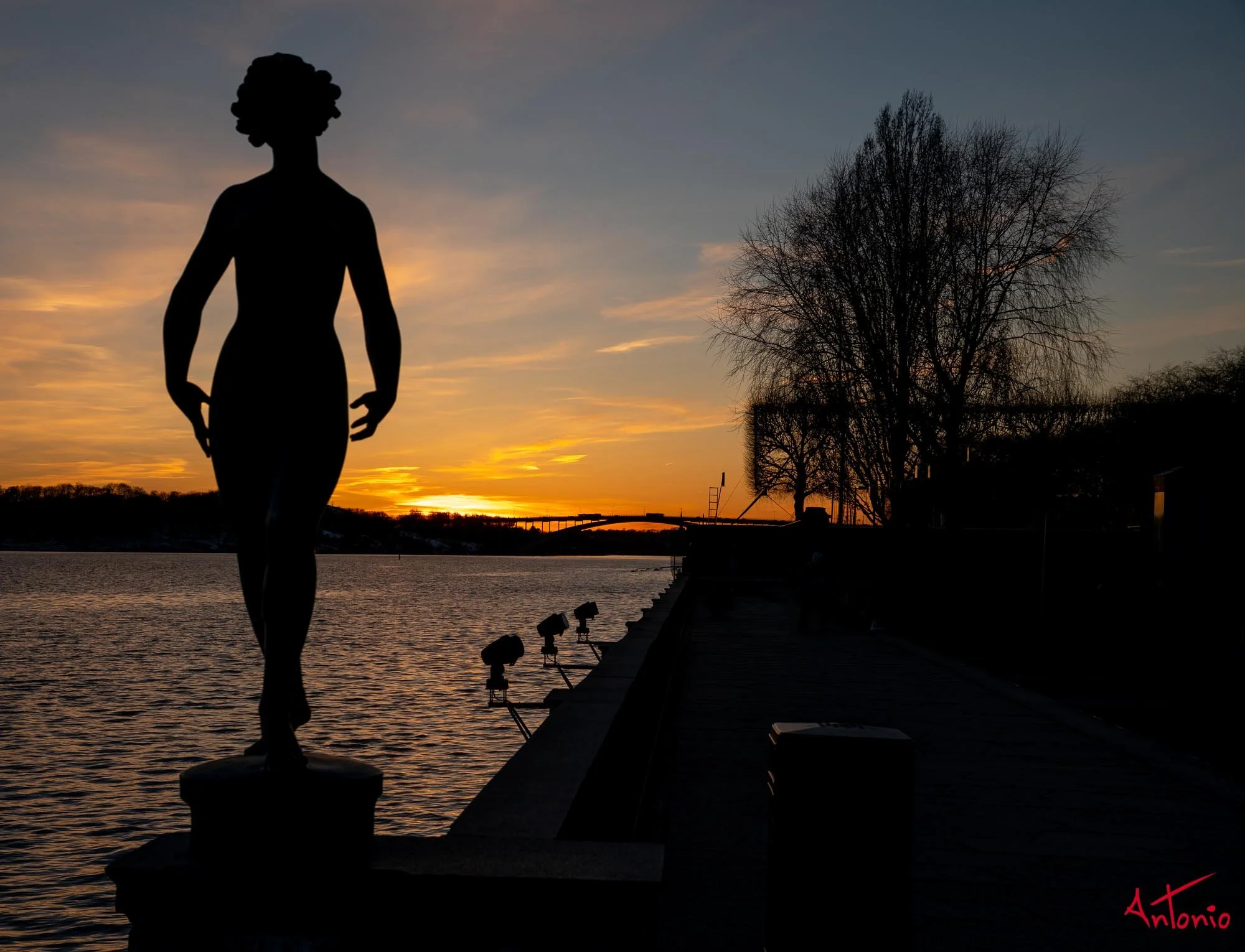
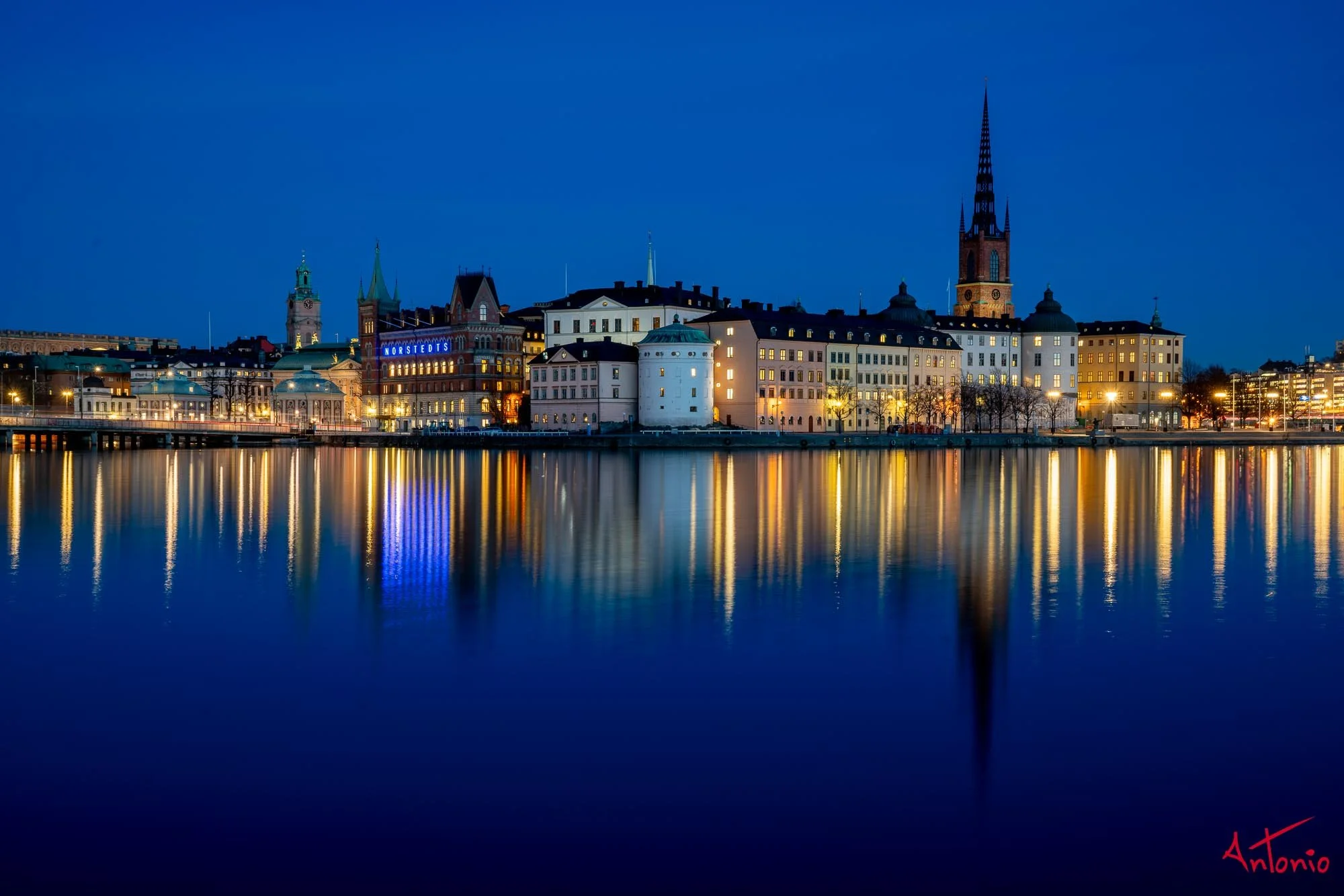
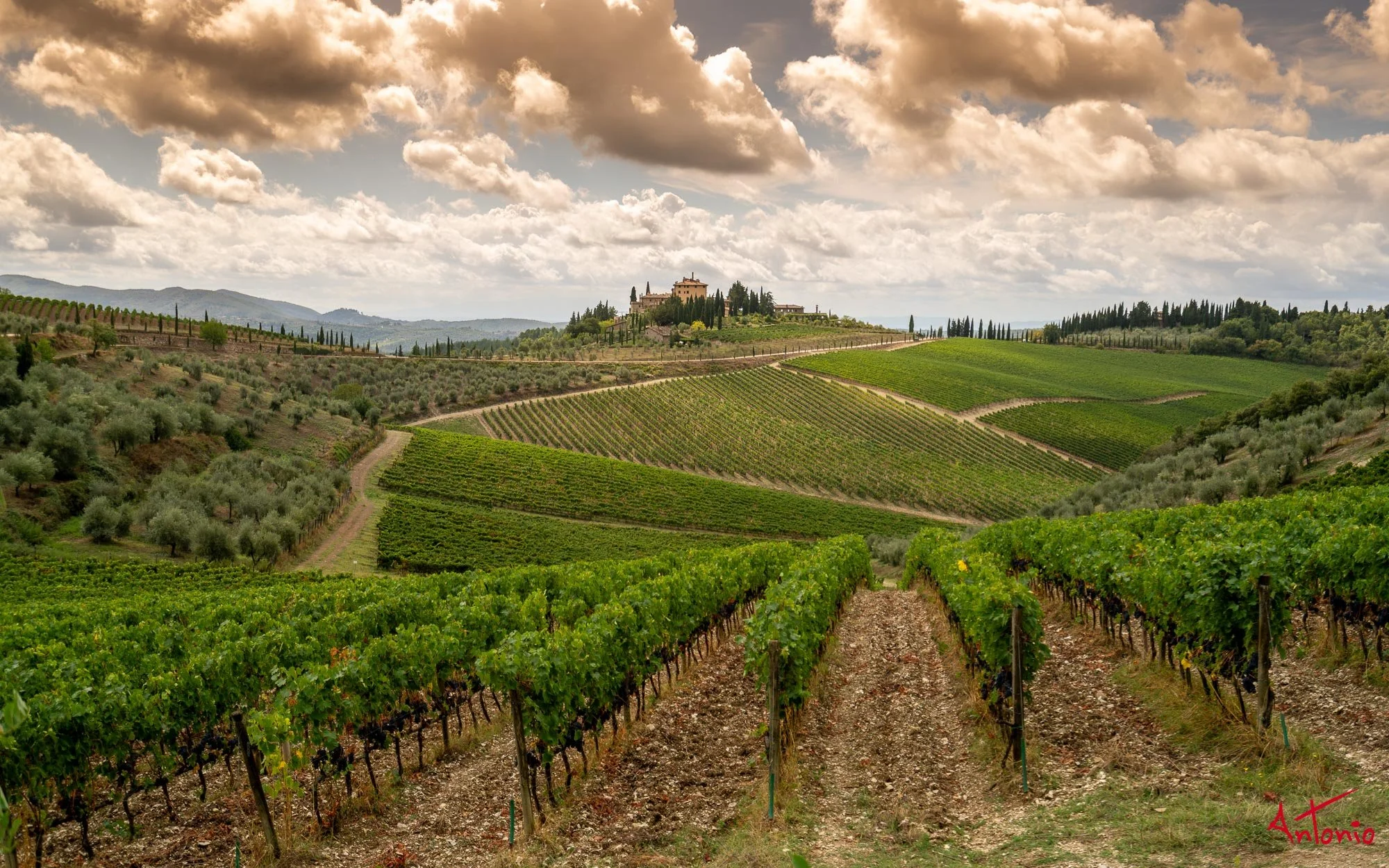
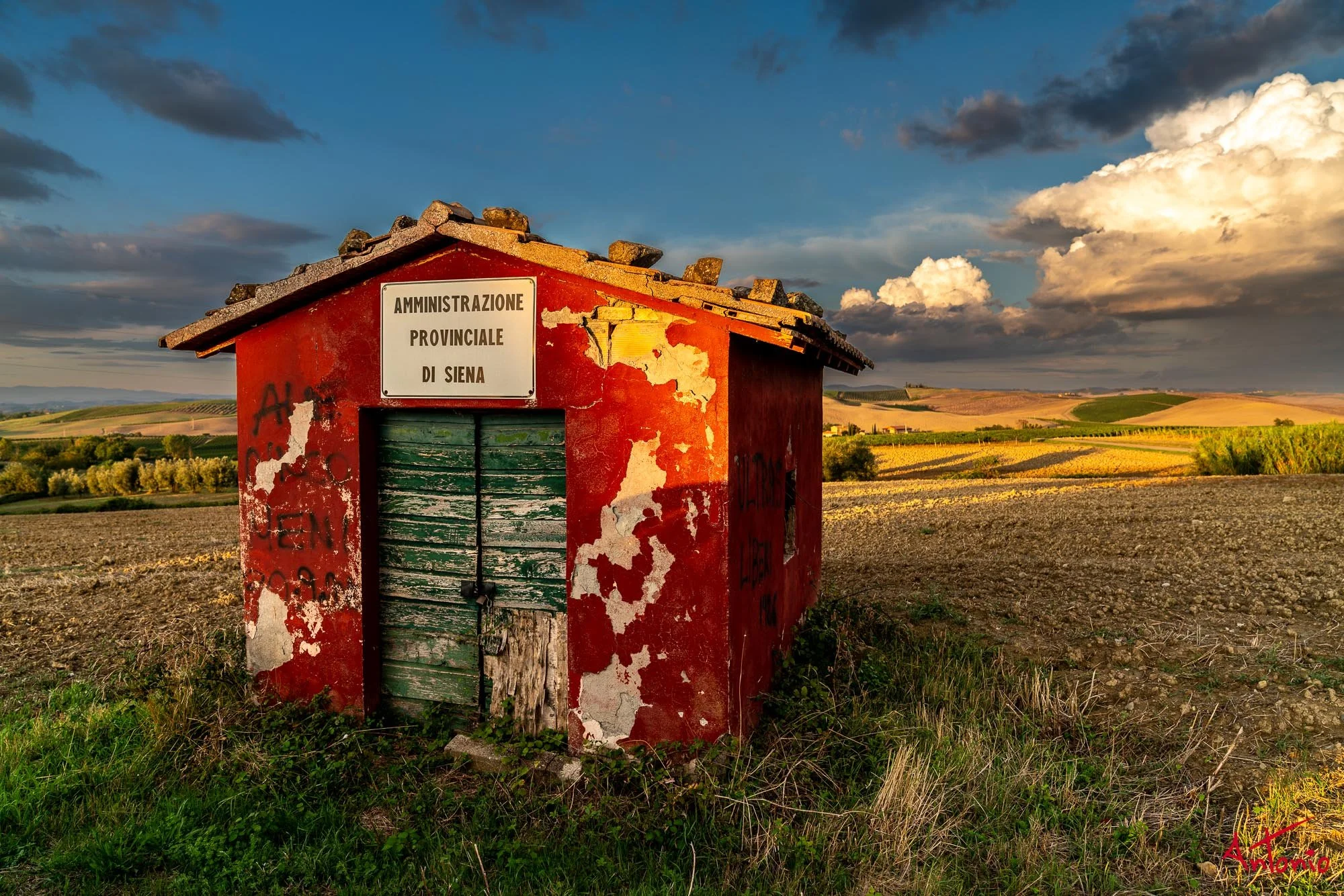
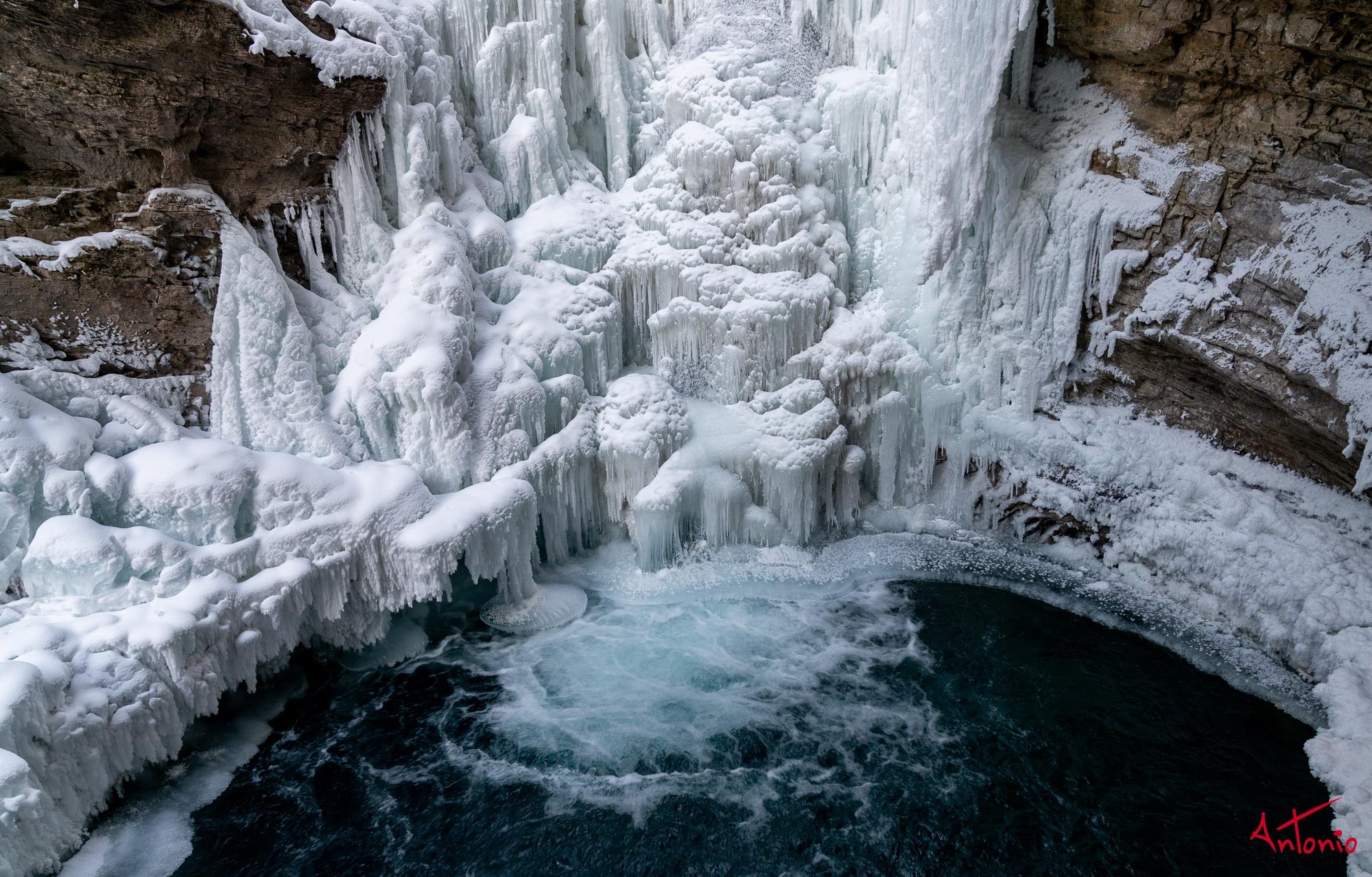
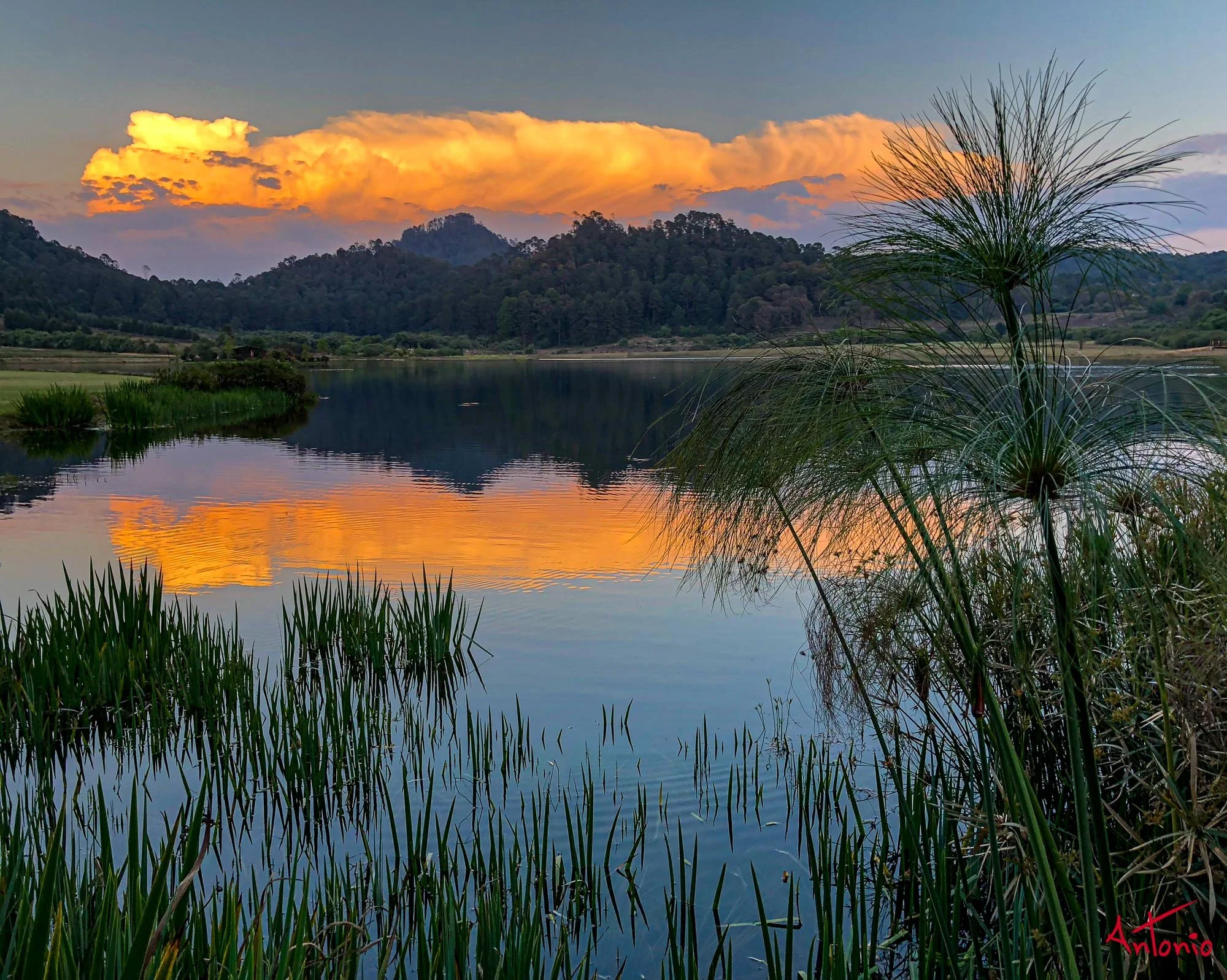
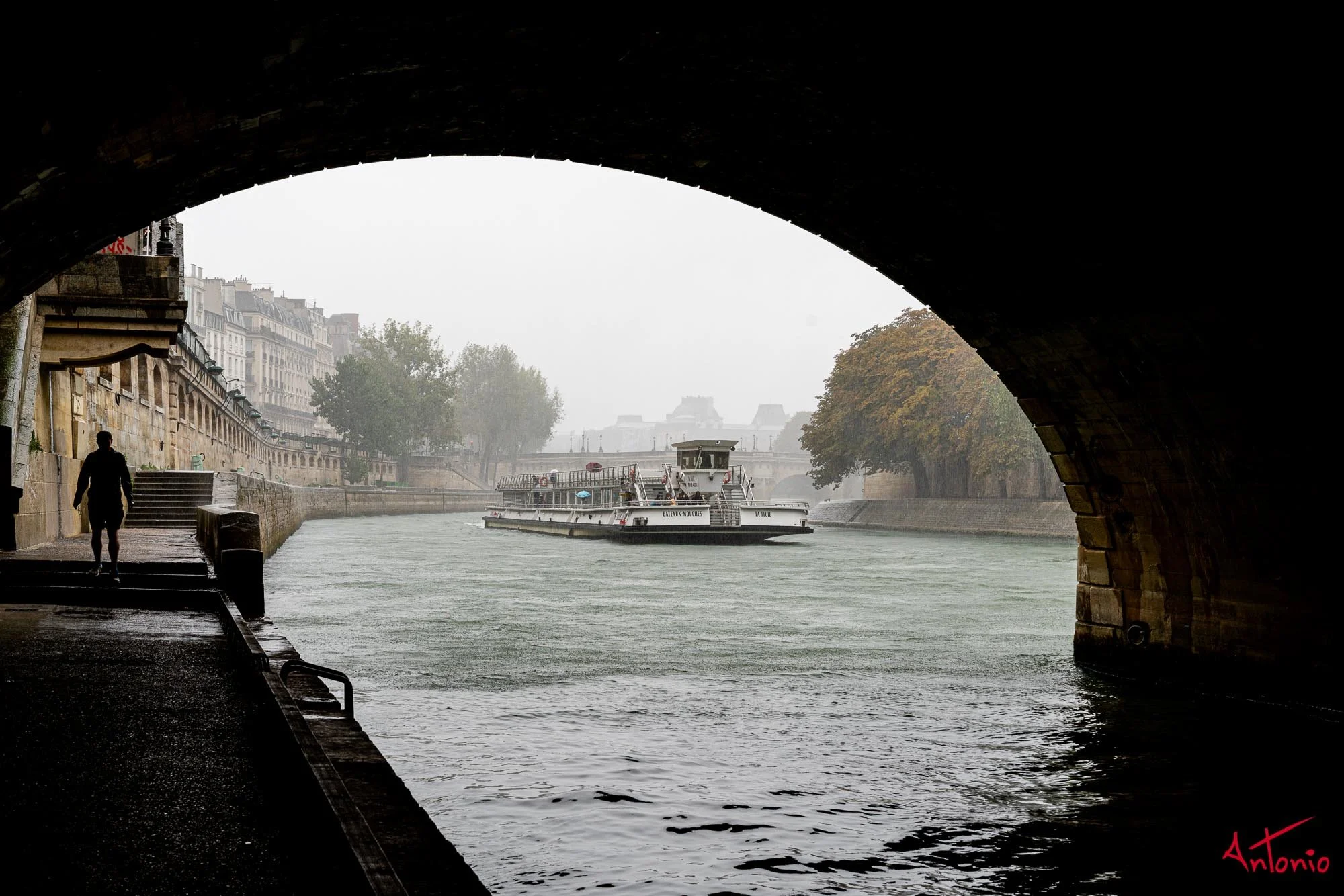
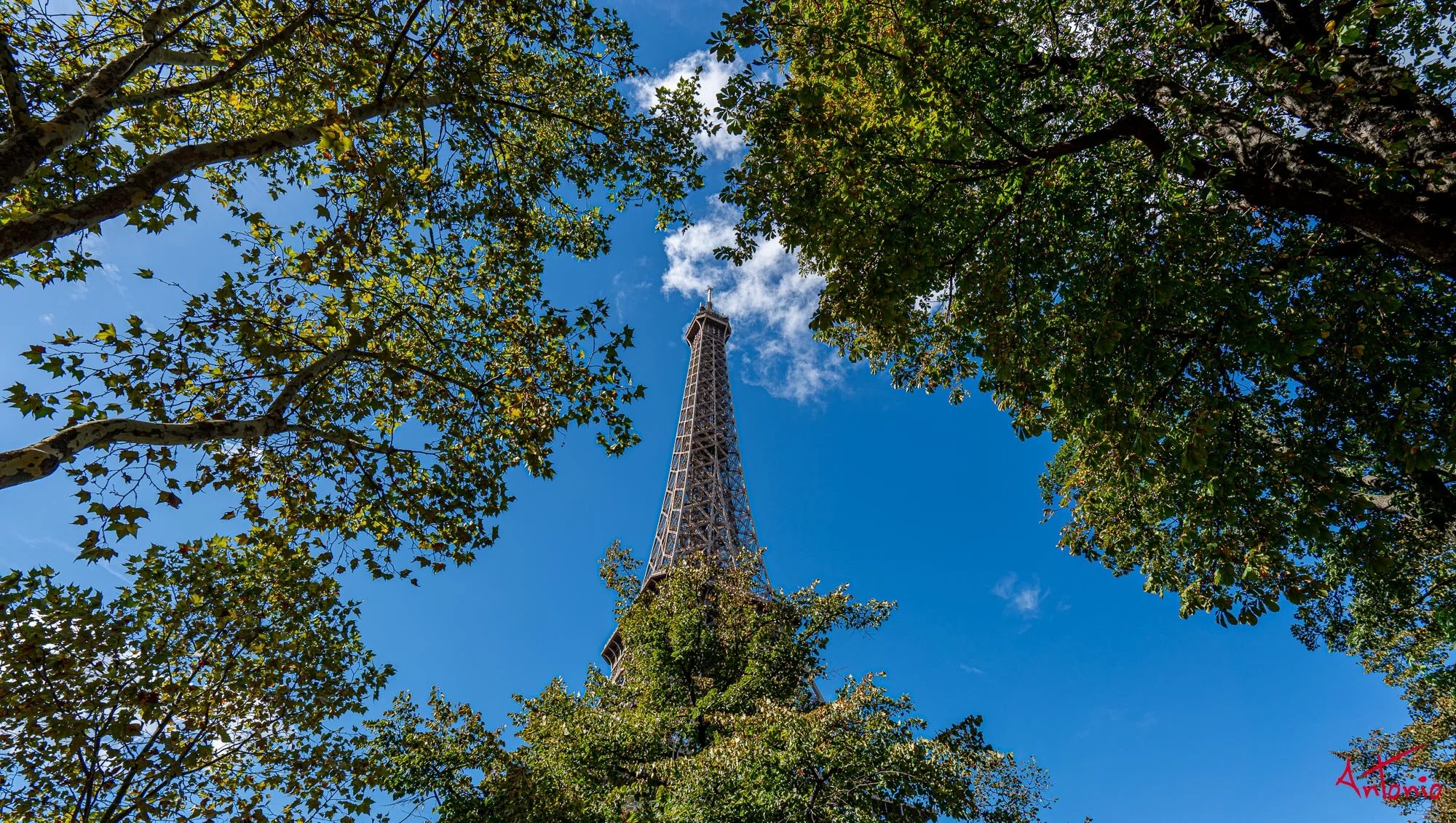
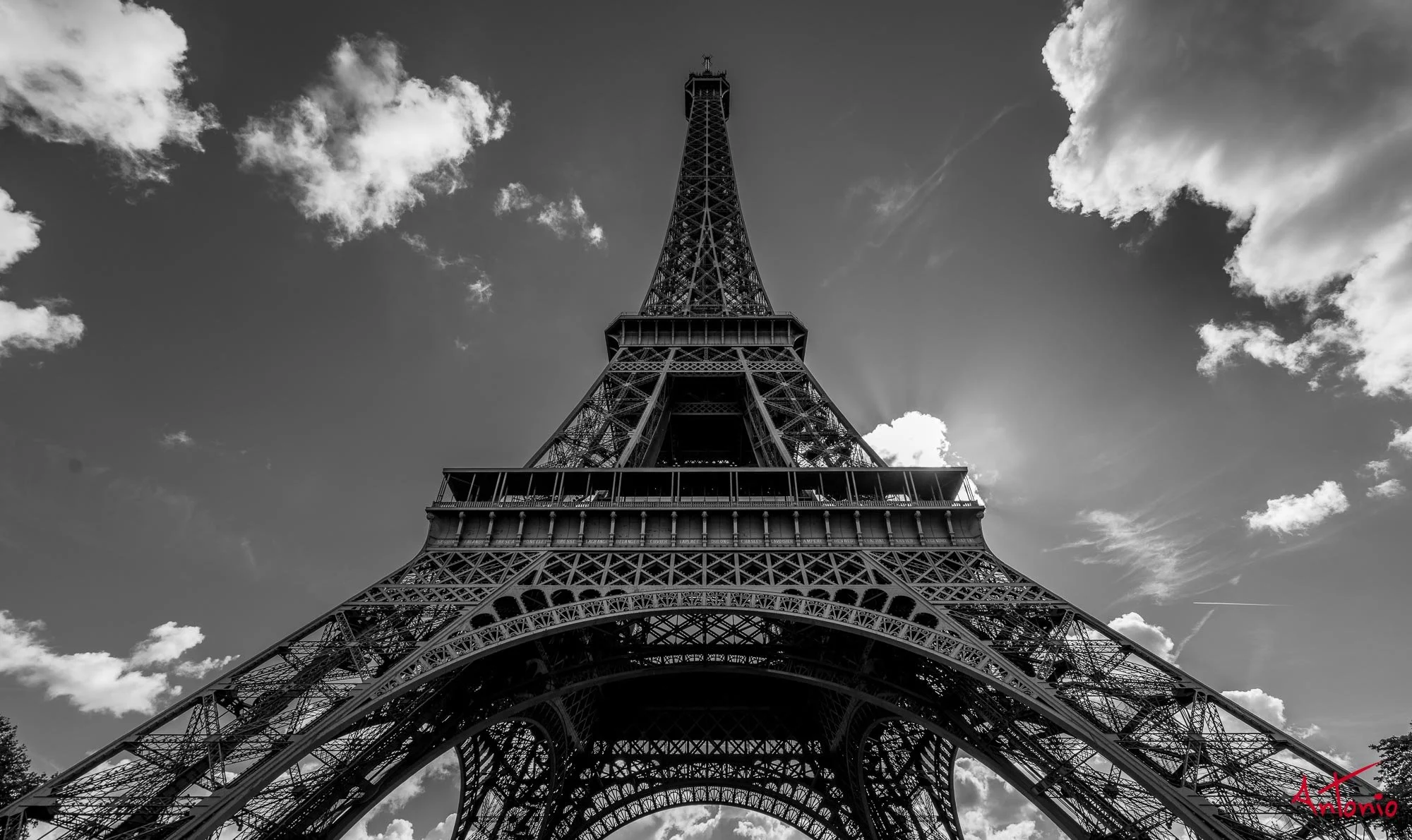
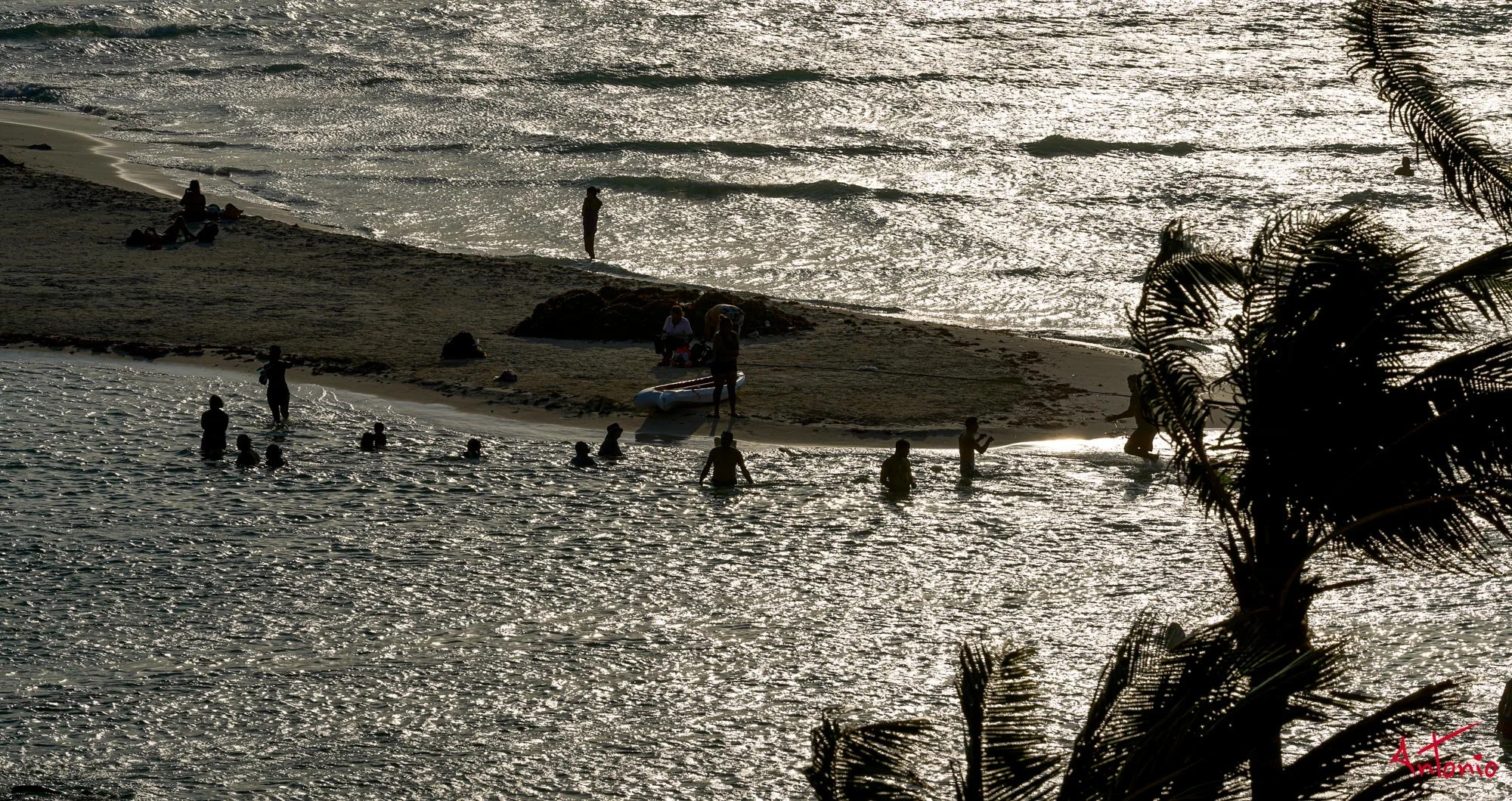
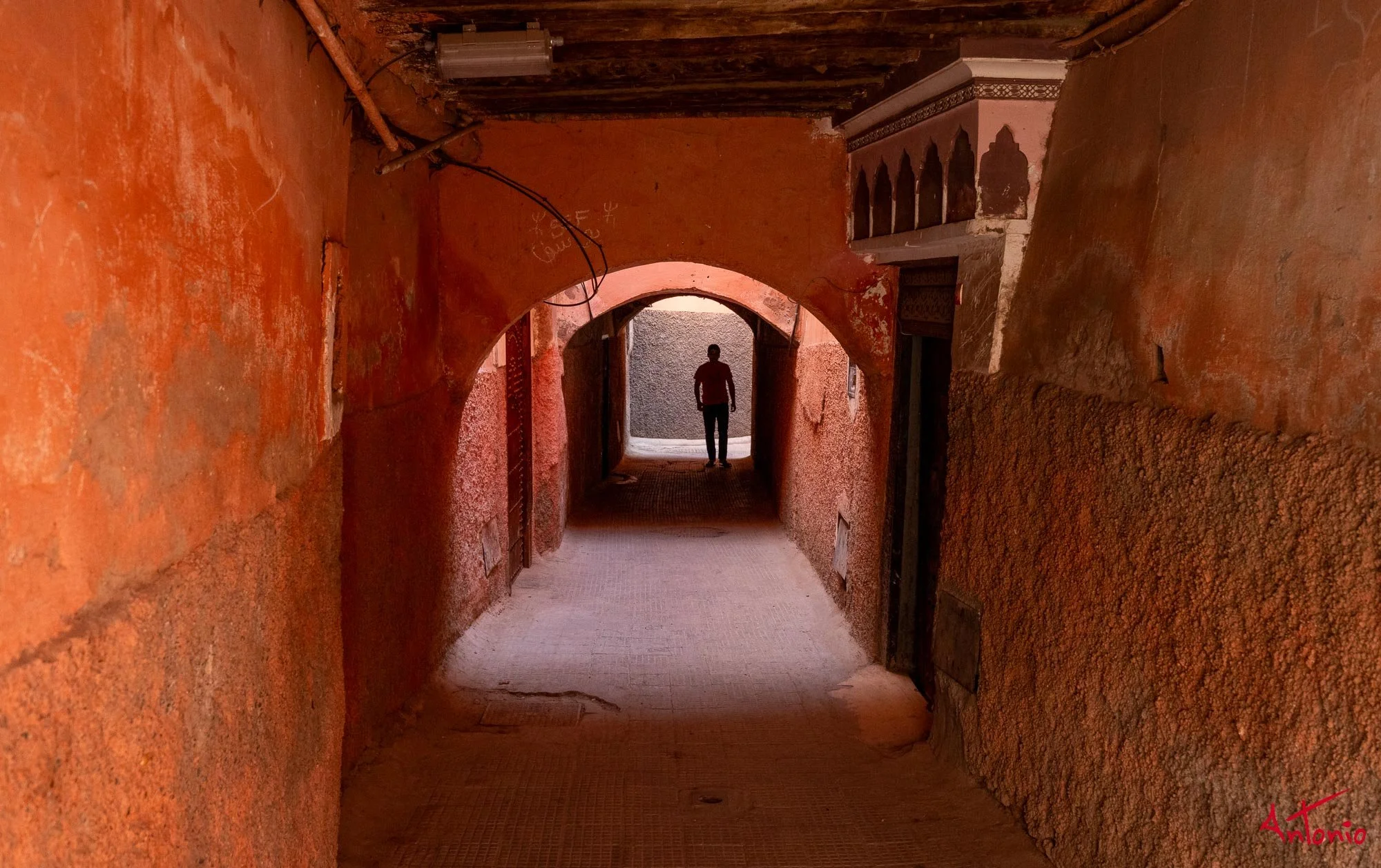
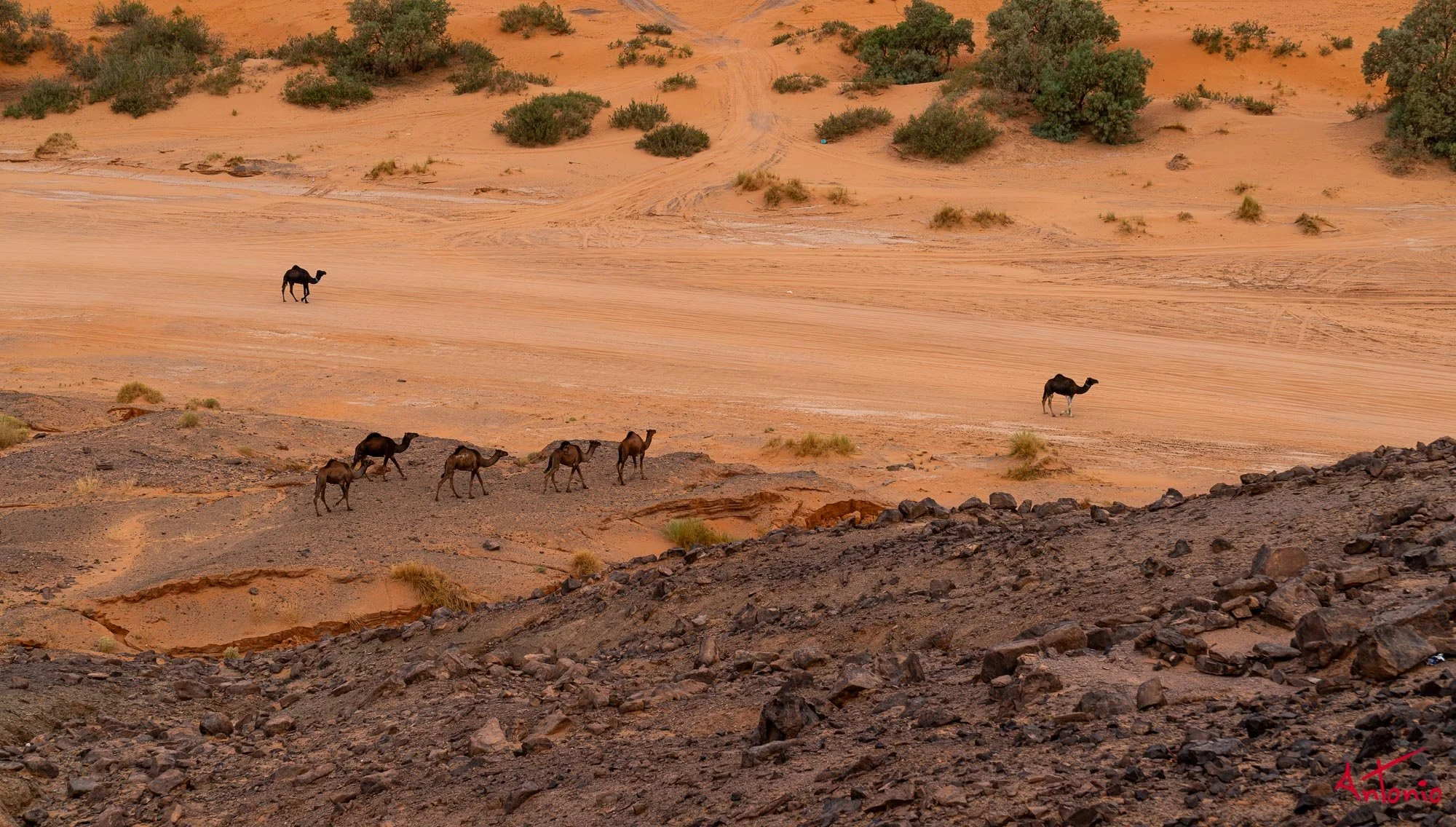
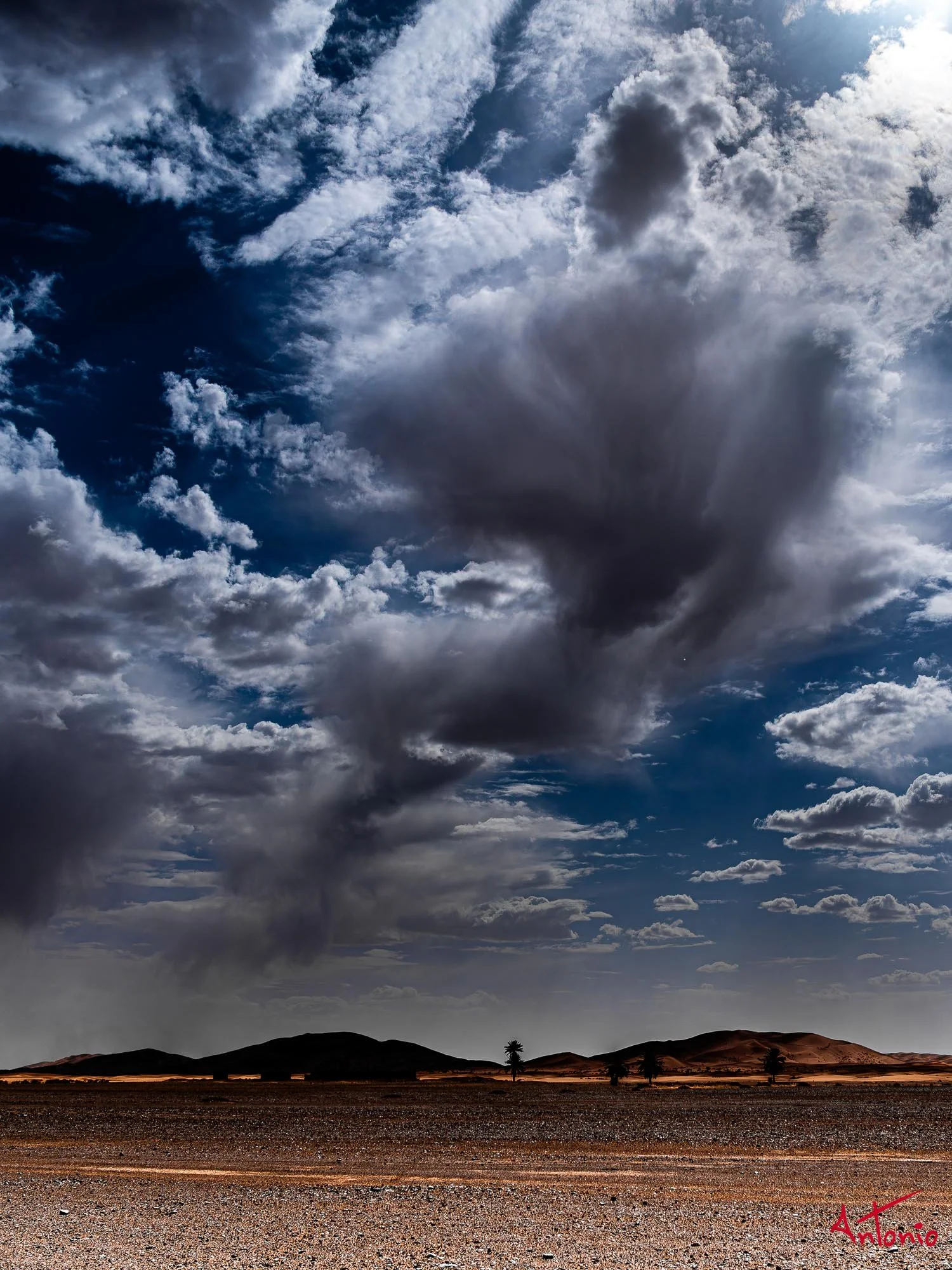
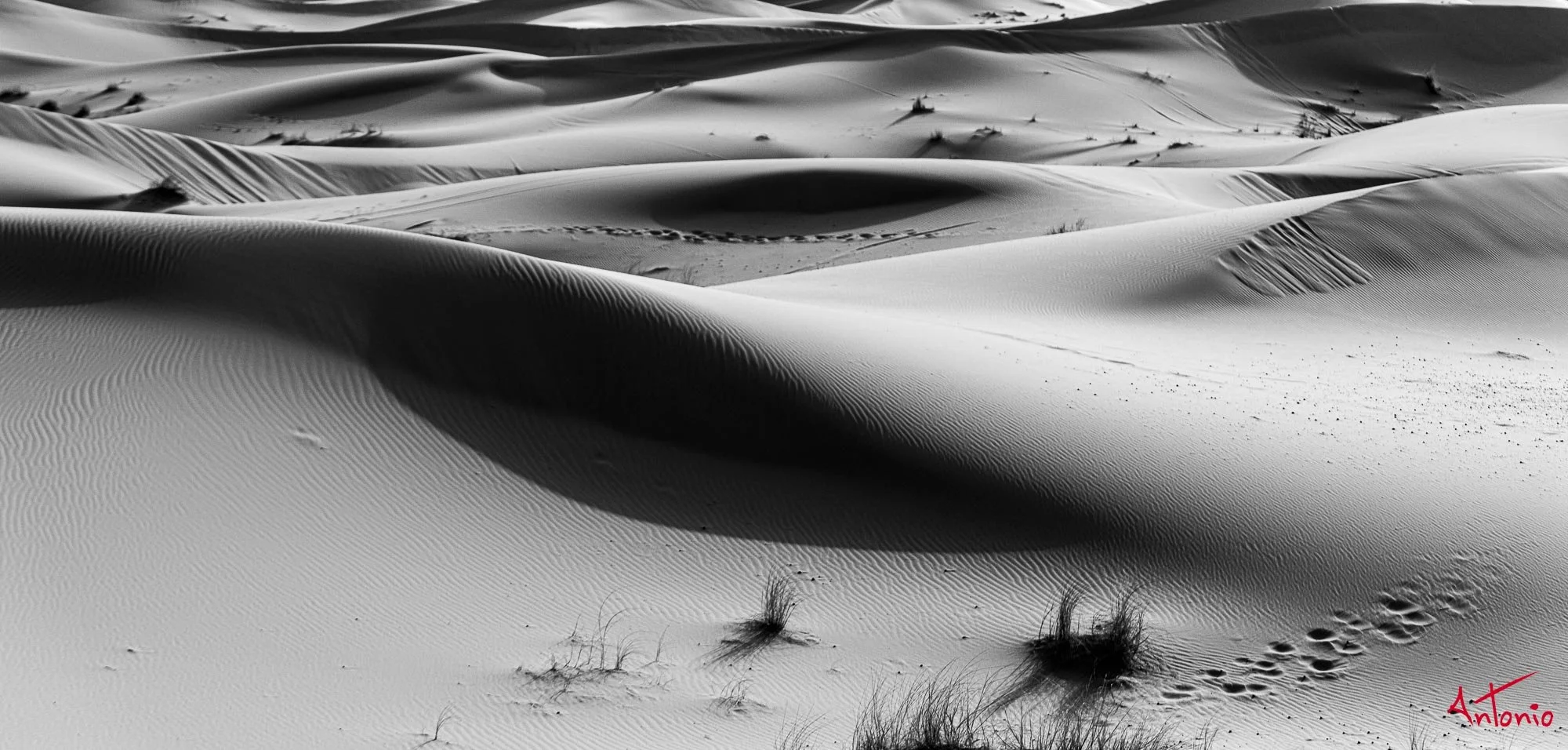
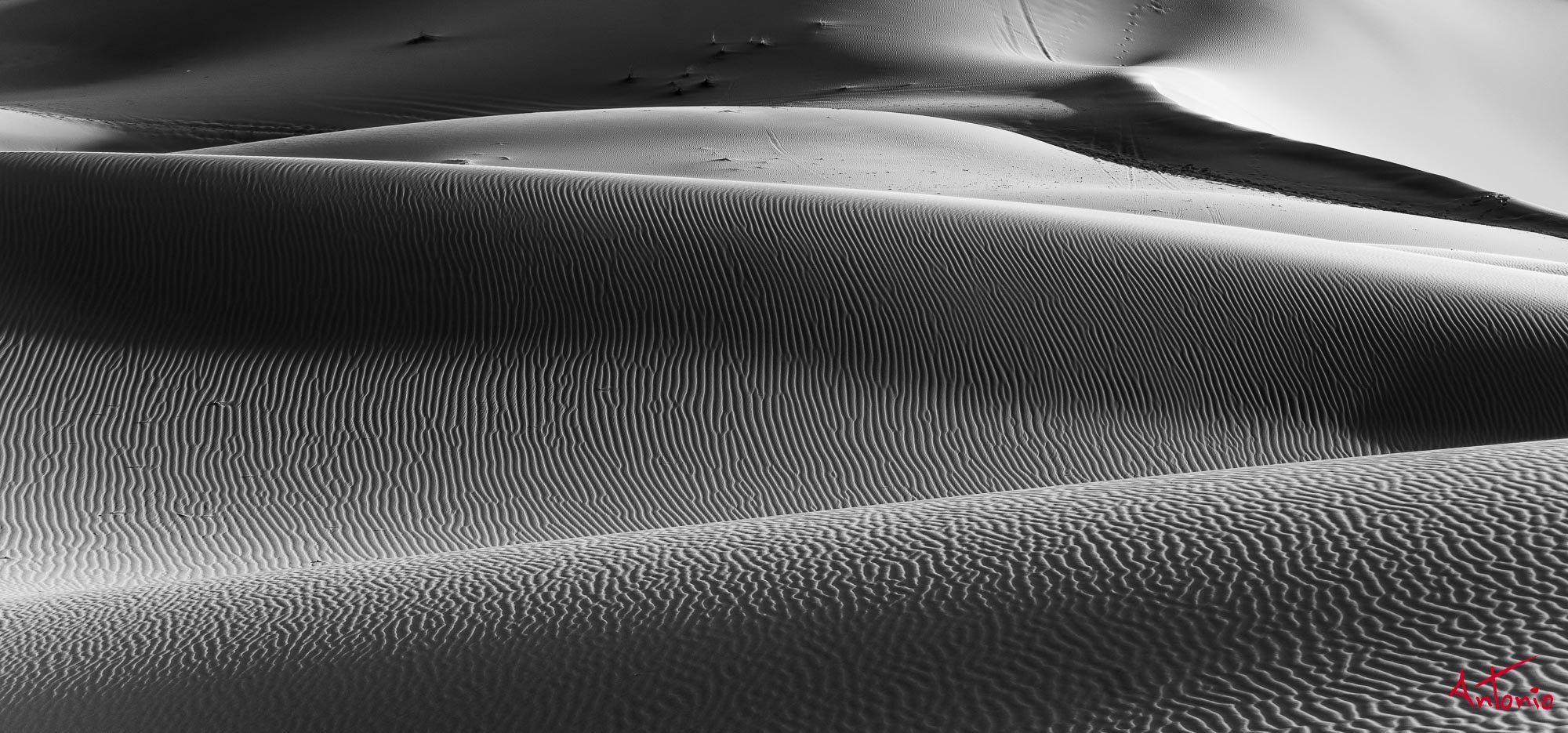
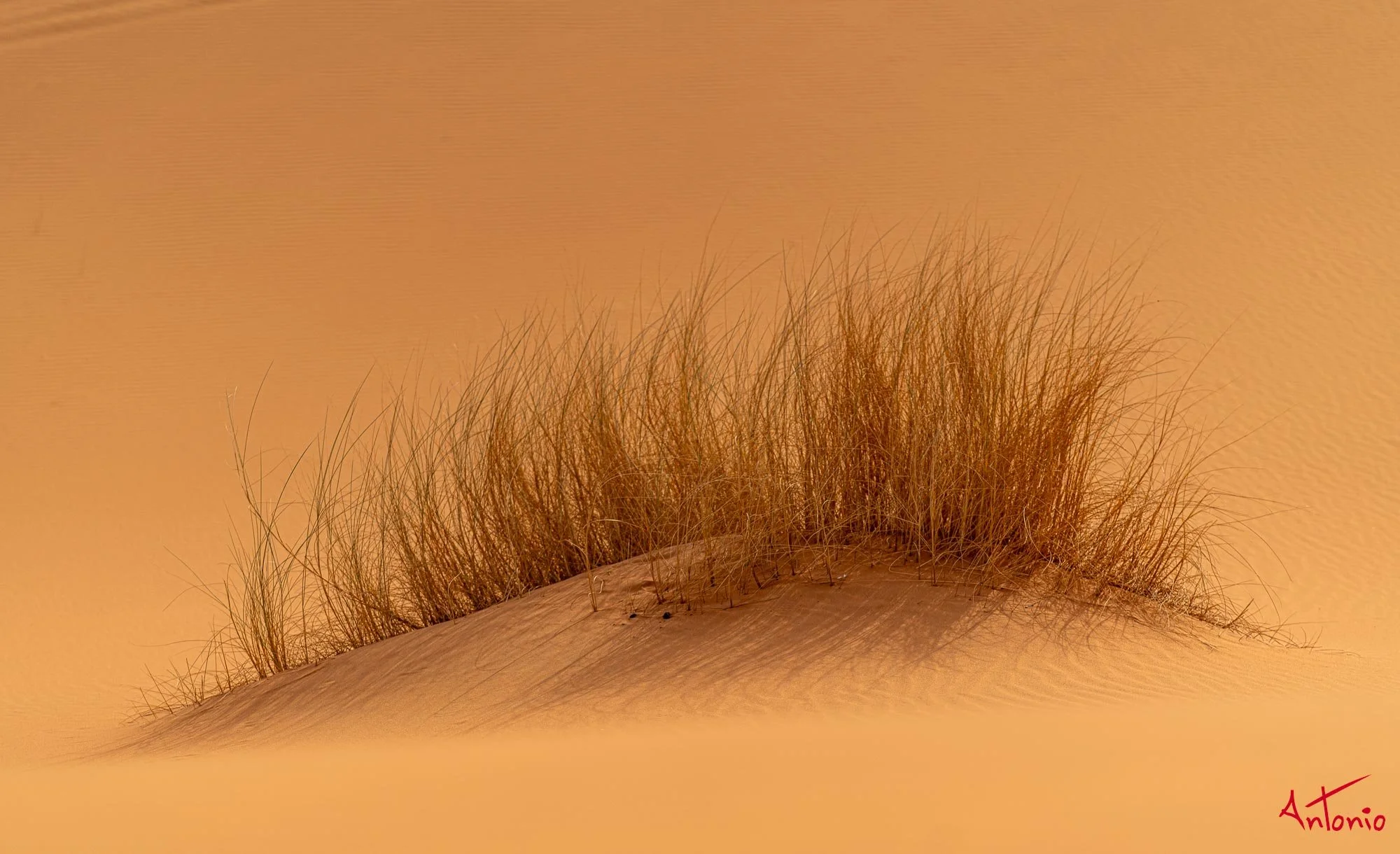
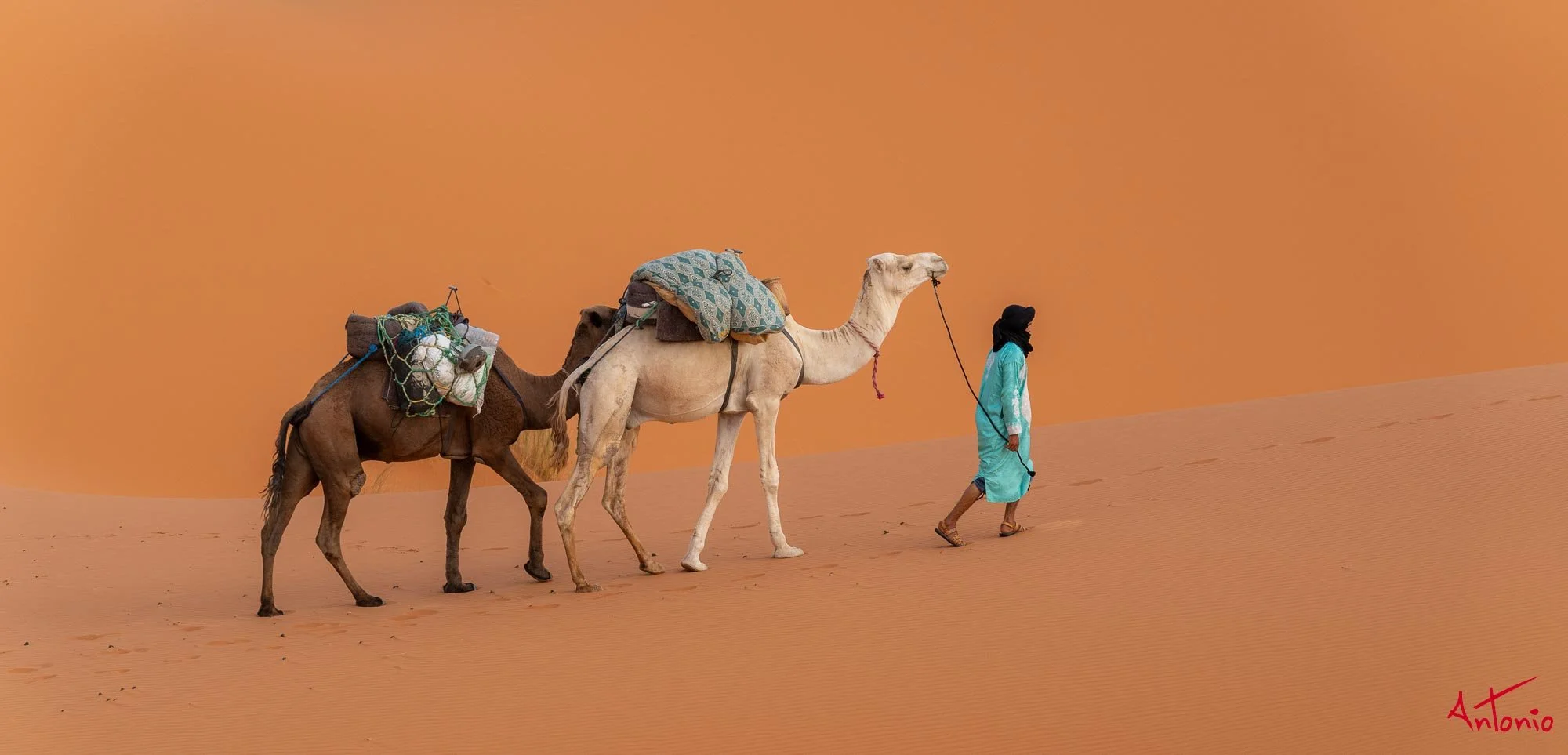
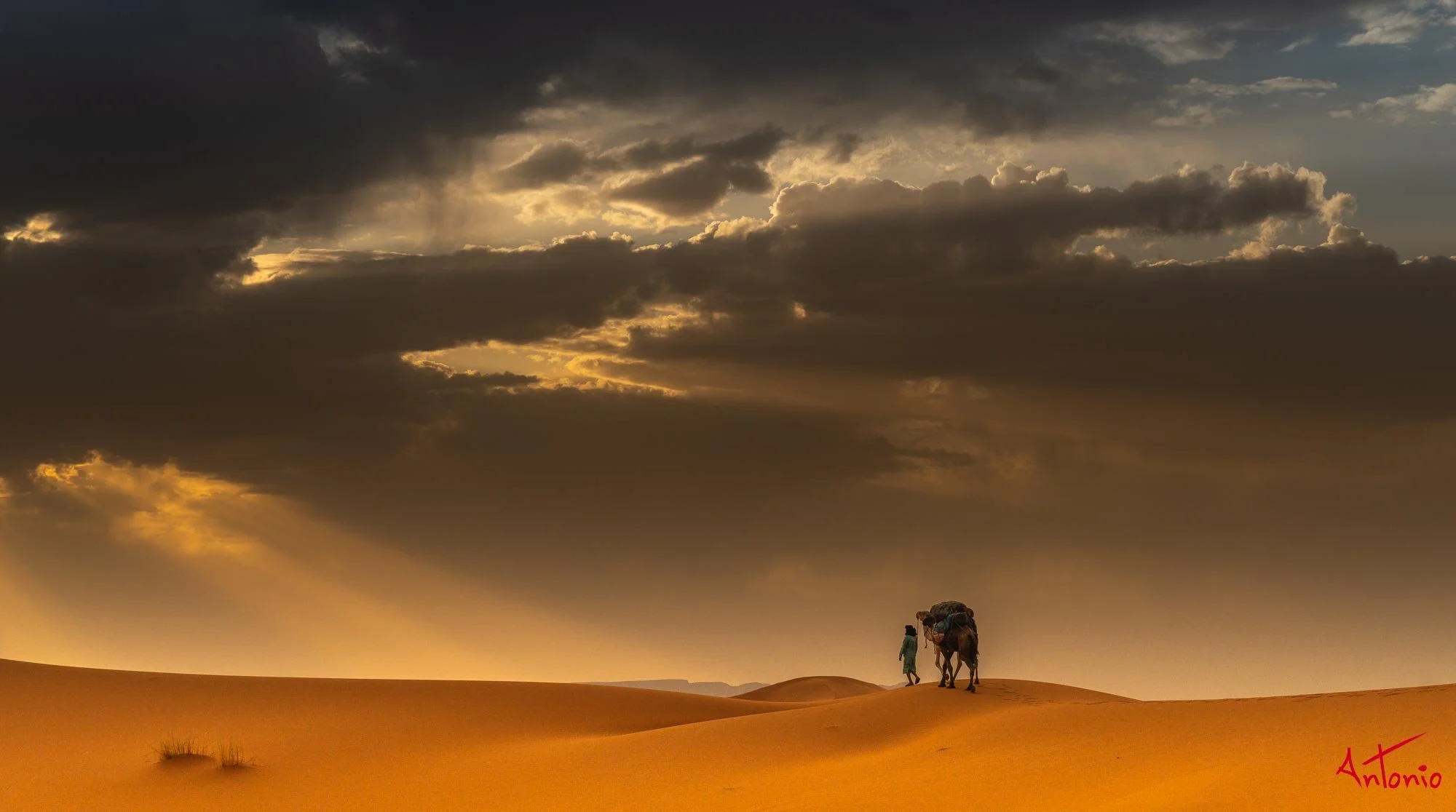
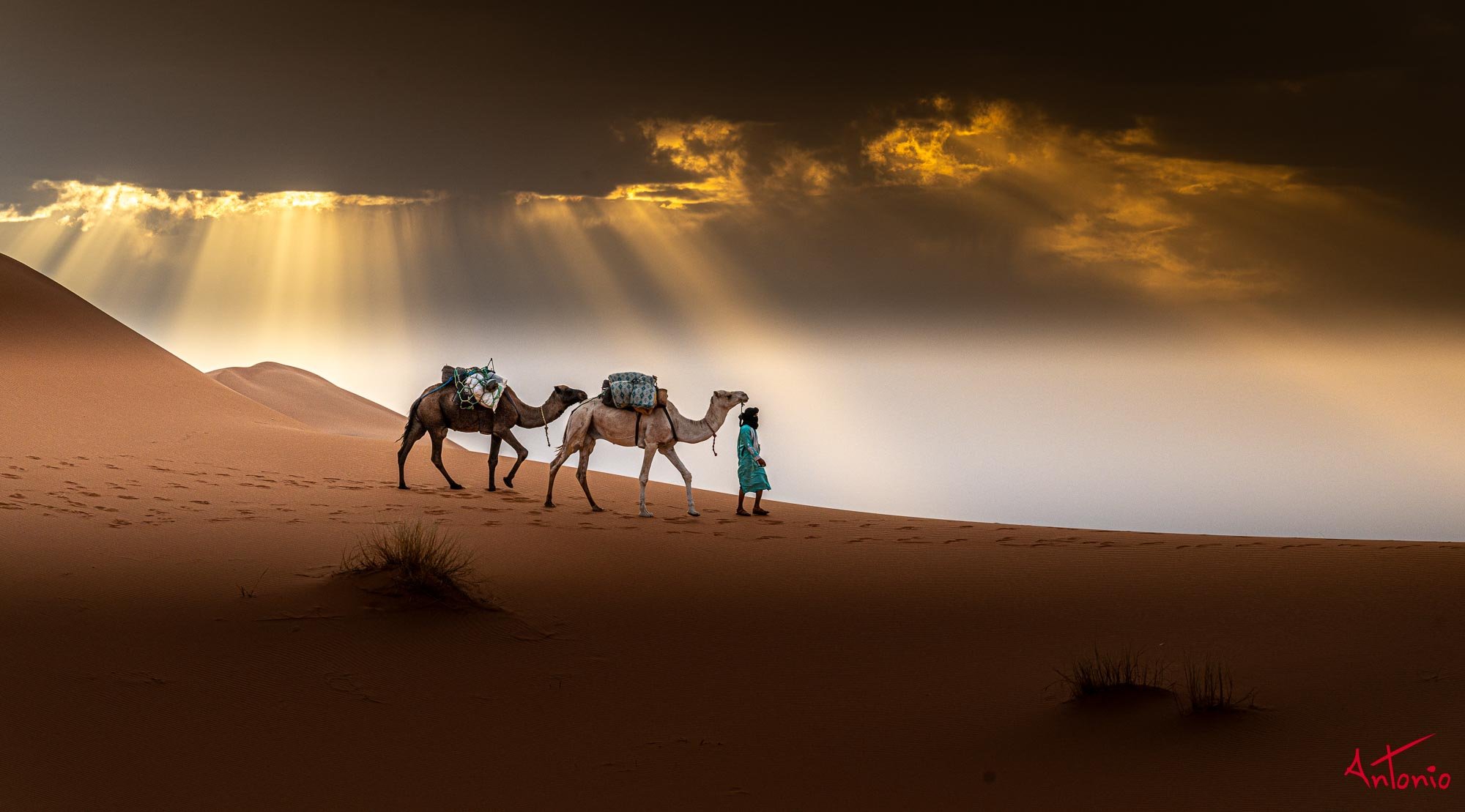
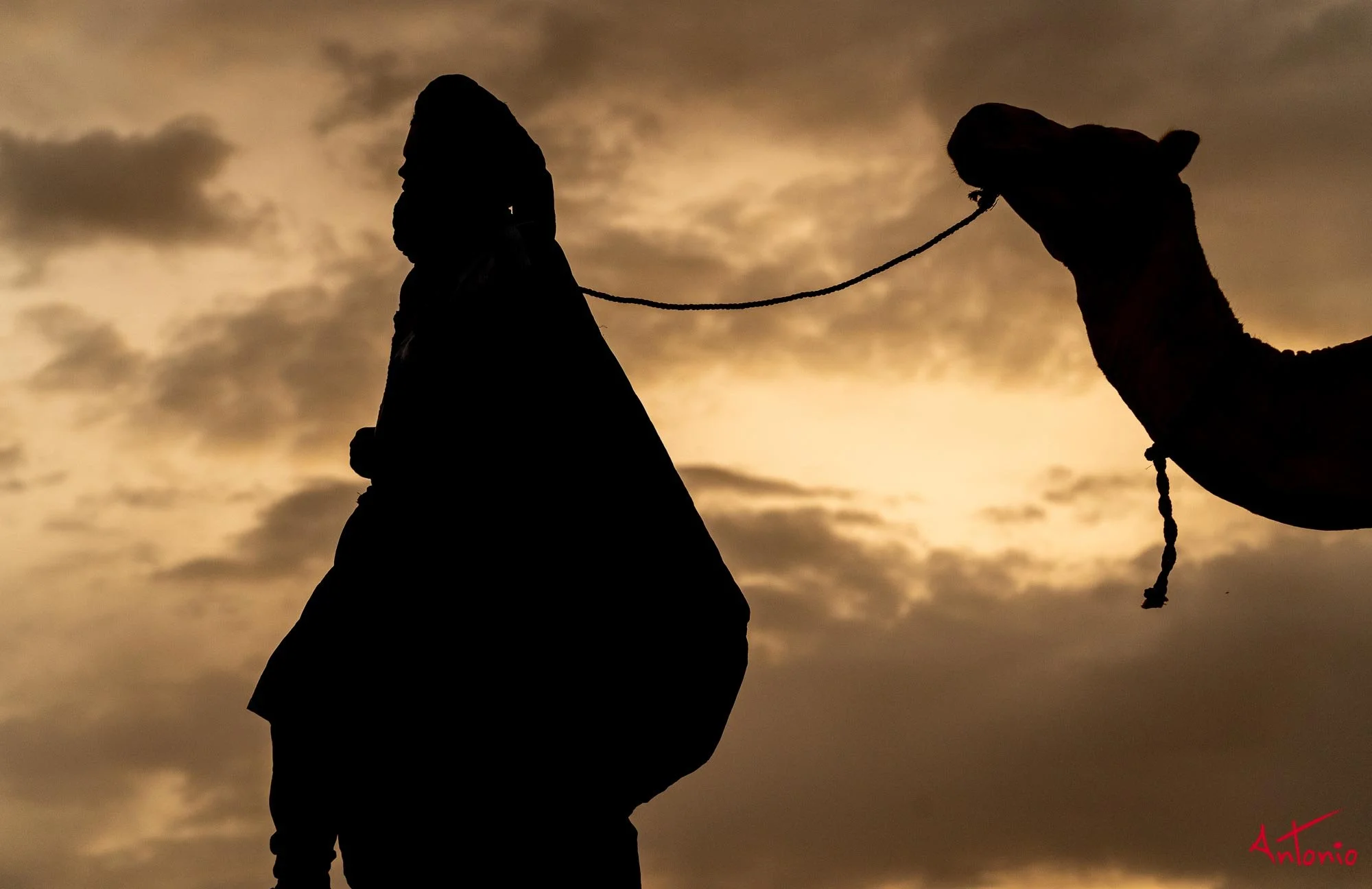
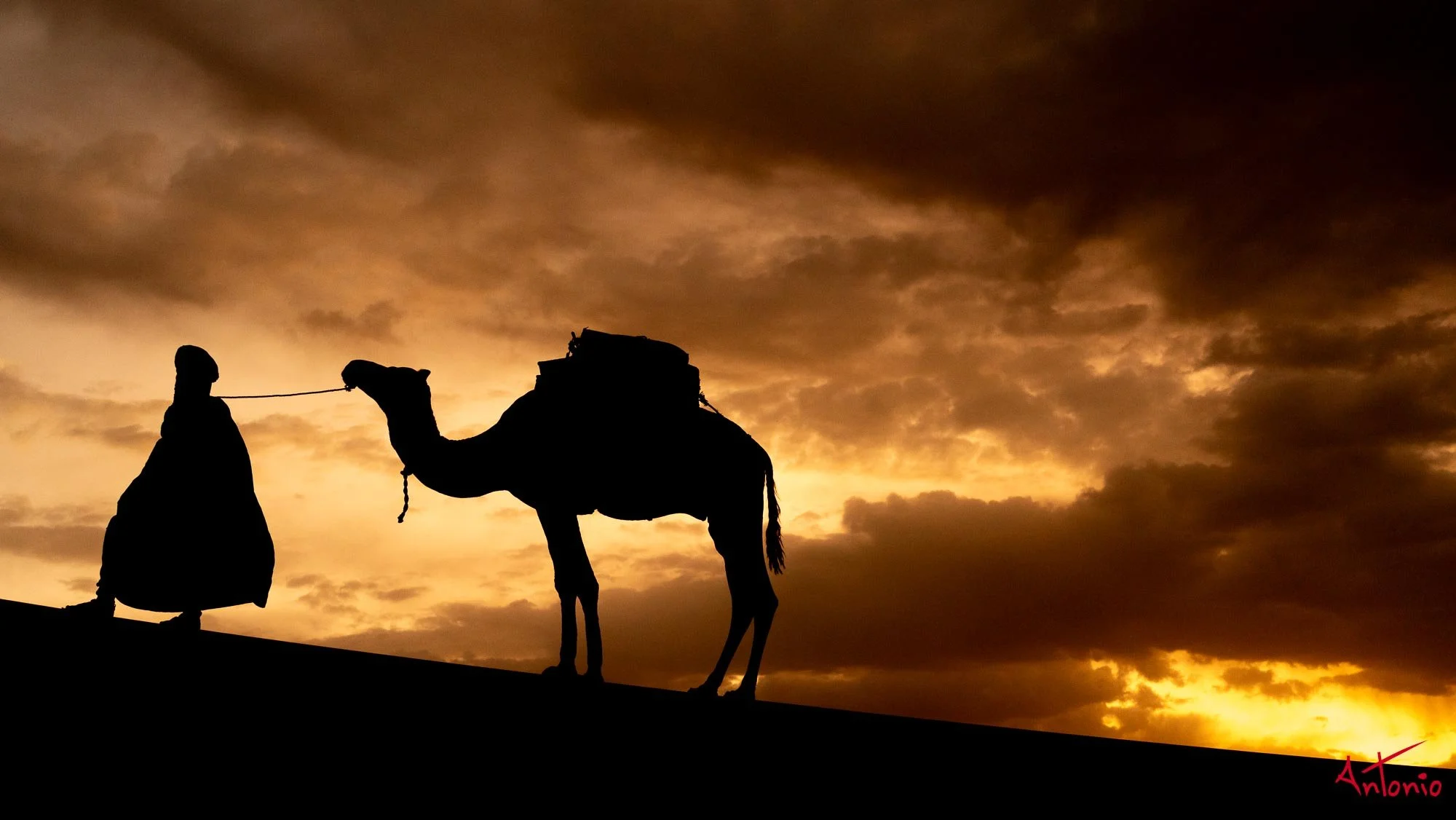
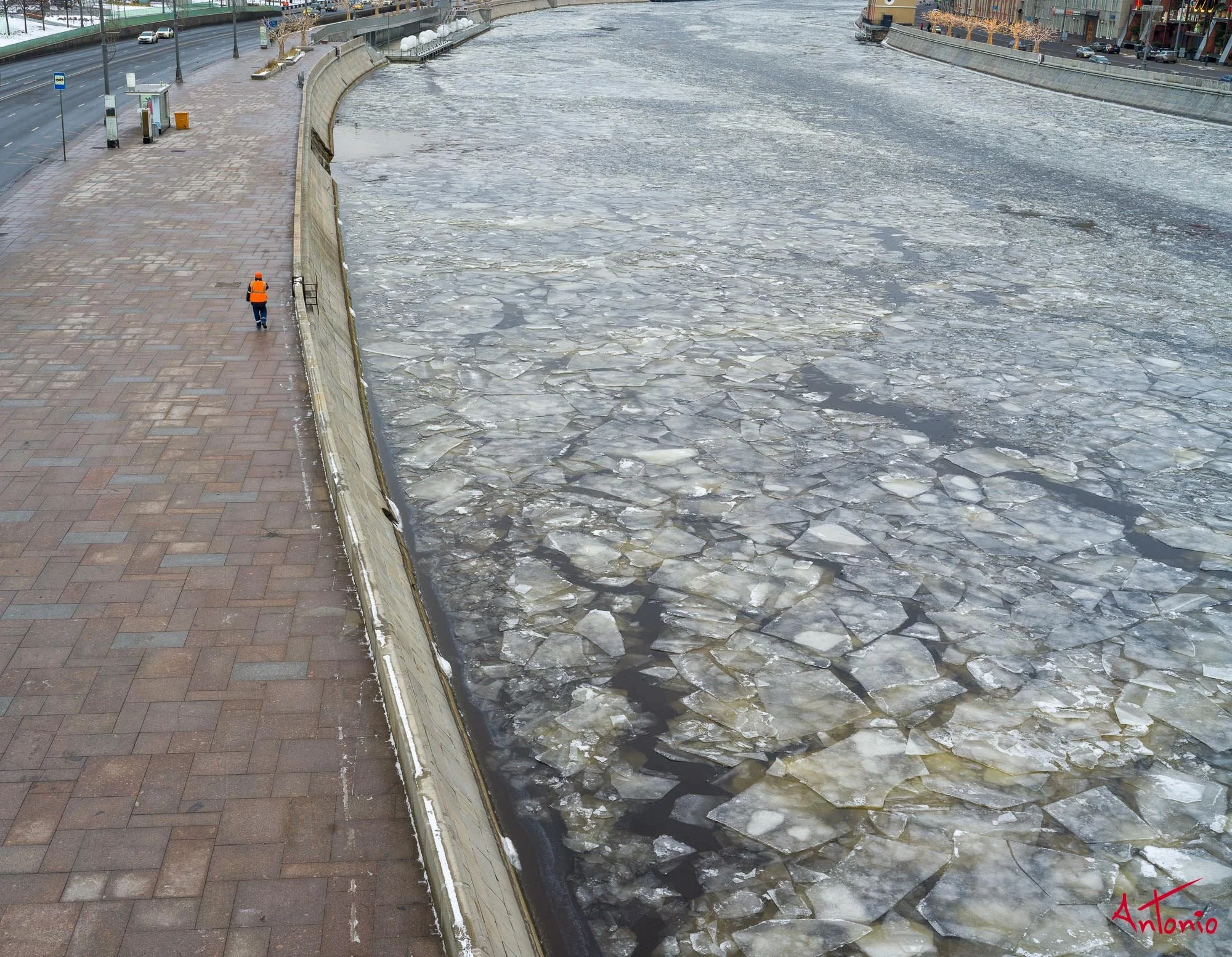
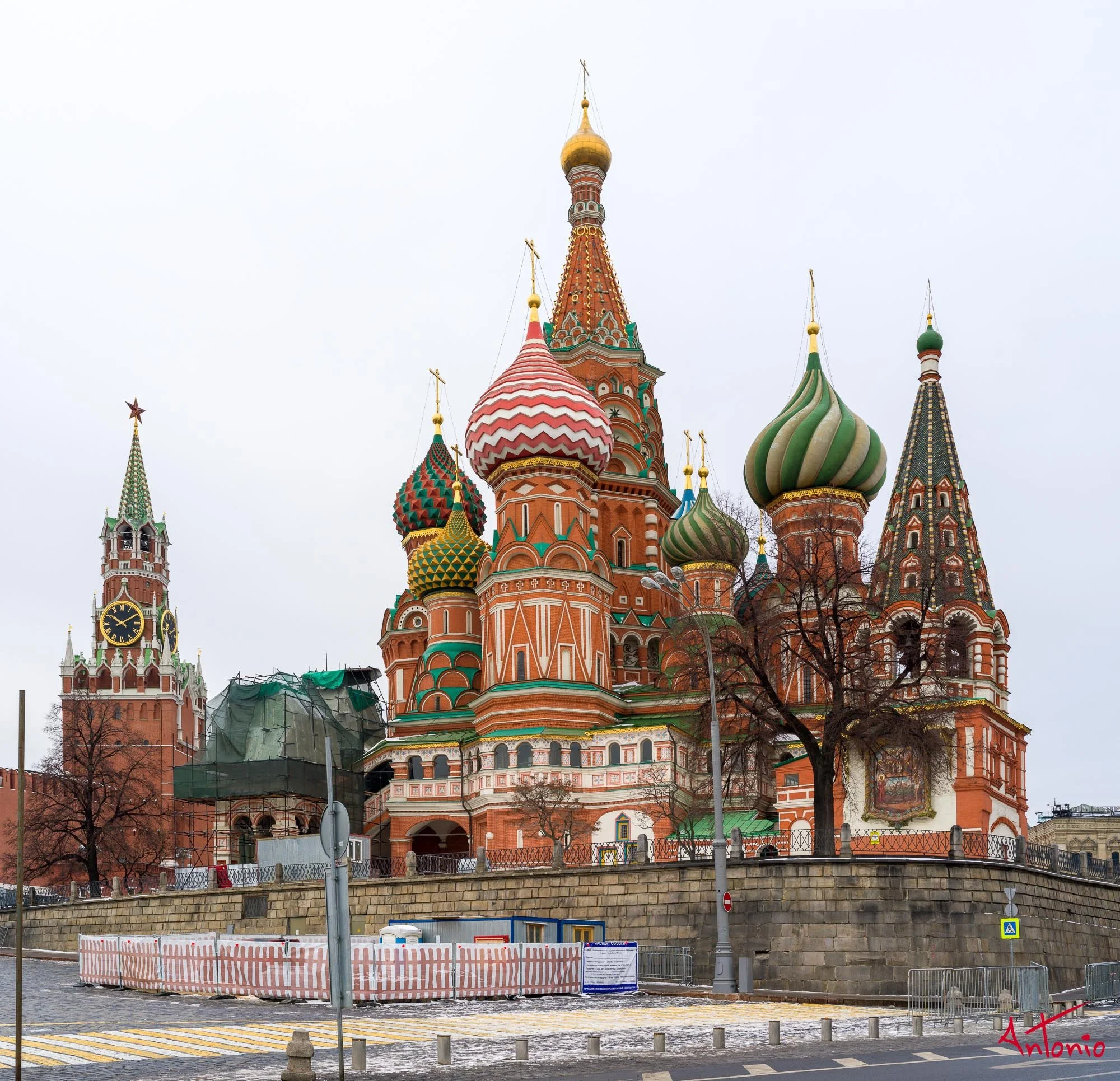
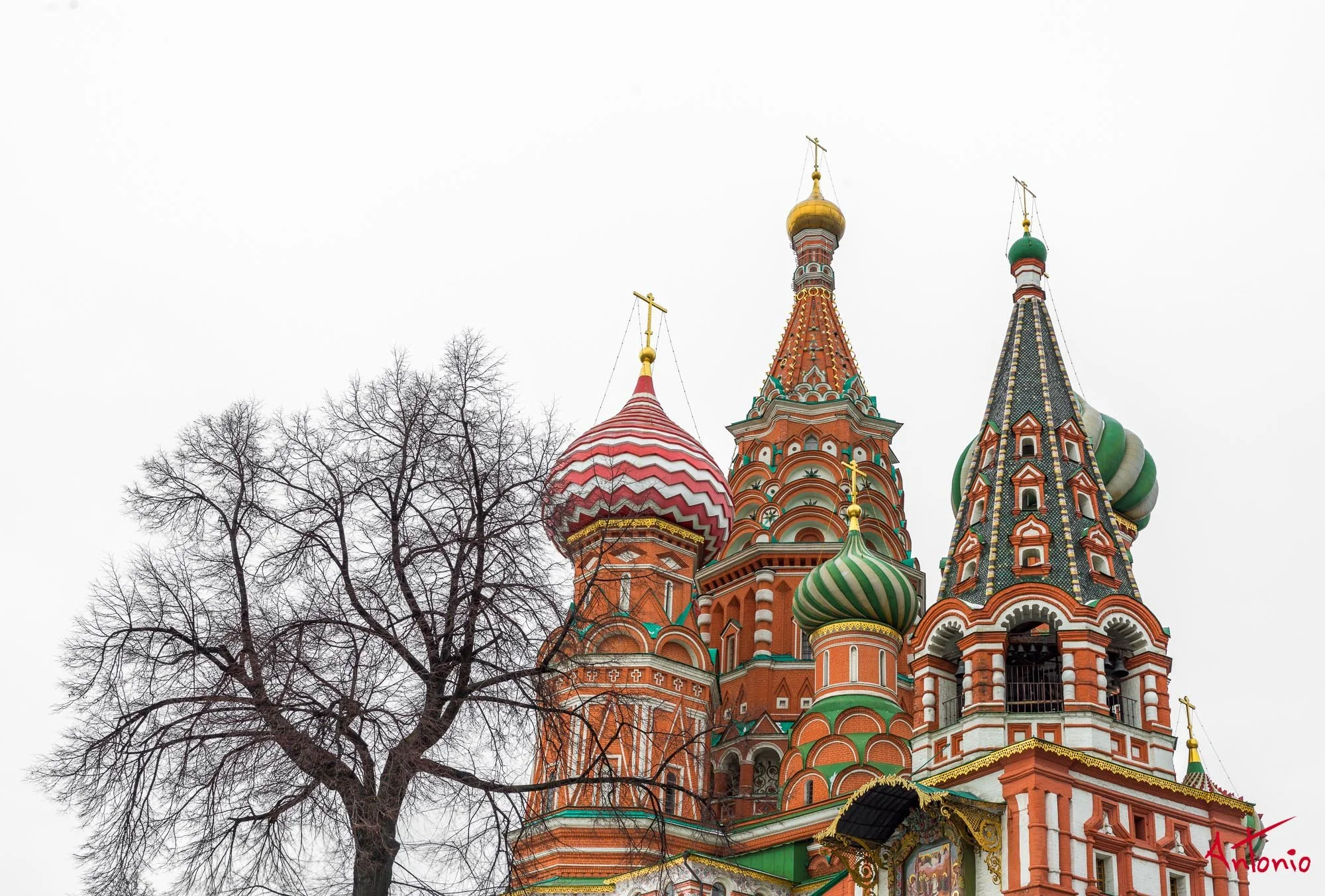
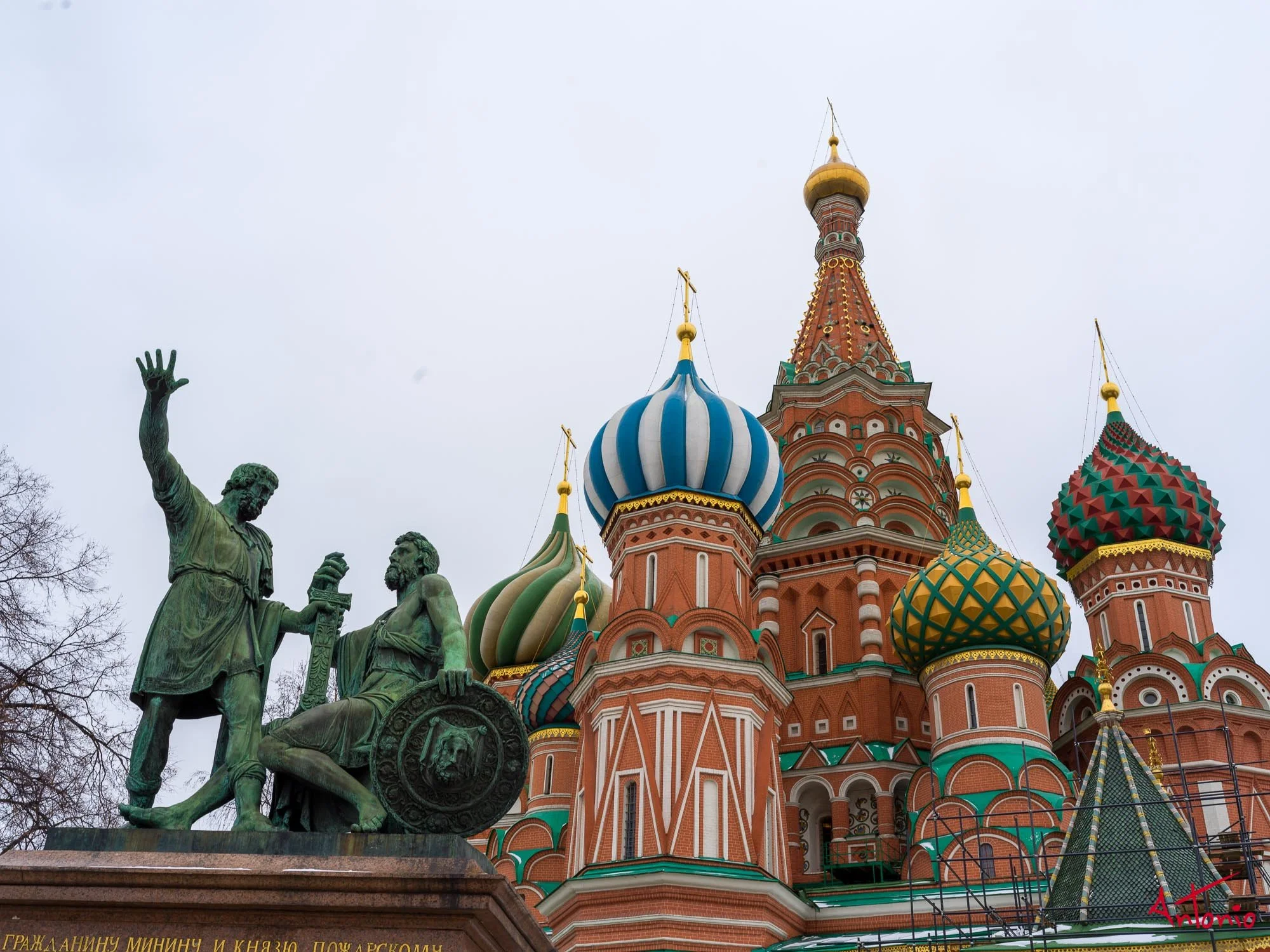
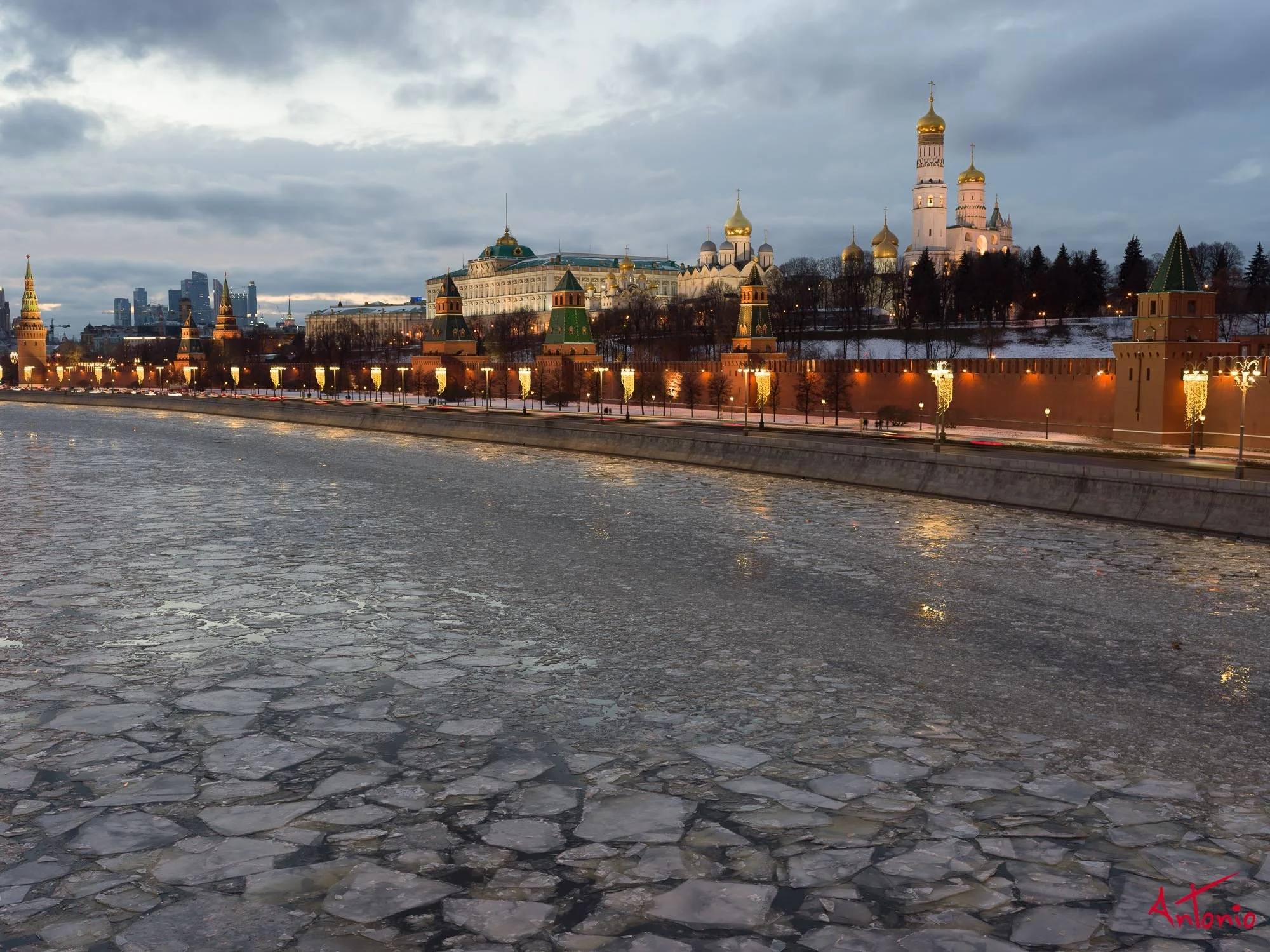
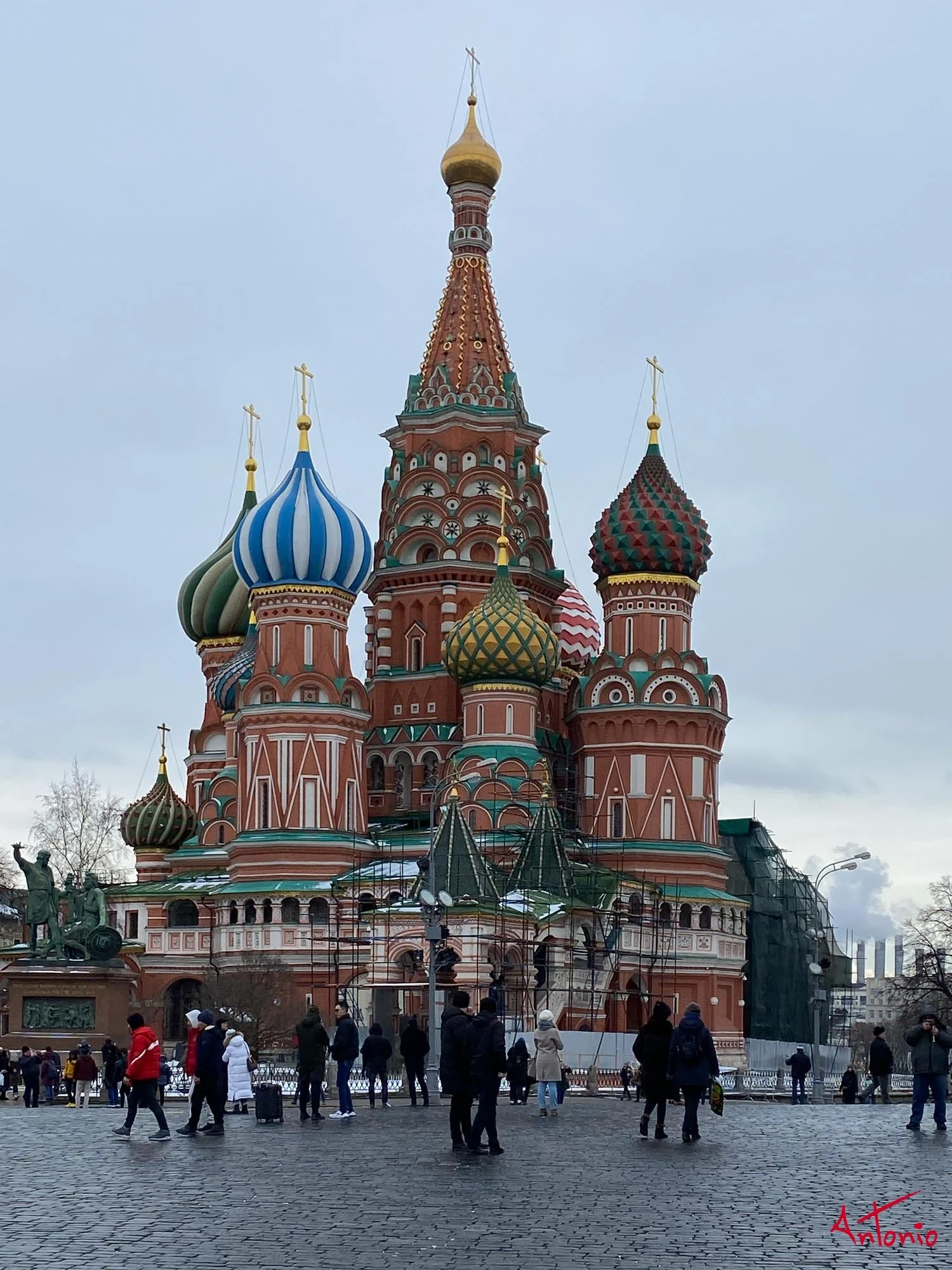
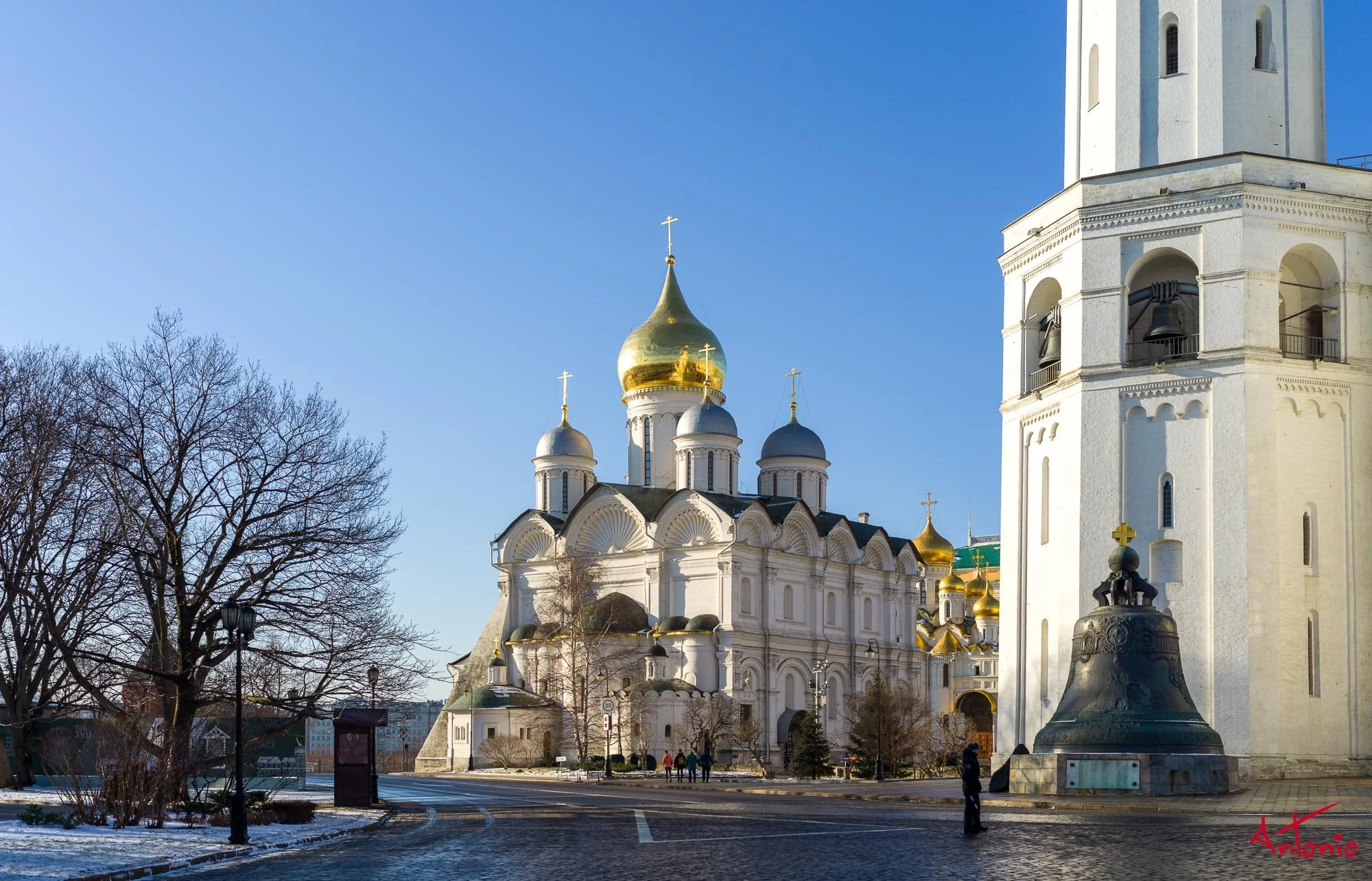
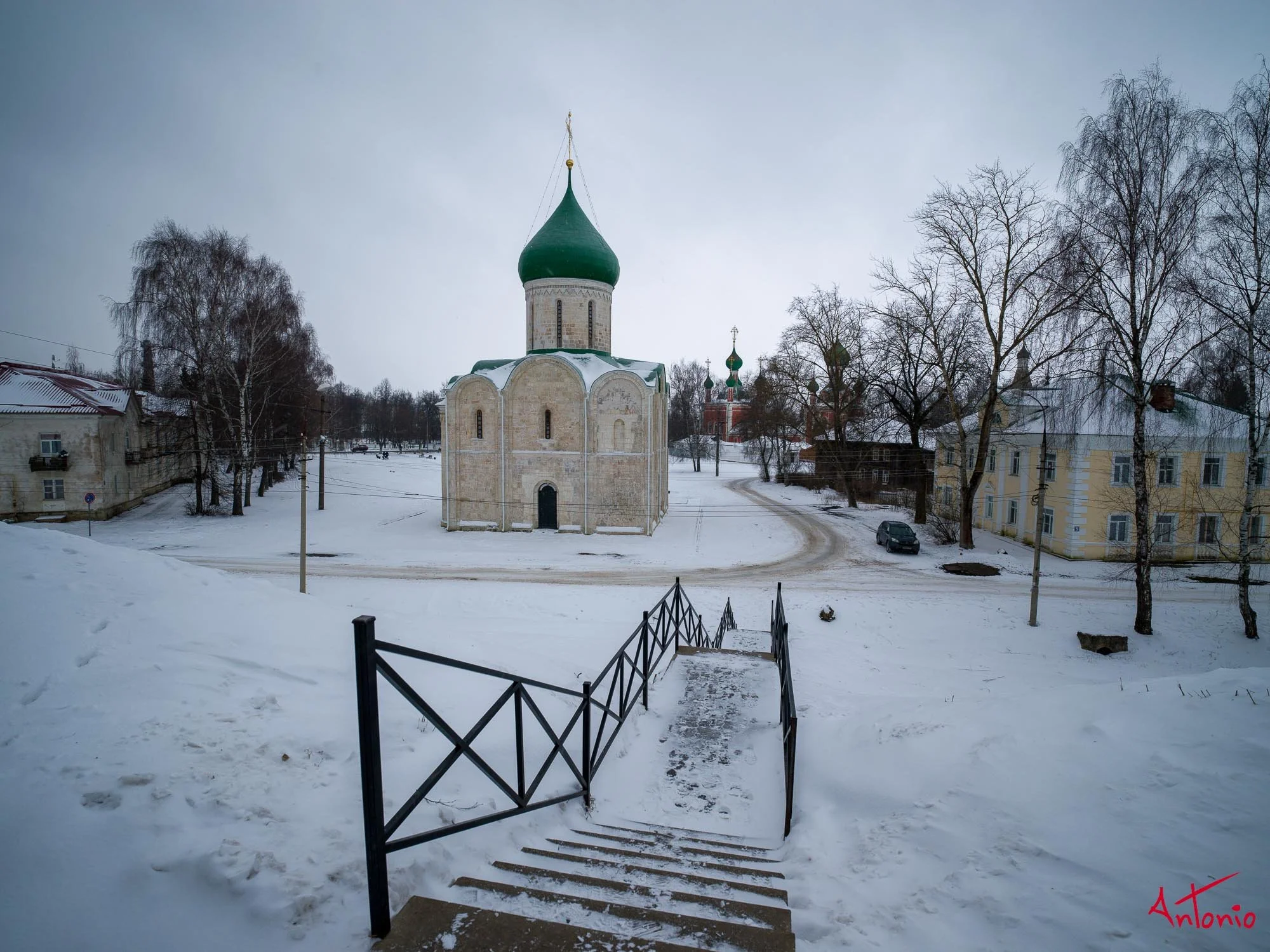
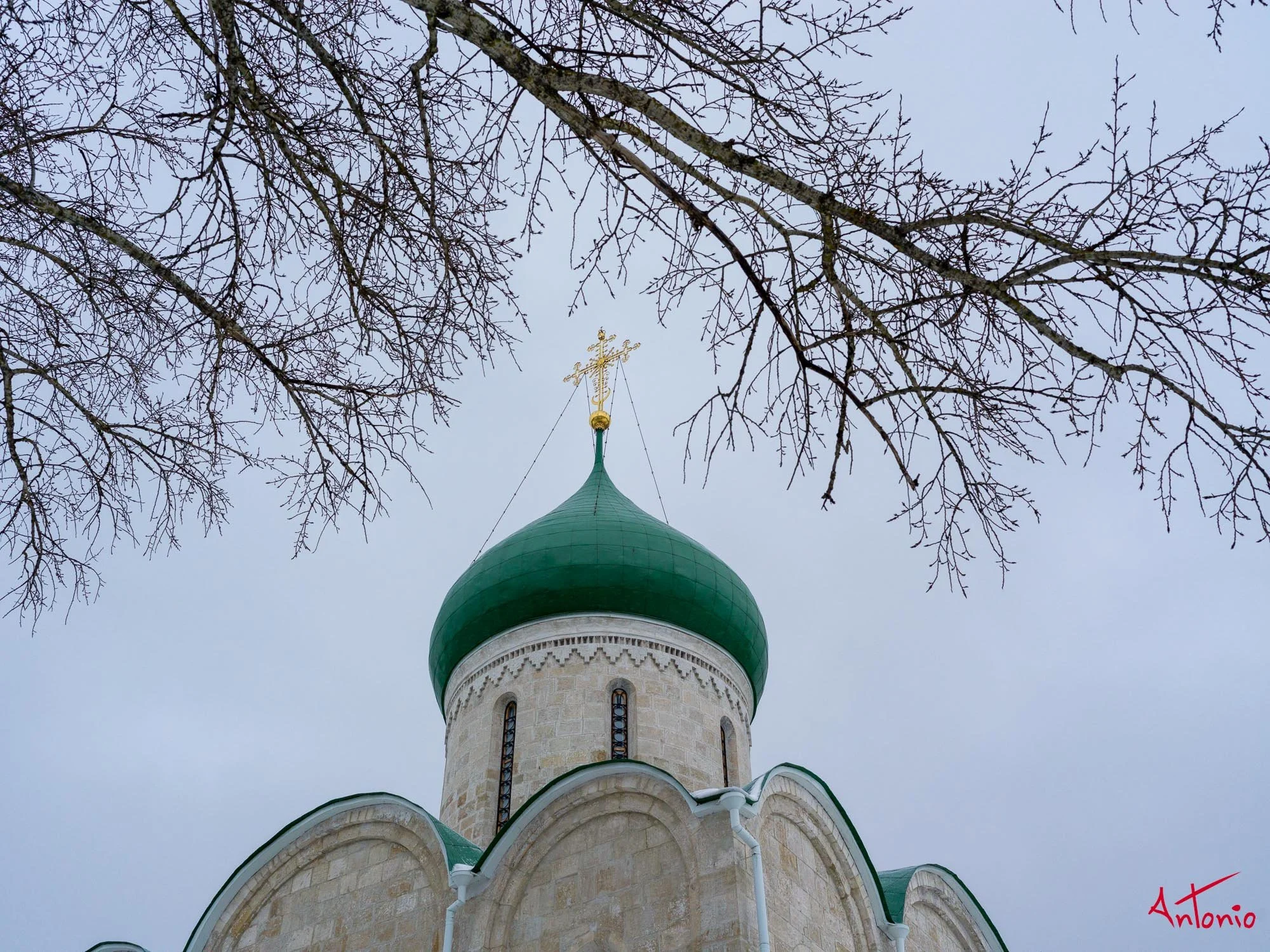
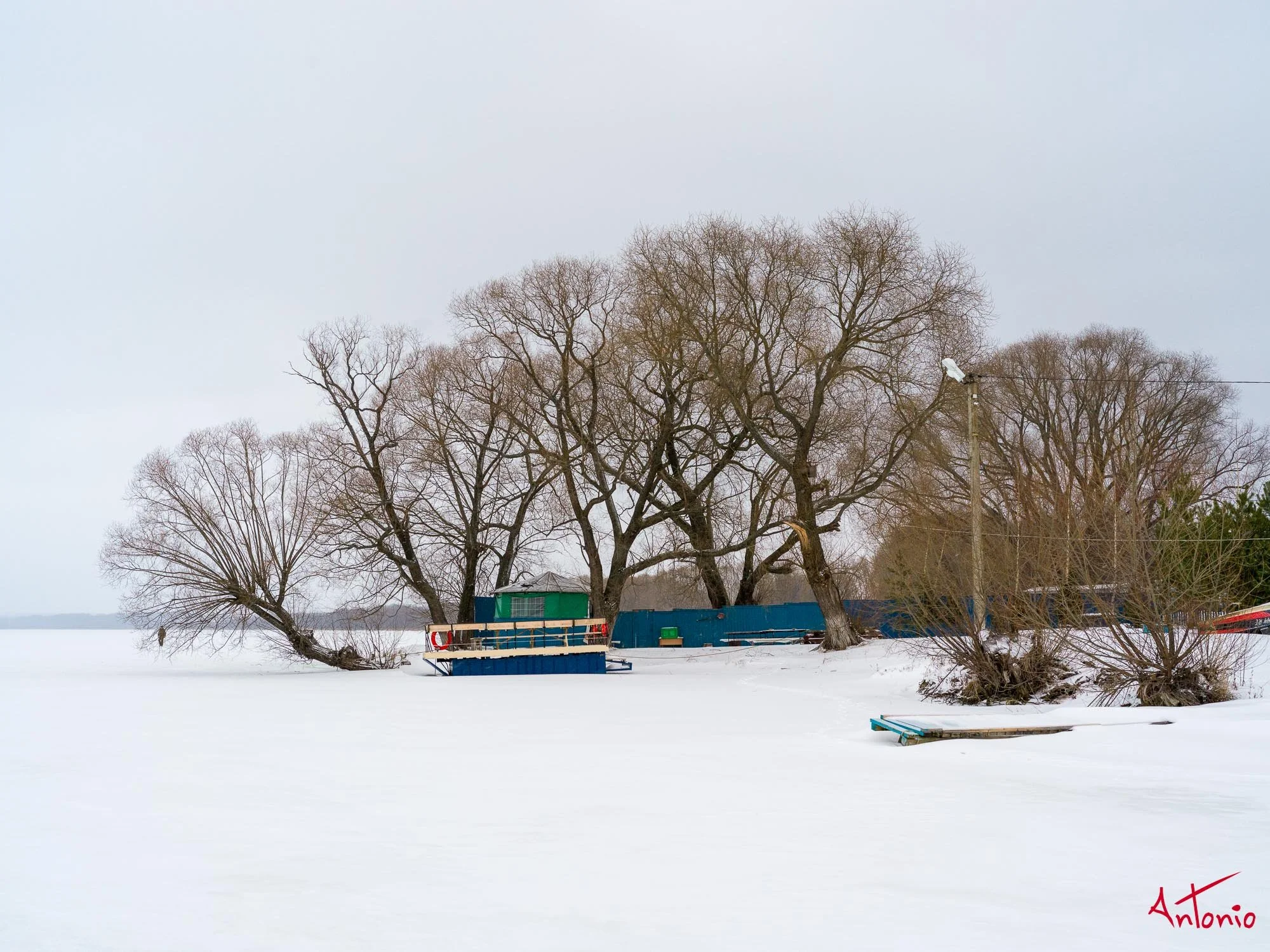
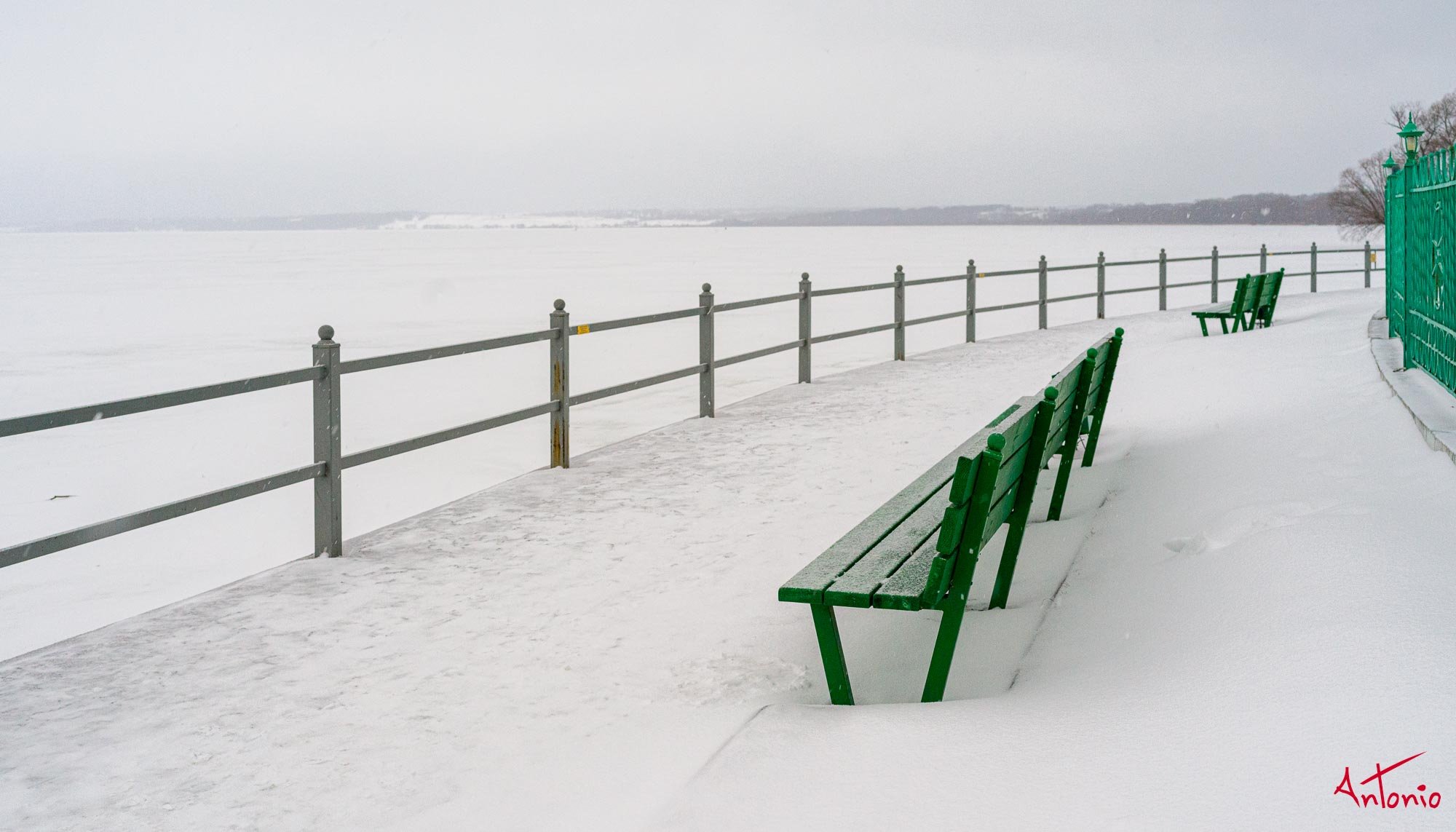
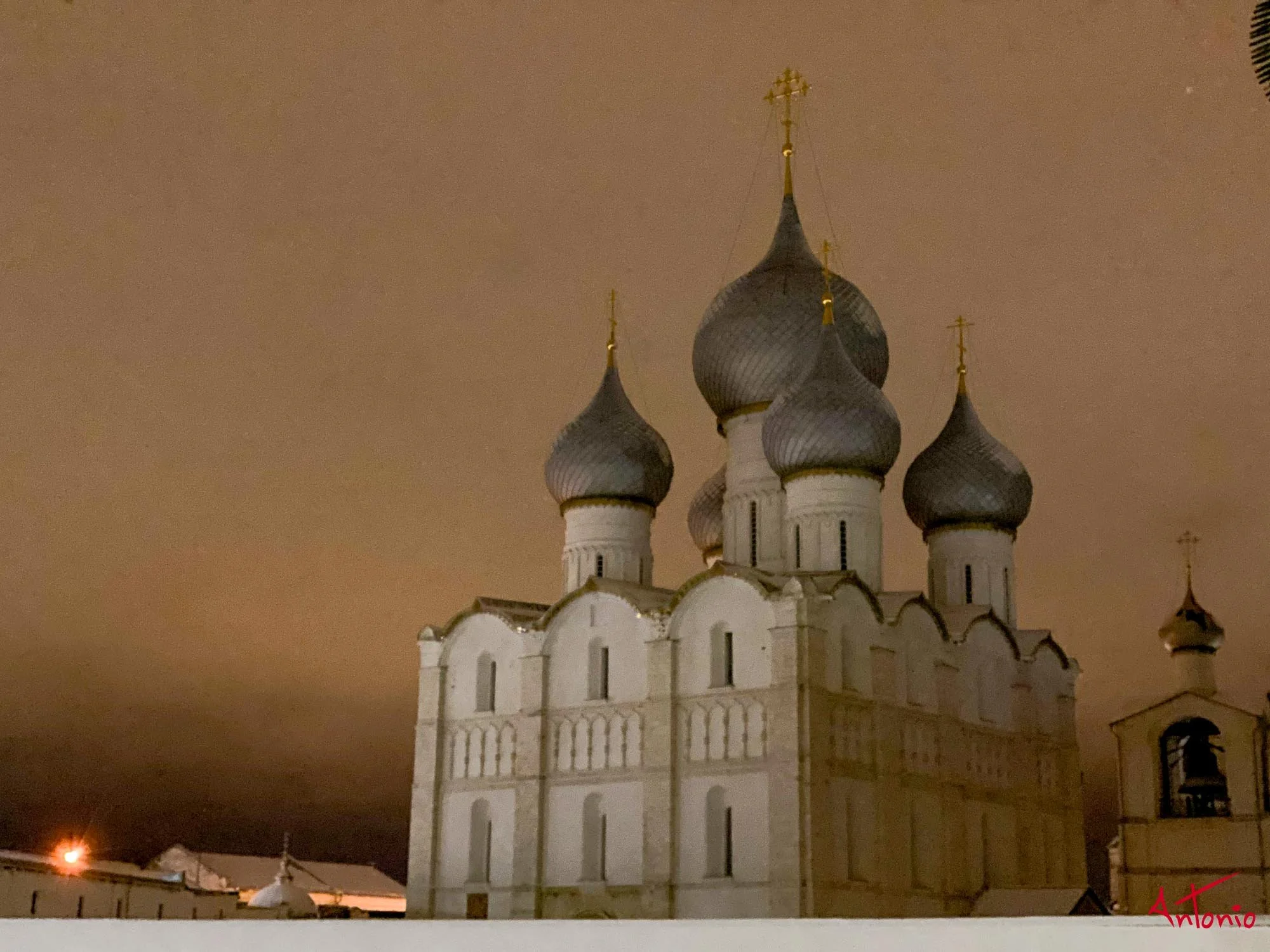
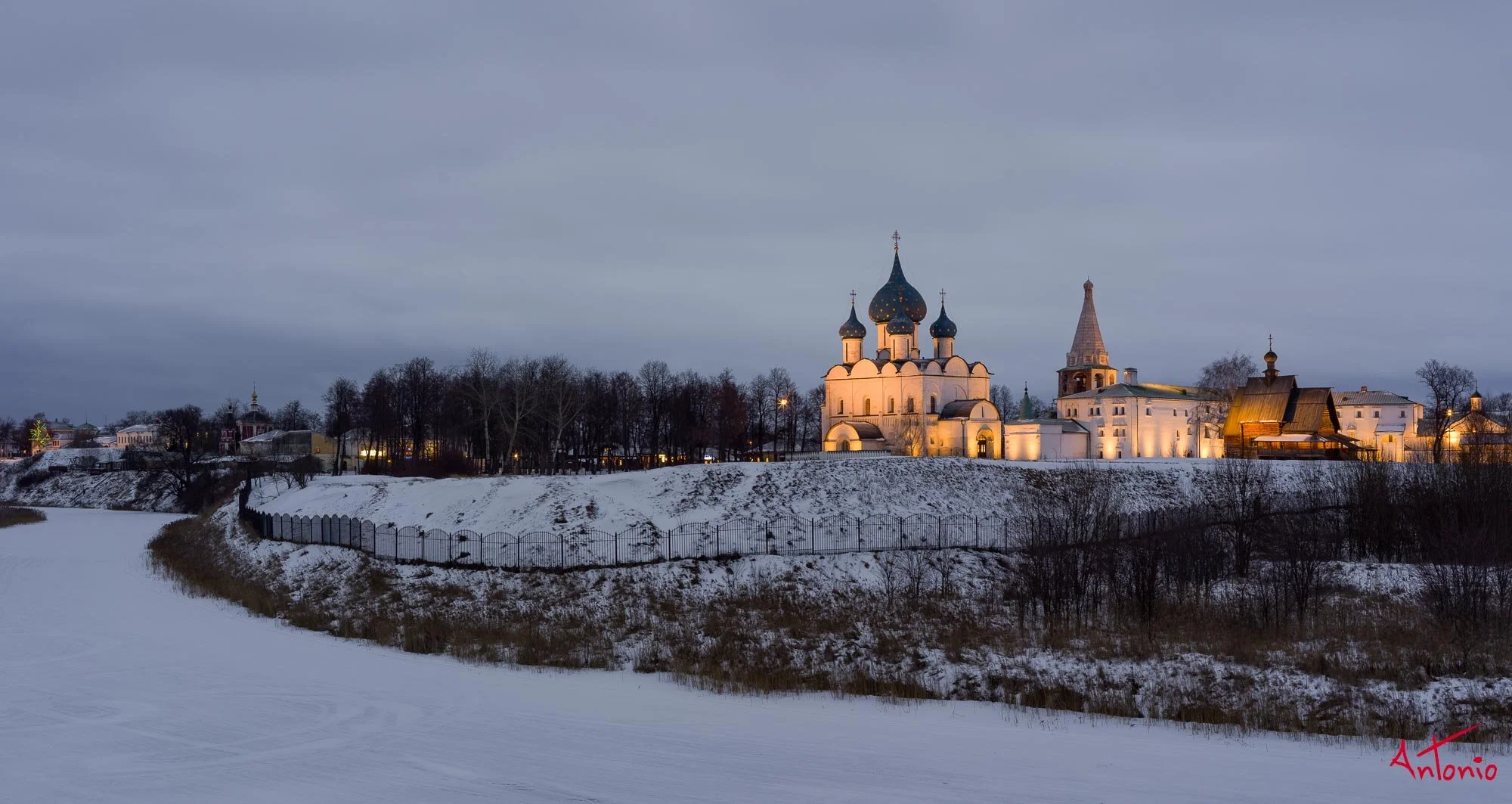
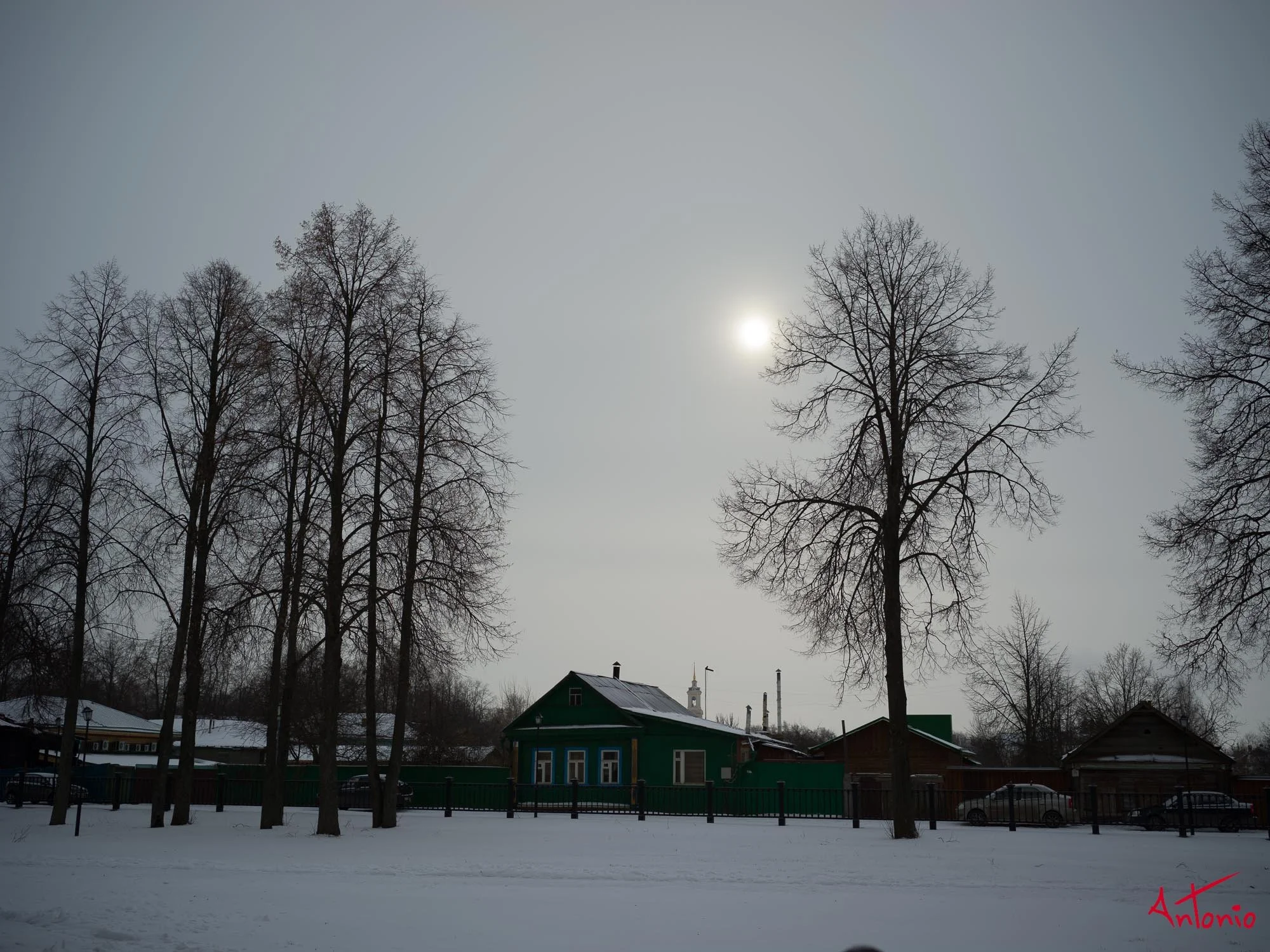
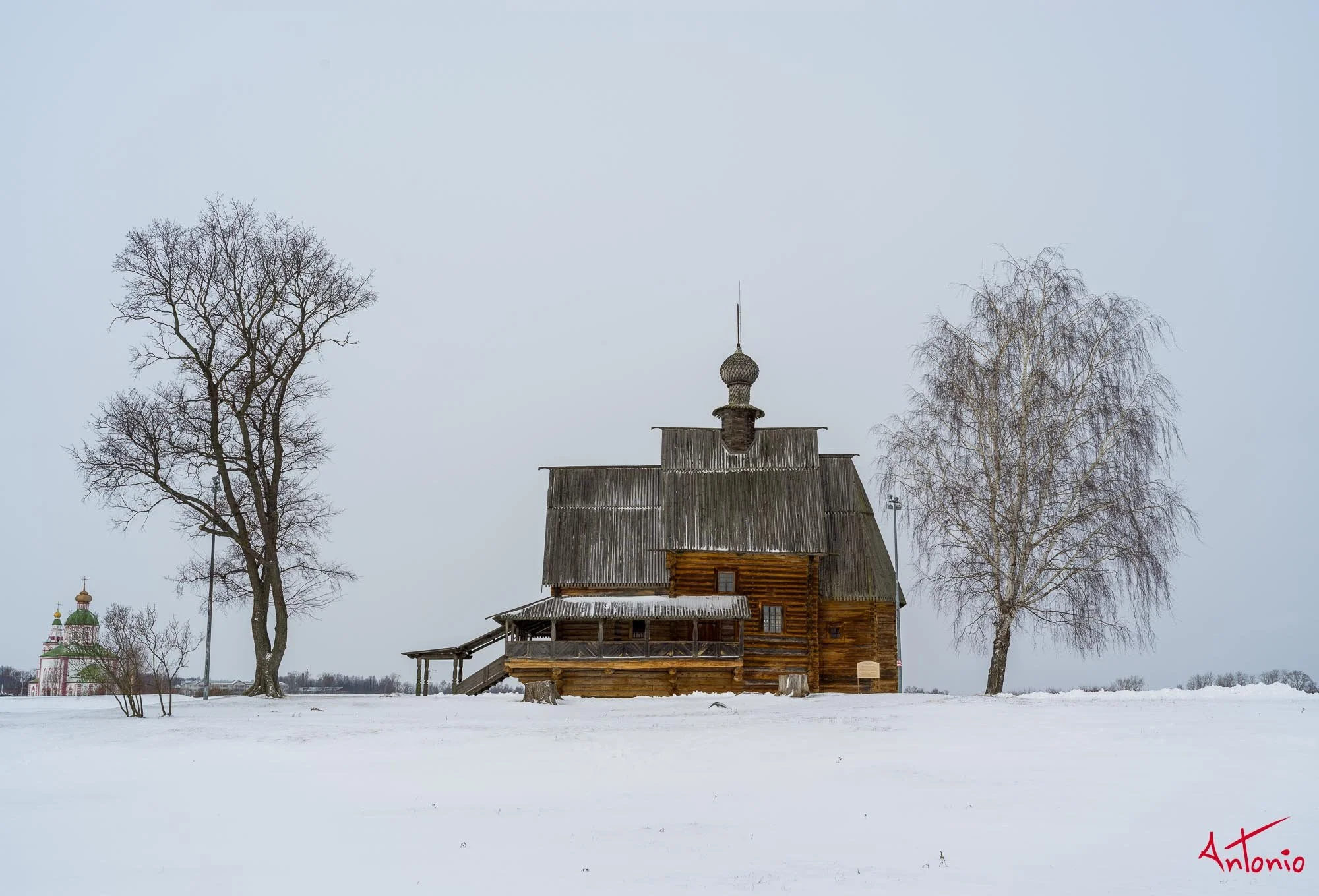
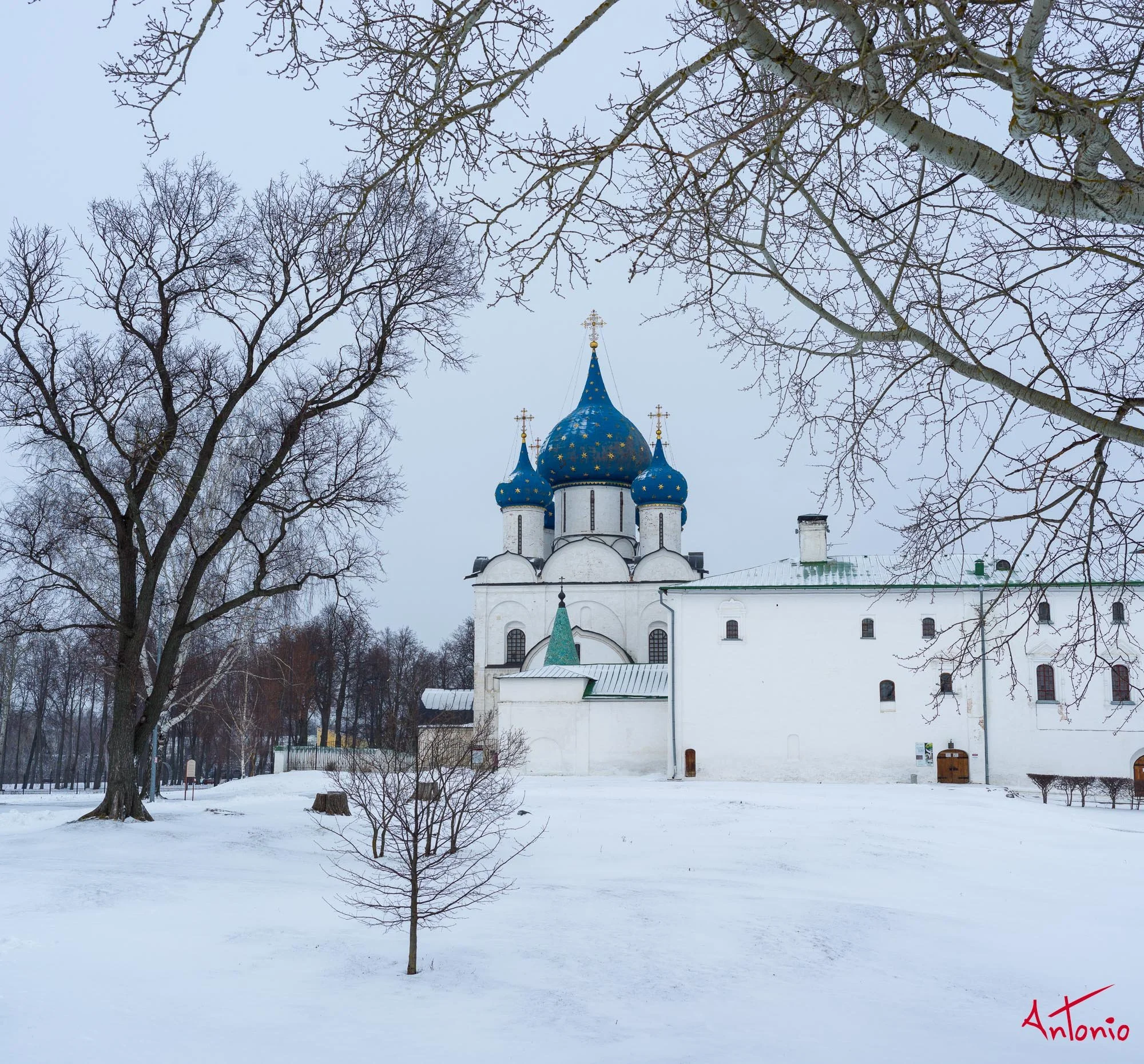
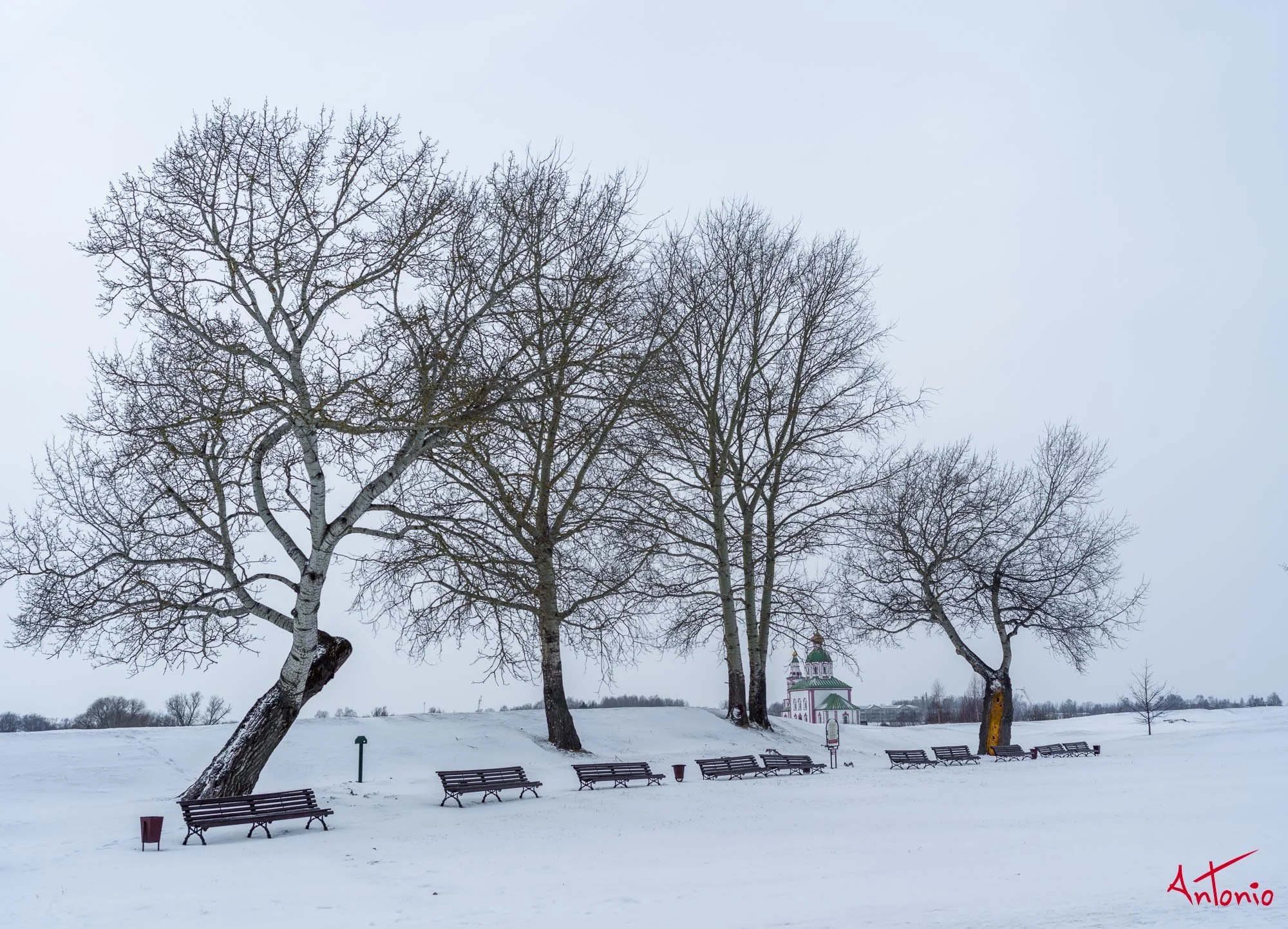
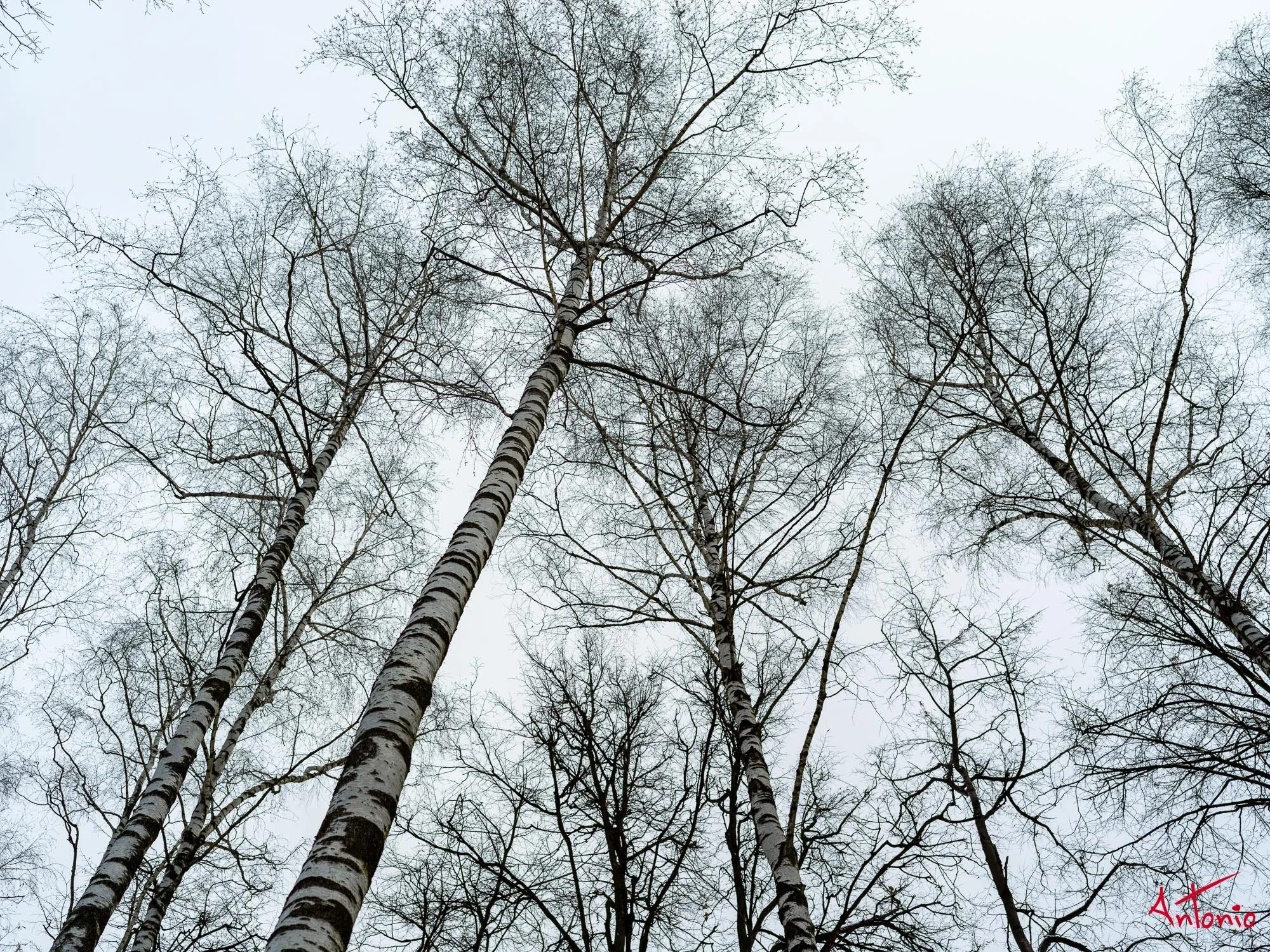
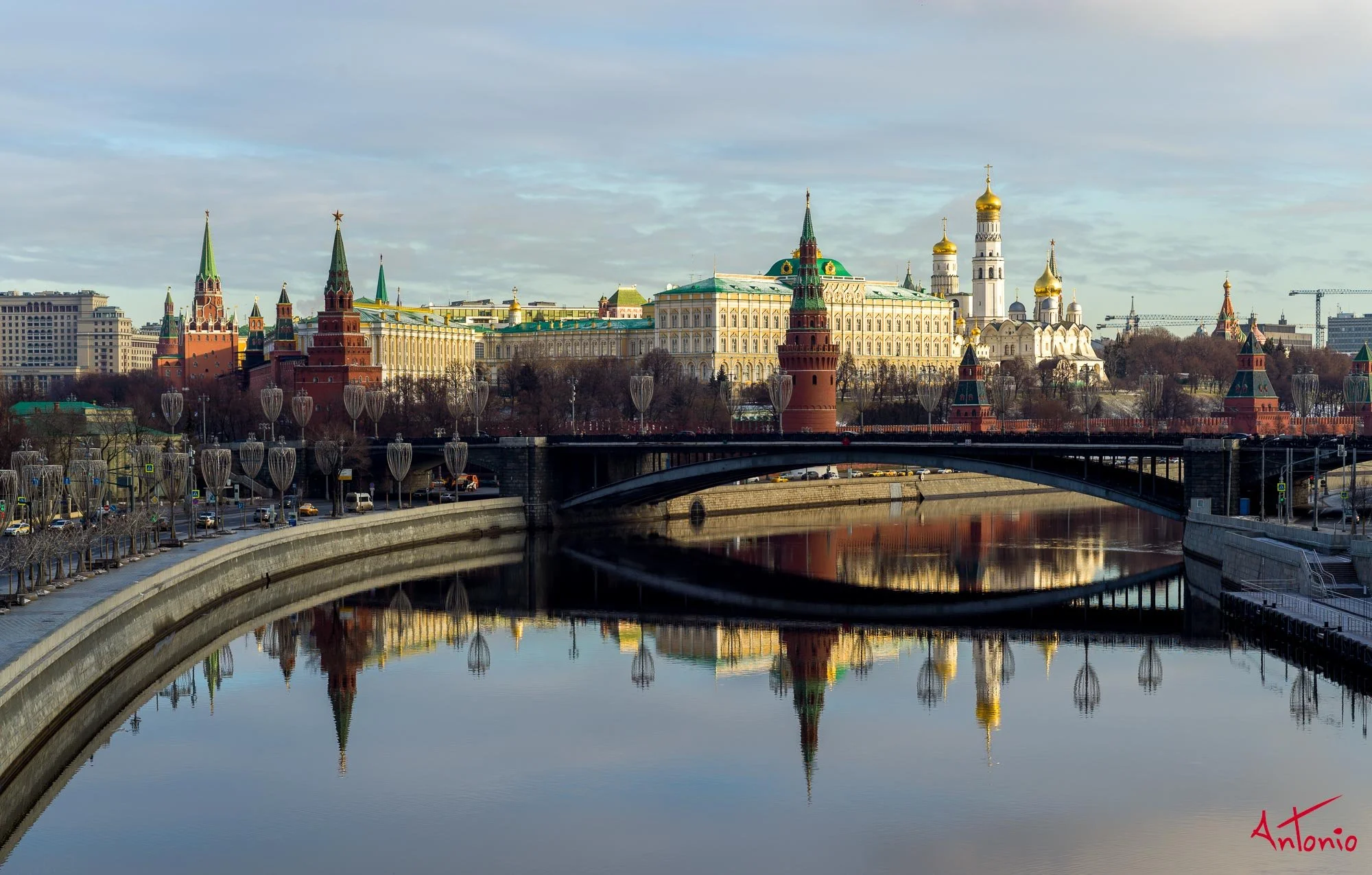
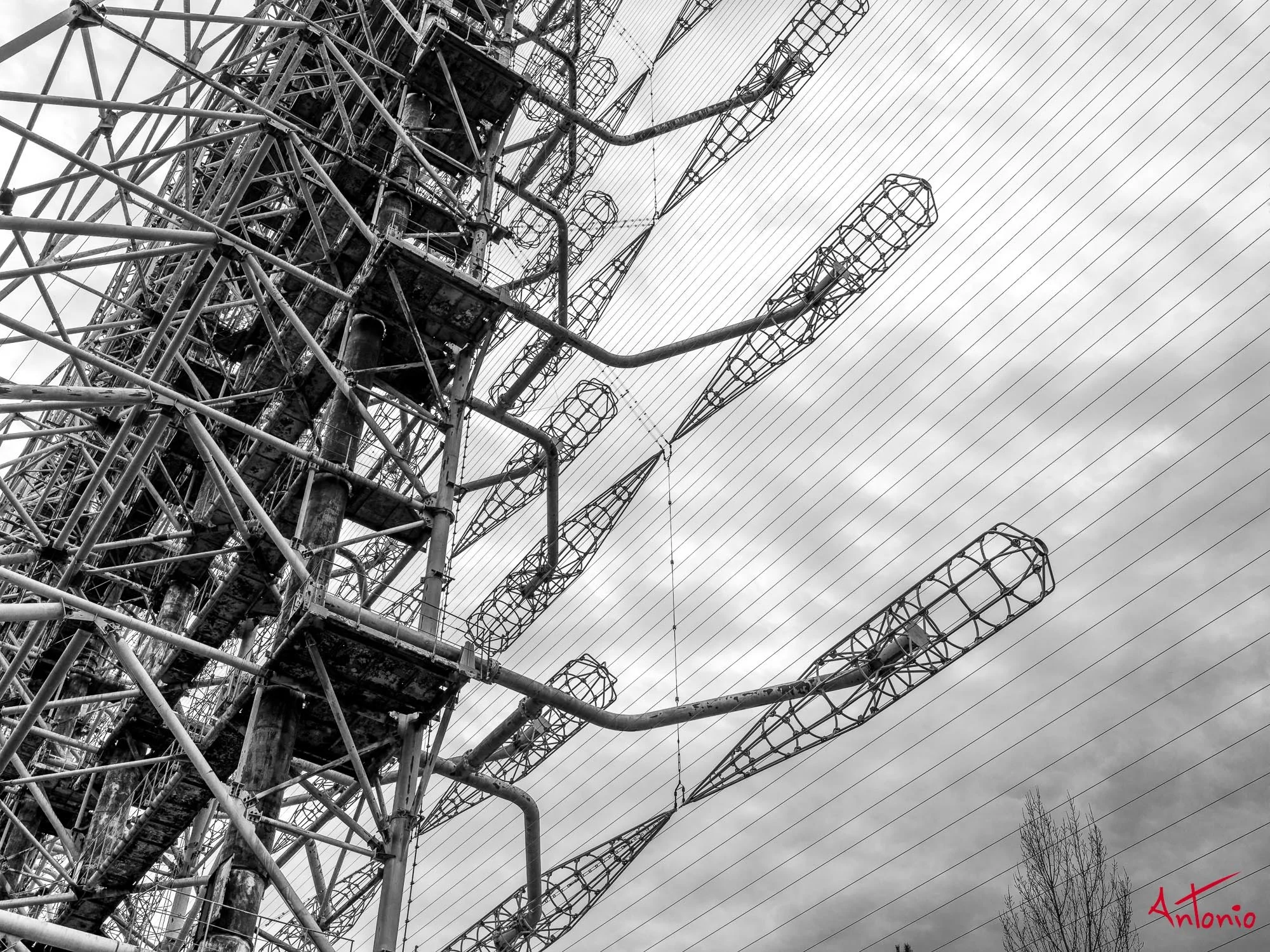
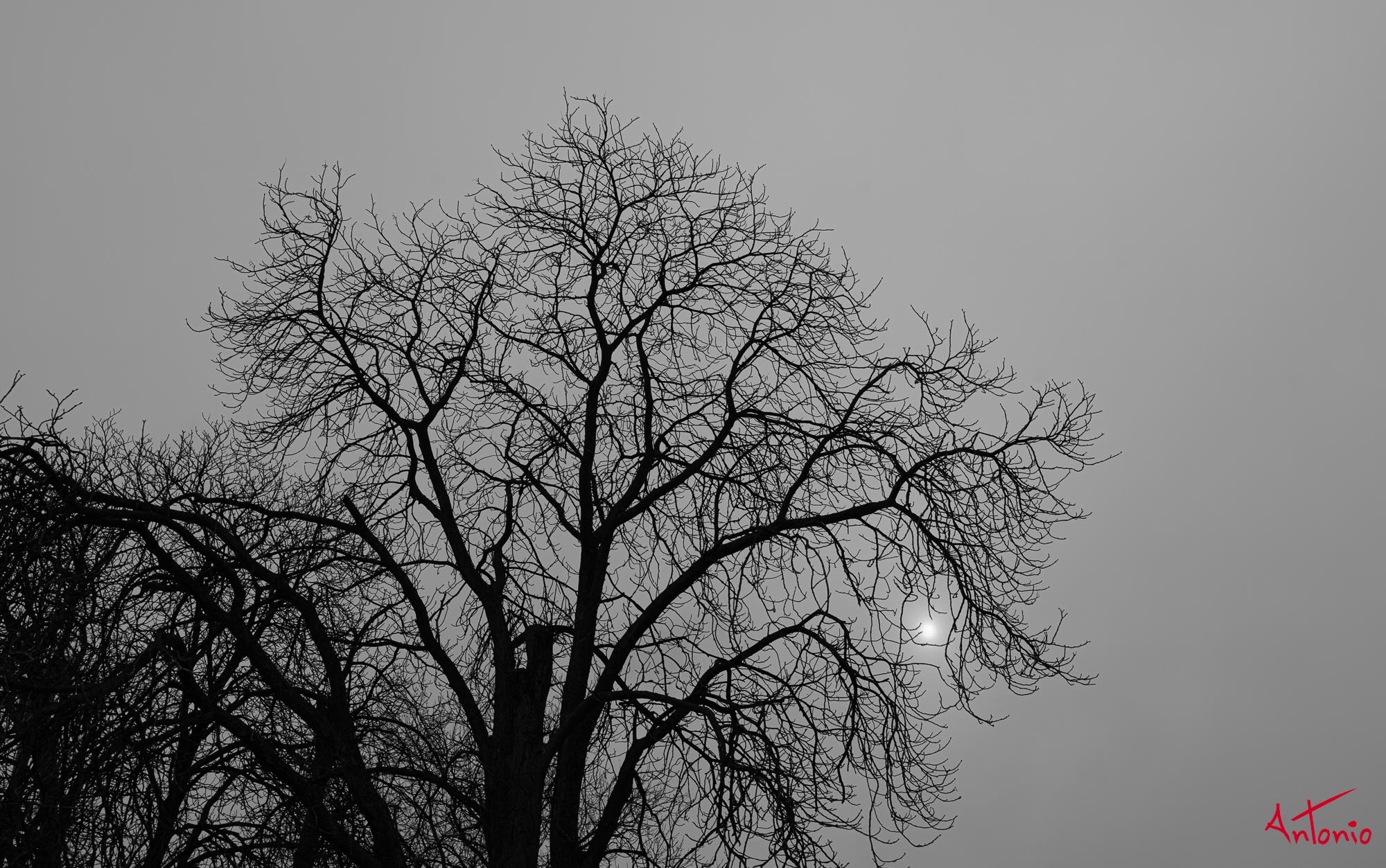
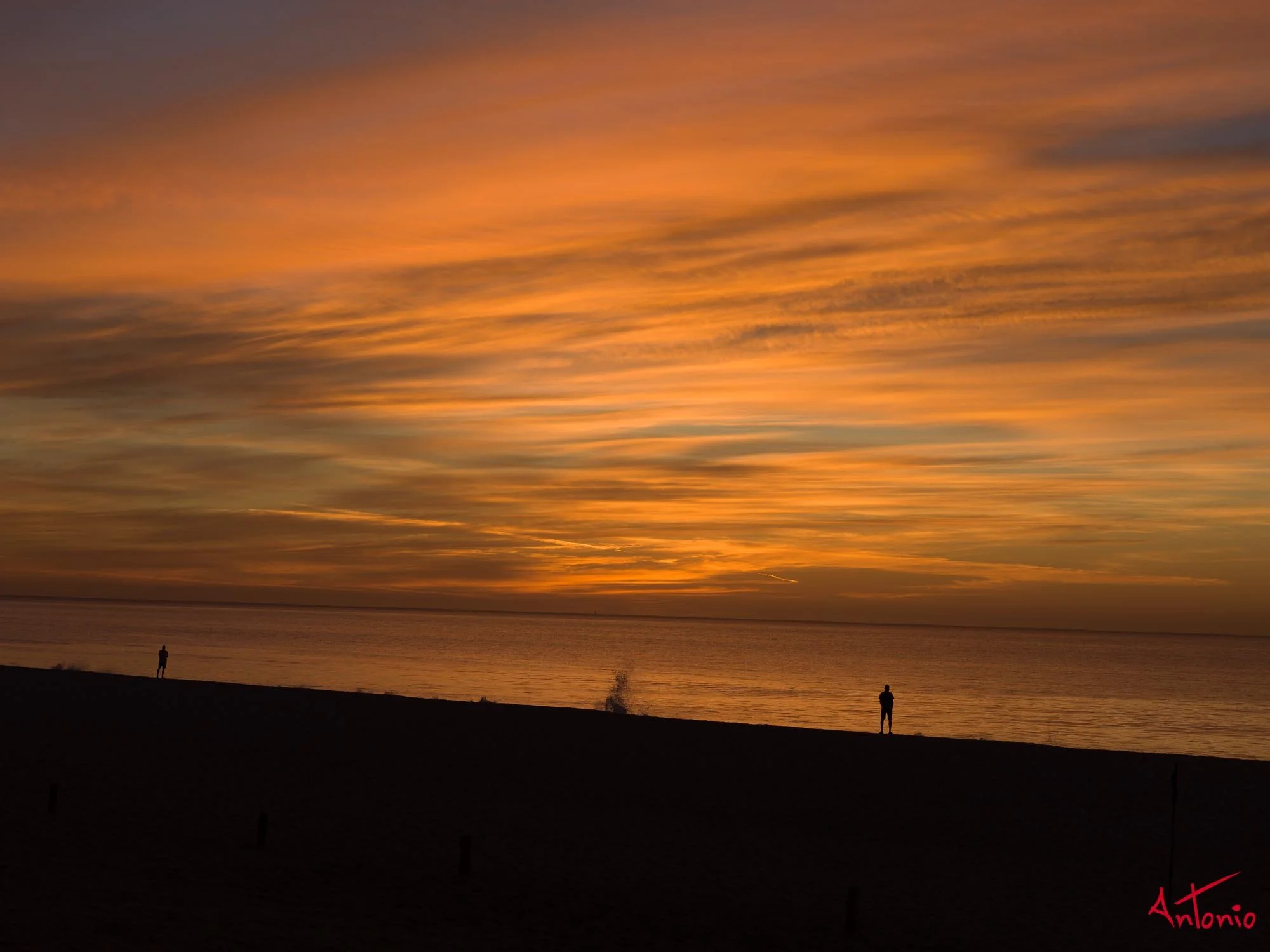
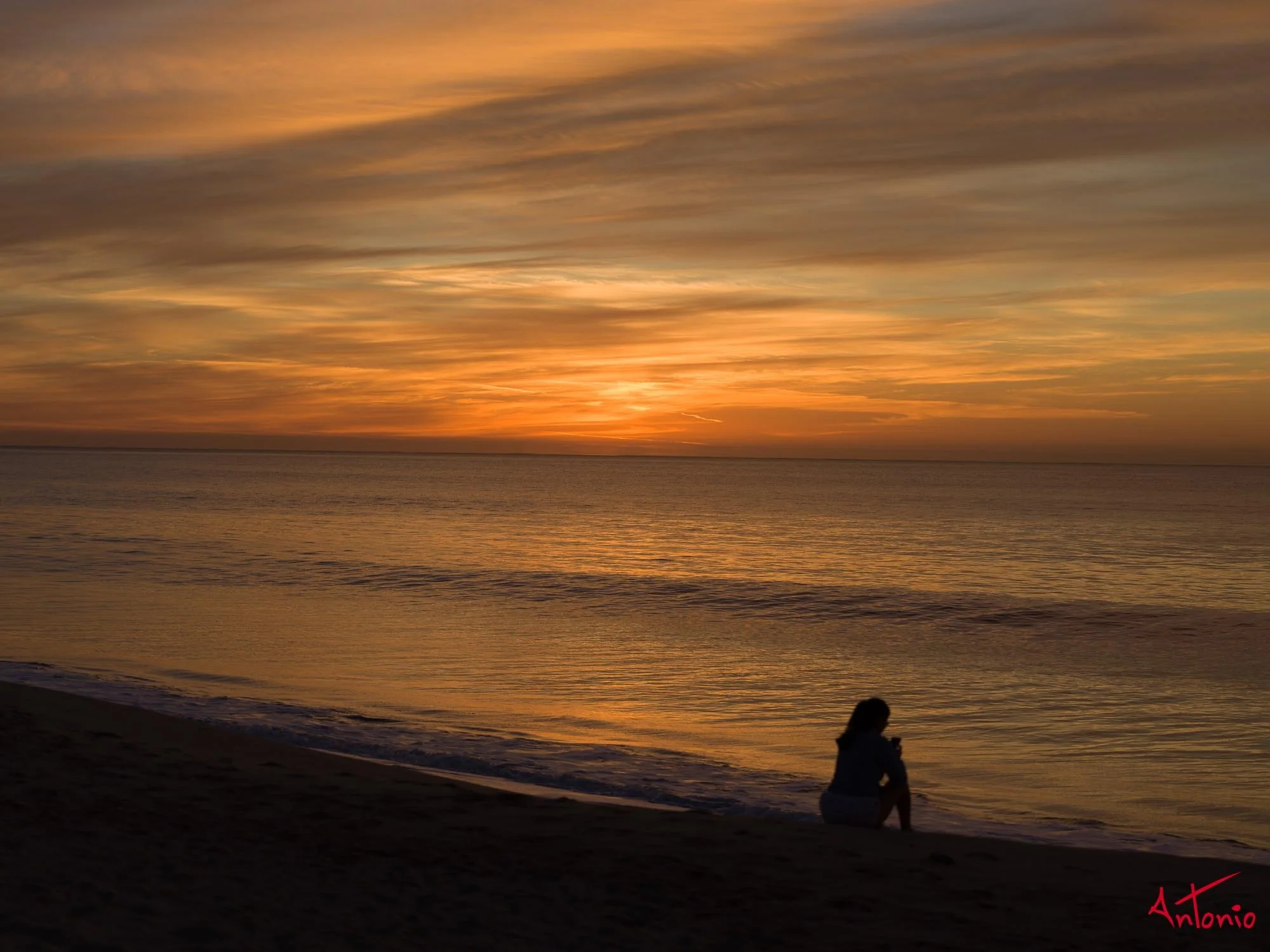
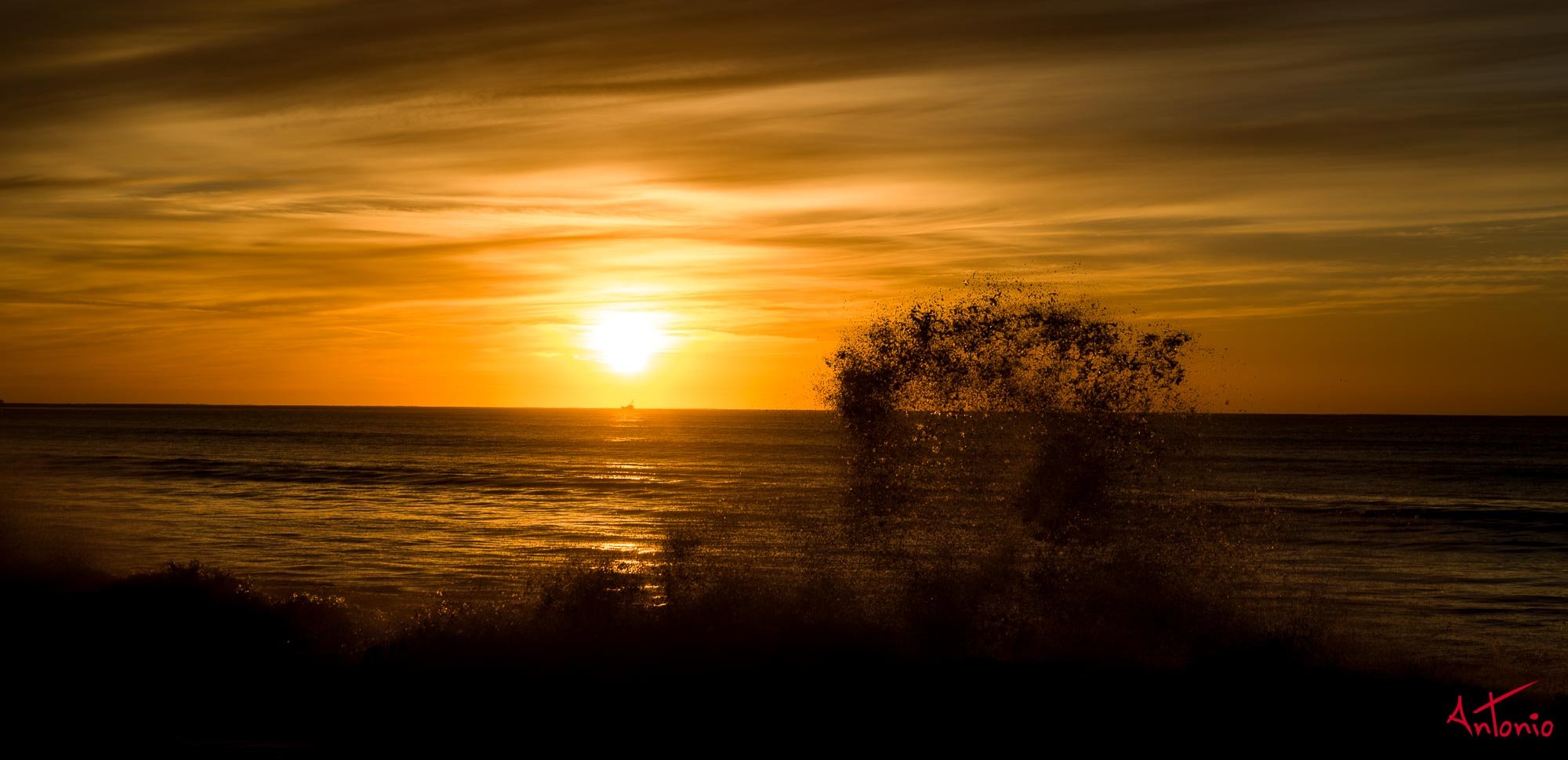
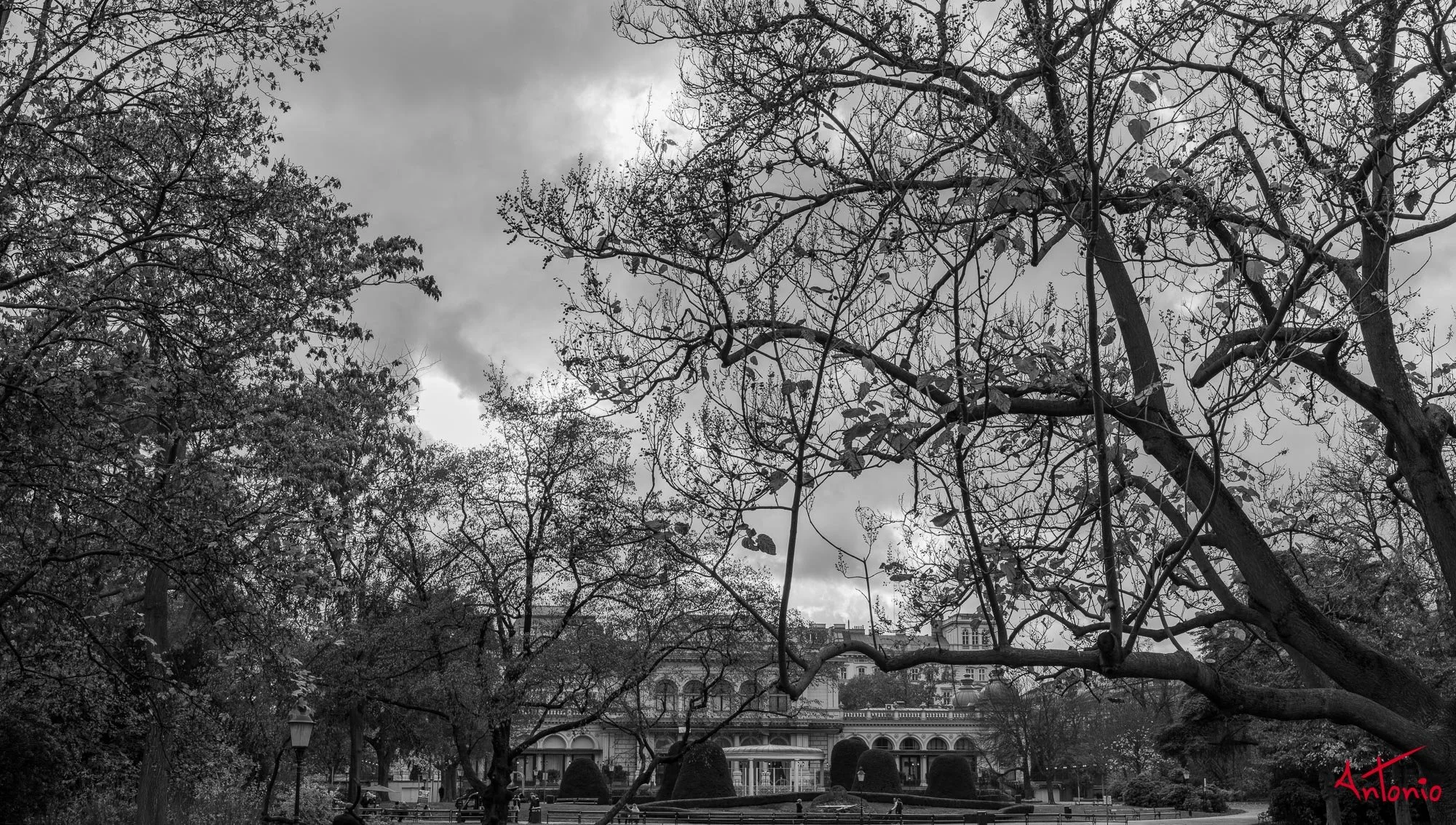
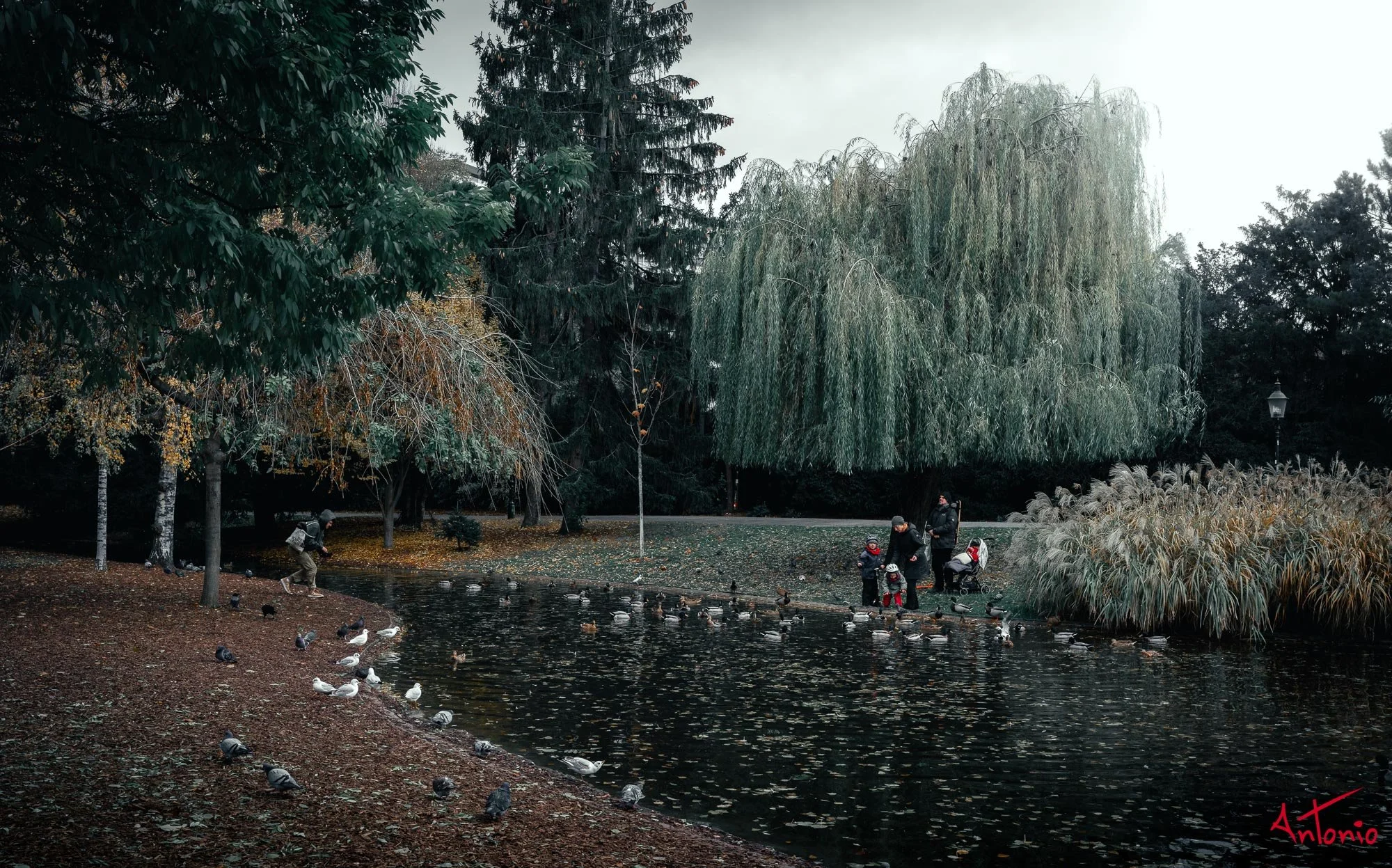
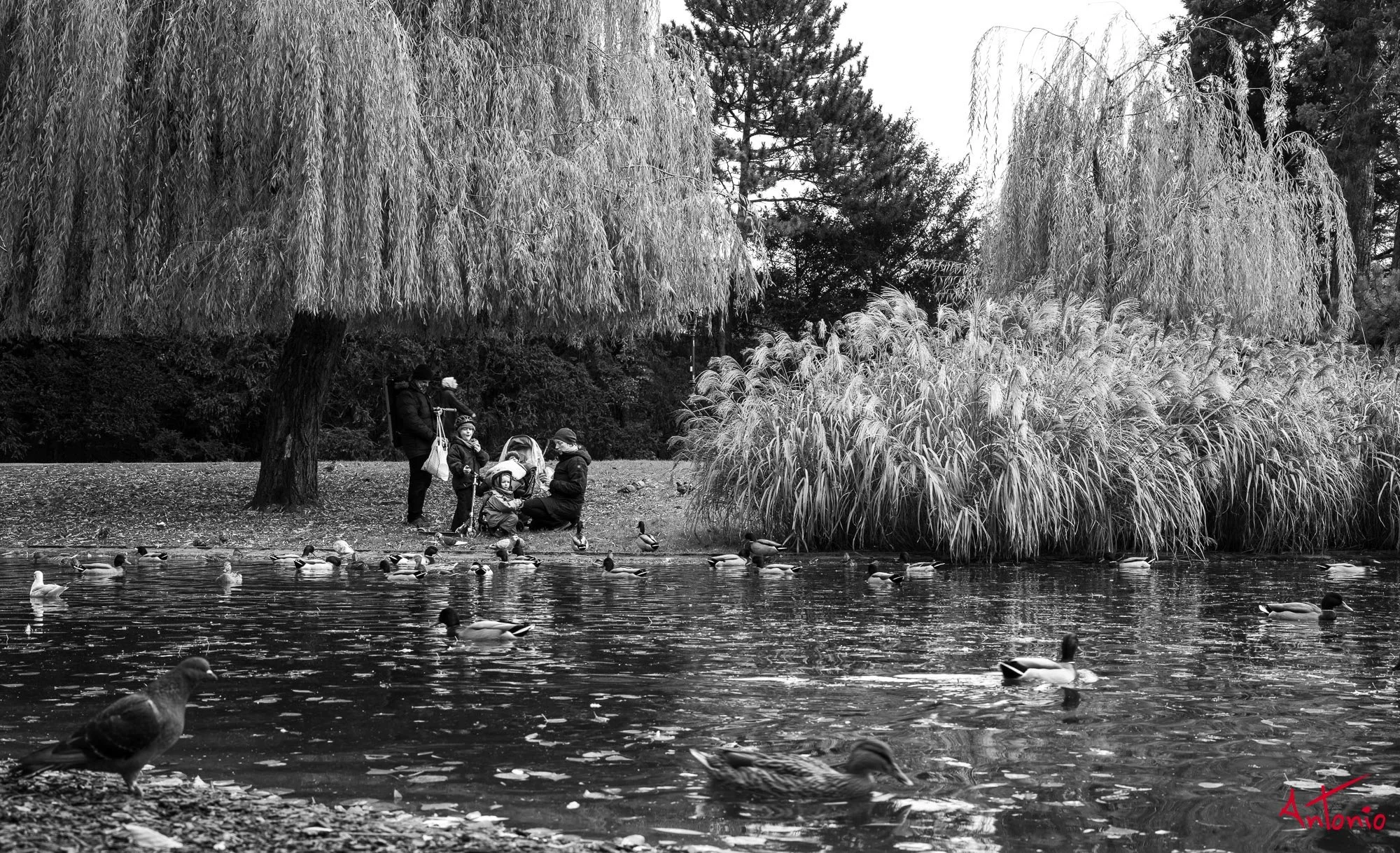
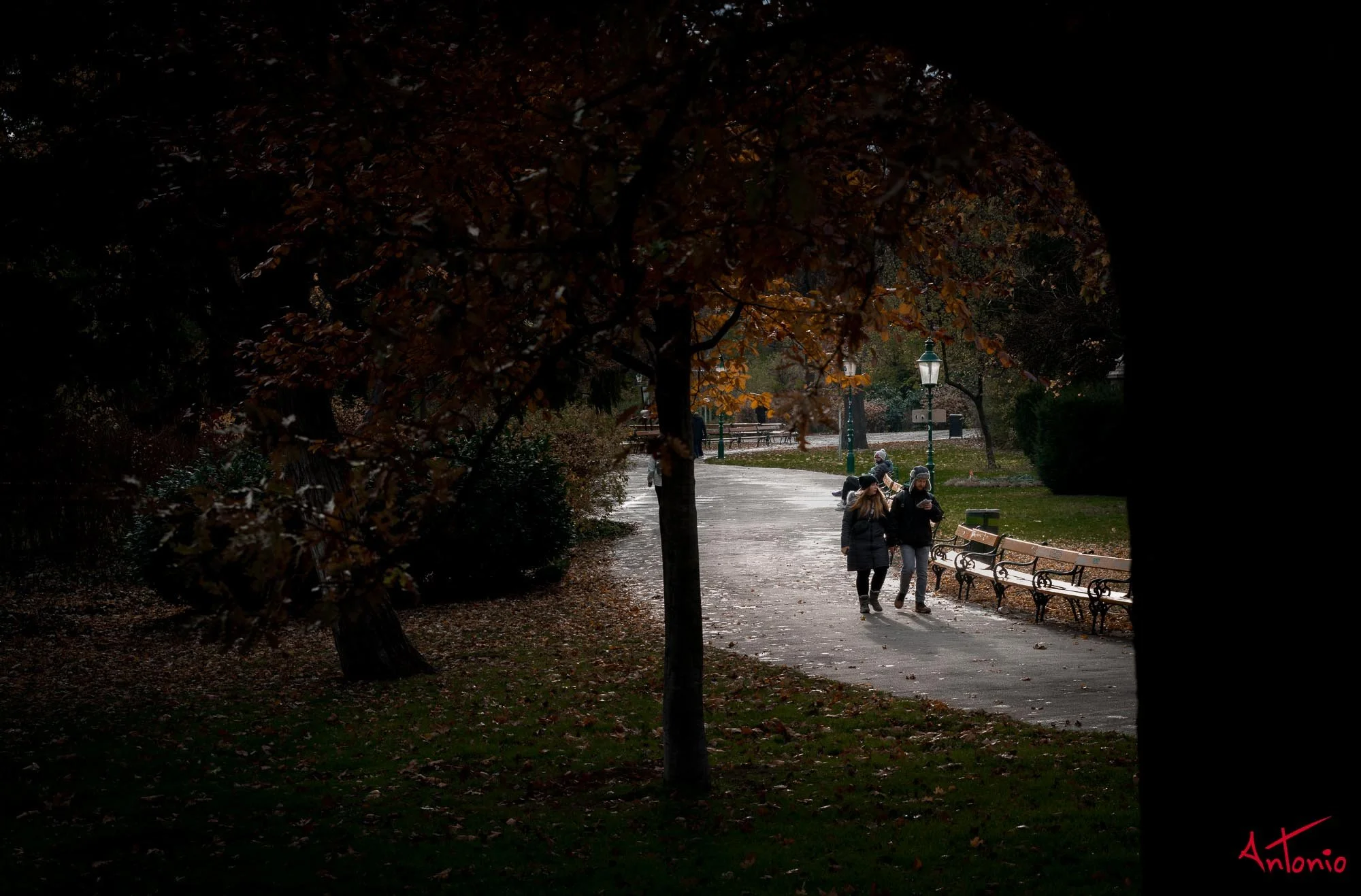
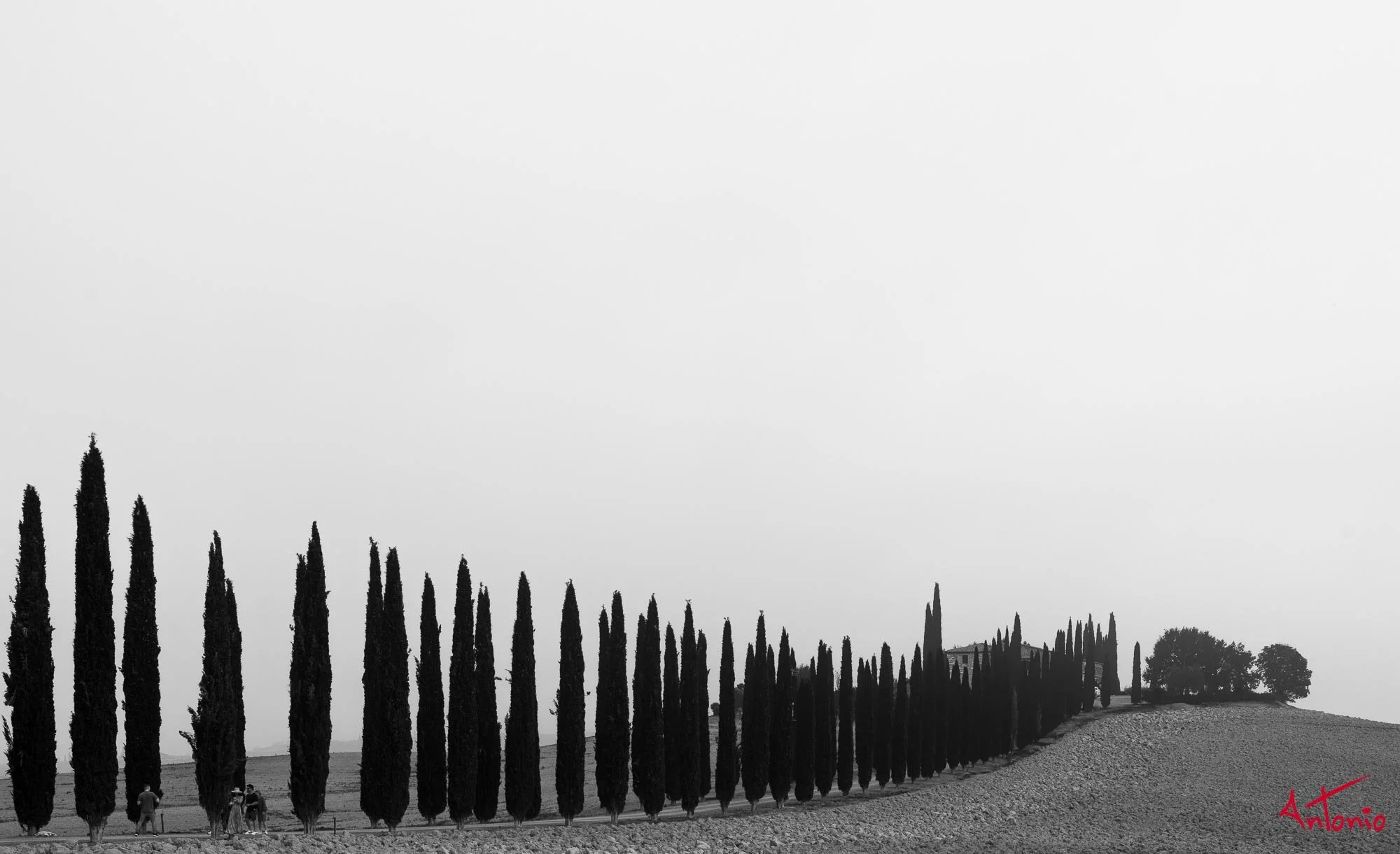
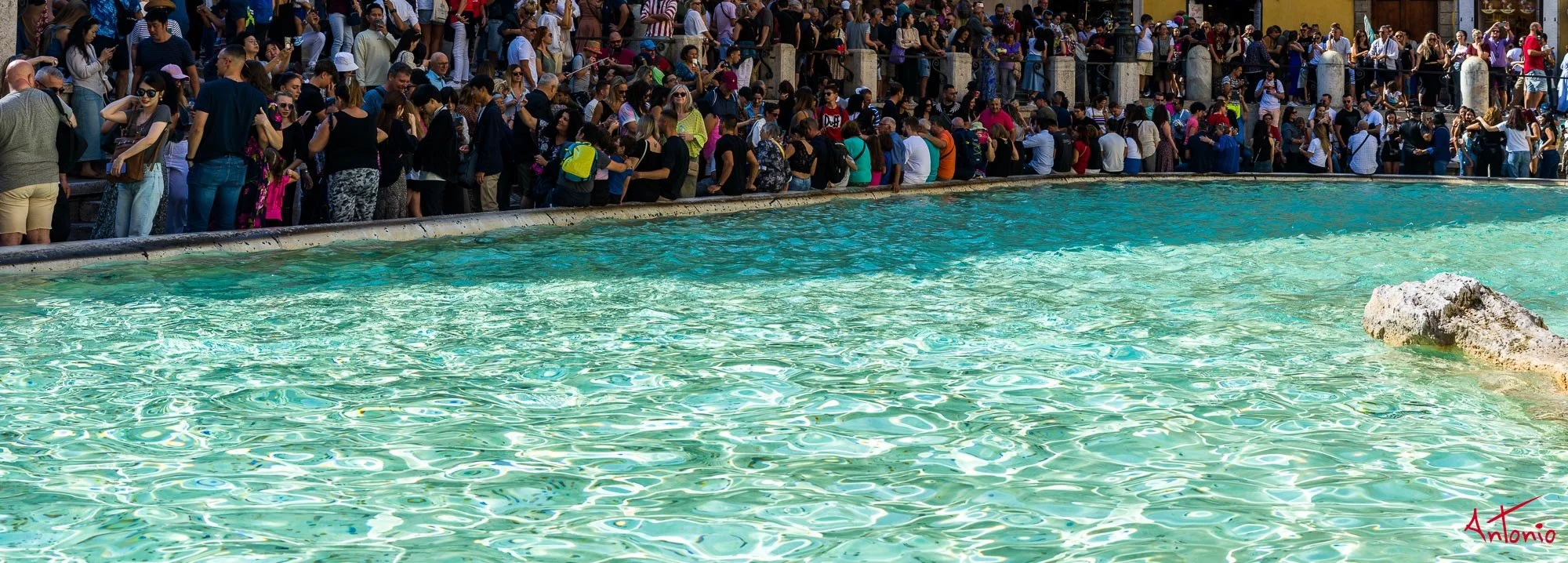
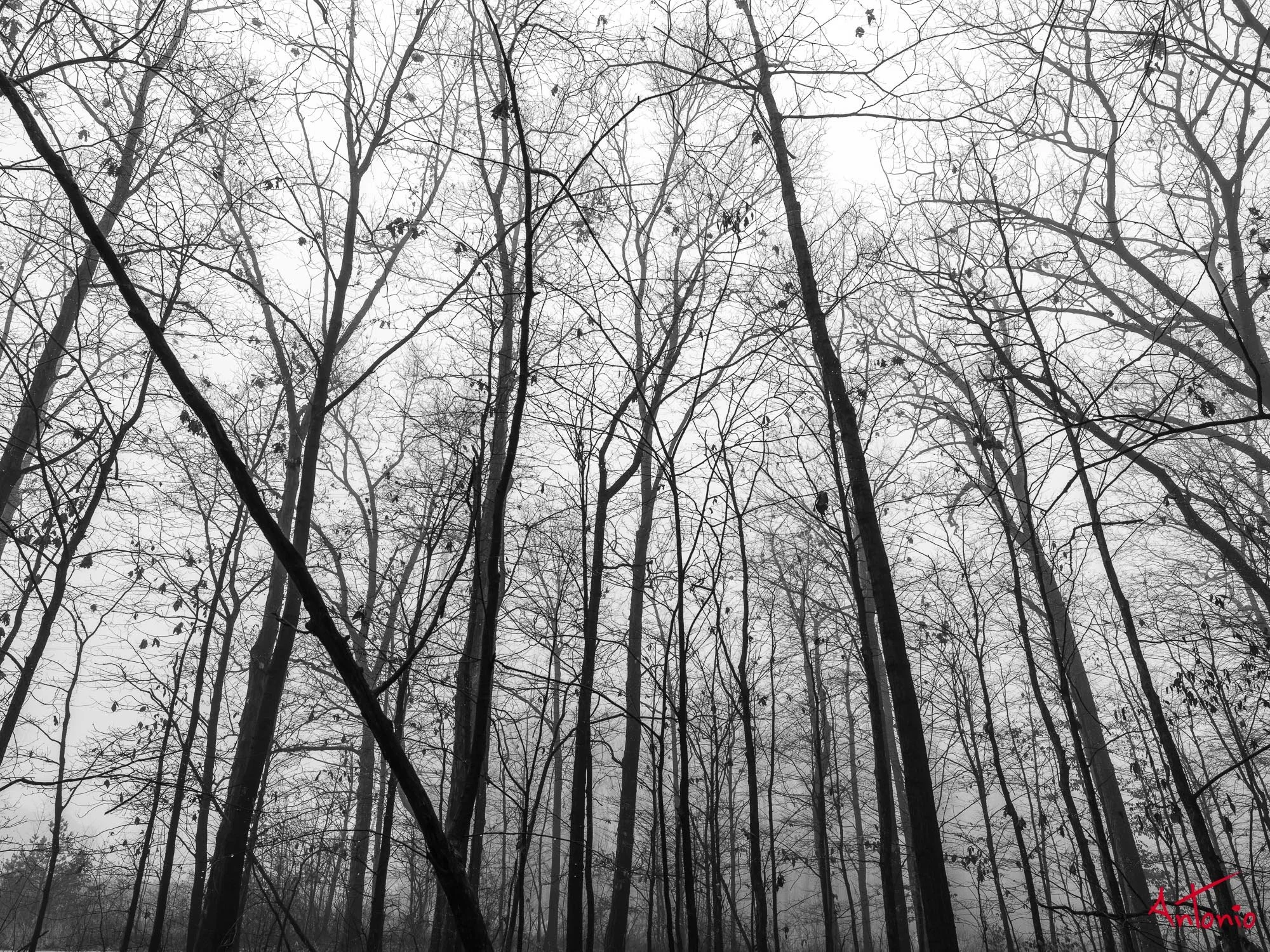
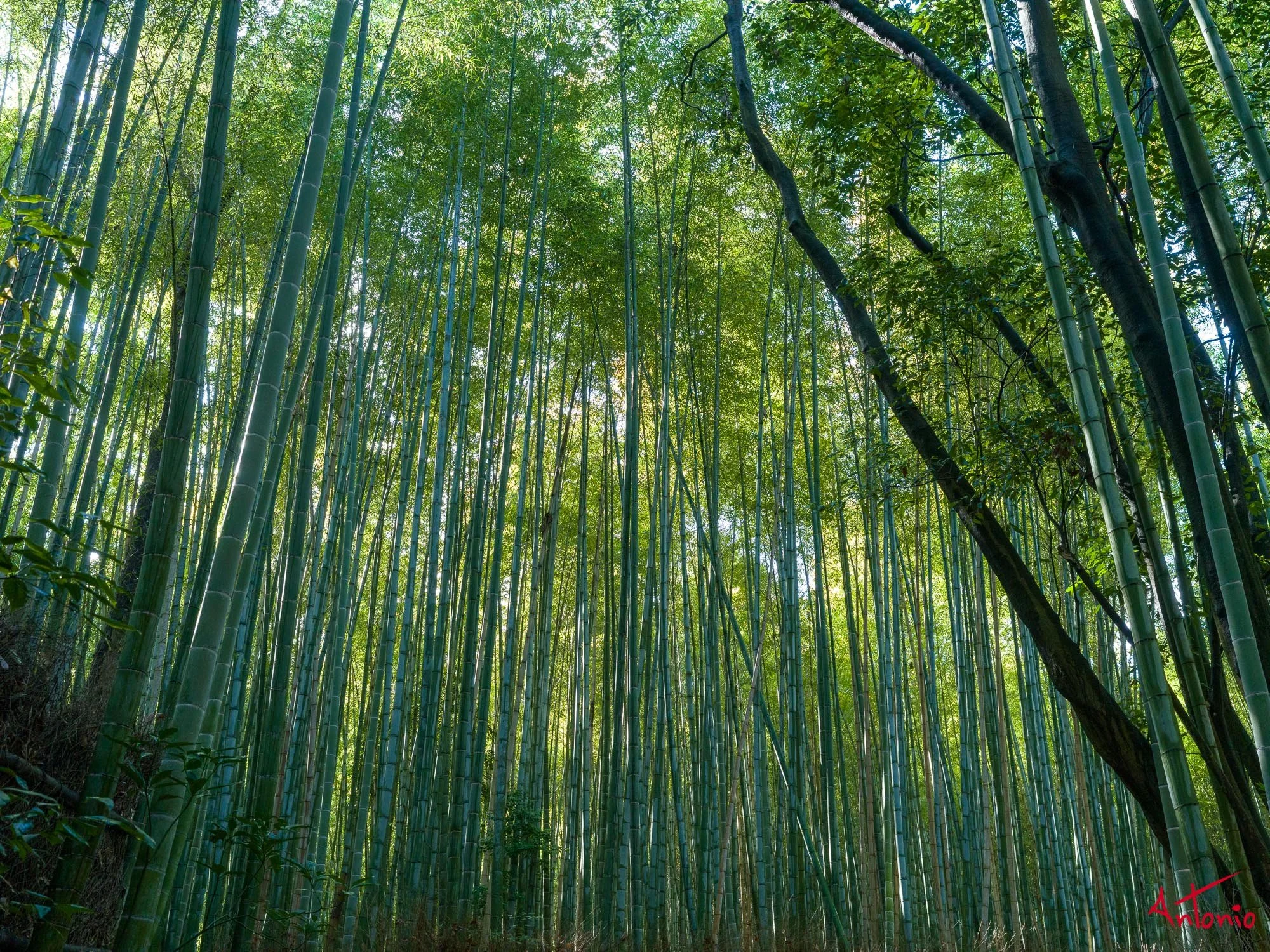
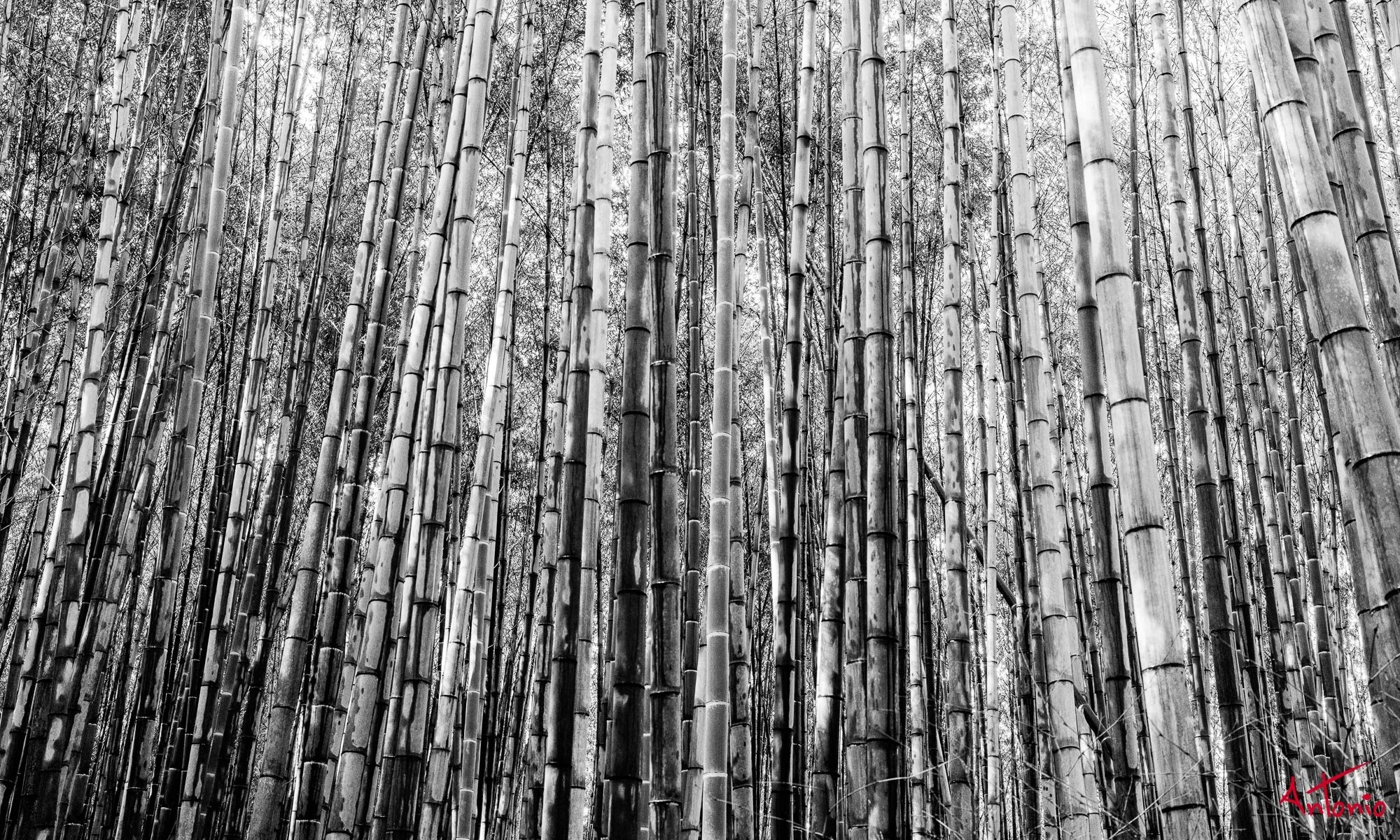
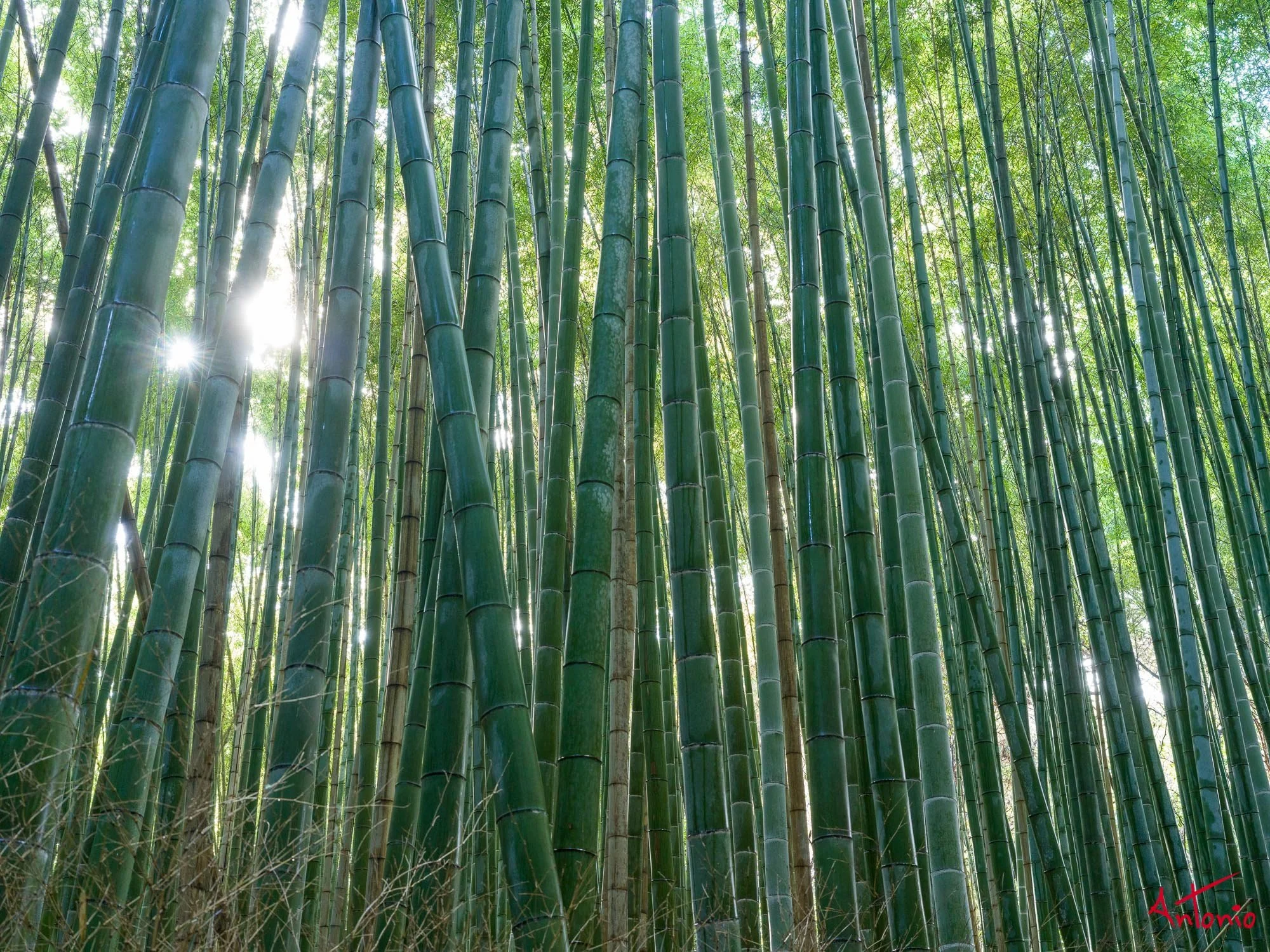
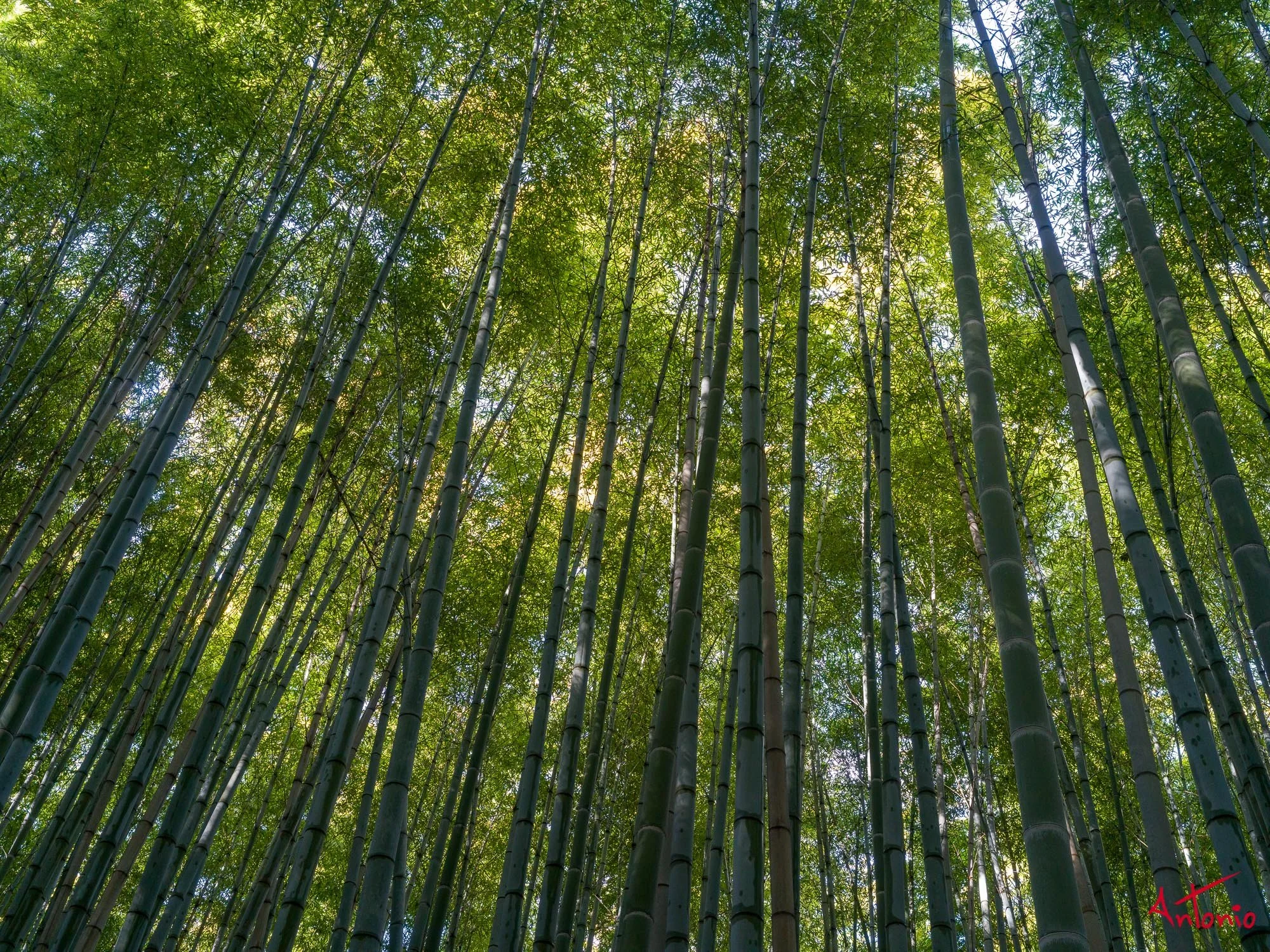
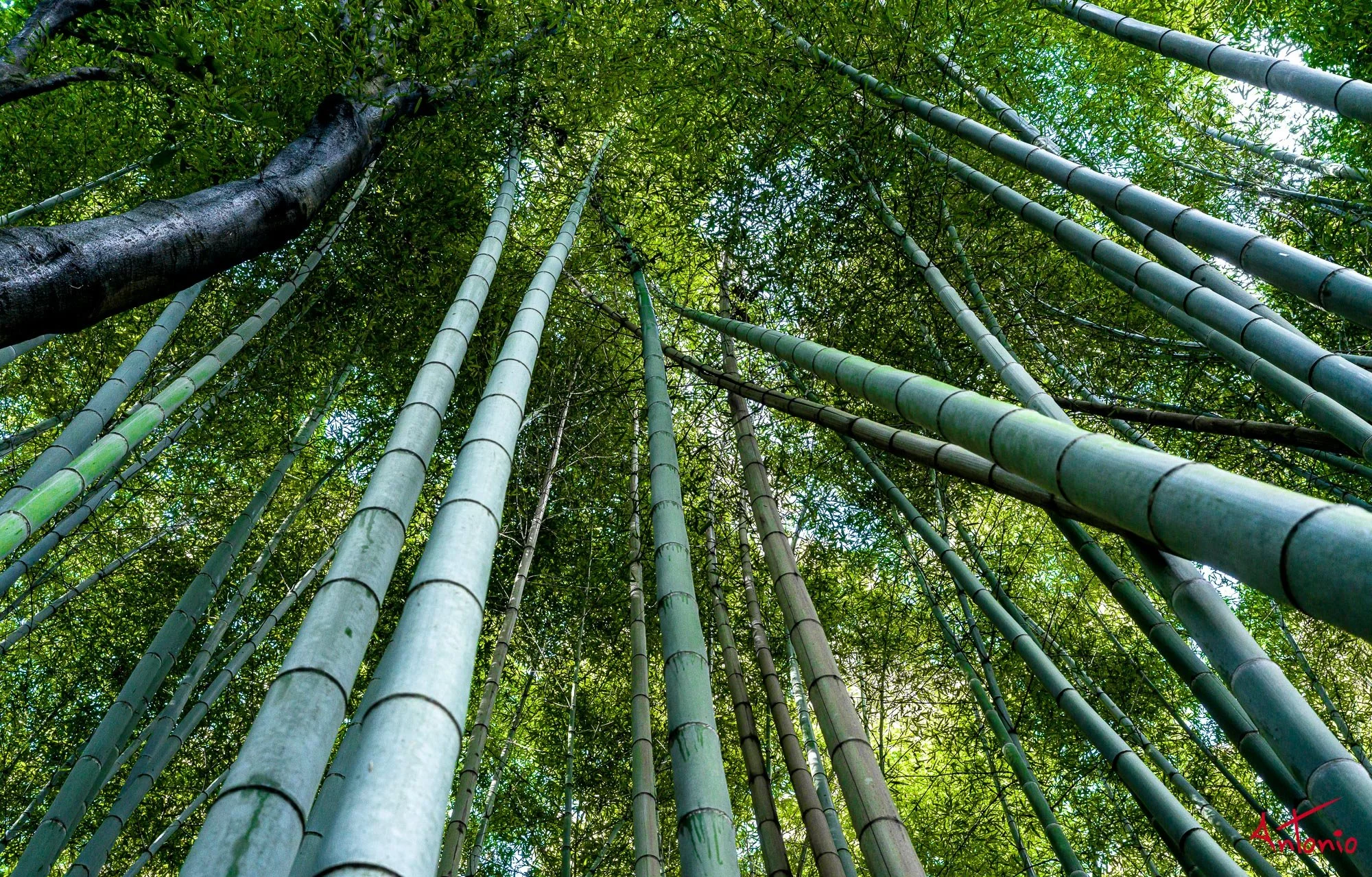
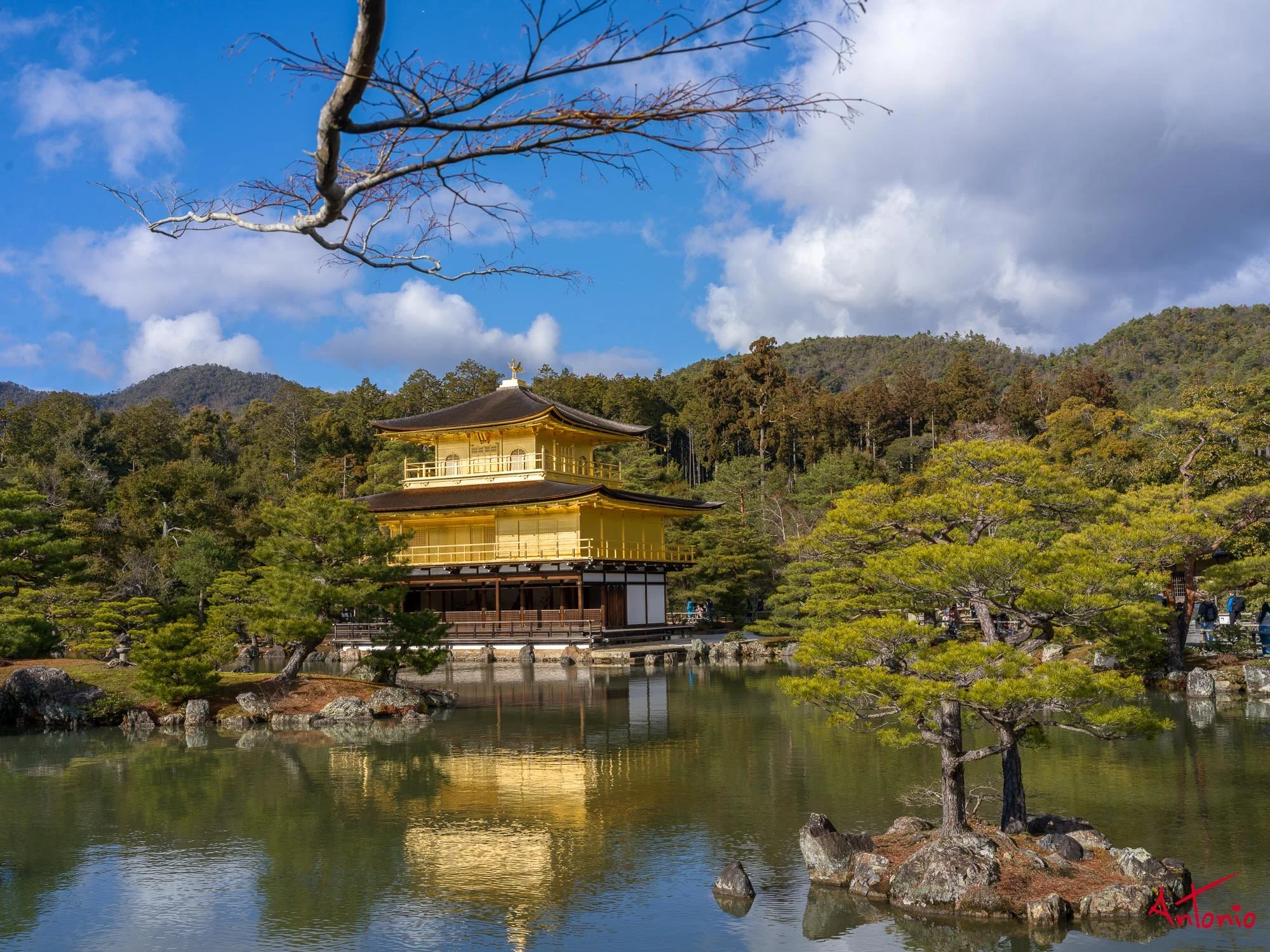
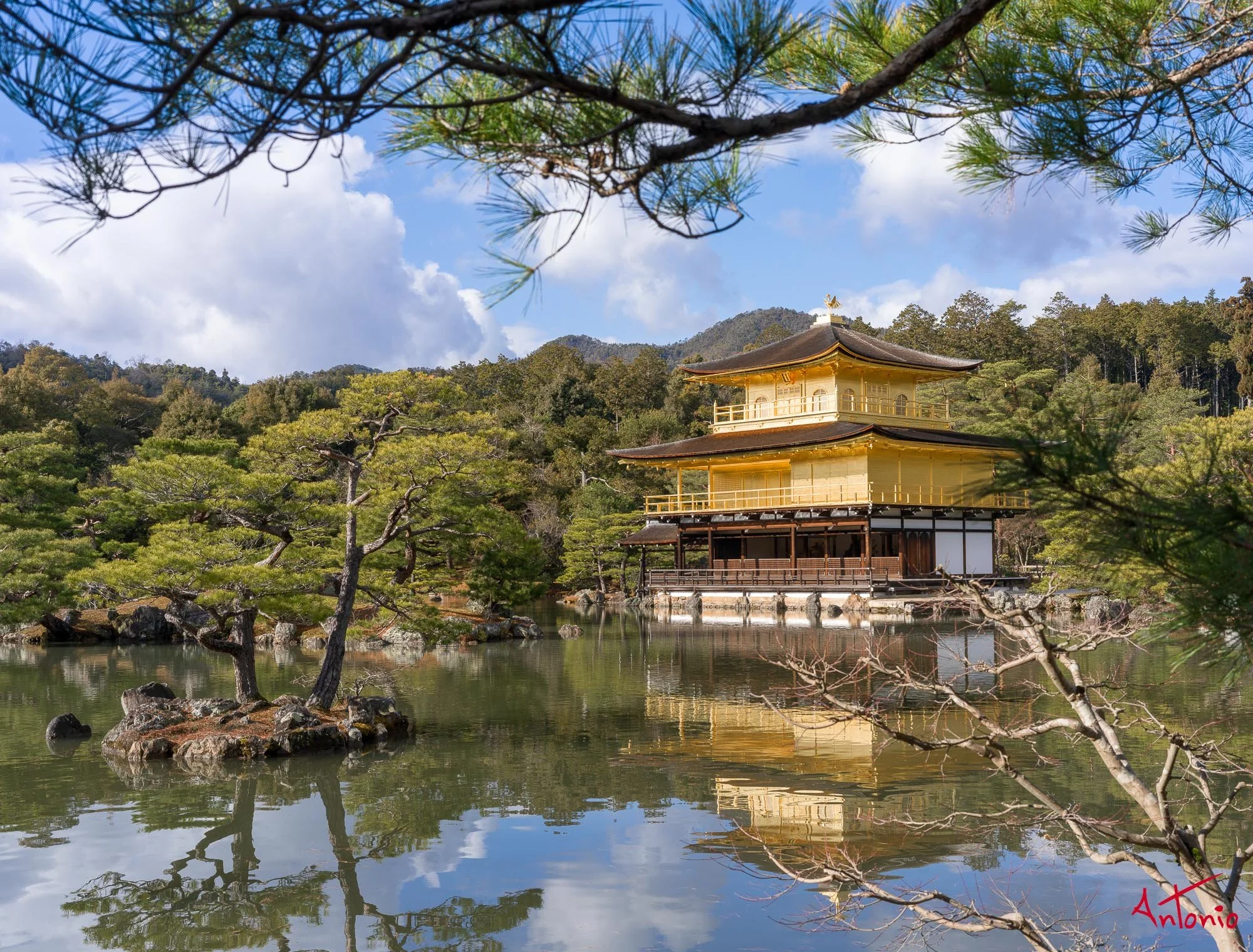
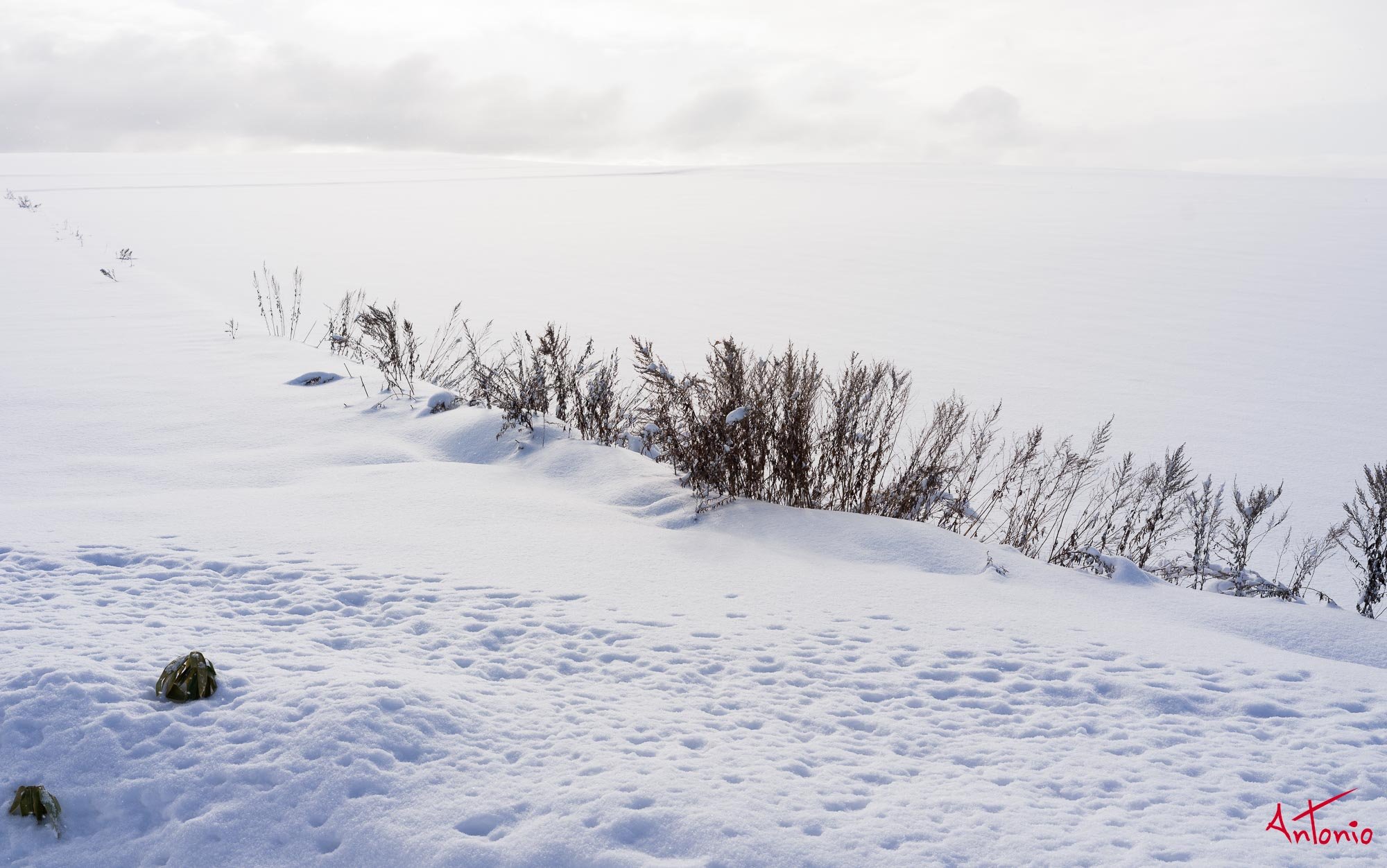
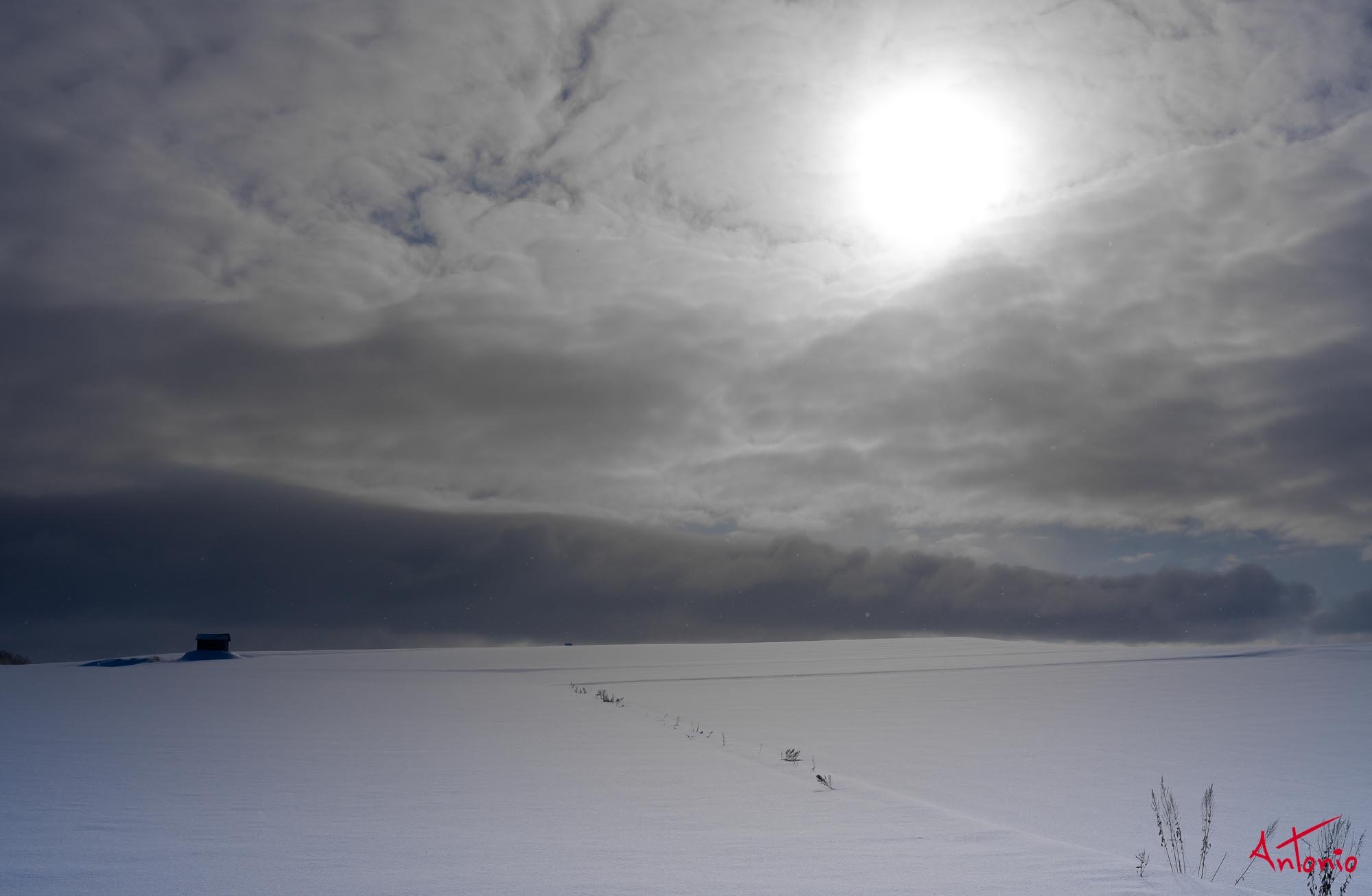
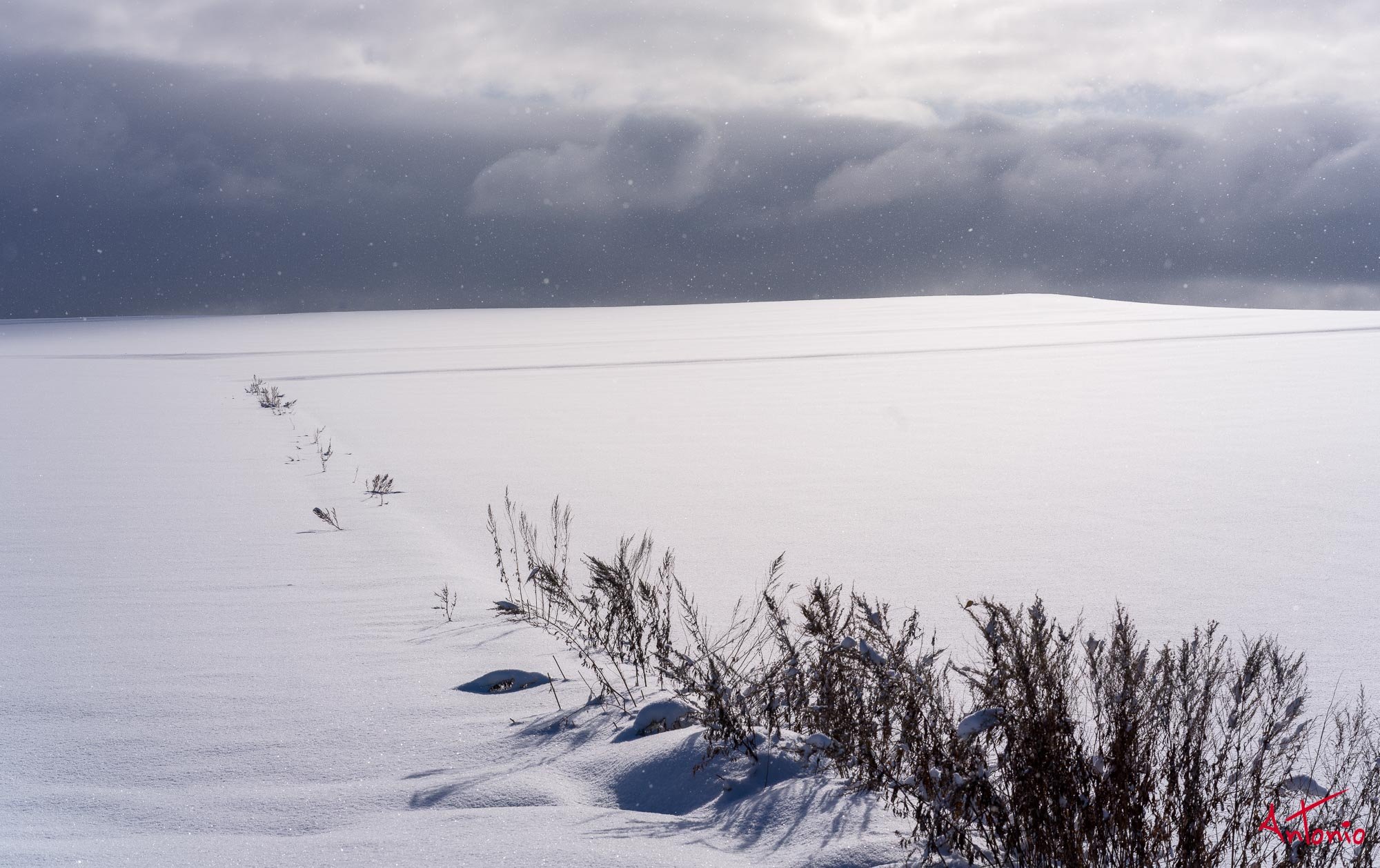
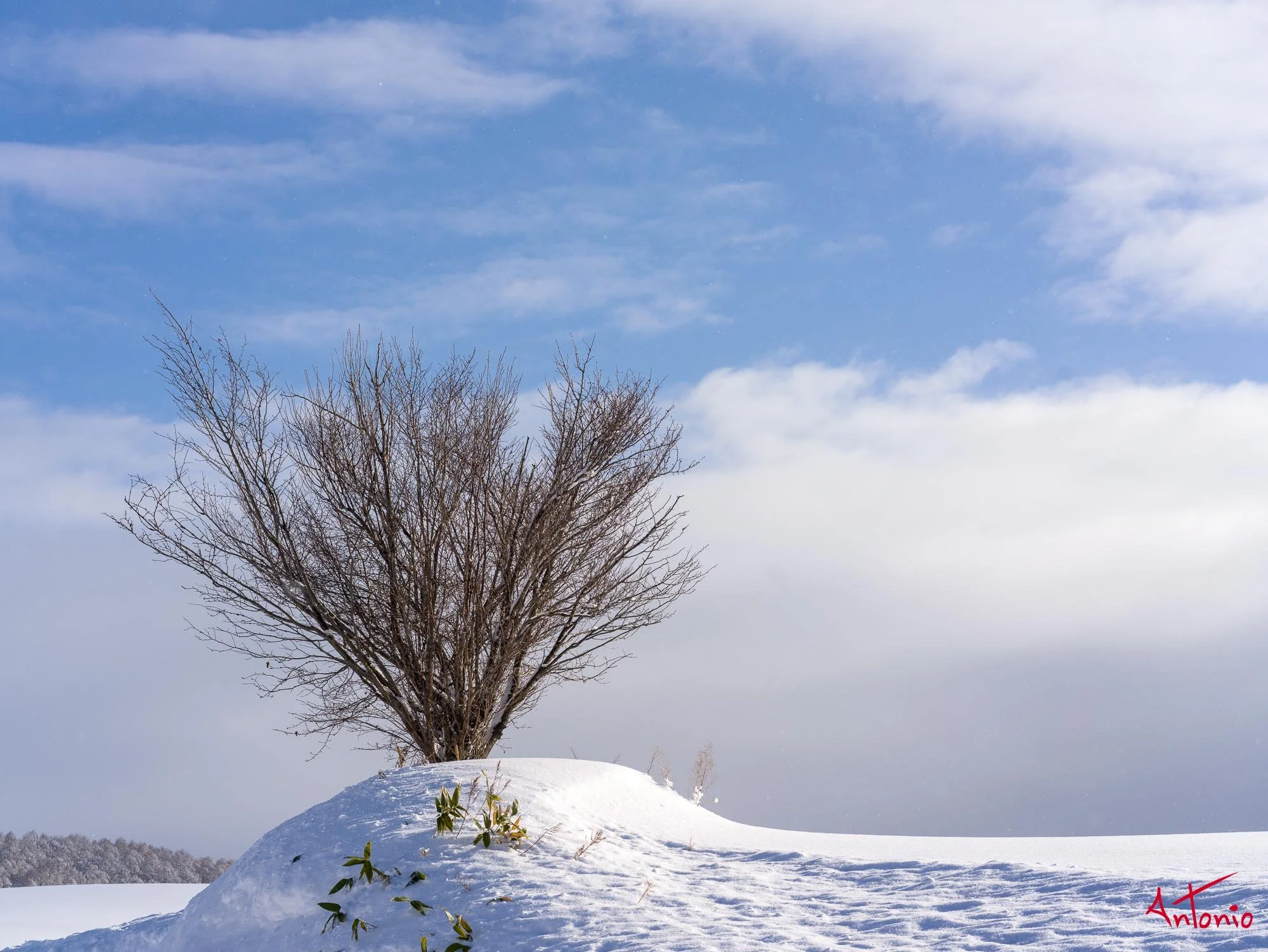
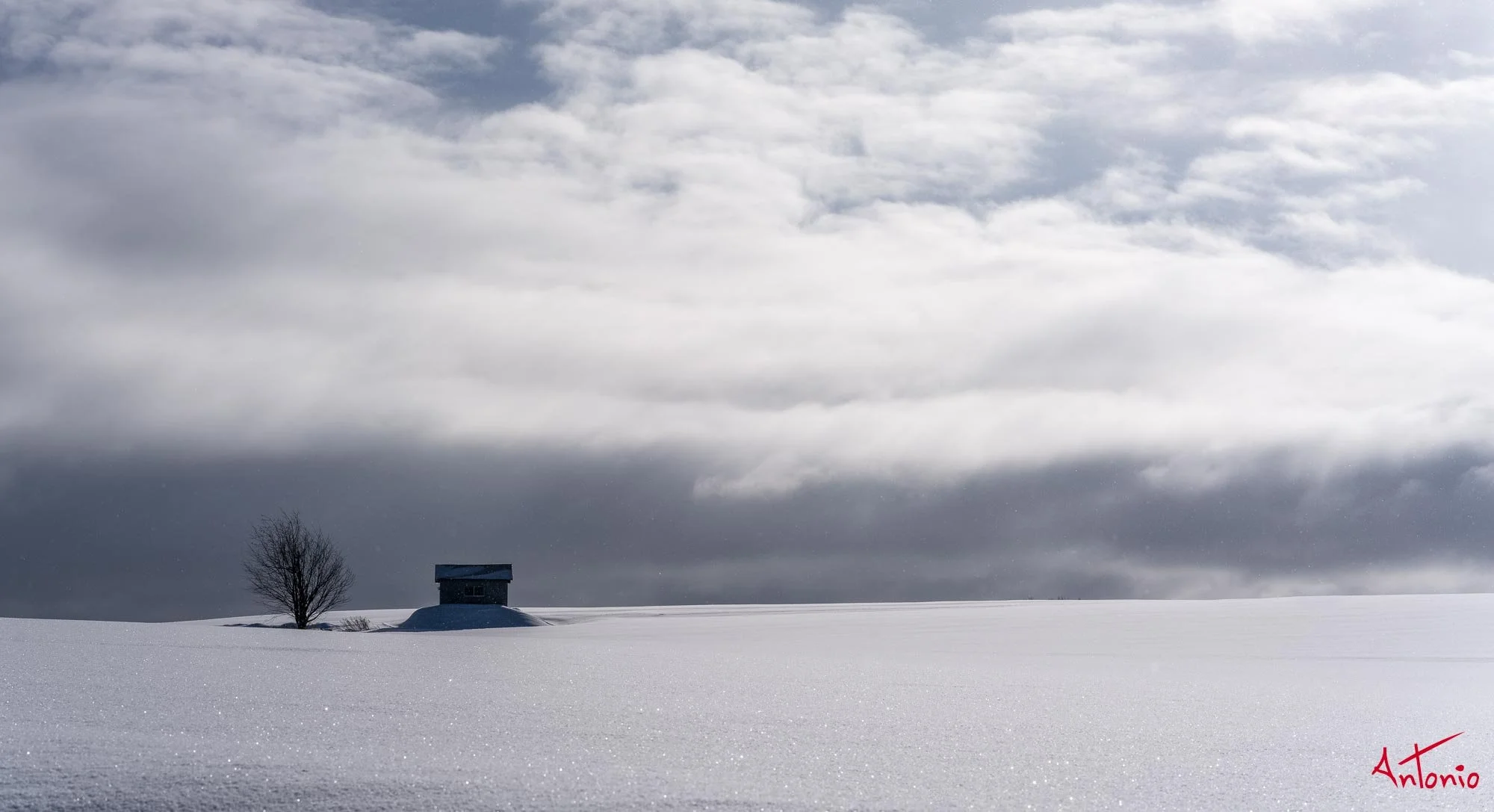
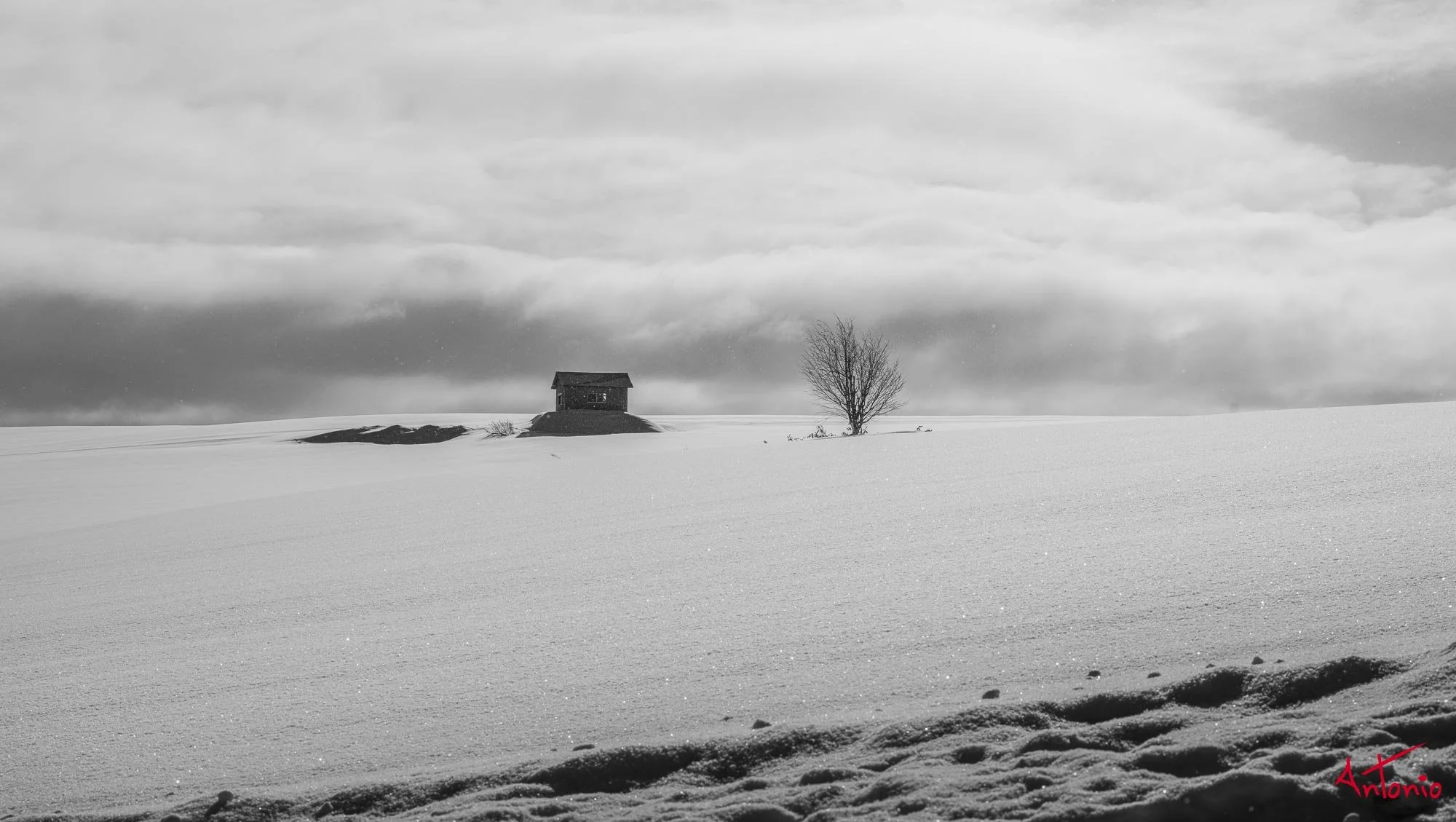
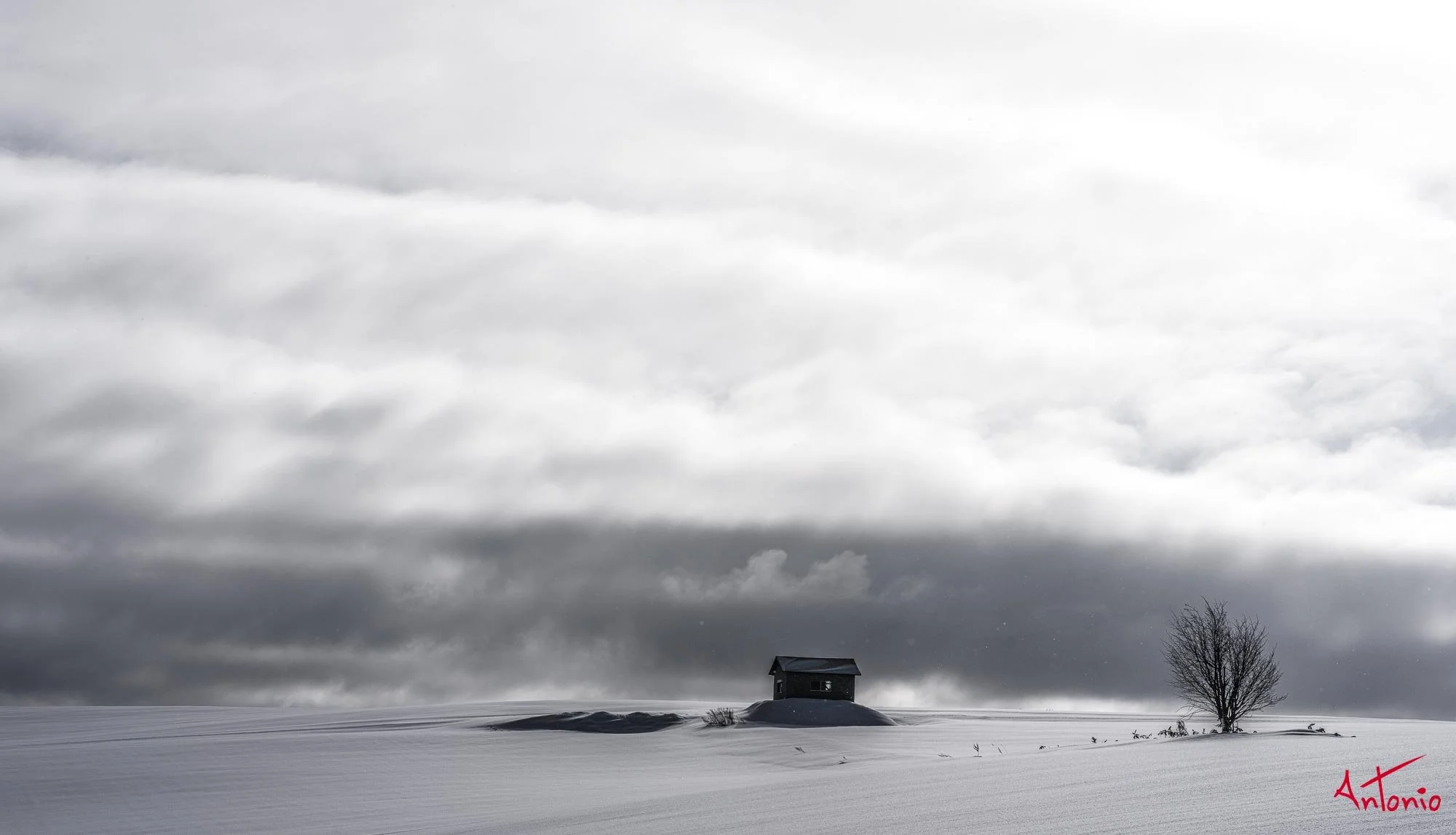
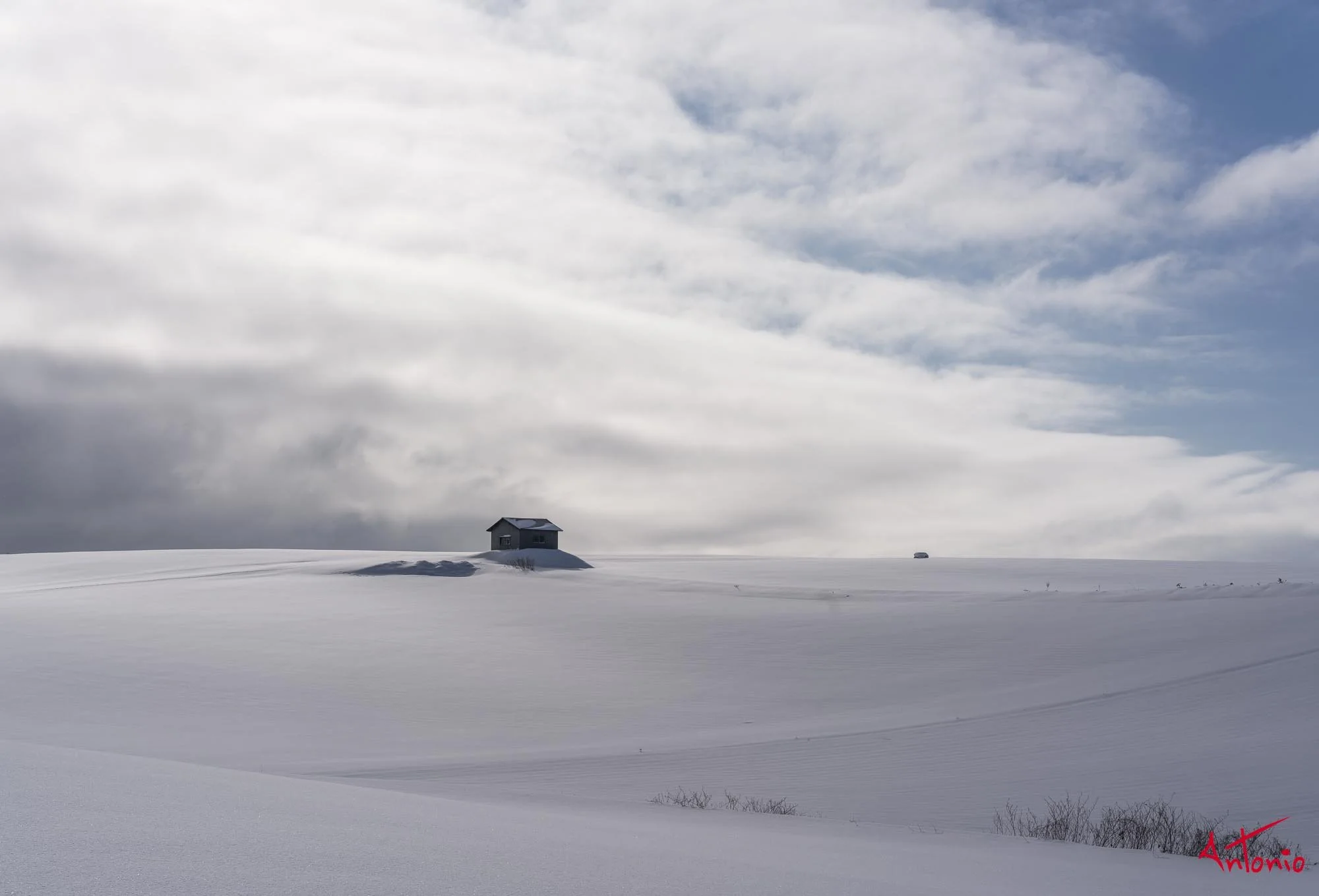
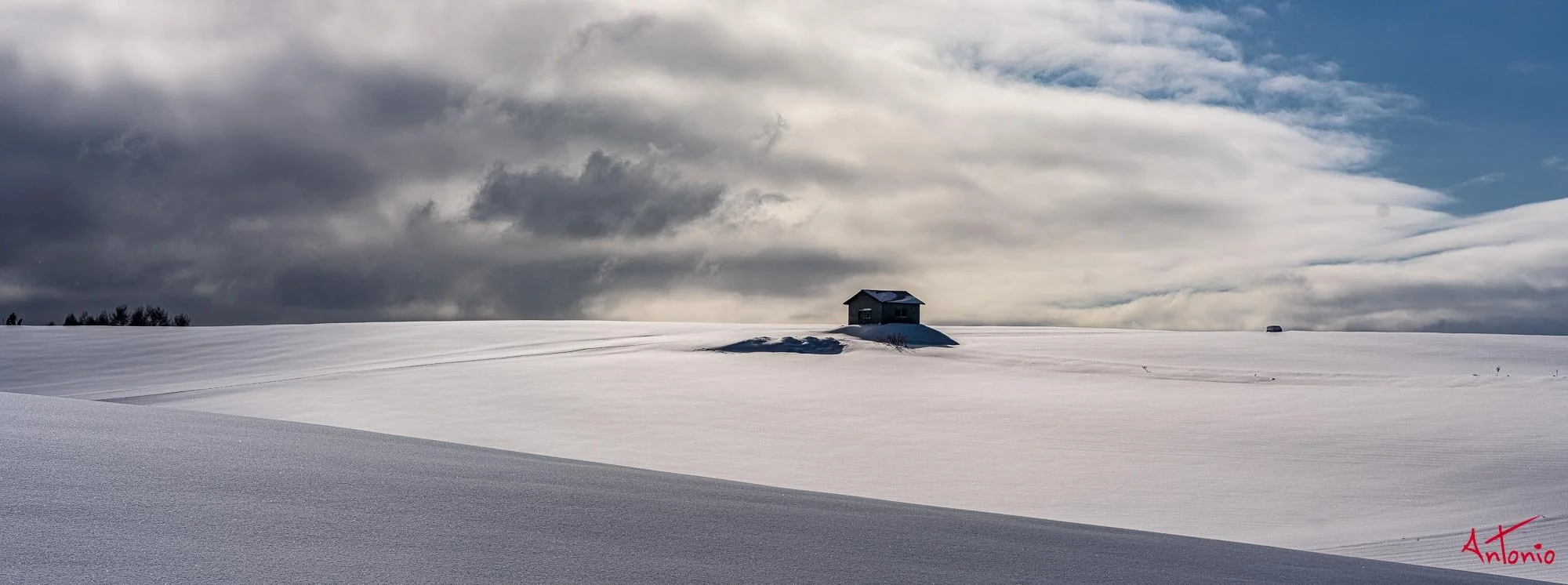
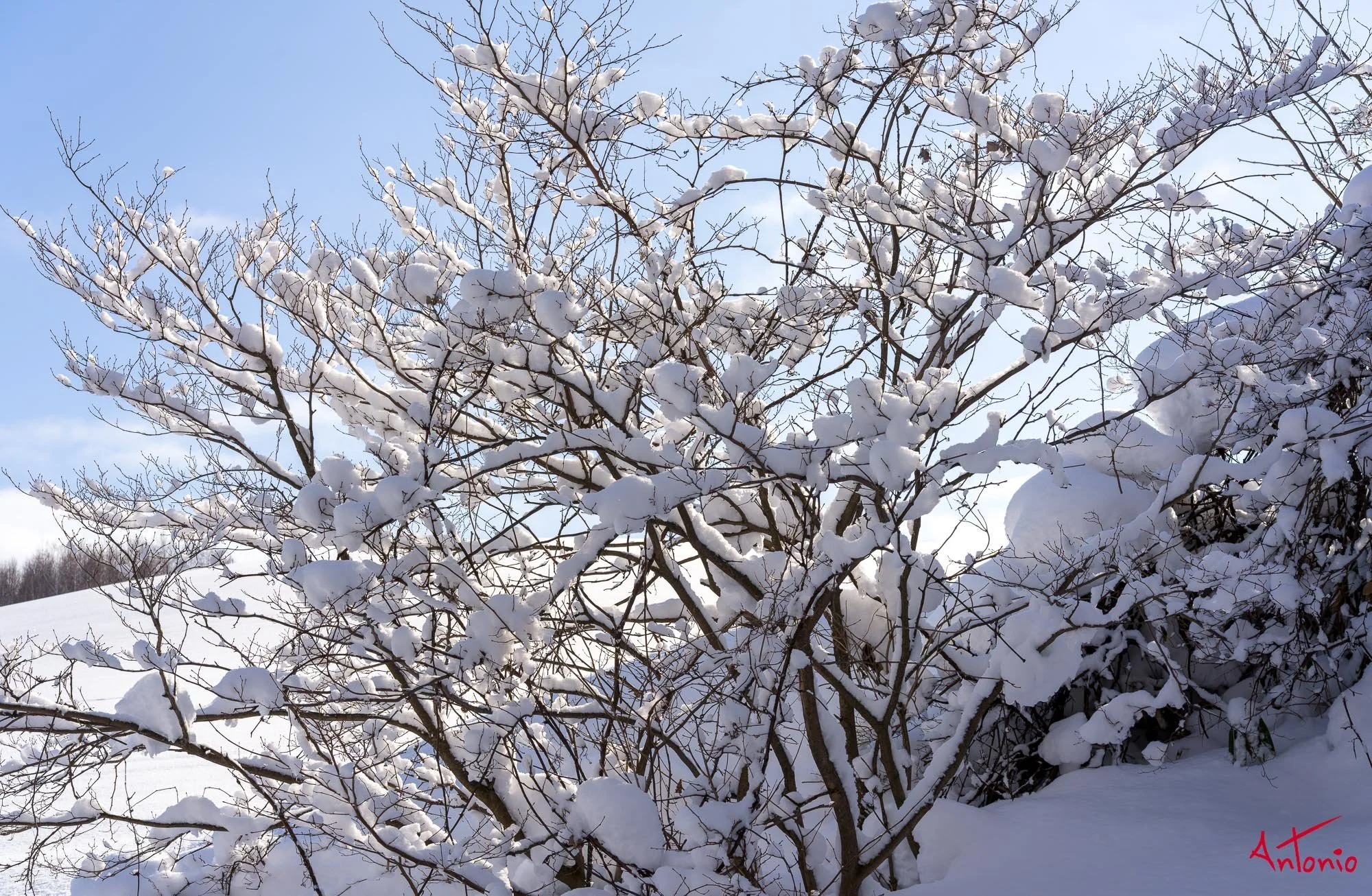
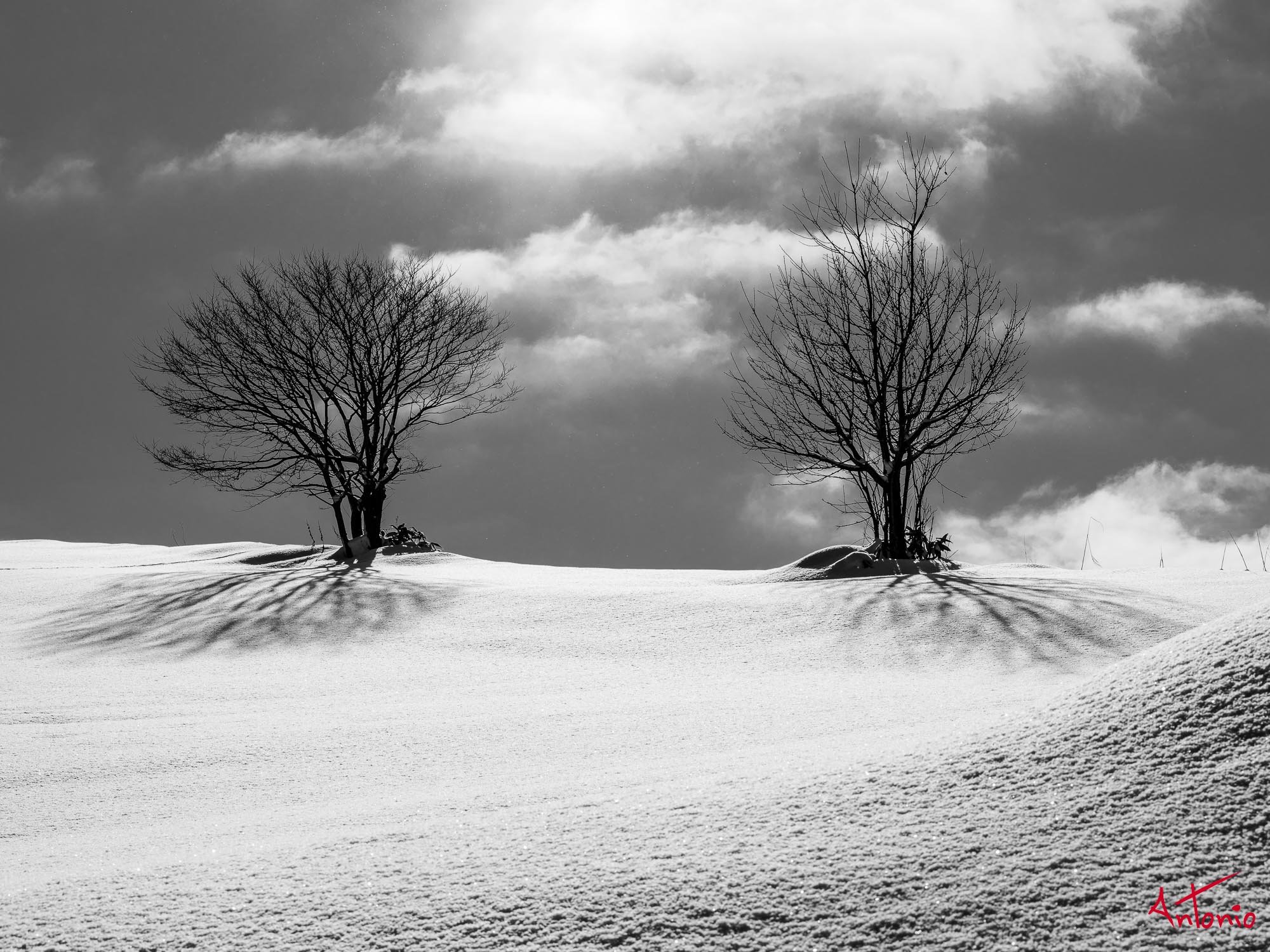
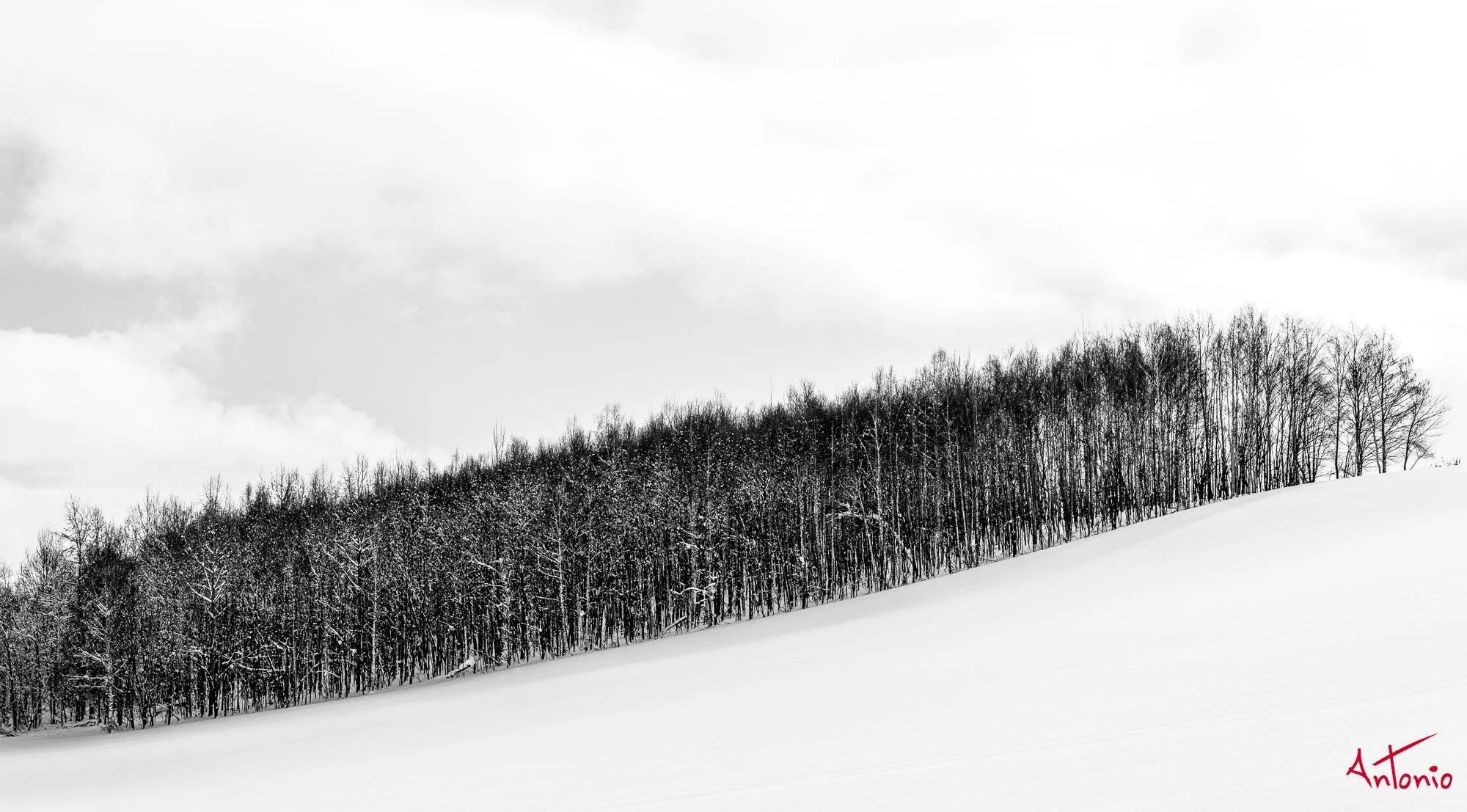
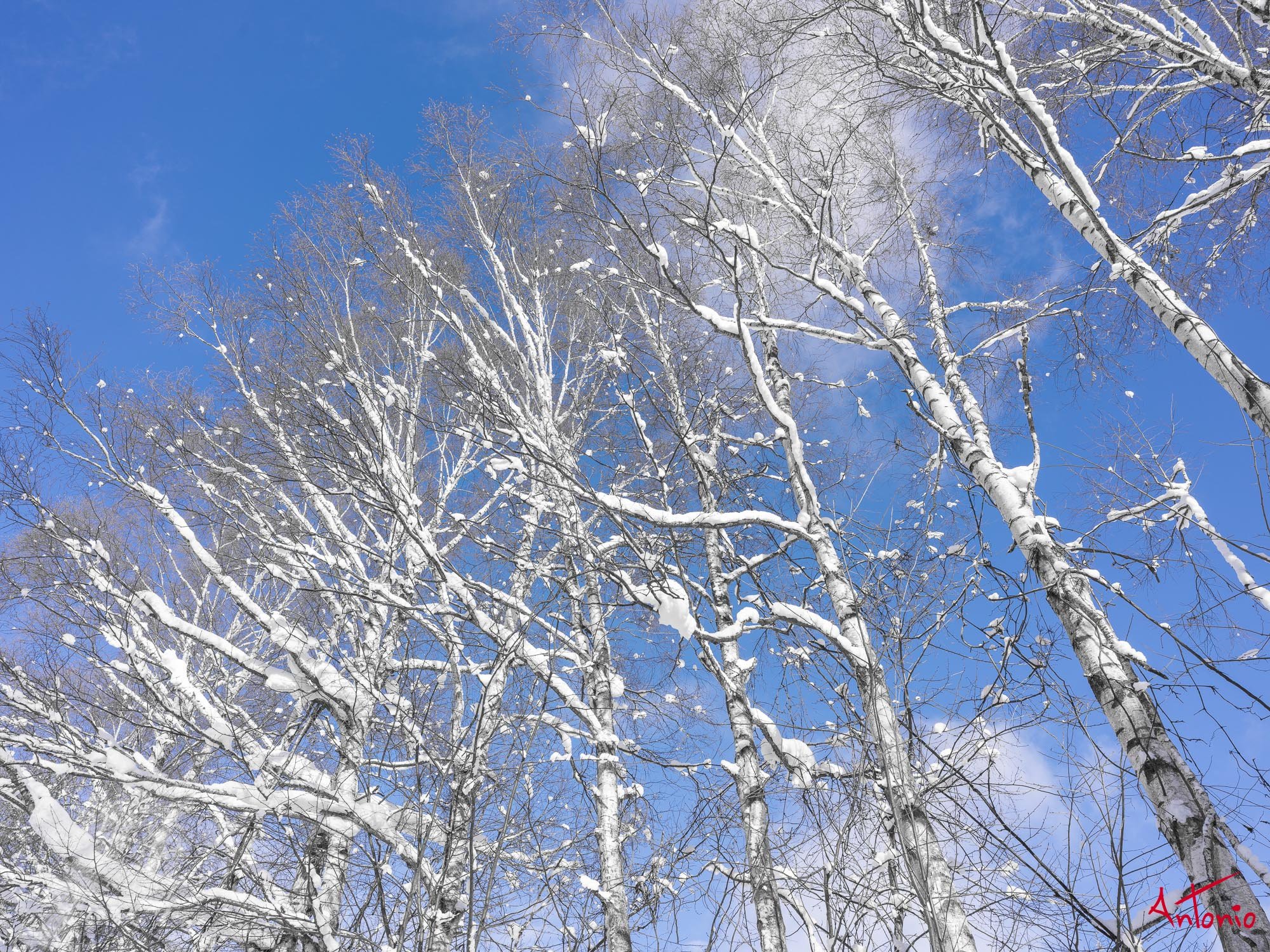
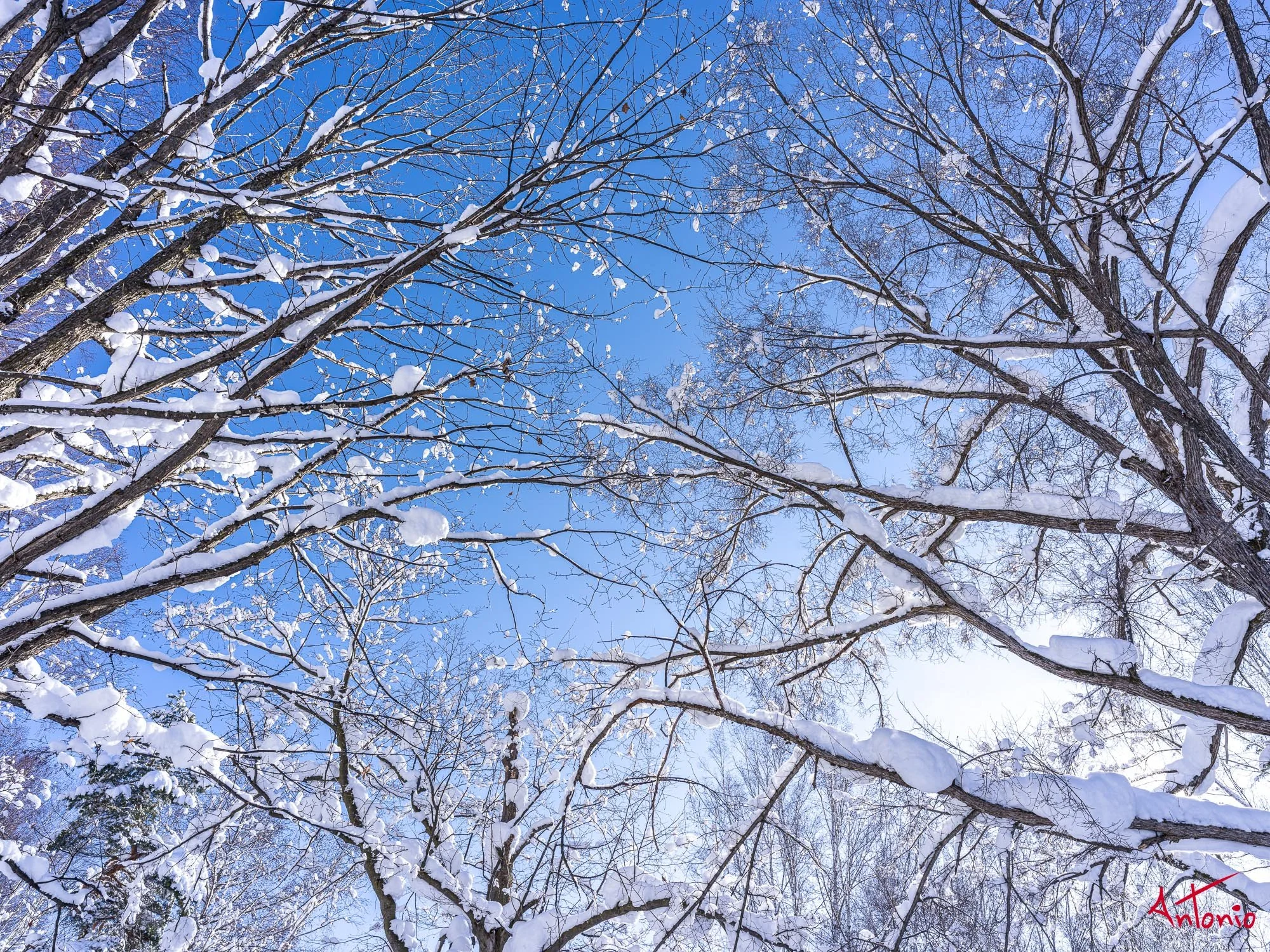
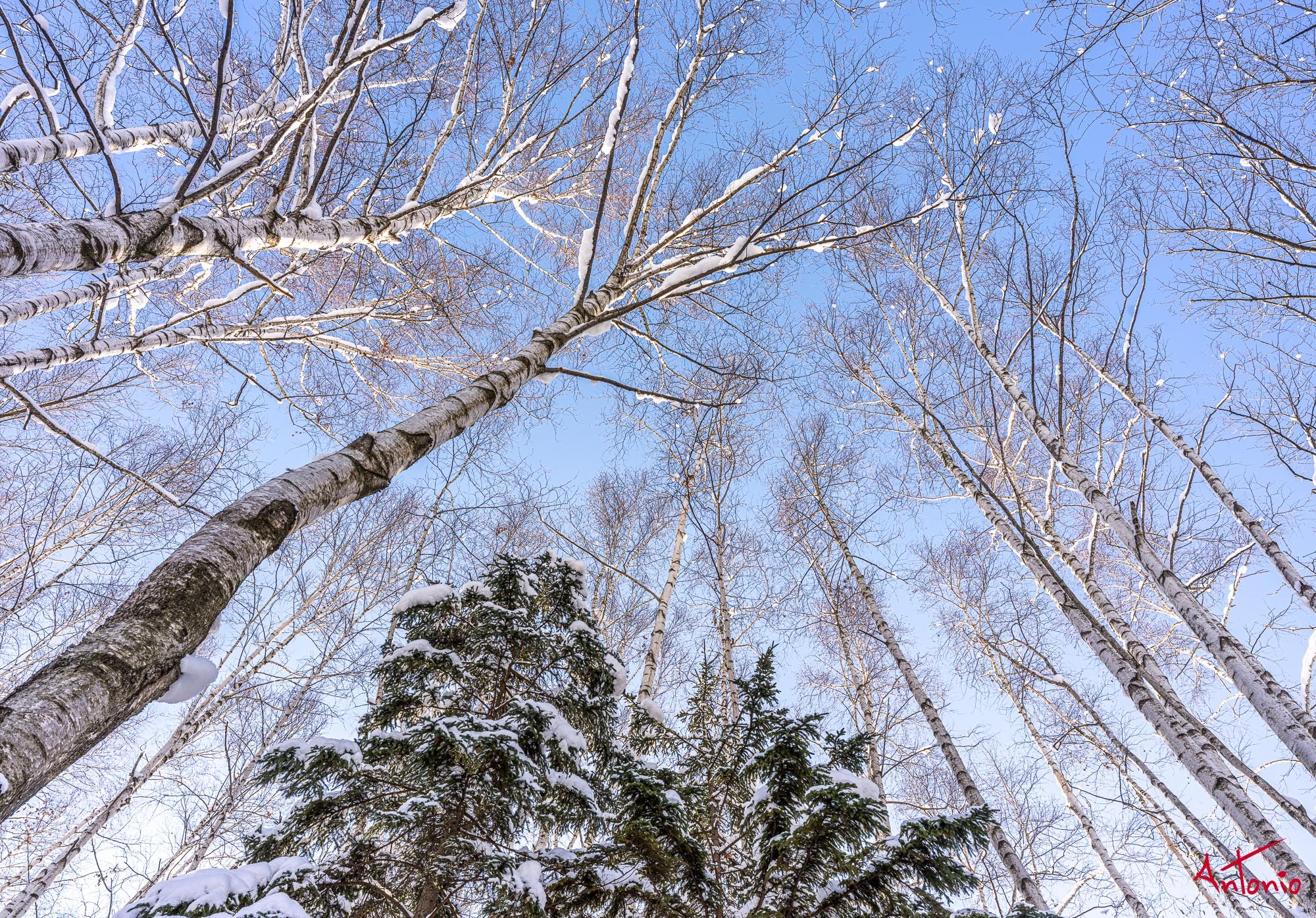
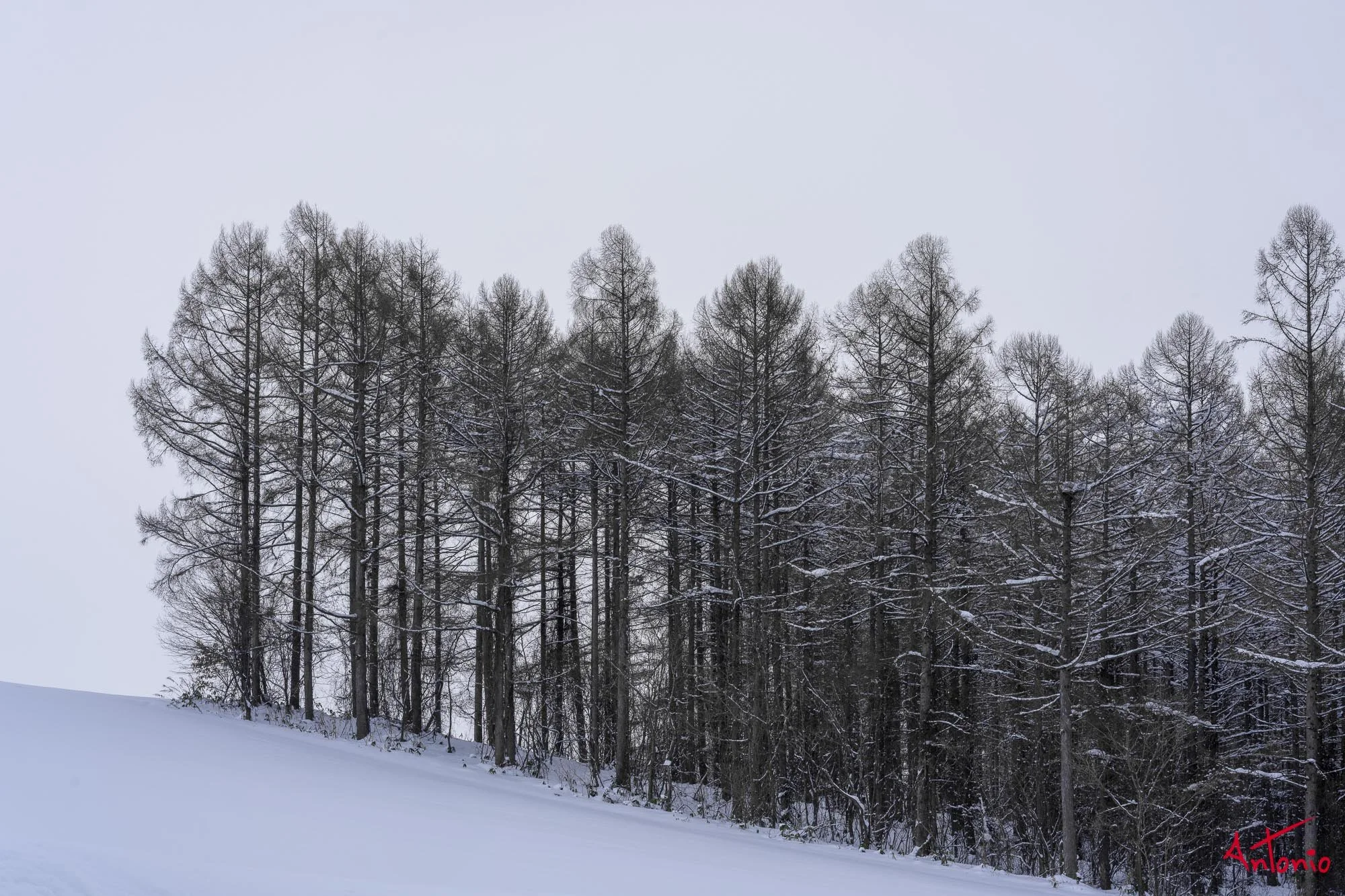
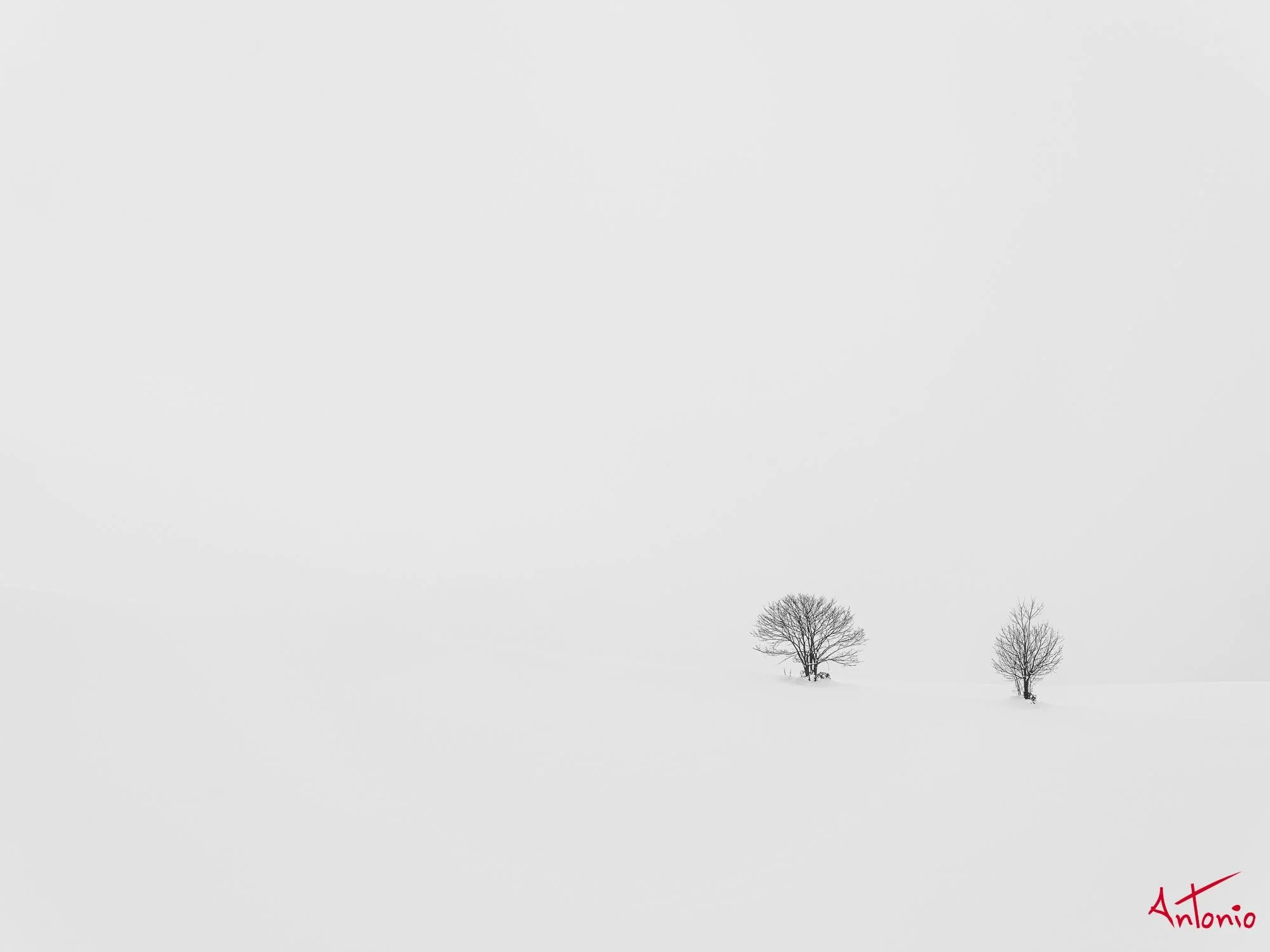
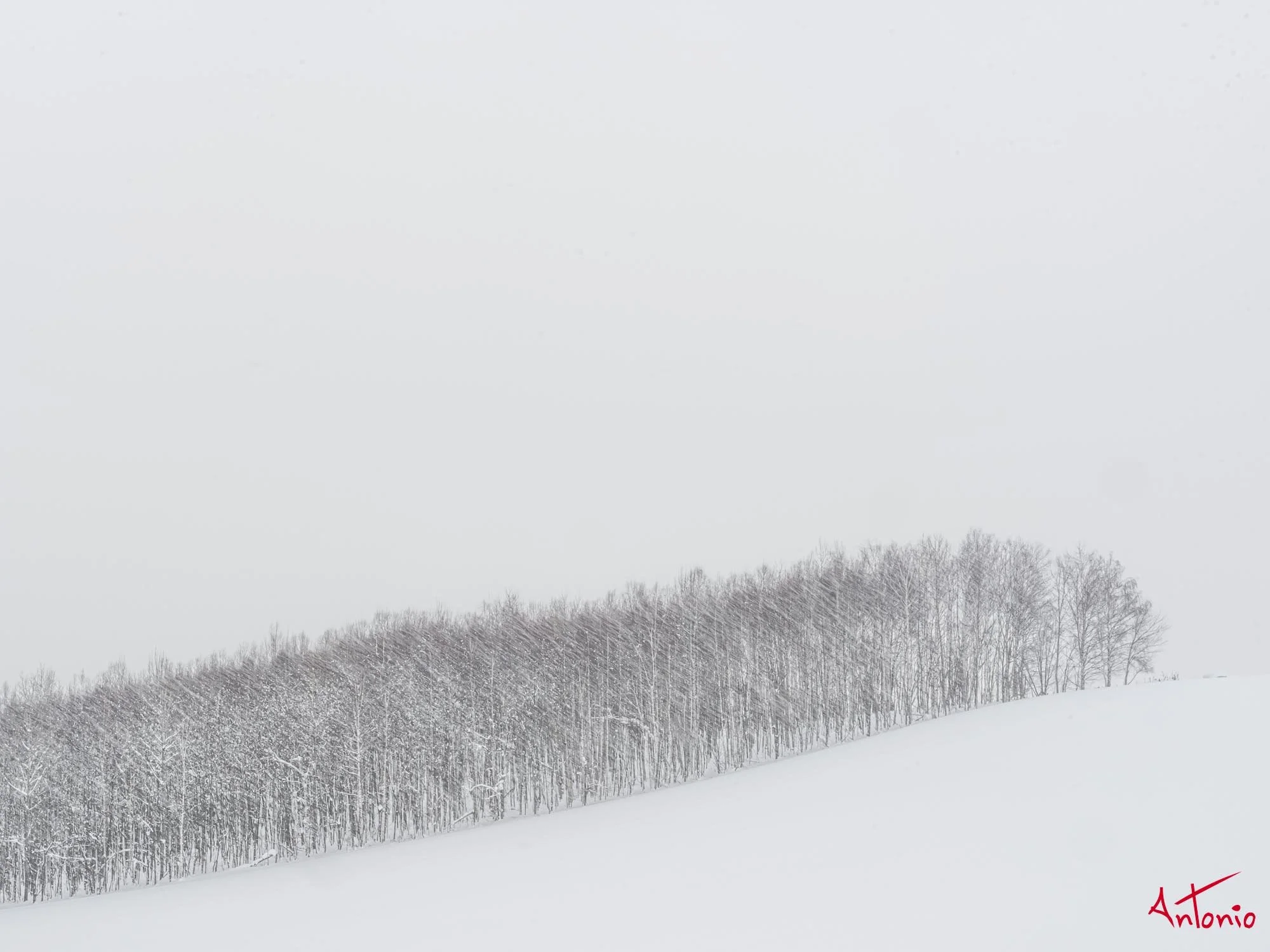
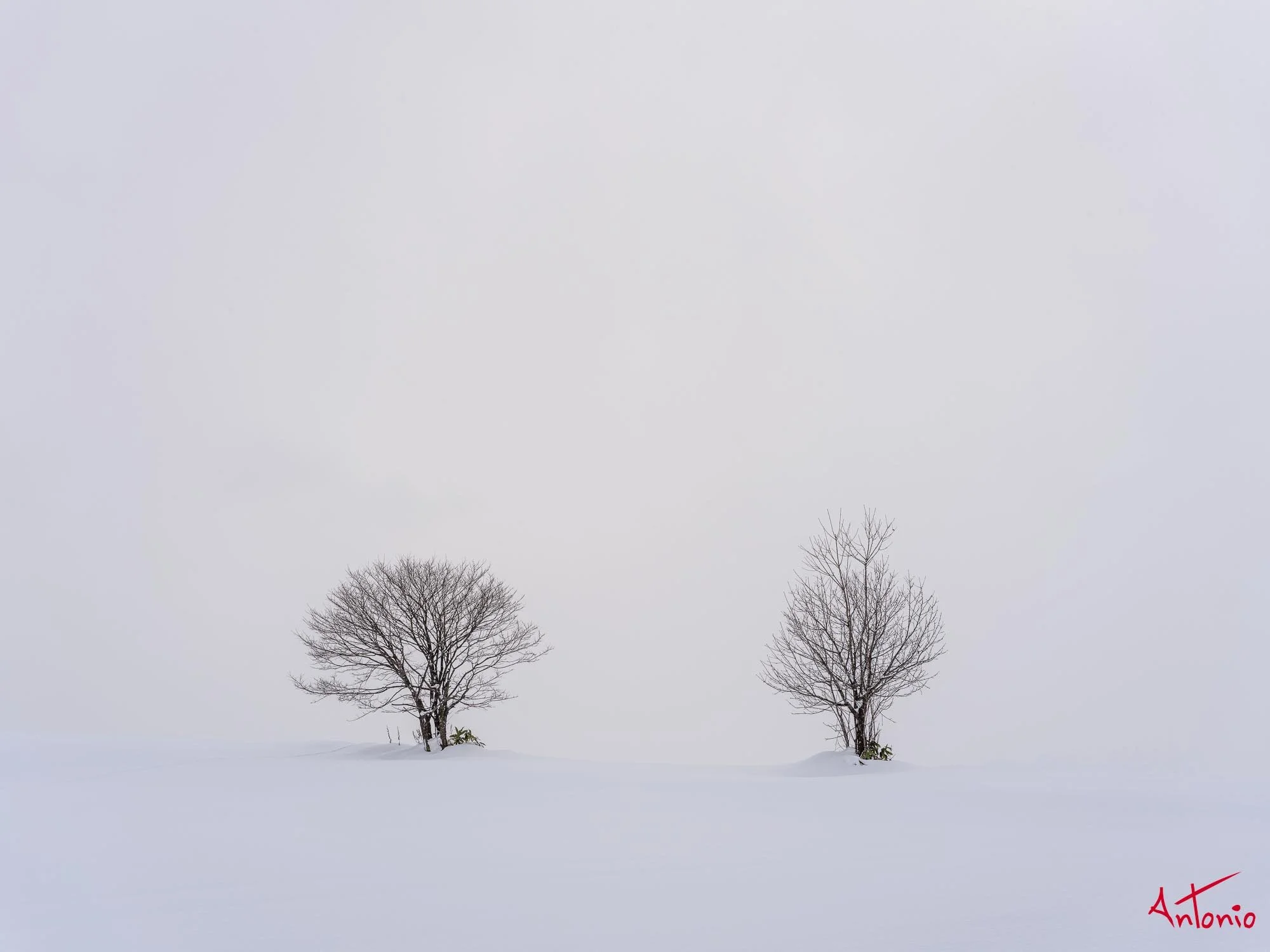
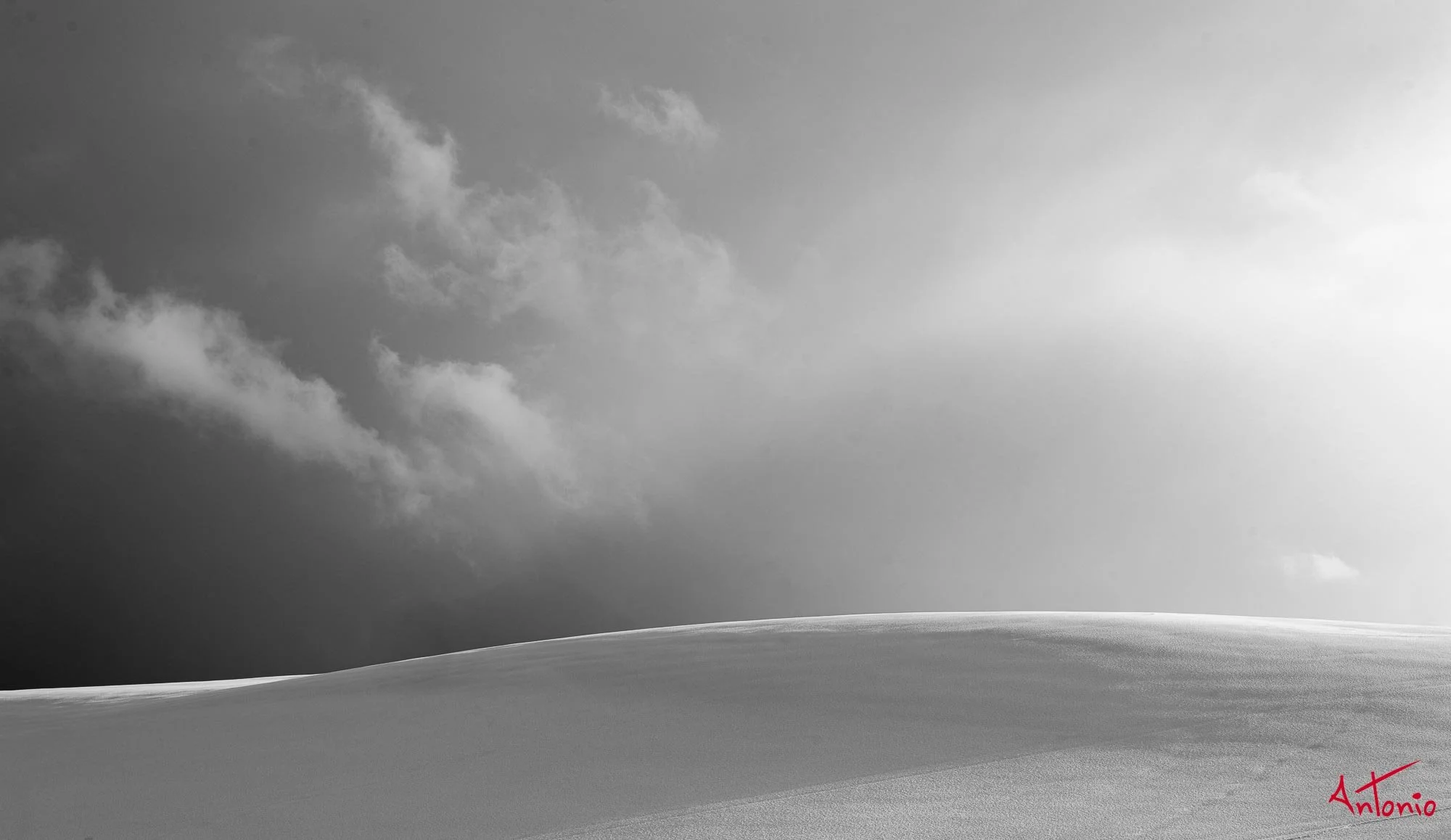
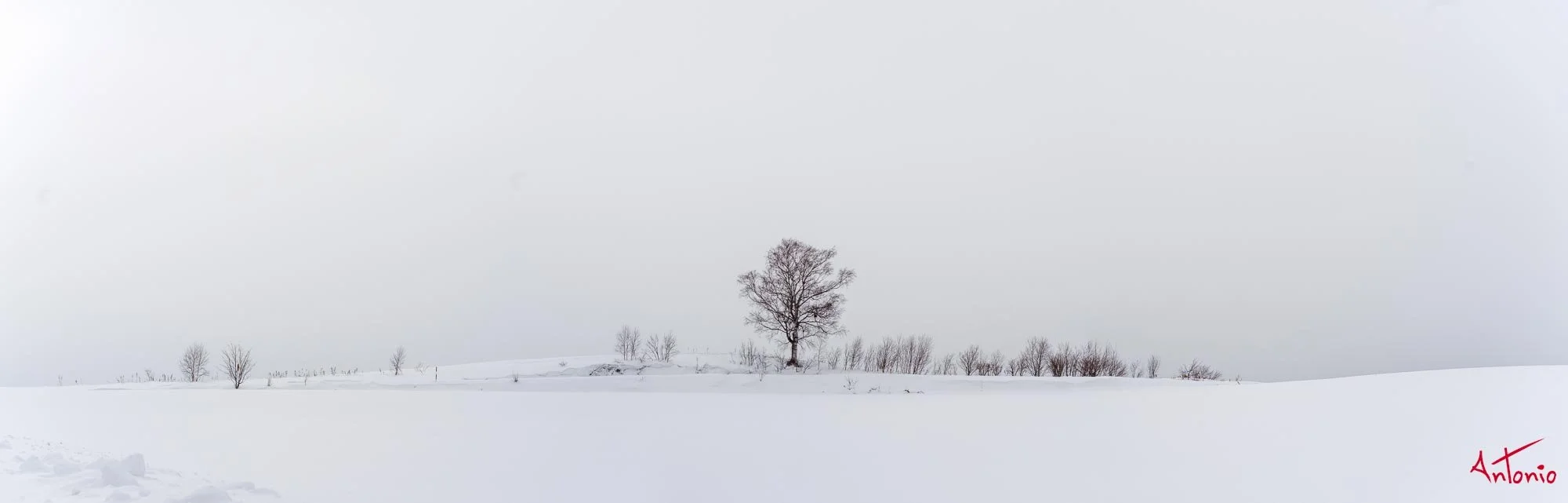
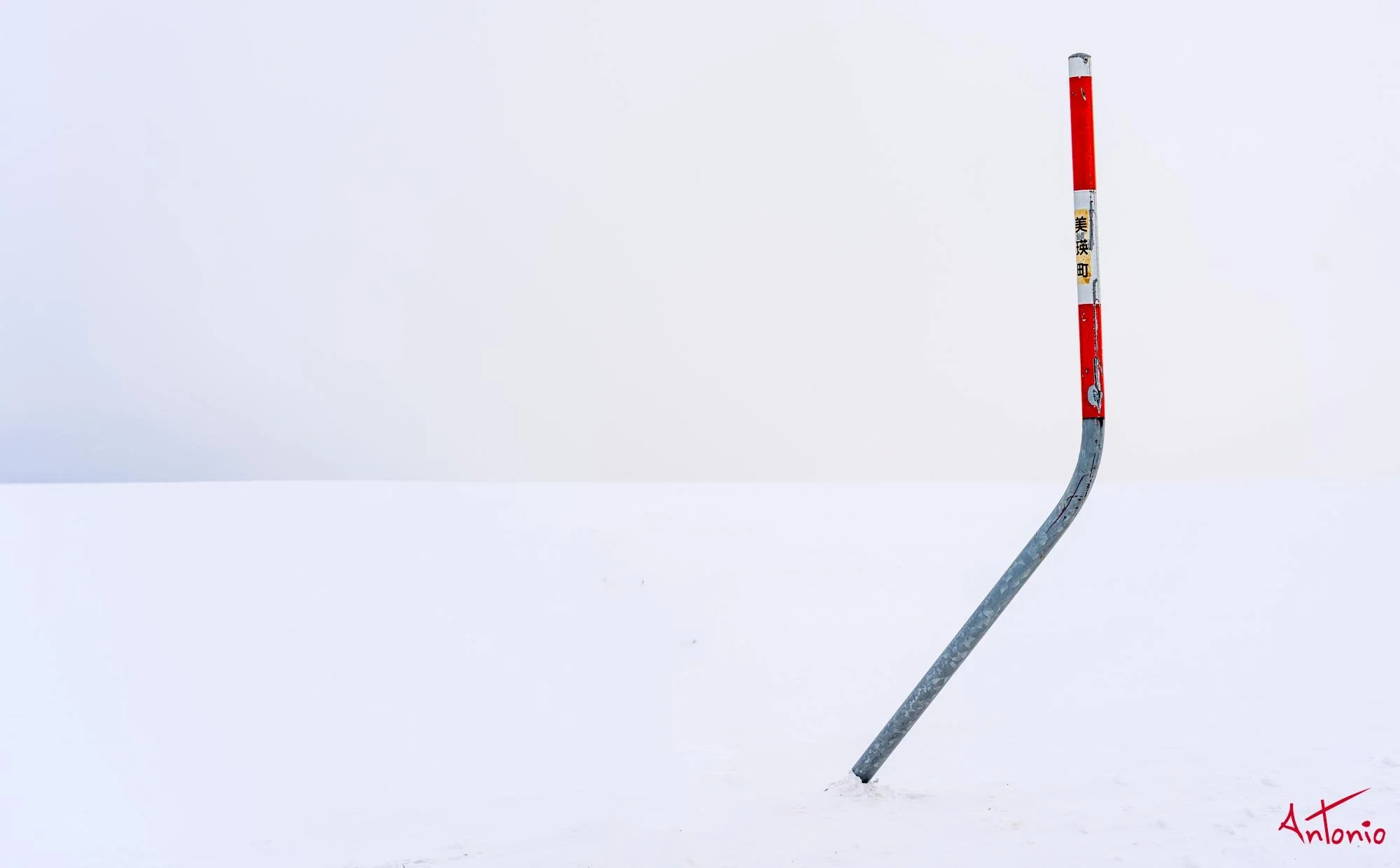
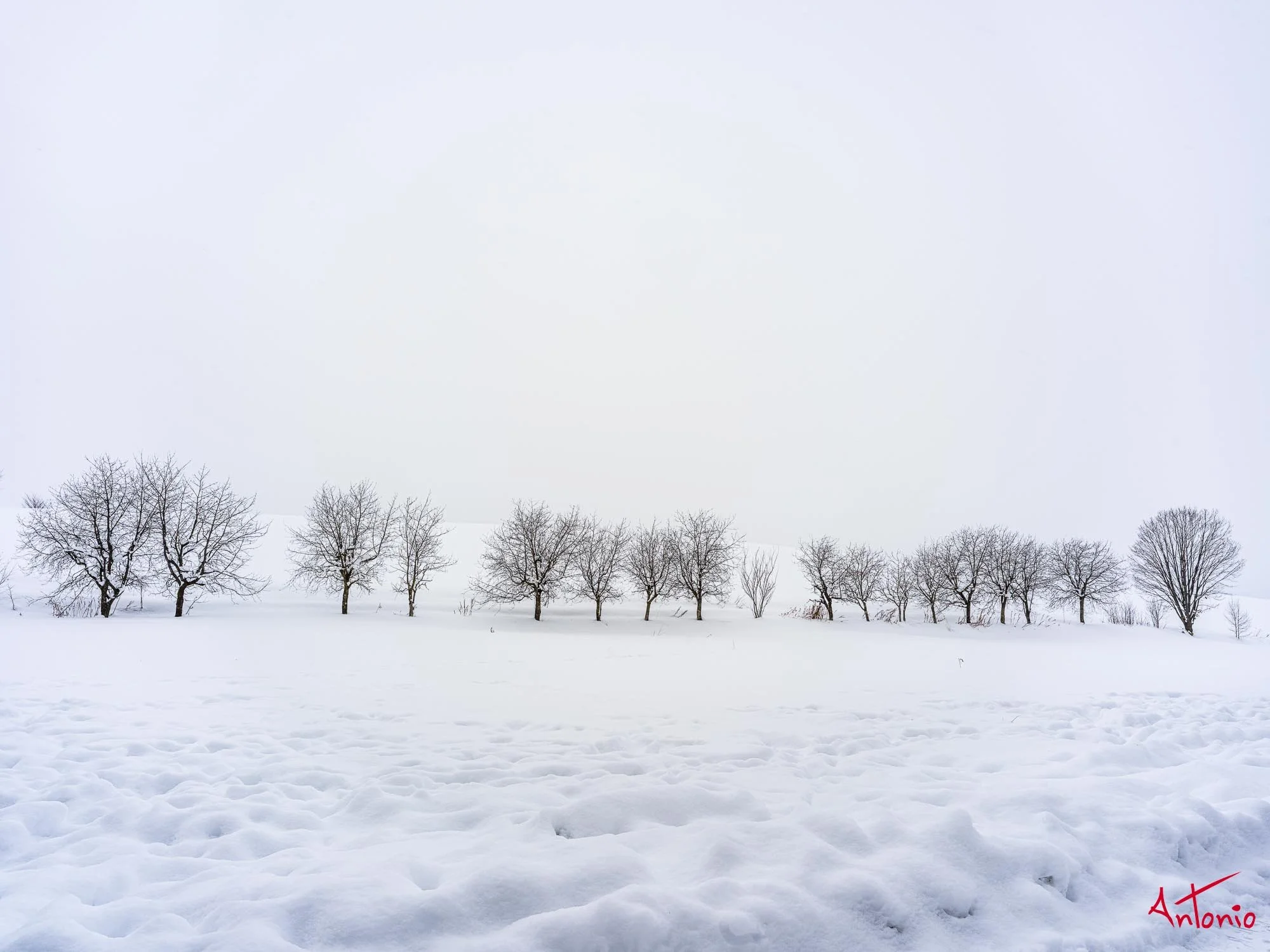
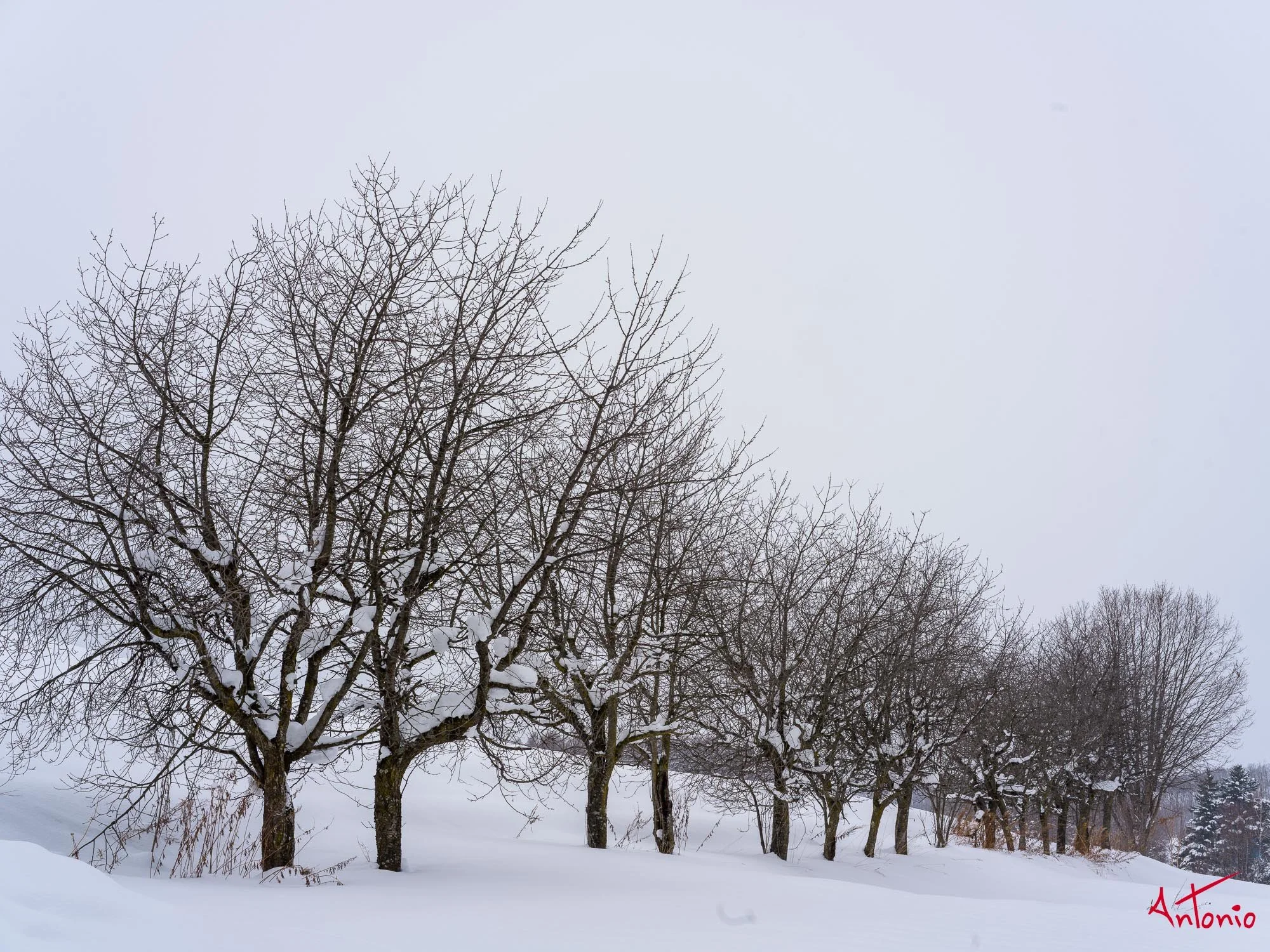
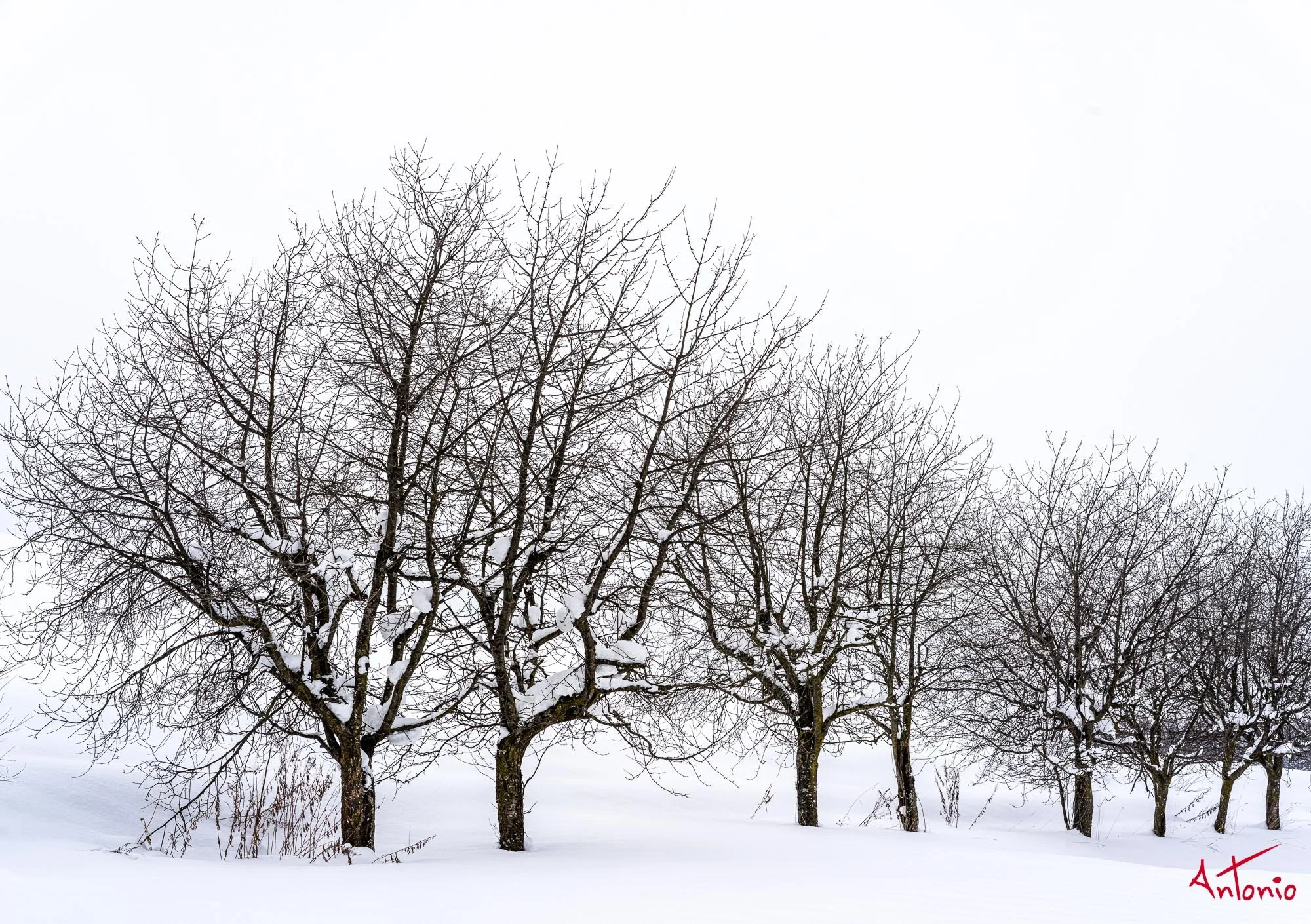
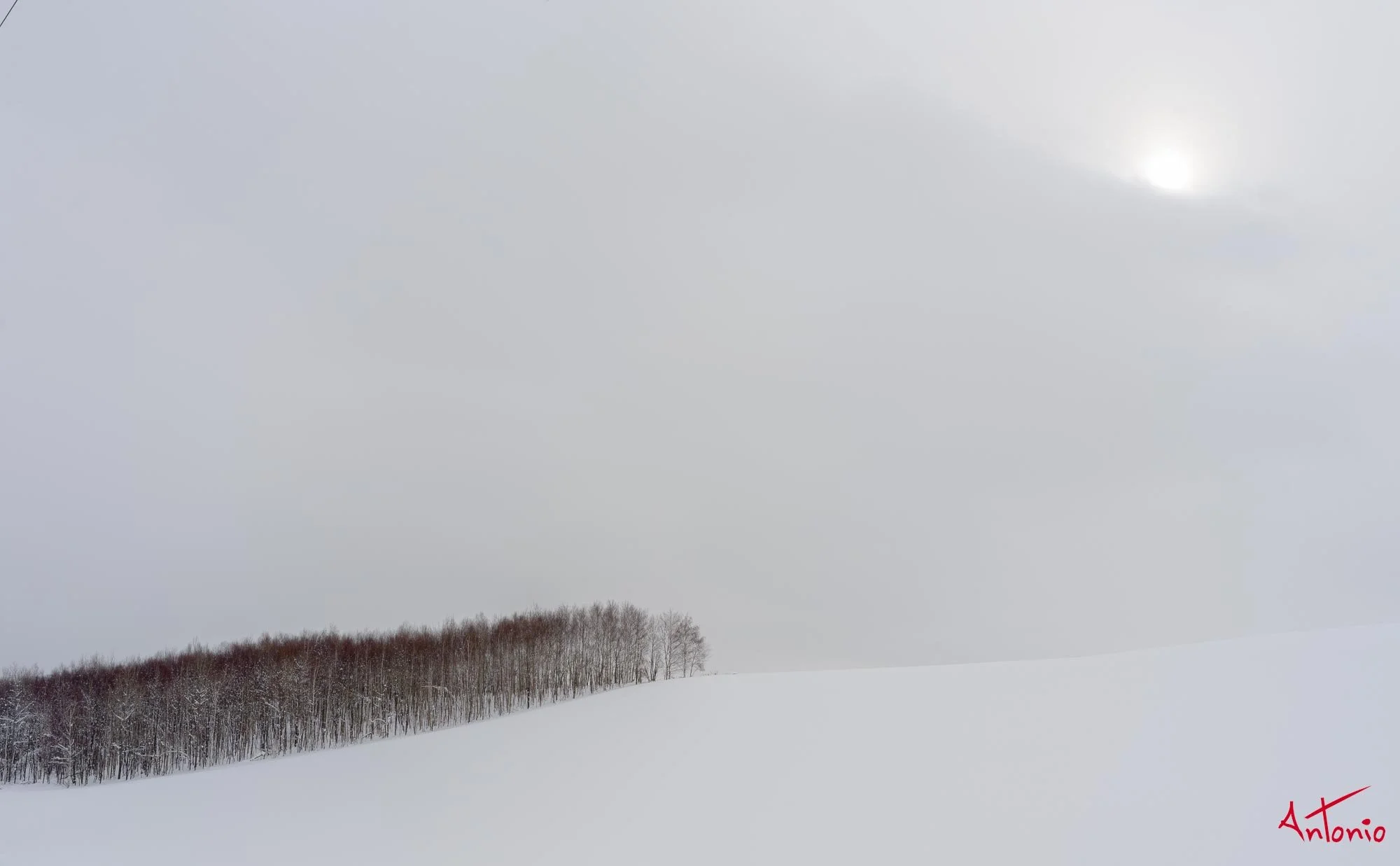
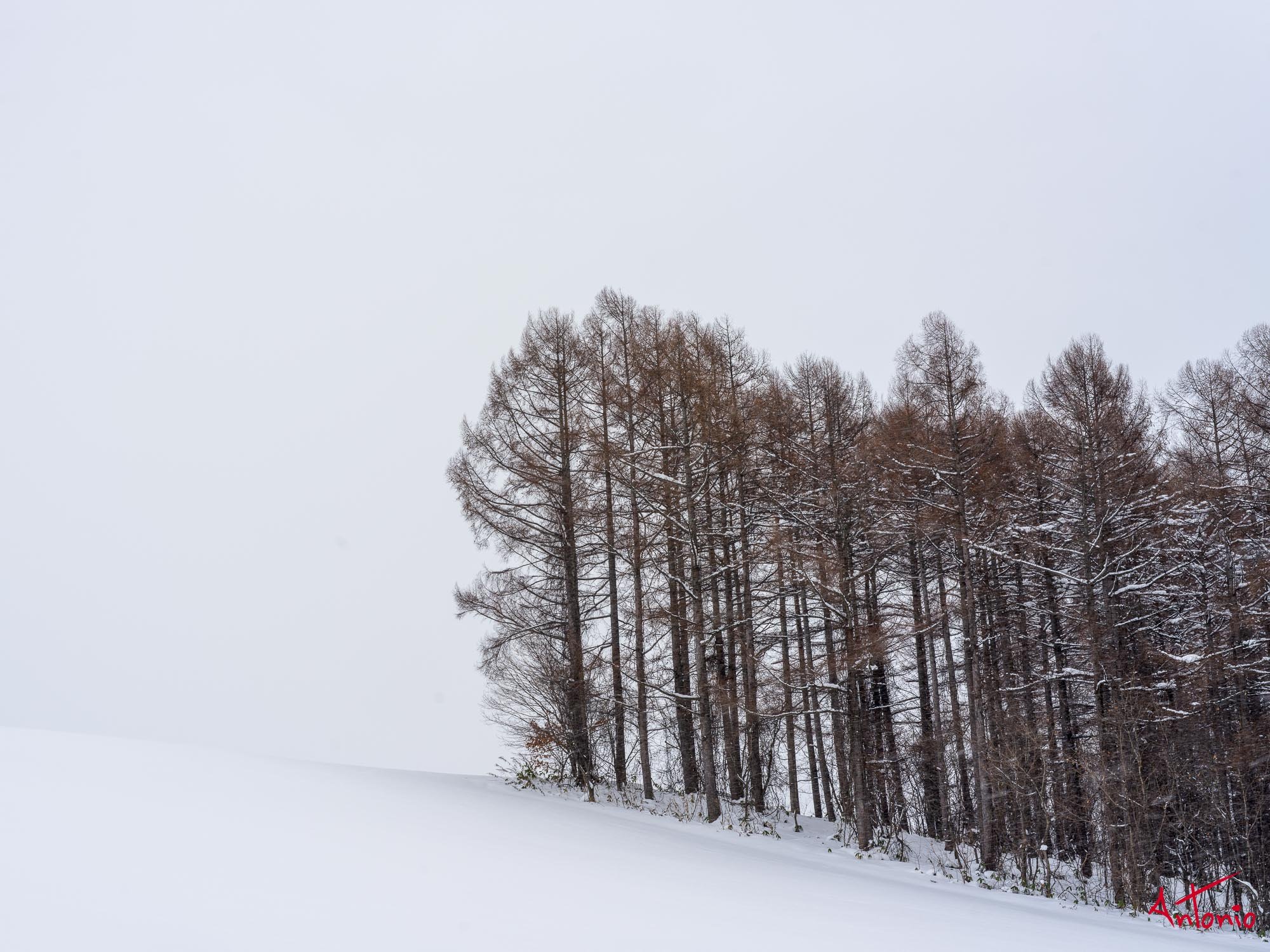
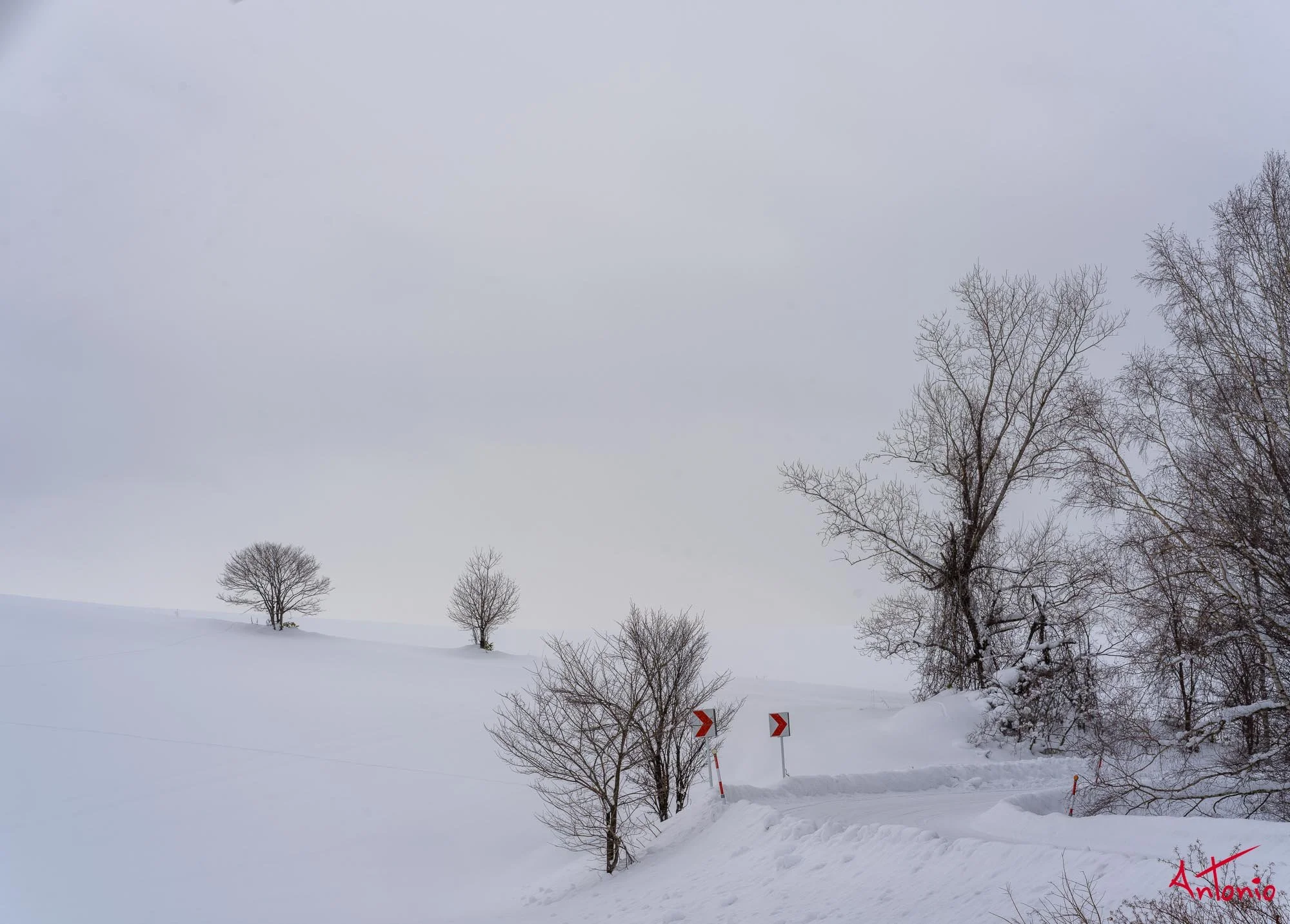
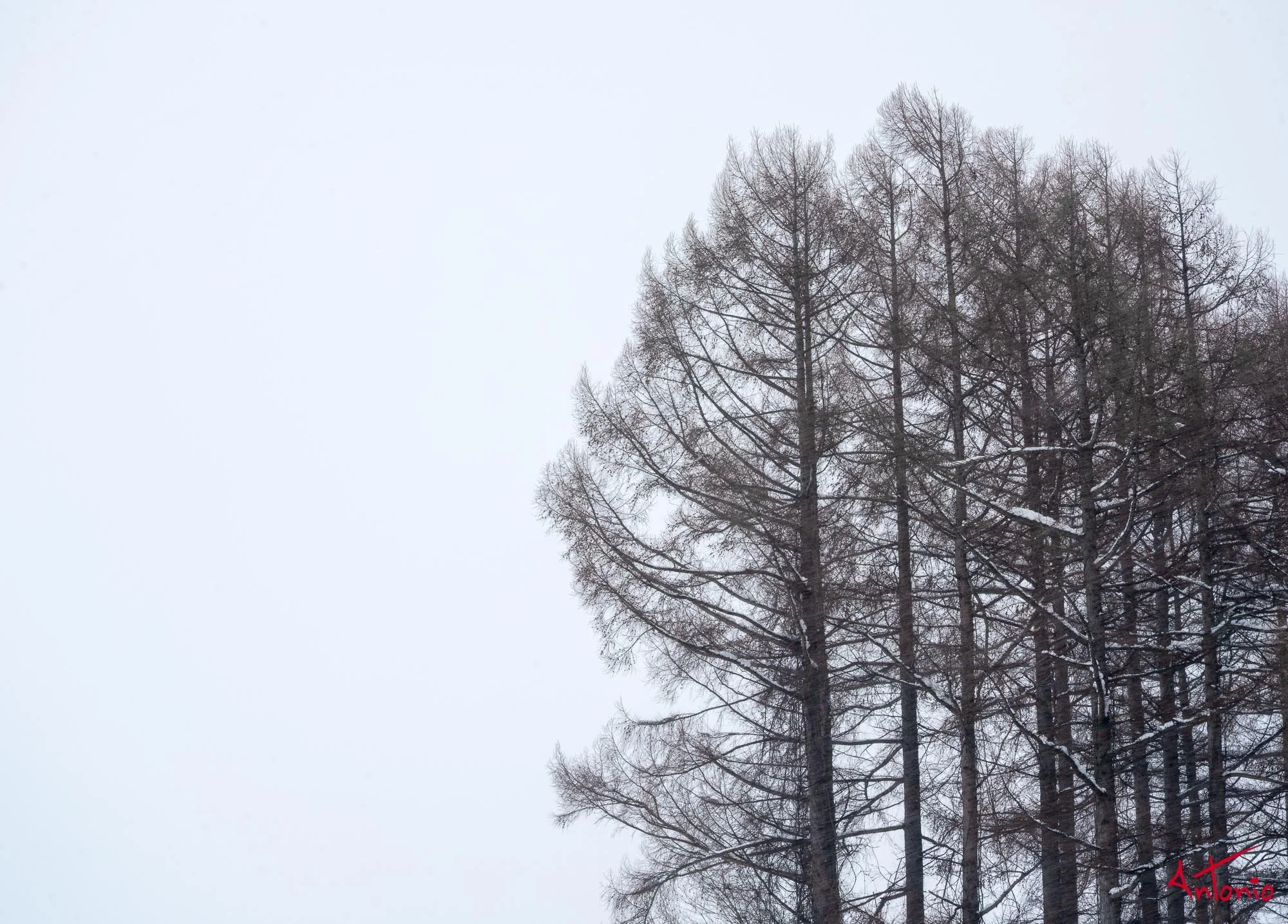
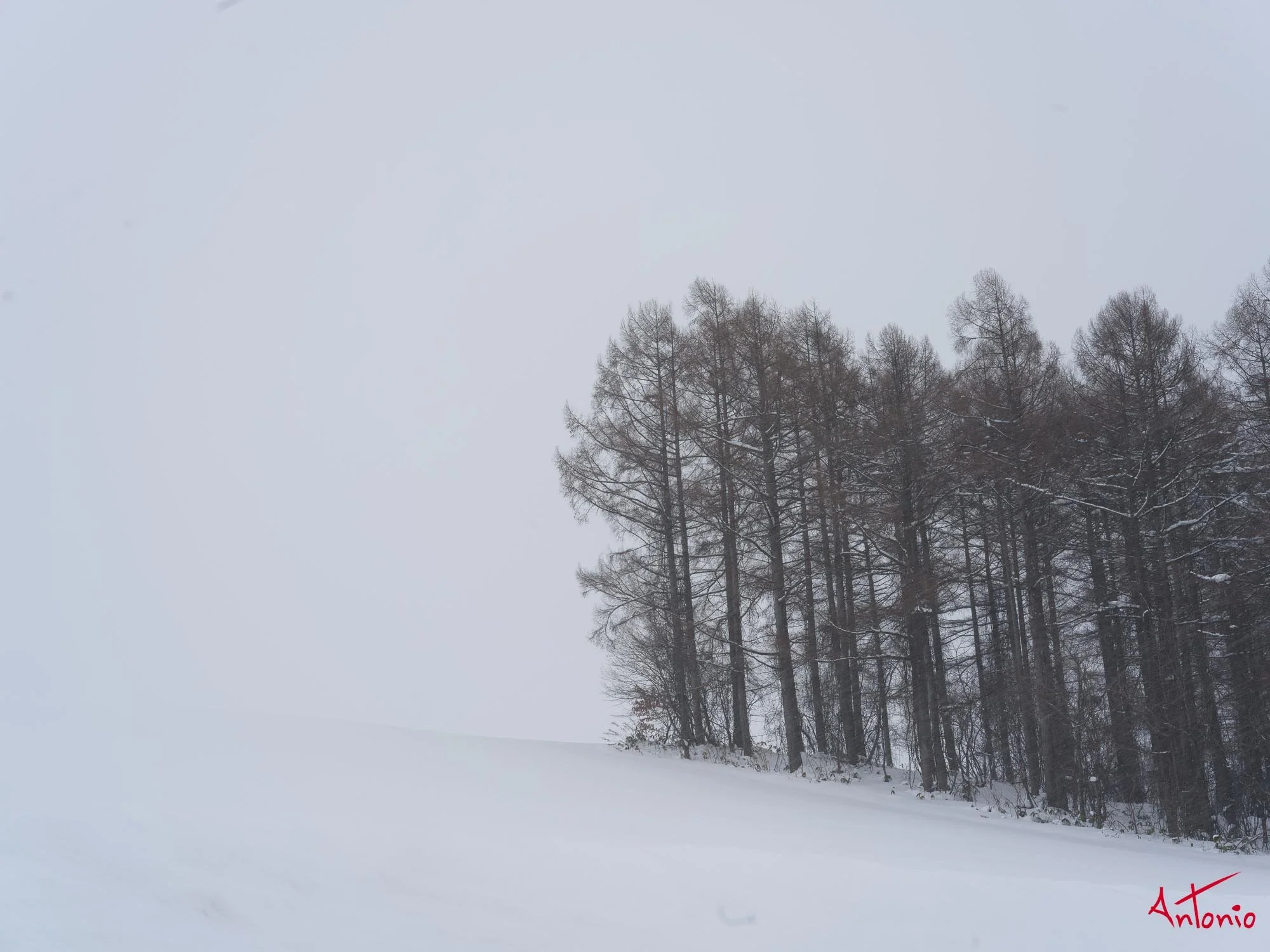
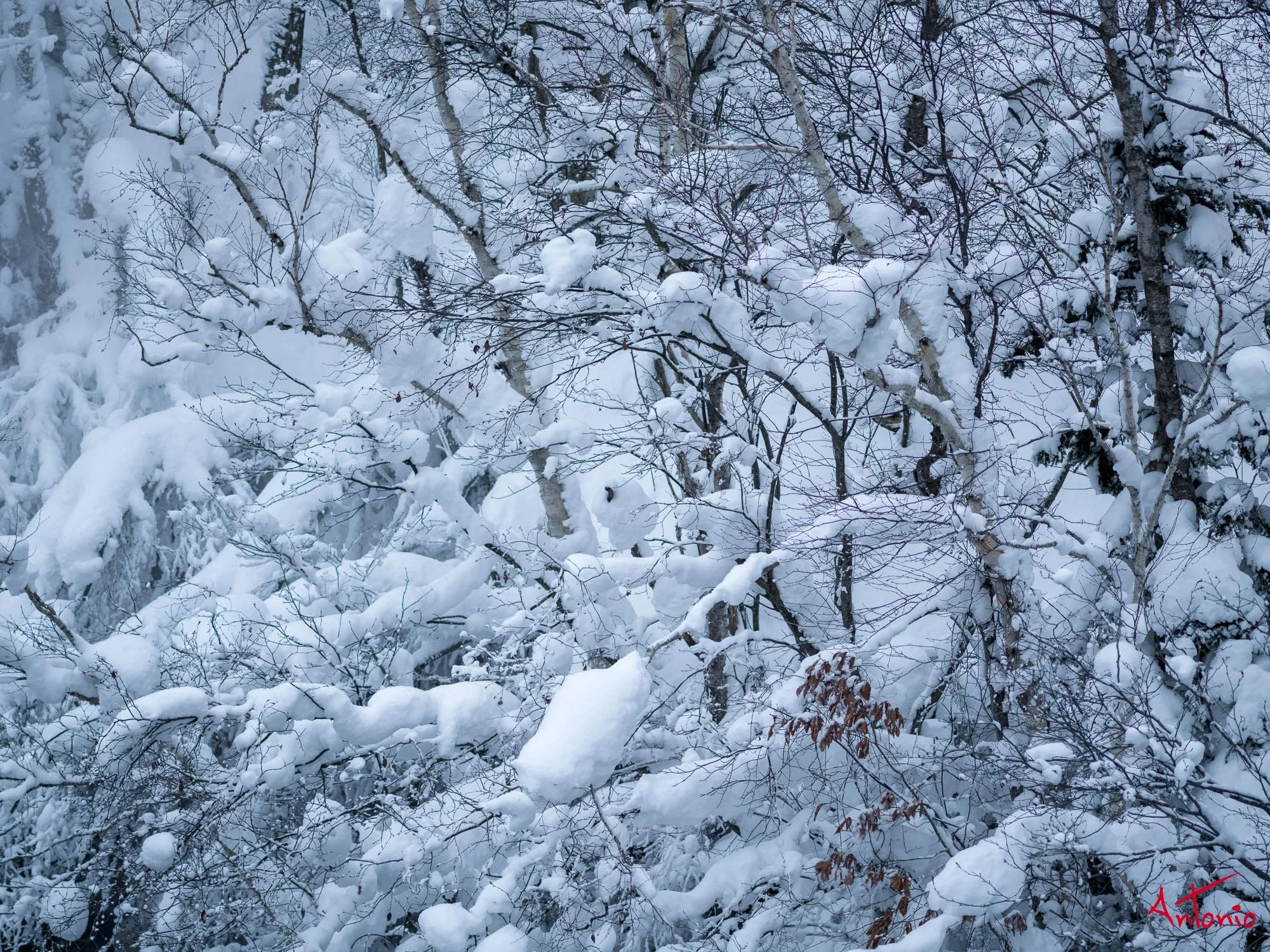
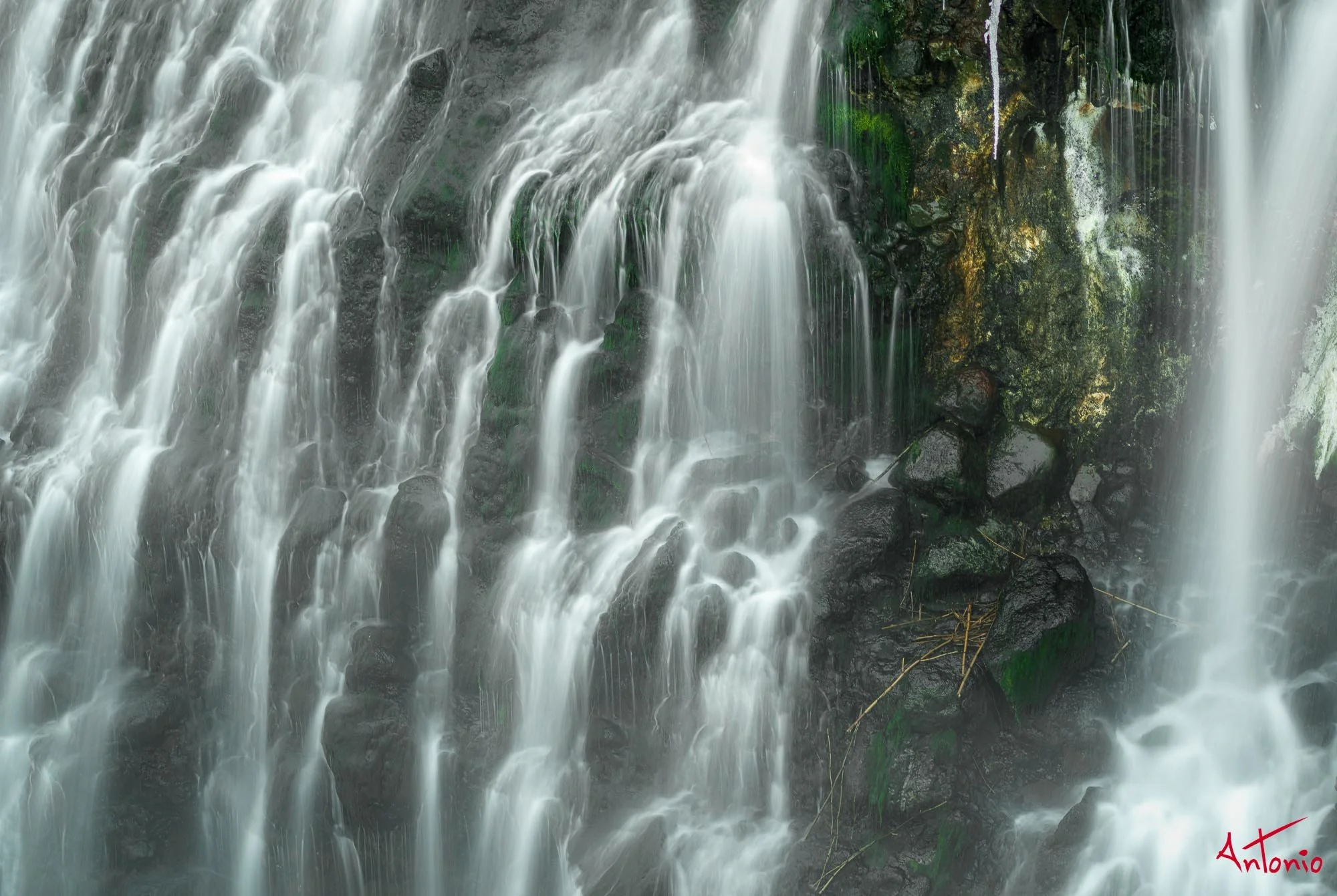
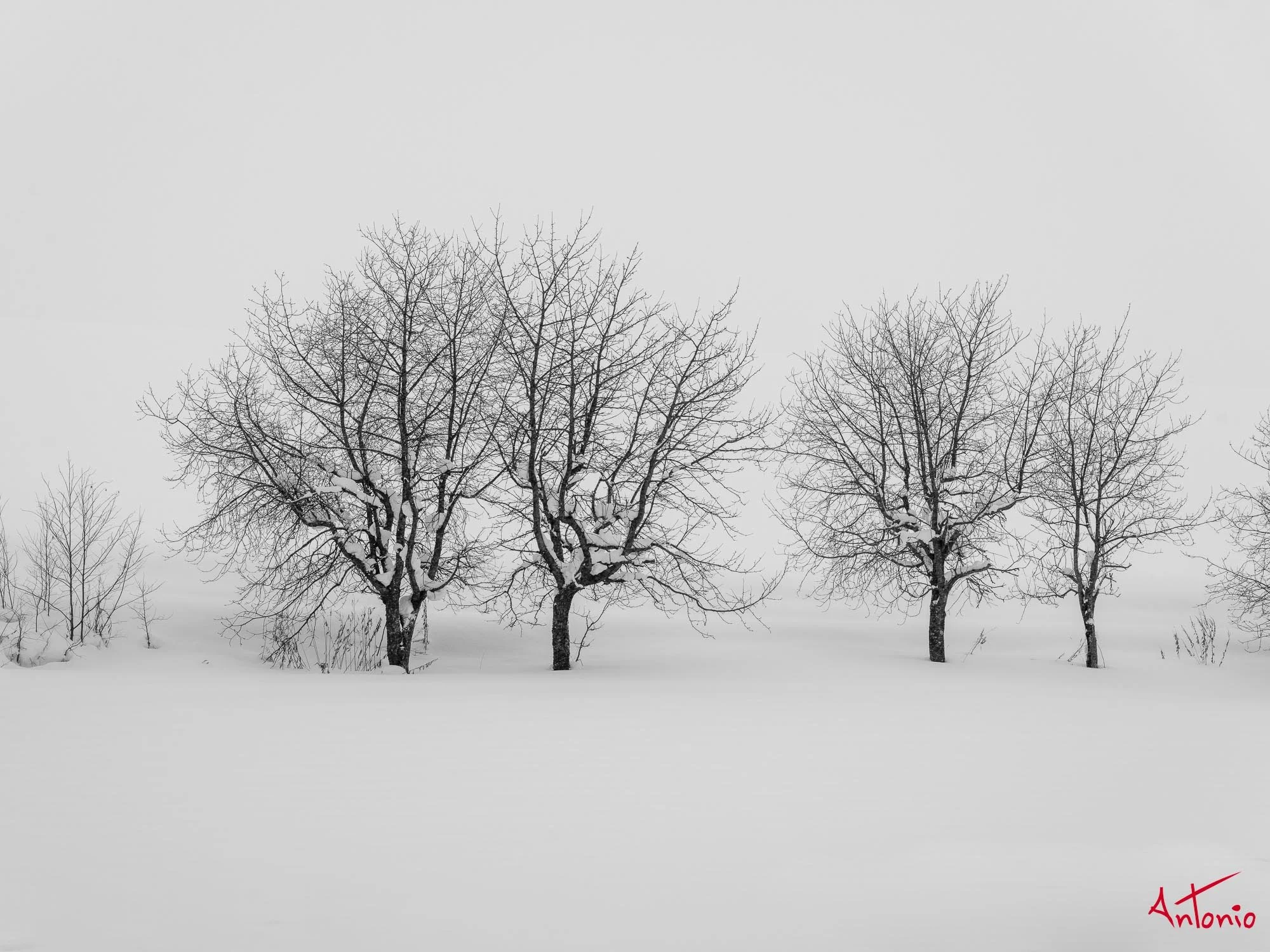
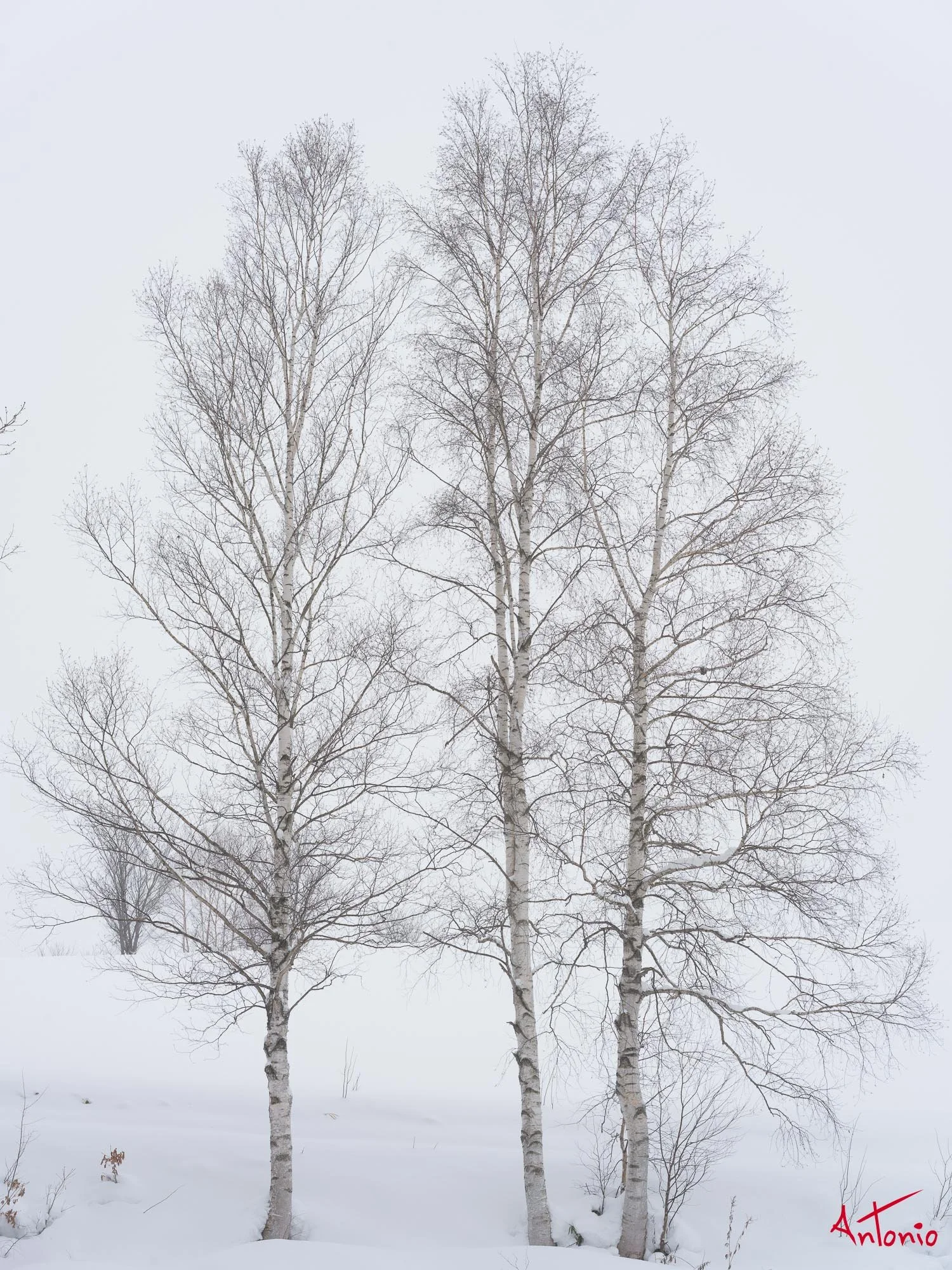
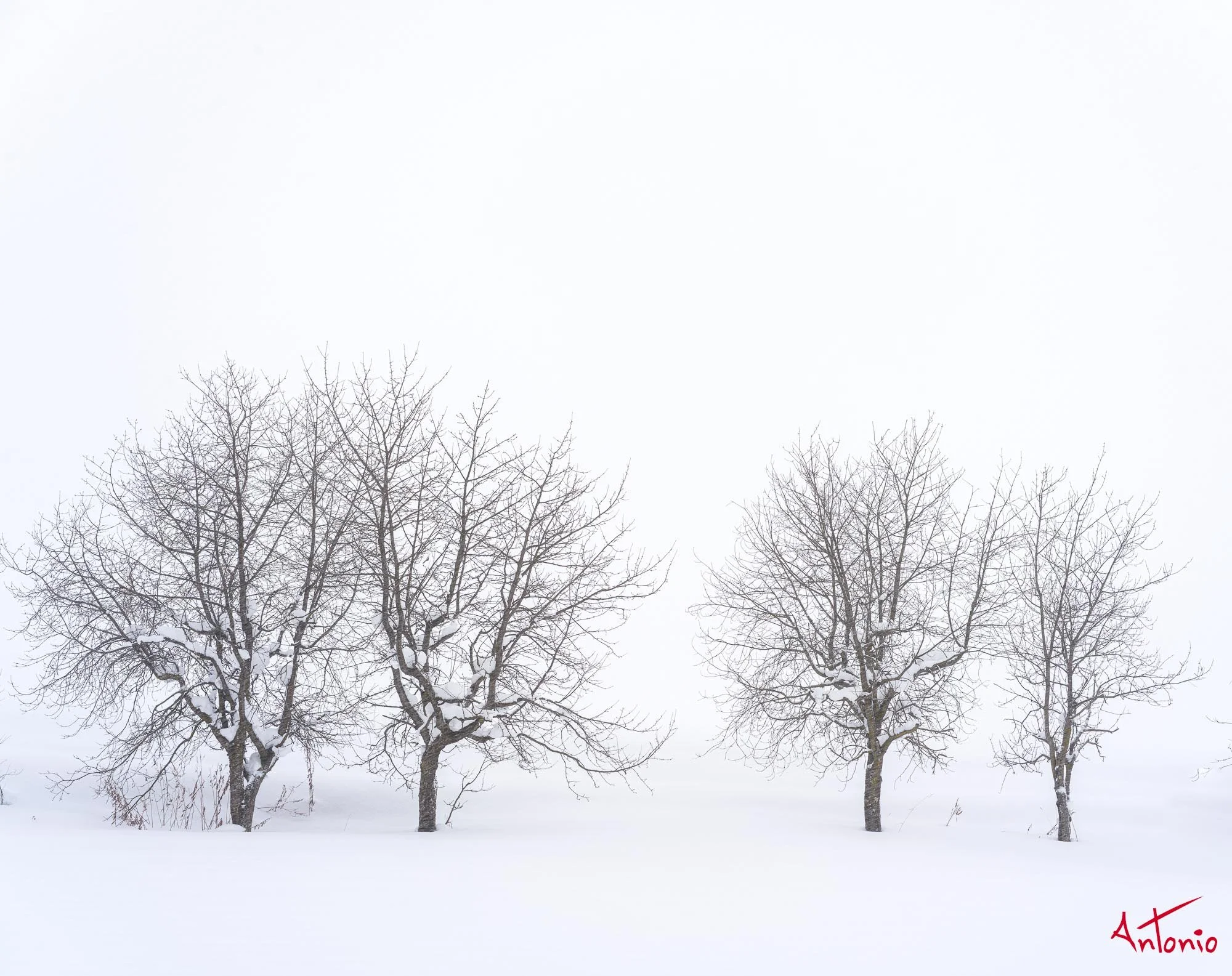
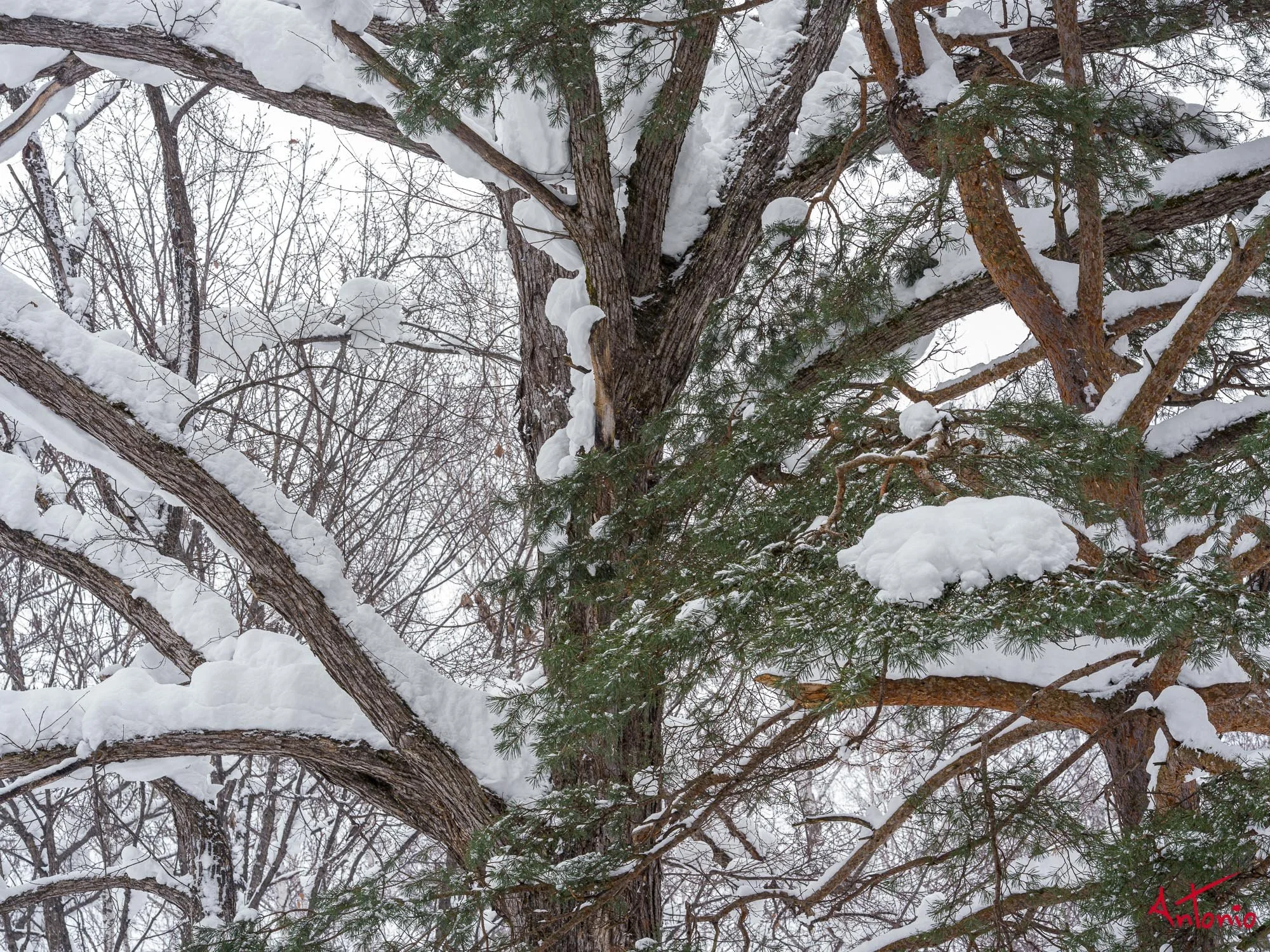
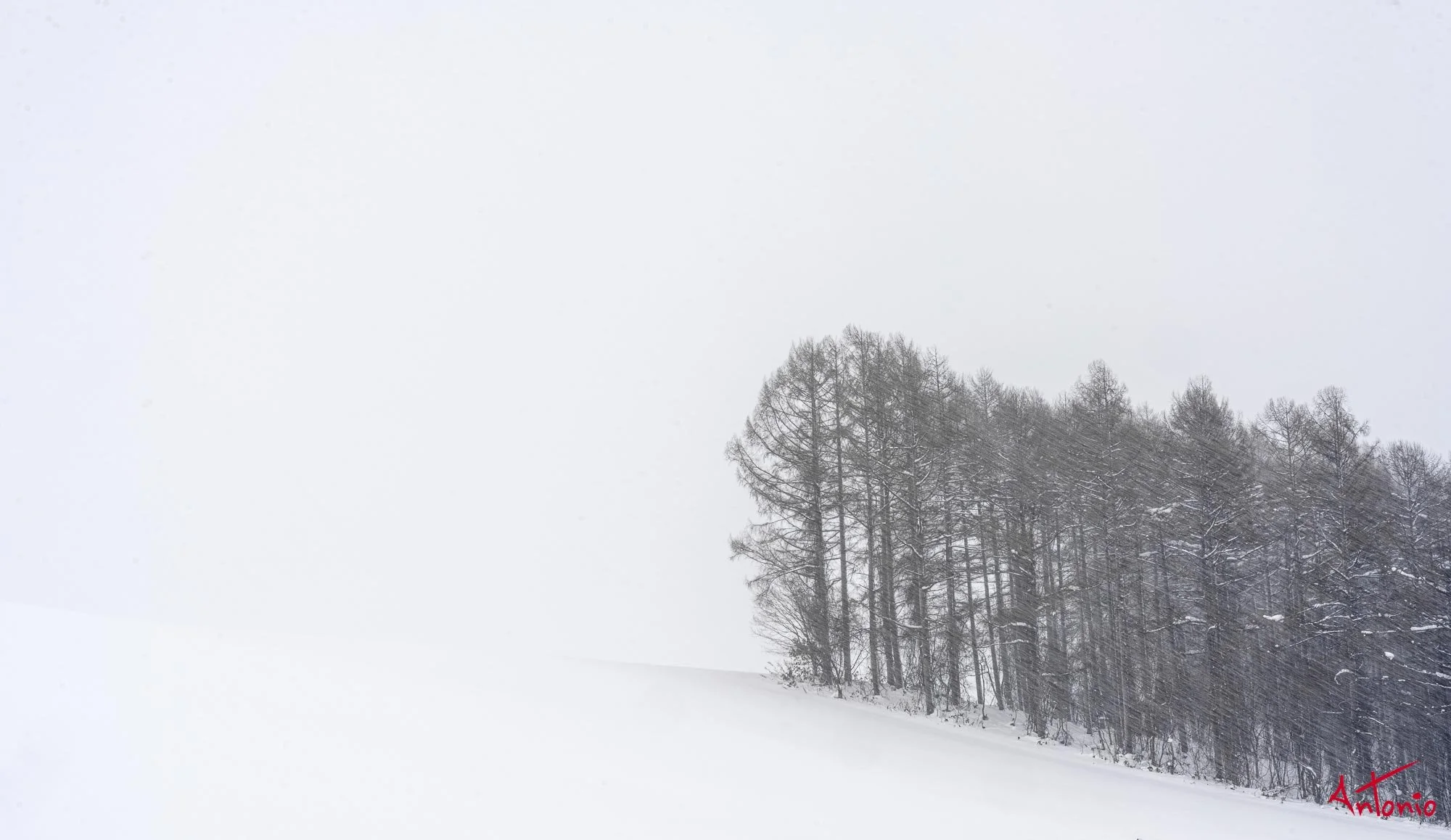
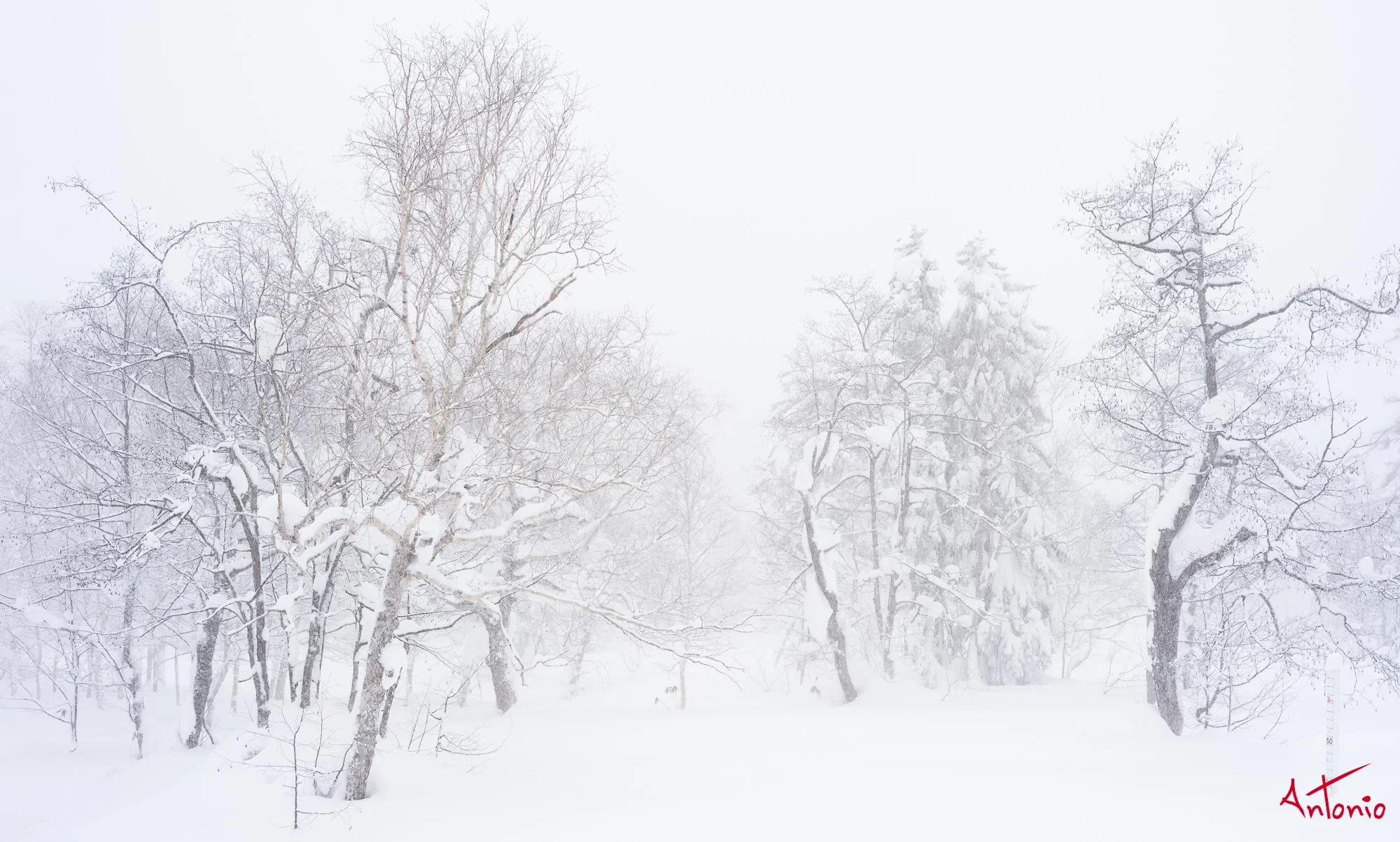
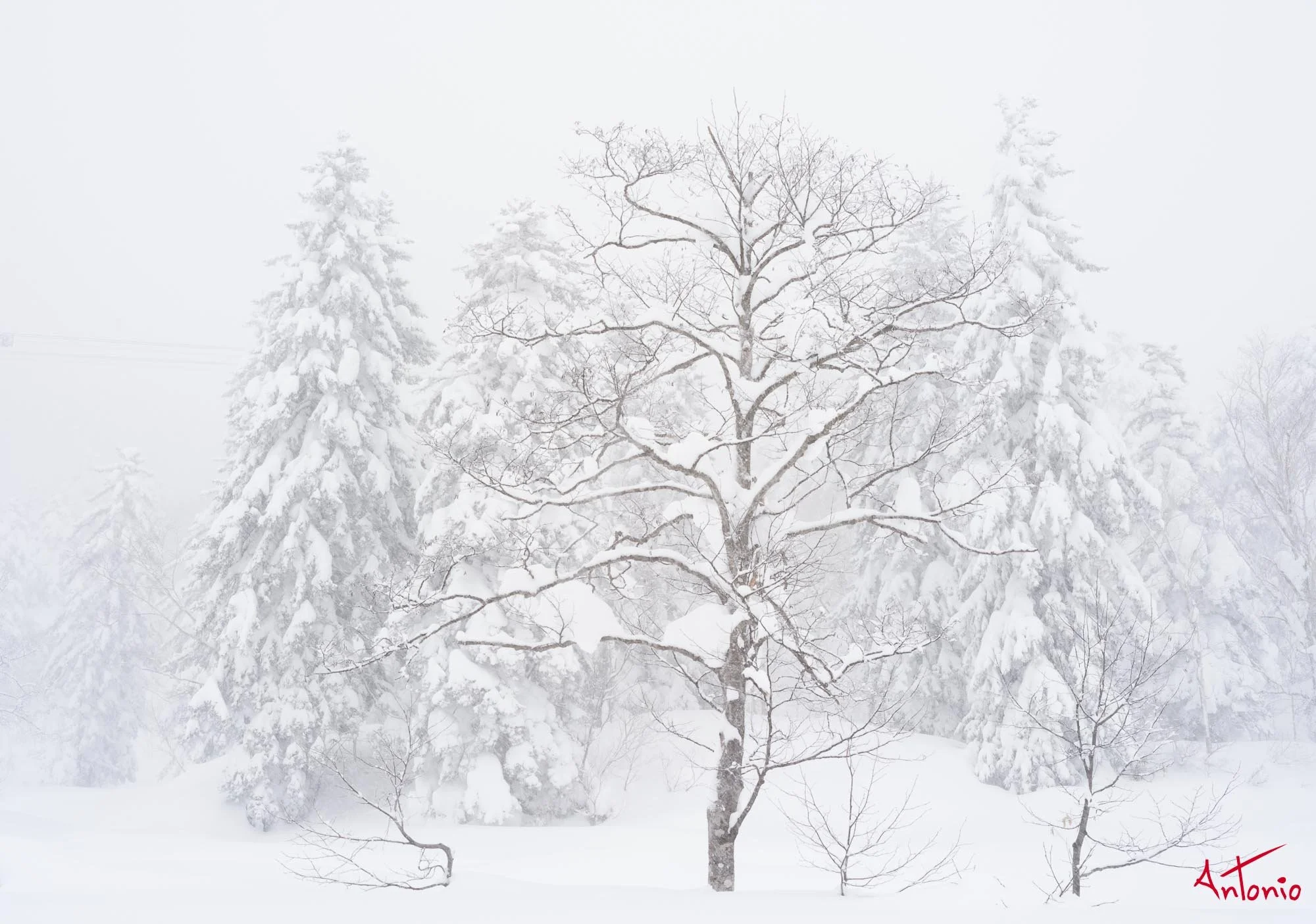
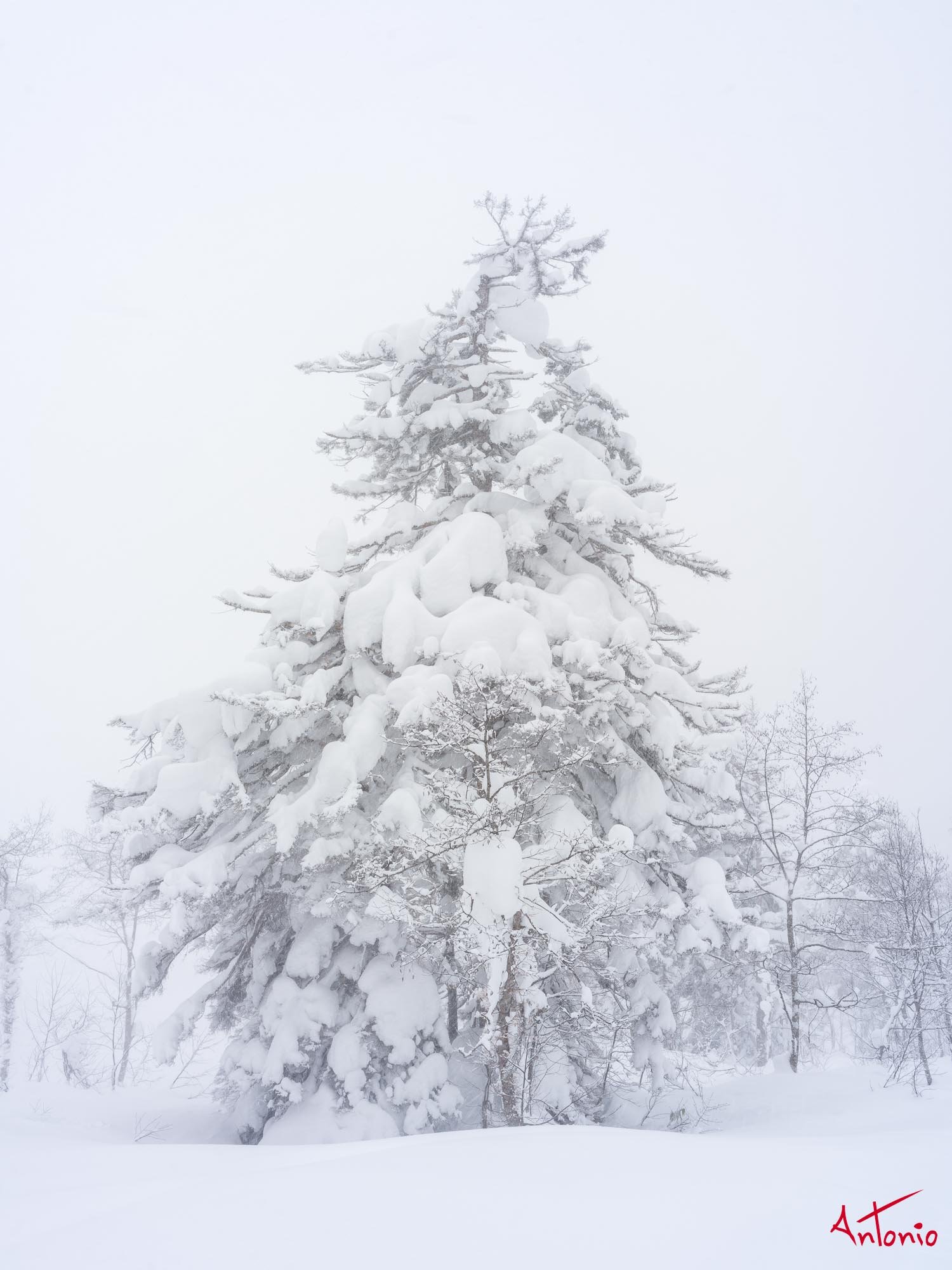
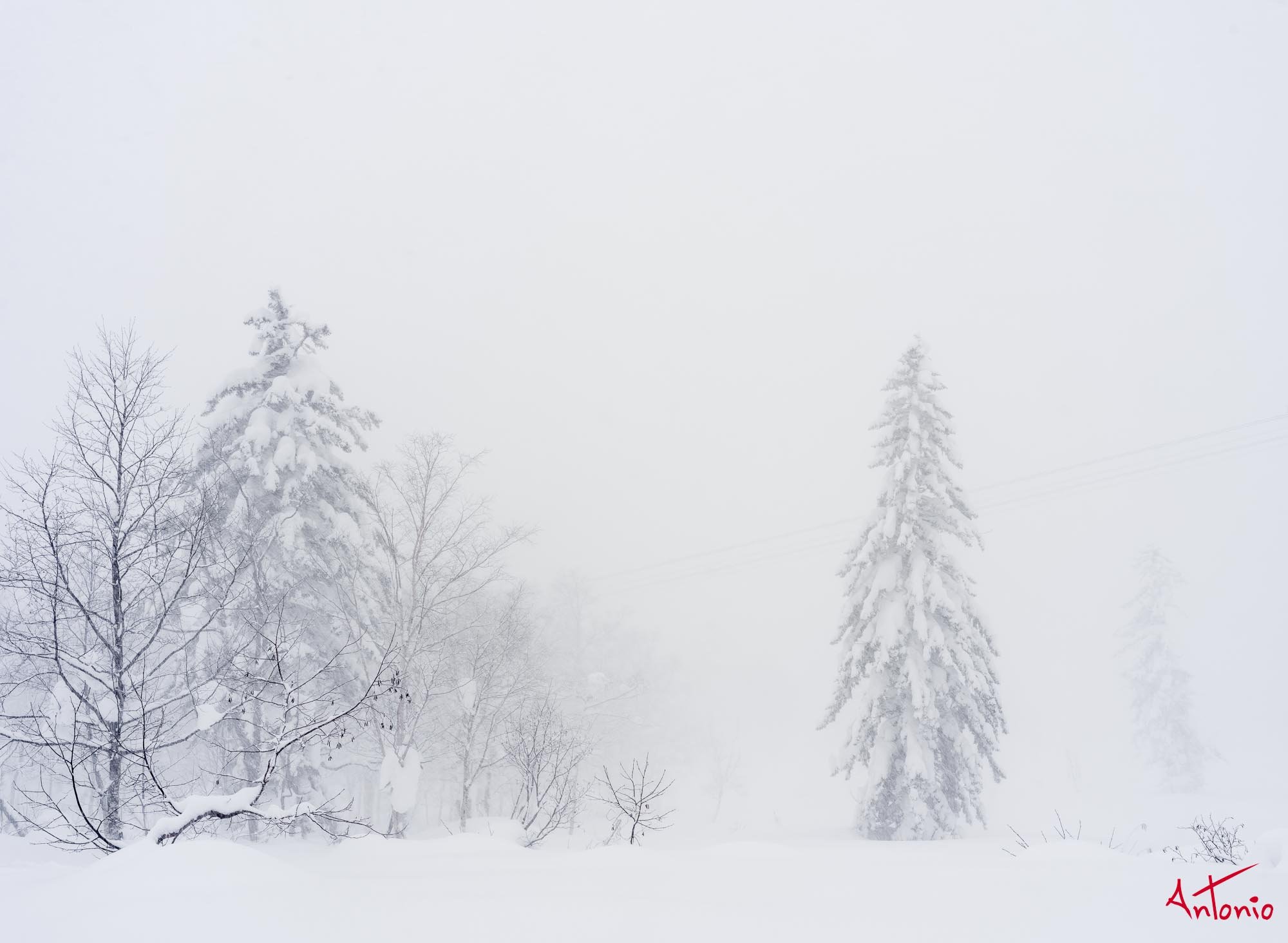
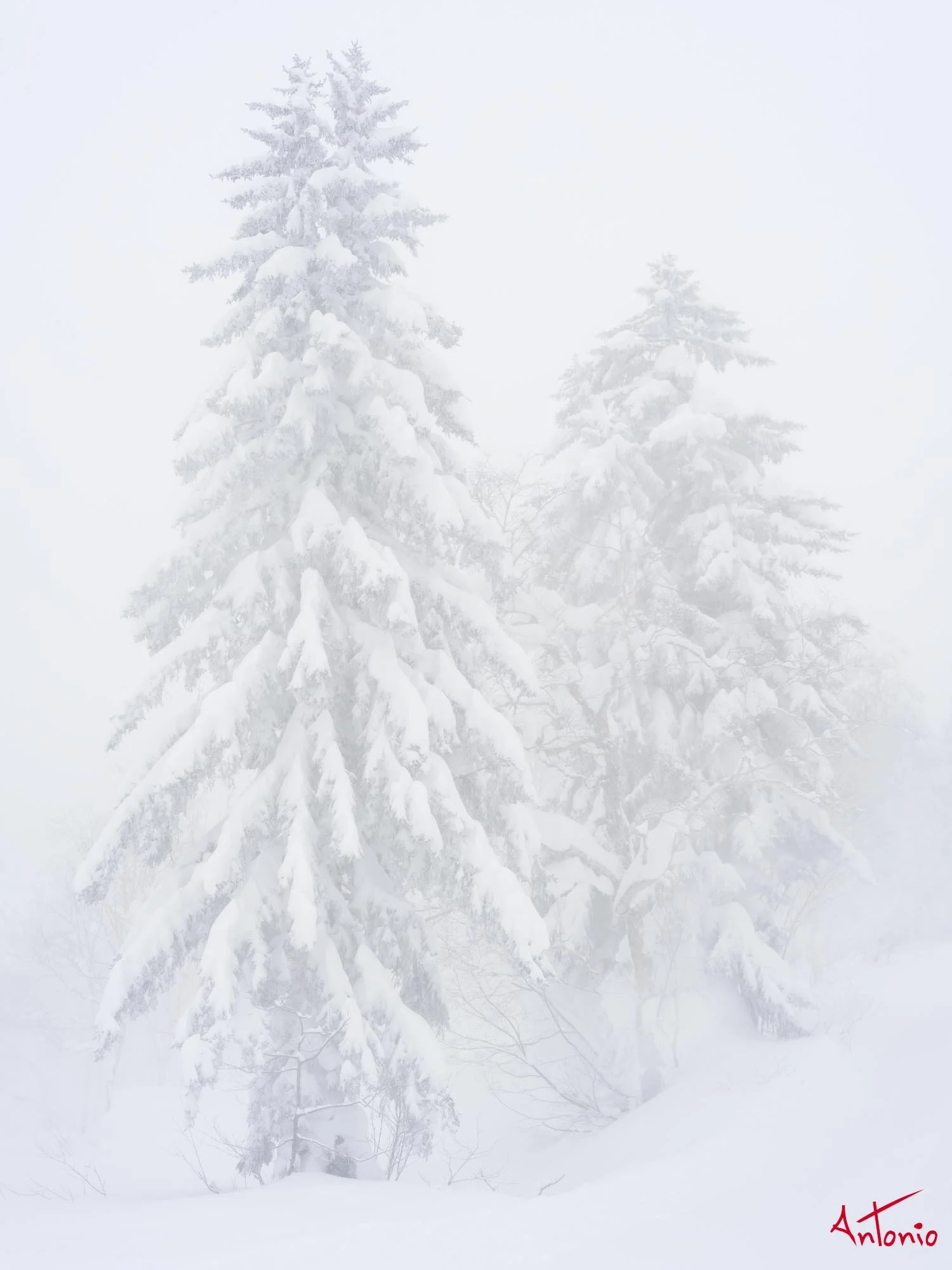
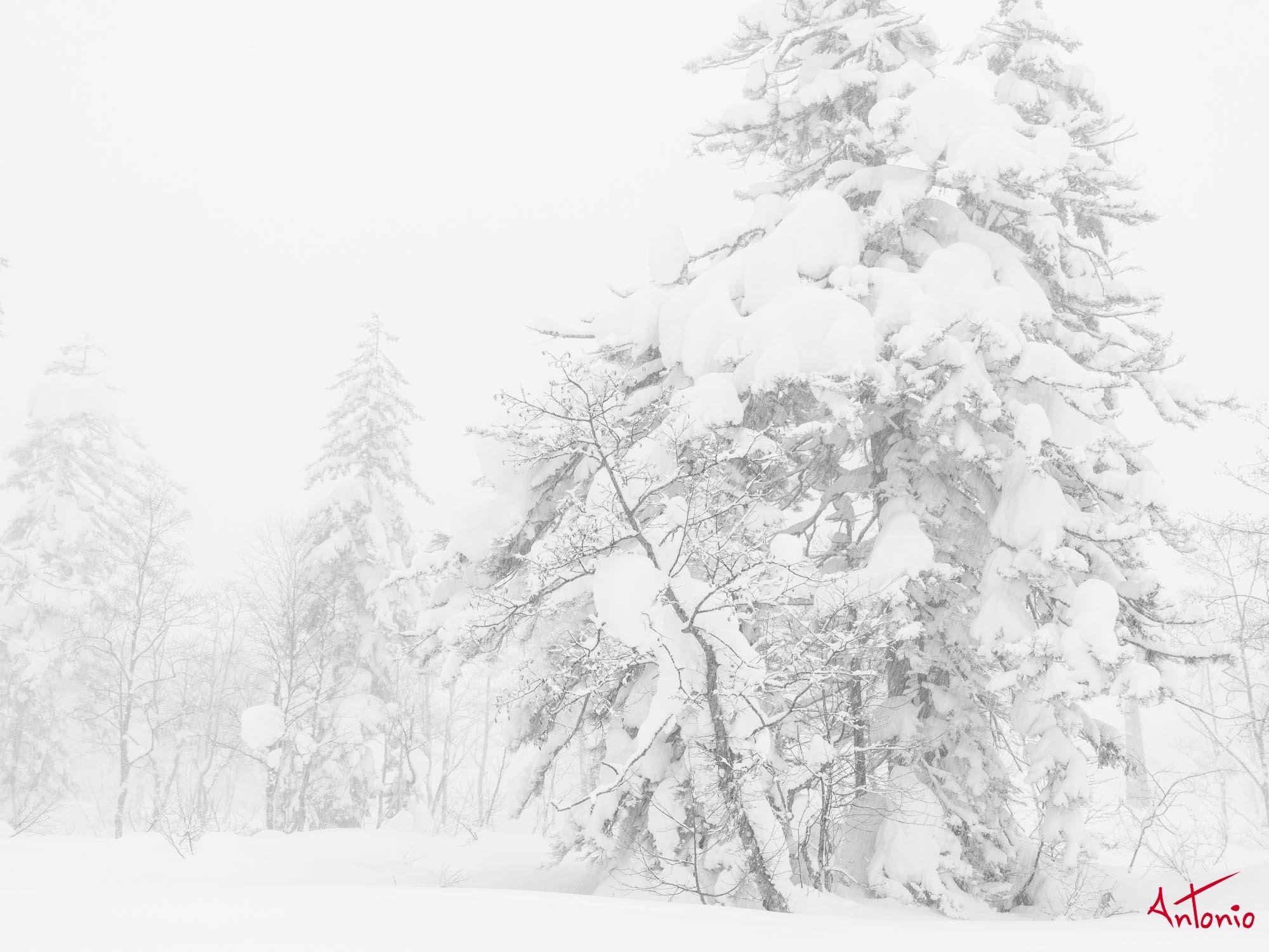
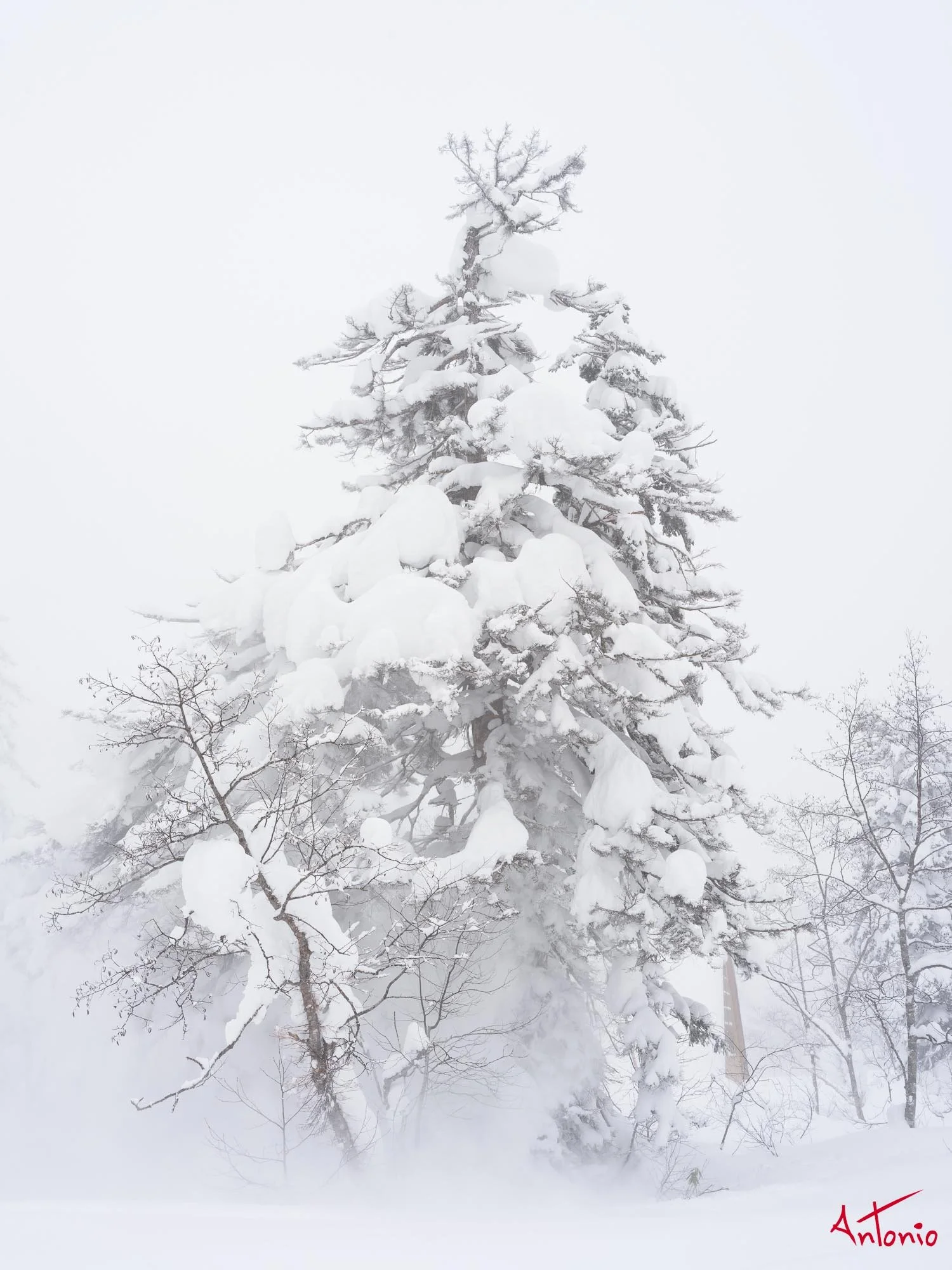
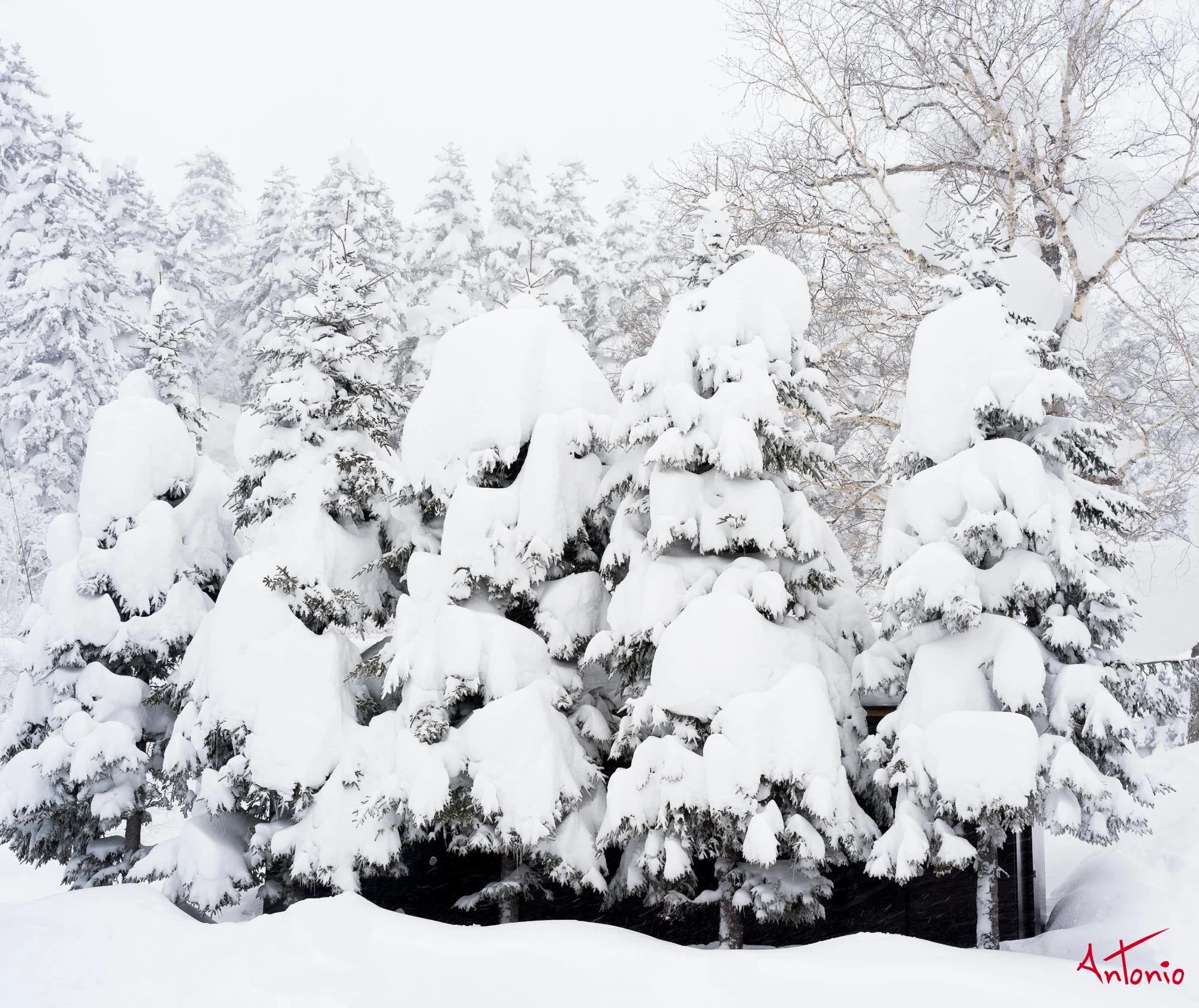
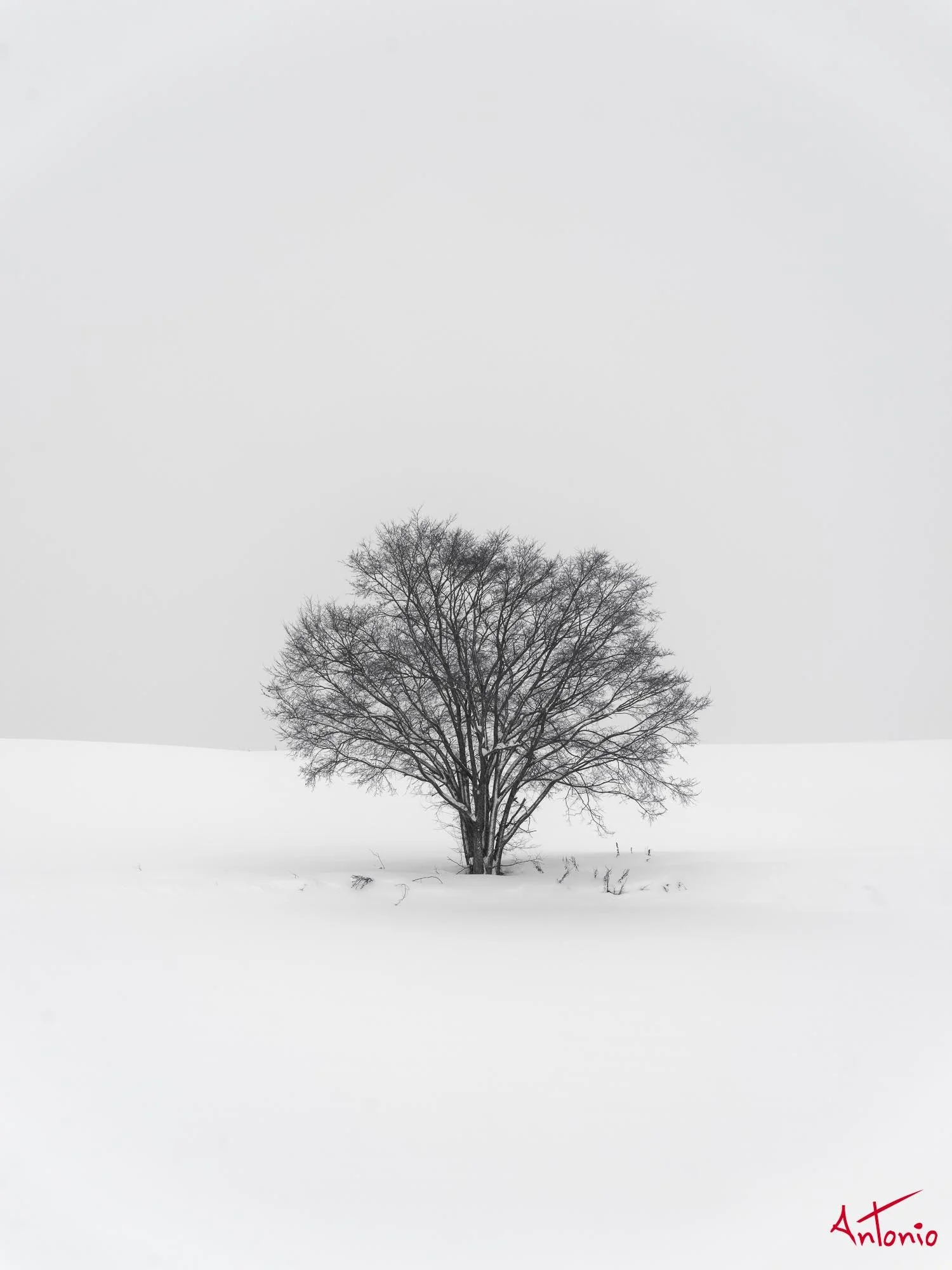
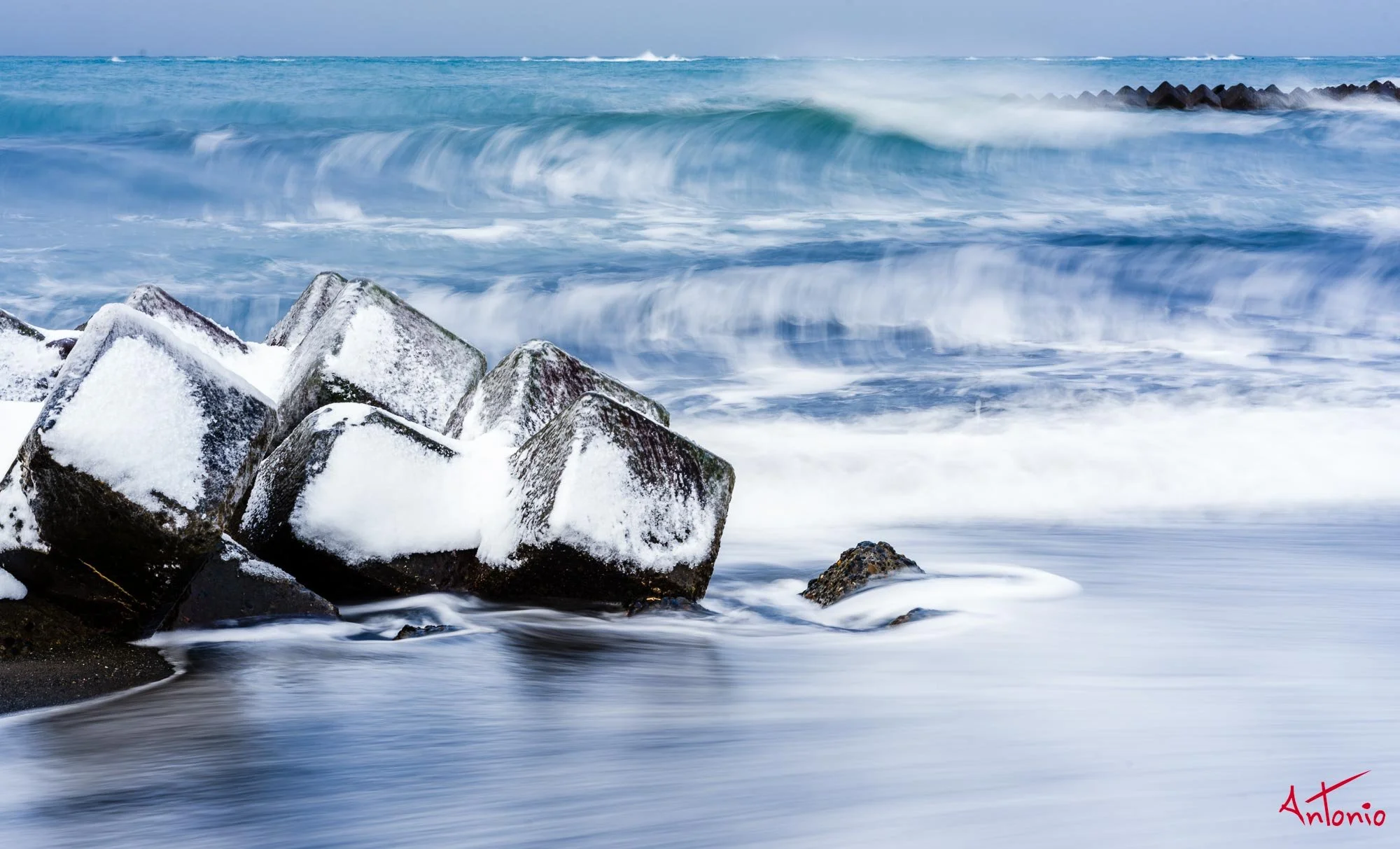
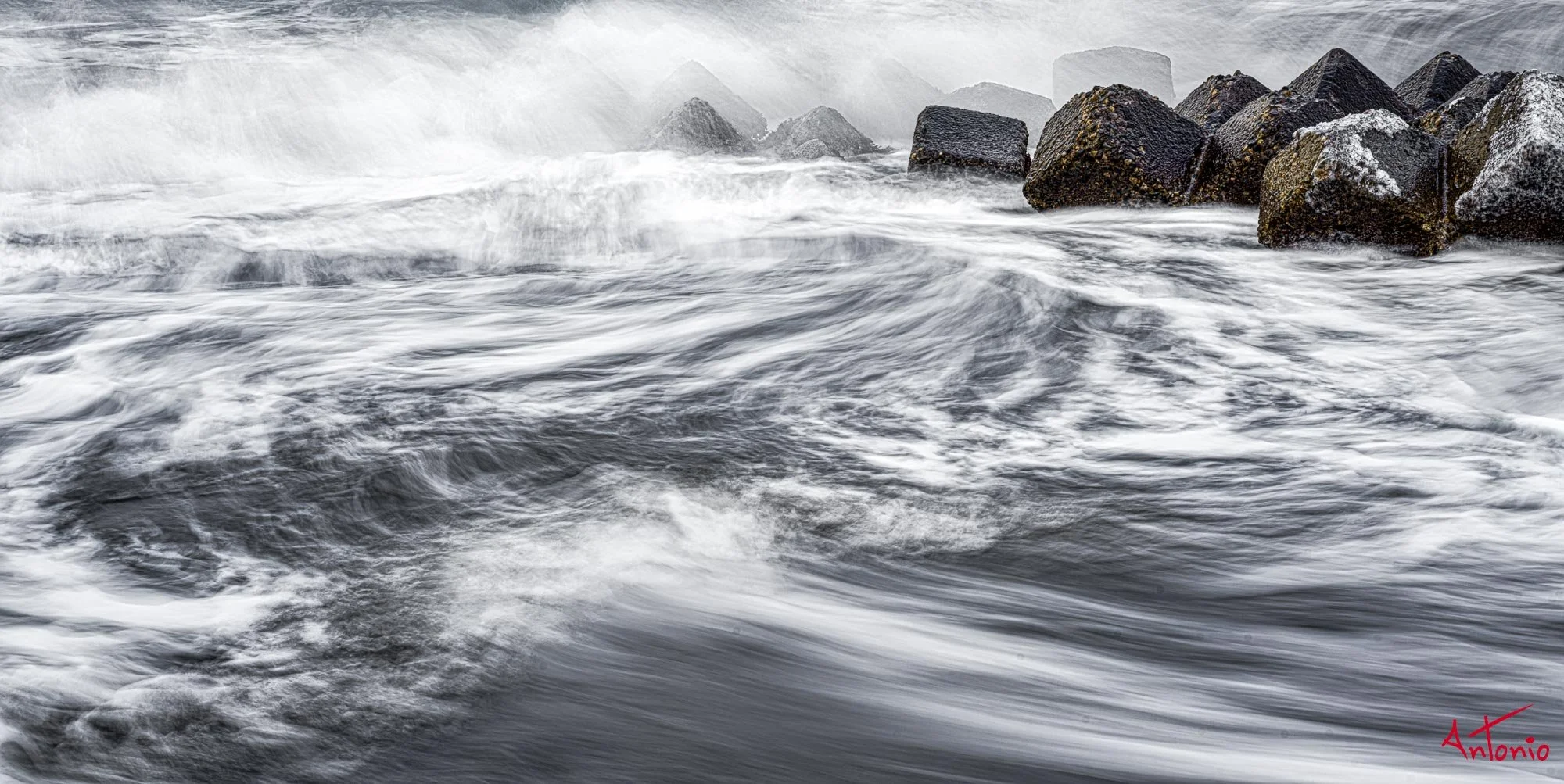
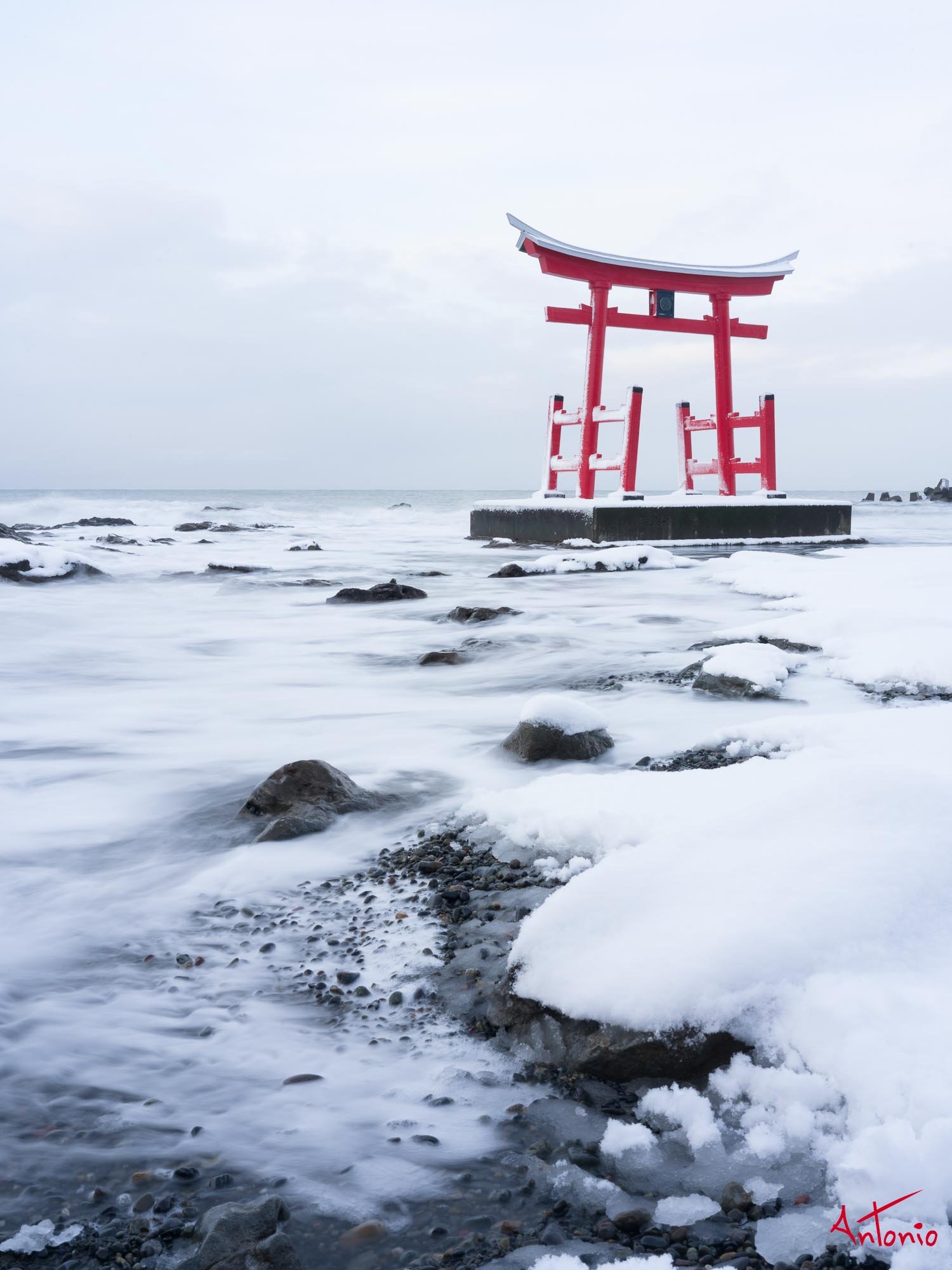
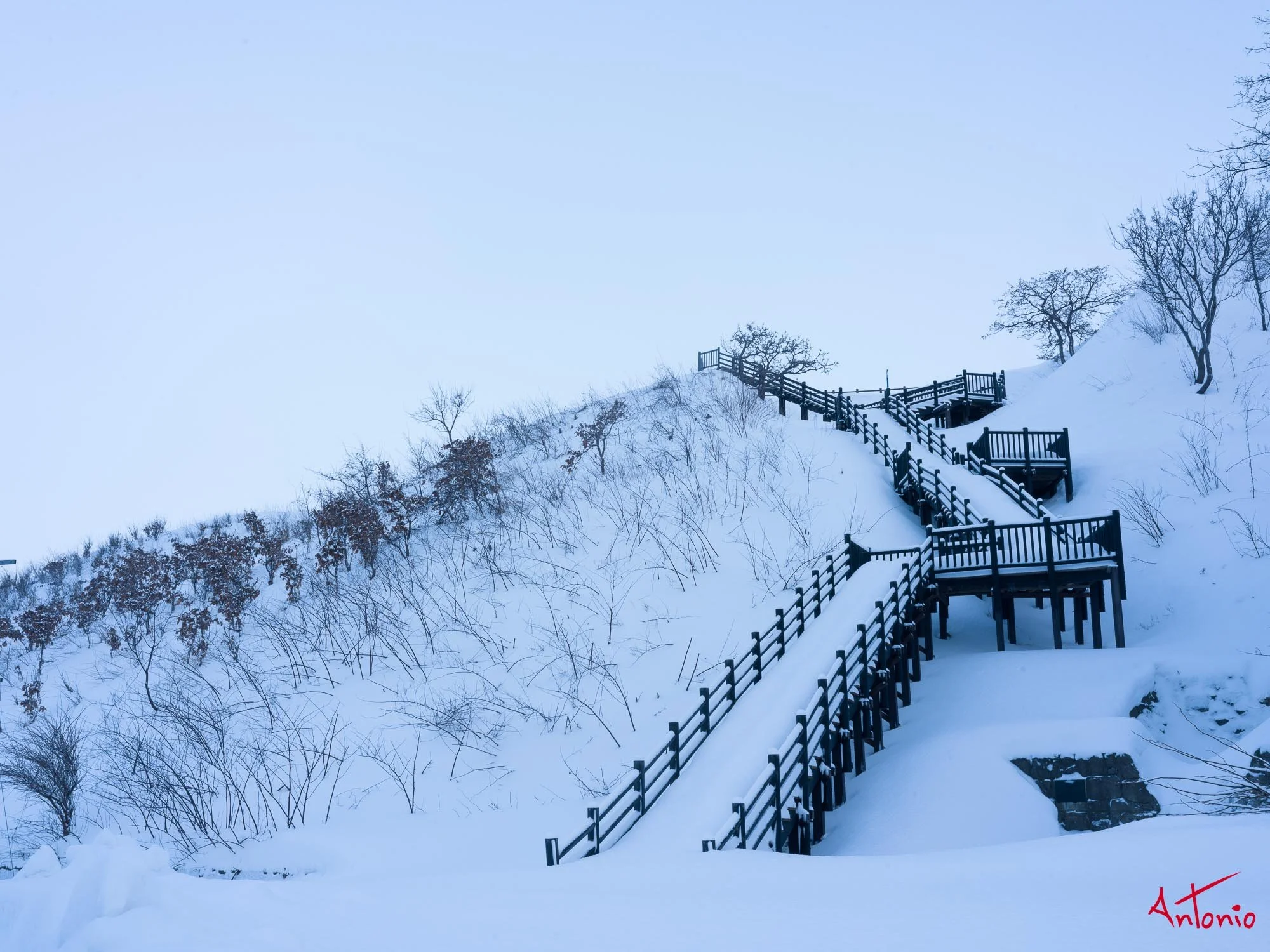
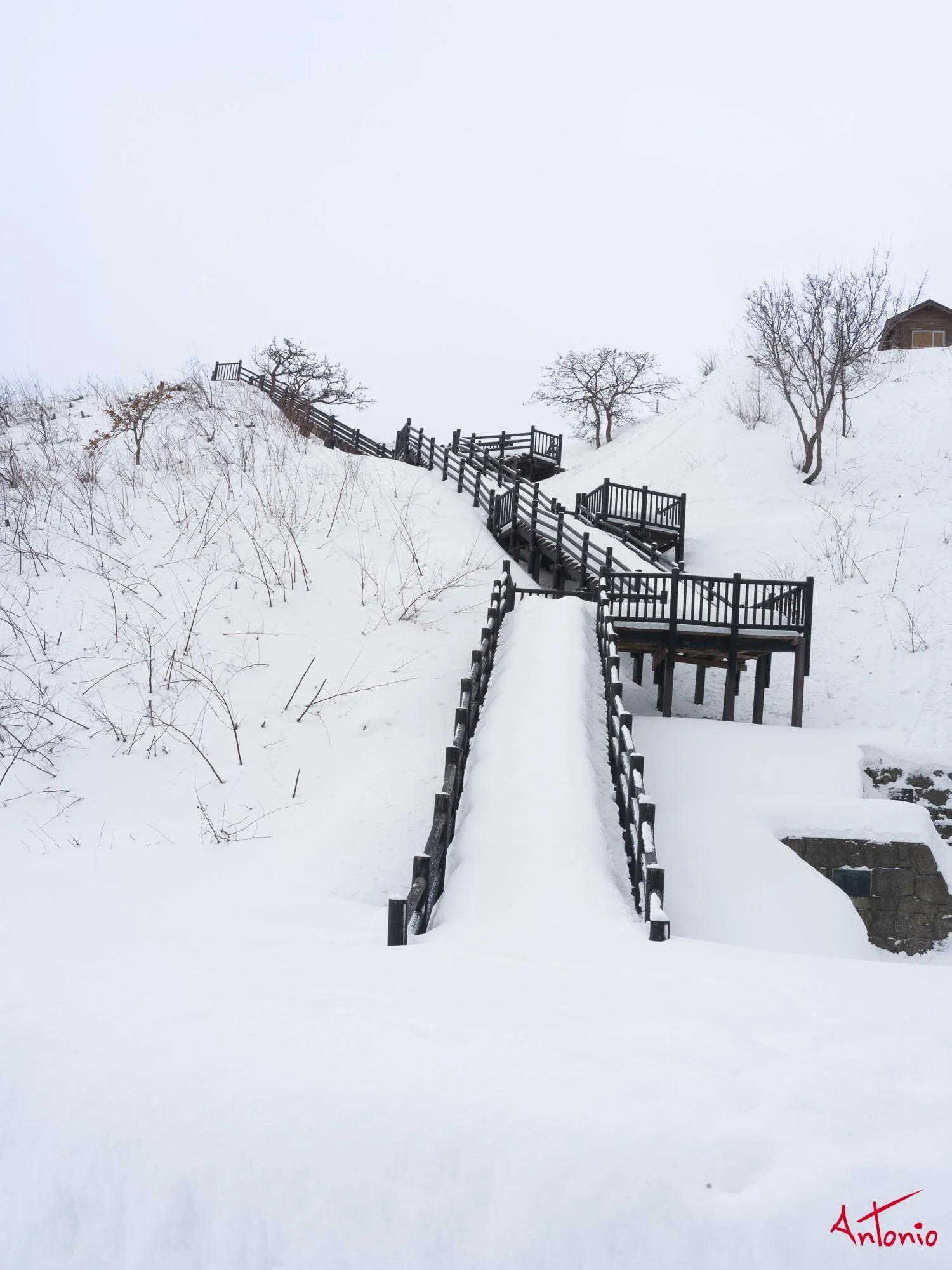
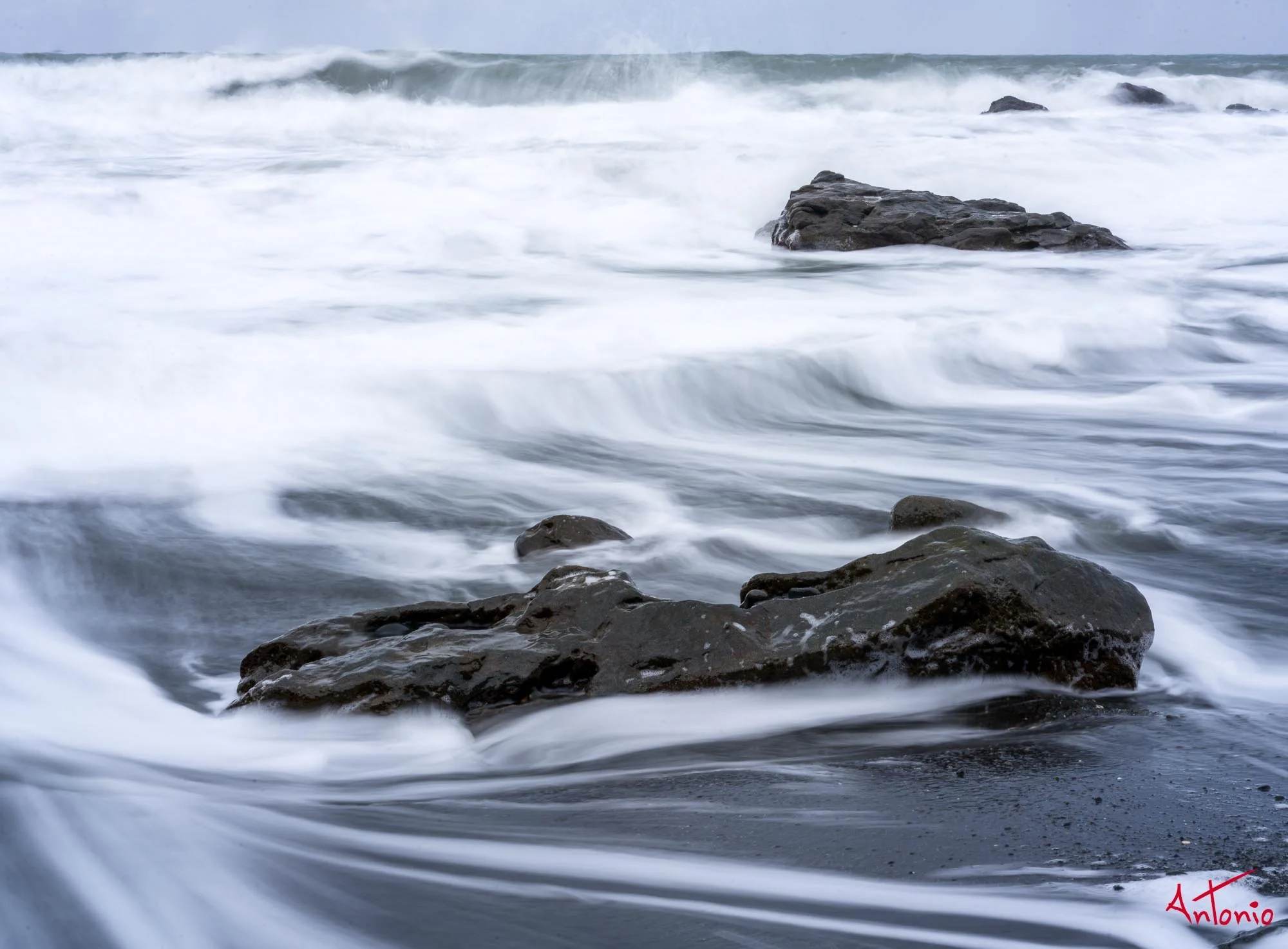
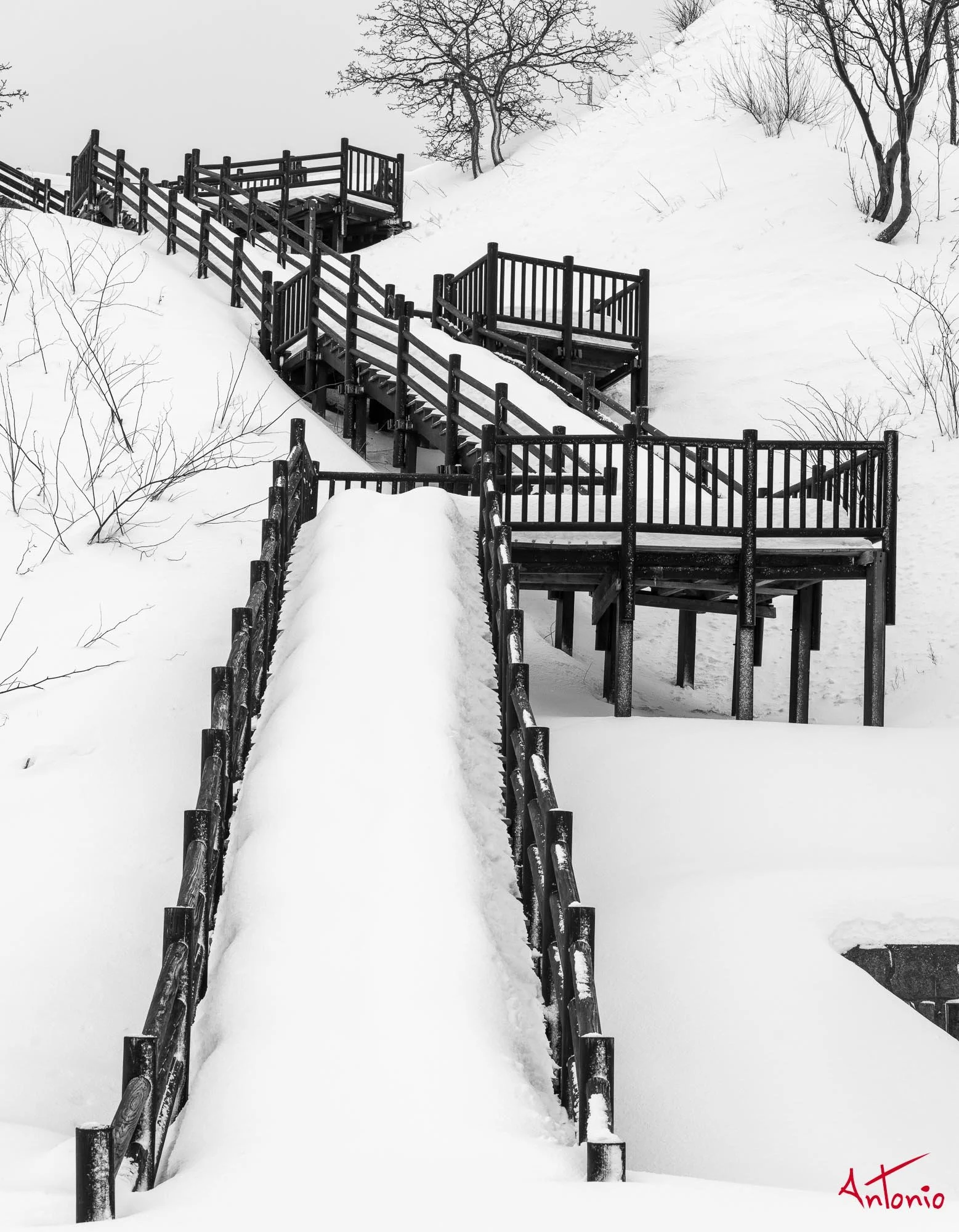
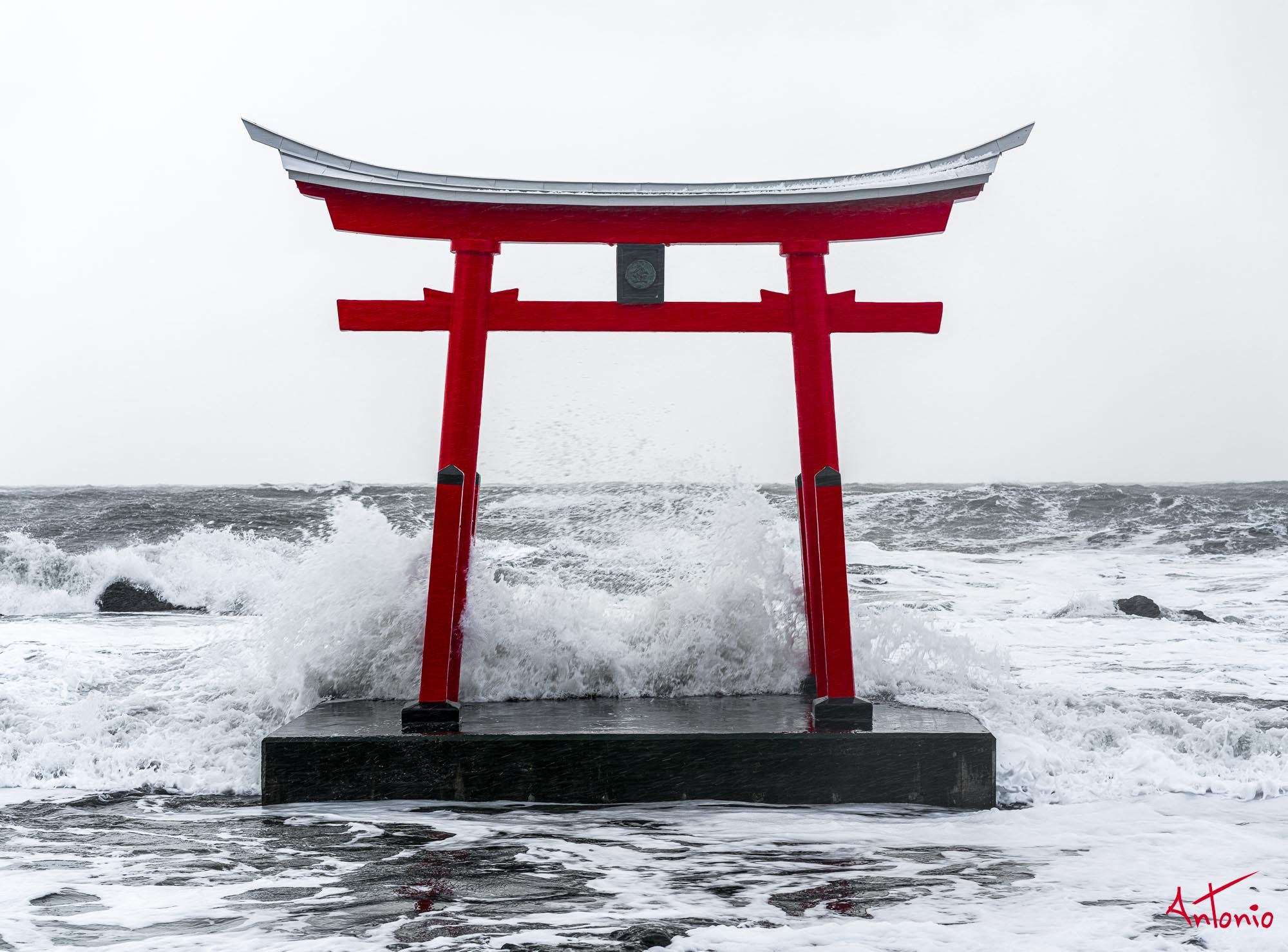
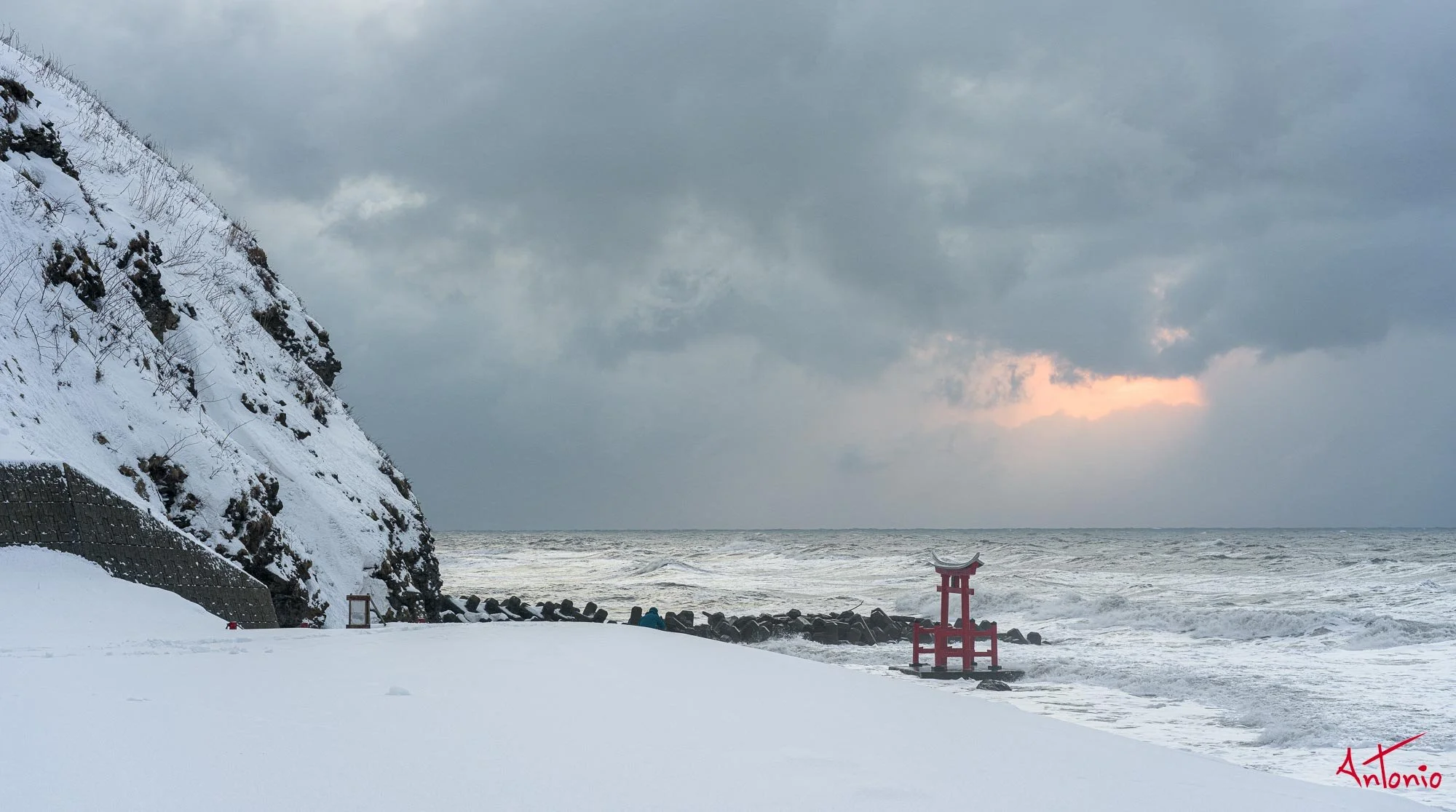
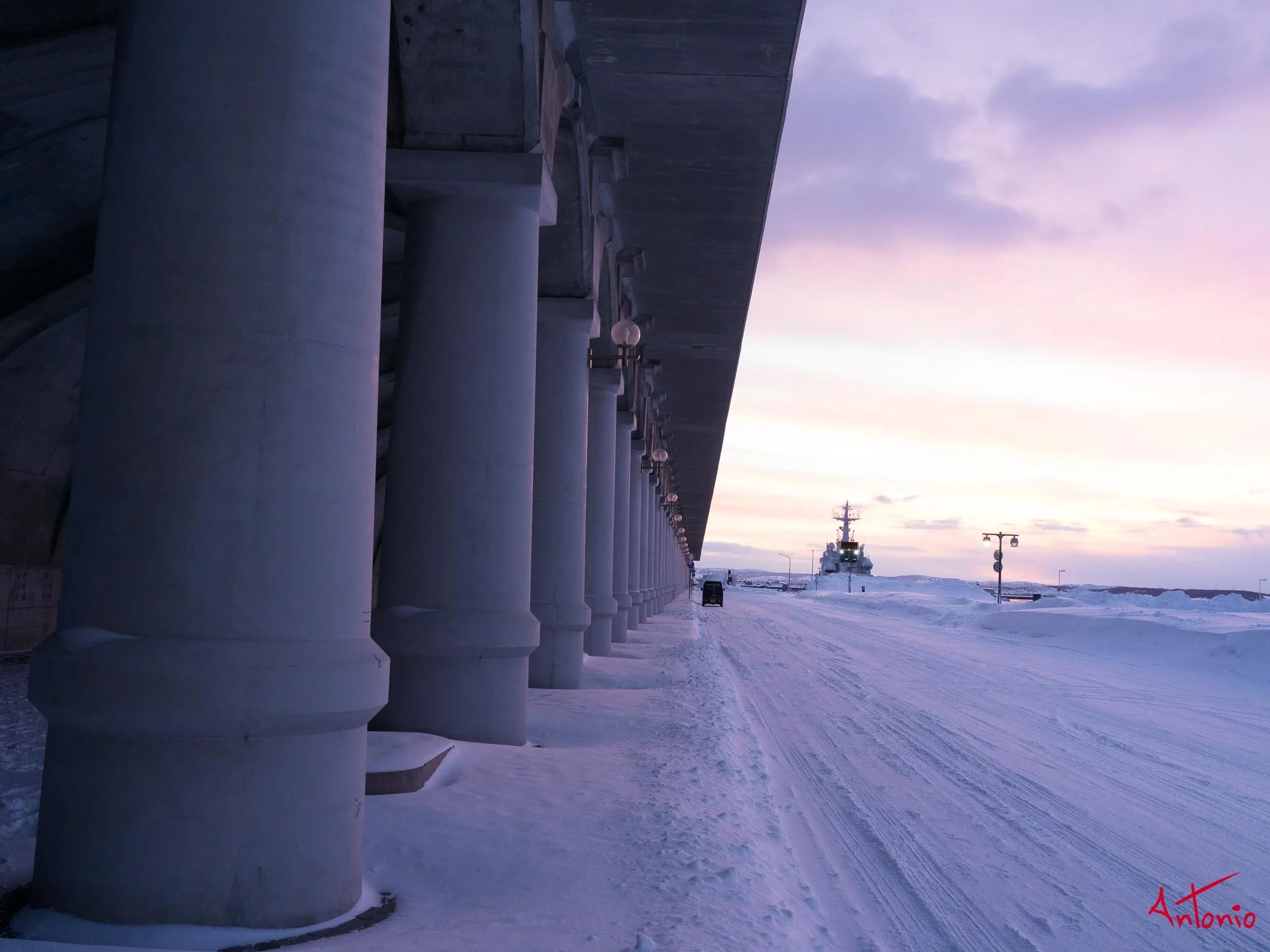
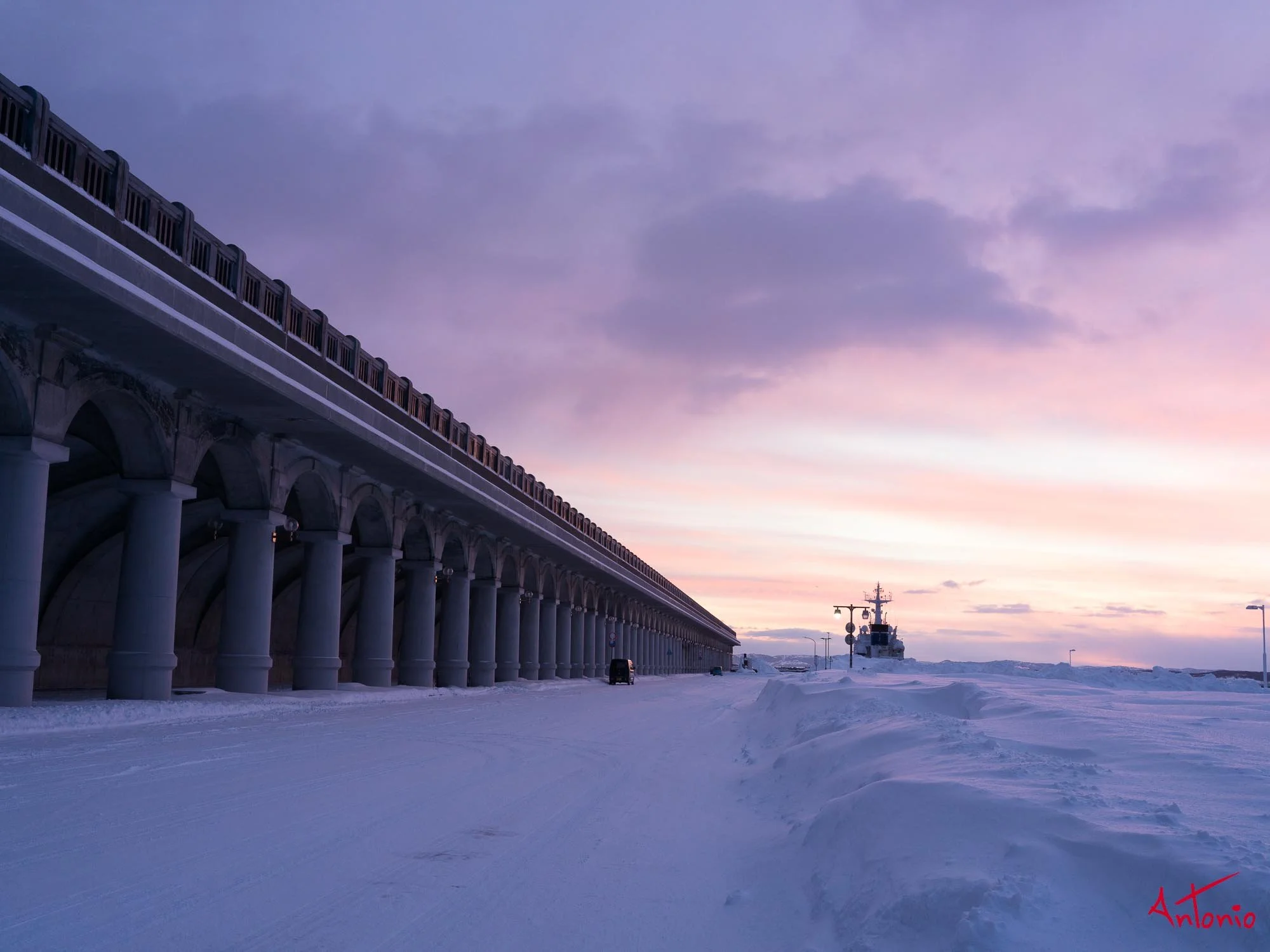
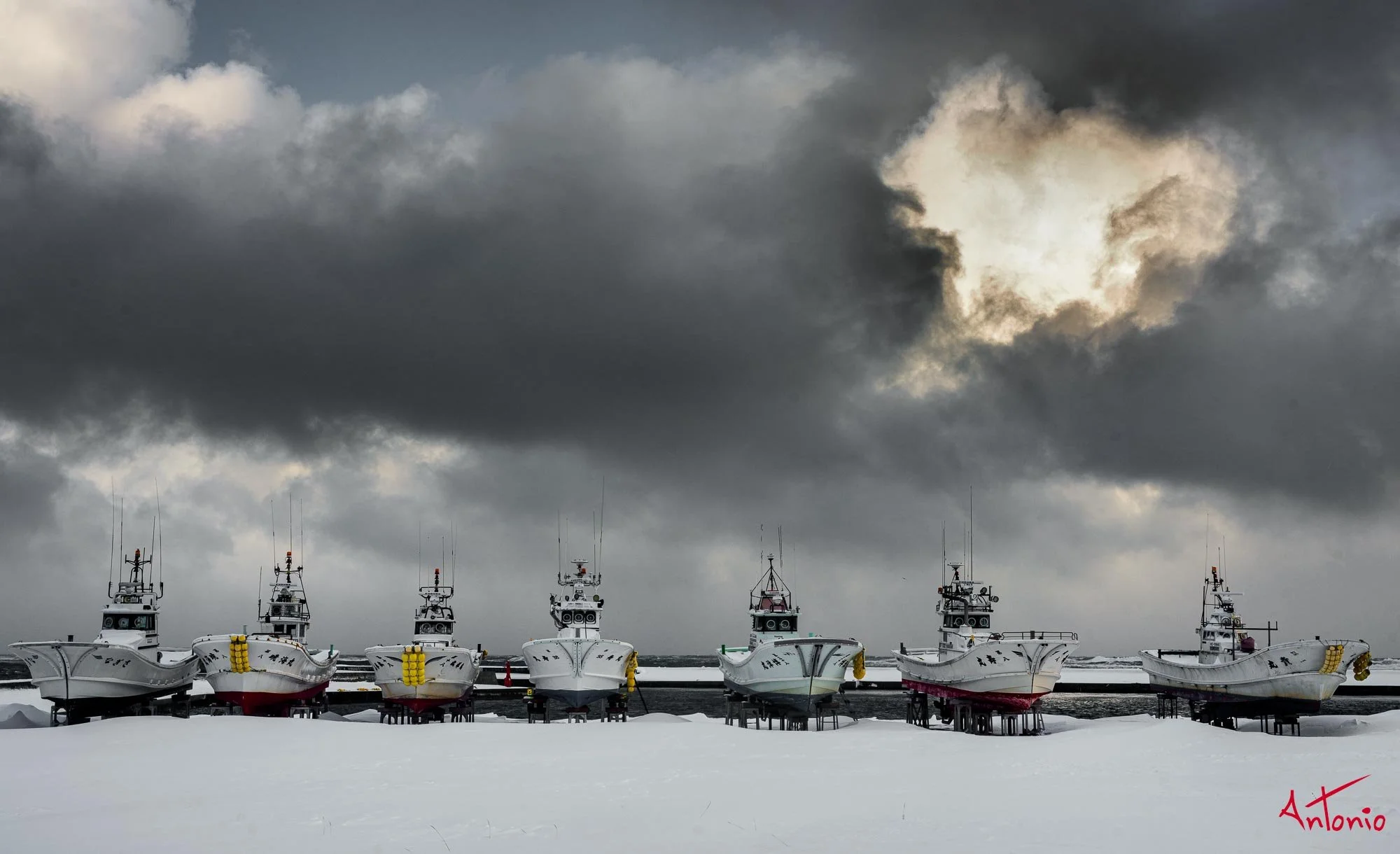
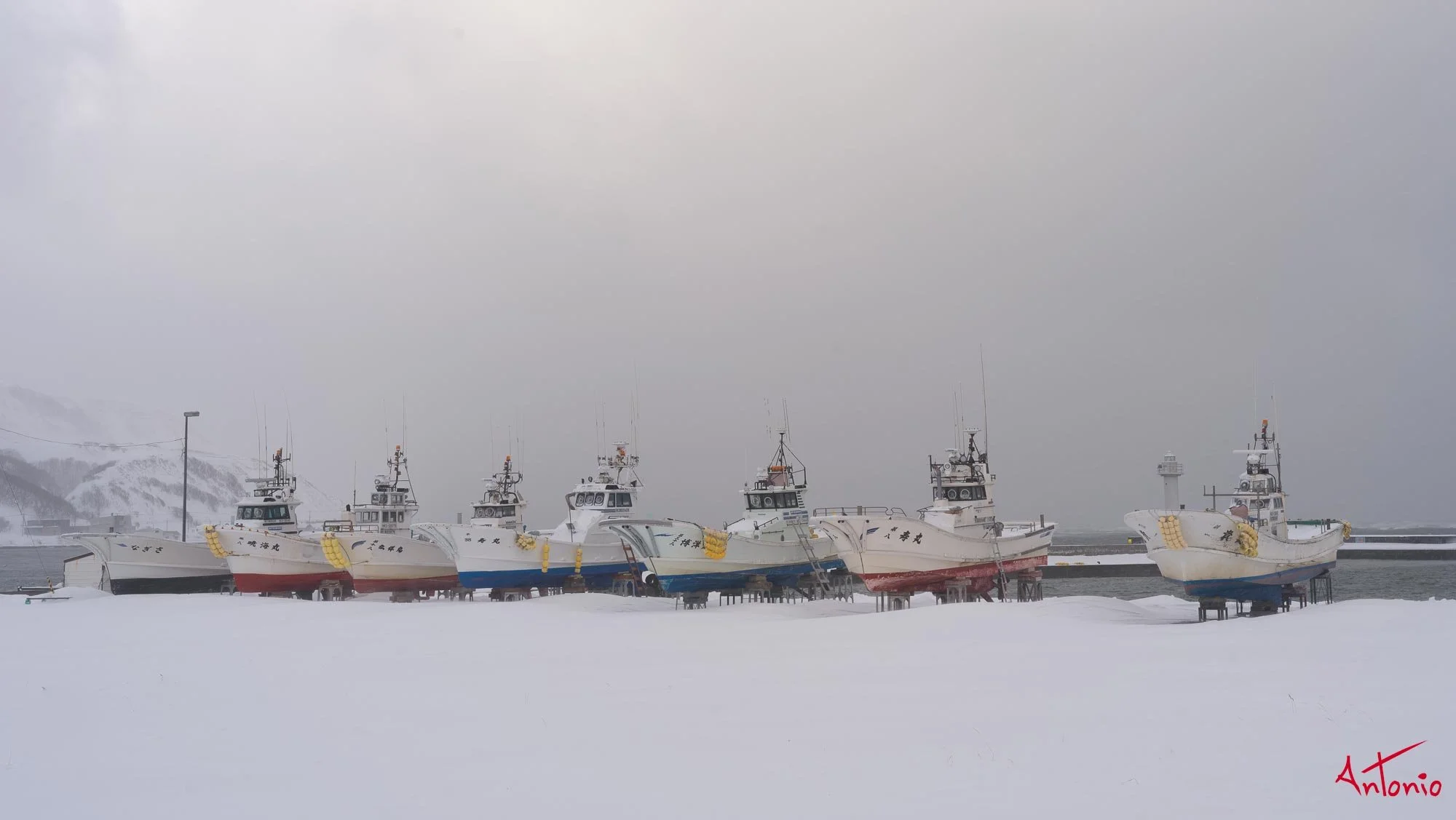
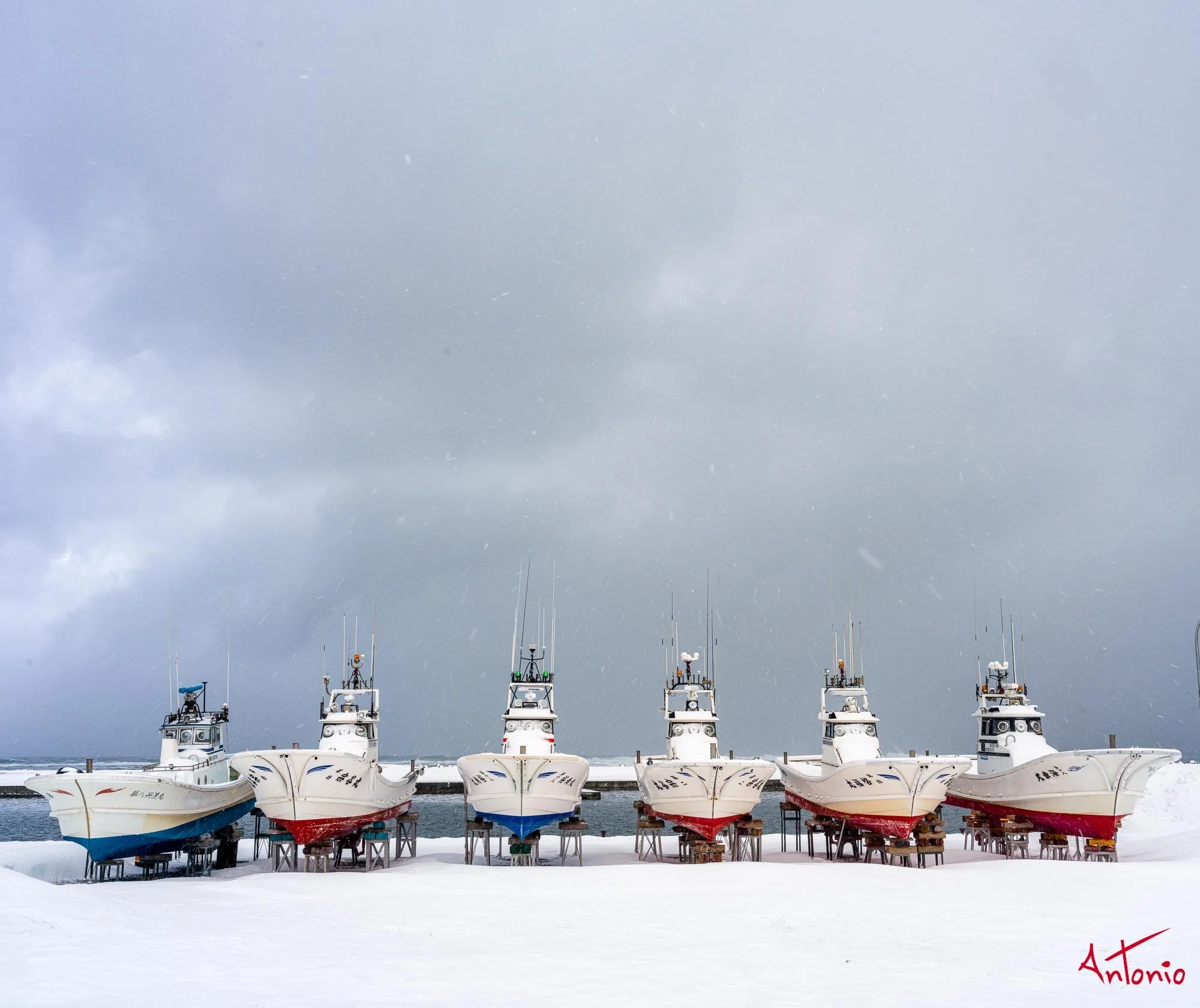
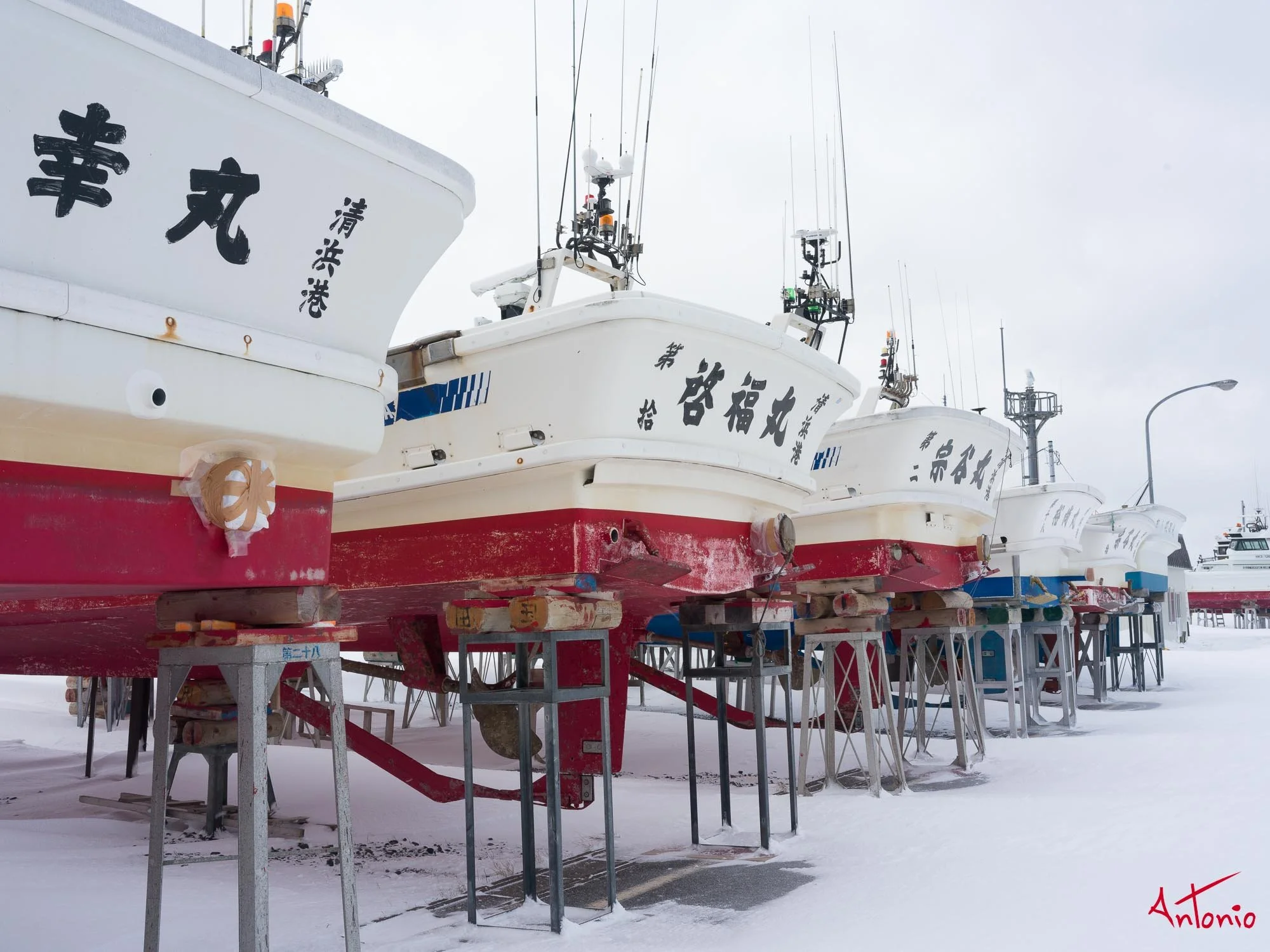
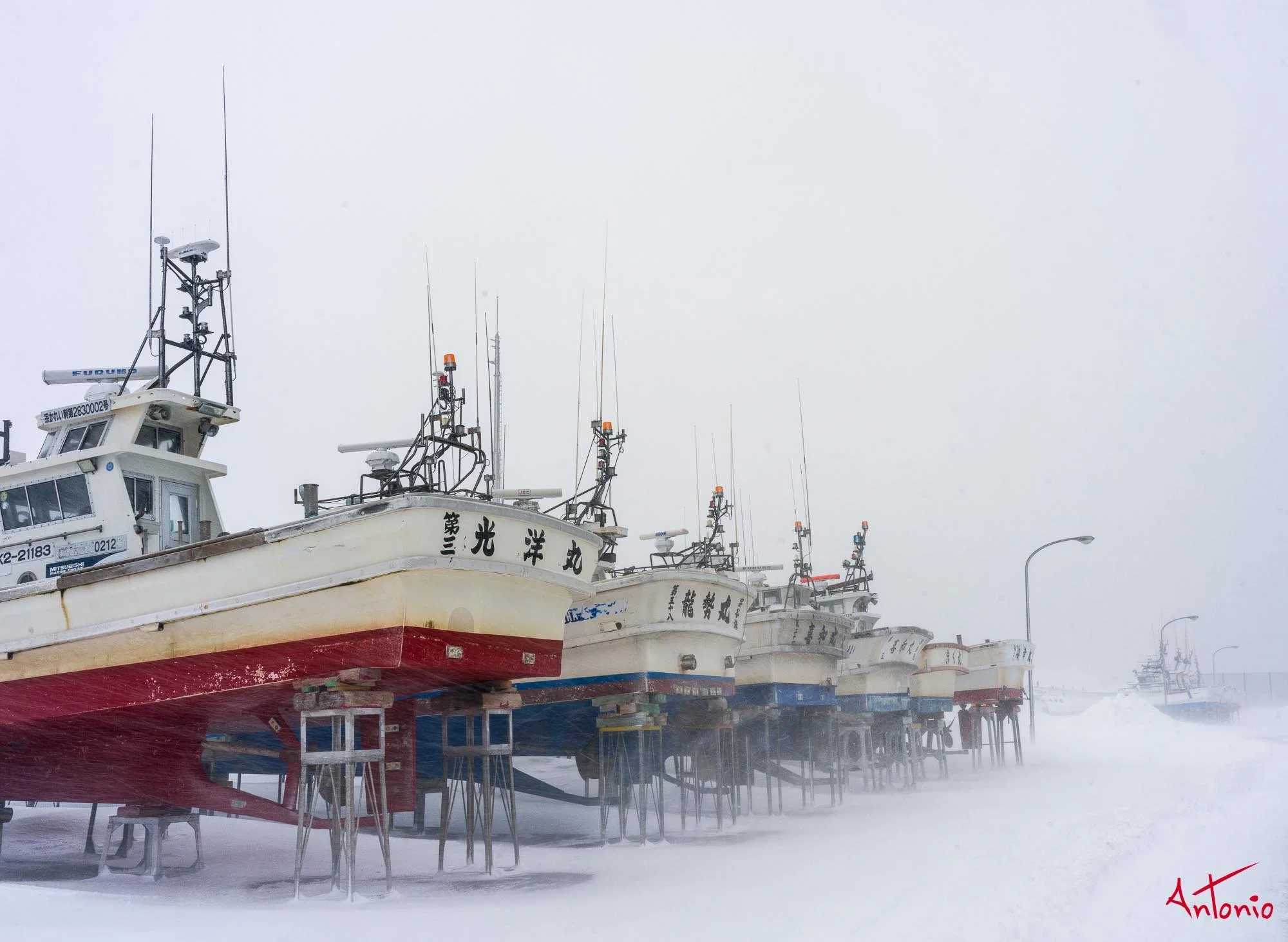
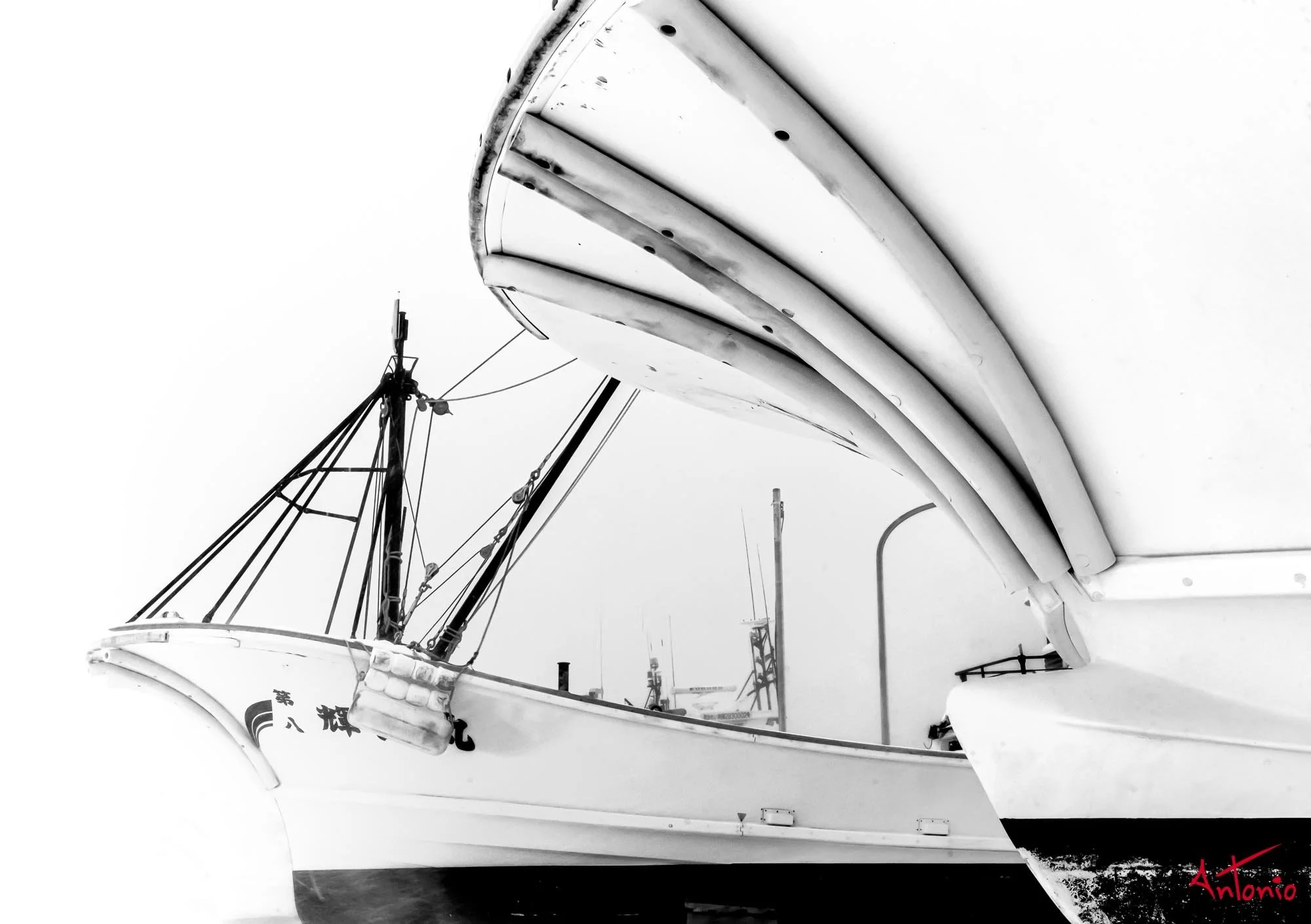
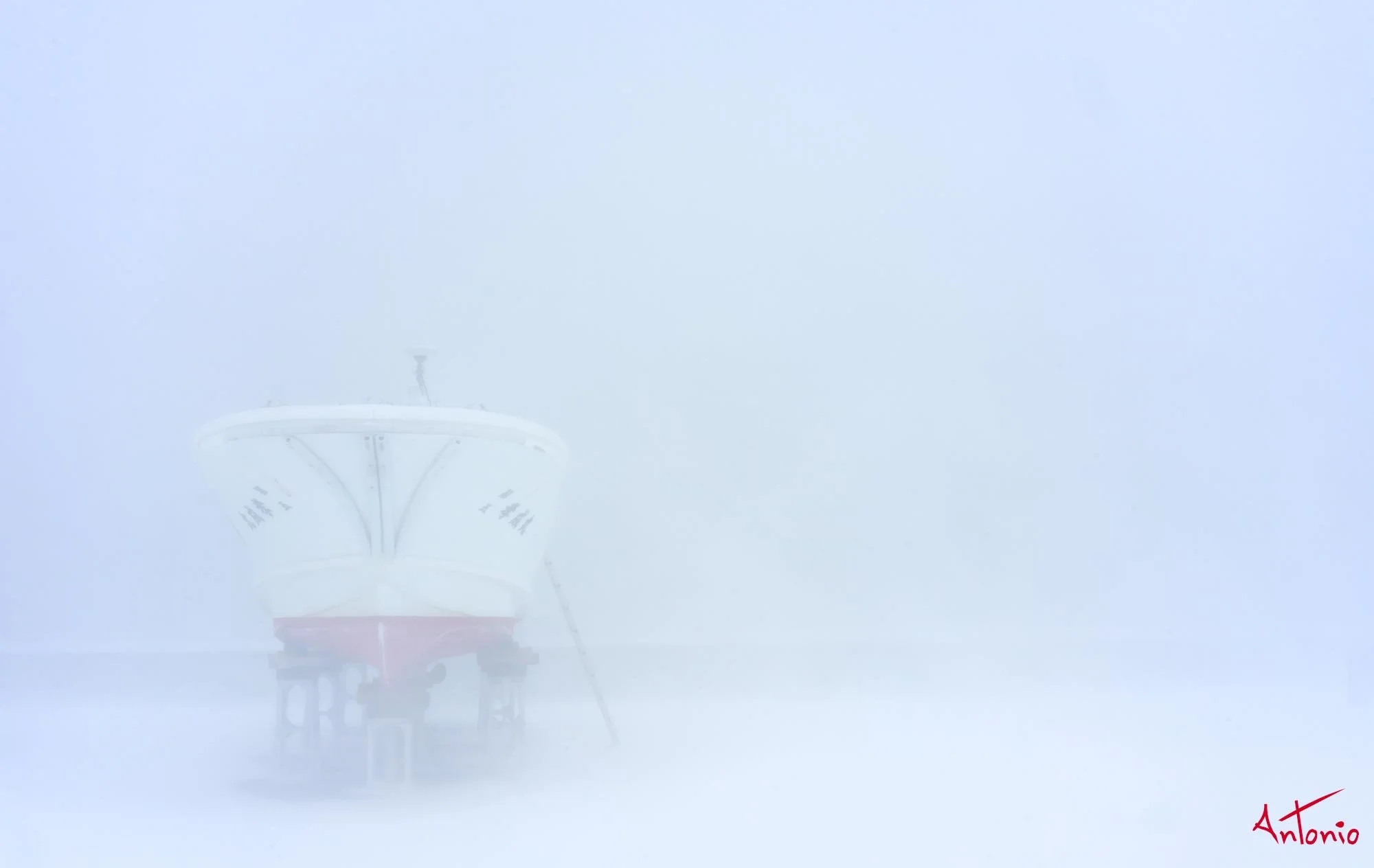
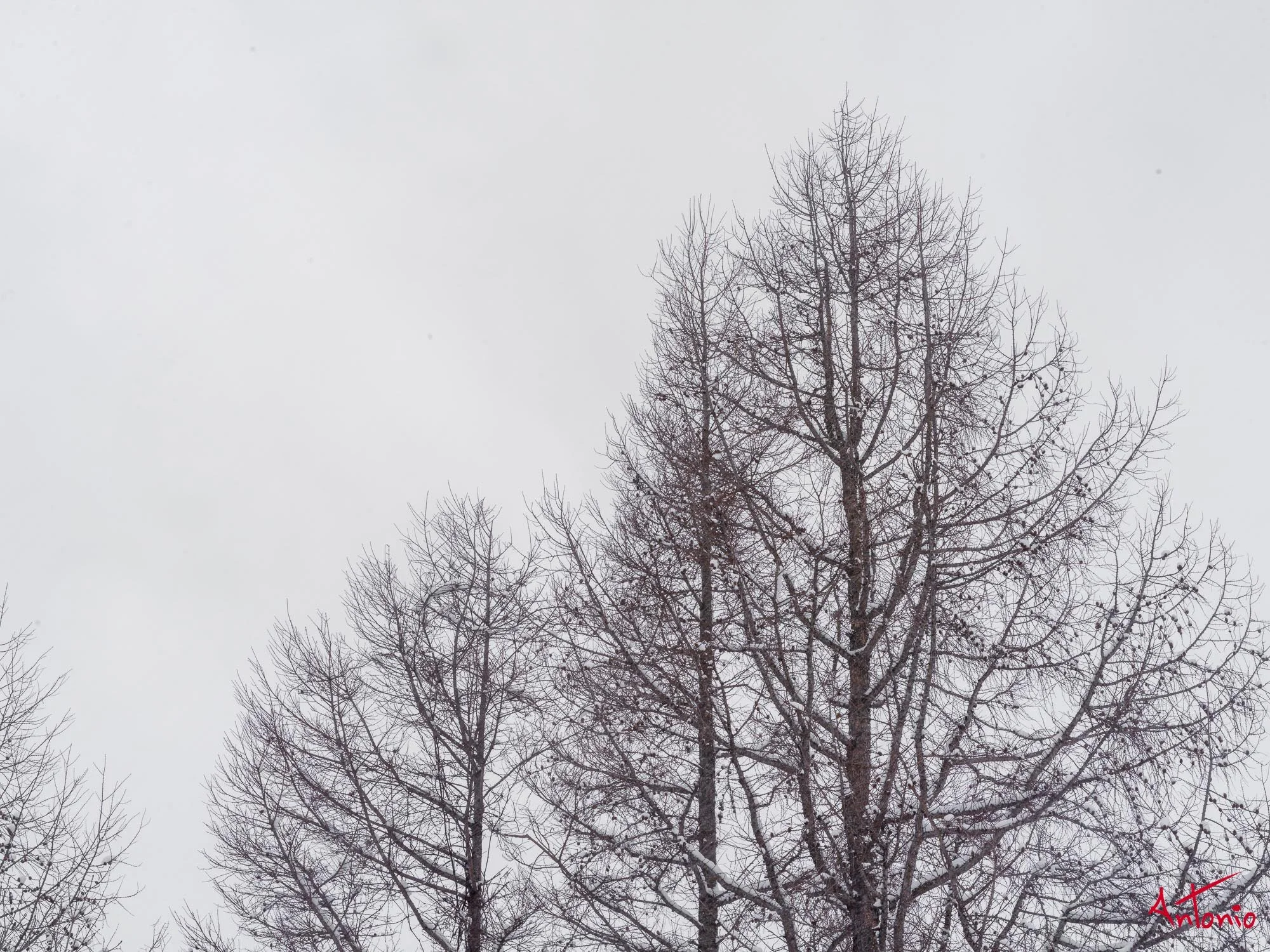
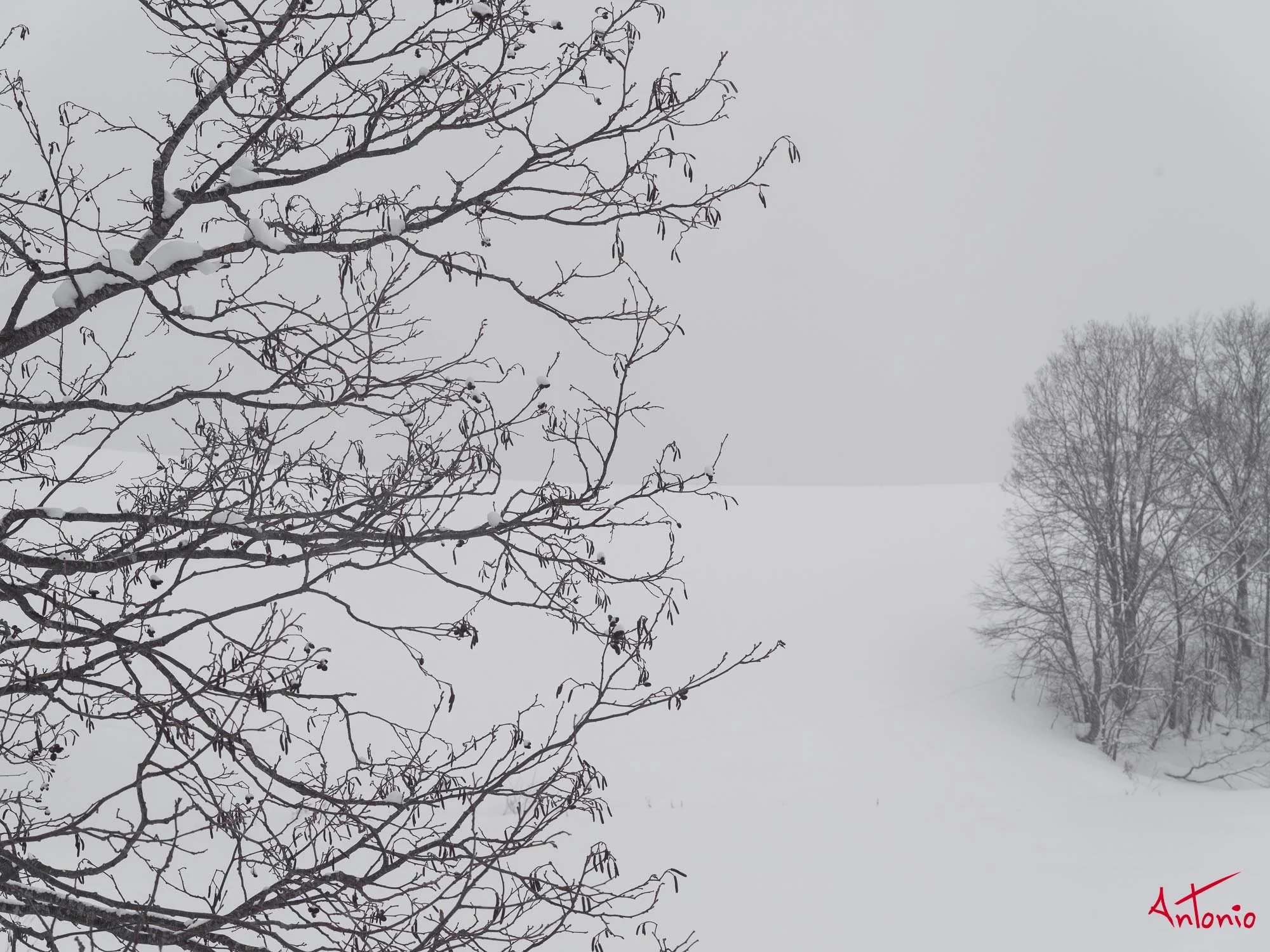
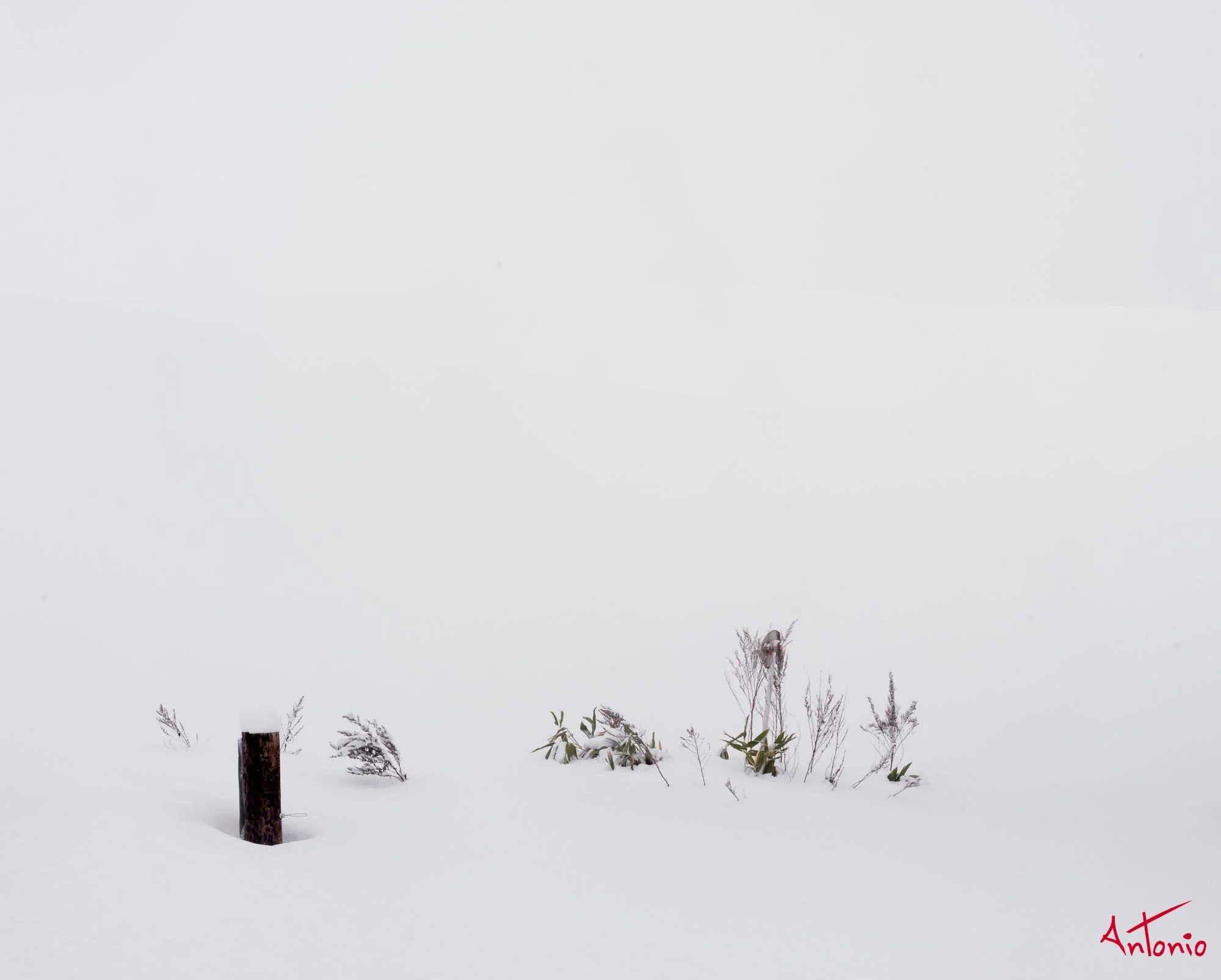
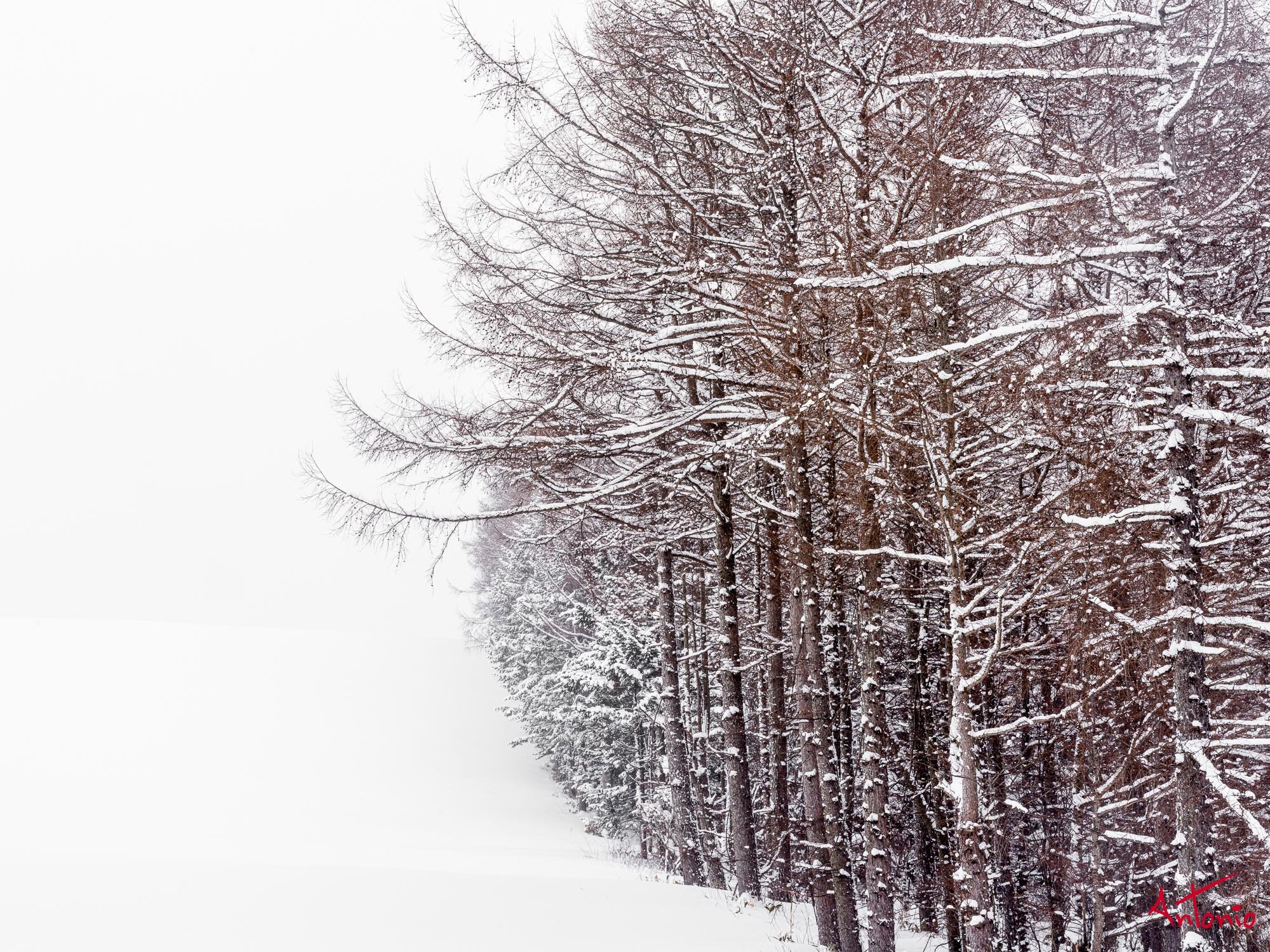
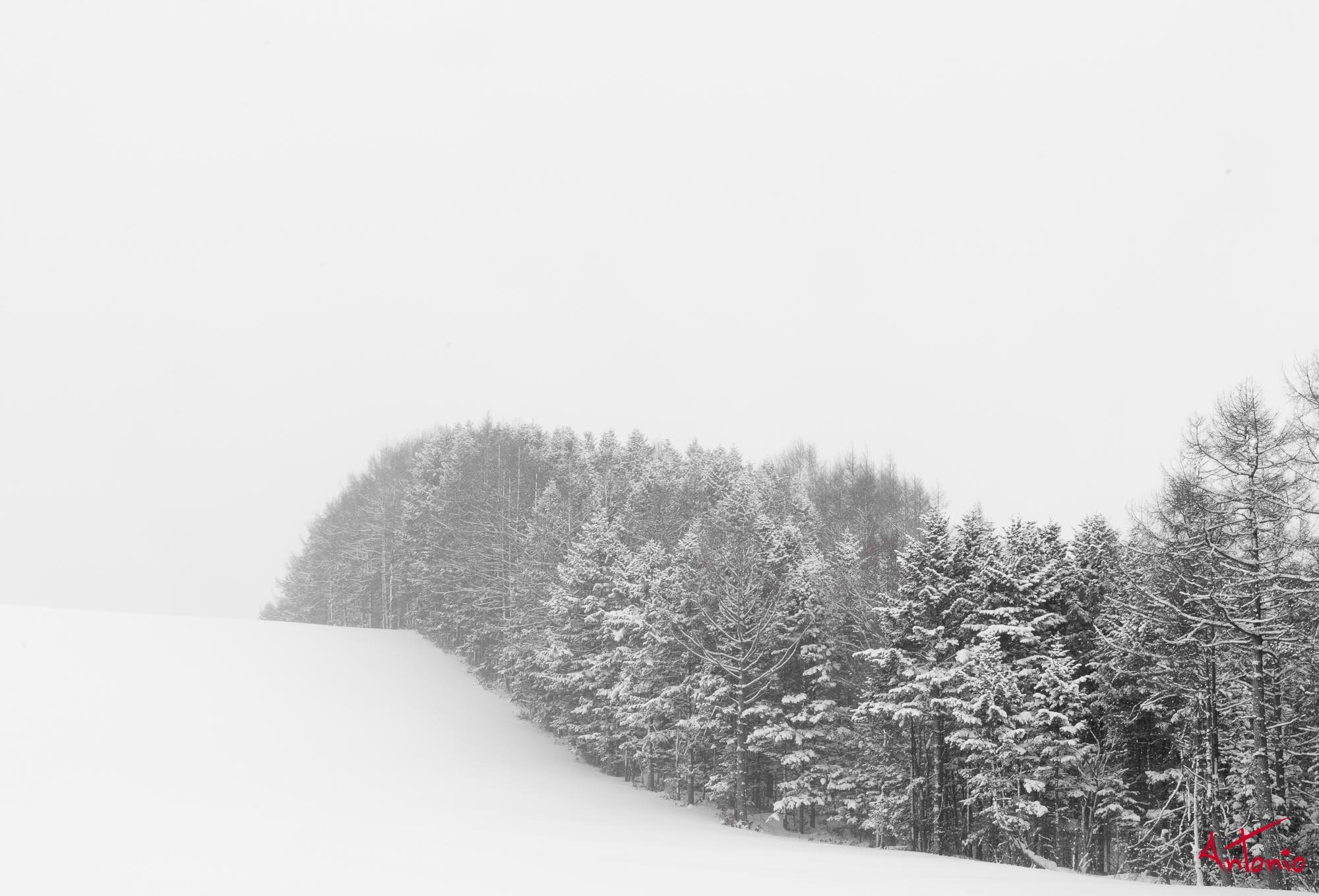
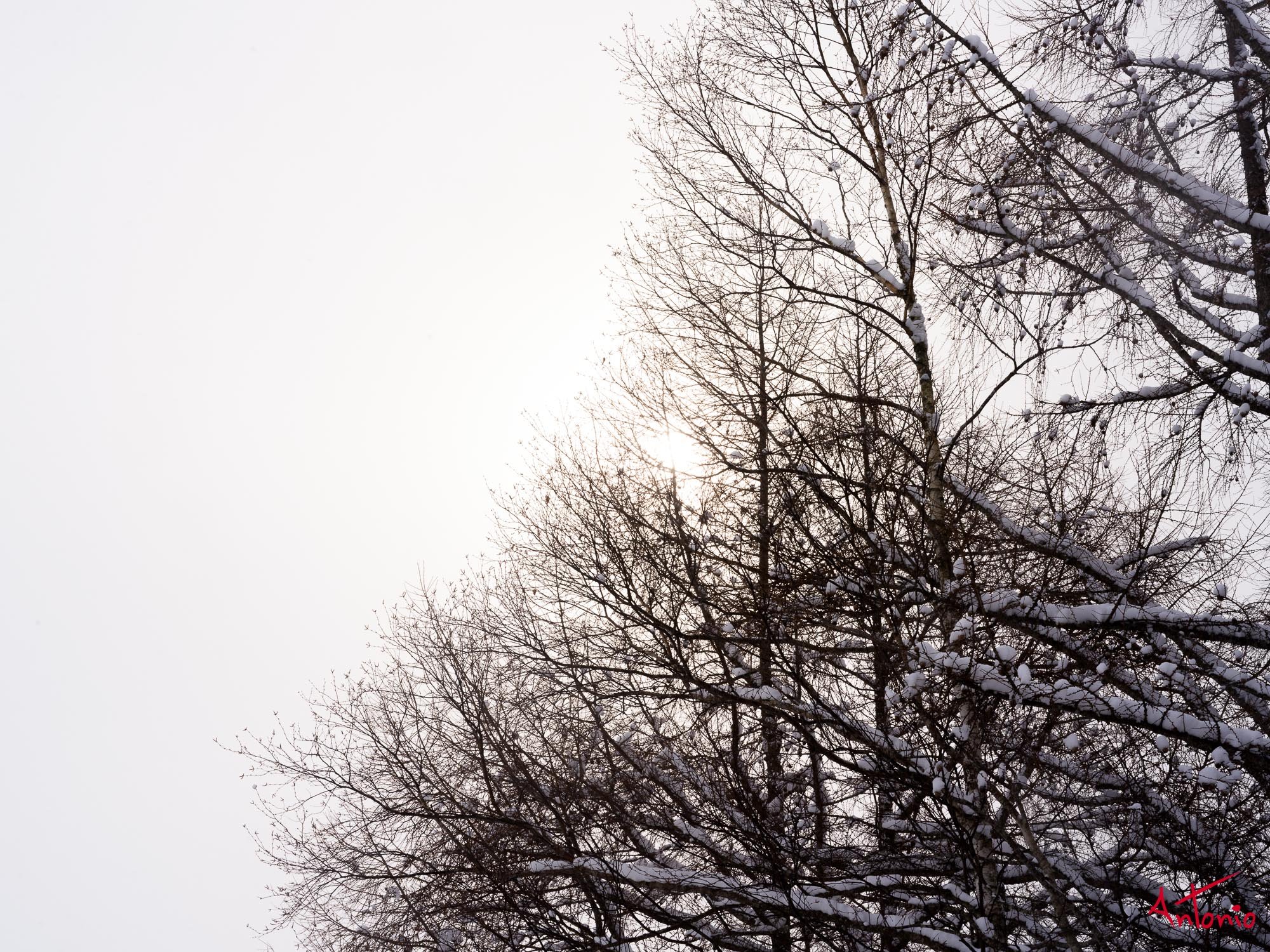
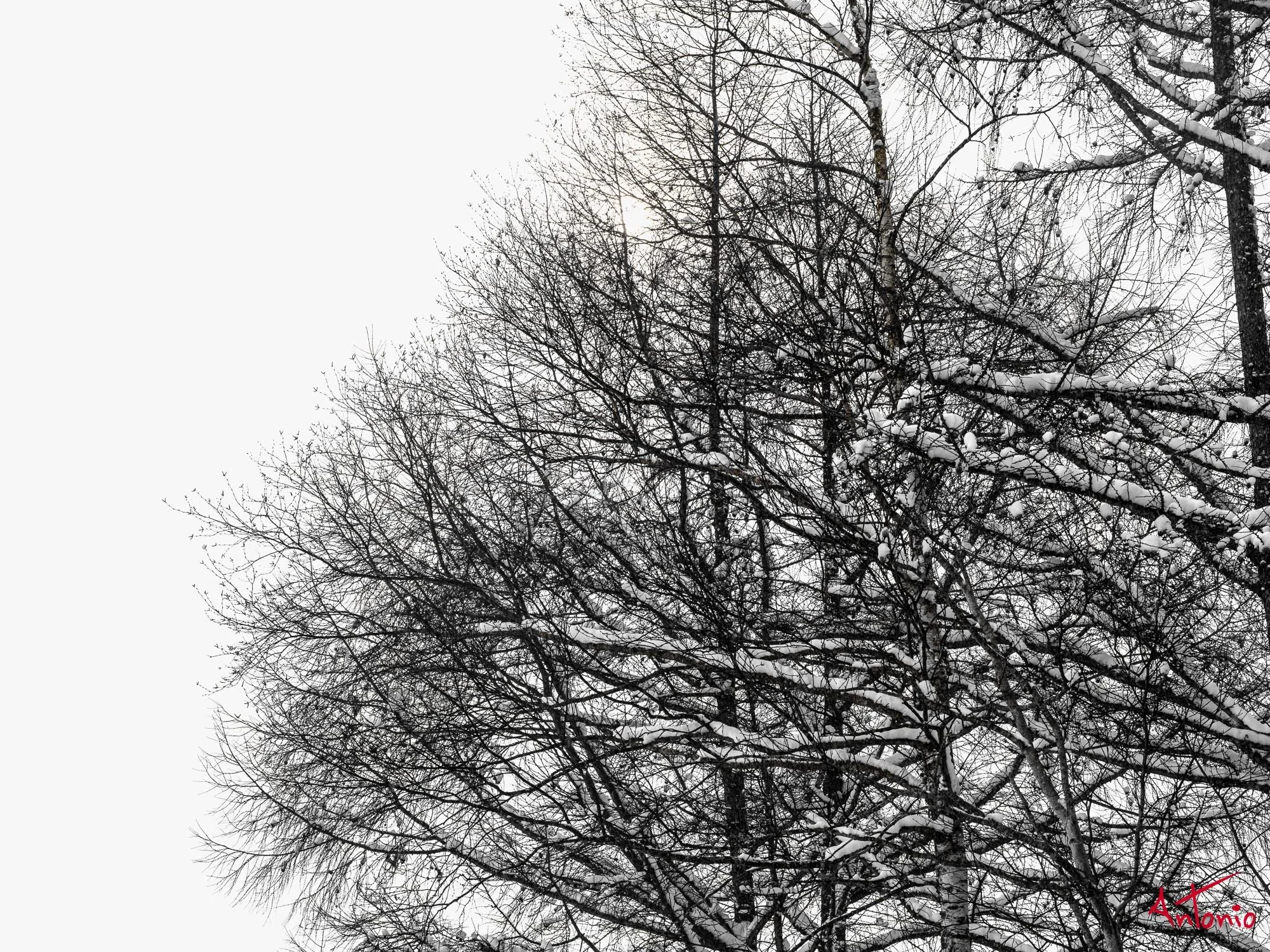
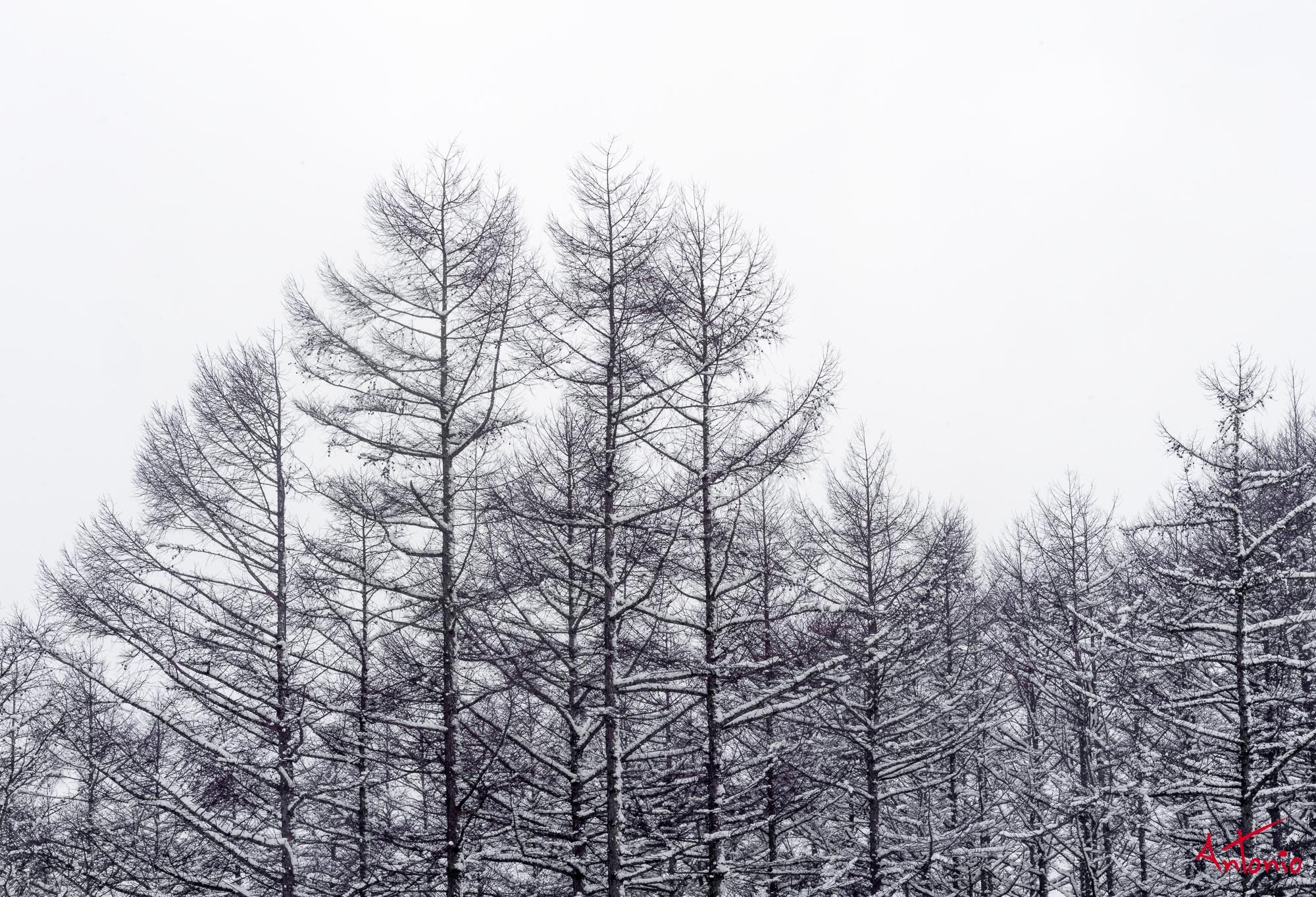
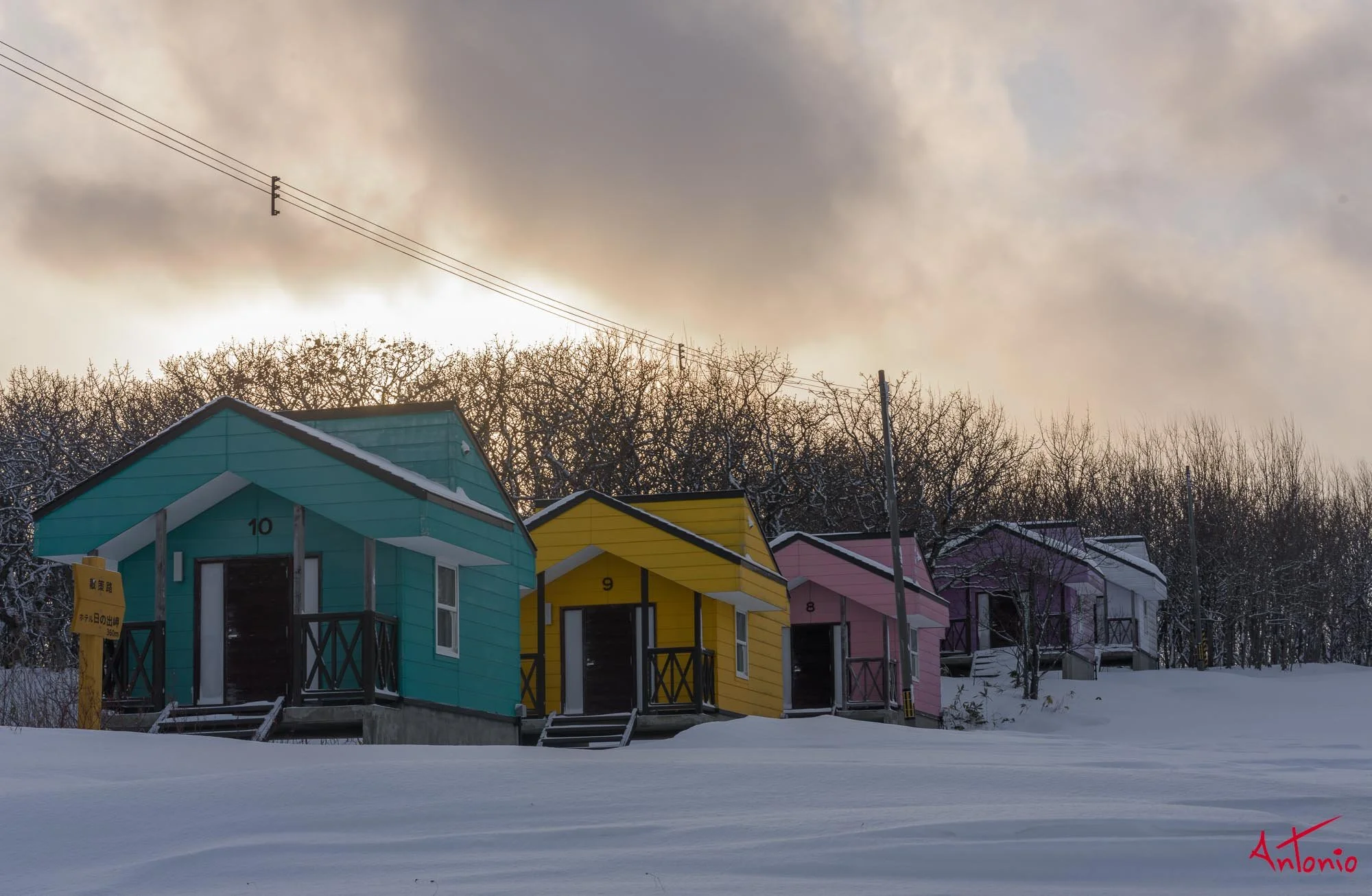
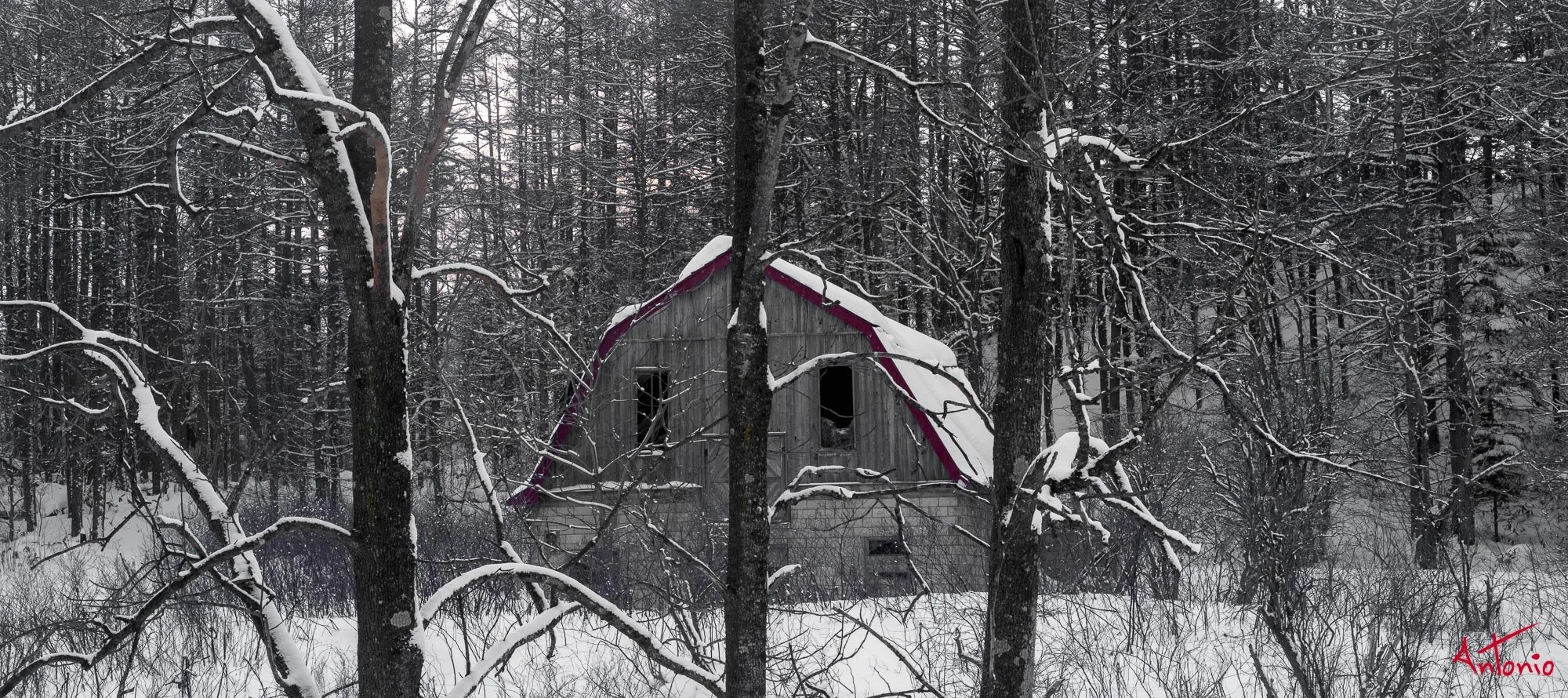
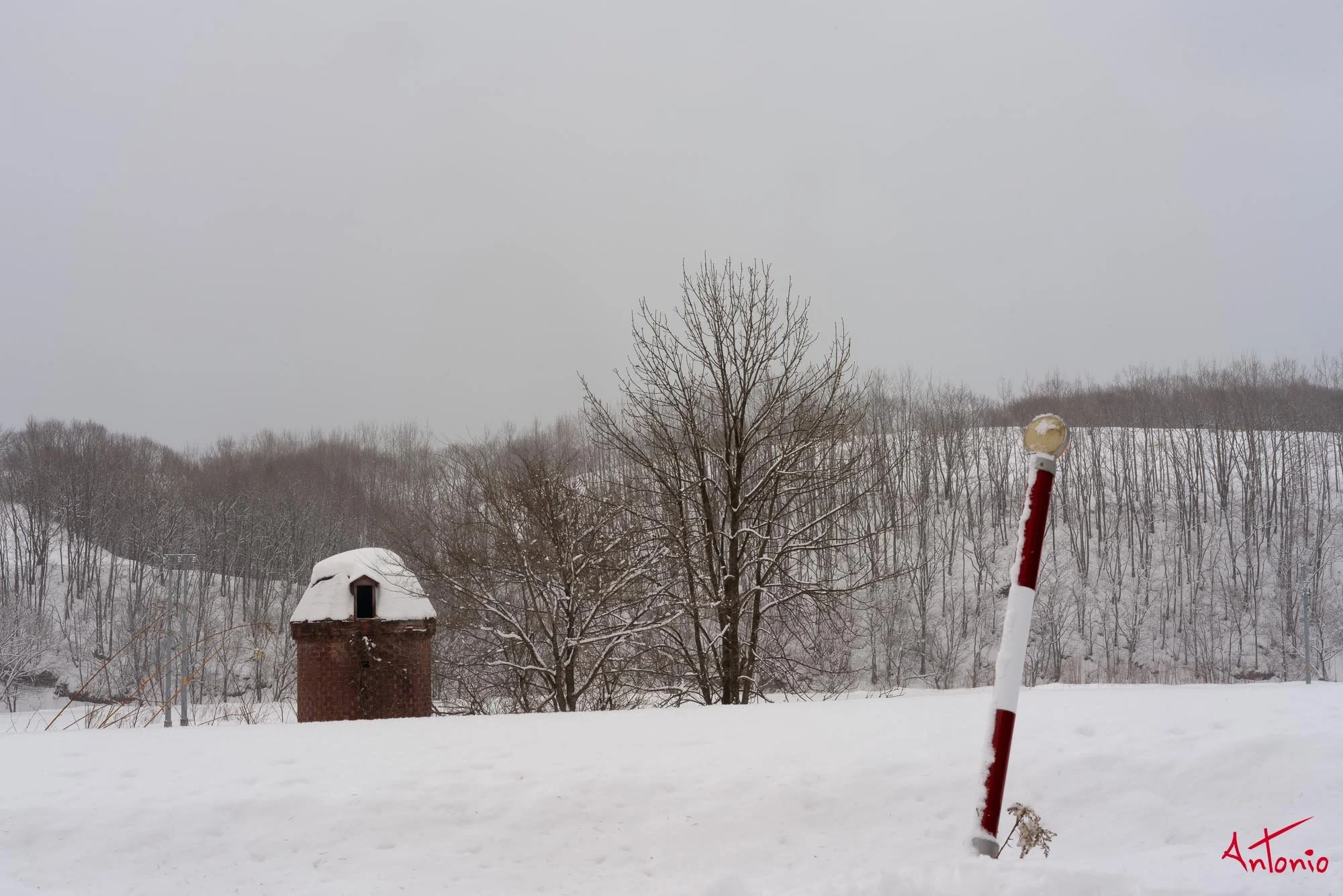
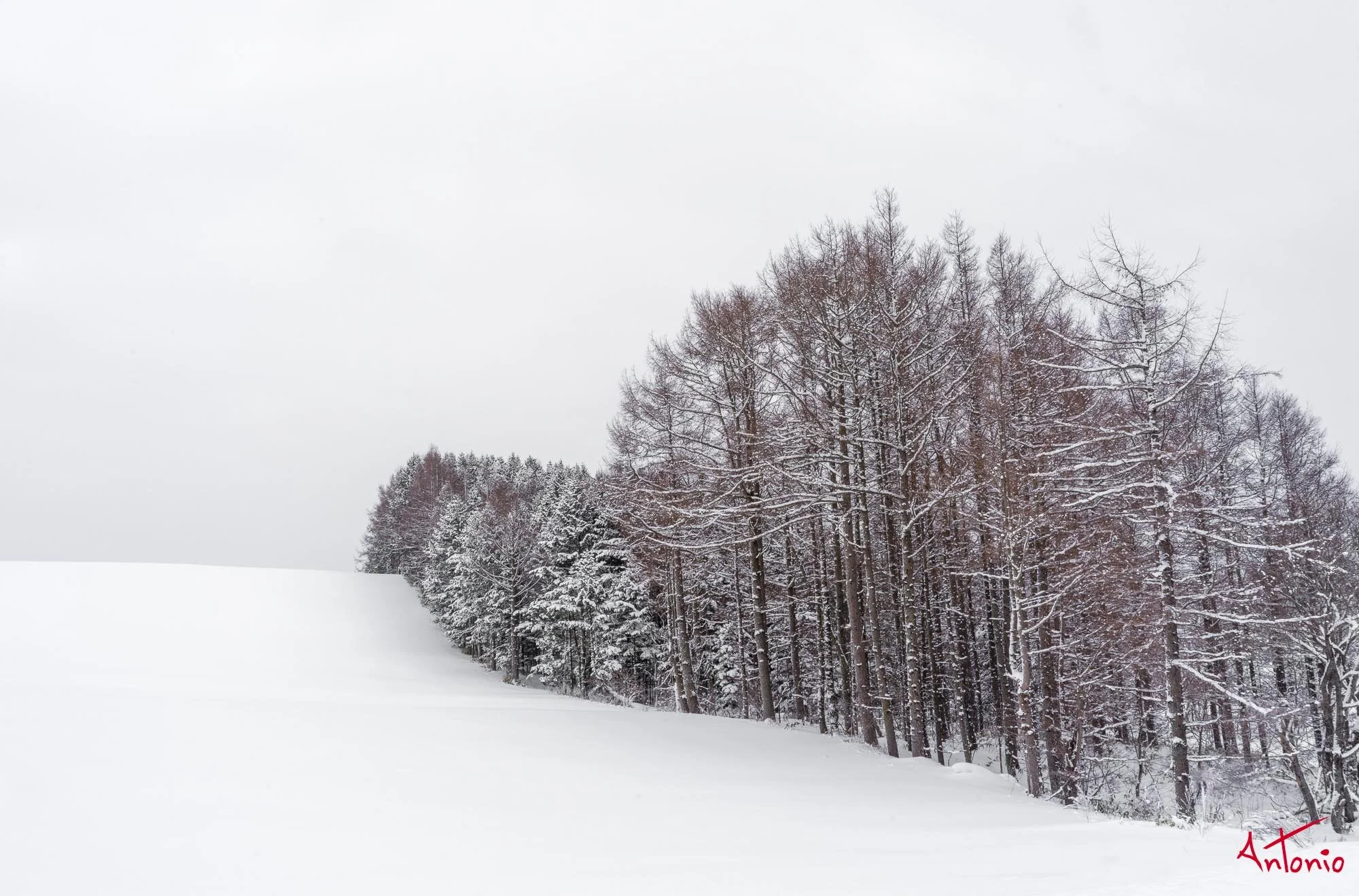
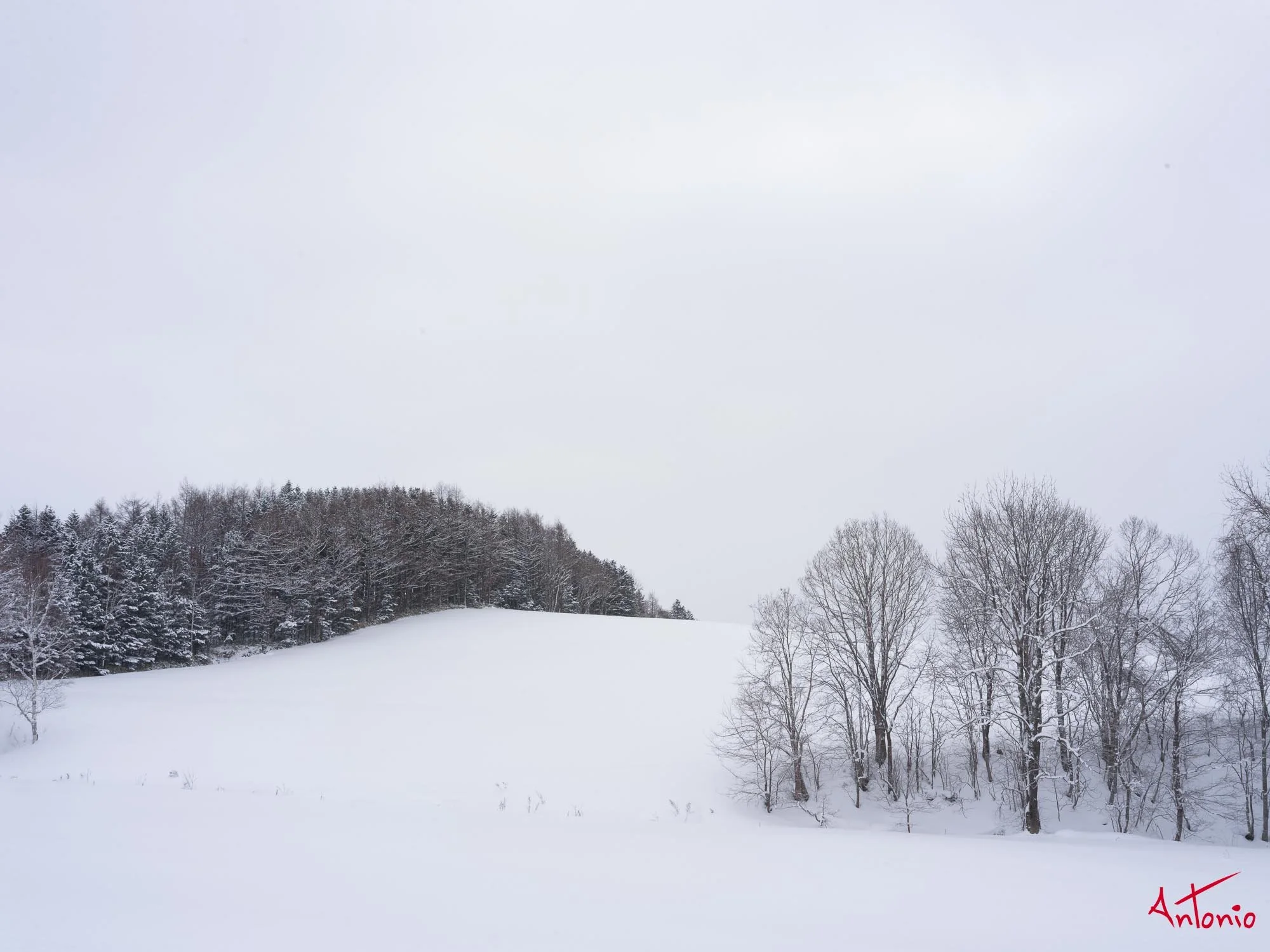
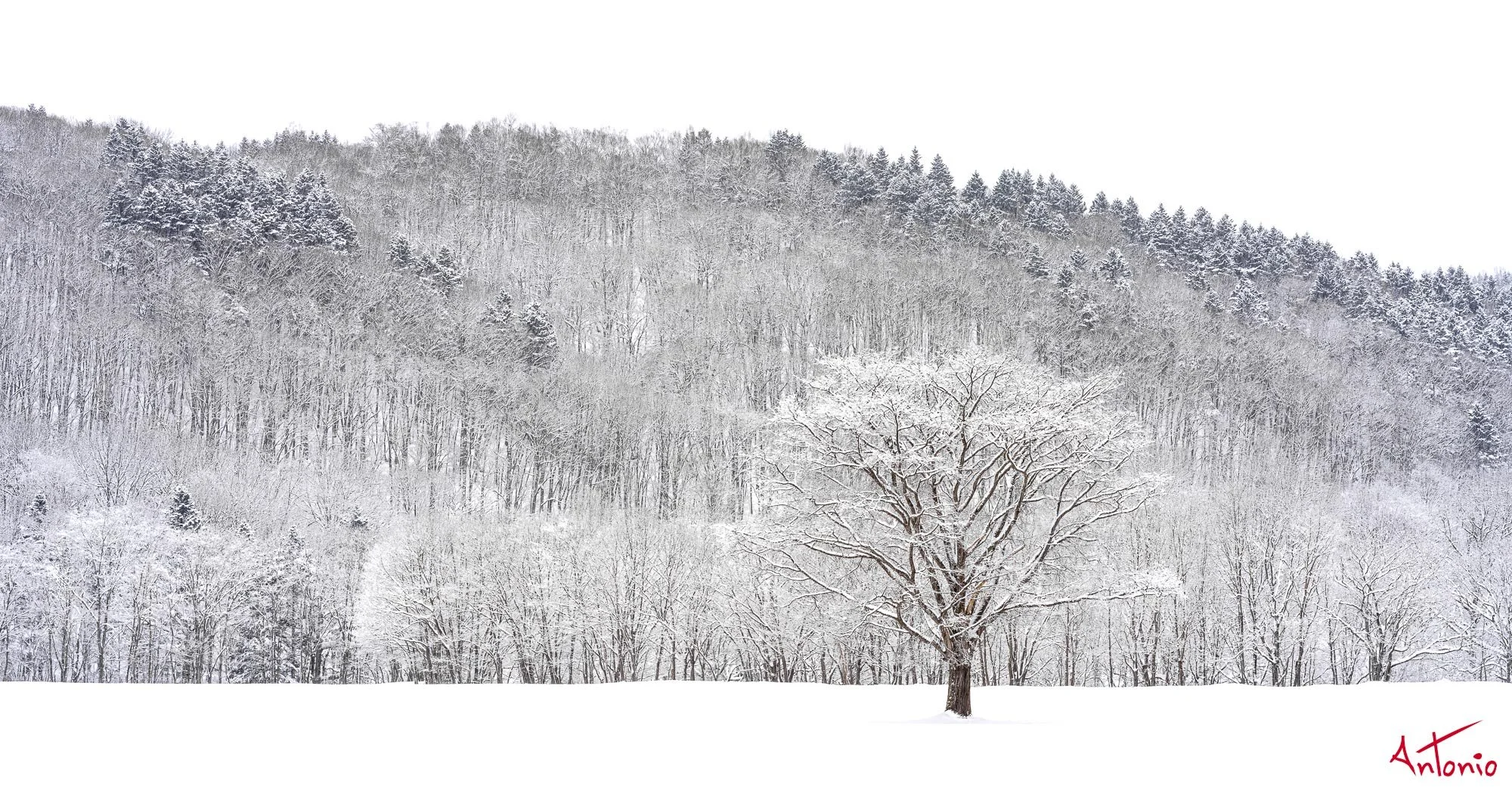
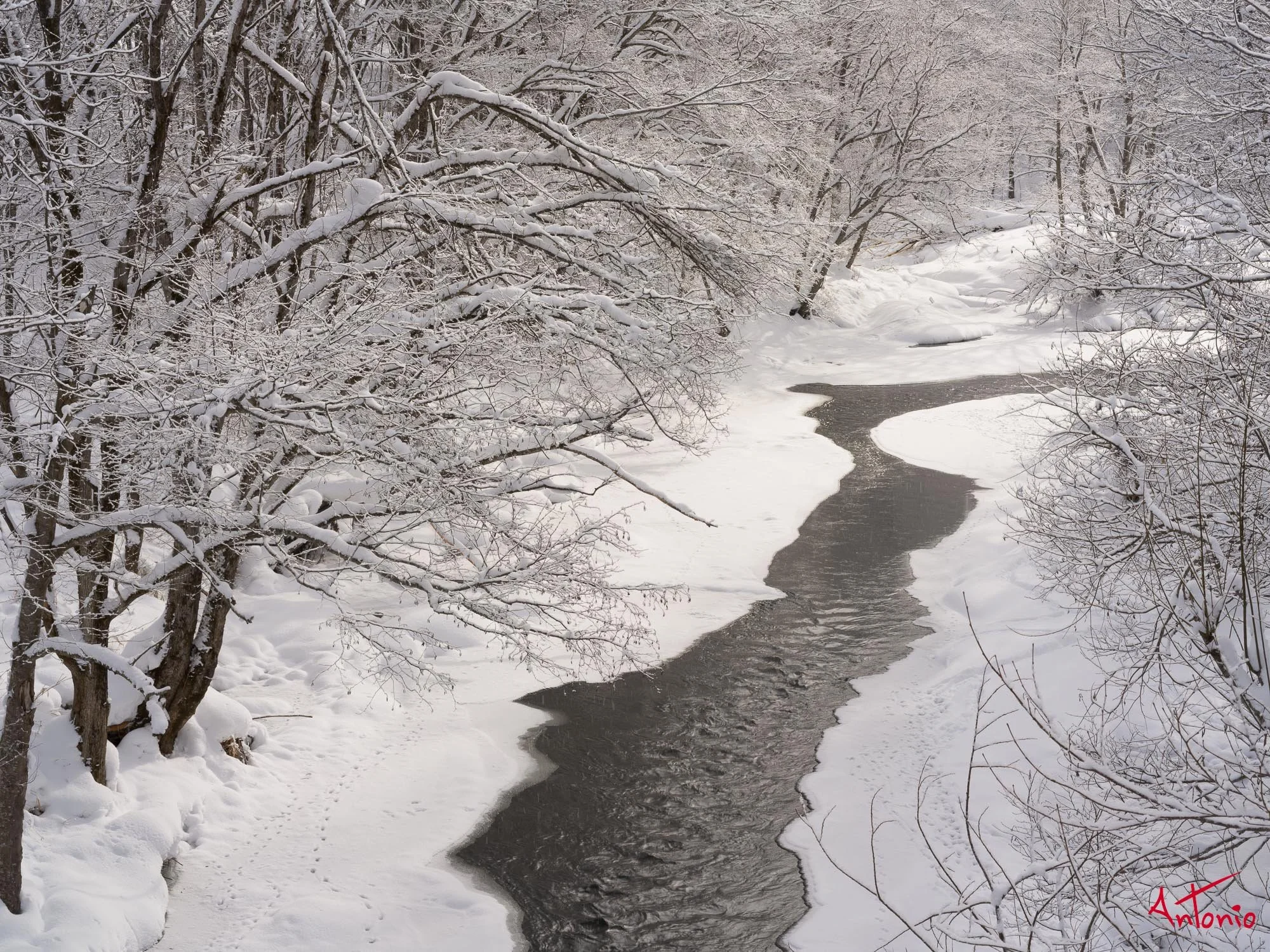
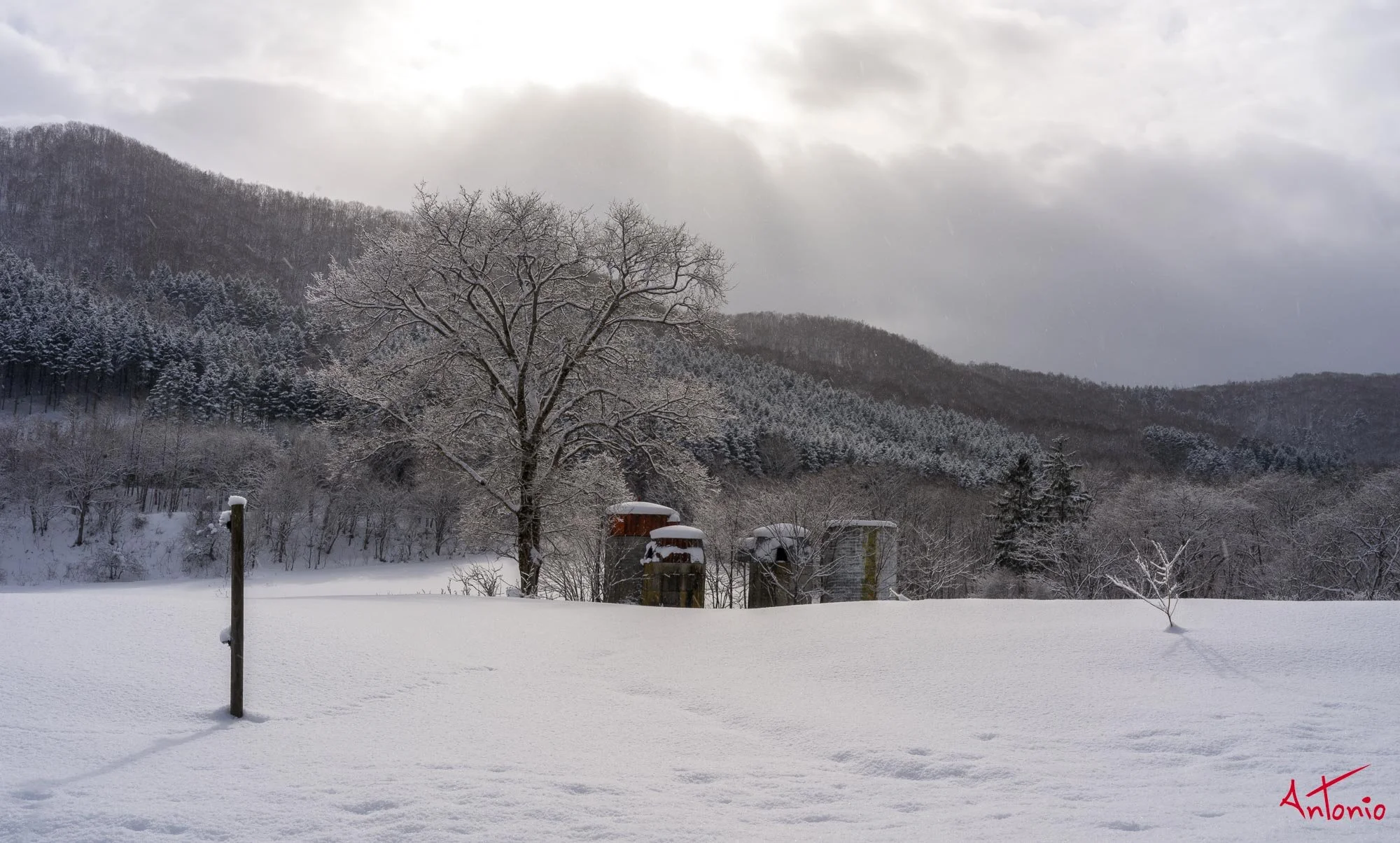
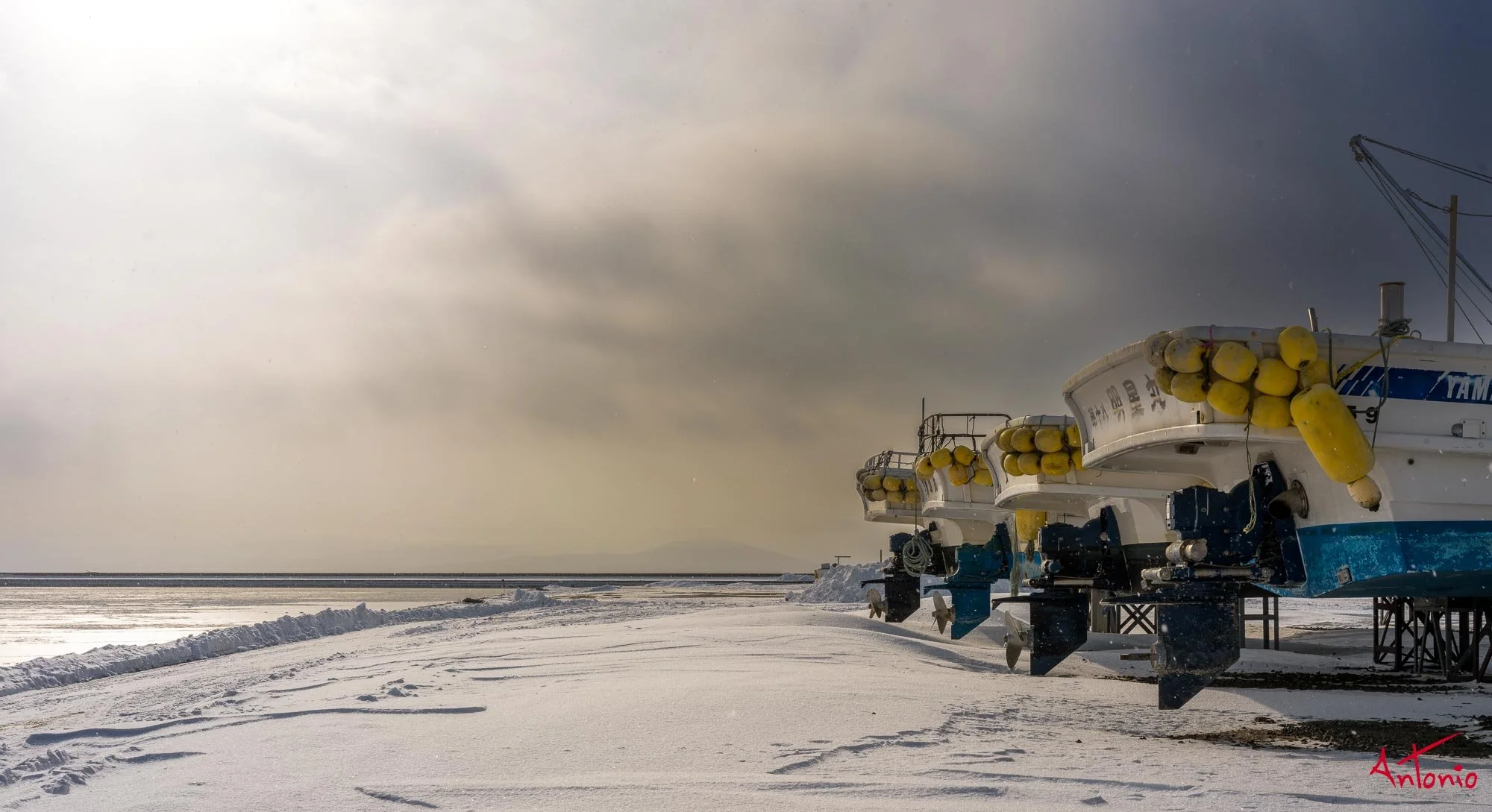
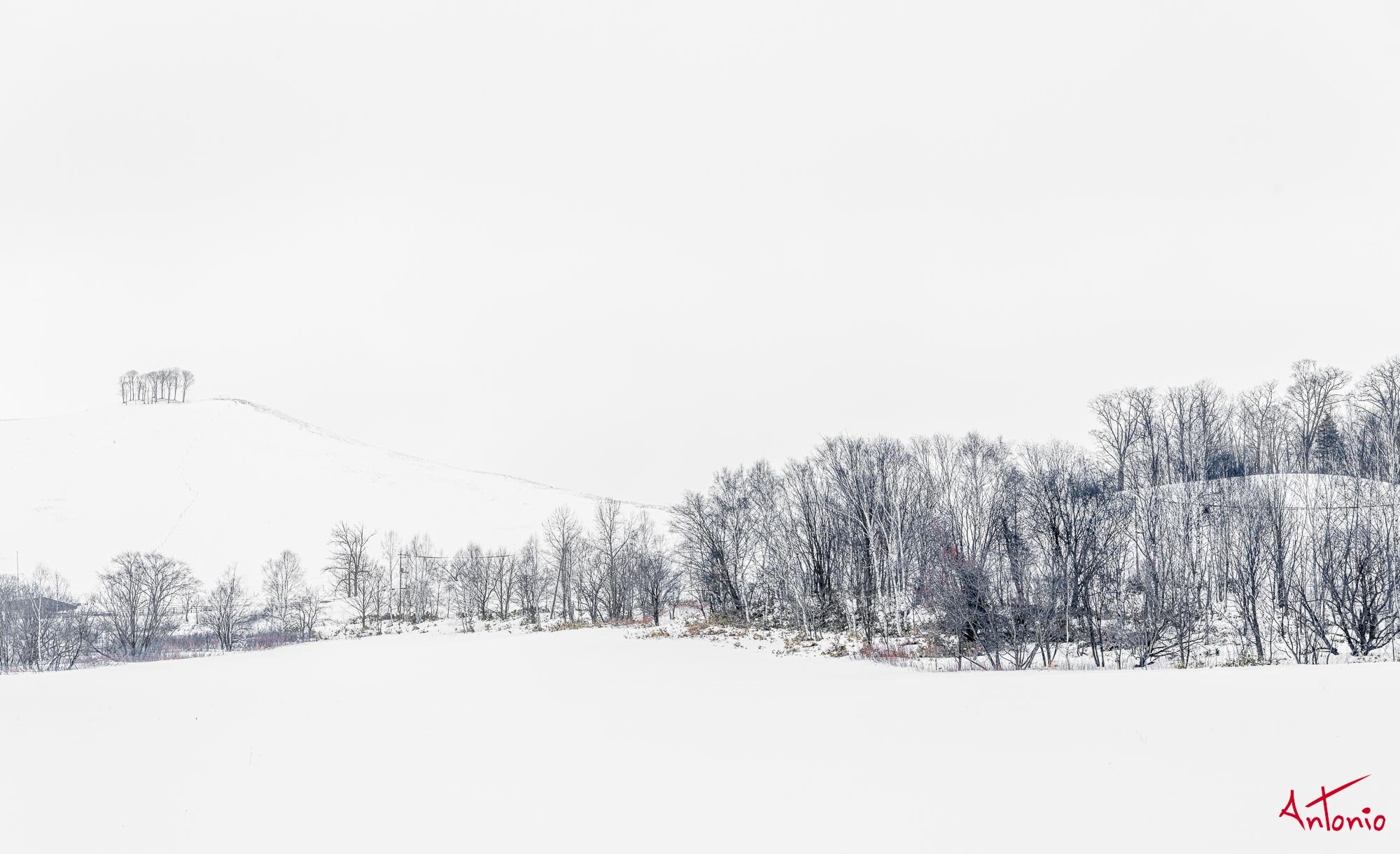
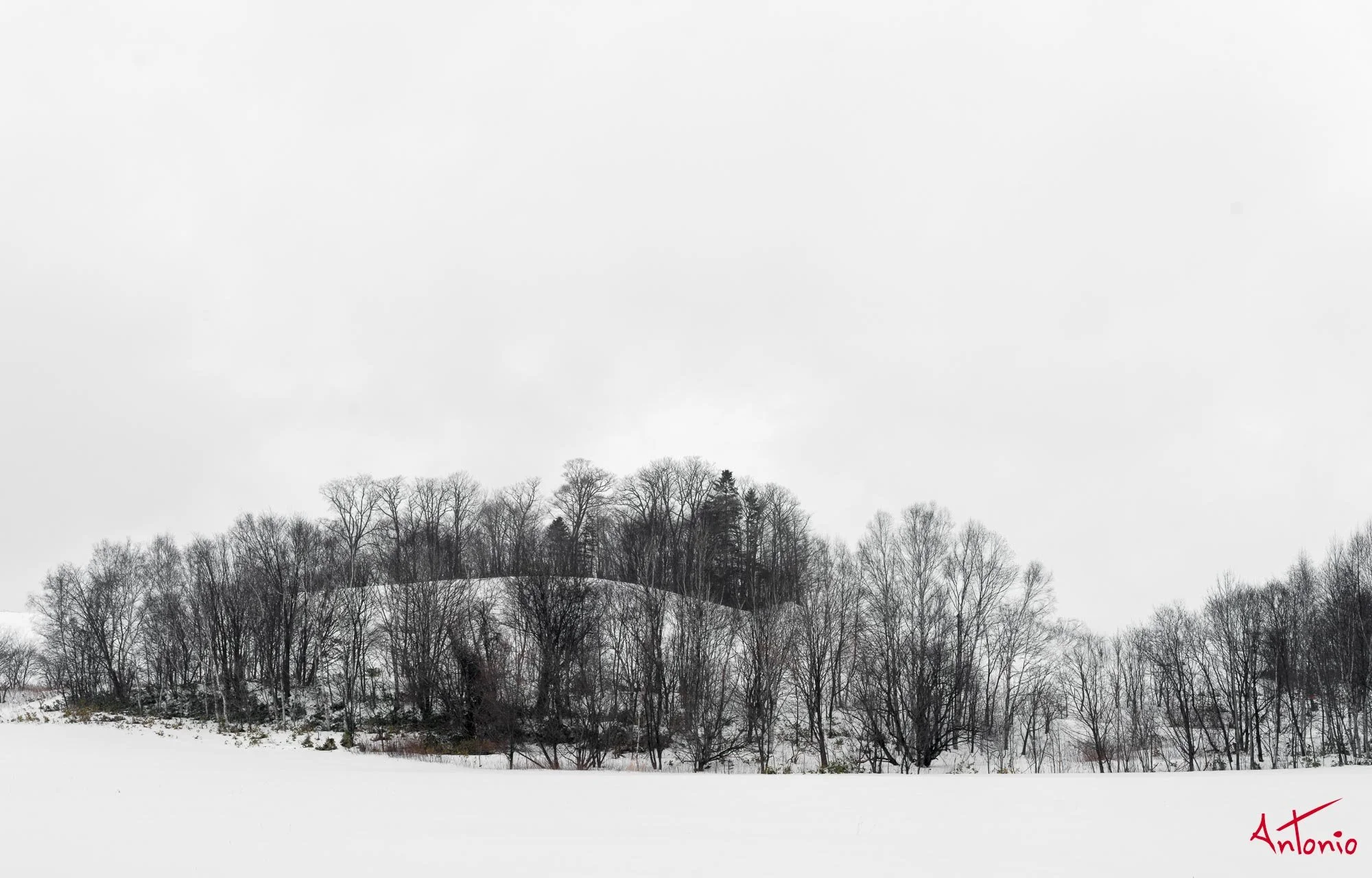
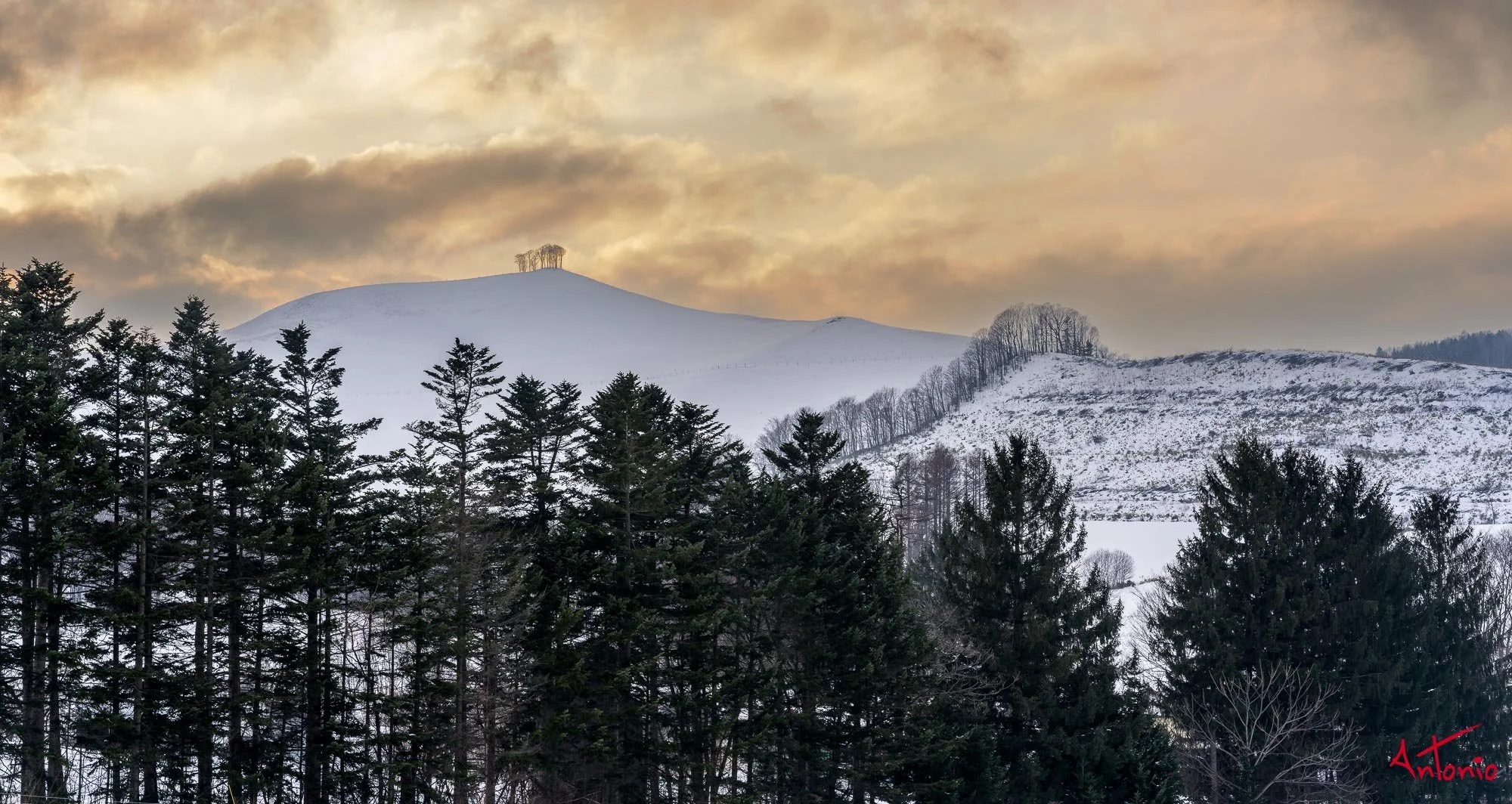
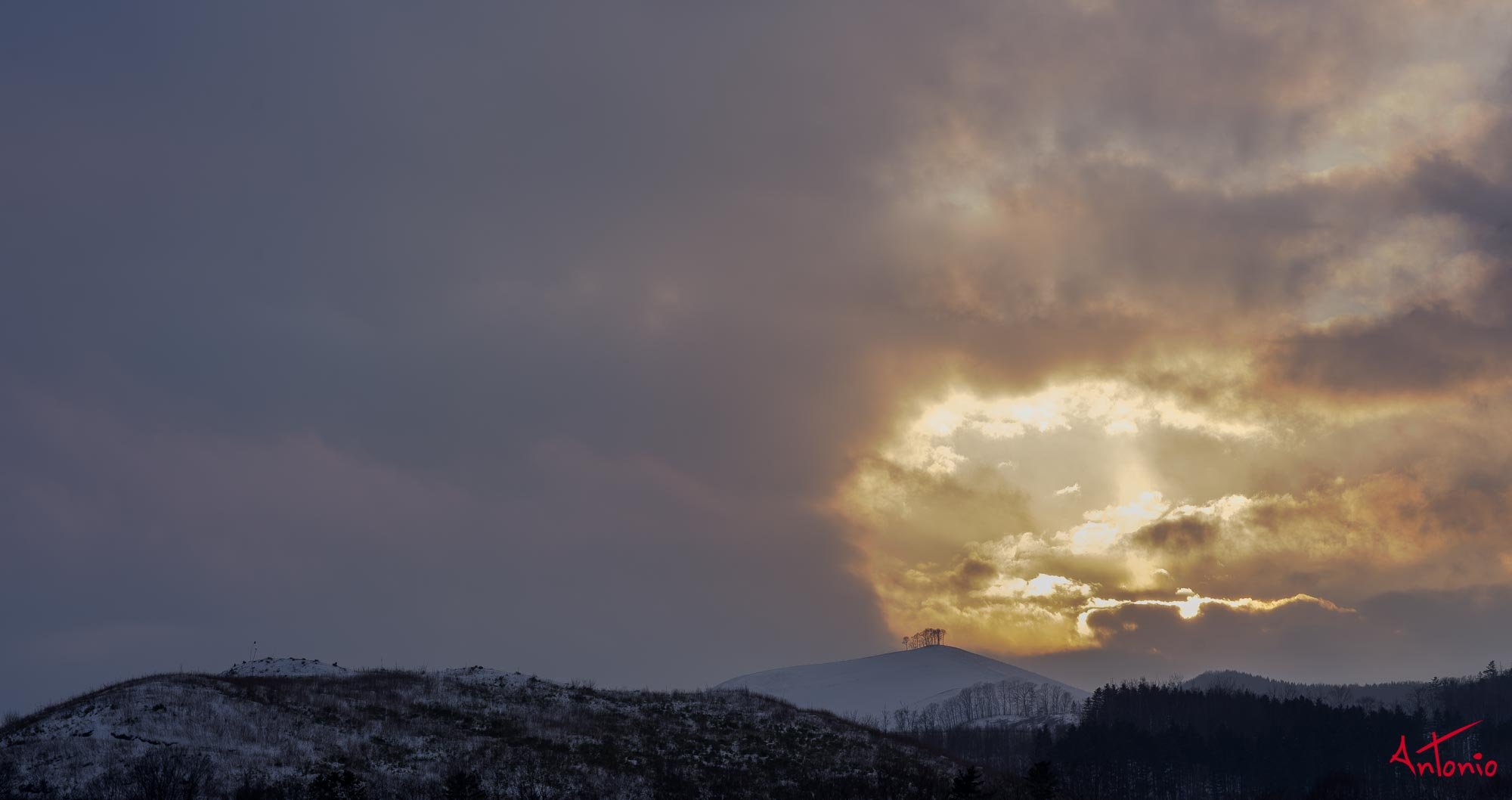
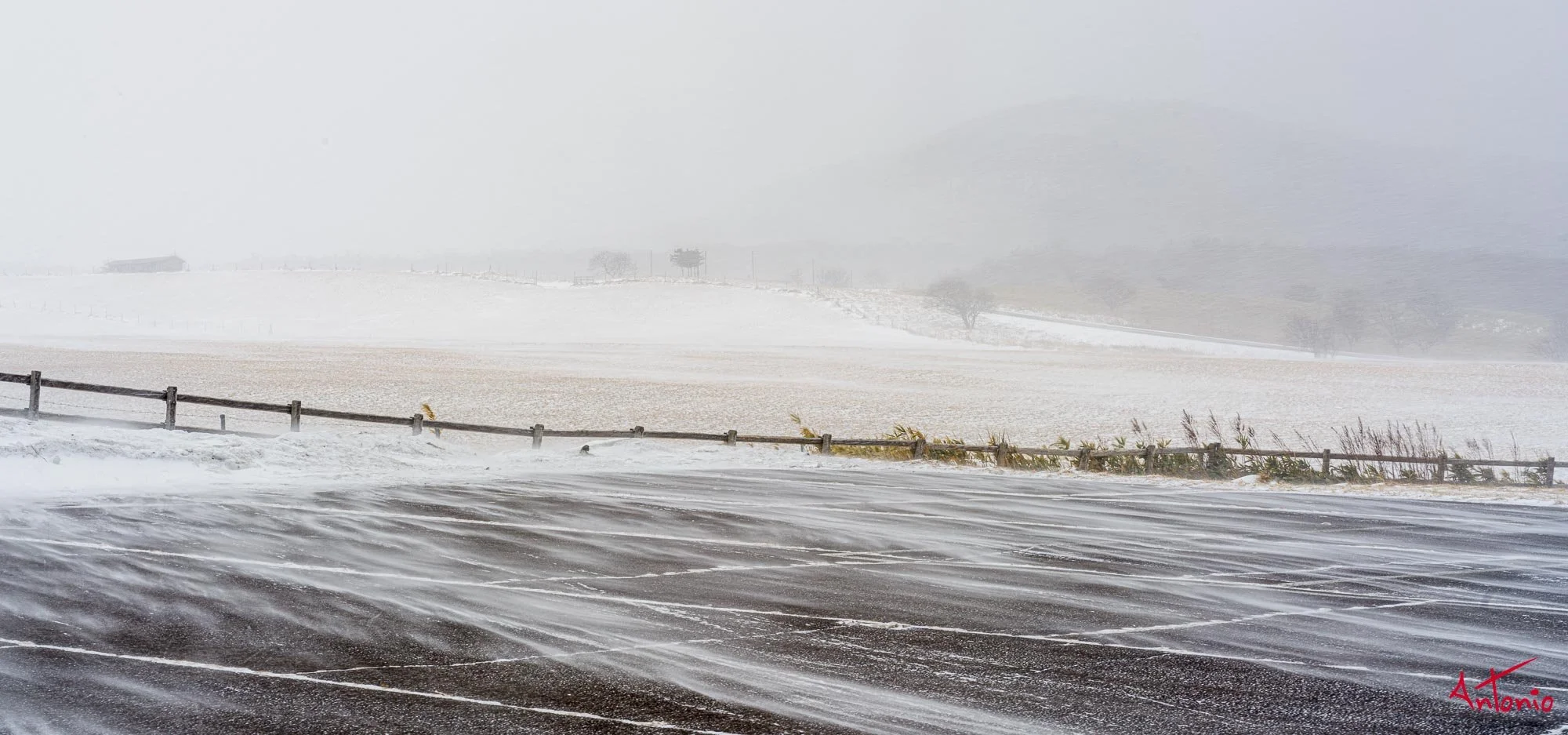
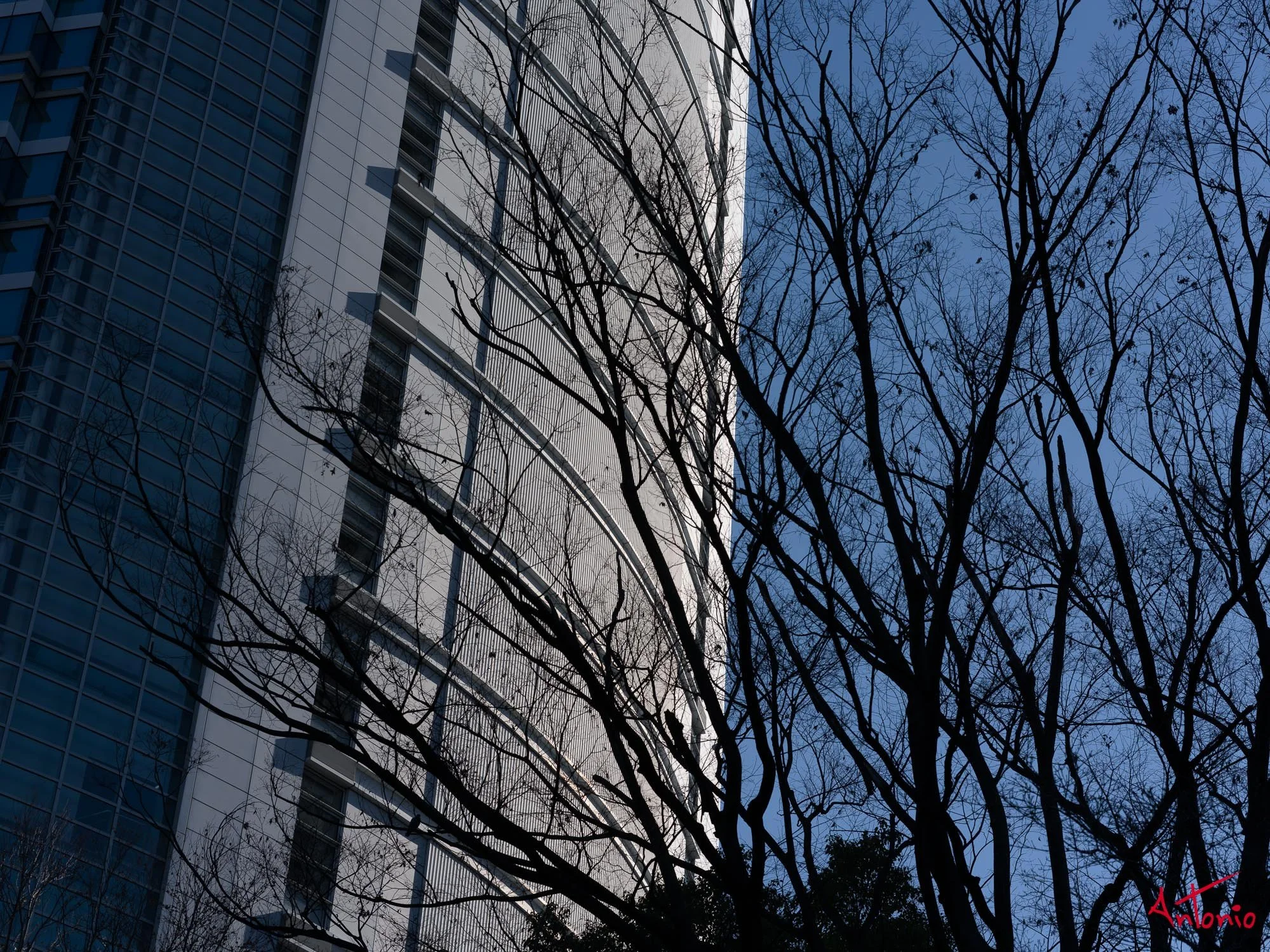
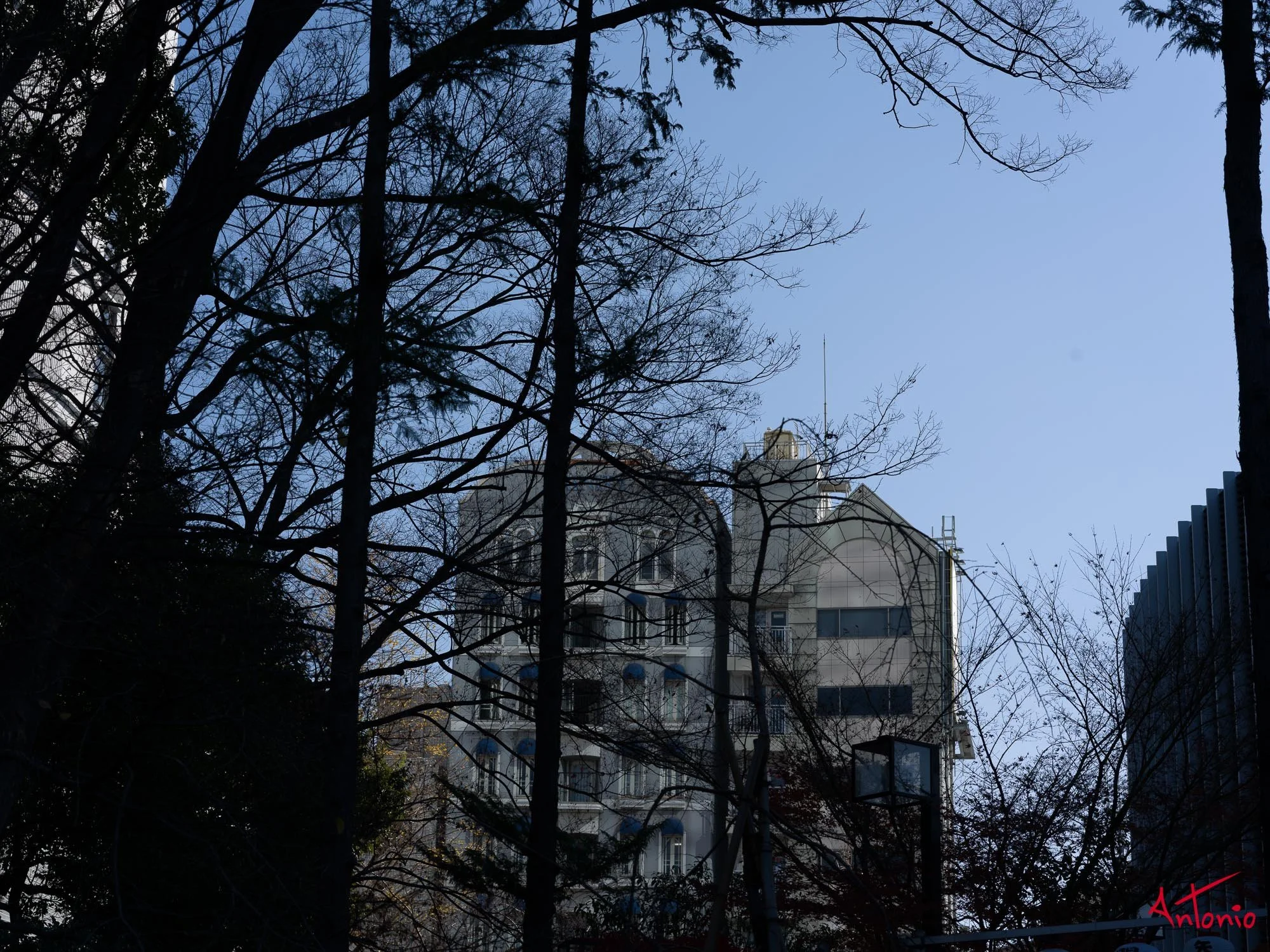
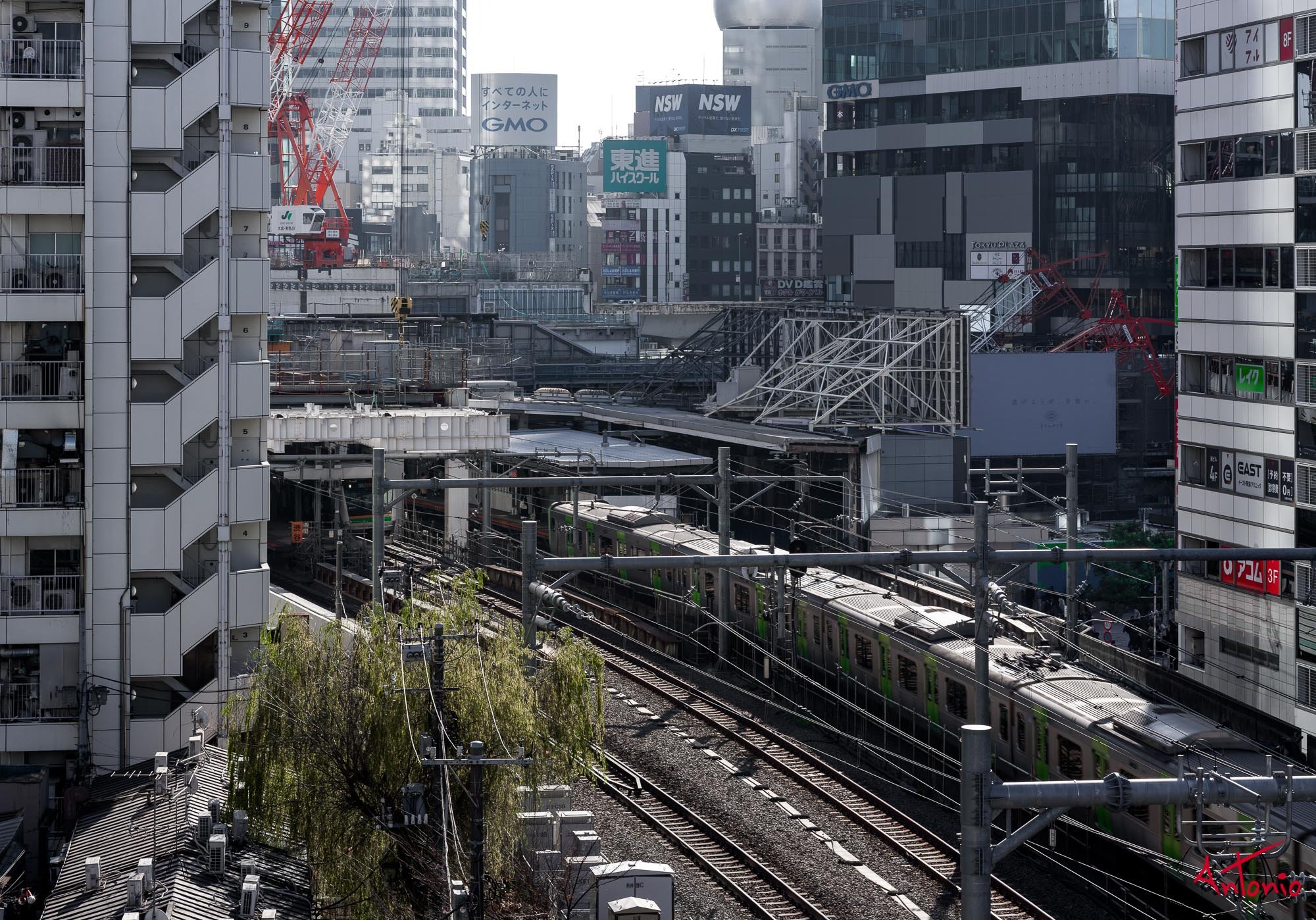
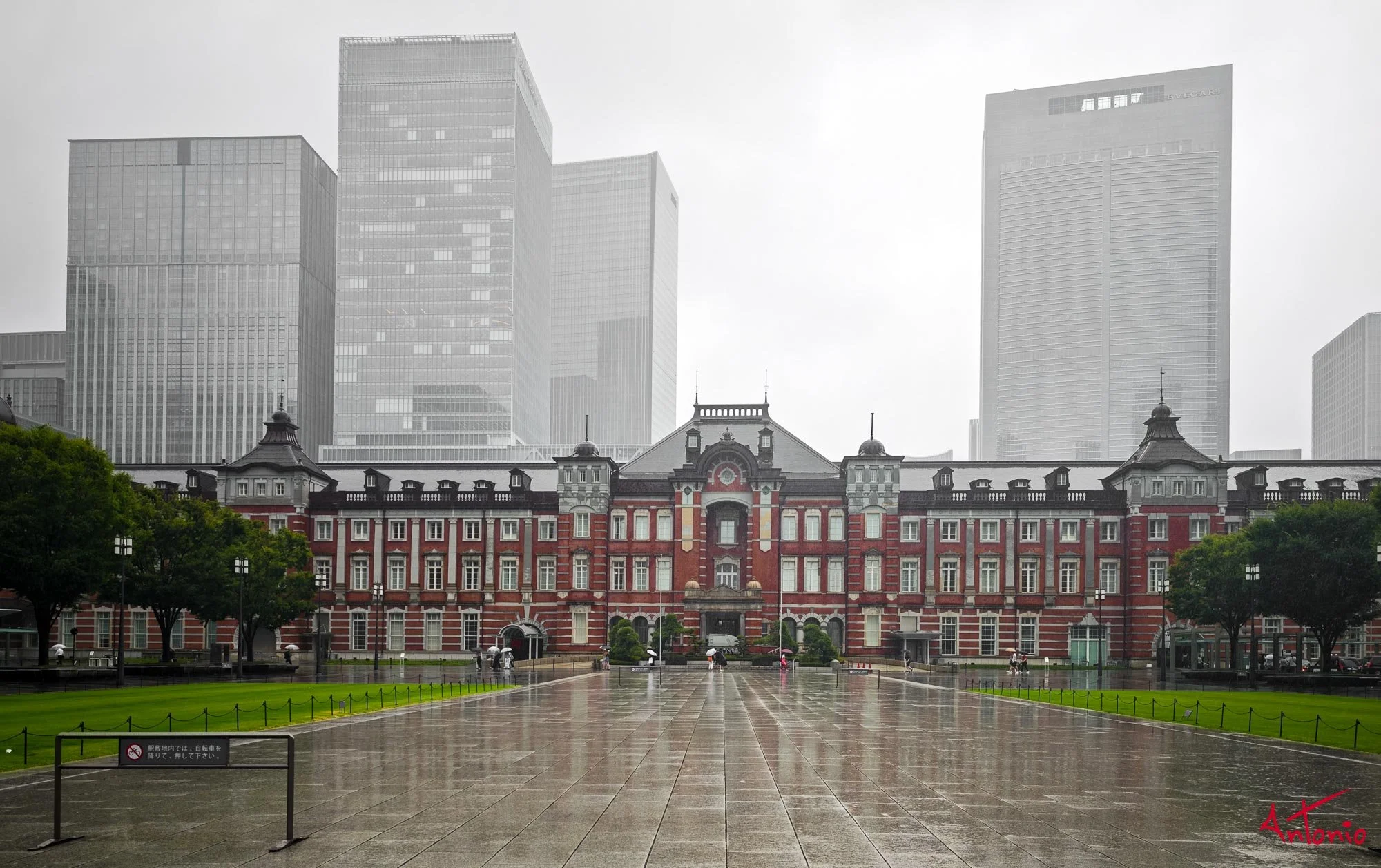
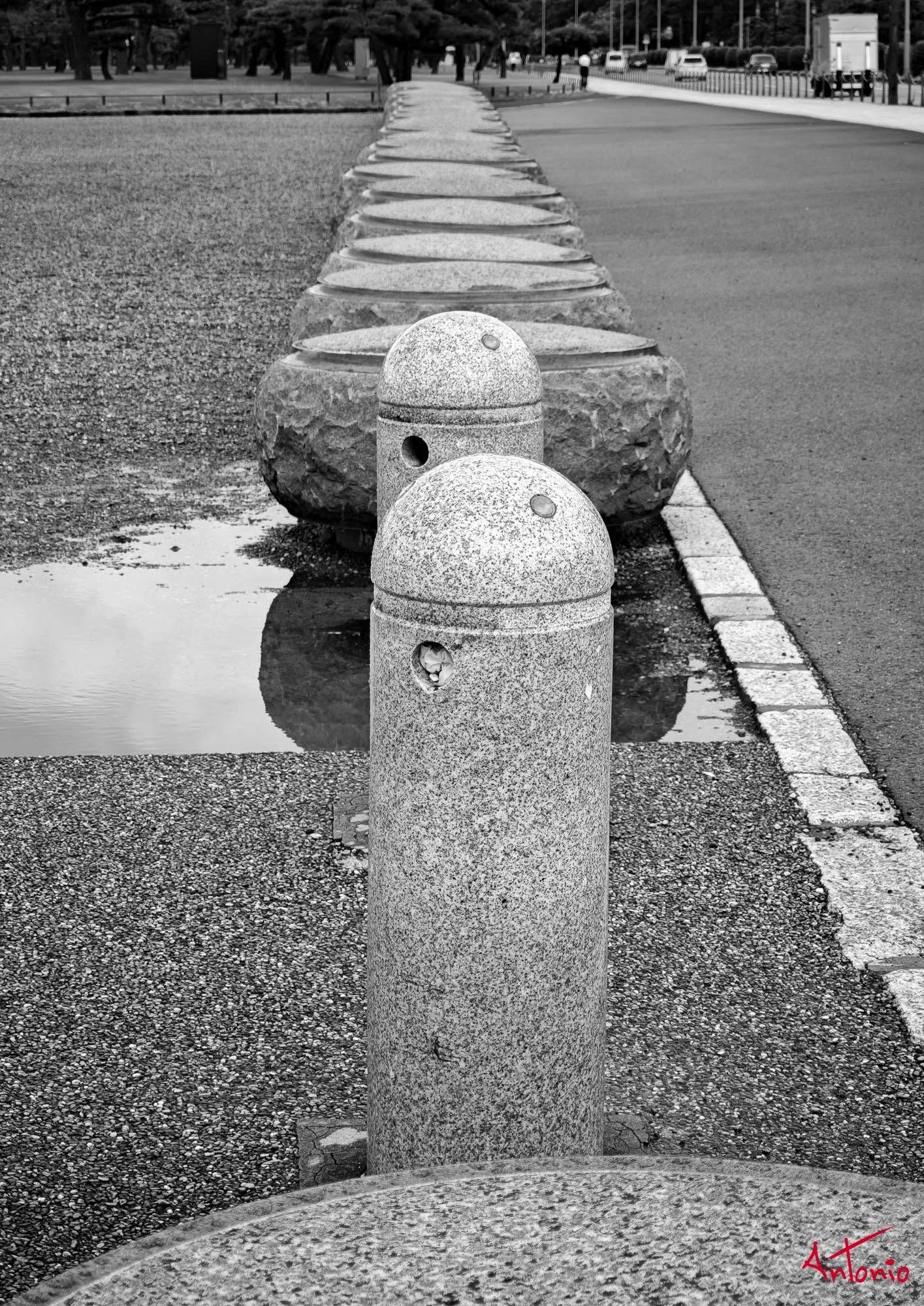
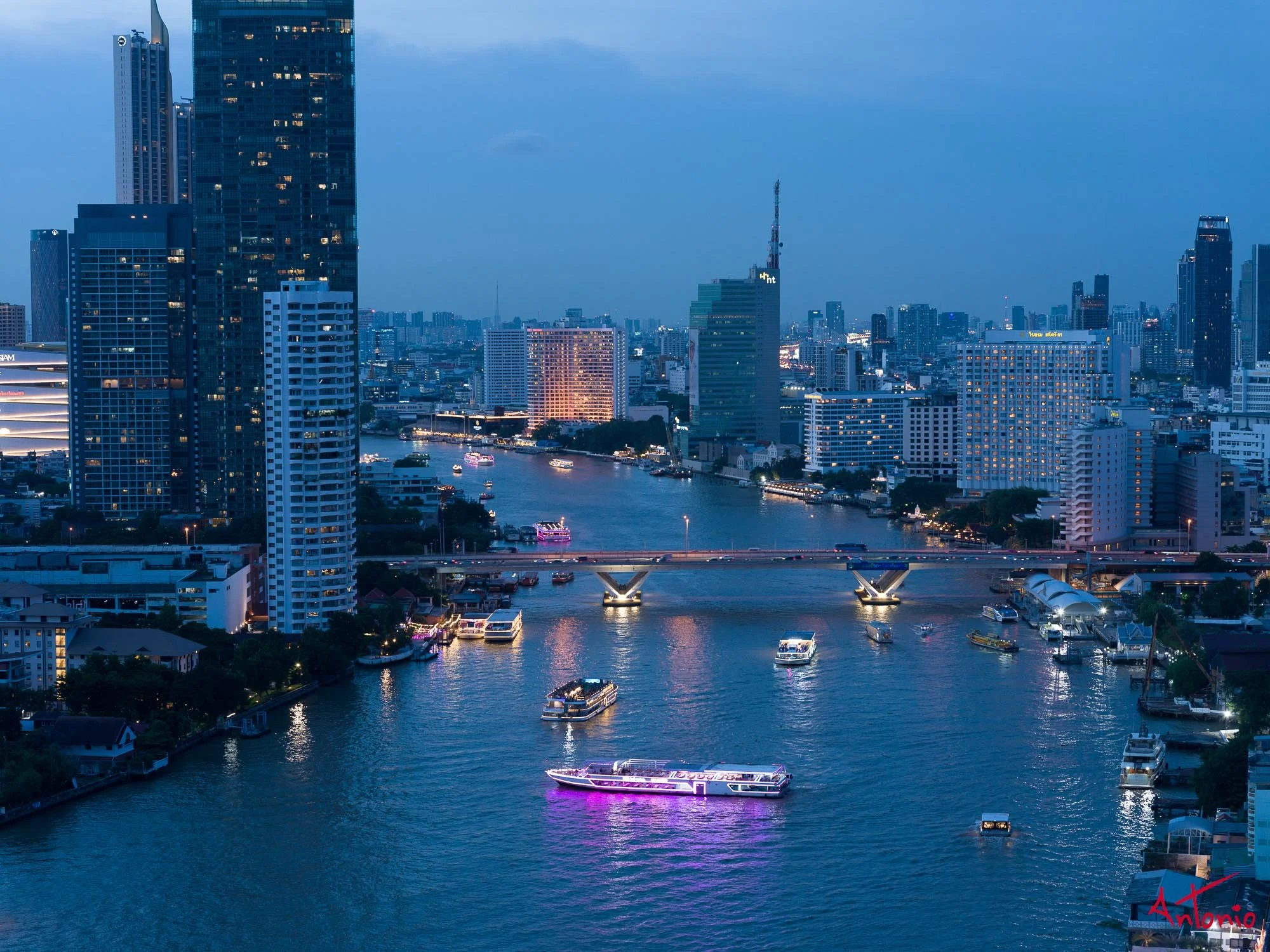
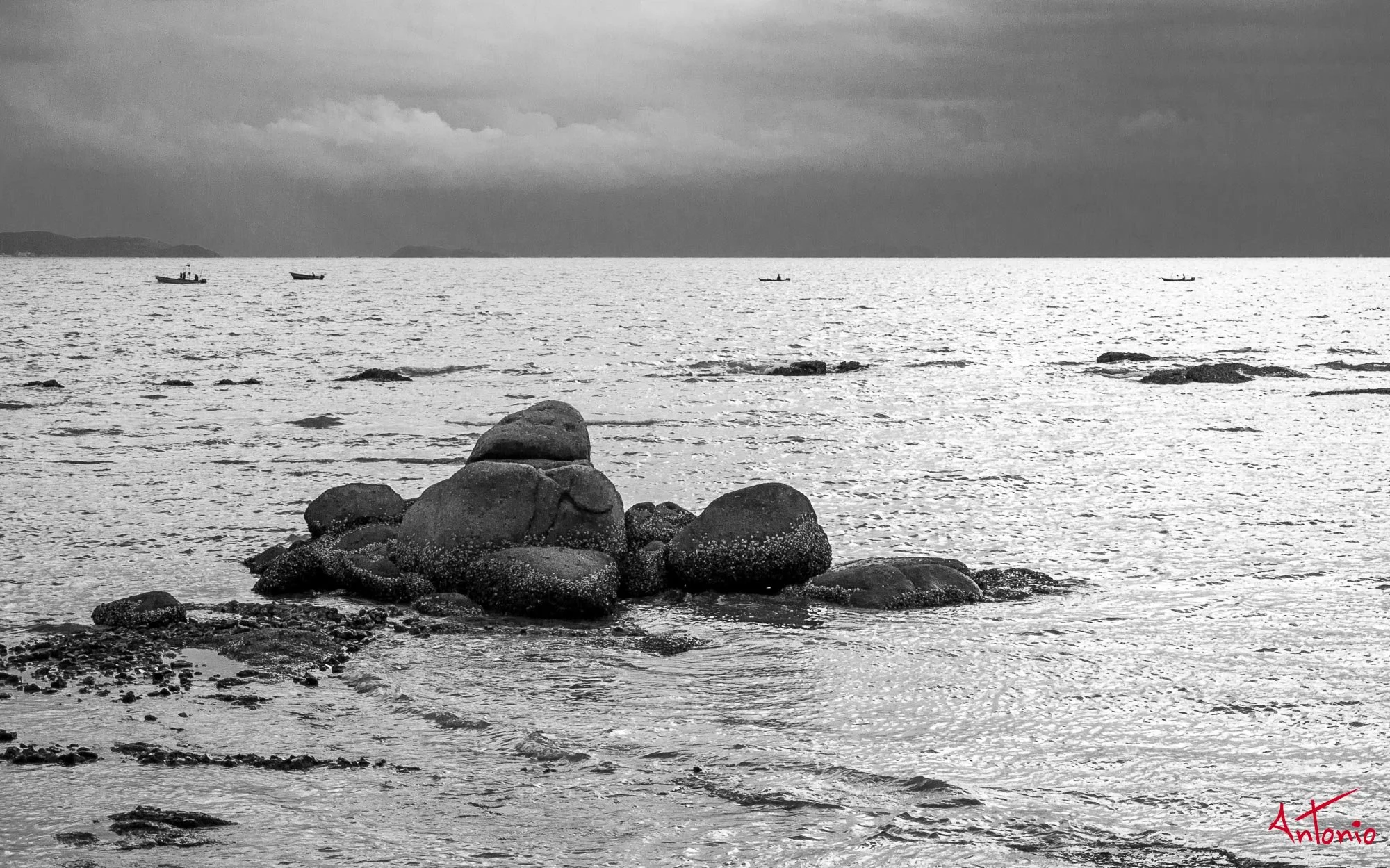
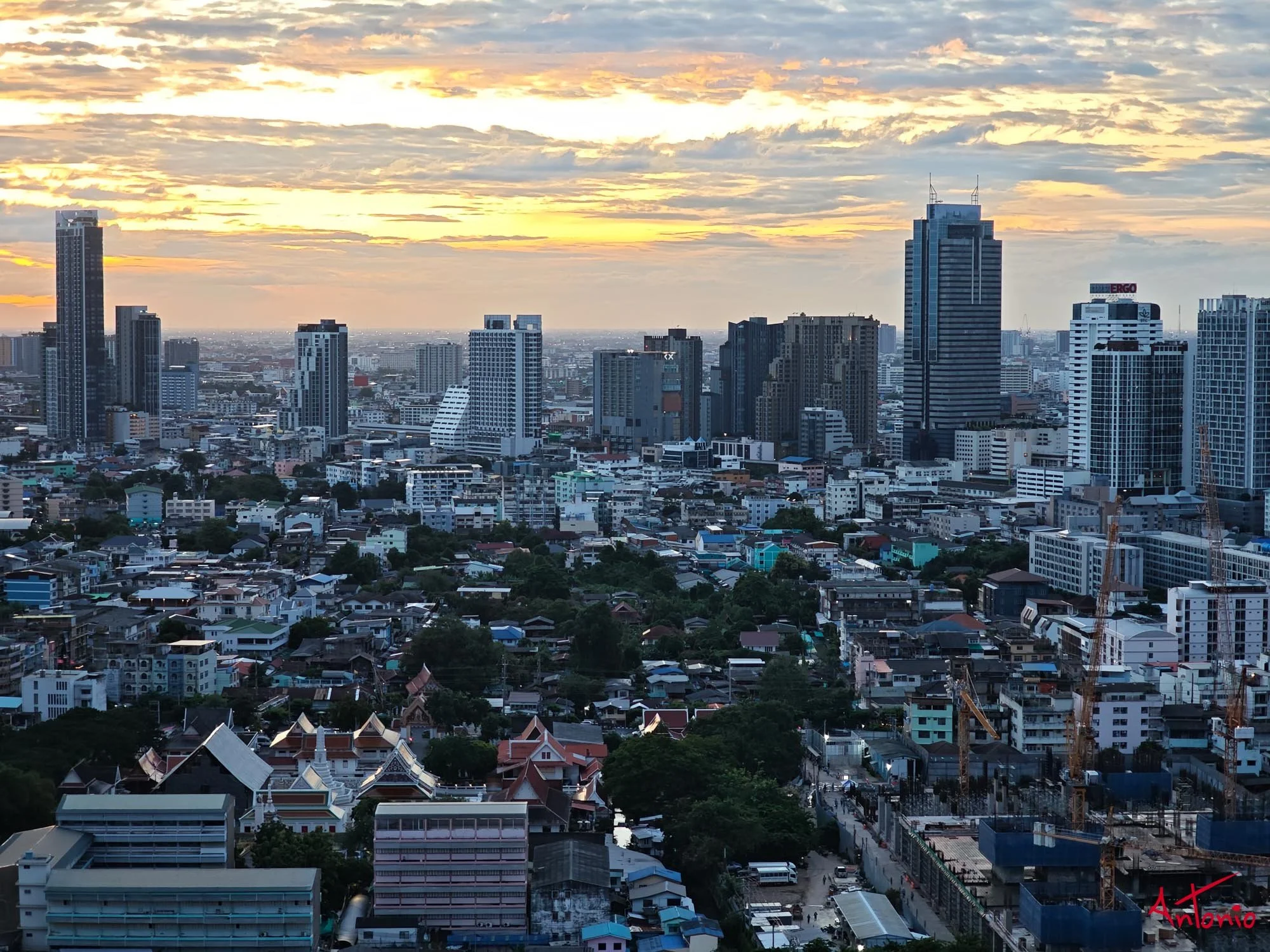
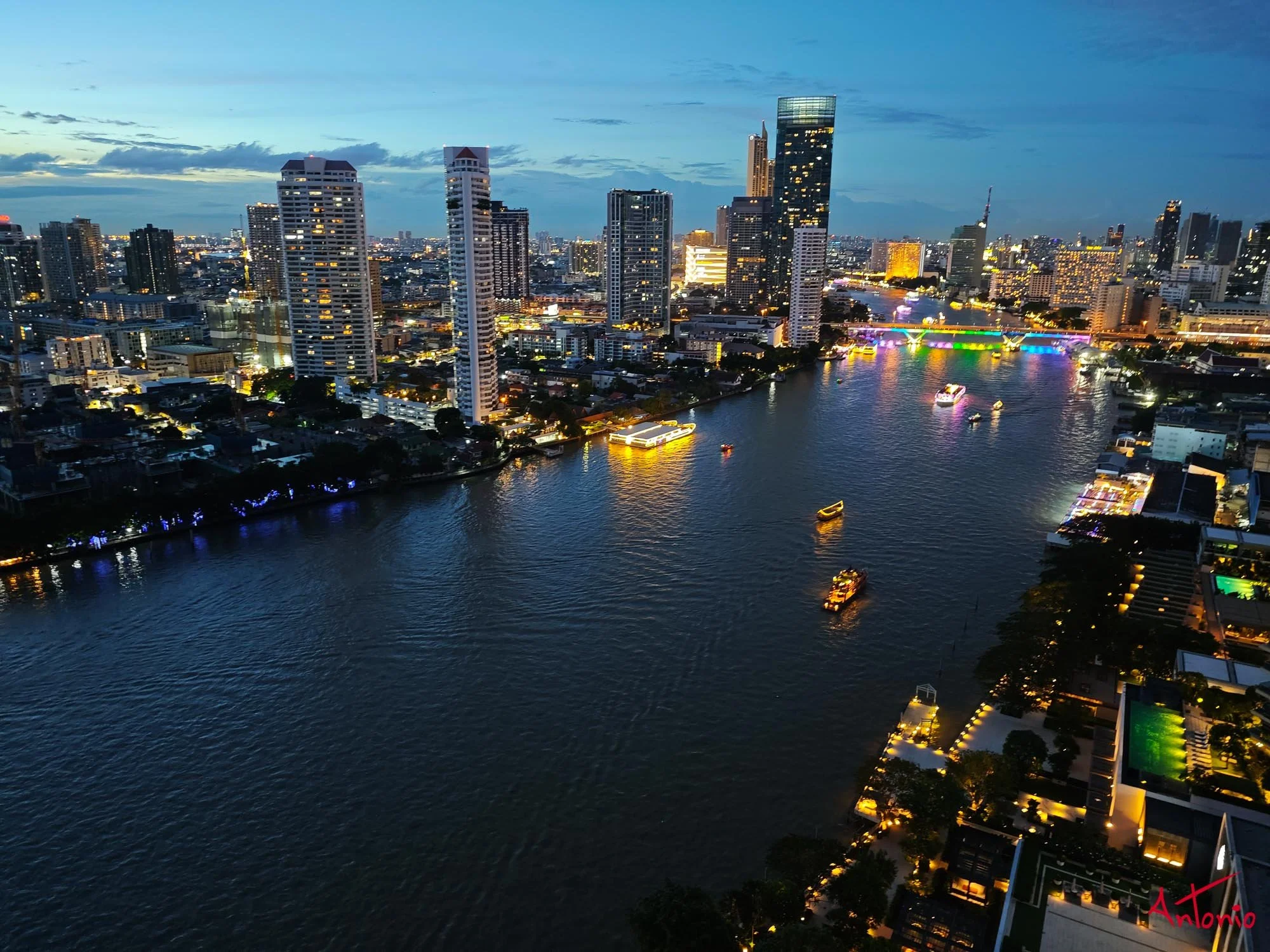
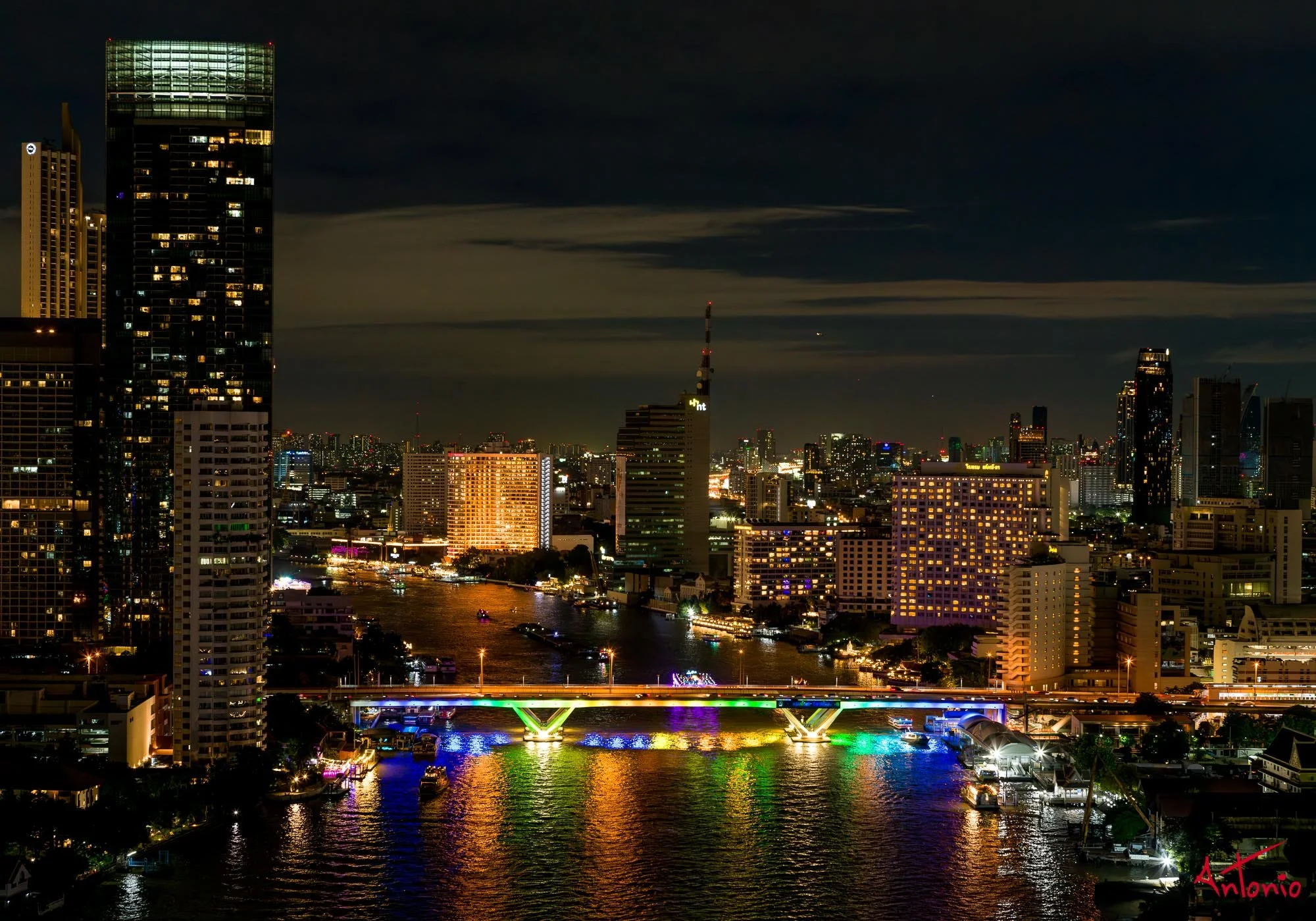
Landscape photography is a form of deep contemplation. It is not only about recording a place, but about interpreting the relationship between light, space, and time. Each image is the result of a careful gaze, of the patience required to wait for the precise moment when nature expresses itself with greater strength or delicacy. Through the camera, the landscape becomes a visual language capable of conveying silence, grandeur, and emotion.
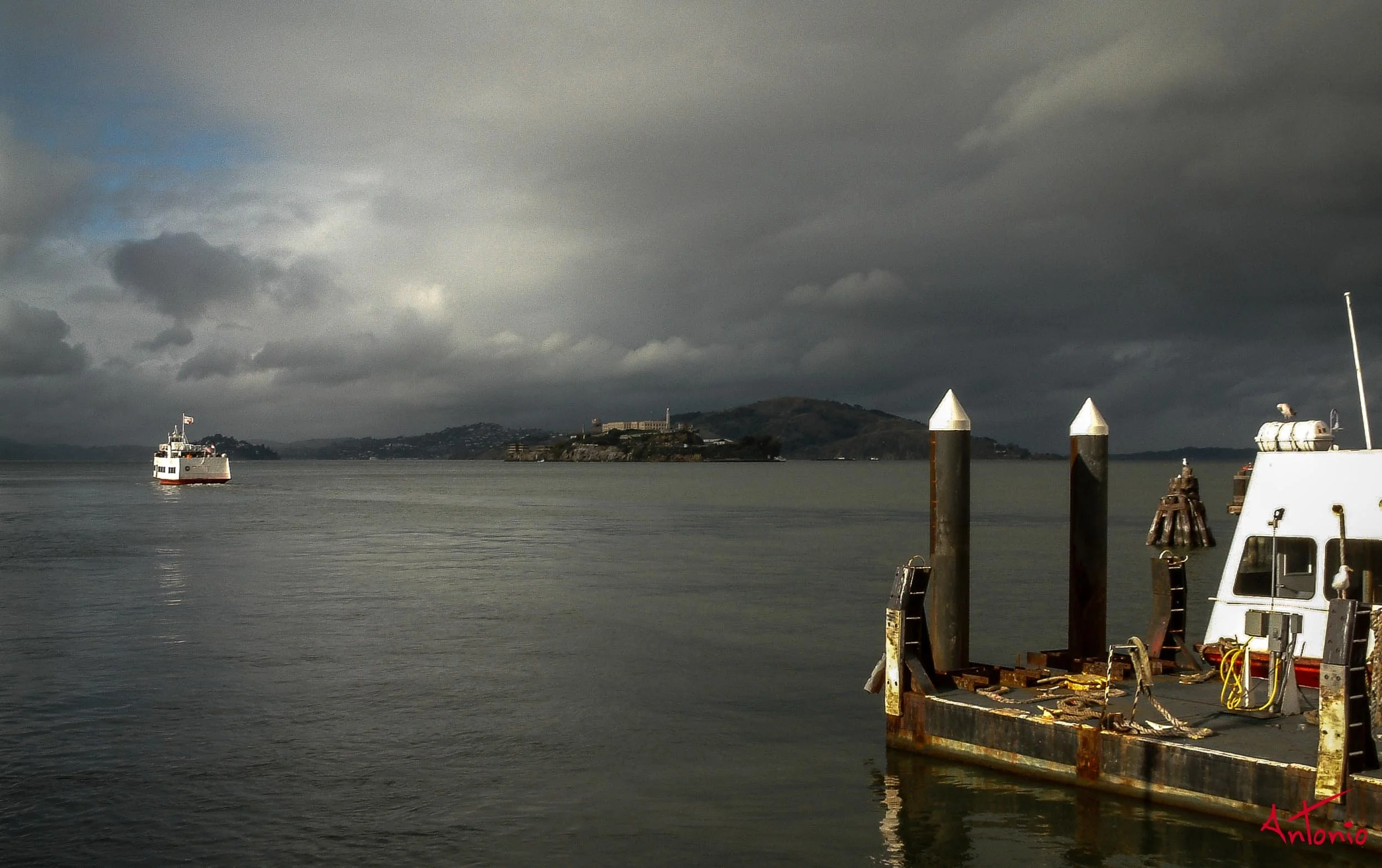
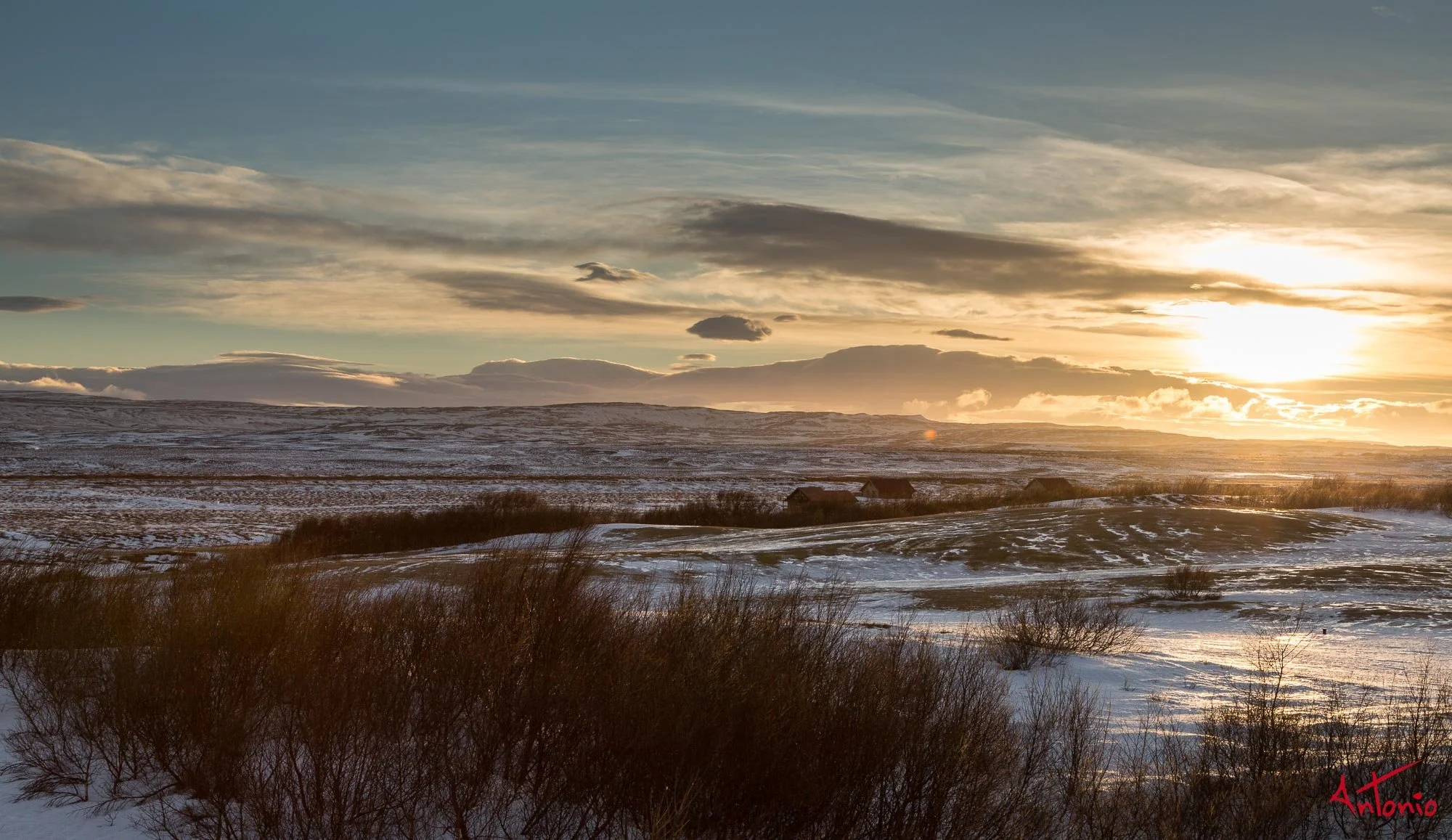
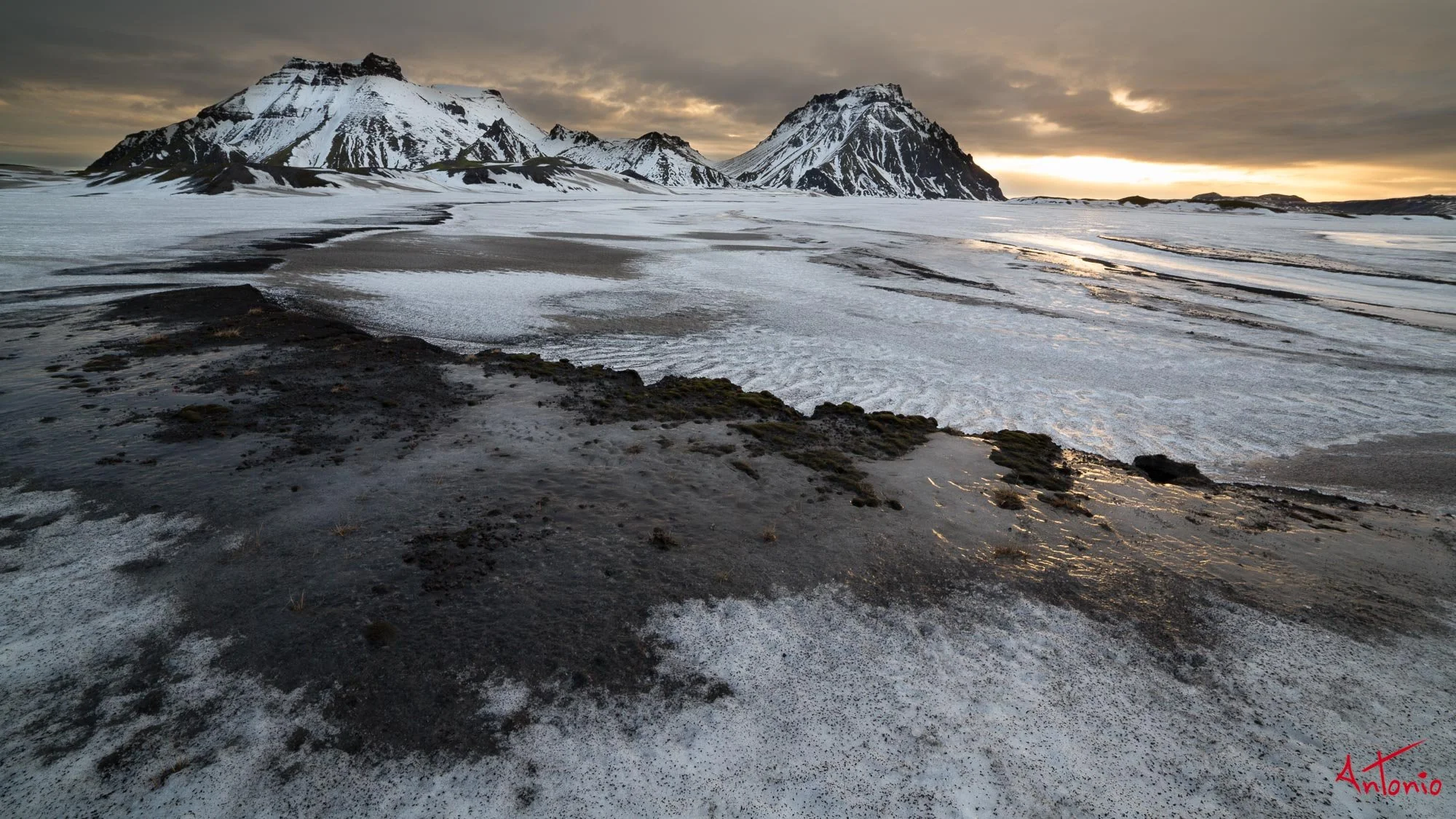
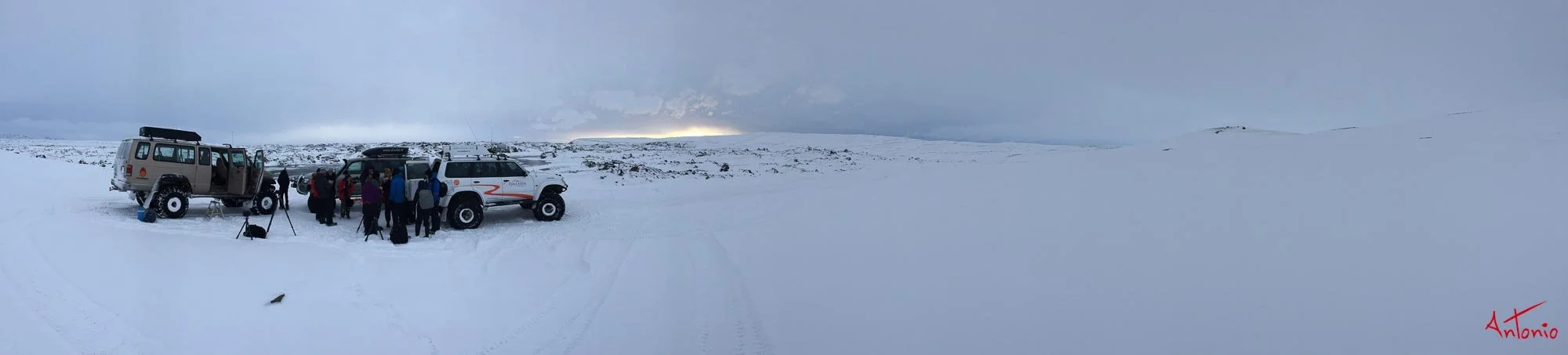
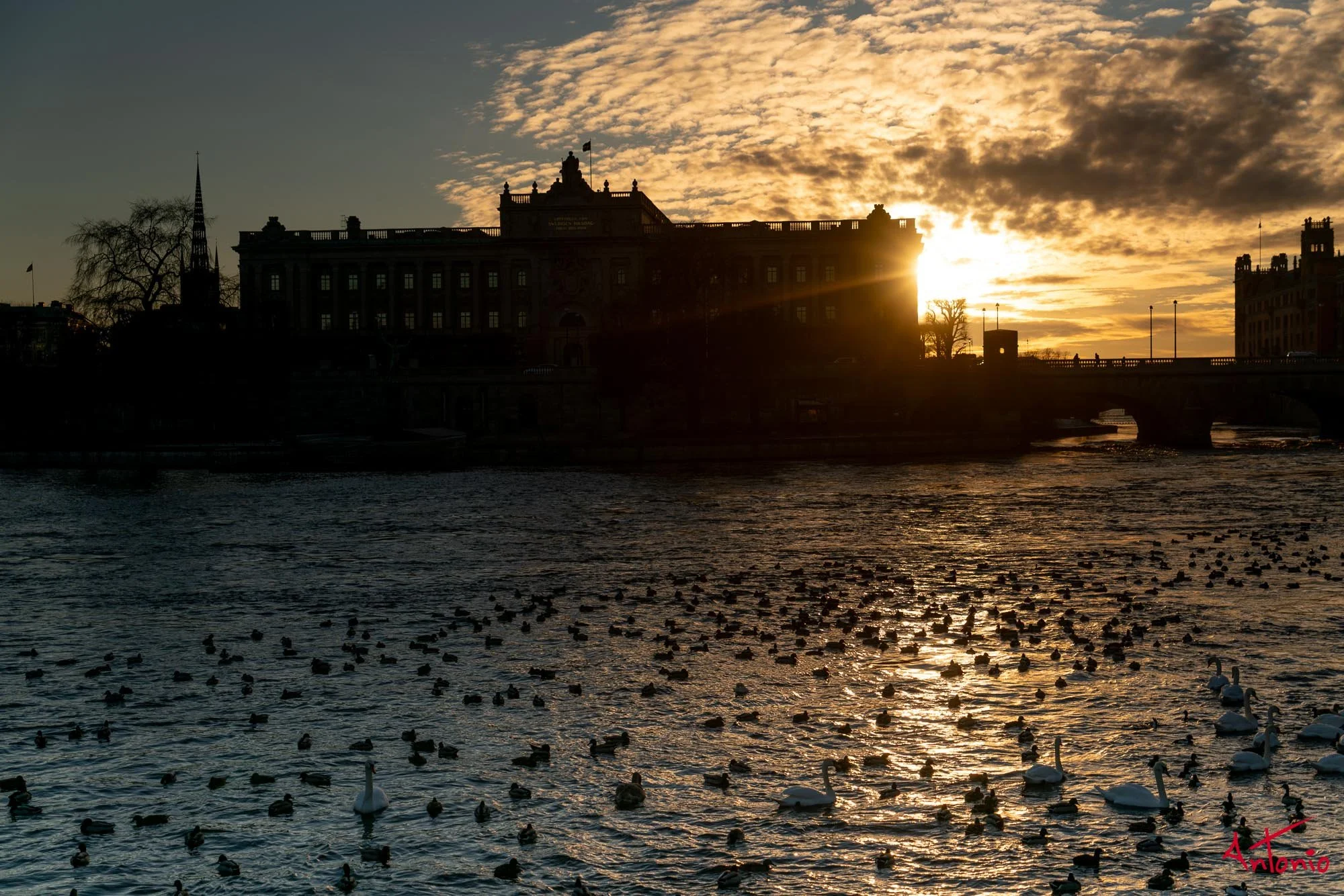
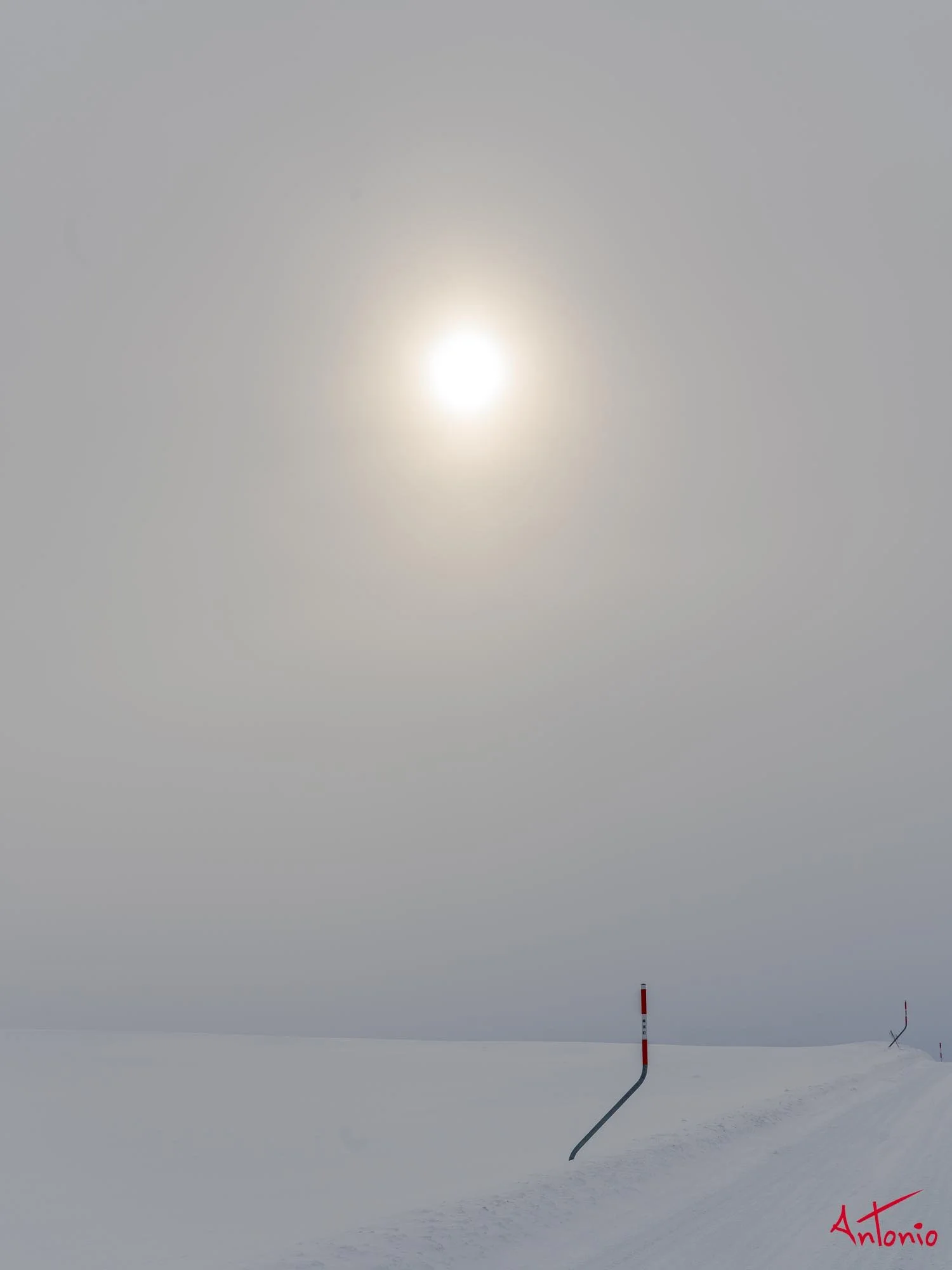
The motivation to photograph landscapes often arises from the desire to connect with something greater than oneself. Walking, observing, pausing, and listening to the surroundings become part of the creative process. The photographer seeks that unique moment when atmosphere, weather, and light align—not only to capture a beautiful scene, but to reflect what that place awakens within.
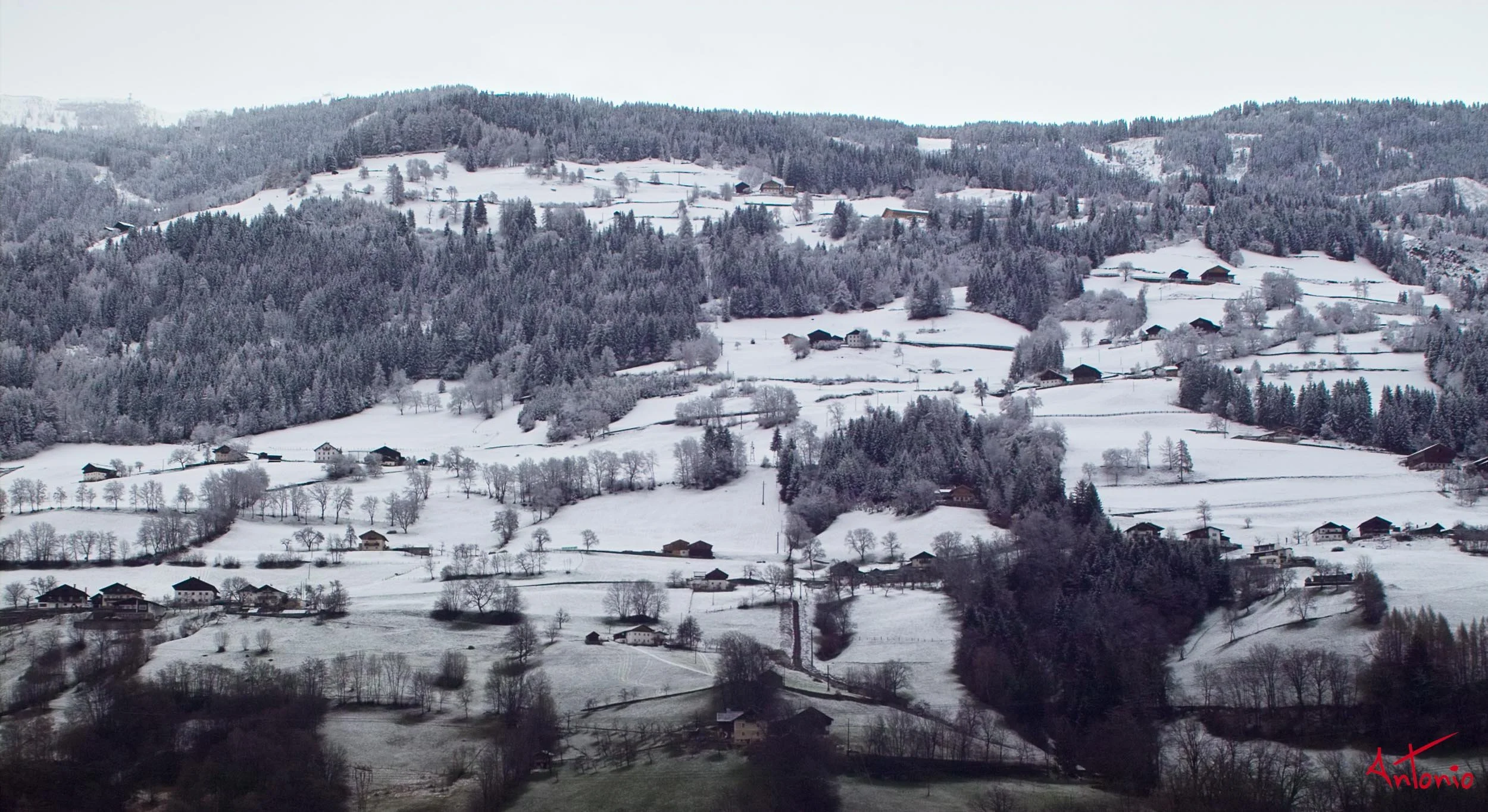
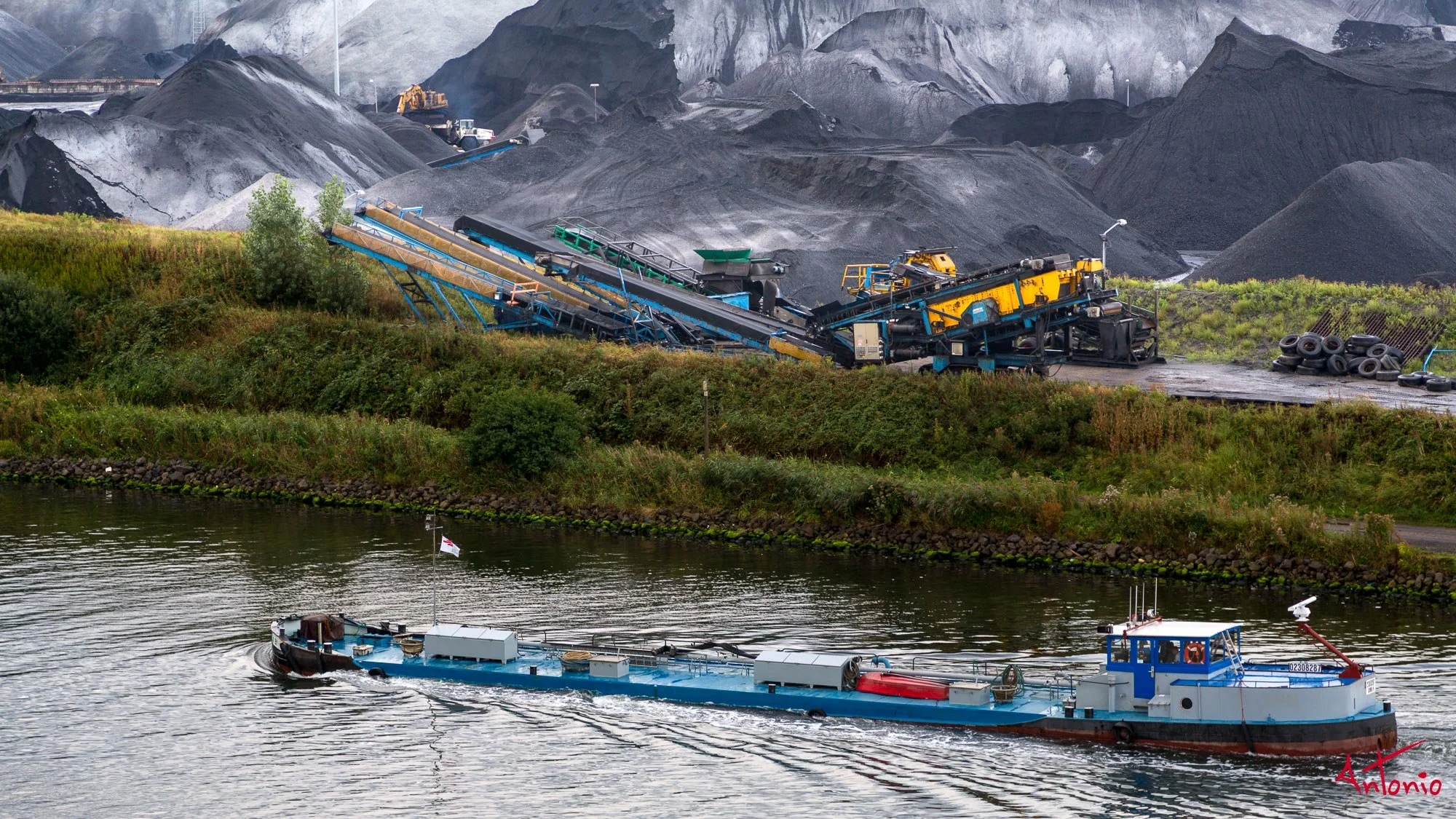
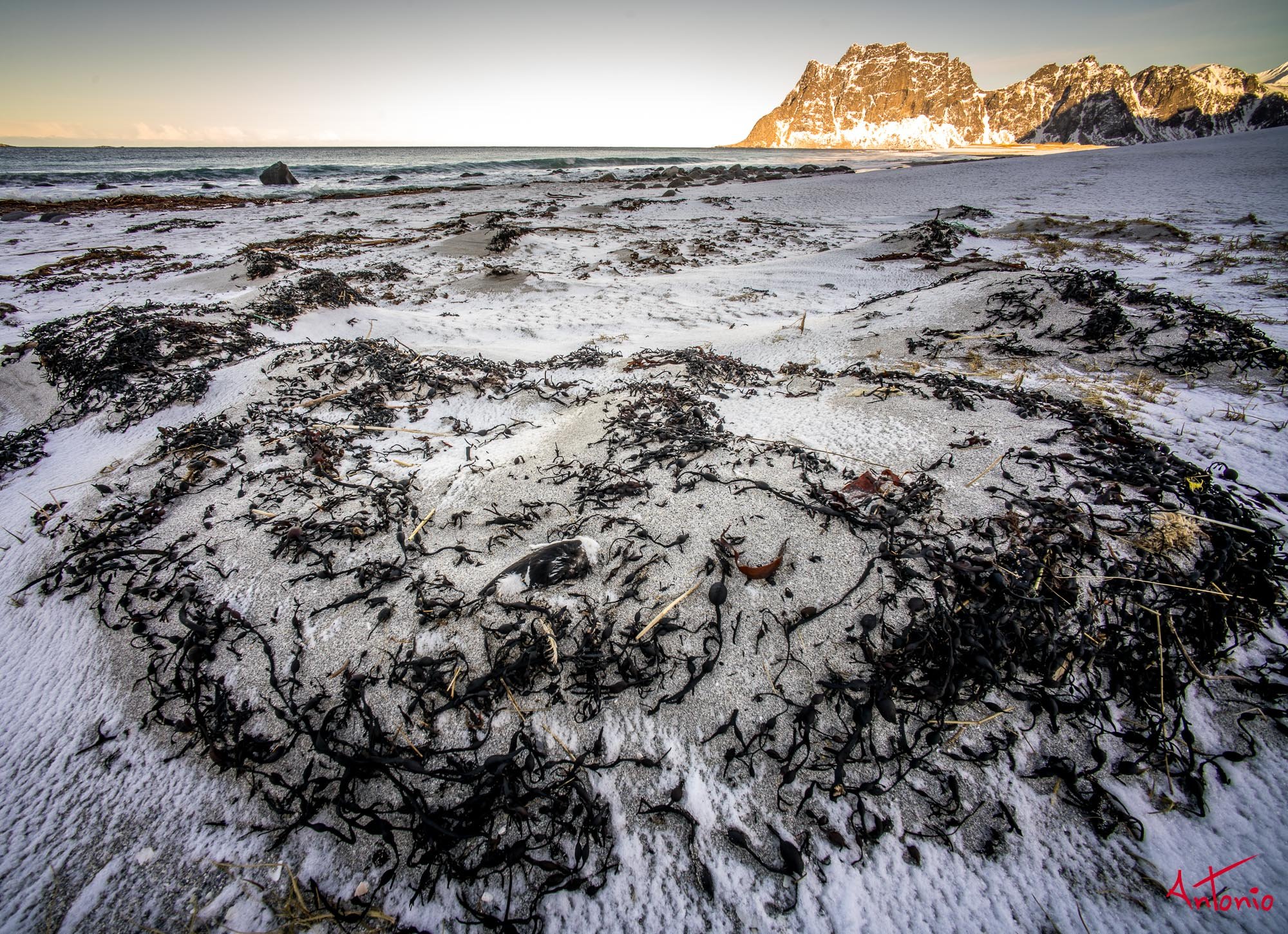
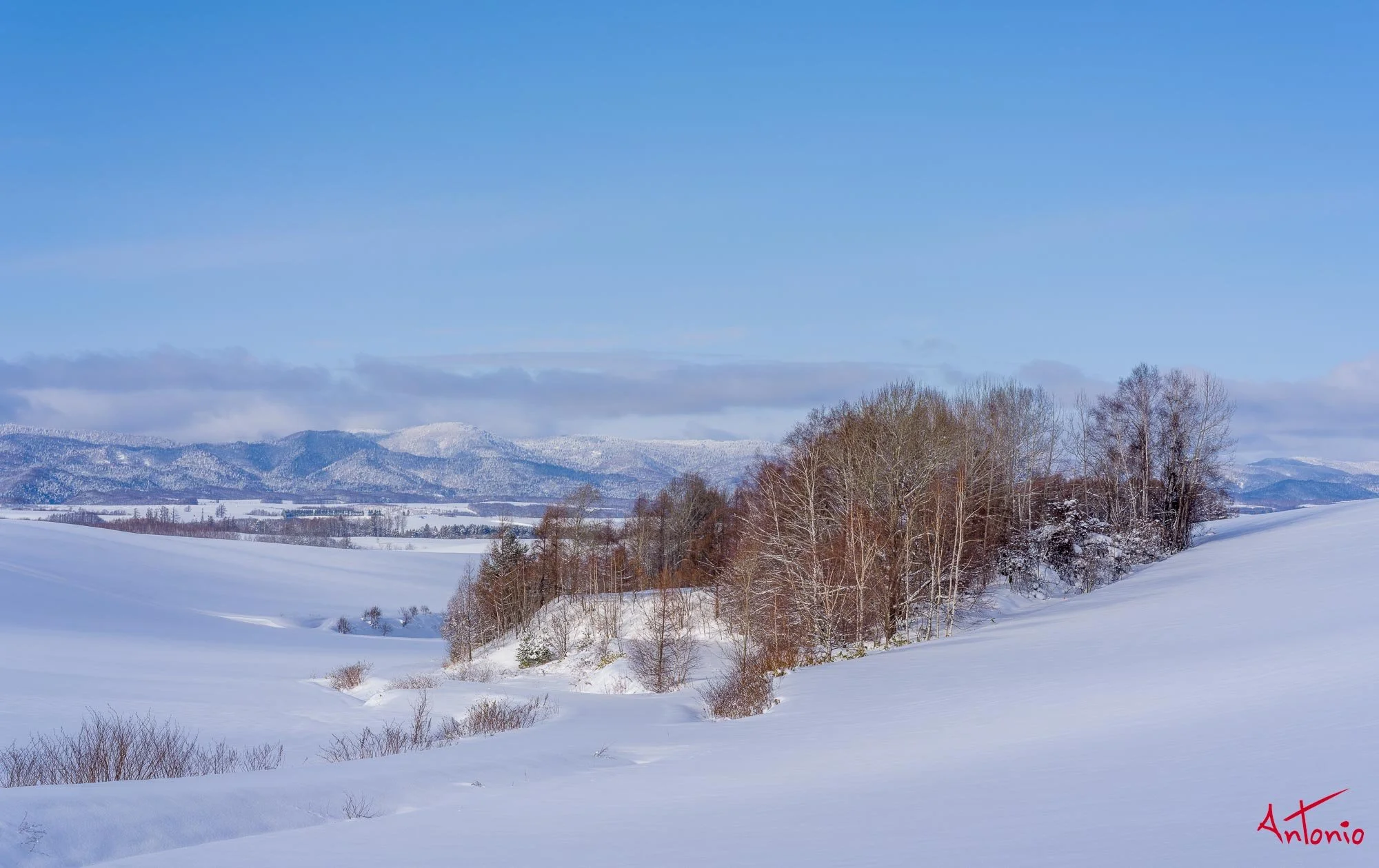
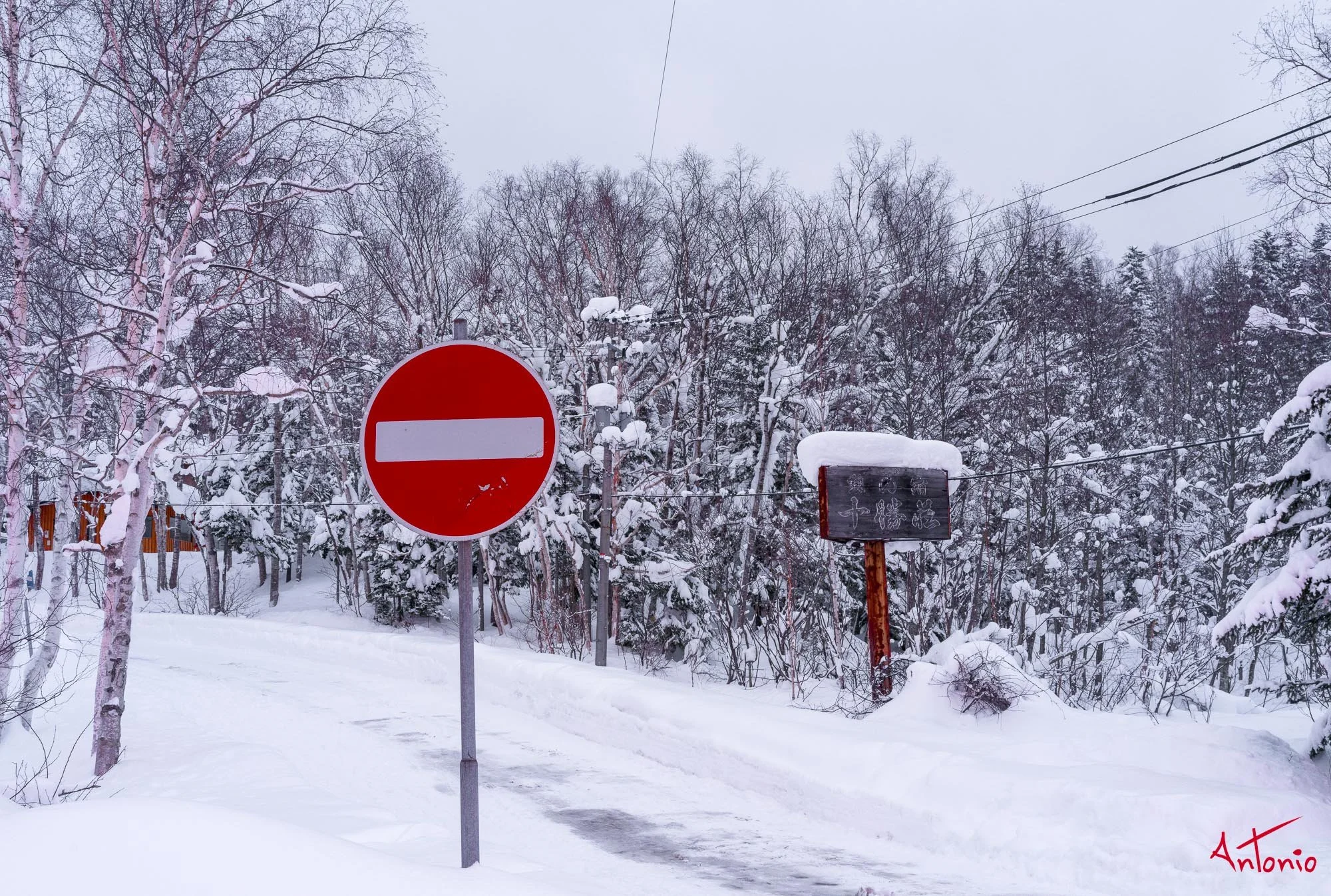
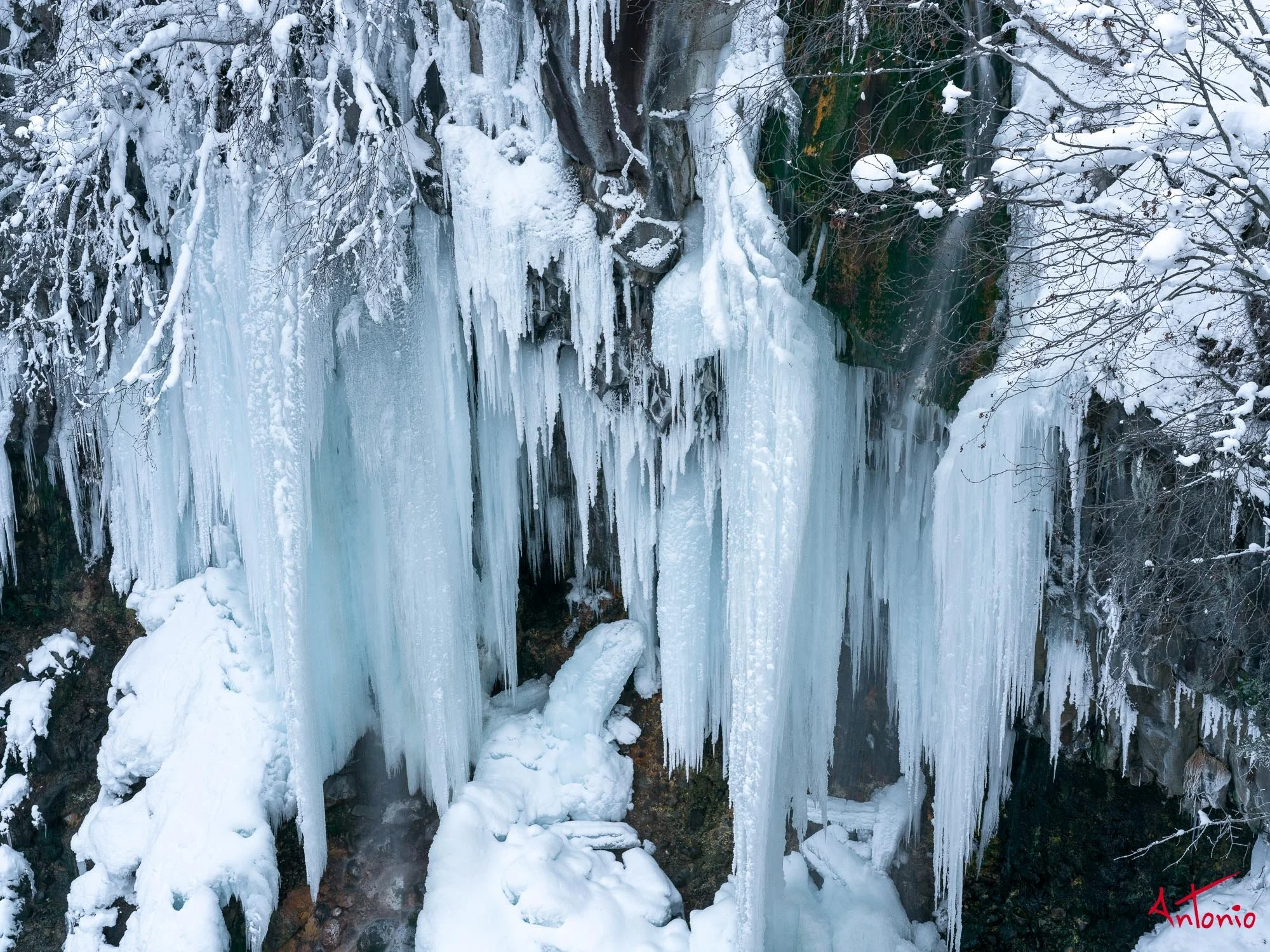
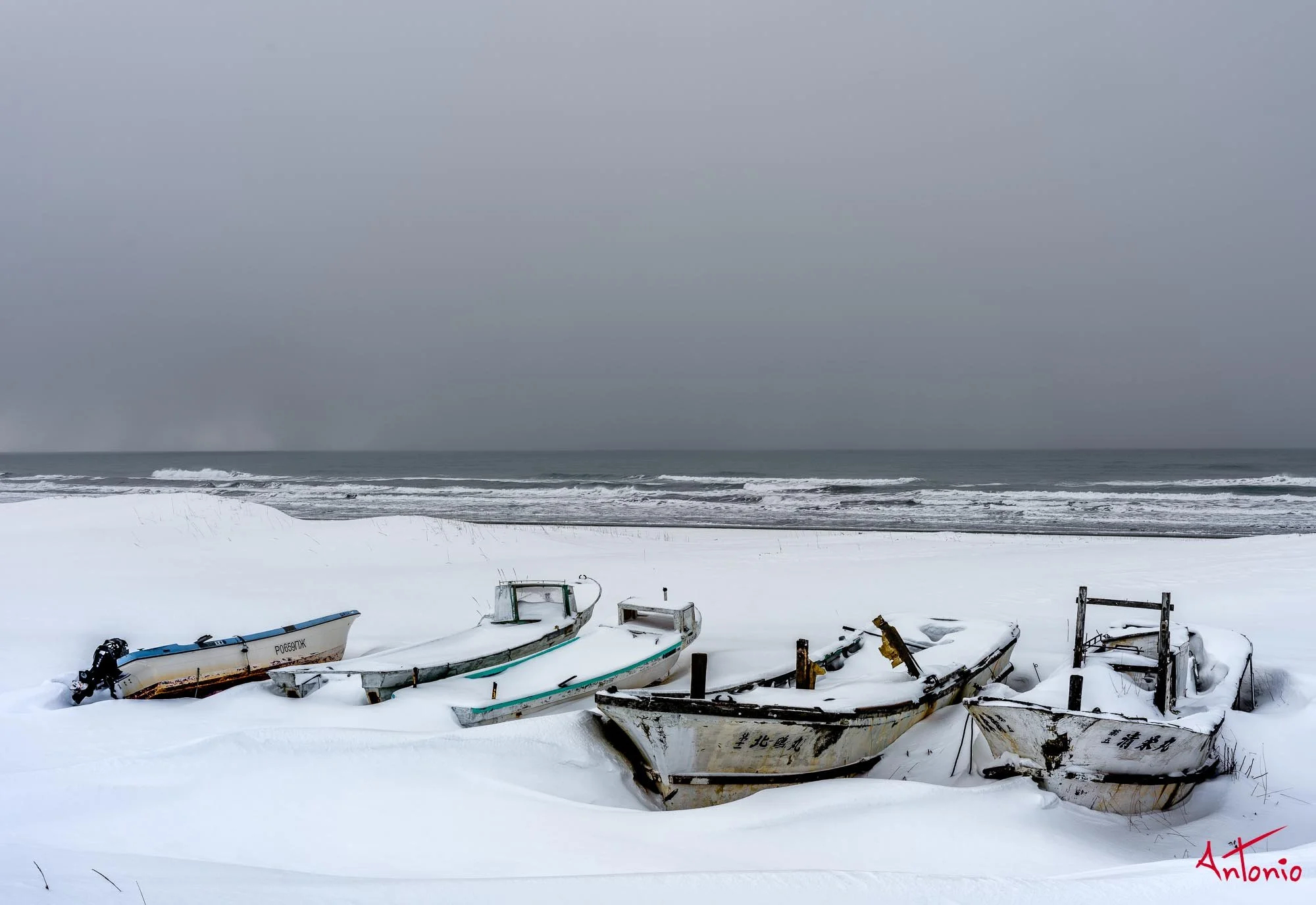
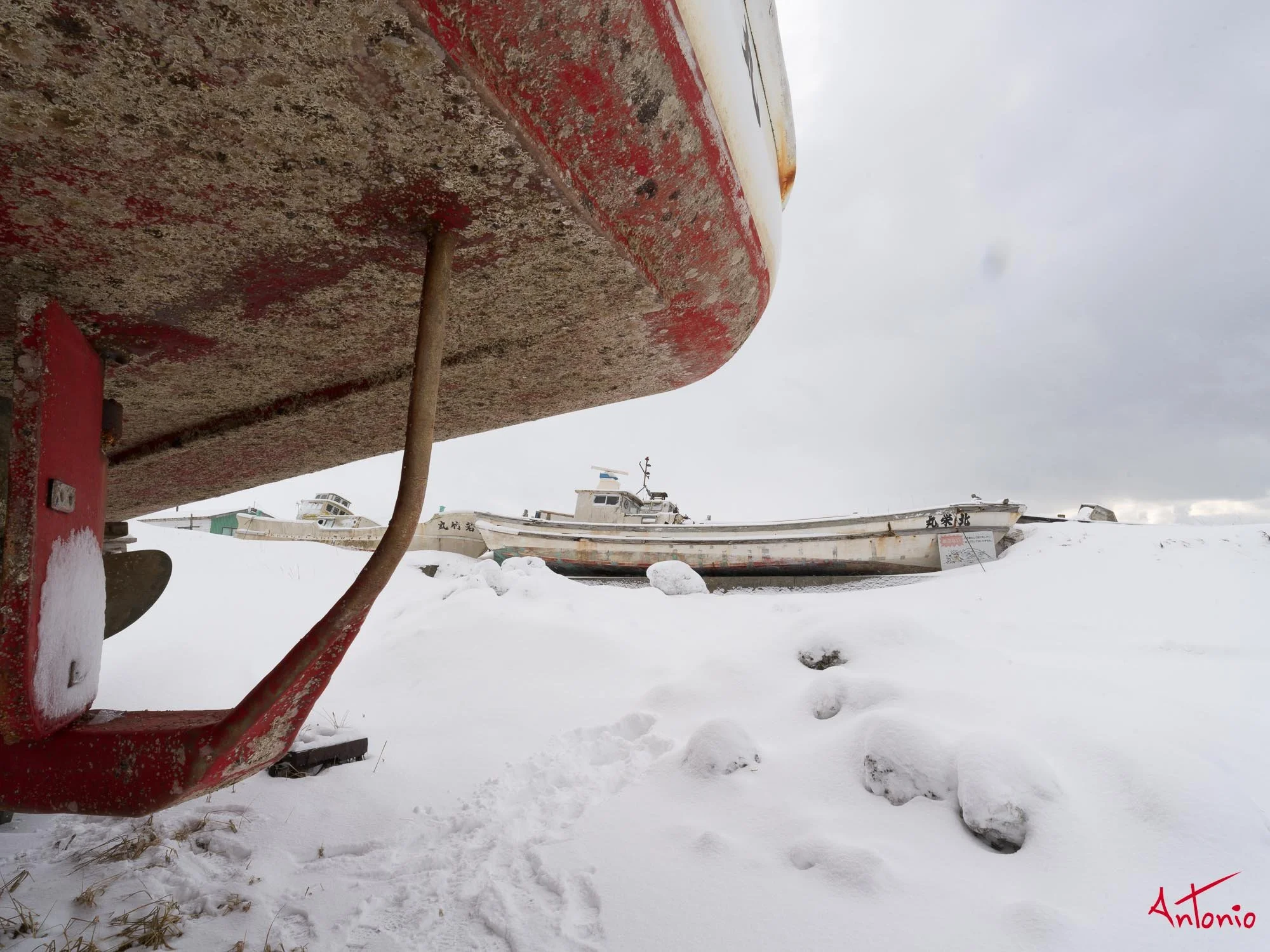
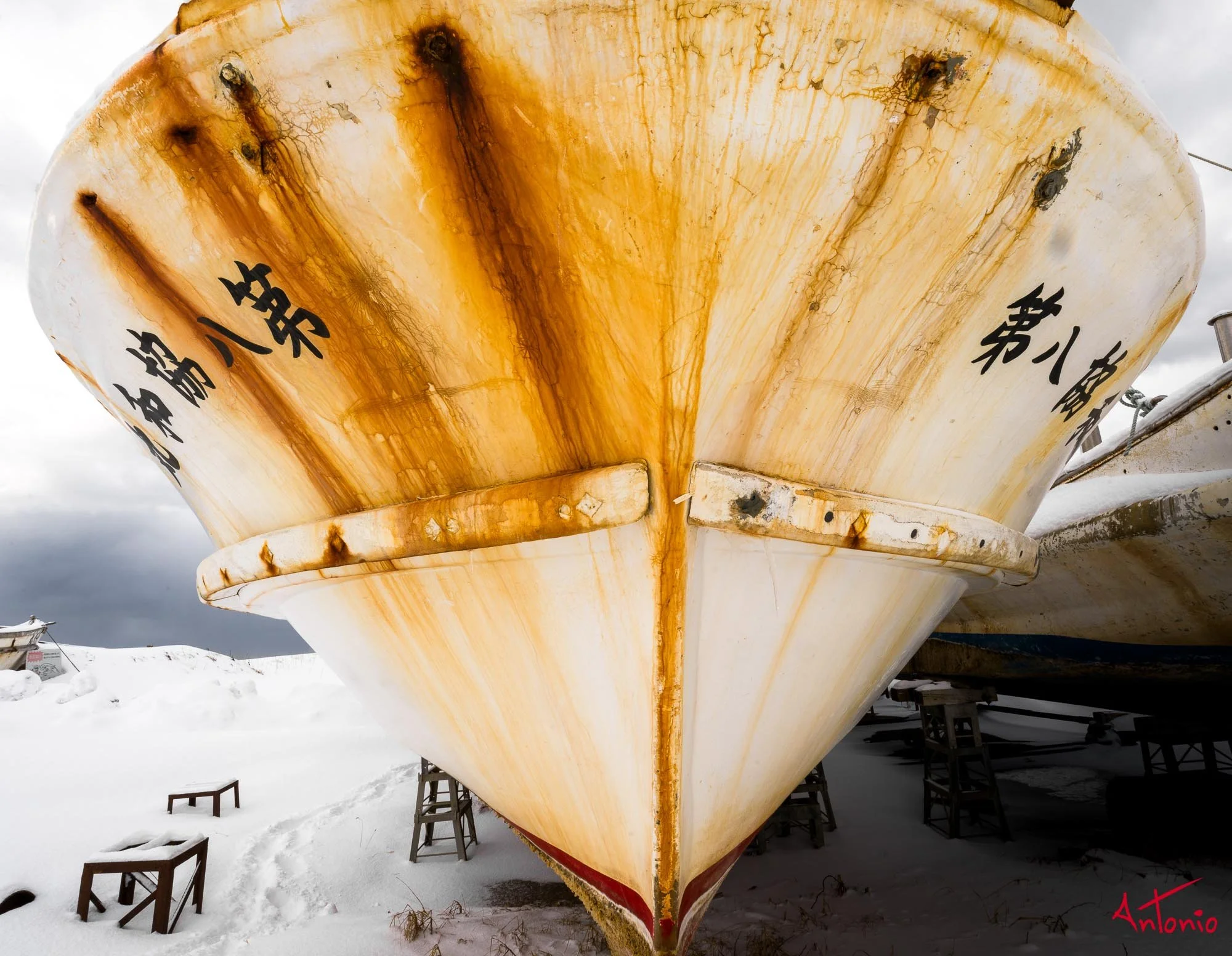
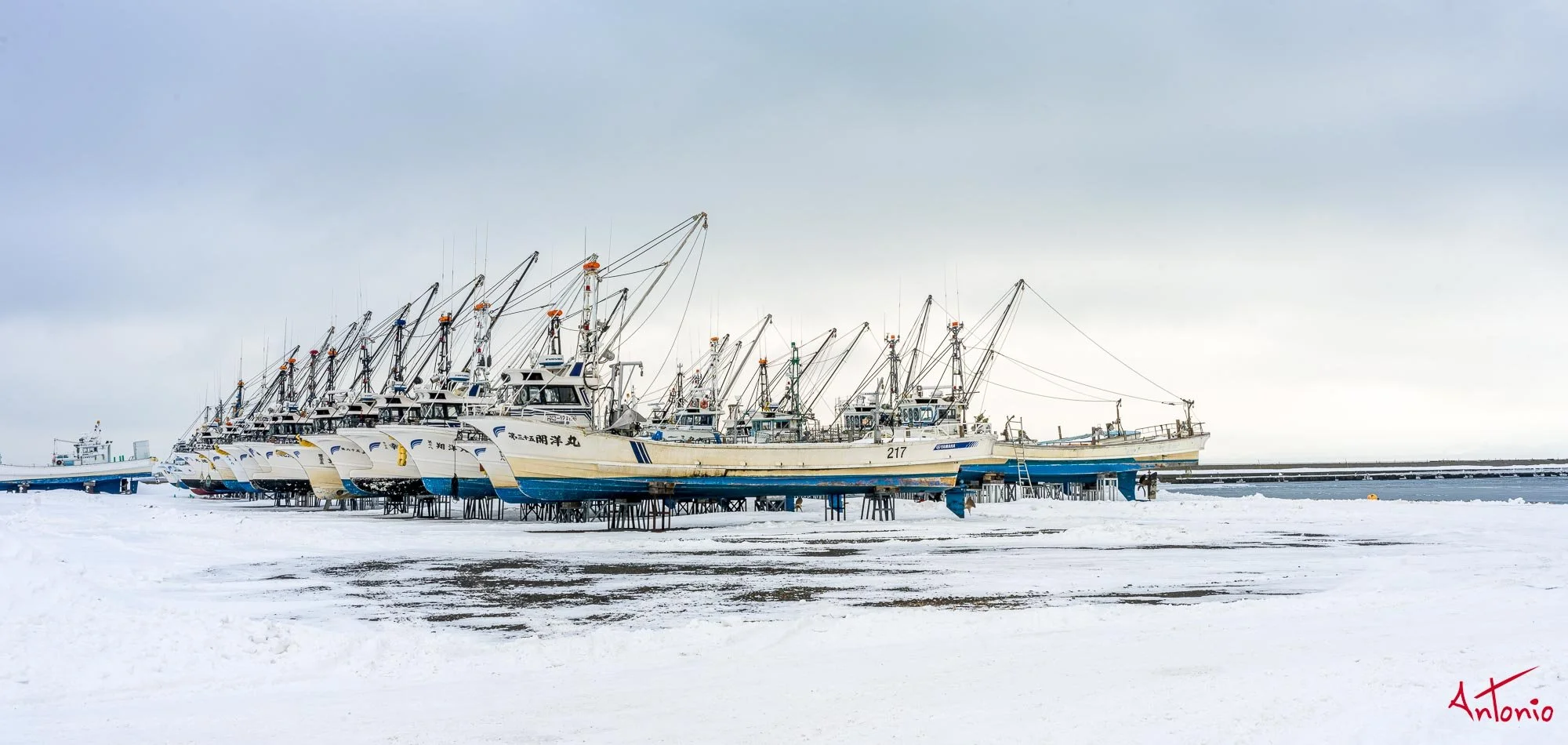
The importance of landscape photography lies in its ability to preserve the memory of the natural world. Each image becomes a testimony of time, of territories that change or disappear, and an invitation to value and respect the environment. Through these photographs, awareness is awakened about the fragility and grandeur of nature, reminding us of our responsibility toward it.
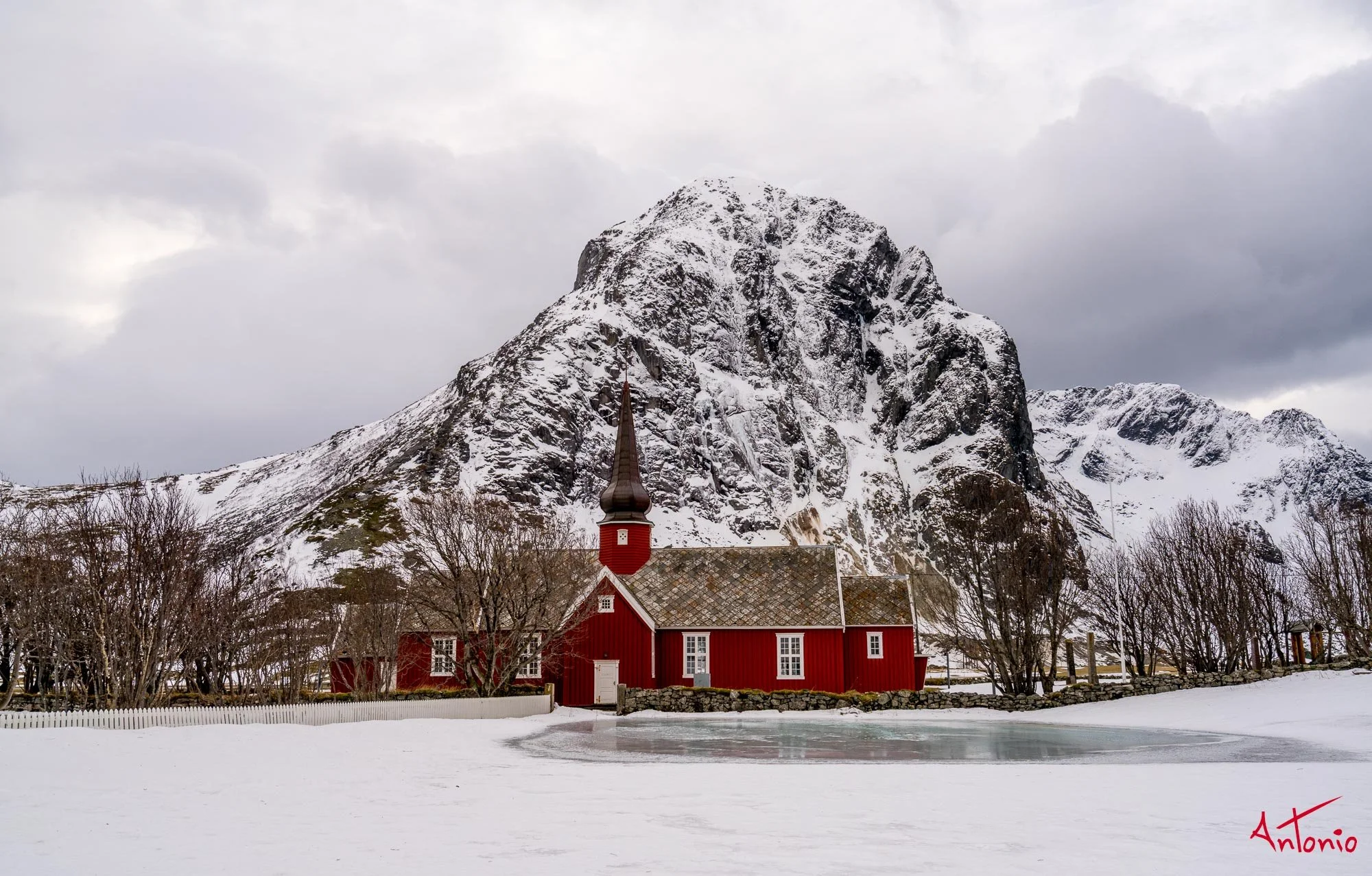
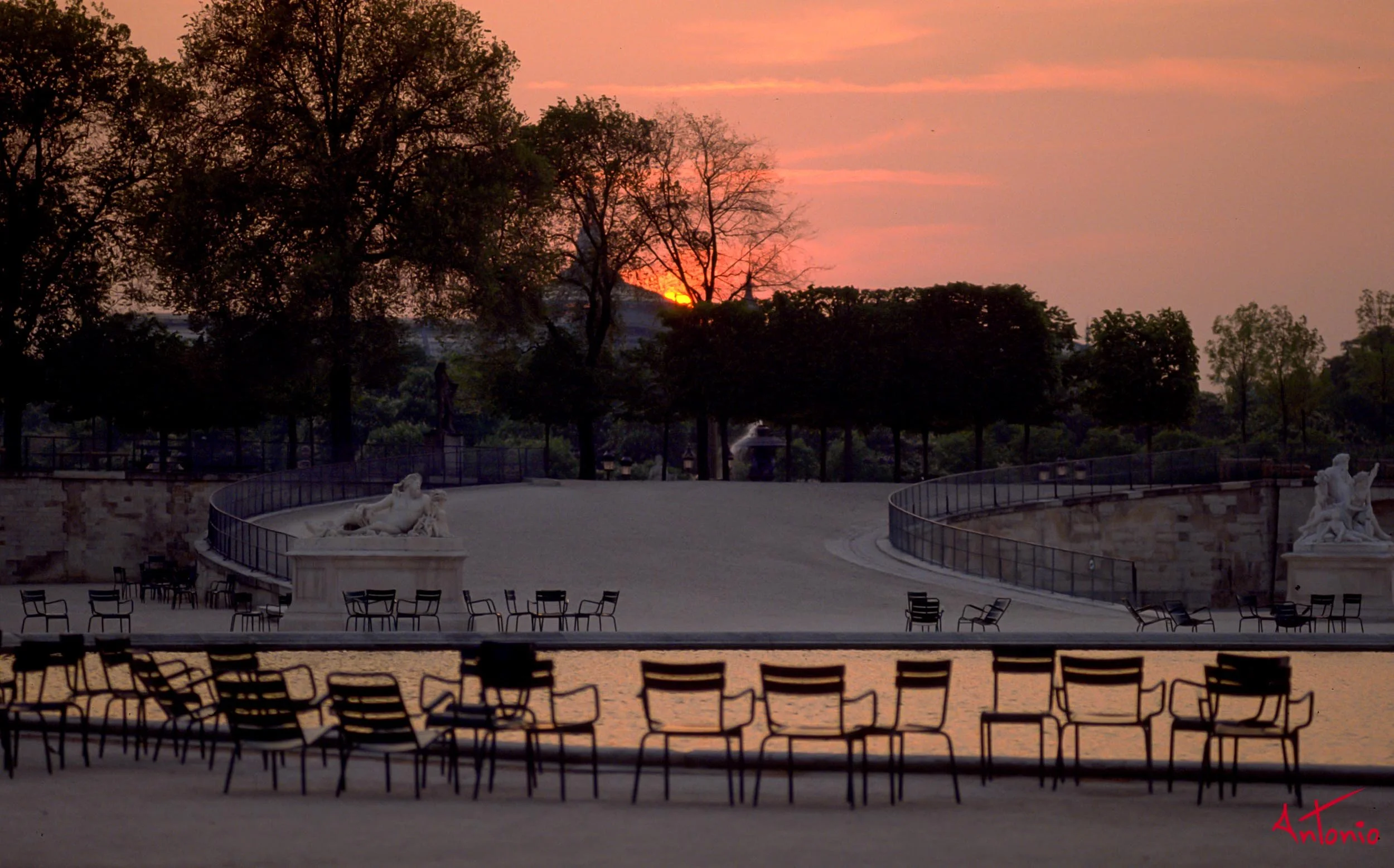
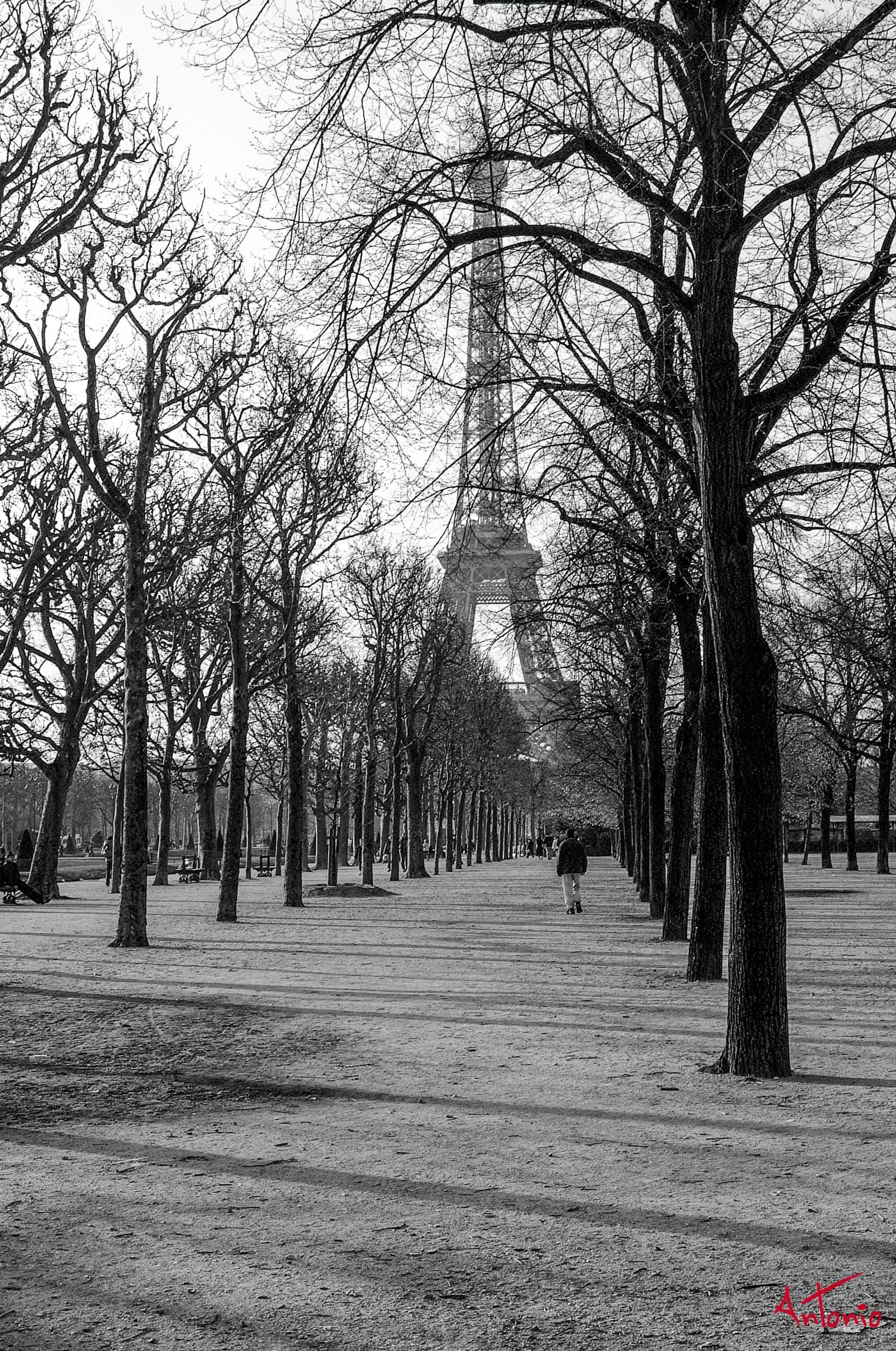
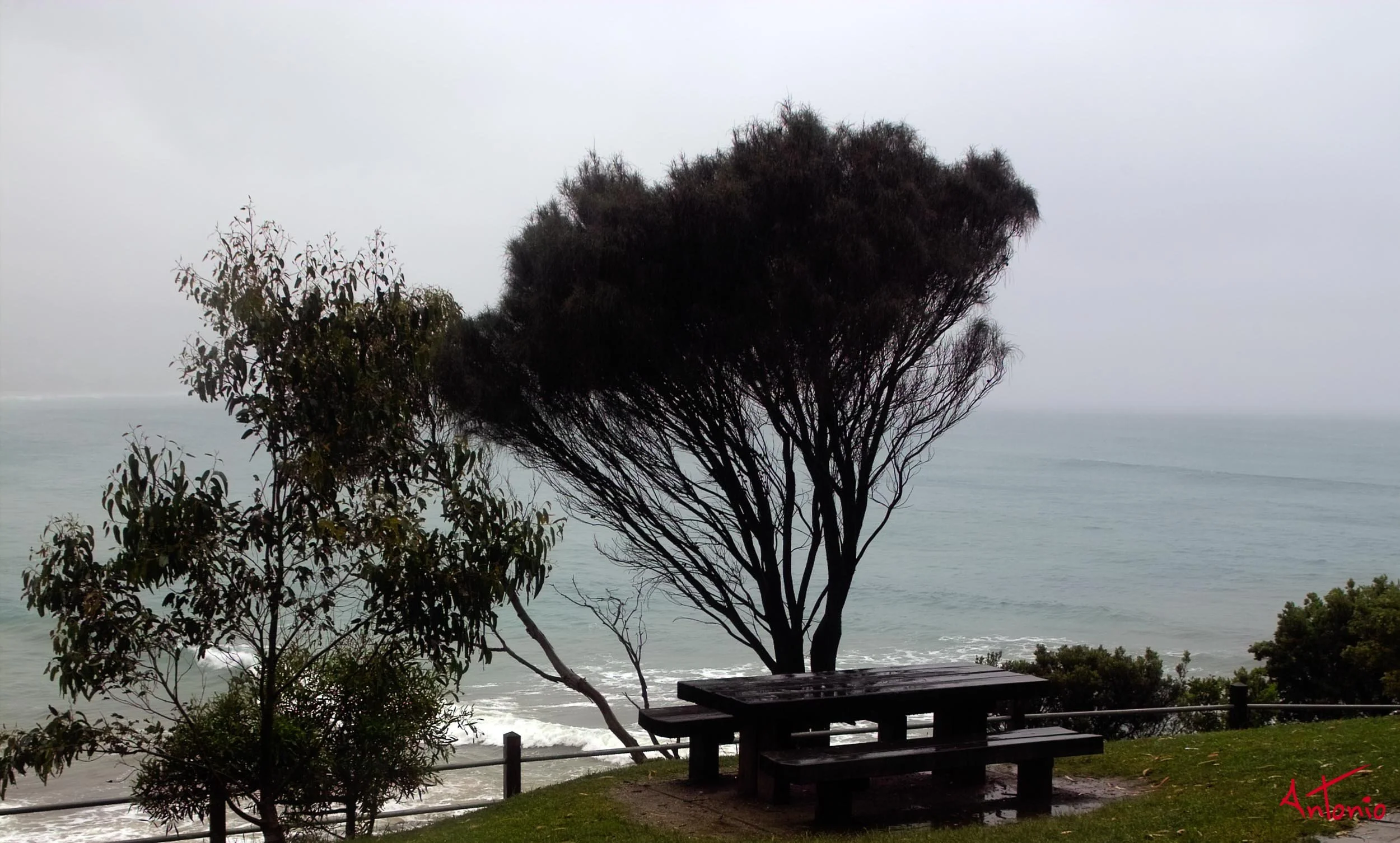
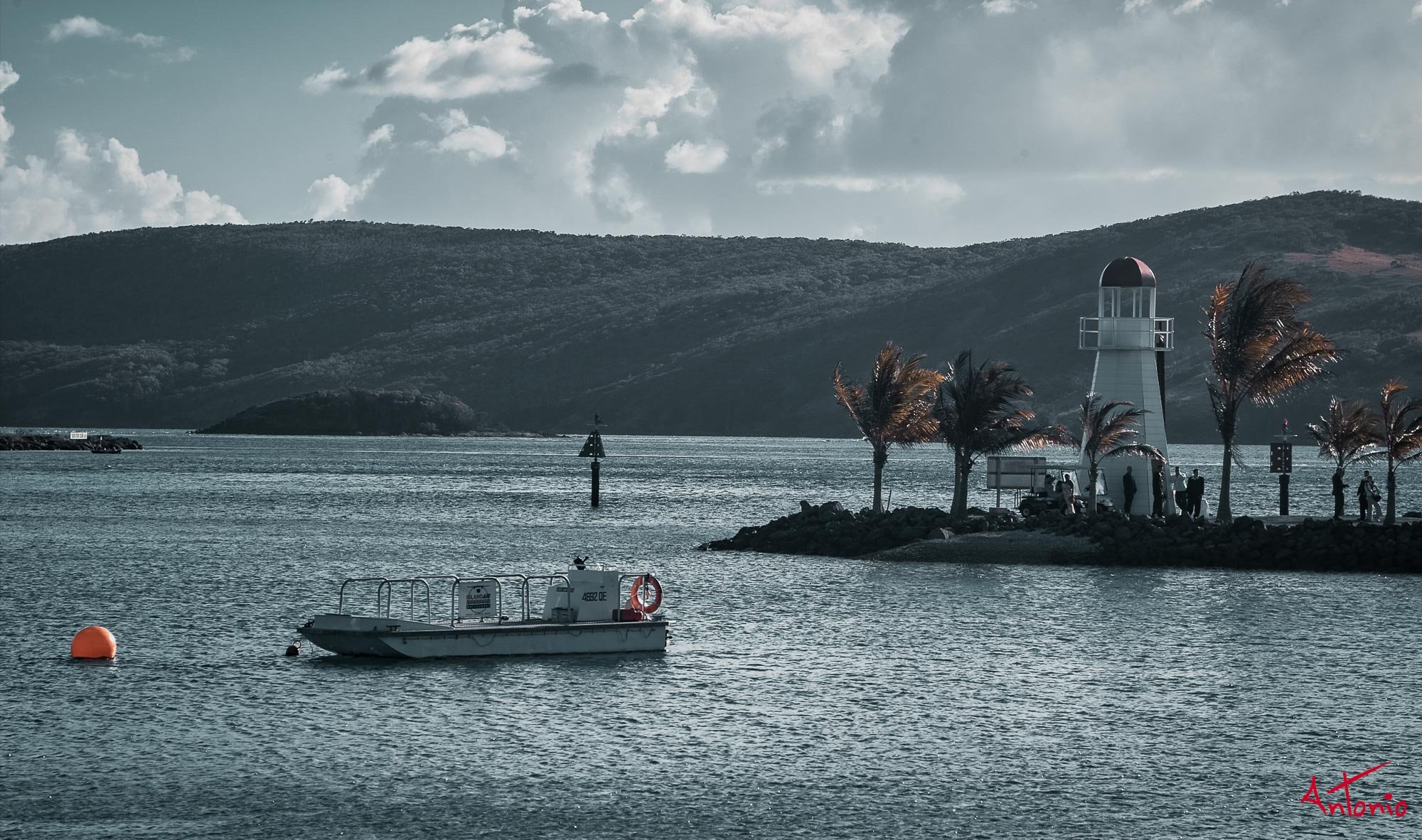
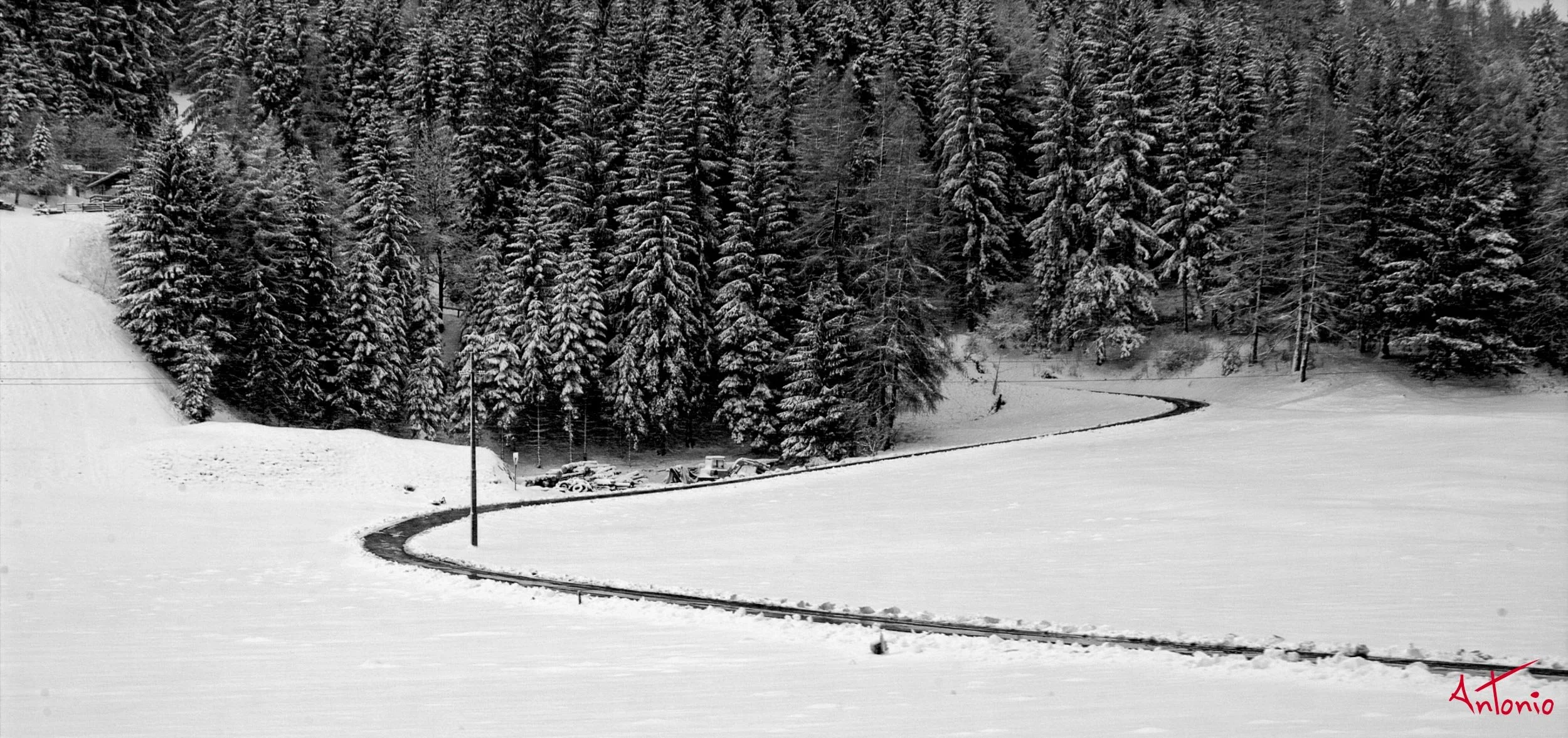
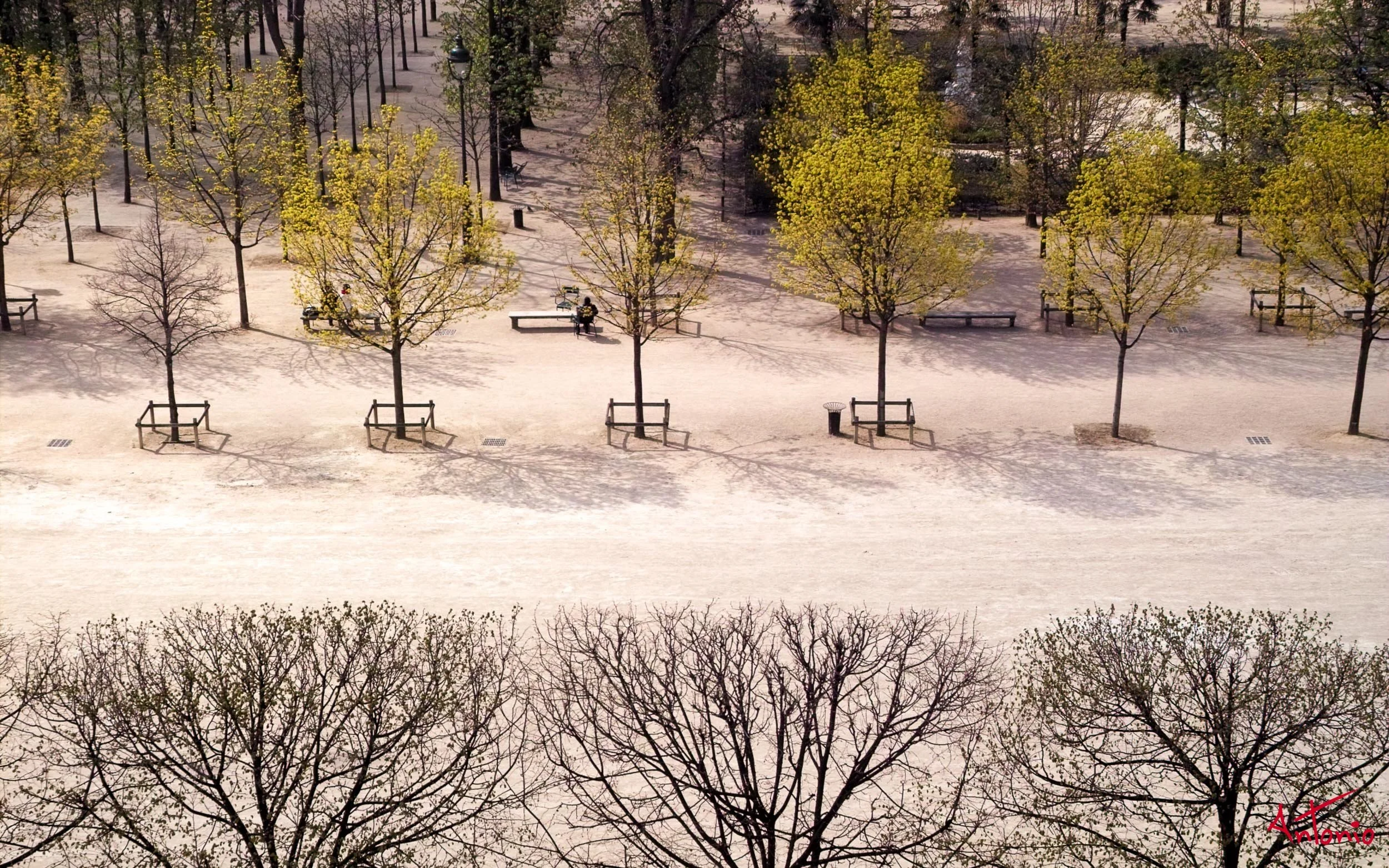
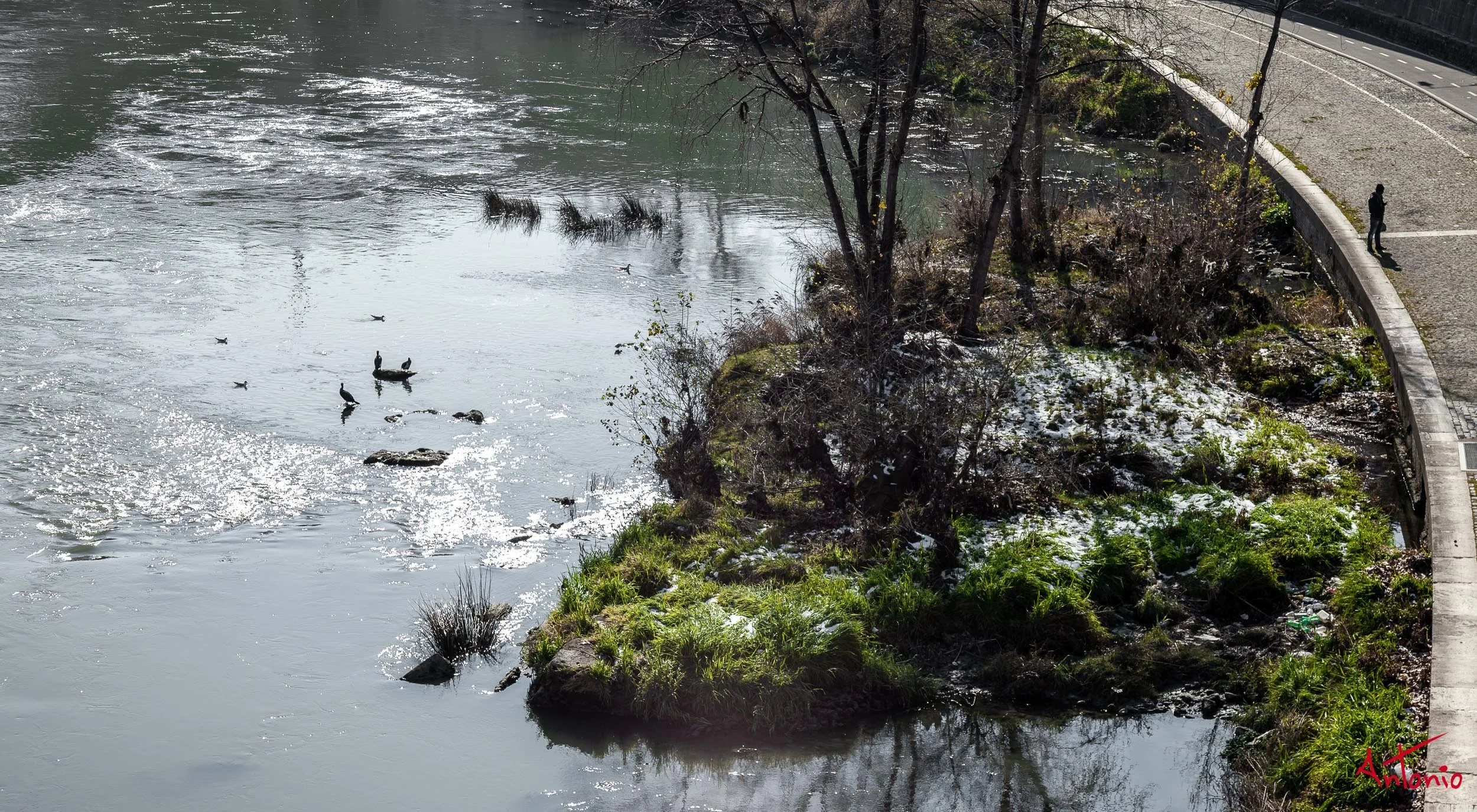
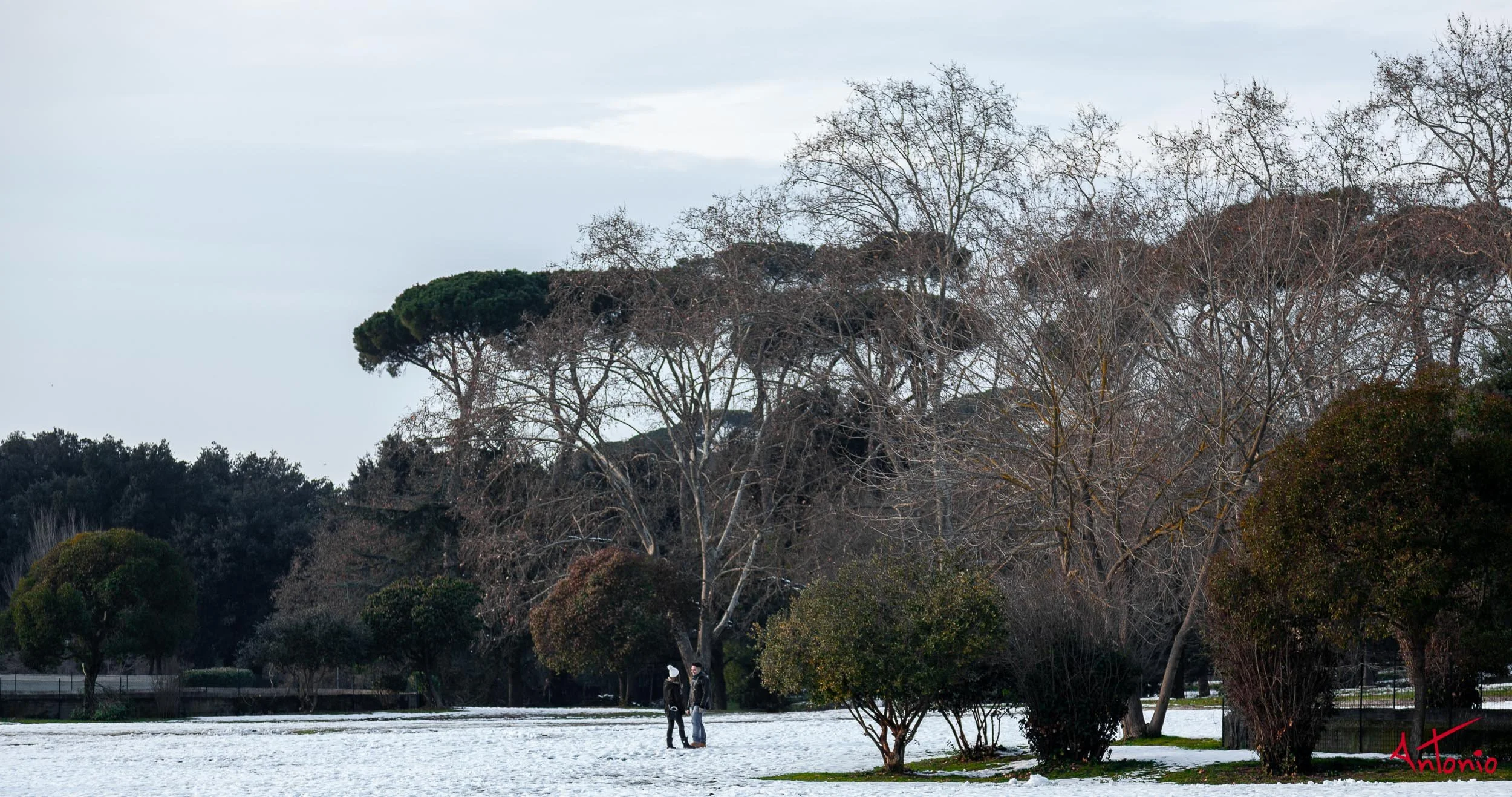
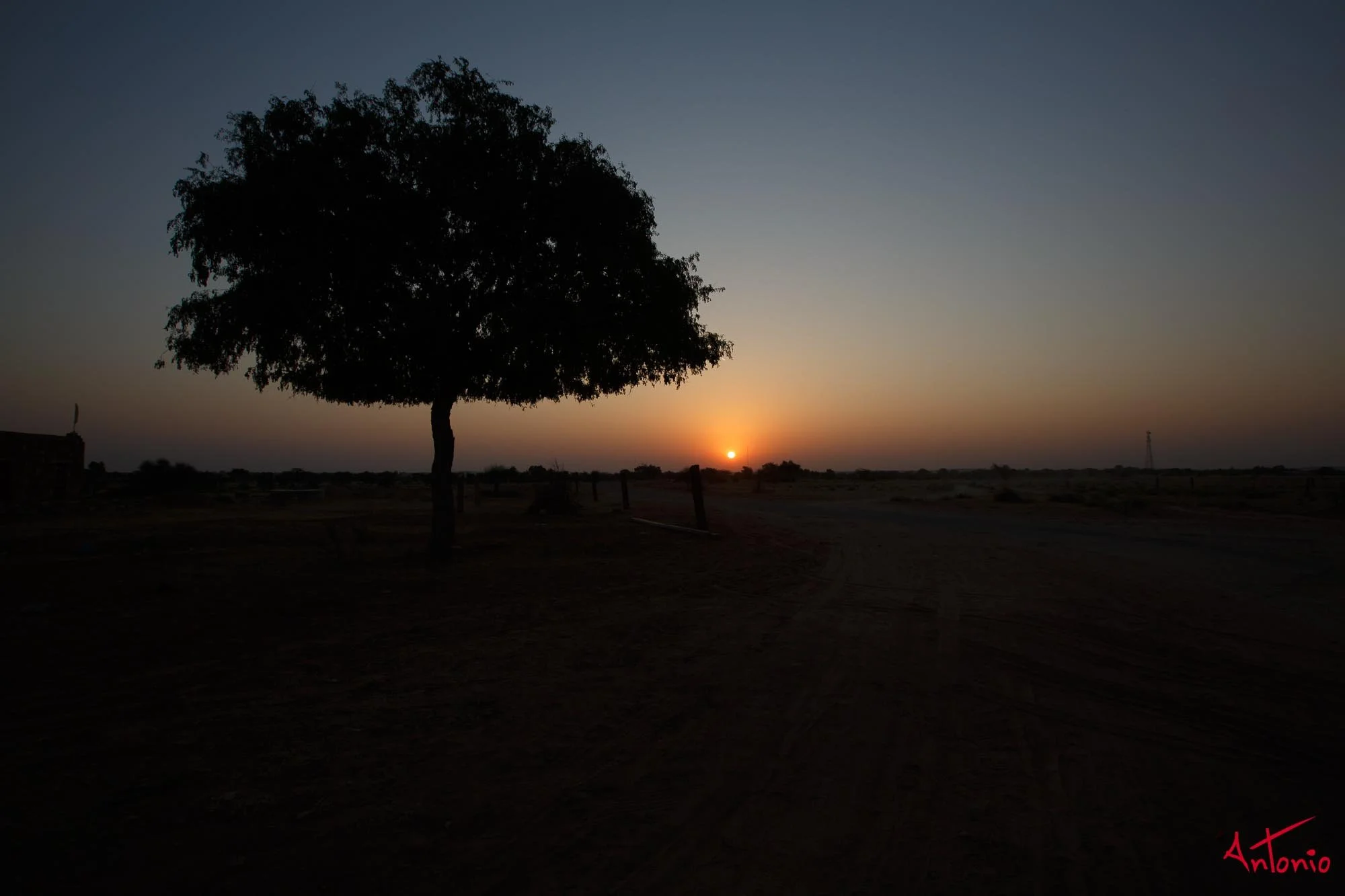
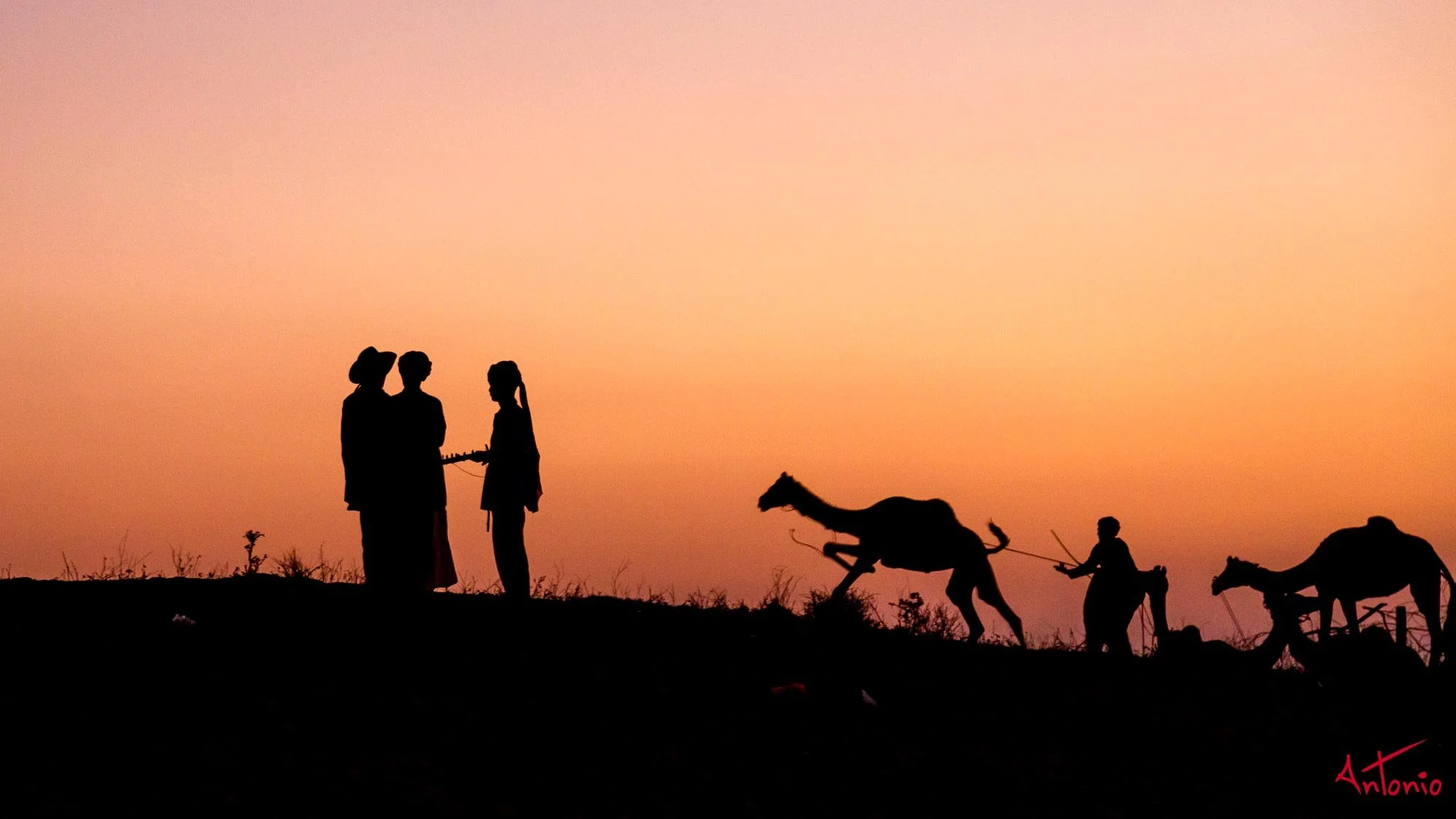
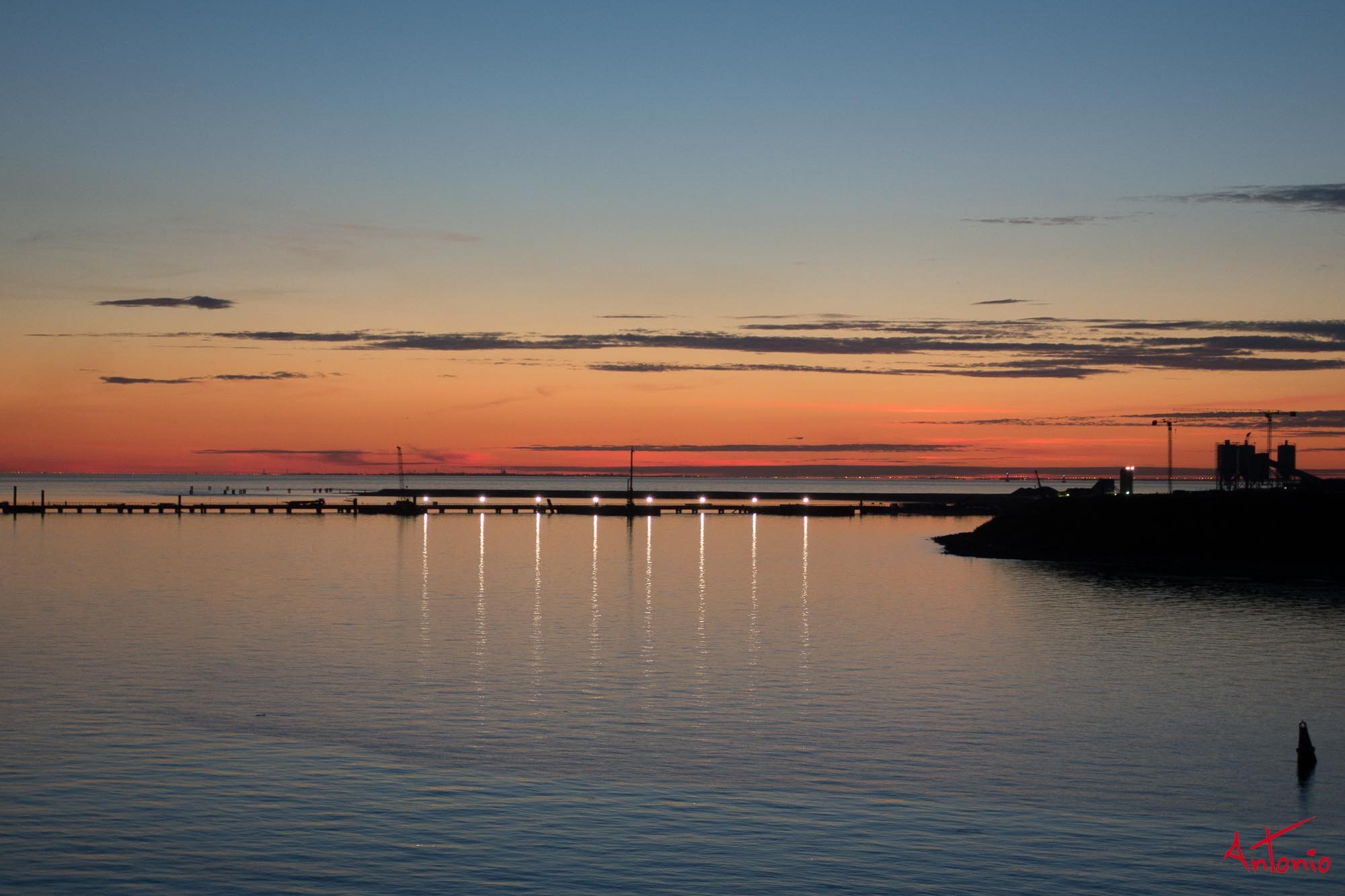
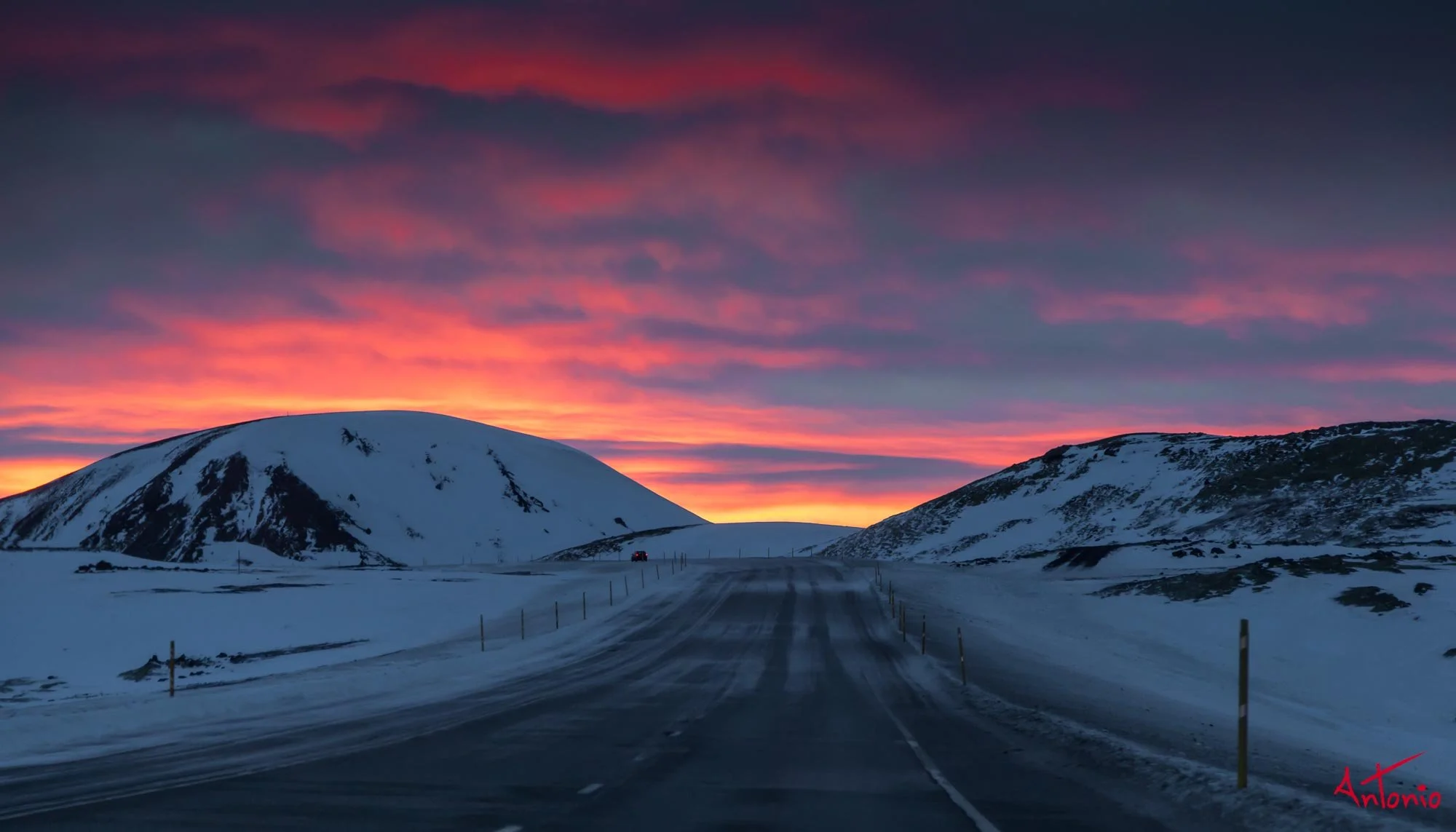
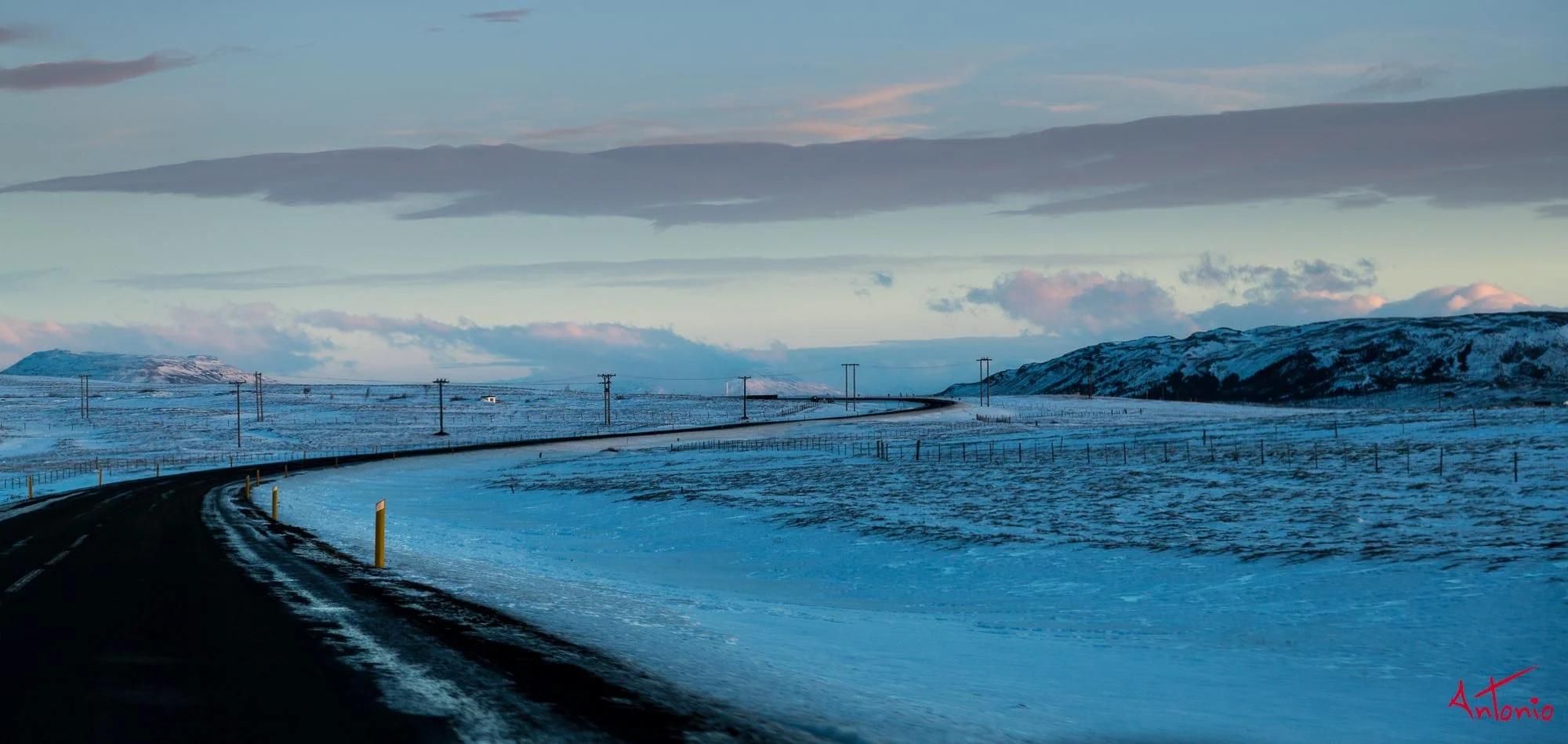
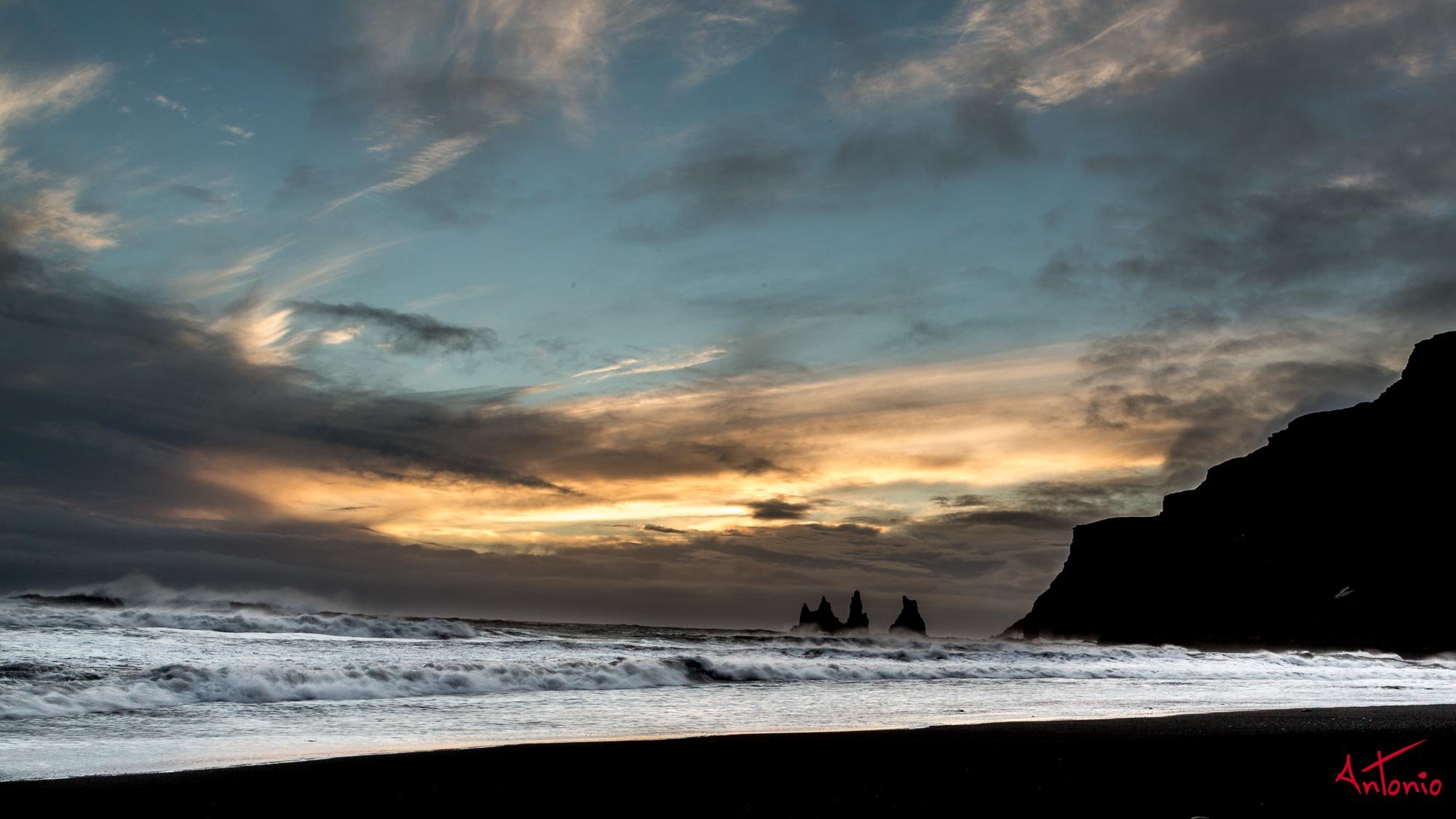
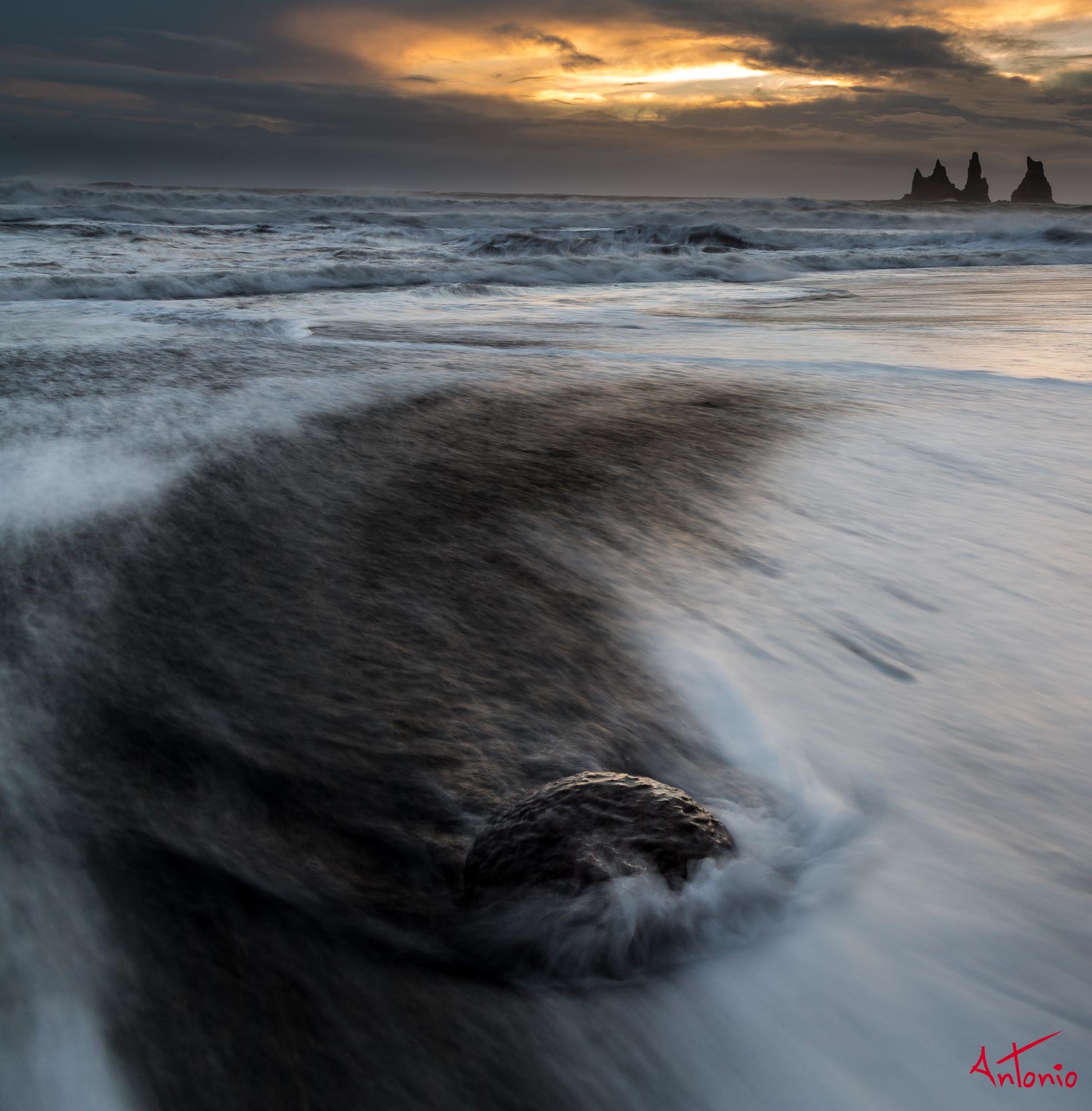
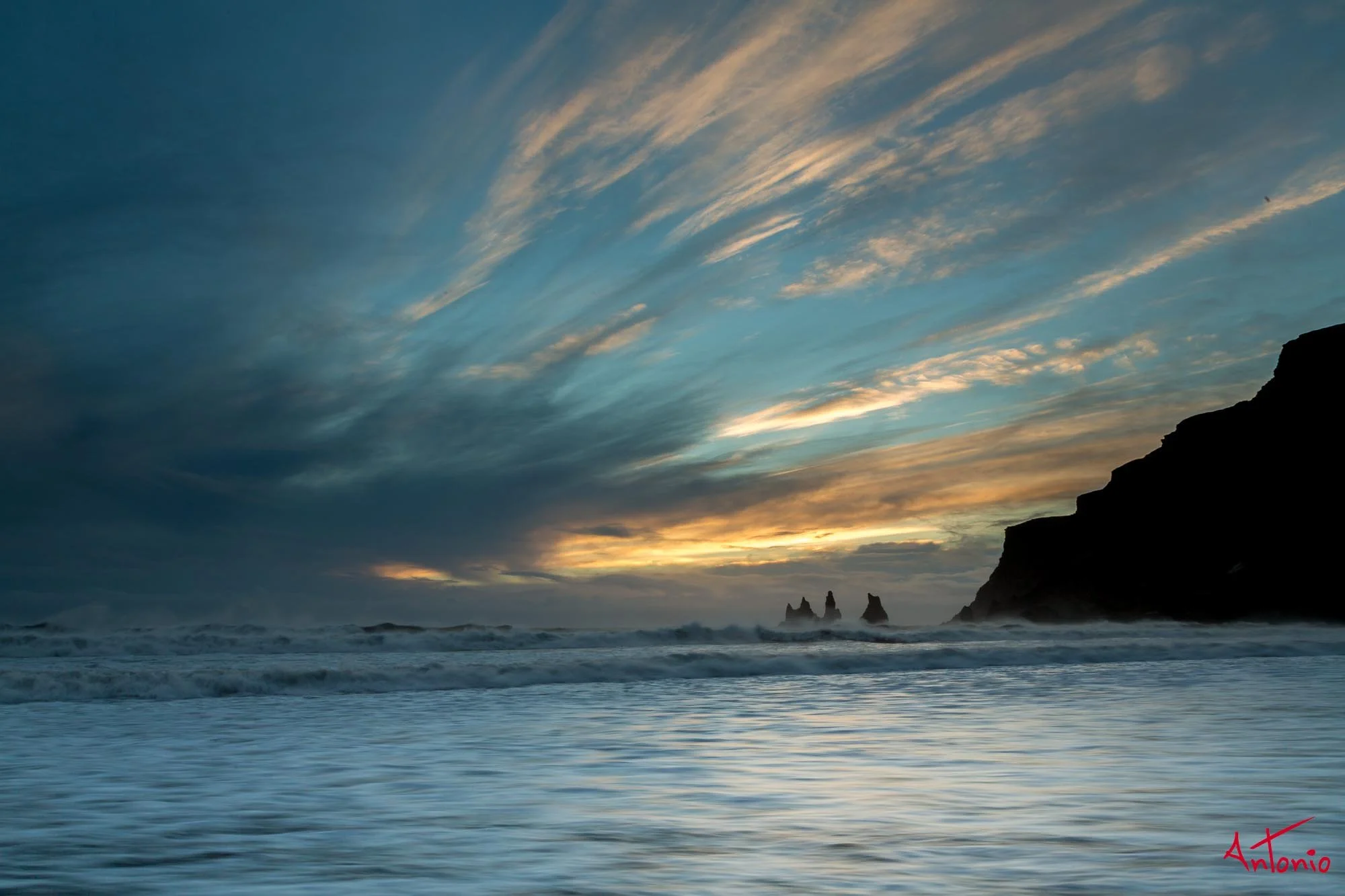
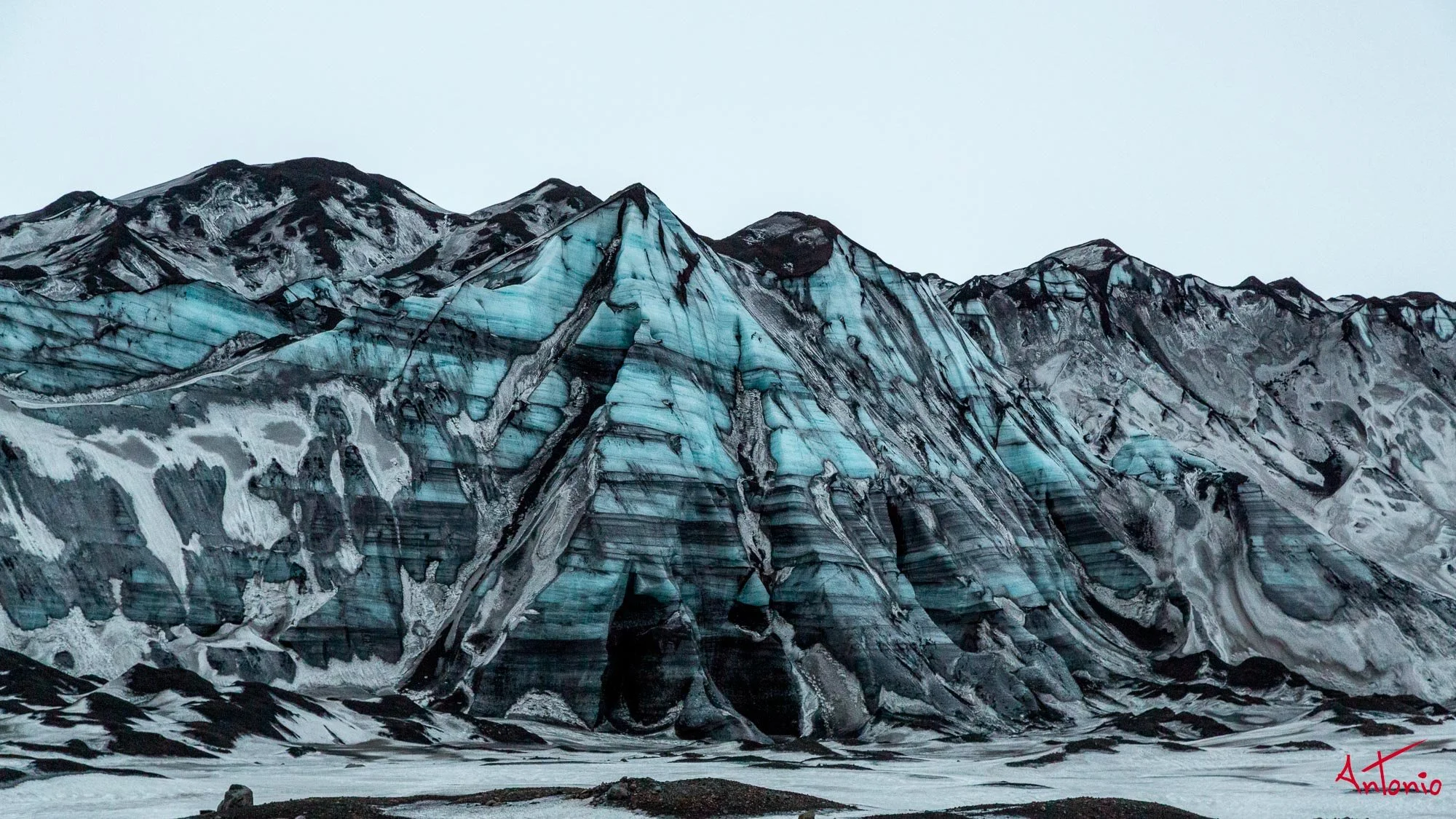
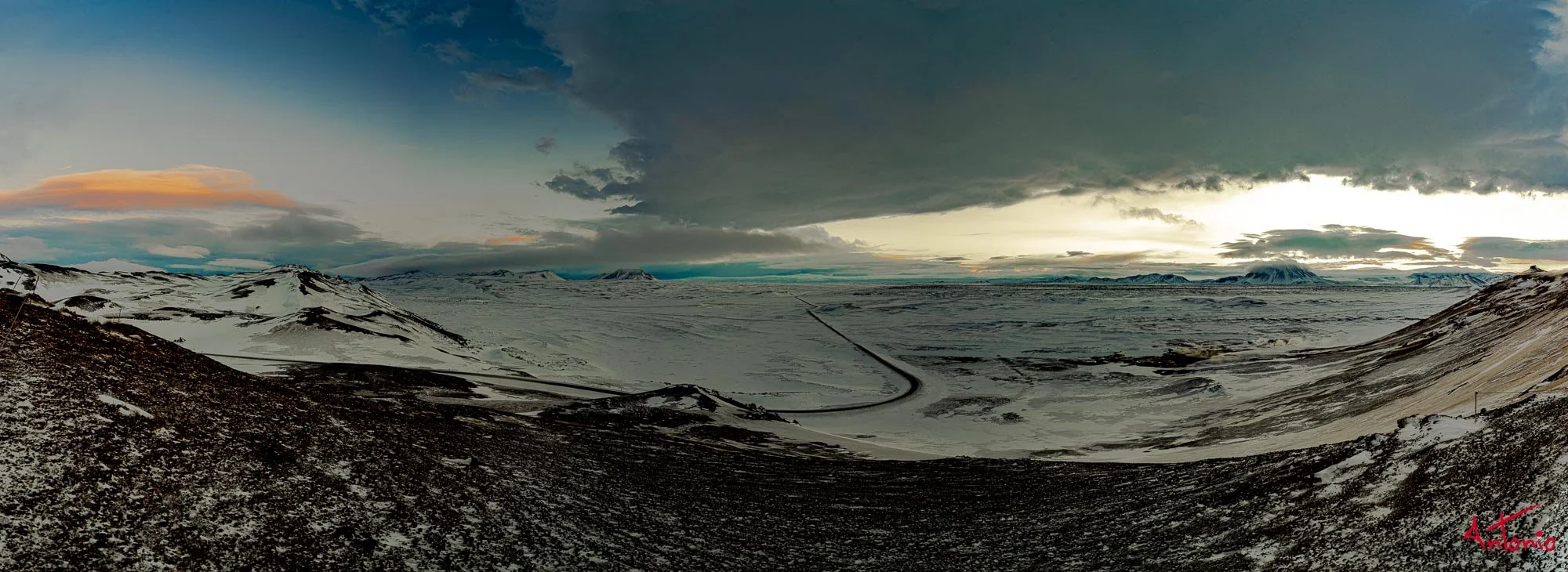
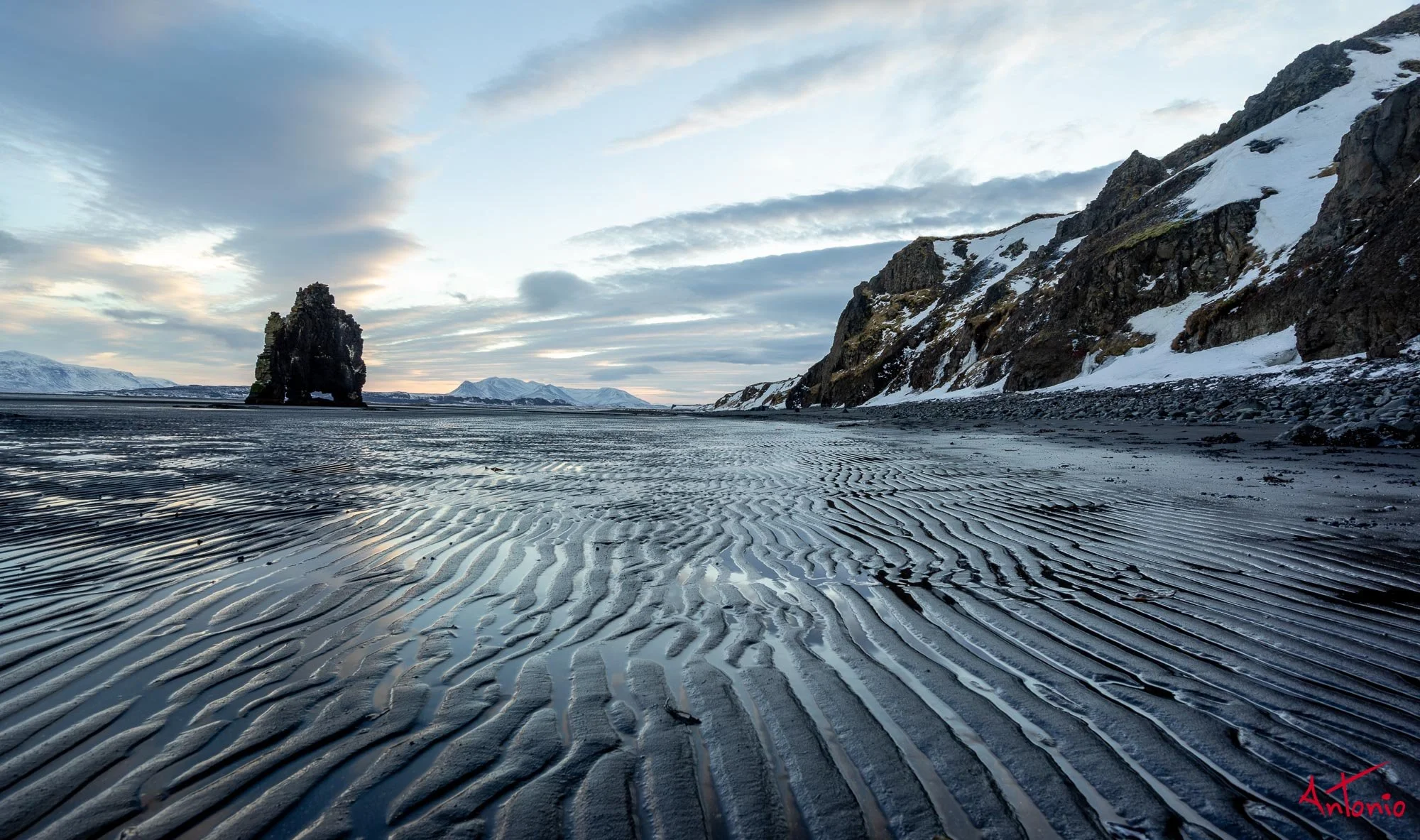
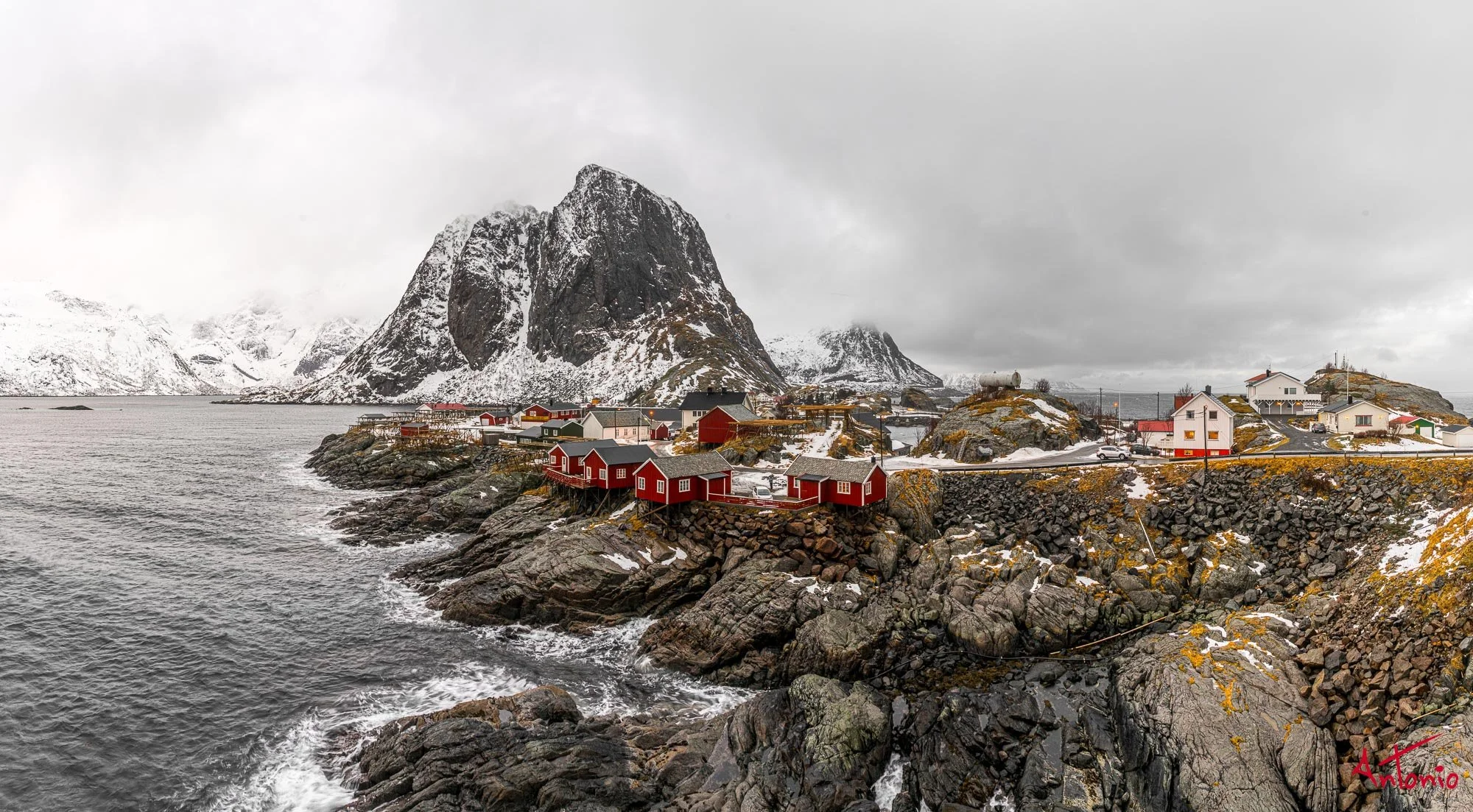
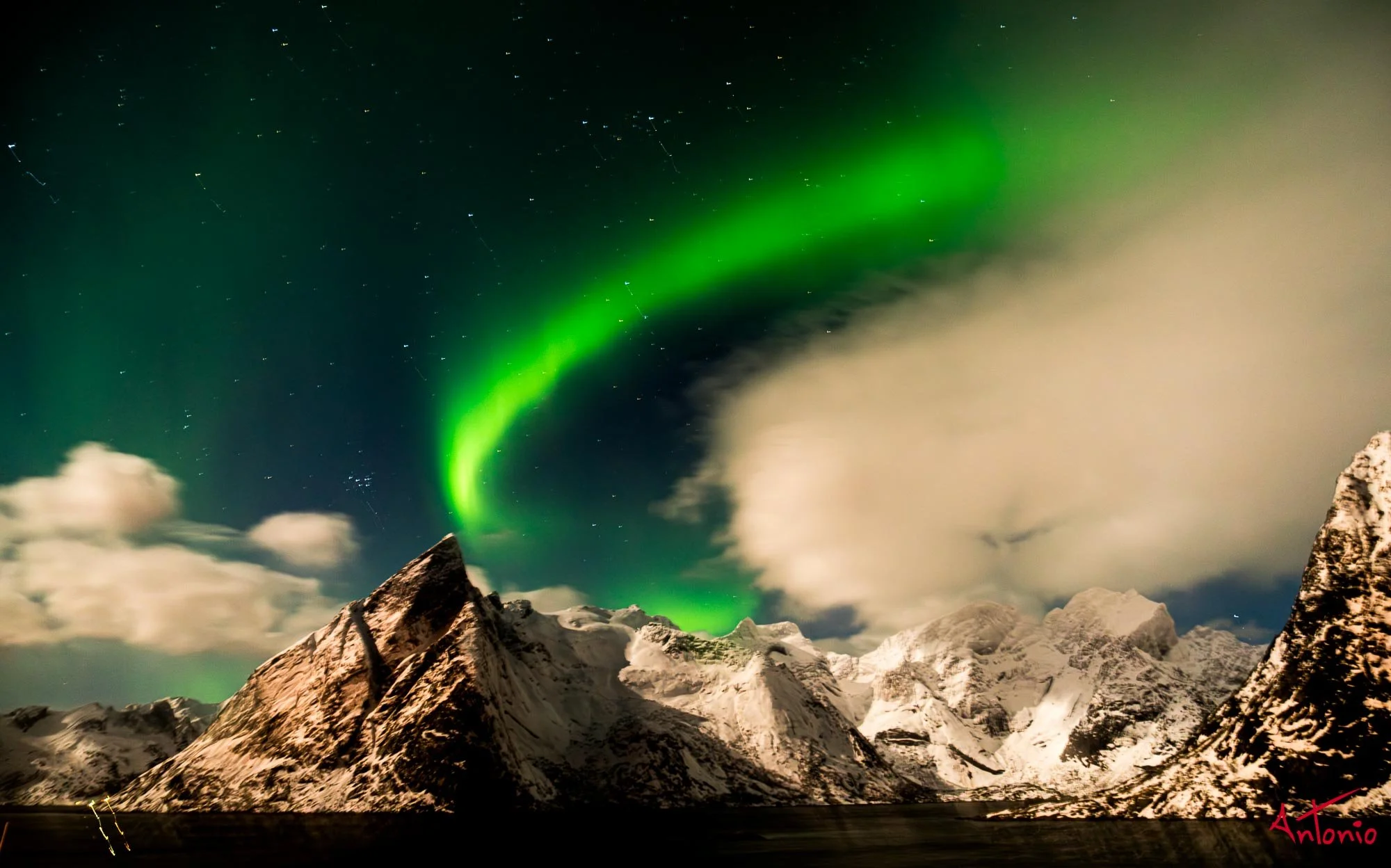
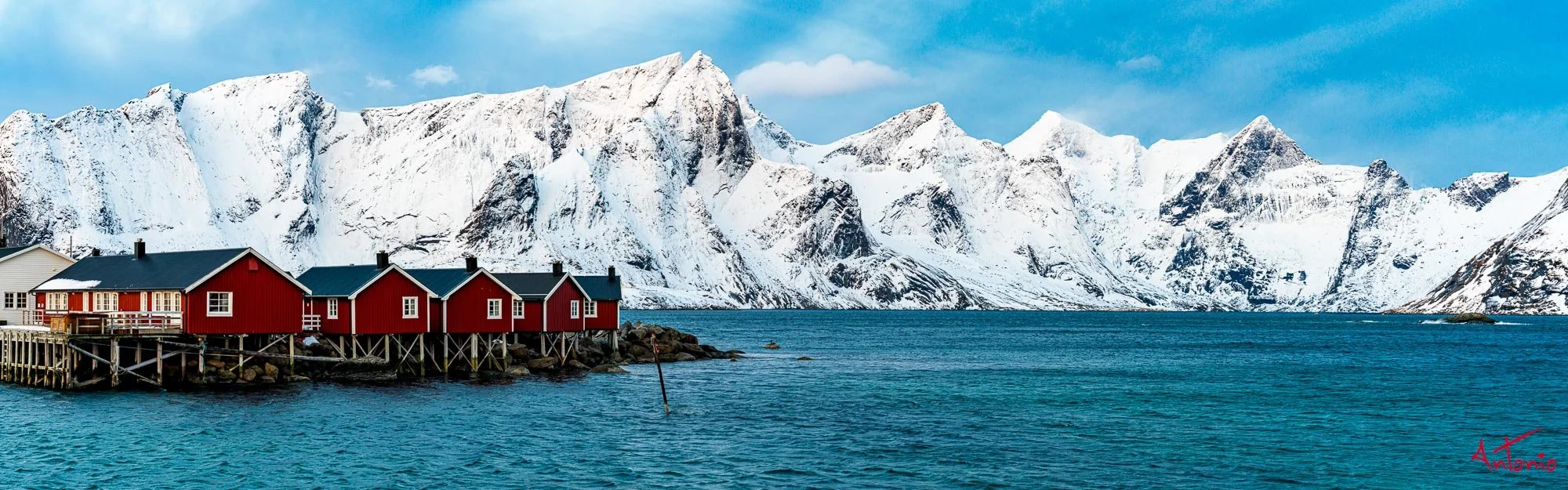
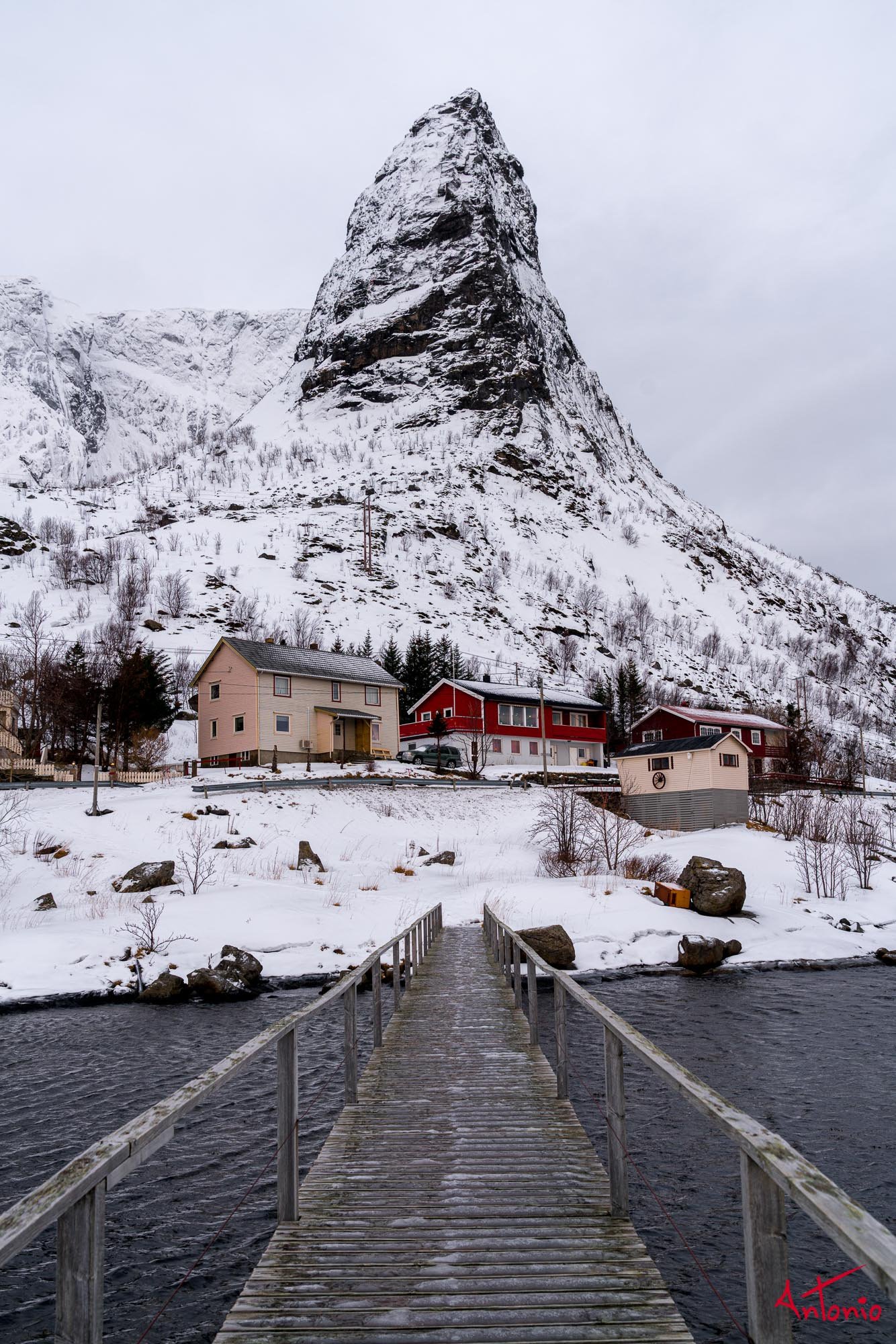
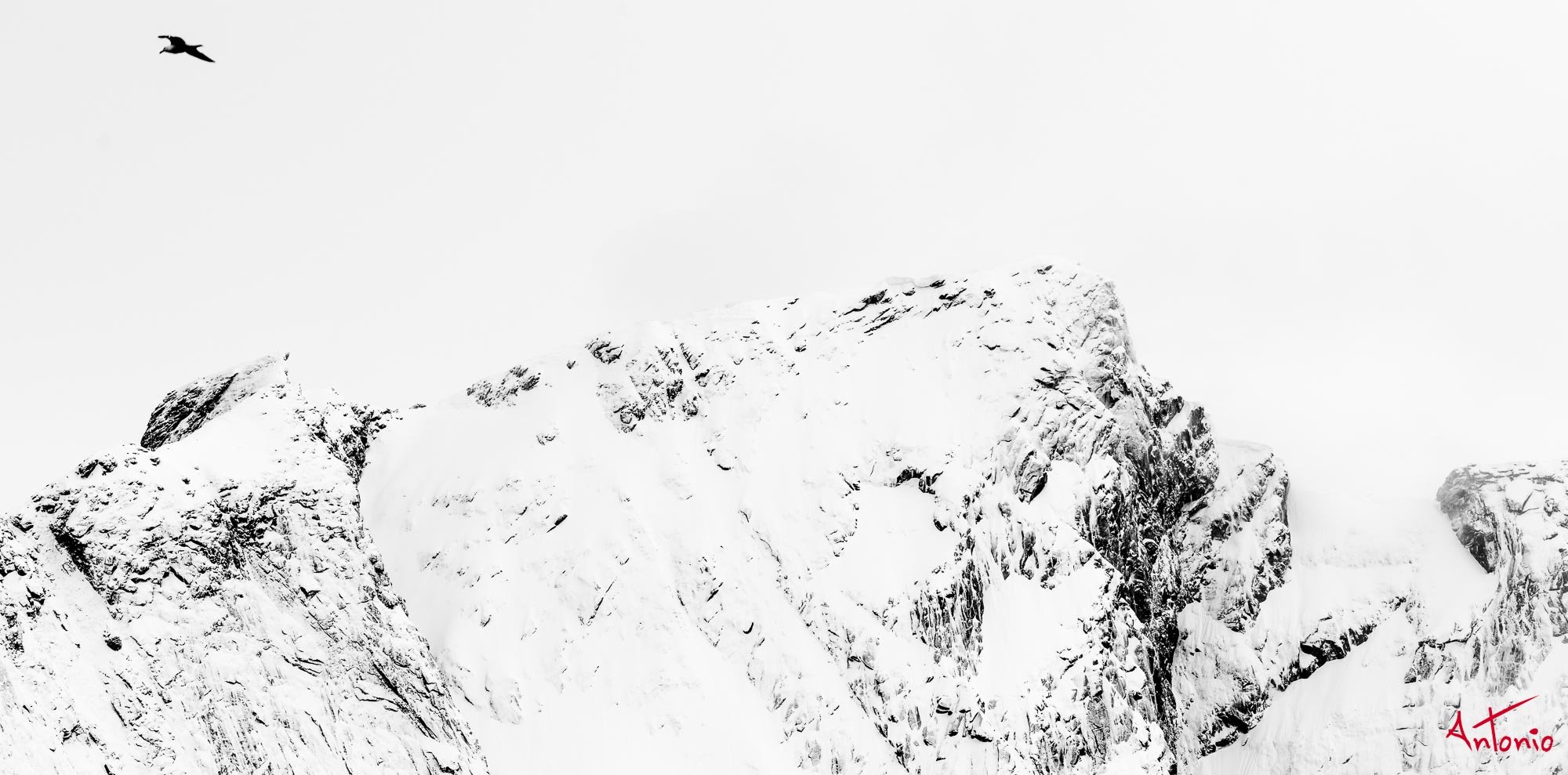
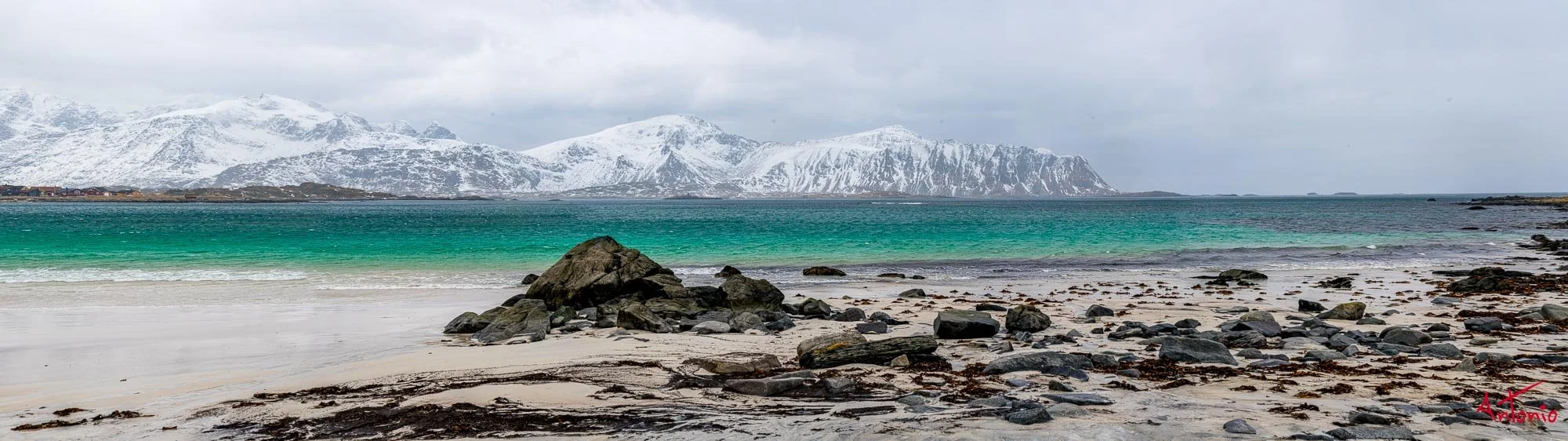
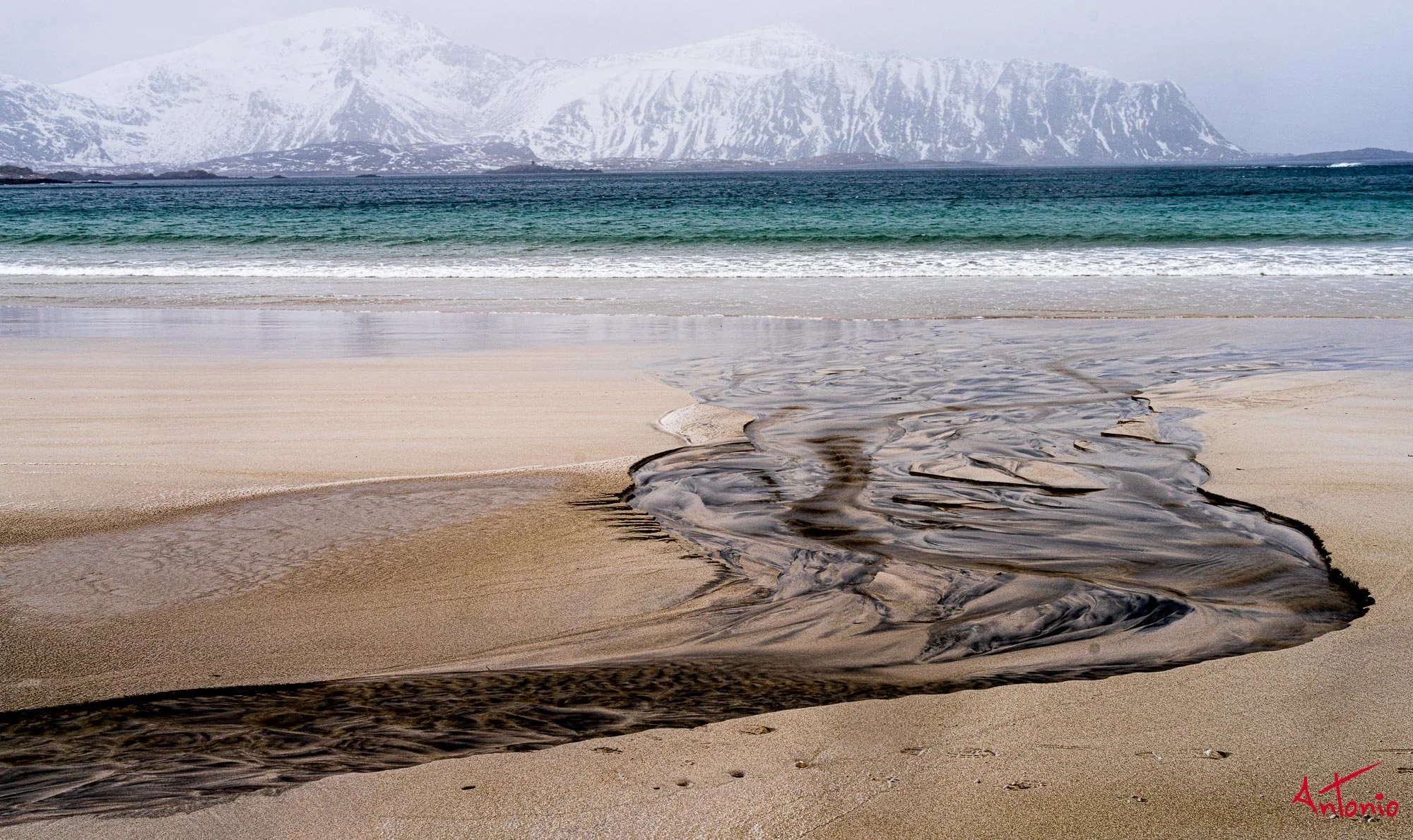
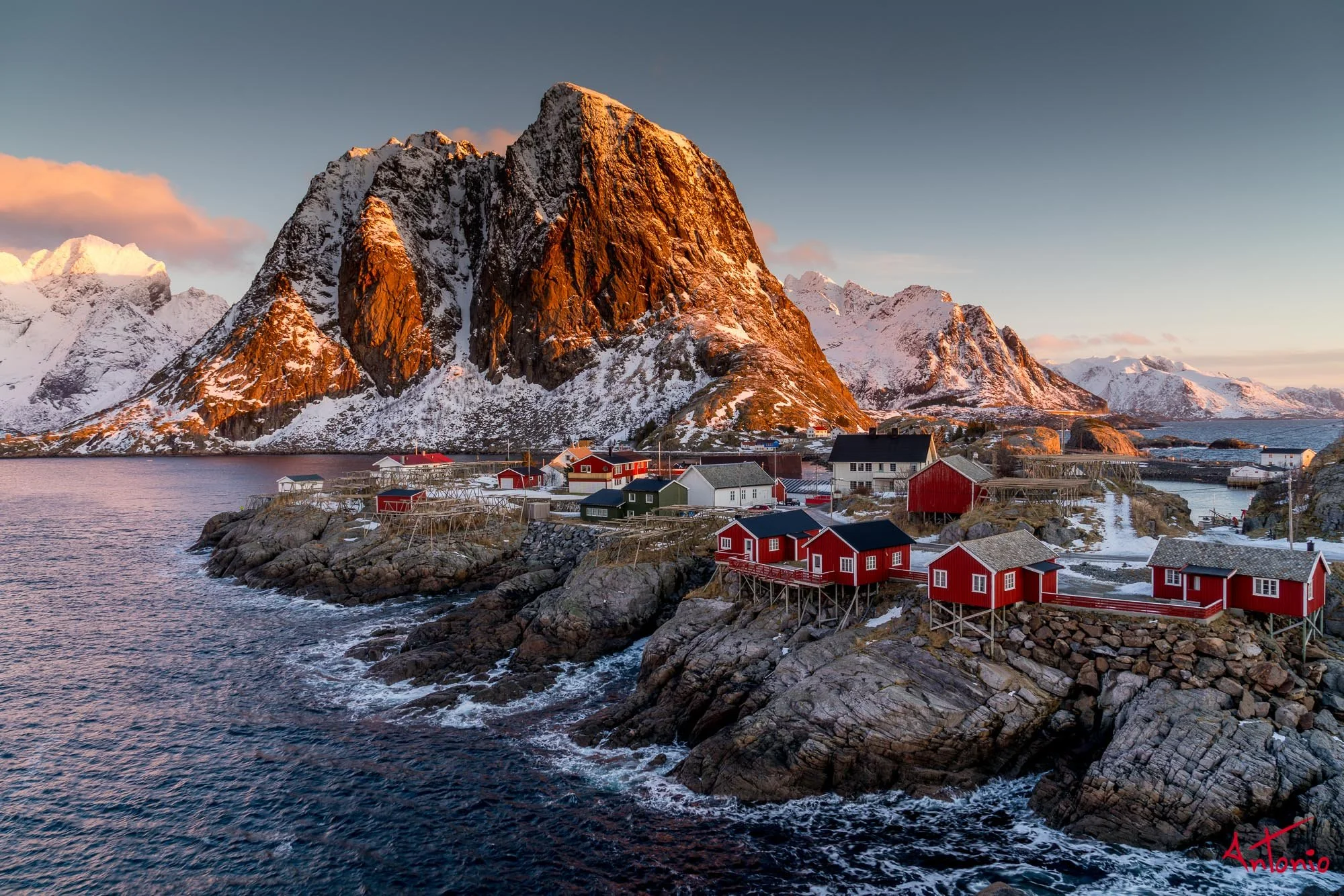
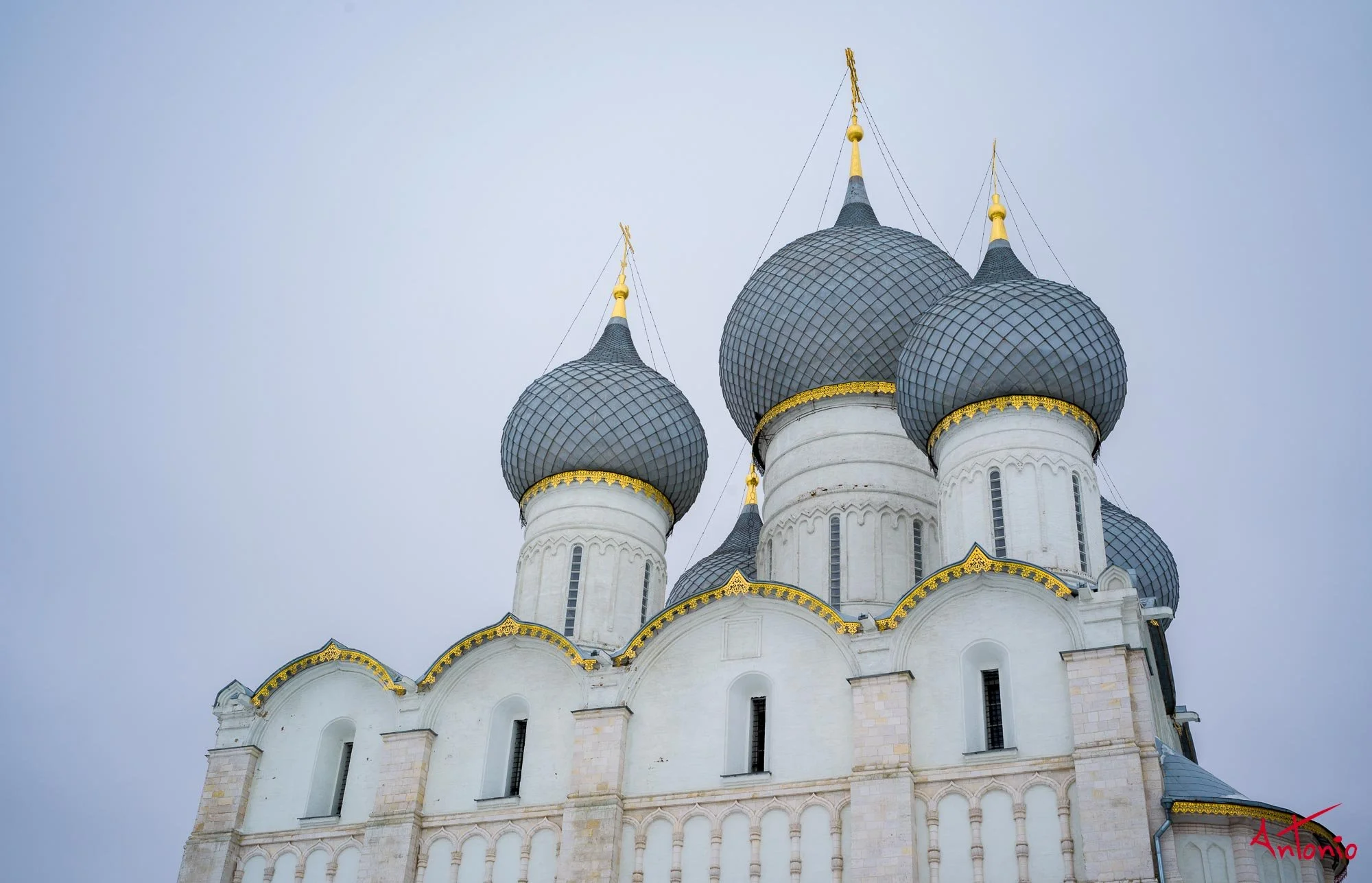
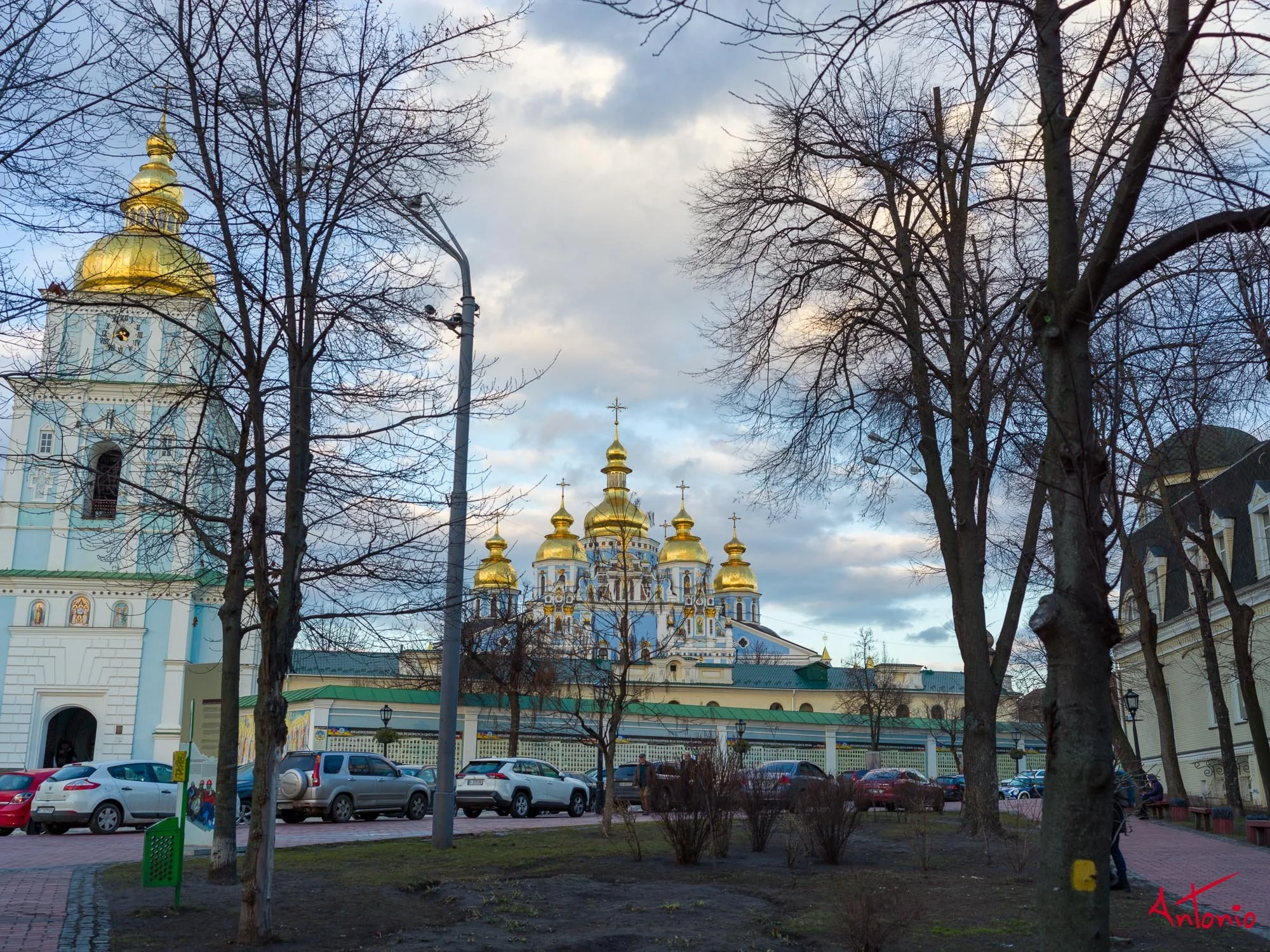
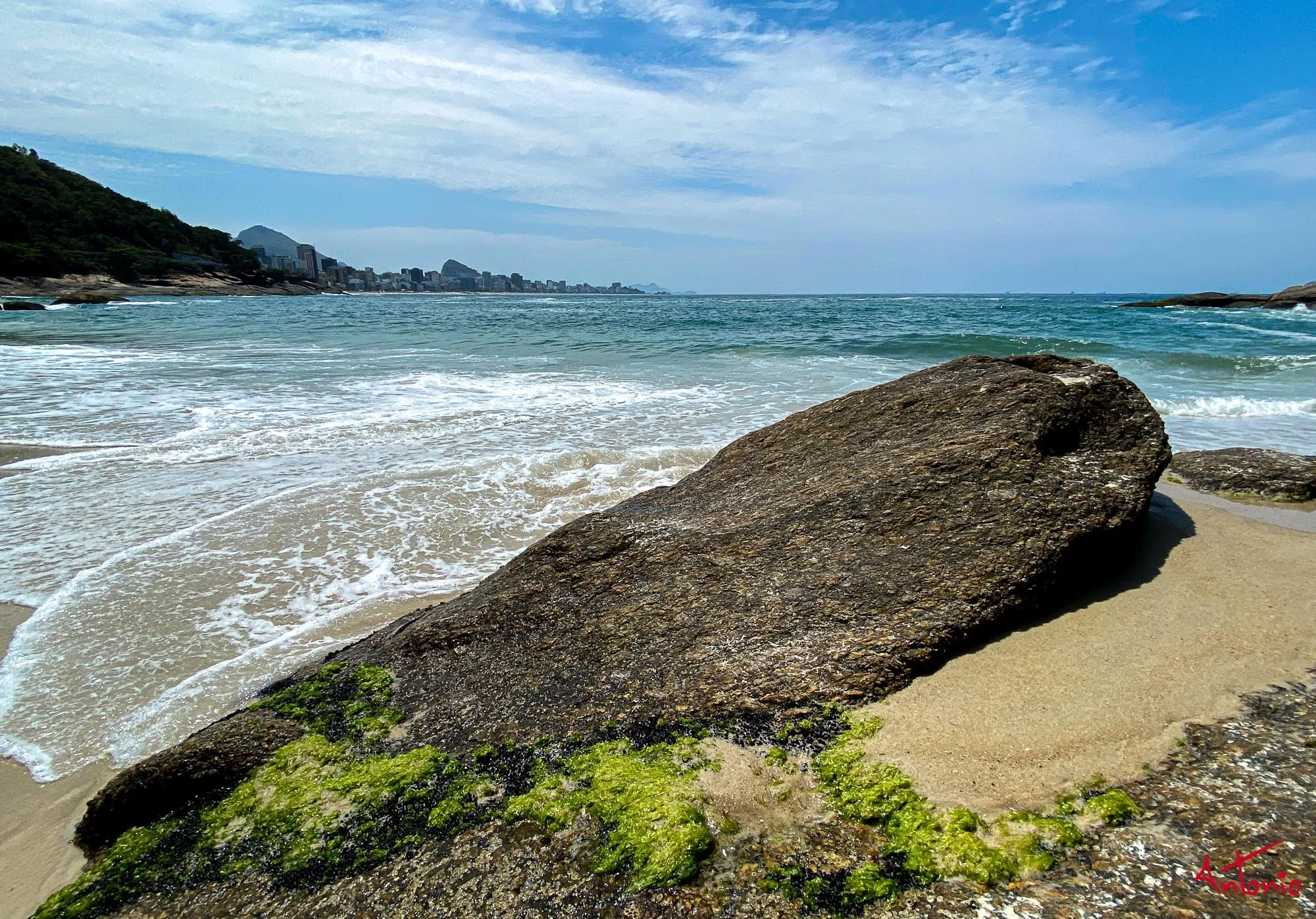
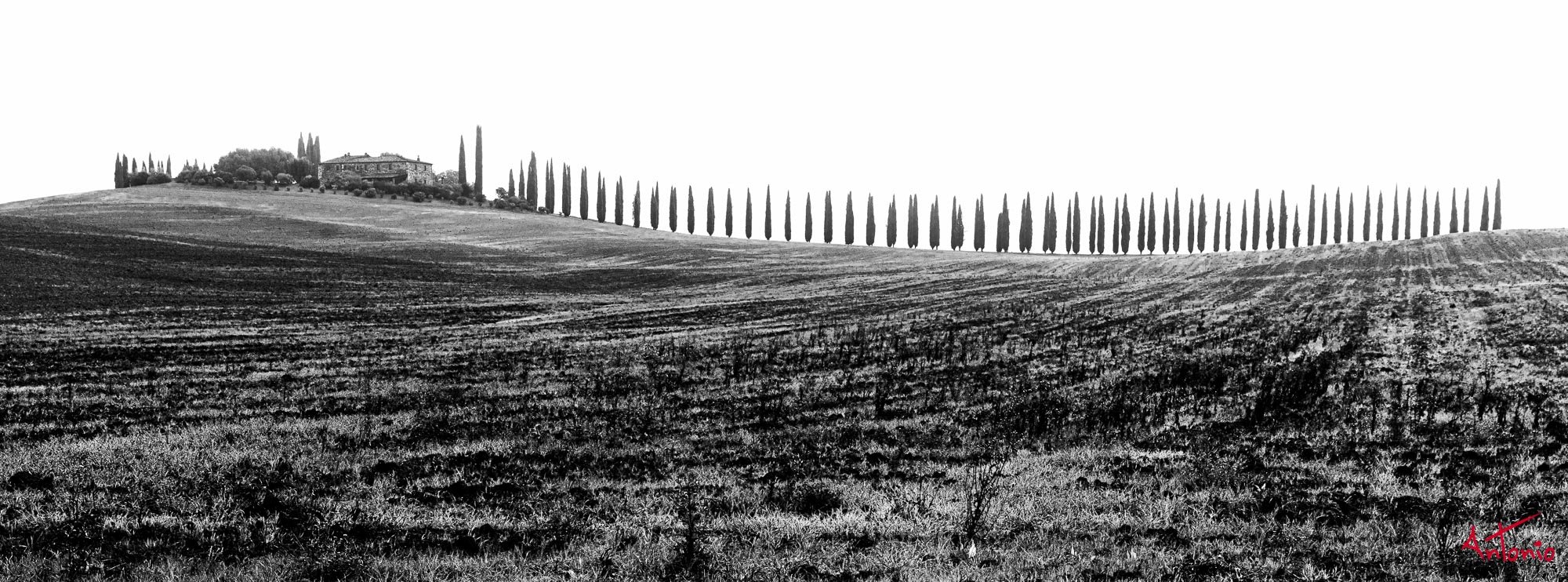
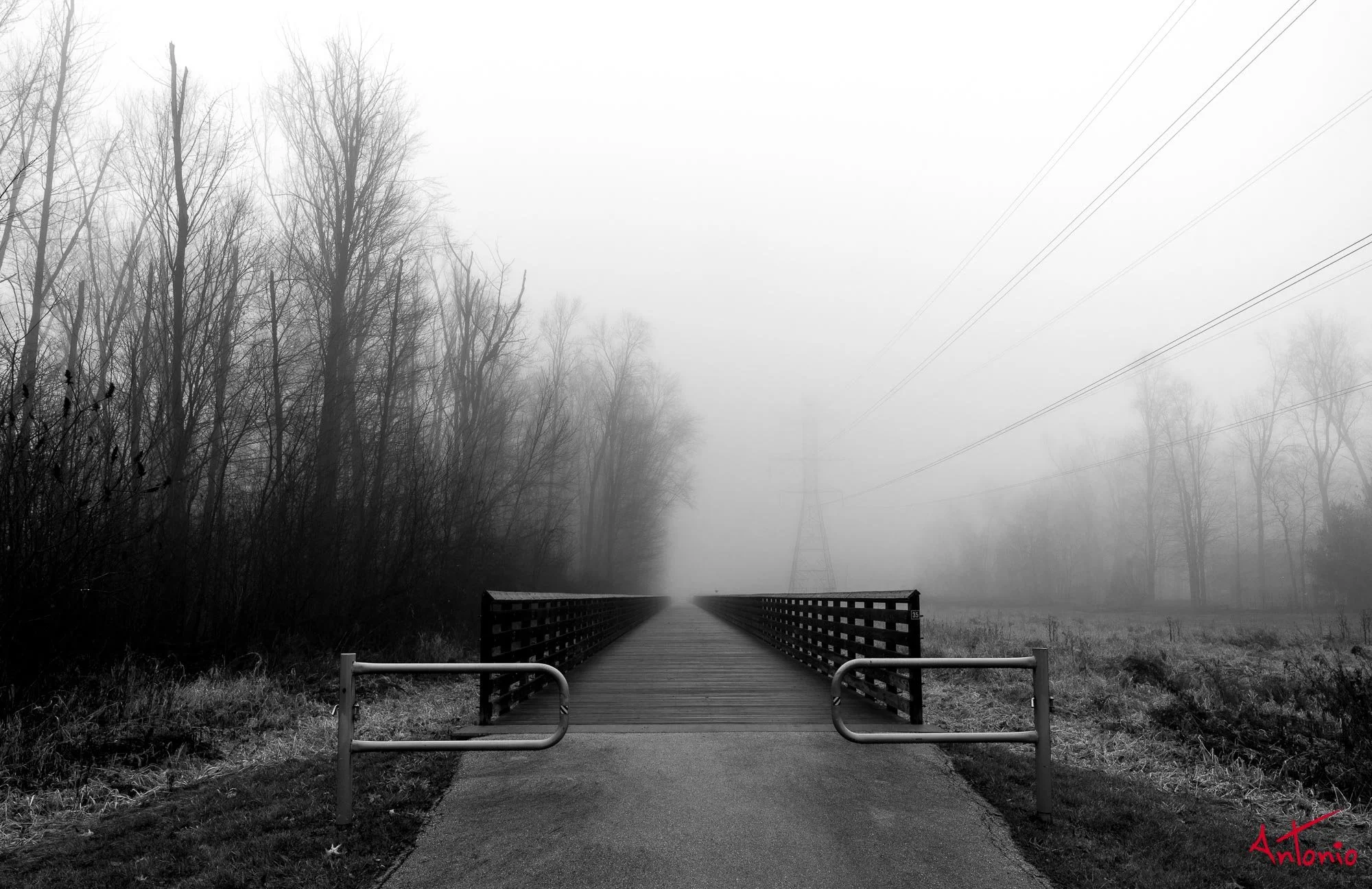
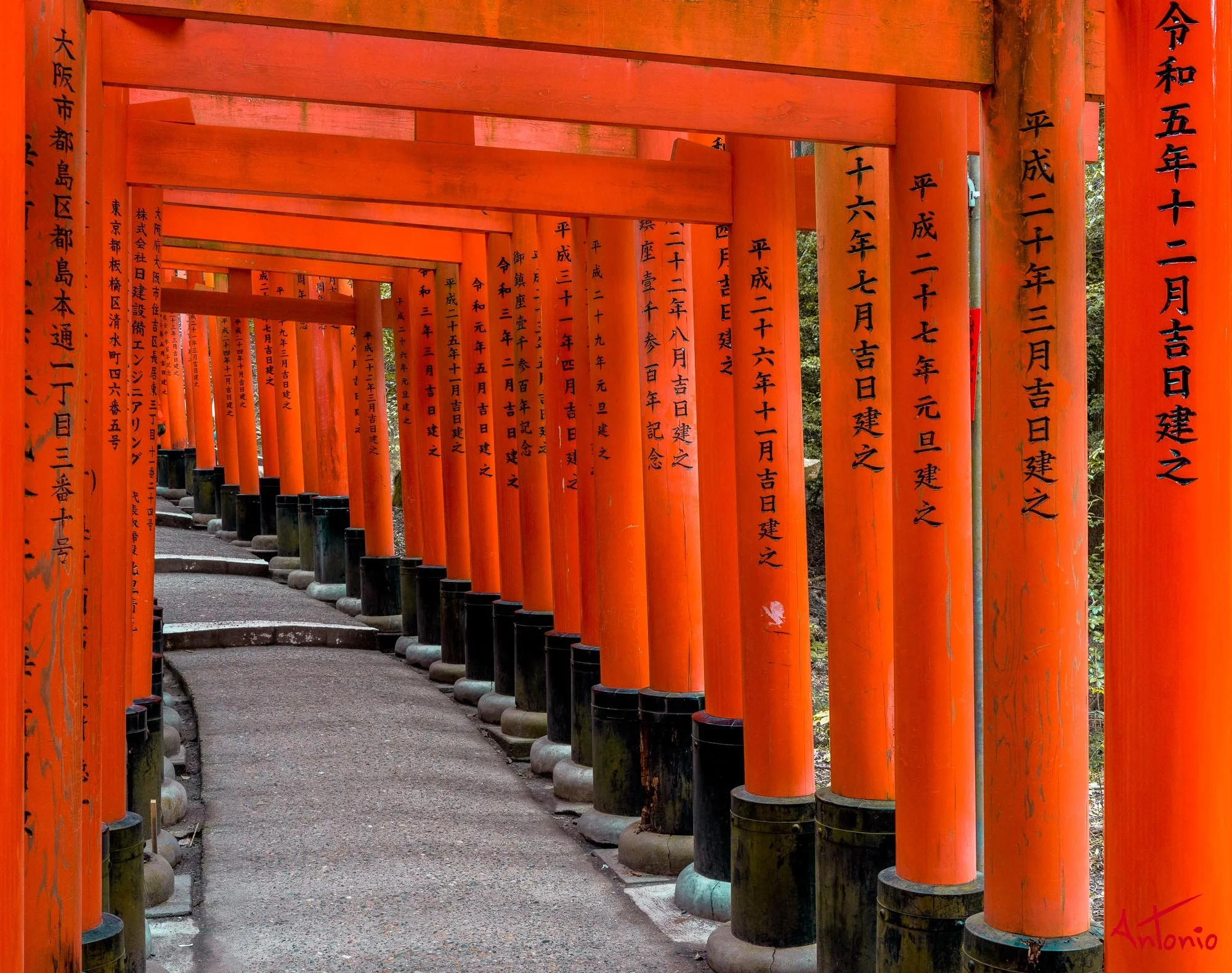
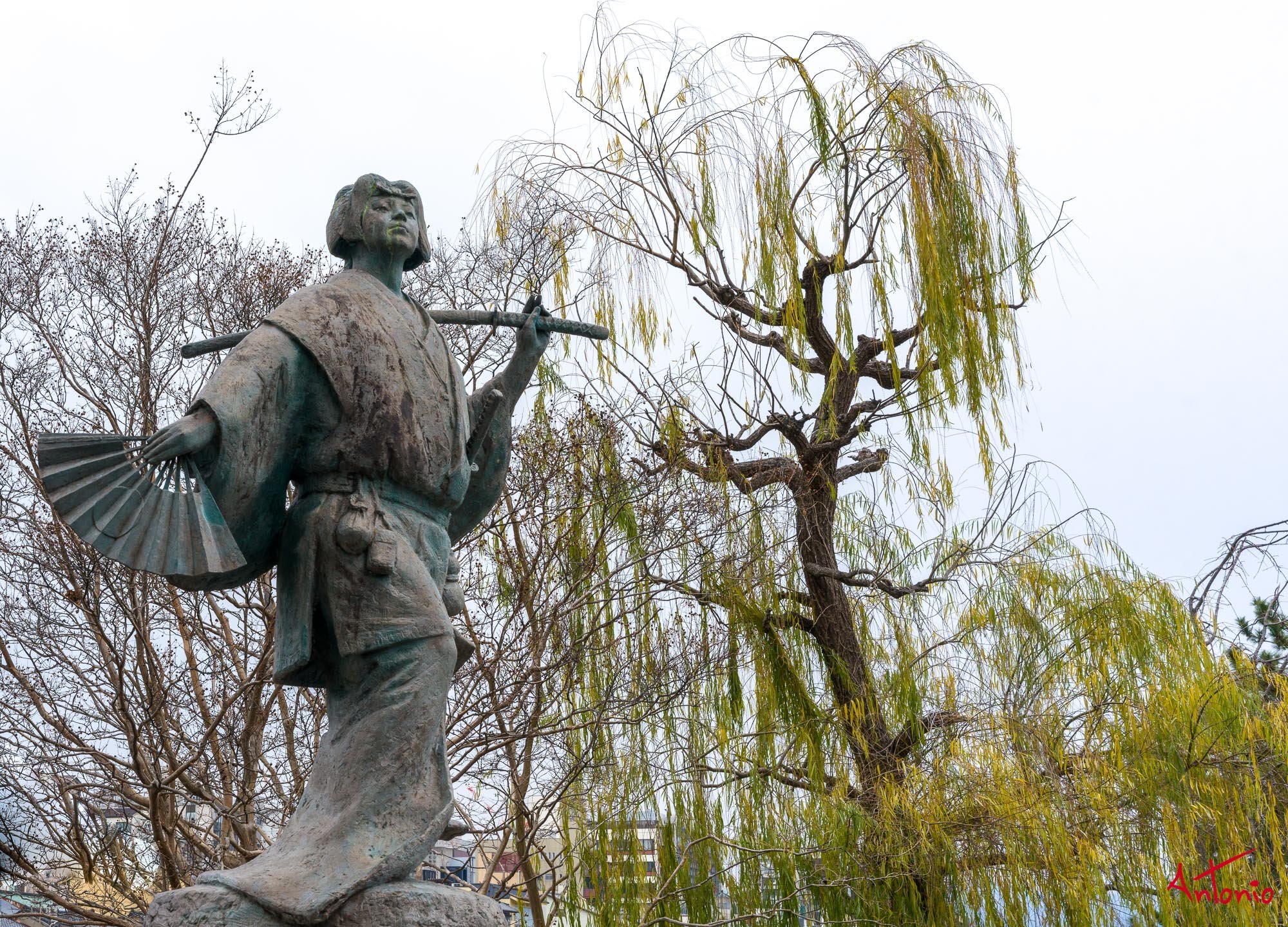
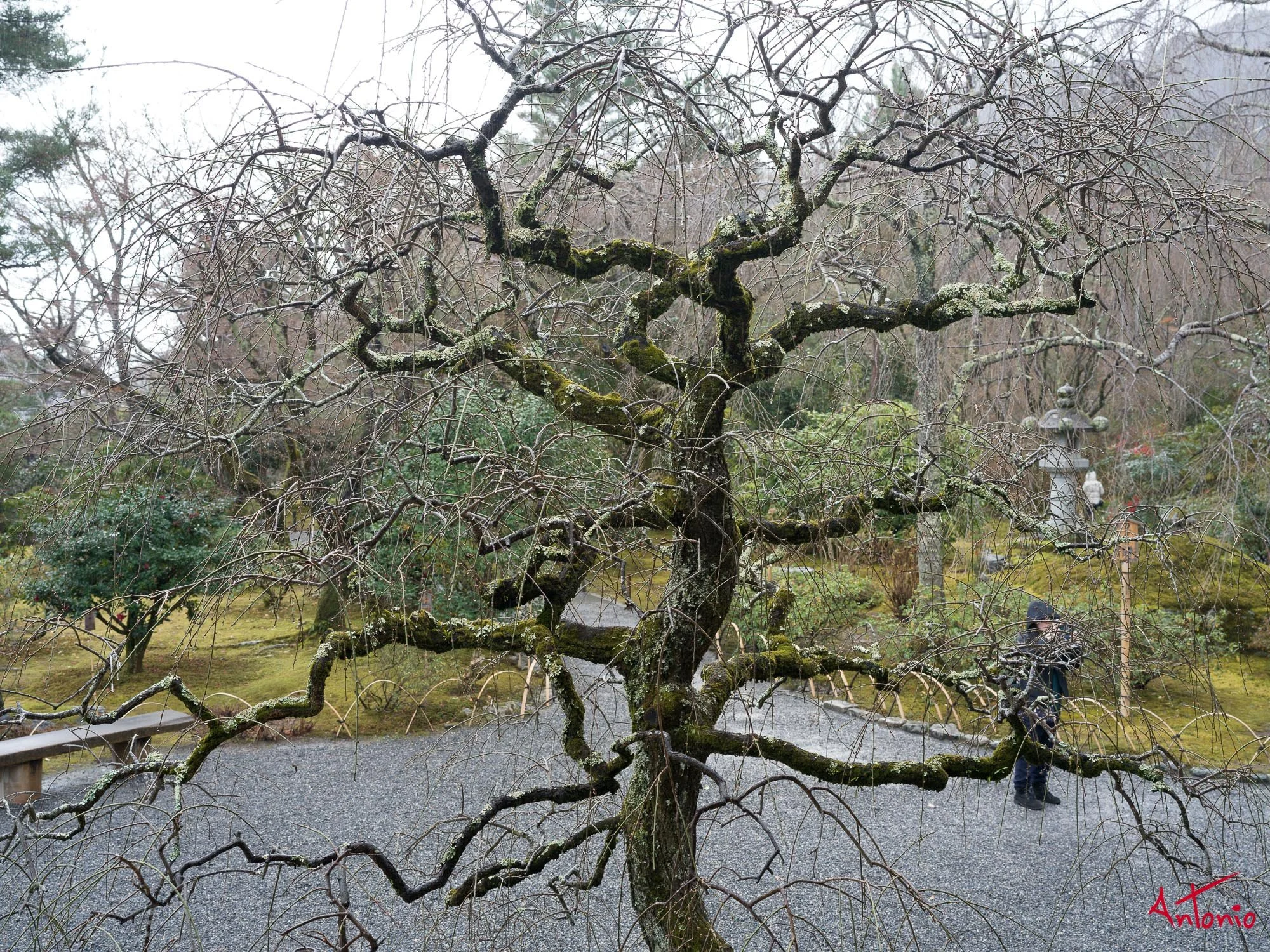
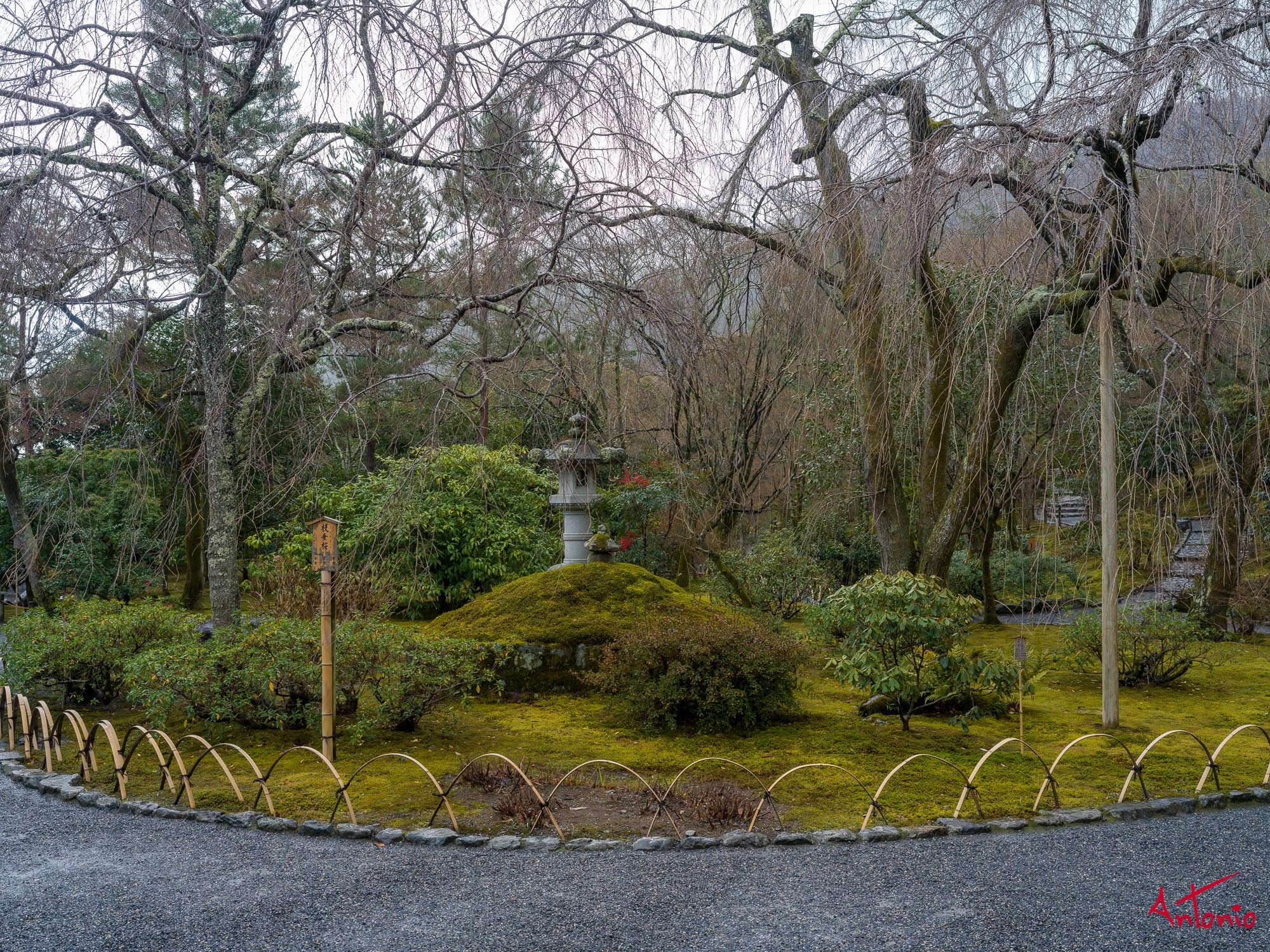
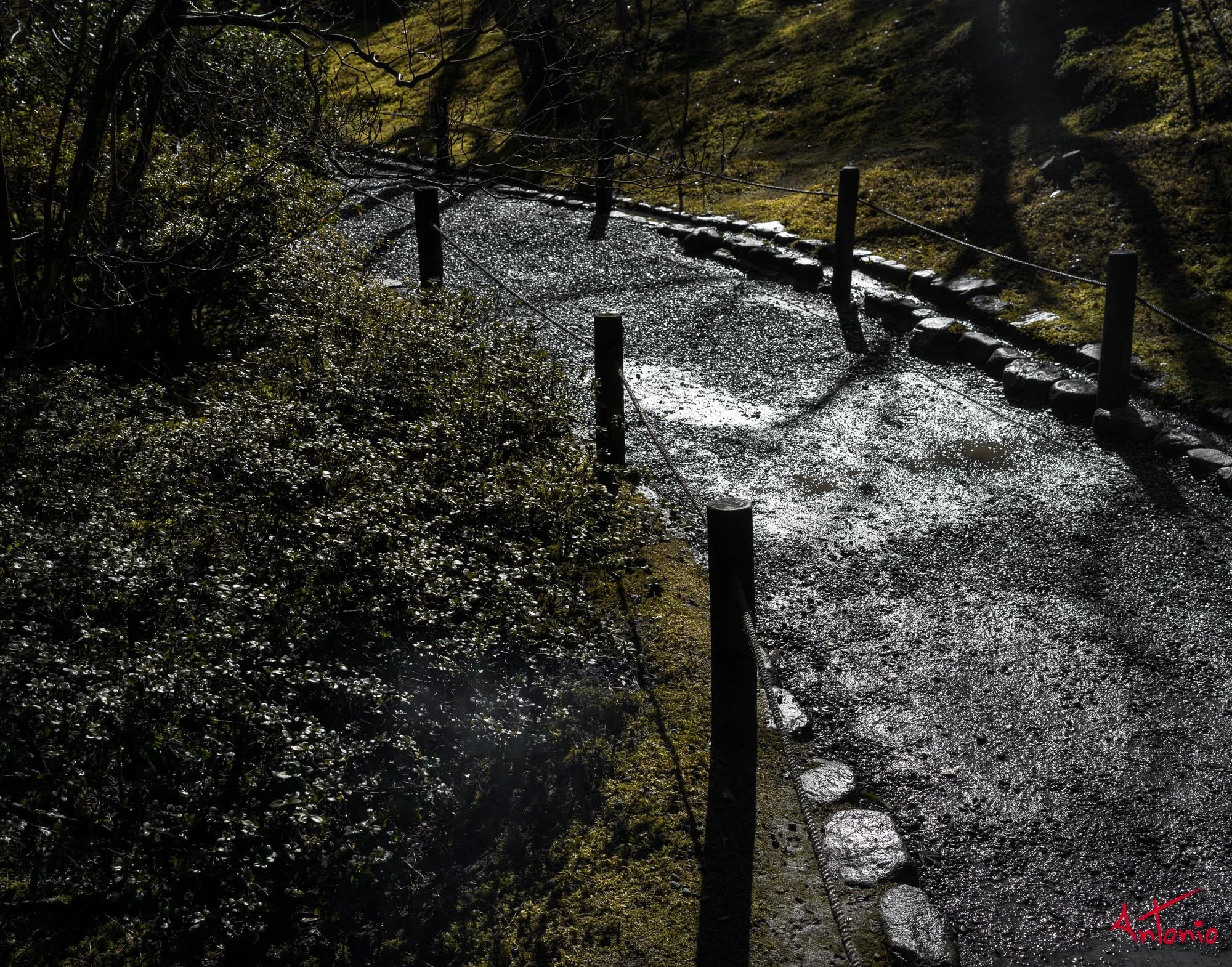
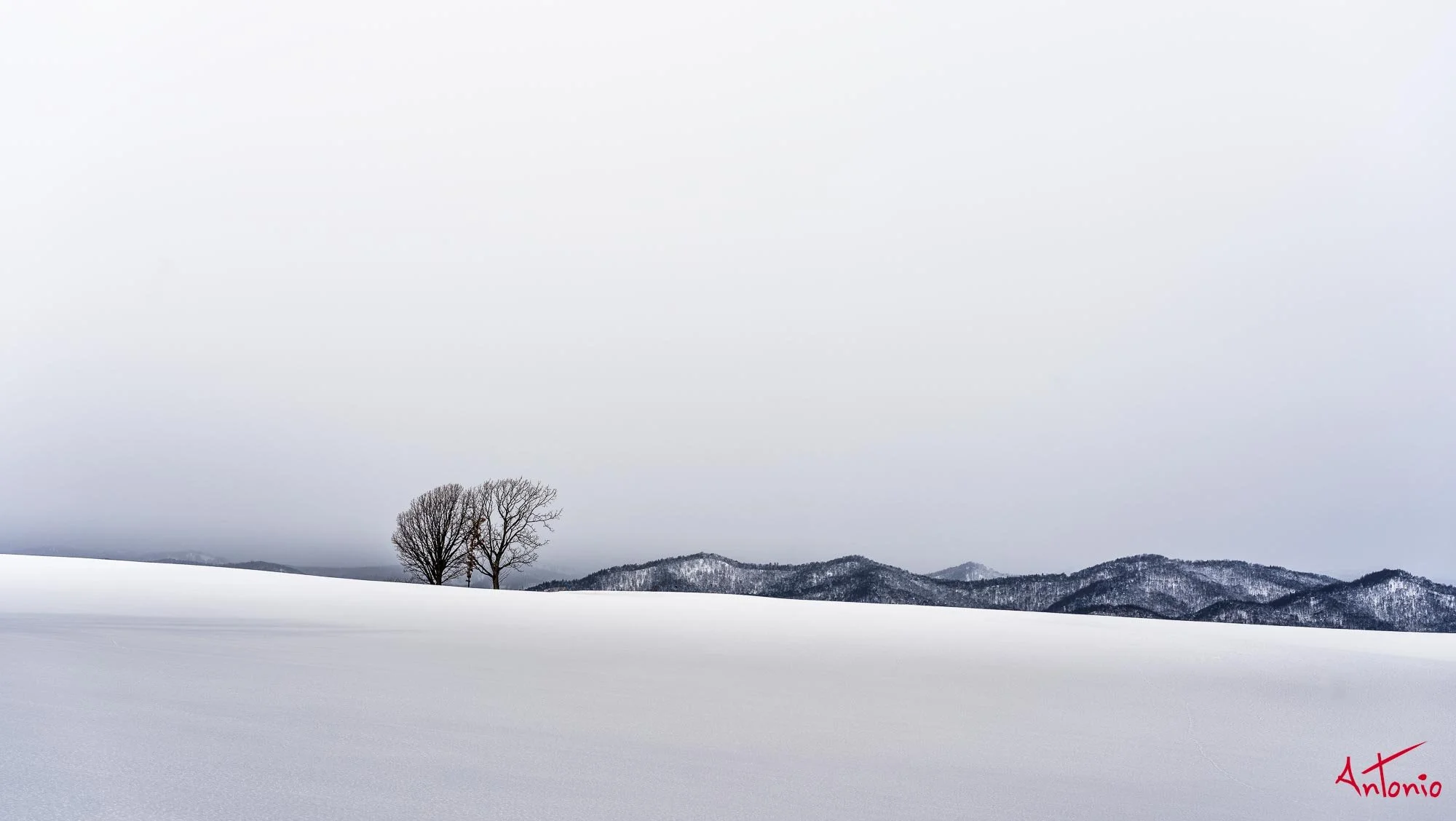
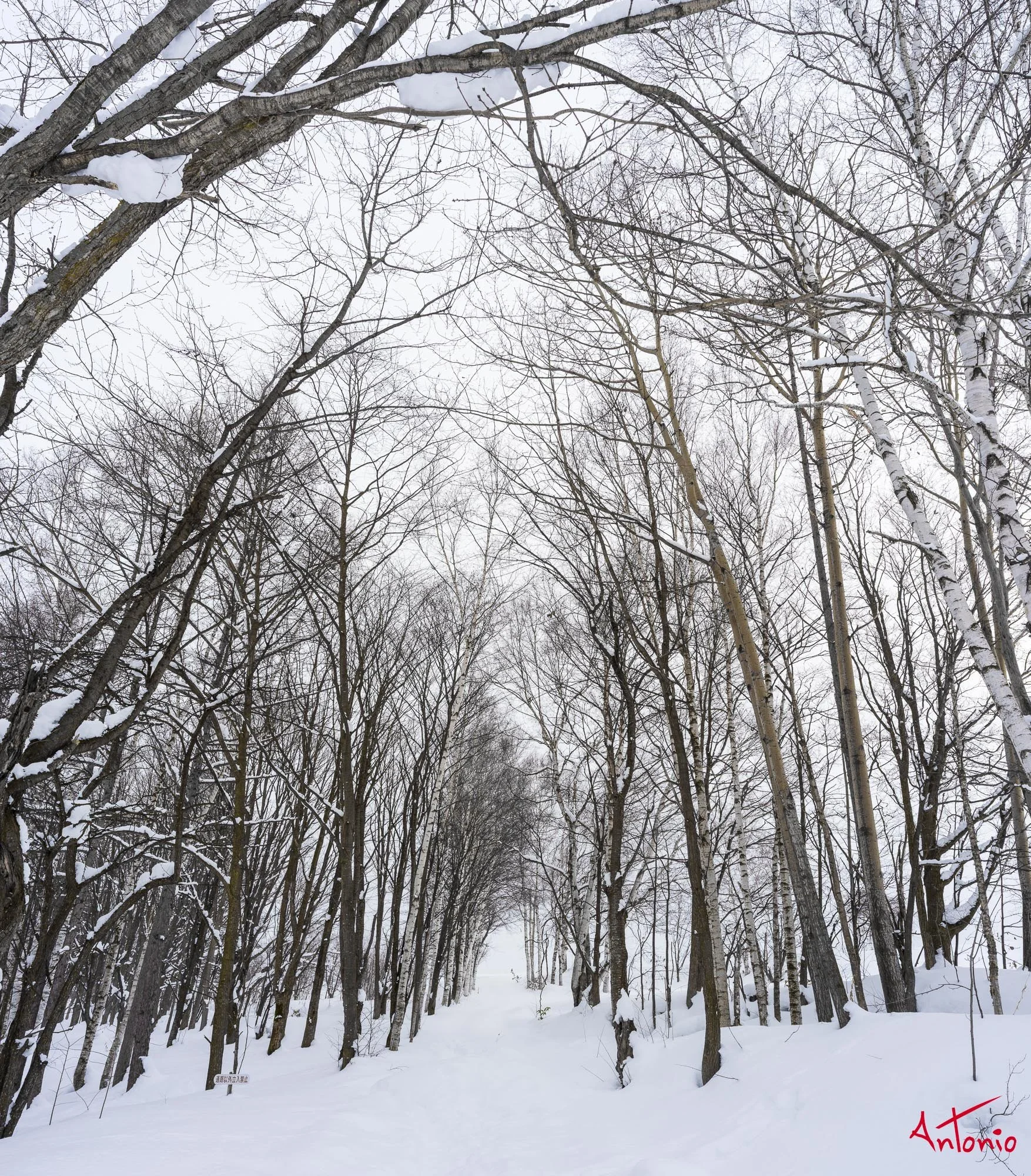
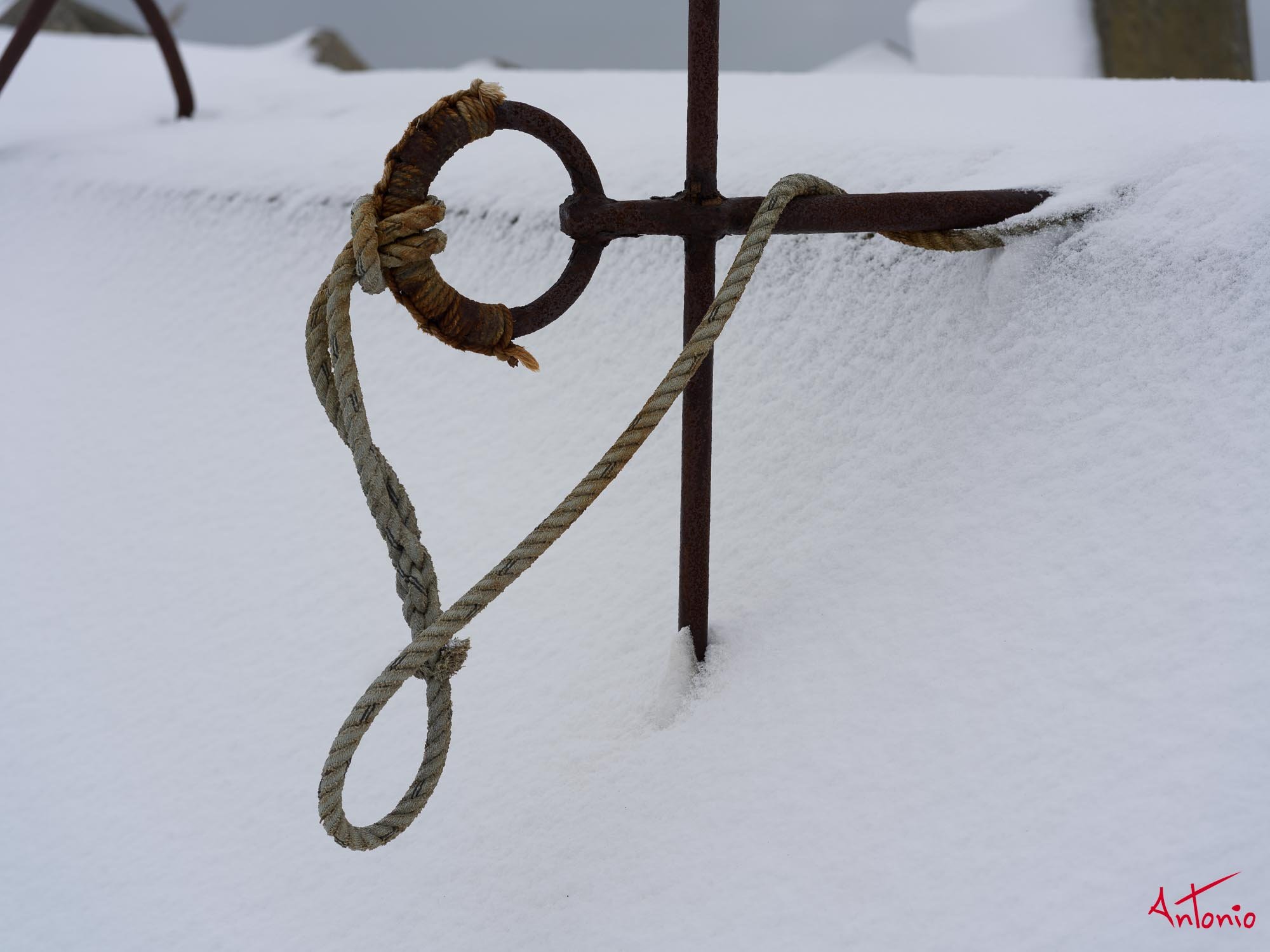
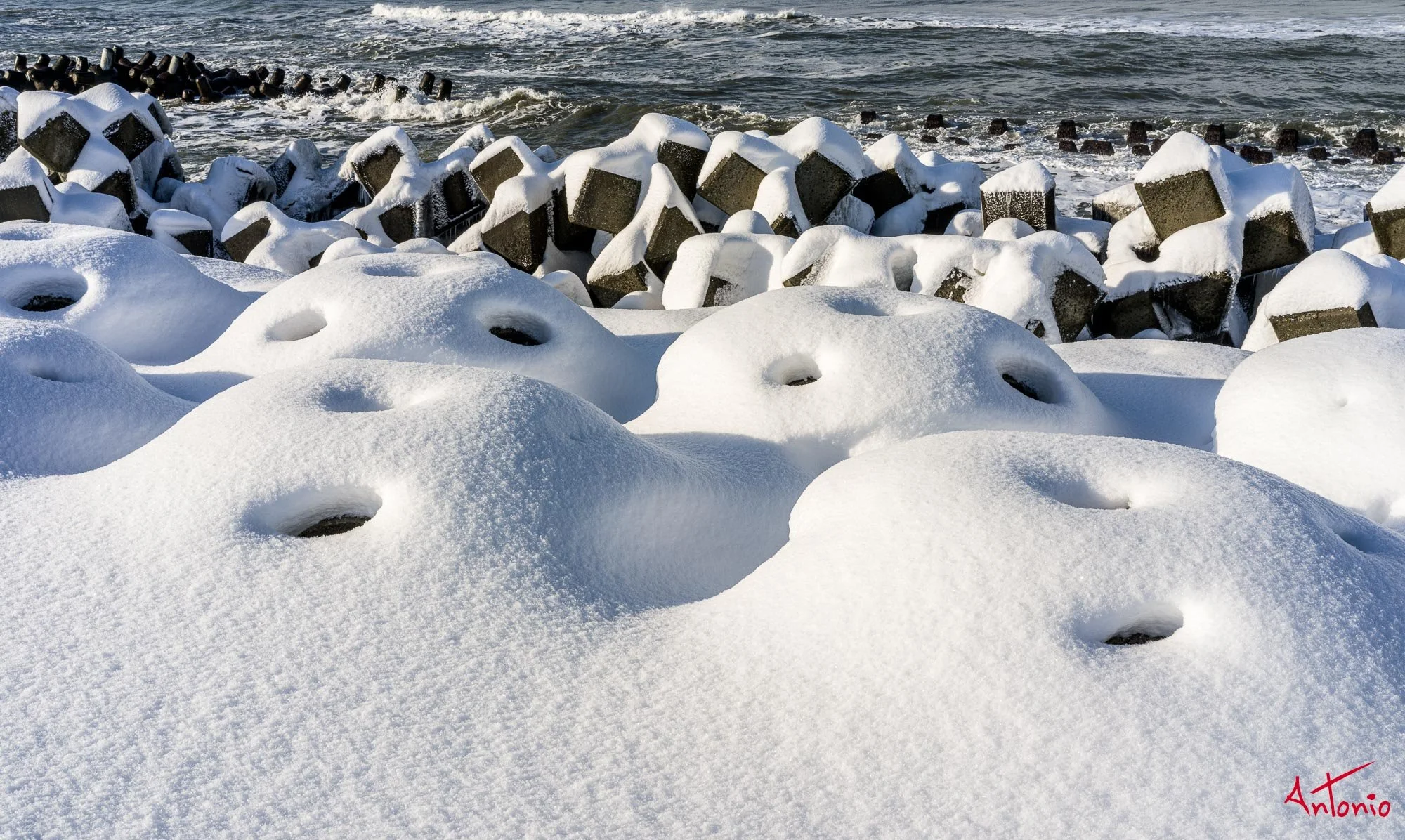
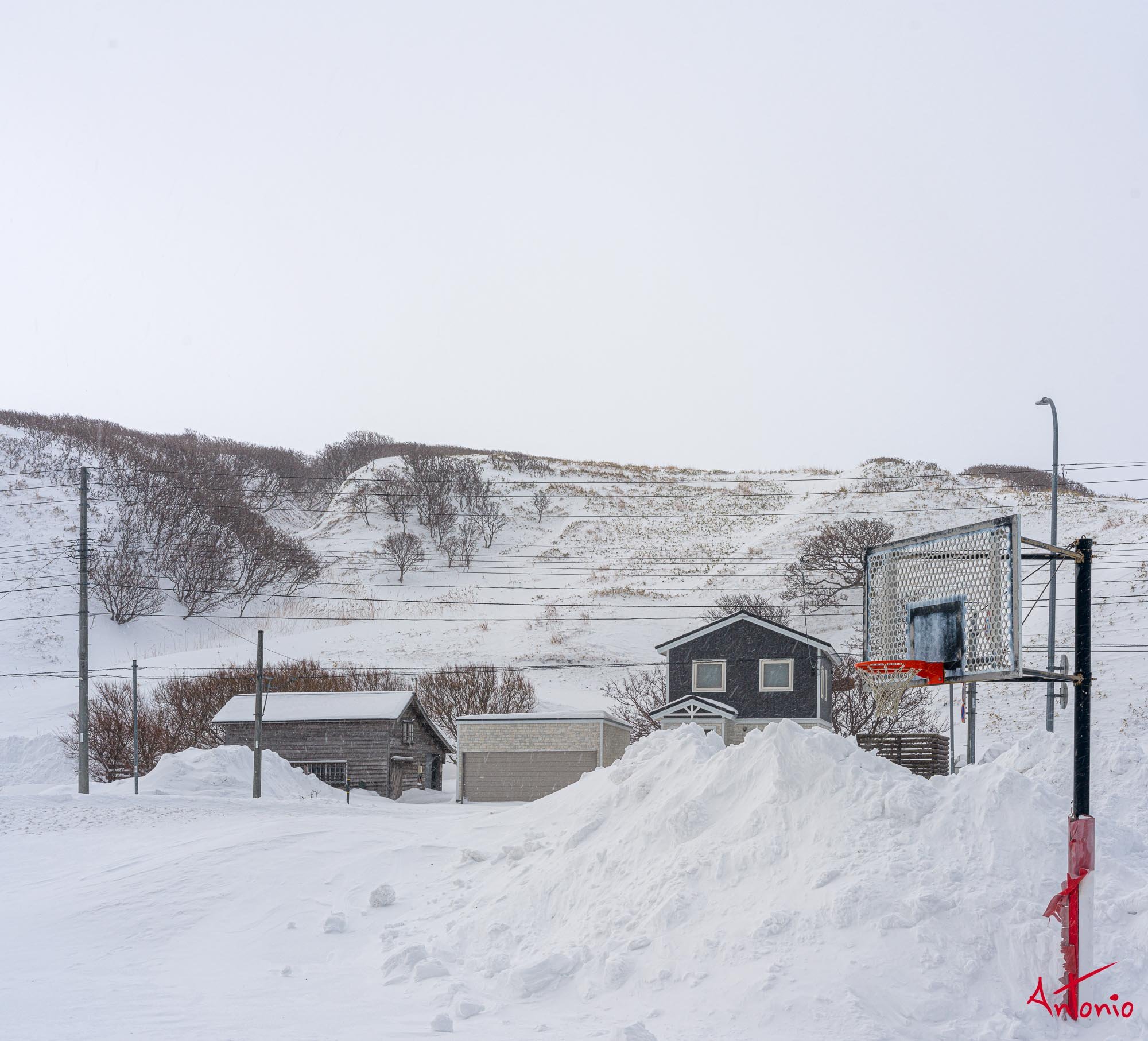
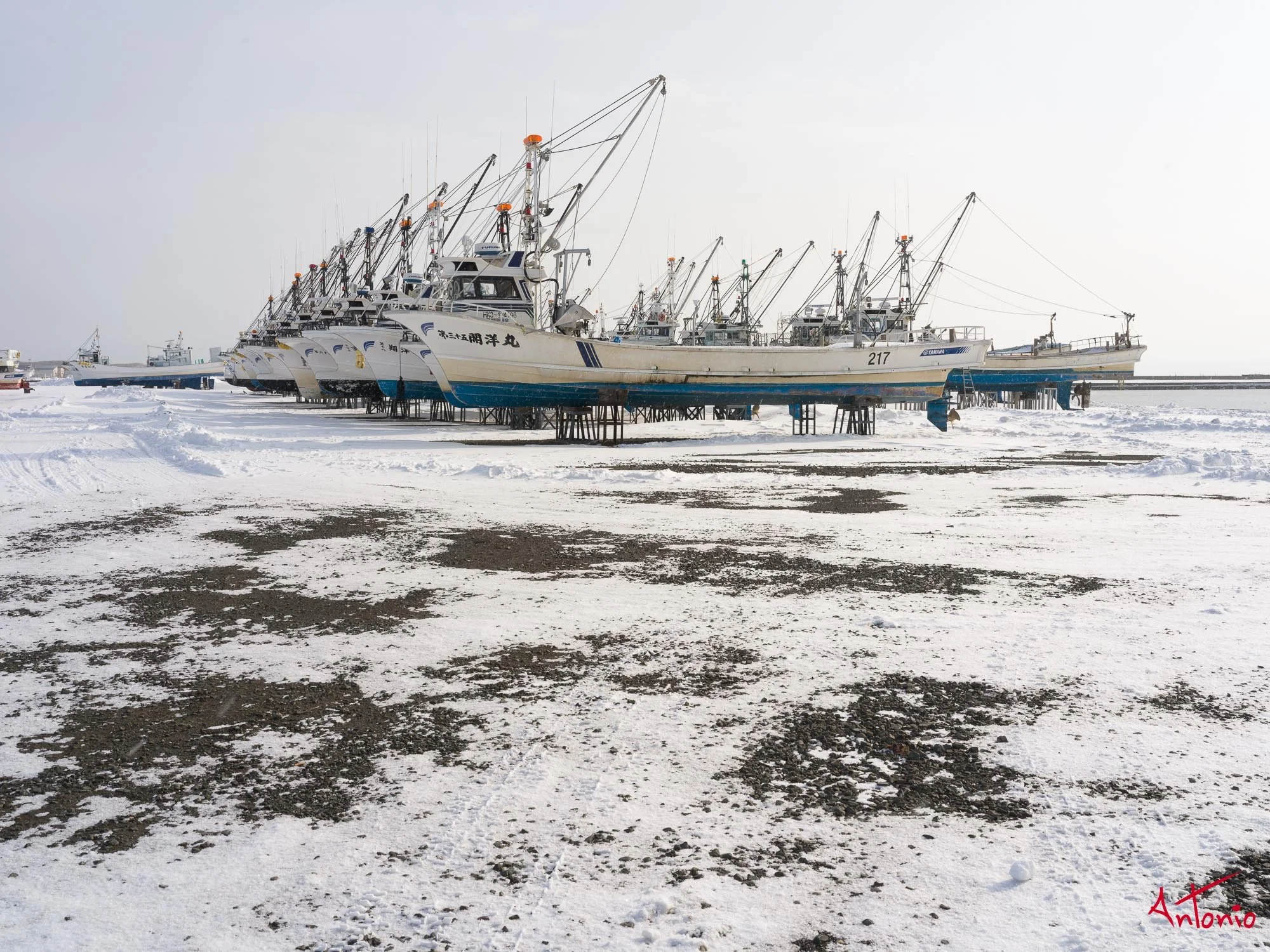
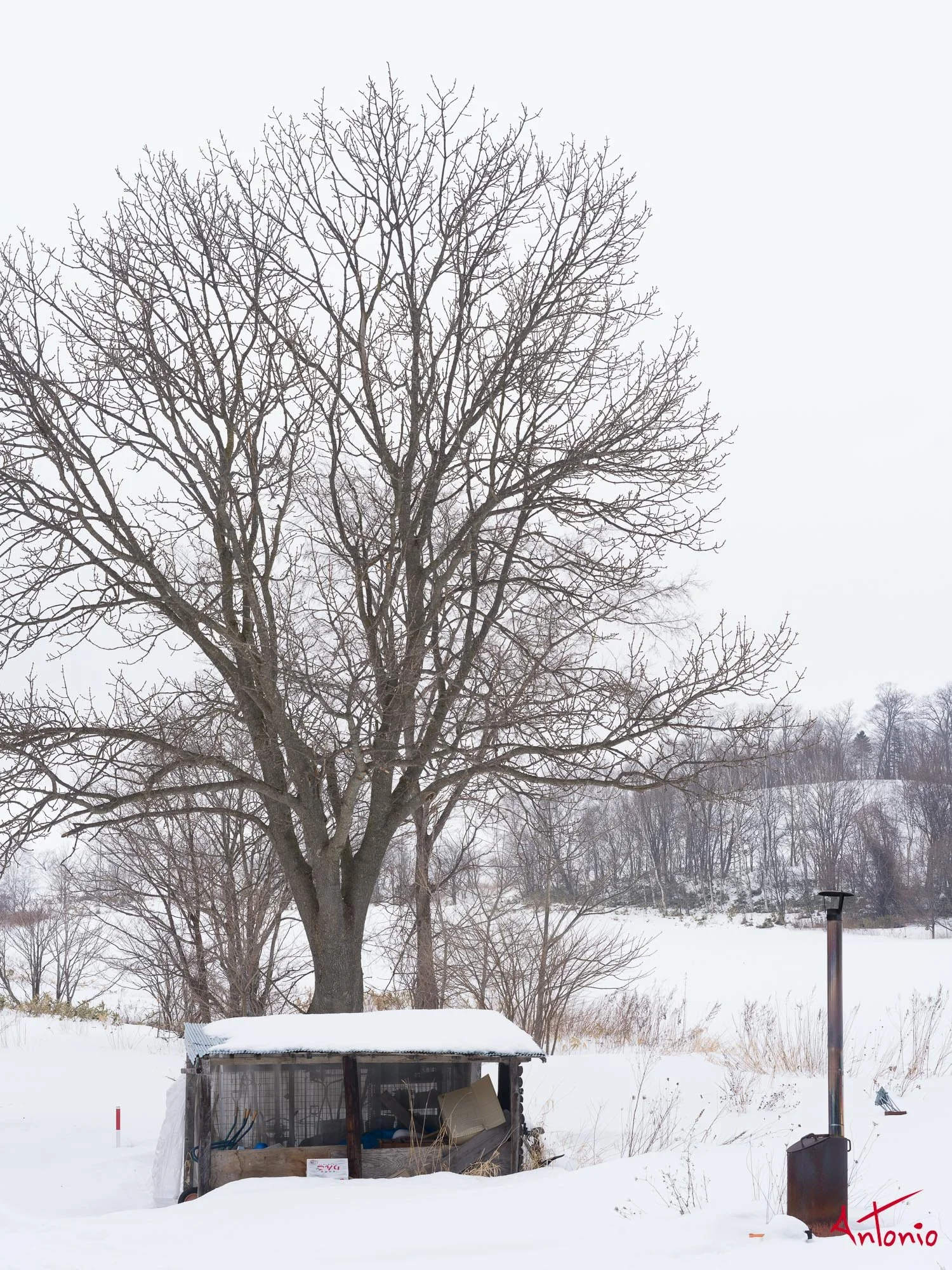
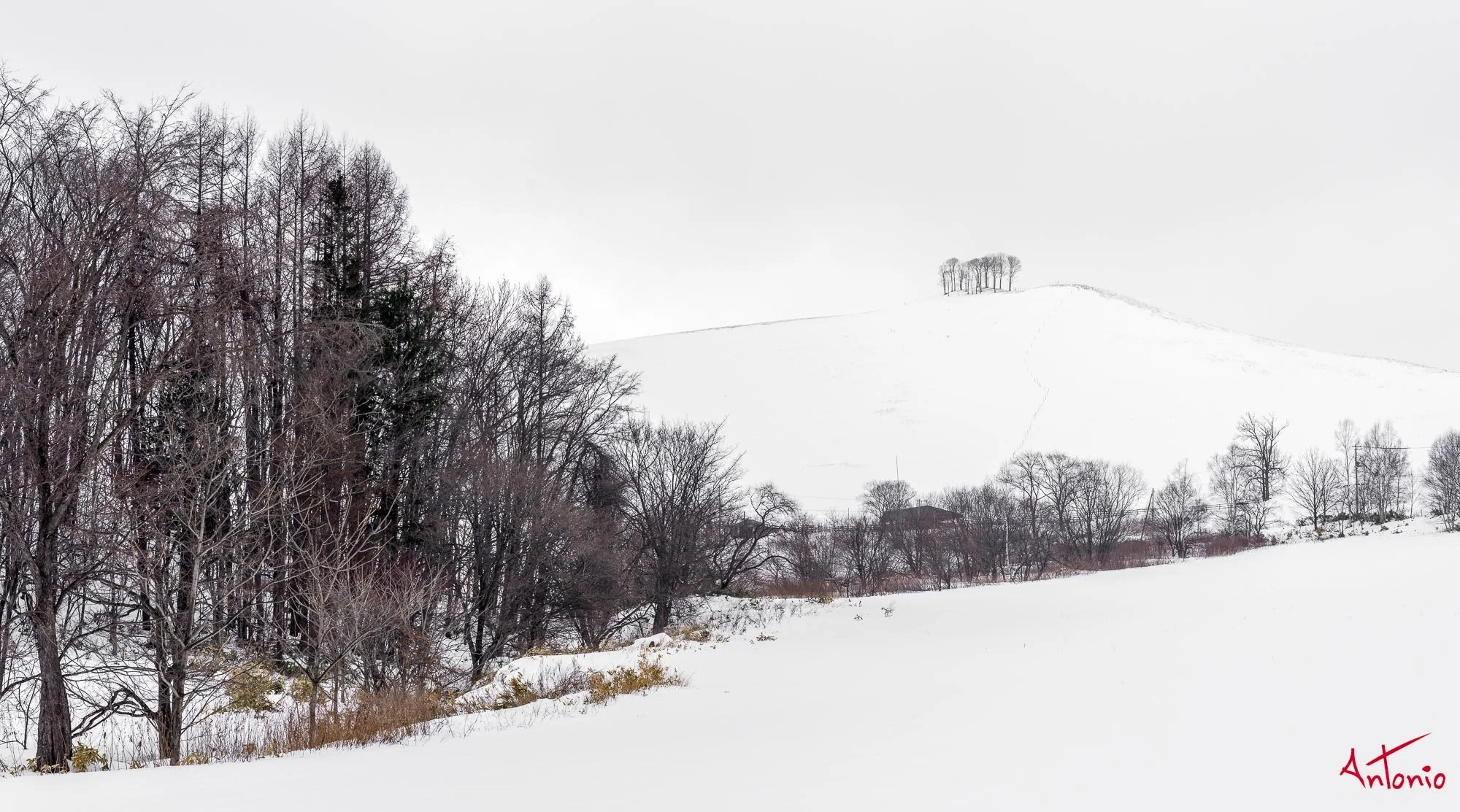
The beauty of landscape photography is not always found in the spectacular, but in the authentic. It may appear in a majestic mountain, an endless horizon, or a simple path illuminated by the sunset. That beauty lies in the harmony of the elements and in the emotion it evokes, allowing the viewer to pause, breathe, and—even if only for a moment—feel part of that place.